






Créé par Emilie, le 9 oct. 2026
Votre guide Ryo
Luxembourg, Luxembourg
The Capital disguised as a village
Parcours audioguidé pour visiter Luxembourg en 1 jour
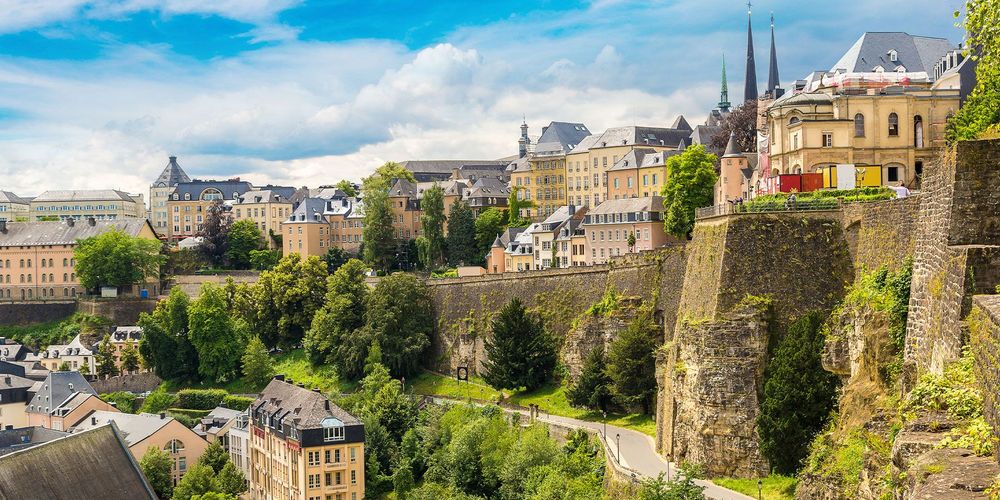
This tour of Luxembourg’s historic center invites you to discover a spectacular city, nestled between steep cliffs, legendary casemates, and elegant royal squares. Throughout the route, discover the heritage of the "Gibraltar of the North," the charm of the lower-town districts, and the landmarks where the medieval past meets the dynamism of a modern and cosmopolitan capital. A simple and immersive way to explore the heart of Luxembourg City at your own pace.
Quand partir à Luxembourg ?
Jan.
1°
13
Feb.
2°
10
March
6°
11
April
9°
10
May
14°
11
June
17°
11
July
19°
10
Aug.
19°
10
Sept.
15°
10
Oct.
10°
12
Nov.
5°
13
Dec.
2°
13
This small country, landlocked and far from the sea, has what is known as a semi-continental climate. Winters are cold and wet, and you can easily find yourself snowed in. Autumn is cool and it rains quite often. So, unless you absolutely want to see snow, the best time to visit the country and its capital is spring and summer. The rains don't stop completely, but the days are sunny and temperatures average between 19 and 24°C. Be careful, though, as the evenings remain cool even in the middle of August.
Départ conseillé
No need to worry about where to begin! Our tours are designed as a loop, so you can jump in where ever you are. The navigation system and audio-guide will automatically adjust to your location. However, if you happen to be nearby, we do have a prefered starting pont: the Casemates du Bock information centre, montée de Clausen.
Parking à proximité
Brasserie (Indigo) Parking - Rives de Clausen
You can also park on the street. Please pay attention to the colour code which gives you different access. Street parking is charged from Monday to Friday from 8am to 6pm, as well as on Saturdays in certain areas. On Sundays and public holidays, don't worry, parking is free.
White zone: free but 30 min max - Monday to Saturday Orange zone: 2 hours max (approx. €2/hour) - Monday to Saturday Yellow zone: 3 to 5 hours on the roadside and 5 to 10 hours in a car park (approx. €1/hour) - Monday to Friday Green zone: 5 hours max (between €1.5 and €2/hour) - Monday to Friday
Découvrez 19 lieux d'intérêt pour visiter Luxembourg






Le plein d'inspirations
Explorez le monde en totale liberté, à pied au cœur des villes ou au fil des routes. Nos guides audios transforment chaque destination en une découverte culturelle immersive et unique.
FAQ for visiting Luxembourg
When is the best time to visit Luxembourg?
The best time to discover Luxembourg runs from spring to summer, between April and September. During these months, you'll enjoy sunny days with pleasant temperatures ranging between 19 and 24°C, ideal for exploring the city on foot. Luxembourg's winter is cold and damp, with frequent snowfalls, while autumn remains cool and rainy. Even in summer, pack a light sweater as the evenings stay chilly, including in August. The semi-continental climate of this landlocked country can be capricious, but spring and summer will offer you the best conditions for fully appreciating the capital's spectacular panoramas and its historic districts.
How many days do you need to visit Luxembourg?
For a first discovery of Luxembourg City, two to three days are generally enough to explore the major sites and soak up the capital's unique atmosphere. In one full day, you can cover the historic centre, visit the casemates and admire the panoramas from the Chemin de la Corniche. A second day lets you deepen your visit by discovering the Grund and Clausen districts, the Grand Ducal Palace and the main museums. If you have a third day, take the opportunity to explore the Kirchberg Plateau with its European institutions and modern architecture, or to venture into the city's green surroundings. The Ryo audioguide accompanies you on this discovery with an optimised route that covers the must-sees of the historic centre.
How do you get around Luxembourg?
Luxembourg offers the exceptional advantage of providing completely free public transport across the entire national territory. Buses, trams and trains are accessible without a ticket, which greatly eases your travels. In the capital, the bus network is highly developed and the modern tram serves the main districts. To explore the historic centre, favour walking, as many streets are pedestrianised and distances remain short. The panoramic Pfaffenthal lift, also free, lets you easily move from the upper town to the lower town. If you prefer cycling, the Vel'oh rental system offers stations throughout the city. Taxis remain an option, especially in the evening, though relatively pricey as in any European capital.
What can you visit for free in Luxembourg?
Luxembourg City offers many free-visit possibilities that will delight lovers of history and architecture. The ramparts and fortifications can be explored freely, as can the spectacular Chemin de la Corniche, nicknamed the most beautiful balcony in Europe. The picturesque Grund and Clausen districts can be walked at no cost, offering commanding views over the cliffs and the old mills. Notre-Dame Cathedral and several historic churches welcome visitors free of charge. The changing of the guard at the Grand Ducal Palace in summer is a much-appreciated spectacle. Some museums offer free entry on Thursday evenings or during special events. The public parks and gardens, such as the municipal park or the gardens of Fort Thüngen, offer green spaces to relax in the very heart of the city.
What language is spoken in Luxembourg?
Luxembourg has three official languages that reflect its history and its unique geographical position. Luxembourgish (Lëtzebuergesch) is the national language, spoken daily by the inhabitants. French and German complete this official trilingualism. In practical terms for tourists, you'll notice that French largely dominates in the shops, restaurants and administrative offices of the capital. Most Luxembourgers have a perfect command of these three languages, to which English is often added, particularly in the banking sector and the European institutions. This linguistic diversity reflects Luxembourg's cosmopolitan character, where nearly half the population is of foreign origin. For your visit, French will allow you to communicate easily everywhere, although a few words in Luxembourgish are always appreciated by the locals.
Where should you stay in Luxembourg City?
The choice of your accommodation in Luxembourg will depend on your priorities between proximity to the tourist sites and budget. The Ville Haute district, around the Place d'Armes and the Place Guillaume II, remains the most convenient for visiting the main attractions on foot. Hotels there are generally more expensive, but you'll be at the heart of the activity. The Gare district offers more affordable options with excellent transport connections. For a more authentic experience, the Grund or Clausen districts offer a few charming accommodations in a picturesque setting, at the foot of the cliffs. Kirchberg, the district of business and European institutions, is suitable if you combine tourism and a professional trip. Youth hostels and guesthouses are economical alternatives appreciated by travellers.
How do you get to Luxembourg from France?
Several options are available to reach Luxembourg from France. The train often remains the most convenient, with direct TGV links from Paris in a little over two hours, and regional connections from Metz or Nancy. By car, allow about three and a half hours from Paris via the A4 motorway, or under an hour from Metz. Direct flights from Paris are possible but generally less worthwhile in terms of total time and cost, especially if you factor in the journeys to the airports. From eastern France, international buses offer economical trips. Once you arrive at Luxembourg's central station, you're ideally placed to begin your exploration of the city, all the more so as the free public transport will let you easily reach your accommodation.
What remains of Luxembourg's old fortifications?
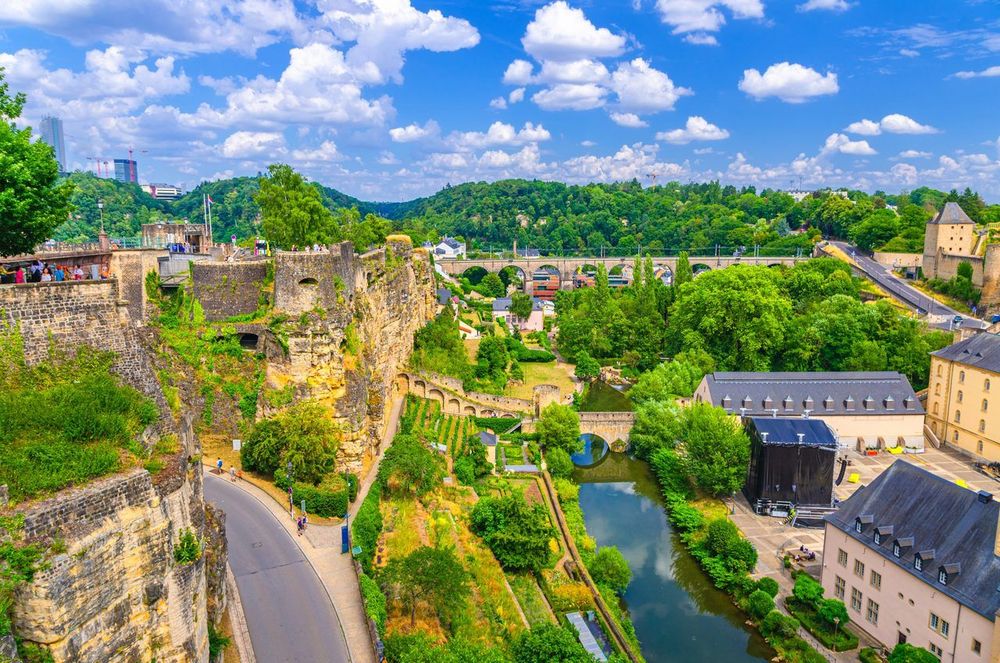
The capital was long one of the most feared strongholds in Europe, so much so that it was nicknamed the Gibraltar of the North. Dismantled in the late nineteenth century, it kept a spectacular network of galleries carved into the sandstone: the Bock and Pétrusse casemates, listed as world heritage, can be walked through, between loopholes opening onto the void and narrow staircases.
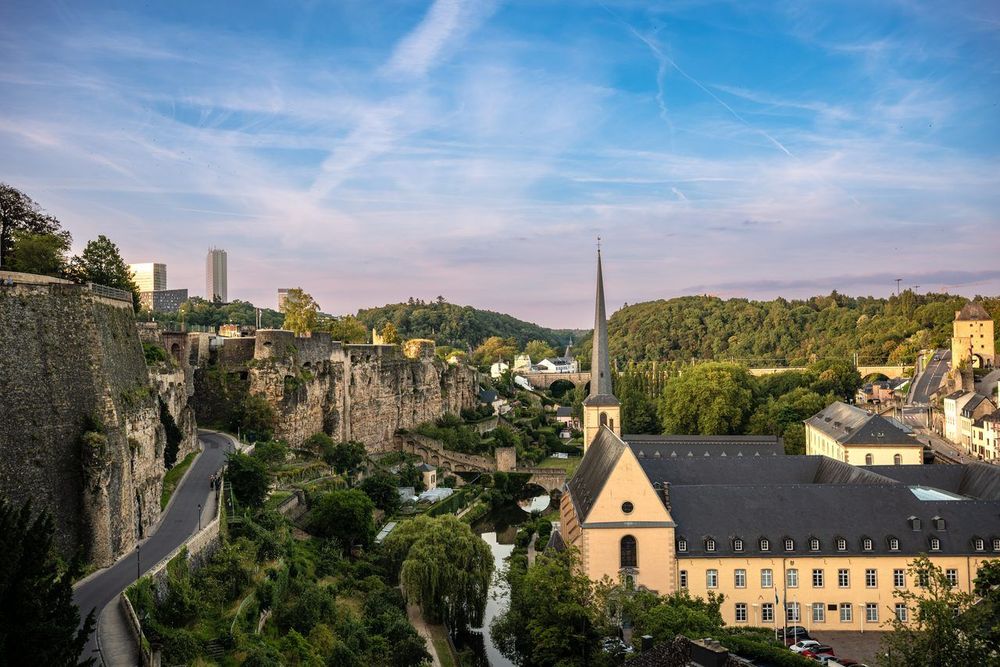
Above ground, the Corniche walk, often described as the finest balcony in Europe, follows the old rampart above the Alzette valley and offers a plunging view over the slate roofs. The remains of Fort Thüngen and the Dräi Eechelen park, on the opposite plateau, round off the walk. Wear sturdy shoes, as the floor of the galleries is uneven and often damp.
How can you explore the lower town and the Grund district?
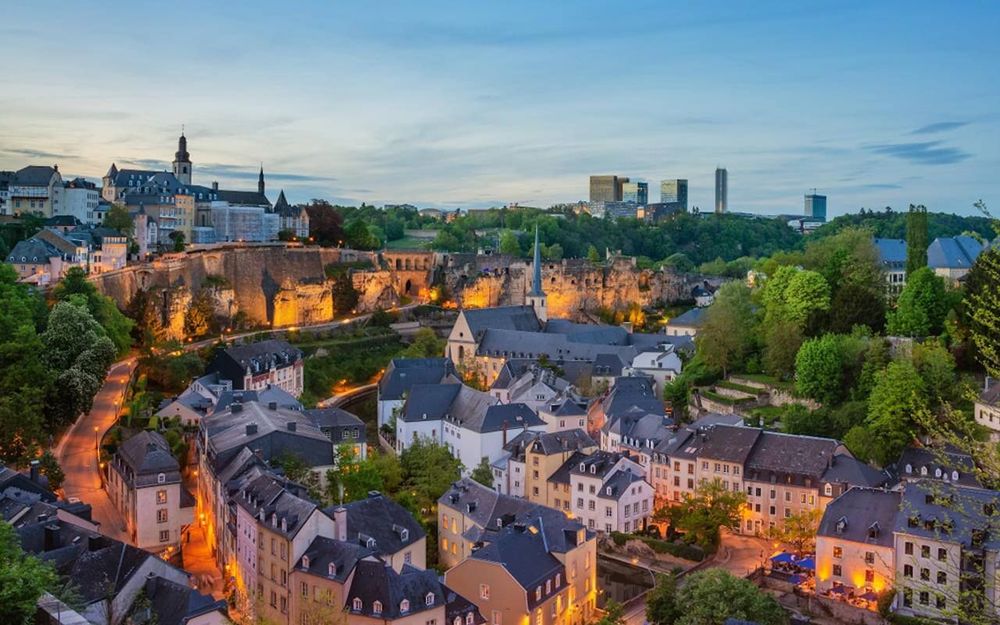
Luxembourg reads on two levels. Up above, the old town, its squares and its institutions; down below, at the bottom of the gorge, the Grund, the former district of craftsmen and tanners, with its houses pressed together along the Alzette, its stone bridges and its Neumünster abbey turned cultural venue.
You can go down by staircases cut into the rock or, more simply, by the public lift that links the Saint-Esprit plateau to the valley floor in a matter of seconds. The neighbouring Clausen district extends the walk with its breweries and waterside terraces, while the towpath lets you follow the river quietly upstream. The Ryo audio guide offers a dedicated Luxembourg route that links the upper and lower town.
Which local dishes should you try in Luxembourg?
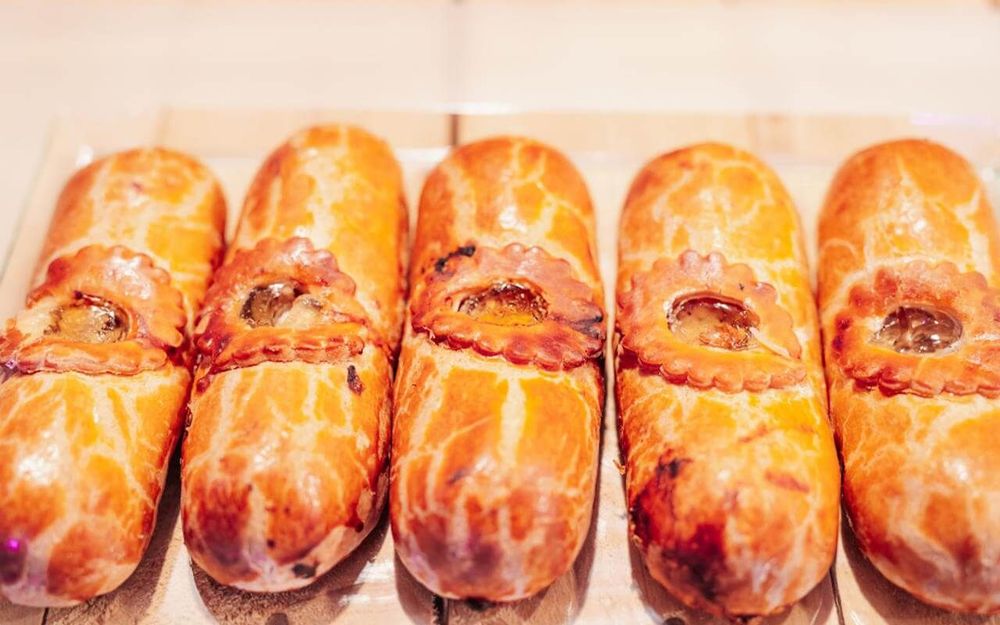
Local cooking borrows from its German and French neighbours, with fairly hearty dishes. Judd mat gaardebounen, smoked pork collar served with broad beans, is widely regarded as the national dish. You will also come across bouneschlupp, a green bean and potato soup, gromperekichelcher, fried potato fritters sold at markets and fairs, and kachkéis, a soft melted cheese spread on bread.
For something sweet, plum tart marks the end of summer. The country also produces its own white wines along the Moselle, riesling, auxerrois or pinot gris, as well as a sparkling crémant that will readily be offered to you before a meal.
Which museums should you visit in Luxembourg, from modern art to the history of the fortress?
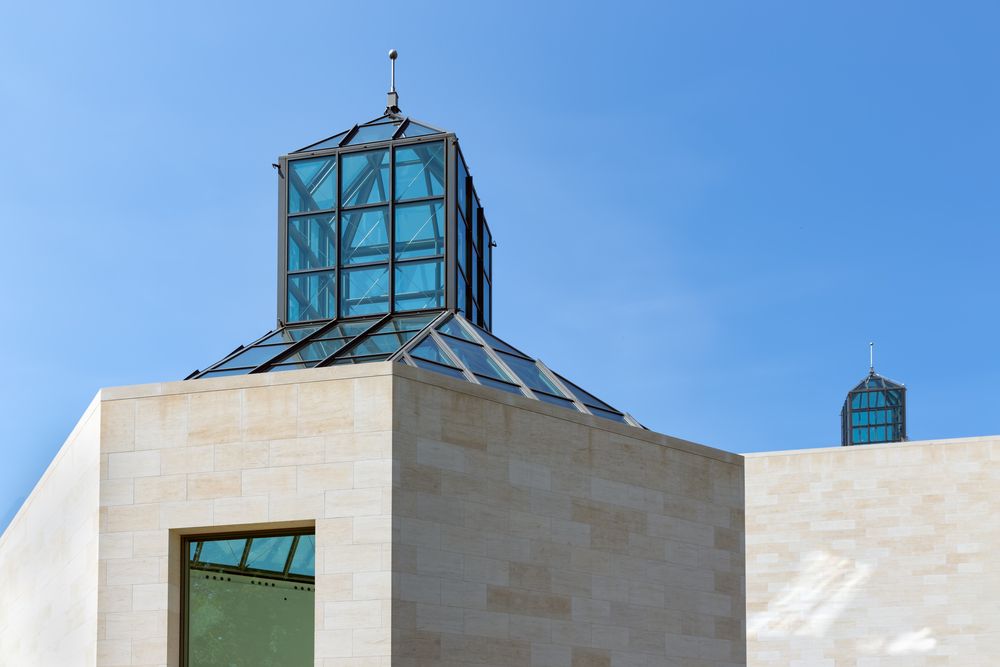
Mudam, designed by Ieoh Ming Pei on the foundations of Fort Thüngen, spreads 6,000 m² of contemporary art, with free entry on Wednesday evenings. On the Marché-aux-Poissons, the National Museum of History and Art offers free access to its permanent collections, from prehistory to fine arts. The Dräi Eechelen museum, also free, tells the story of the fortress and Luxembourg identity from the fort's casemates. Villa Vauban displays 17th-century Dutch masters, and the National Museum of Natural History, in the former Hospice Saint-Jean, traces 14 billion years of evolution.
All ten addresses are presented in our selection of must-see museums in Luxembourg.
Which hearty country dishes and typical desserts should you order in Luxembourg?
Simple and generous, Luxembourg cooking comes from farming tradition. Judd mat Gaardebounen, smoked pork collar with broad beans, Bouneschlupp, a soup of green beans, potatoes and bacon, and Kuddelfleck, fried tripe served with tomato sauce, are its pillars. Also try Traïpen, black pudding, Fierkelsjelli, suckling pig in jelly, small fried fish from the Moselle and Riesling pâté. For dessert, there is Questschentaart made with August plums and Christmas Stollen, with a Bofferding or Battin beer.
All ten specialities are described in our guide to Luxembourg's culinary specialities.
Which activities can you enjoy in Luxembourg City and across the Grand Duchy?
In town, Mudam, open from 10am and closed on Tuesdays, also runs workshops for children, while the Philharmonie in Kirchberg, one of the most prestigious concert halls in Europe, programmes jazz, chamber music and film scores. Outside the capital, the medieval castle of Vianden, built between the 11th and 14th centuries, can be visited without booking. The Moselle wine region stretches for nearly 42 km from Schengen to Wasserbillig, Echternach Abbey reveals its former scriptorium, and the Cercle parachutiste luxembourgeois in Wiltz-Noertrange offers first jumps.
All six ideas are detailed in our selection of things to do in Luxembourg.
How should you plan a solo day in Luxembourg City?
The old town can be covered in an hour and a half: Place Guillaume II and its Wednesday and Saturday market, the Grand Ducal Palace with its 1572 façade, Notre-Dame Cathedral, free outside services, Place de la Constitution and its Gëlle Fra, then St Michael's Church, whose chapel was consecrated in 987. Next, follow the Chemin de la Corniche, nicknamed the most beautiful balcony in Europe, head down into the Bock Casemates and reach Pfaffenthal by the panoramic lift that drops 71 metres, before heading to Mudam.
Itinerary, safety and budget are covered in our guide to visiting Luxembourg solo.
What can you do in Luxembourg with children, between the capital, castles and nature?
Good news for the budget: public transport has been free across the country since 2020. In the capital, the Bock Casemates, dug from 1644, take about an hour to visit, the Chemin de la Corniche is pushchair-friendly and the free Pfaffenthal lift swallows 71 metres of height; Mudam runs workshops for children. Beyond the city, discover a fortified castle where Victor Hugo stayed, a wildlife park open since the 1950s, the sandstone caves of Luxembourg's Little Switzerland and the abbeys of Echternach and Clervaux.
A three-day plan and budget are in our guide to visiting Luxembourg with the family.
Vos commentaires, idées et suggestions
Aucun avis pour le moment