© Shutterstock
 Votre guide Ryo
Activities in Montréal and Surroundings: Complete Guide 2026
For anyone looking for activities in Montréal and surroundings, the challenge isn't finding things to do — it's choosing. The Quebec metropolis offers all at once historic neighbourhoods with cobblestone lanes, a gastronomic scene that Michelin guides have finally taken notice of, and an underground network of 33 km connecting 80 downtown buildings as a refuge from biting winters. But the city itself is only the first layer of the picture.
Less than two hours' drive away, the Laurentians unfold landscapes that change with every season, Parc Oméga puts wolves, bison, elk and deer within arm's reach of your car window, and the village of Mont-Tremblant draws skiers and hikers alike depending on the time of year you arrive. To start with the city before venturing into the surrounding area, the Ryo audio-guided tour of Montréal provides a solid thread through the historic neighbourhoods.
Old Montréal: Where It All Began
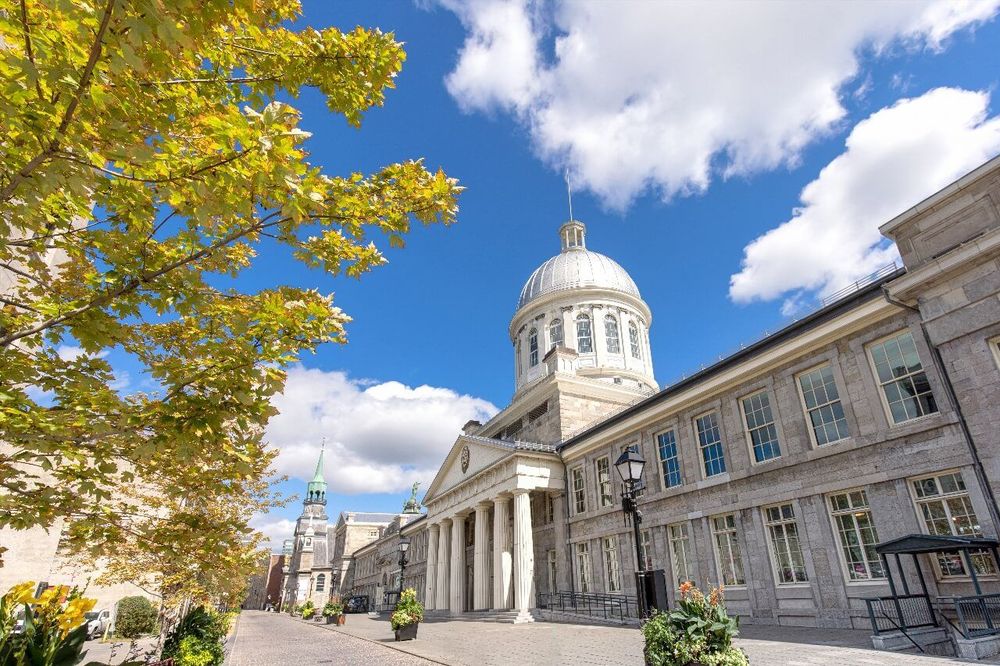
Old Montréal is the city's oldest neighbourhood, founded in 1642 on the banks of the St. Lawrence River. What could have been nothing more than an open-air museum has transformed into a living district, with gourmet restaurants housed in 18th-century vaulted cellars and boutique hotels whose grey stone façades have survived several centuries of politics and fires.
The Place Jacques-Cartier is the neighbourhood's centre of gravity. This gently sloping square descends toward the Old Port and draws, depending on the hour, lively terraces, street musicians and carriage drivers offering horse-drawn rides. In winter, it transforms into a skating rink. Adjacent to the square, Montréal City Hall is worth a glance for its Beaux-Arts façade — it was from the balcony of this building that de Gaulle delivered his famous "Vive le Québec libre!" speech in 1967.
The Basilique Notre-Dame de Montréal, with its interior entirely painted in midnight blue and gold and its capacity of several thousand worshippers, is one of the most spectacular in all of North America. Completed in 1829 to the designs of Irish-born architect James O'Donnell, it now hosts the "Aura" sound-and-light show, which is well worth a visit even for those not drawn to religious architecture. Allow around 30 to 45 minutes for the visit, at around 16 CAD per adult excluding the show.
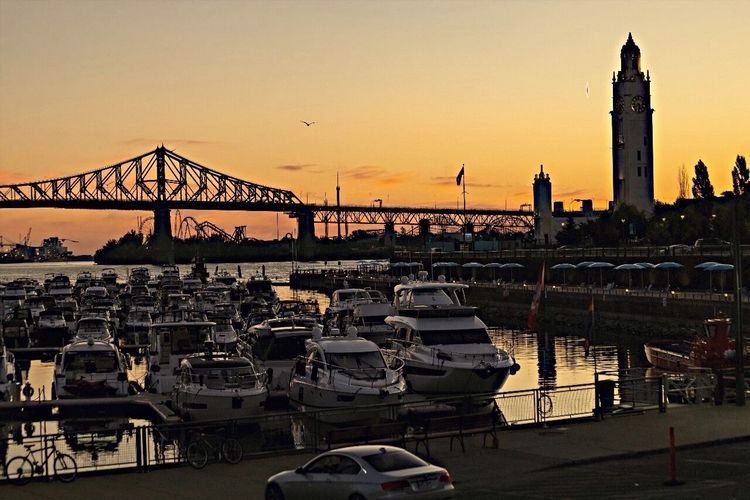
From Old Montréal, the Old Port stretches for 2.5 km of waterfront promenades along the river. In summer, visitors rent bikes and pedal boats, visit the Montréal Science Centre and board cruises on the St. Lawrence. In winter, the Old Port's refrigerated skating rink is one of the most popular in Canada.
For those interested in Montréal archaeology, the Pointe-à-Callière museum (350 Place Royale, Montréal, QC H2Y 3Y5, rated 4.6/5 on Google from 8,348 reviews) stands on the exact site of Montréal's founding in 1642. It descends into the remains of the earliest fortifications through underground galleries and displays objects unearthed during excavations carried out on the museum's own grounds.
Old Montréal can be explored on foot without difficulty in half a day. Add an evening if you wish to discover its restaurants, particularly concentrated along Rue Saint-Paul and Notre-Dame Ouest. Place Royale and Place Jacques-Cartier are stops on our audio-guided tour.
Mont Royal: The City's Natural Balcony
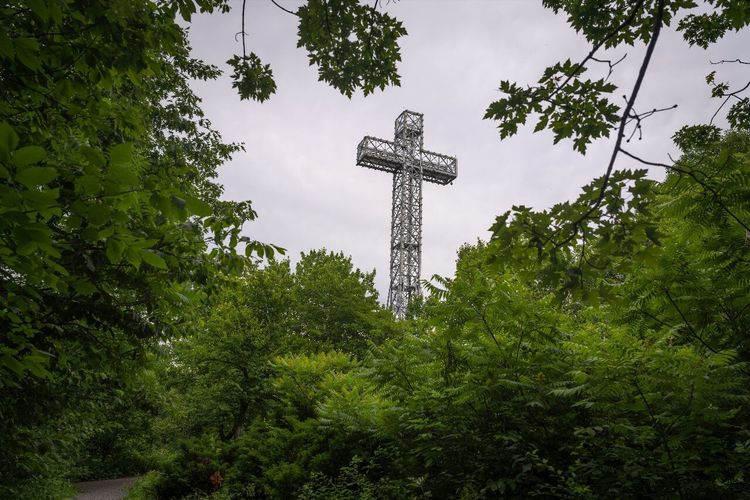
The Parc du Mont-Royal (Voie Camillien-Houde, Montréal, QC H3H 1A1, rated 4.8/5 on Google from 263 reviews) is Montréal's green lung and its primary geographical landmark. Designed by Frederick Law Olmsted — the same landscape architect who created Central Park in New York — it covers 190 hectares right in the heart of the city. You can reach it from Avenue des Pins by taking the wooded trails or following the Olmsted path; allow 20 to 30 minutes on foot from Mont-Royal metro station.
The Kondiaronk Belvedere at the summit offers Montréal's most photographed panorama: below, the downtown skyline spreads out with, on clear days, the St. Lawrence as a backdrop. This is where, on Sundays since the 1990s, the "Tam-Tams" gatherings take place — hundreds of drummers and dancers improvising until early evening around the George-Étienne Cartier monument. This spontaneous gathering remains one of the best ways to capture the particular energy of Montréal in summer.
In winter, the park takes on a completely different character. The cross-country ski trail extends for several kilometres, tobogganing is practised on the eastern slopes, and Lac aux Castors transforms into an artificial skating rink — one of the few free winter activities in the city, provided you bring your own skates or rent them on site for a few Canadian dollars.
Saint Joseph's Oratory and the Plateau-Mont-Royal
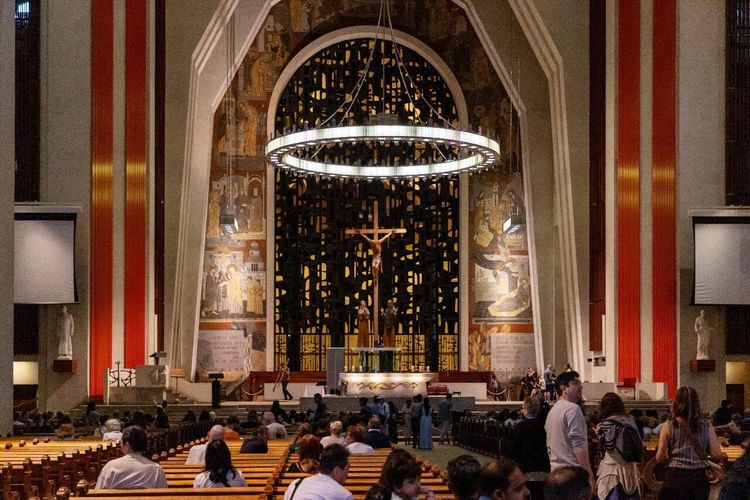
The Oratoire Saint-Joseph du Mont-Royal is the largest Catholic shrine in Canada and boasts one of the largest religious domes in the world. Its construction spanned more than fifty years (1924–1967), and its dome remains visible from a large part of the city. The oratory attracts approximately 2 million visitors per year, many of them pilgrims who climb the 99 wooden steps of the central staircase on their knees. The visit is largely free; only the votive chapel or certain exhibitions require a contribution.
A few minutes' transit from the oratory, the Plateau-Mont-Royal (Avenue du Mont-Royal, Montréal, QC H2J 1X6, rated 4.6/5 on Google from 5K reviews) represents Montréal's other face. This remarkably dense residential neighbourhood, defined by its outdoor spiral staircases, colourful duplexes and painted wooden verandas, is the birthplace of a generation of Quebec artists and writers. Rue Saint-Denis and Avenue Mont-Royal are lined with independent cafés, vegan restaurants, bookshops and local craft workshops.
The Plateau is also home to Parc Lafontaine, landscaped around two artificial lakes, cycling paths and an open-air theatre. This is where Montréalers gather as soon as temperatures rise above 15 degrees — on the lawns, around the fountains or on the terraces of Rue Rachel.
The Lachine Canal: West Montréal's Green Corridor
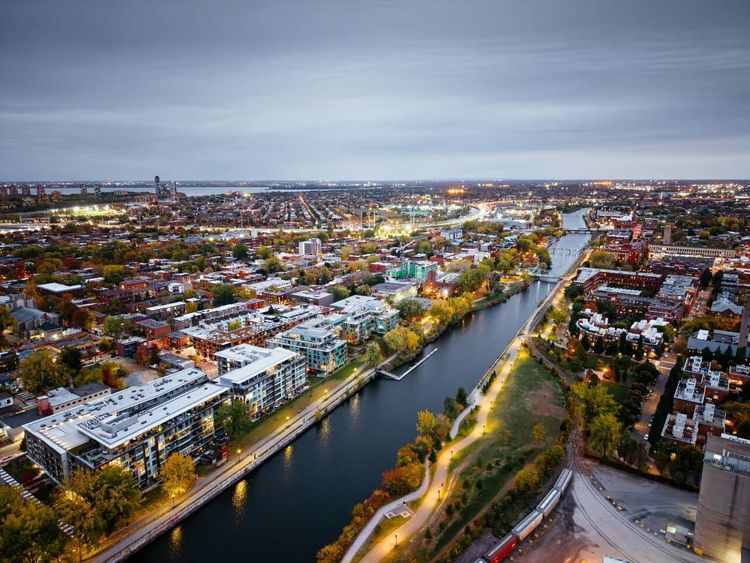
The Lachine Canal connects the Old Port to Lac Saint-Louis along 14.5 km of completely flat cycling path, bordered by converted former warehouses and neighbourhoods in full transformation. It is Montréal's finest cycling route, accessible to all levels and rideable using Bixi, the city's bike-share service. The path follows the route of a canal built in 1825 to bypass the Lachine rapids, closed to commercial navigation in 1970 and reopened for leisure use in 2002.
The Saint-Henri neighbourhood, crossed by the path, has retained its Victorian warehouses, many of which have been converted into craft breweries and lively local restaurants. Further along, Verdun offers long riverfront beaches, ideal for a late-afternoon picnic. At the western end of the canal, Marché Atwater (138 Av. Atwater, Montréal, QC H4C 2H6, rated 4.5/5 on Google from 12,581 reviews) makes for a prime stop: its stalls of Quebec cheeses, local charcuterie, farm vegetables and artisan products are among the most generous in the city.
Allow half a day for a full round trip from the Old Port. On weekdays, the path is noticeably quieter than on spring and summer weekends, when it can accommodate several thousand users simultaneously.
Montréal's Museums
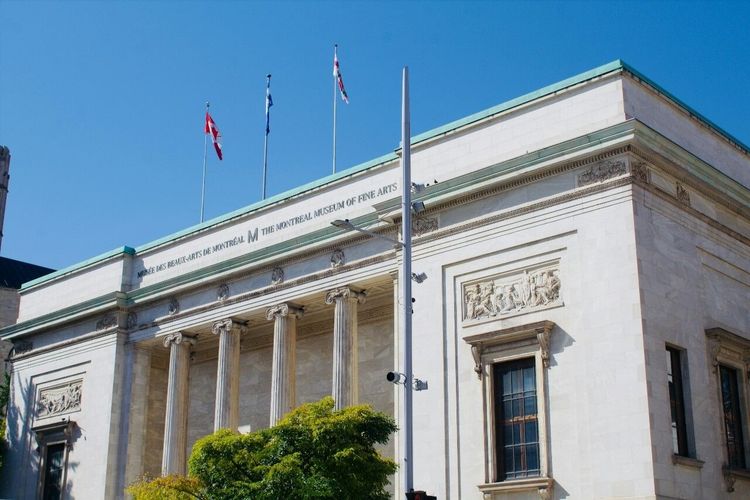
Montréal offers an exceptional museum scene for a city of its size. The Montréal Museum of Fine Arts (MMFA) is the largest art museum in Montréal and one of the most important in Canada, with nearly 47,000 works in its collections. It occupies five interconnected pavilions on Rue Sherbrooke Ouest, spanning Egyptian antiquities to contemporary Quebec art. The permanent collection is accessible free of charge on the first Sunday of each month for Quebec residents.
The McCord Stewart Museum traces the social history of Montréal from Indigenous peoples to the 20th century. Its photographic collections comprise more than 1.3 million images, making it one of the most significant historical photography archives in North America. The museum is particularly popular with families for its interactive workshops and its exhibitions on the lifestyles of Montréal communities in the 19th century.
For science enthusiasts, the Montréal Biodôme (4777 Ave Pierre-de Coubertin, Montréal, QC H1V 1B3, rated 4.5/5 on Google from 21,777 reviews) is part of the Olympic Park complex. It recreates five ecosystems of the Americas under one roof, from tropical rainforest to sub-Antarctic coasts, complete with penguins and Canadian lynx. The Montréal Museum of Contemporary Art (MAC), whose historic Place des Arts building is undergoing renovation until its planned reopening in 2028, continues its programming in a temporary space at Place Ville Marie, with exhibitions by international artists. Our Ryo article on Montréal's historic monuments lists the heritage sites scattered across the city centre and surrounding neighbourhoods. Place des Arts and Place Ville Marie both feature on our audio walking tour of the city centre.
Public Markets and Quebec Specialties
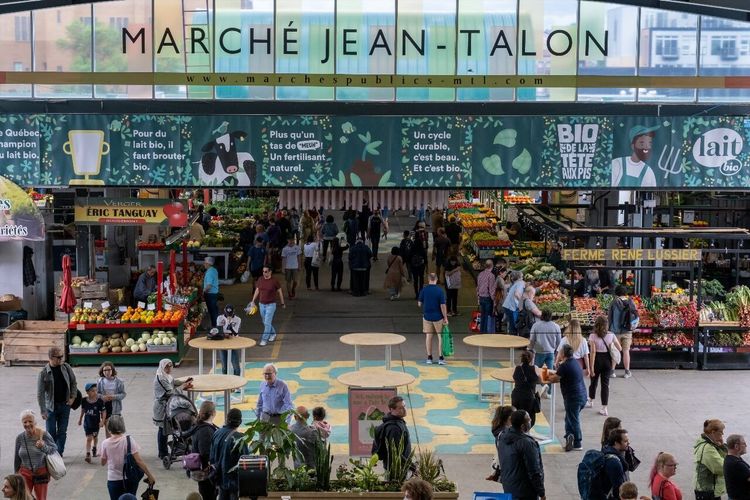
It's hard to truly understand Montréal without spending a few hours in its public markets. Marché Jean-Talon (7070 Av. Henri-Julien, Montréal, QC H2S 3S3, rated 4.6/5 on Google from 32,726 reviews), in the Petite-Italie neighbourhood, is the largest open-air market in Canada with more than 300 vendors and local producers. From June to November, the stalls overflow with Quebec local products: ice ciders from Île d'Orléans, cranberries from Montérégie, abbey cheeses and autumn squash. It is also the ideal place to taste Montréal-style bagels — smaller and sweeter than their New York counterparts, wood-fired in the bakeries of the neighbouring Mile-End district.
Montréal's gastronomy deserves special attention. Poutine (fries, cheese curds and gravy) remains the province's culinary emblem, but the city has developed a far more nuanced scene: Quebec fusion cuisine, starred restaurants and creative cocktail bars that animate terraces all summer long. The streets of Mile-End, with their trendy cafés and artisan bakeries, are a prime destination for a leisurely weekday brunch. Our Ryo guide to Montréal's culinary specialties lists the best addresses by neighbourhood.
The Underground City: 33 km Beneath Montréal
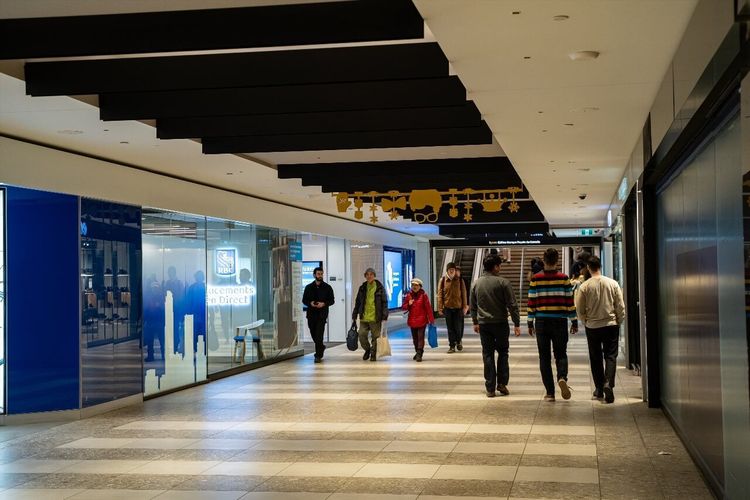
The RÉSO, known as the underground city, is arguably the most ingenious response to the problem of polar cold. This network of 33 km of pedestrian galleries directly connects 80 buildings, 10 metro stations, 2 railway stations, hotels, shopping centres and offices in the downtown core, without ever having to step outside. In winter, it serves as a fully-fledged means of getting around; in summer, it becomes an architectural curiosity for crossing the city centre away from the heat. The Eaton Centre is the most convenient entry point for visitors.
Nature Excursion: Parc National des Îles-de-Boucherville
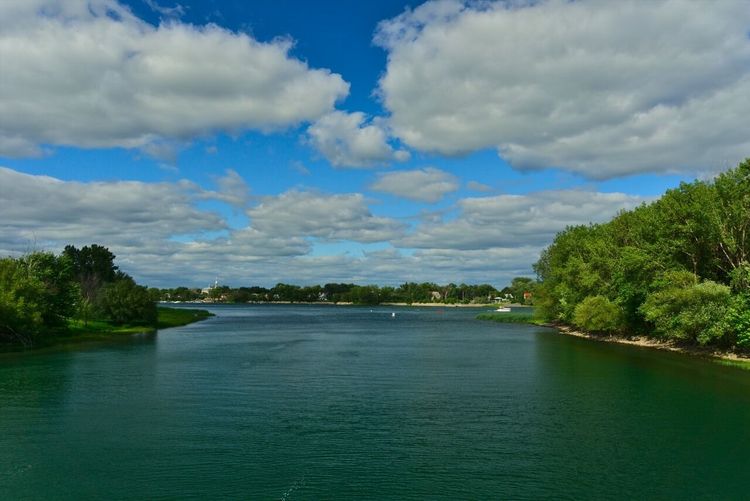
Just 30 minutes by car from downtown, the Parc national des Îles-de-Boucherville (55 Île Sainte-Marguerite, Boucherville, QC J4B 0A3, rated 4.5/5 on Google from 4,626 reviews) offers a striking contrast with the urban bustle. This archipelago of five islands in the St. Lawrence offers hiking trails, kayak and canoe rentals, and river beaches accessible in summer. Wildlife is remarkably present: great blue herons, white-tailed deer, wood turtles and beavers can regularly be spotted along the banks. In summer, the park is accessible by ferry from the Montréal shore.
Terrebonne and Its 19th-Century Heritage
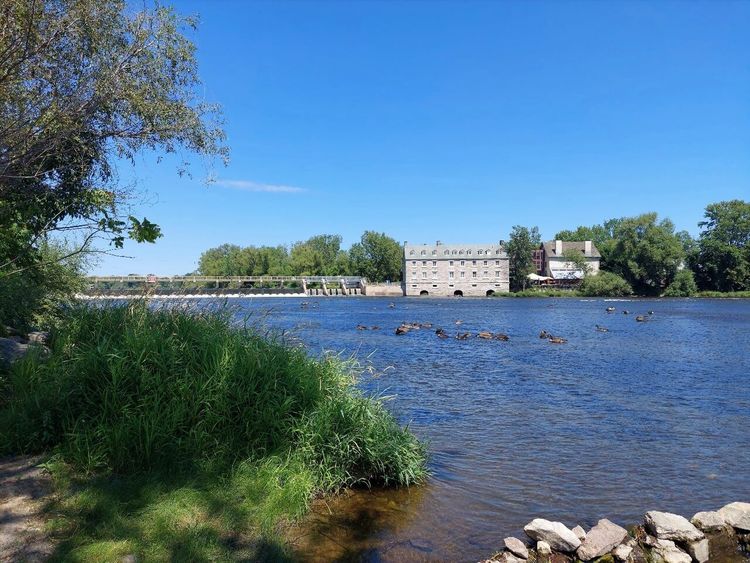
Terrebonne is located 30 km north of Montréal, on the banks of the Rivière des Mille Îles. Its main attraction is the Île-des-Moulins (875 Rue des Braves, Terrebonne, QC J6W 3H4, rated 4.5/5 on Google from 2K reviews), a heritage complex designated a national historic site, featuring carefully restored 19th-century flour mills and a chapel. In summer, the site hosts cultural festivals and open-air performances beneath the willows. The banks of Terrebonne are also popular for fishing and kayak rentals on the river.
The Laurentians and Mont-Tremblant: Nature at Its Grandest
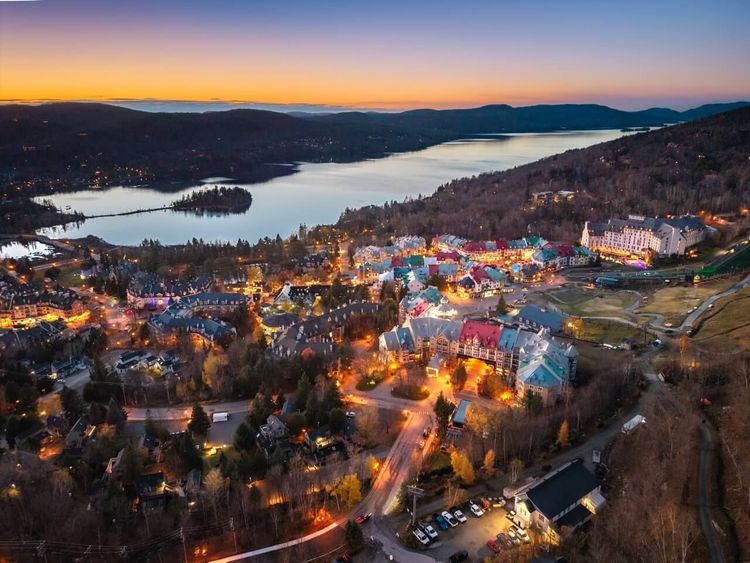
The Laurentians form the most visited natural region around Montréal. 130 km north of the city, the landscape changes dramatically: conifer and deciduous forests, glacial lakes, resort villages and summits covered in snow for six months of the year. Access is by car via Highway 15 North, in approximately 1.5 hours from downtown depending on traffic.
The Parc national du Mont-Tremblant (1000 Chemin des Voyageurs, Mont-Tremblant, QC J8E 1T1, rated 4.5/5 on Google from 12K reviews) is the oldest national park in Quebec and one of the largest, covering 1,510 km² of protected wilderness. It is home to moose, black bears, wolves and more than 270 bird species. Its 580 km of trails allow for day hikes or multi-day crossings with overnight stays in backcountry shelters. The interior lakes, notably Lac Monroe and Lac Chat, are accessible by canoe from the park's developed campgrounds.
The village of Mont-Tremblant should be distinguished from the national park: this mountain resort at the foot of the slopes combines rental chalets, restaurants, spas and boutiques in an architecture reminiscent of Alpine villages. In winter, the Mont-Tremblant ski resort offers 102 trails spread across four faces, over a ski area of approximately 310 hectares, with a vertical drop of 645 m. It is one of the largest resorts in eastern Canada, renowned for the quality of its snowfall and the variety of its runs, from blue to double-black diamond. In summer, the chairlifts serve downhill mountain biking and alpine hiking along the ridges.
Beyond Mont-Tremblant, the villages of the Laurentians are worth exploring at a leisurely pace. Saint-Sauveur and Sainte-Adèle are known for their antique shops and gourmet restaurants. Val-David, more bohemian in character, is home to ceramic artists' studios and a pottery festival with a provincial reputation. The Laurentians route (Highway 117) connects these villages without difficulty from Sainte-Agathe to Mont-Tremblant, with spontaneous stops at the local markets along the way. To plan an itinerary combining Montréal and the Laurentians, the road trip Canada offers routes tailored to this type of extended excursion.
Parc National d'Oka: Beaches and Forests 45 Minutes Away
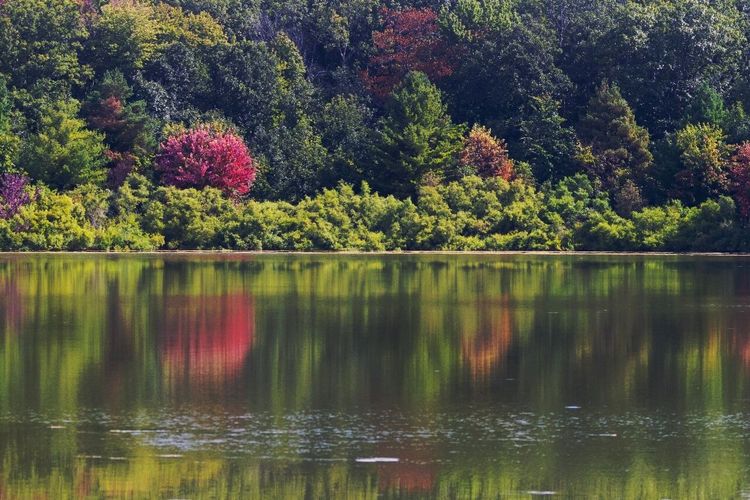
The Parc national d'Oka (2020 Ch. d'Oka, Oka, QC J0N 1E0, rated 4.4/5 on Google from 8,955 reviews) is located 45 km west of Montréal, at the confluence of the Ottawa River and Lac des Deux-Montagnes. It is one of the most visited national parks in Quebec, especially for its long sandy beaches — among the widest in the region — along the lakeshore. In summer, families come for swimming, camping and pedalo rentals. In autumn, the trails crossing the Calvaire d'Oka — an 18th-century heritage Stations of the Cross route — offer spectacular views of the lake in the orange and golden hues of the maple trees.
The village of Oka itself is known for its Cistercian abbey founded in 1881, which originally produced the famous cheese of the same name. The abbey's cheese dairy no longer produces the cheese directly, but the brand remains synonymous with Quebec semi-firm cheese. The village also offers kayak rental companies for outings on Lac des Deux-Montagnes, with open views of the wooded hills on the opposite shore.
Parc Oméga: Wildlife Within Arm's Reach
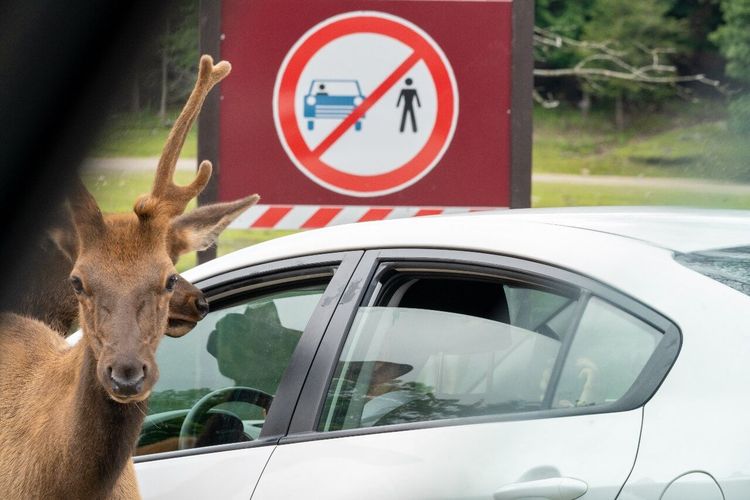
Located 90 km northwest of Montréal, Parc Oméga (399 Route 323 N, Montebello, QC J0V 1L0, rated 4.7/5 on Google from 18,033 reviews) is a private wildlife reserve of approximately 900 hectares explored by car along a 12 km circuit. The animals roam in semi-freedom and often approach vehicles: white-tailed deer have developed the habit of begging for carrots through car windows, an interaction enjoyed by children and adults alike. The reserve is home to plains bison, elk, grey wolves, foxes, lynx and black bears in habitats close to their natural conditions. Encounters are relatively guaranteed, making it an ideal outing with children.
Entry is paid and includes the driving circuit: pricing is dynamic and varies by season and visitor numbers, with significantly higher rates during peak summer season. It is advisable to book tickets online in advance through the park's official website. A petting farm and horseback rides are available at an additional cost. The park is open year-round; snowy winters offer a particularly special experience, with animals more visible during daylight hours and the white blanket transforming the circuit's landscape in a striking way.
Granby and Saint-Jean-sur-Richelieu: Two Southern Day Trips
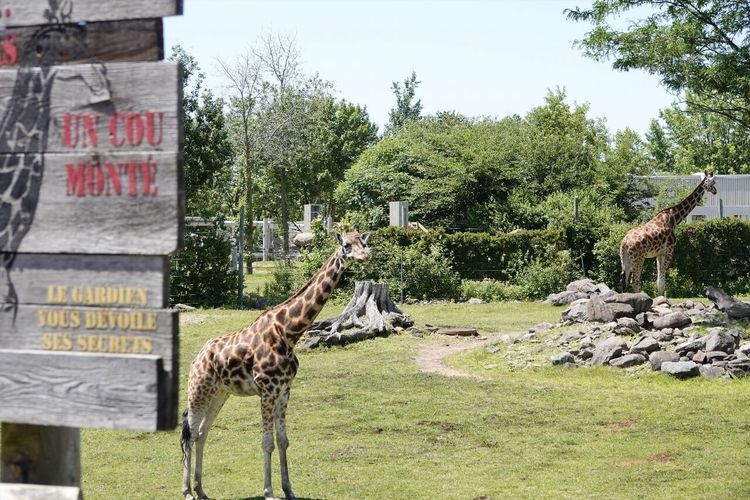
Granby, 80 km southeast of Montréal, is known for its Granby Zoo, one of the largest in Canada with 225 animal species across 60 hectares. It is home to southern white rhinoceroses, pygmy hippopotamuses and Asian elephants in recreated habitats. The zoo is open from May to October and offers competitive family rates, particularly for children under 5. The city also hosts Parc national de la Yamaska with its supervised swimming lake, accessible 15 minutes from the town centre.
Saint-Jean-sur-Richelieu, 40 km south of Montréal, is the other flagship excursion in the Montérégie region. The city is known for its imposing 19th-century fort on the banks of the Richelieu River and, above all, for the International Balloon Festival held each year in August. For about ten days, more than one hundred hot-air balloons of all shapes and colours rise above the Richelieu plain, in Canada's largest balloon gathering. Outside the festival, the area offers lovely cycling routes along the river and several good local dining options.
Further east, Drummondville and its Village québécois d'antan (1425 Rue Montplaisir, Drummondville, QC J2C 5N6, rated 4.1/5 on Google from 3,924 reviews) allow visitors to step back in time to the early 20th century, with costumed craftspeople and houses recreated in their historical context. It is an informative cultural outing, particularly popular with families with young children.
Practical Tips for Planning Your Stay
A few key pointers to help you plan your activities in Montréal and surroundings according to the season and your mode of travel.
When to go: Montréal and its surroundings can be visited in any season, but with very different profiles. Summer (June–August) is the season of open-air festivals, lively terraces, water activities and neighbourhood celebrations. Autumn (September–October) is perfect for fall foliage colours in the Laurentians and national park excursions — locals often cite it as their favourite season. Winter (December–March) requires cold-weather preparation but opens up access to snow sports and the unique atmosphere of the RÉSO. Spring (April–May) is the least favourable season: snowmelt makes some trails impassable and temperatures remain unpredictable.
Getting around: The STM provides good city coverage with its metro network (4 lines, 68 stations) and bus routes. For excursions outside the city, a rental car is strongly recommended: bus connections to some destinations exist but remain limited and infrequent. The cycling path network (860 km in total across the greater urban area) allows cycling on virtually all Montréal corridors, including toward parks on the immediate outskirts.
Budget: Allow between 100 and 150 CAD per person per day for a stay in a hostel with public transit and meals at neighbourhood restaurants. A 3-star hotel rises to 200–250 CAD per night, and the gourmet restaurants of Old Montréal charge prices comparable to major European capitals.
Language: Montréal is officially French-speaking but largely bilingual in the tourism sector. French dominates in most neighbourhoods outside the city centre, and signage is in French. The vast majority of tourism professionals speak both languages fluently.



FAQ
What can you do around Montréal in one day?
The most rewarding day trips from Montréal are Parc Oméga (90 km away, allow 3 to 4 hours on site) to observe wildlife from your car, Parc national des Îles-de-Boucherville (30 minutes) for an accessible nature immersion close to the city, Parc national d'Oka (45 minutes) for its lake beaches in summer, or the village of Terrebonne (30 km) for its 19th-century heritage. Each of these outings can comfortably be completed while returning to Montréal in the evening.
When is the best time to visit Montréal for outdoor activities?
Summer (June–August) concentrates the vast majority of water activities, festivals and terraces. It is also the busiest period. Autumn (mid-September to mid-October) is often cited by locals as the best season: temperatures are pleasant (10–20 °C), the Laurentians display their blazing colours and queues at tourist sites thin out considerably.
How far is Montréal from Mont-Tremblant?
Downtown Montréal and the village of Mont-Tremblant are approximately 130 km apart via Highway 15 North, meaning a 1.5 to 2-hour drive depending on traffic. Friday evenings in winter (skiers heading out) and Sunday evenings (returns) can add significant time to the journey. A bus shuttle from Montréal exists, but a car remains the most practical way to access the national park and surrounding villages.
Are there free activities in Montréal?
Yes, several of the city's best activities are free. Parc du Mont-Royal is freely accessible, as are the walks along the Lachine Canal and the Old Port waterfront. The beaches on Île Notre-Dame are free to enter. The Musée des Beaux-Arts opens its permanent collections free of charge on the first Sunday of each month for Quebec residents. Provincial national parks (Oka, Mont-Tremblant, Îles-de-Boucherville) charge modest entry fees, around 9 to 10 CAD per adult per day.
Is Parc Oméga accessible by public transit from Montréal?
Parc Oméga, located in Montebello, is not directly served by public transit from Montréal. The simplest solution remains a rental car. It is sometimes possible to reach it via guided excursions organised by Montréal tour agencies, which offer minibus departures from downtown with a guide included in the price.
What can you do around Montréal in winter?
Winter reveals a range of specific and highly popular activities. The Mont-Tremblant ski resort is the main destination for alpine skiing and snowboarding. Parc du Mont-Royal offers cross-country skiing, tobogganing and skating on Lac aux Castors. The Laurentians provide dozens of mid-sized ski stations and marked snowshoe trails. In the city, the RÉSO enlivens daily winter life, while the Montréal en Lumière Festival (in February) transforms central neighbourhoods with light installations and gastronomic events over several evenings.
Conclusion
Montréal and its surroundings form a territory that rewards both the traveller in a hurry and the one who takes their time. The city itself — from Old Montréal to the Plateau-Mont-Royal, from museums to markets — easily fills several days without ever growing tiresome. The excursions around Montréal, from the Laurentians to Parc Oméga, add a natural dimension that is hard to find so close to a major metropolis.
To explore the city at your own pace and plan your activities in Montréal and surroundings without missing any of the sites that make the metropolis a unique destination, Ryo's audio guide accompanies you through the historic streets and iconic neighbourhoods. The Ryo audio-guided tour of Montréal is available directly on the Ryo app, downloadable before your departure so you can enjoy the commentary even without an internet connection.