
Créé par Emilie, le 15 mai 2026
Votre guide Ryo
© Shutterstock
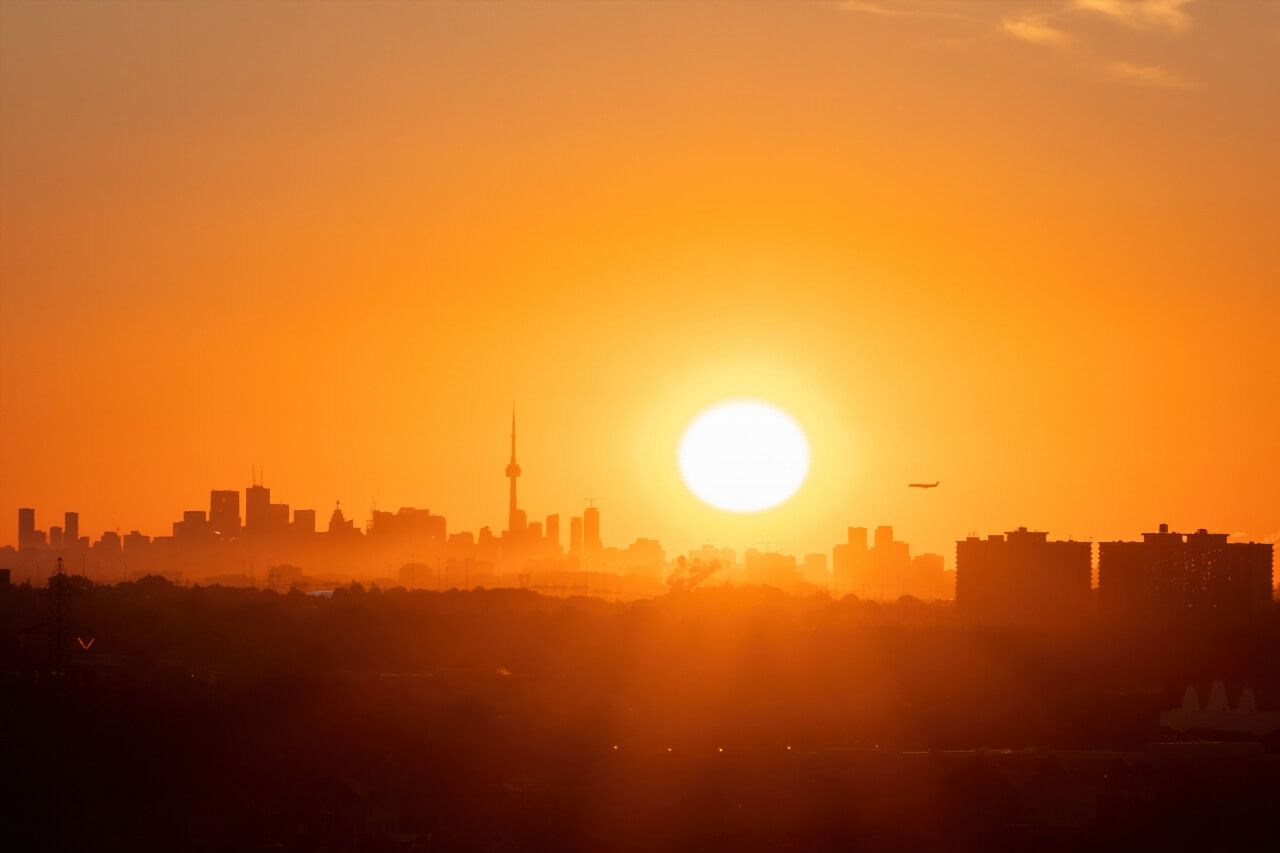
Toronto doesn't ease you in gently. From the moment you step onto its streets, the city layers decades of immigrant neighbourhoods over a skyline that keeps growing, and somehow, that collision feels entirely deliberate. Few North American cities can take you from a Tudor castle to a Caribbean fish fry to a Frank Gehry titanium facade inside the same afternoon. Start with Ryo's audio-guided tour of Toronto if you want that first afternoon to actually make sense, the commentary connects the dots between what you're looking at and why it ended up here.
This list covers 29 things to do in Toronto that span every kind of curiosity: the Scarborough Bluffs rising 90 metres above Lake Ontario in chalky white columns, a shoe museum housing footwear worn by Marilyn Monroe and Queen Victoria in the same display case, a waterfront aquarium where shark rays glide directly over your head through a transparent tunnel, and a 24-hour art festival that turns the entire city into a gallery for one night a year. There's enough here to fill a week without repeating yourself.
1. CN Tower
The CN Tower stood as the world's tallest free-standing structure from its completion in 1976 until the Burj Khalifa surpassed it in 2007, a record stretch of more than three decades that still defines the Toronto skyline. At 553 metres, the needle dominates every postcard, but the experience inside matters more than most visitors expect. The Glass Floor, installed at 342 metres, remains genuinely unsettling even for people who are not afraid of heights: looking straight down at the streets below through a panel you're standing on triggers a specific kind of vertigo. The EdgeWalk, an outdoor hands-free walk along the tower's rim at 356 metres, is available for those who want something harder to explain to people back home.
The revolving 360 Restaurant at 351 metres completes one full rotation every 72 minutes, which means you can watch the entire city pan past while you eat. The wine cellar there is housed in the highest cellar in the world. The Ryocity Toronto audio tour starts a short walk away at the base of the tower and threads back through the financial district, which is a useful way to anchor what you're looking down at from above. Book tickets in advance; peak summer queues at the base can exceed 90 minutes, and the SkyPod observation level (an additional ticket at 447 metres) is the highest point in the building open to the public.
2. Royal Ontario Museum
The Royal Ontario Museum (100 Queens Park, Toronto ON M5S 2C6, rated 4.7/5 on Google (42 528 avis)) is Canada's largest museum, and the Michael Lee-Chin Crystal, Daniel Libeskind's angular glass addition bolted onto the Victorian stone original, announces it loudly before you even buy a ticket. Inside, the scale catches most visitors off guard: more than 18 million objects across 40 galleries covering natural history, world cultures, and art from ancient Egypt to contemporary Canada.
The dinosaur galleries on the third floor are among the strongest in North America, anchored by a mounted Barosaurus skeleton that towers over the main atrium. The Indigenous gallery, reorganised in 2022 in collaboration with First Nations communities, presents objects alongside the voices of the people they belong to, a different approach than the traditional museum model of artefacts behind glass. Give yourself at least three hours, and budget an extra hour if you have children under twelve.
3. Ripley's Aquarium of Canada
Ripley's Aquarium of Canada (288 Bremner Blvd, Toronto ON M5V 3L9, rated 4.6/5 on Google (67 988 avis)) sits at the base of the CN Tower and draws more than two million visitors per year, making it one of the most-visited attractions in the country. The Dangerous Lagoon is the centrepiece: a 96-metre moving walkway carries you through a tunnel completely surrounded by a 2.9-million-litre tank, with sand tiger sharks, green sea turtles, and sawfish circling overhead. You're looking up through the glass at creatures that were gliding through oceans long before the first humans reached North America.
The Ray Bay touch tank lets children interact with cownose rays, and the Planet Jellies gallery, dimly lit, with thousands of moon jellyfish pulsing in blue-tinted tanks, is genuinely hypnotic for adults. The aquarium opens at 9 a.m. daily and stays open until 11 p.m. on weekends, which makes it an option for evenings when most outdoor attractions have already closed.
4. Kensington Market
Kensington Market (Augusta Ave, Toronto ON M5T 2L4, rated 4.6/5 on Google (12K reviews)) is the neighbourhood that Toronto uses to remind itself it hasn't completely gentrified. A few blocks west of Chinatown, this Victorian-era enclave packs vintage clothing shops, independent cheese mongers, Jamaican patty counters, South American empanada stalls, and record stores into a grid of narrow streets that resists every attempt at tidy categorisation.
The market took shape in the early 20th century as a Jewish immigrant quarter, then shifted through waves of Portuguese, Caribbean, and Latin American communities, each leaving their own layer on the neighbourhood's character. Today the mix is genuinely bewildering in the best possible way: you can buy century-old kimchi, a second-hand leather jacket, a fresh wheel of Brie, and a cup of Ethiopian coffee within a single block. The pedestrian Sundays in summer, when Augusta Avenue closes to cars from May through October, transform the street into an outdoor collective where local musicians set up on stoops and neighbours drag out lawn chairs.
Get here before noon on a Saturday if you want the cheese shops fully stocked. The neighbourhood moves slowly and rewards wandering; give it at least two hours rather than treating it as a quick stop. The area around Baldwin Street concentrates the best independent restaurants if you're staying for lunch.
5. Distillery District
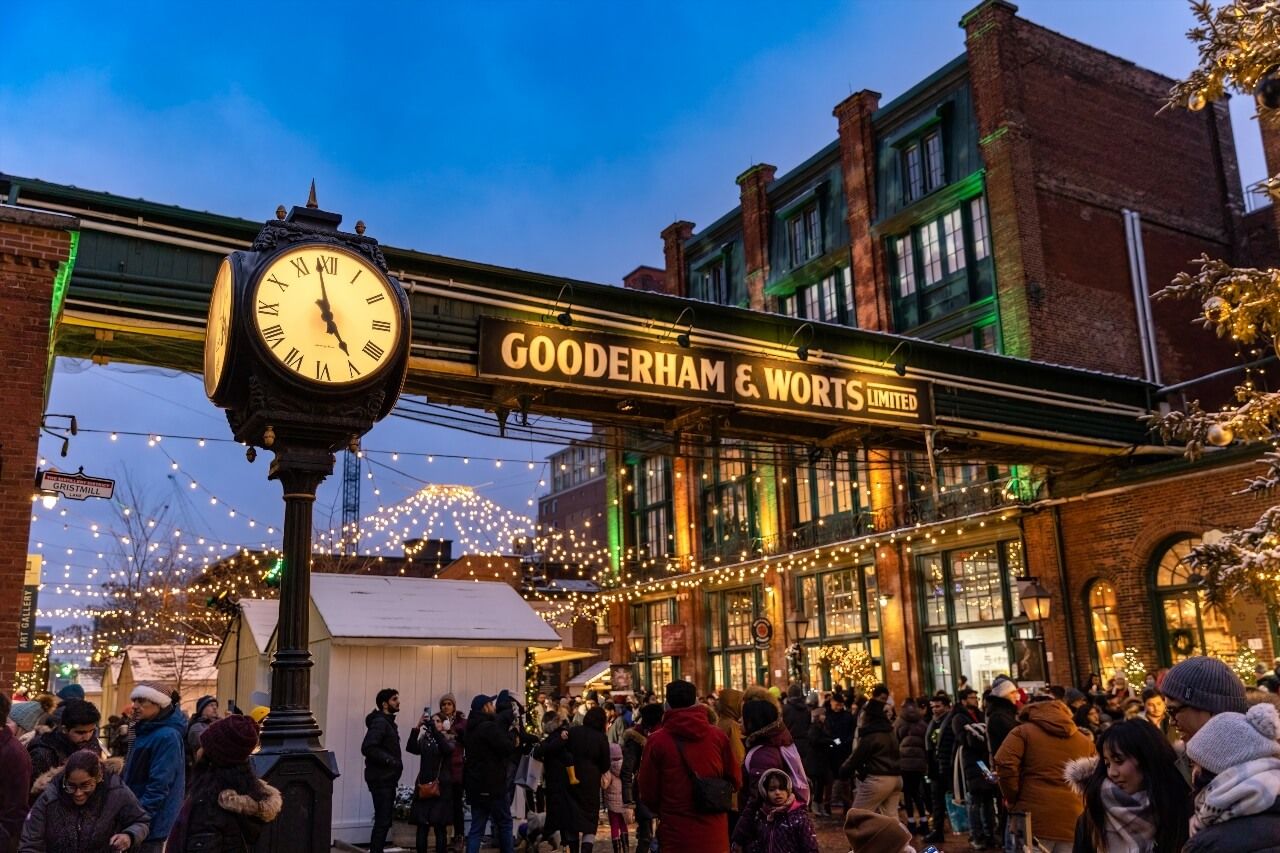
The Distillery District (55 Mill St, Toronto ON M5A 3C4, rated 4.7/5 on Google (34K reviews)) occupies what was once the Gooderham and Worts Distillery, founded in 1832 and at its peak one of the largest distilleries in the world before it shut its gates in 1990. The Victorian industrial complex of red brick warehouses and cobblestone lanes was preserved rather than demolished and reopened in 2003 as a pedestrian arts and culture zone.
The architecture is the main event: more than 40 heritage Victorian buildings form a remarkably coherent streetscape that production designers have used as a stand-in for 19th-century Europe in multiple films and television series. Today it houses galleries, independent restaurants, a micro-brewery, chocolate shops, and design studios. The Toronto Christmas Market (rebranded as the Distillery Winter Village since 2021), held here each November and December, draws hundreds of thousands of visitors across its run and fills the lanes with mulled wine stalls, a 55-foot fir tree, and ice-skating.
The Ryo audio guide for Toronto picks up the Distillery District as part of its eastern downtown loop, which threads the cobblestoned lanes with the broader story of how Toronto's industrial waterfront was built and then quietly reborn. Come on a weekday afternoon if you want the cobblestones without the weekend crowds. The Mill Street Brewery taproom anchoring the western end of the district is a reliable stop for a post-walk pint.
6. Art Gallery of Ontario
The Art Gallery of Ontario holds over 120,000 works, one of the largest collections in North America, in a building that Frank Gehry redesigned between 2004 and 2008 with a signature spiral staircase and a glass-and-wood facade that curves along Dundas Street West. Gehry grew up a few blocks away, and the renovation carries that biographical weight.
The extensive holdings of Canadian Group of Seven paintings, the European Old Masters, and the Inuit sculpture gallery in the lower level cover genuinely different registers. The AGO also runs a strong temporary exhibition programme that pulls major international shows. Admission is free for visitors 25 and under, and the first Wednesday of every month features extended evening hours. The in-gallery restaurant, Frank, is excellent if you're planning lunch around the visit.
7. Toronto Islands
The Toronto Islands are an archipelago sitting about 1.6 kilometres offshore in Lake Ontario, reachable from the Jack Layton Ferry Terminal in about 13 minutes. The islands are car-free, the largest urban car-free environment in North America, which is perhaps the most striking thing about them: you arrive to the sound of bicycle wheels on gravel paths and geese, with the Toronto skyline arranged behind you like a painted backdrop.
The park covers 332 hectares (820 acres) across three main areas, Centre Island, Hanlan's Point, and Ward's Island, connected by a chain of smaller islands and footbridges. Centre Island has an amusement park and pedal-boat rentals that work well for families with young children. Hanlan's Point contains the city's only official clothing-optional beach, with an unobstructed view back toward the CN Tower that makes it one of the more surreal sunbathing spots in North America. Ward's Island feels like a different country entirely: a quiet residential community of roughly 150 year-round residents in heritage cottages, with a community garden and a small café tucked among the lanes.
The best approach is to take the ferry to Centre Island, walk or cycle west through the islands toward Hanlan's Point, then loop back through Ward's Island and catch the ferry home from there. Round-trip ferry tickets cost around $9 for adults and should be purchased online in summer to avoid queues. The islands are busiest between June and August; an early-September visit offers the same water views with noticeably fewer people, and the trees on Ward's Island begin to turn gold by the third week of the month.
8. St. Lawrence Market
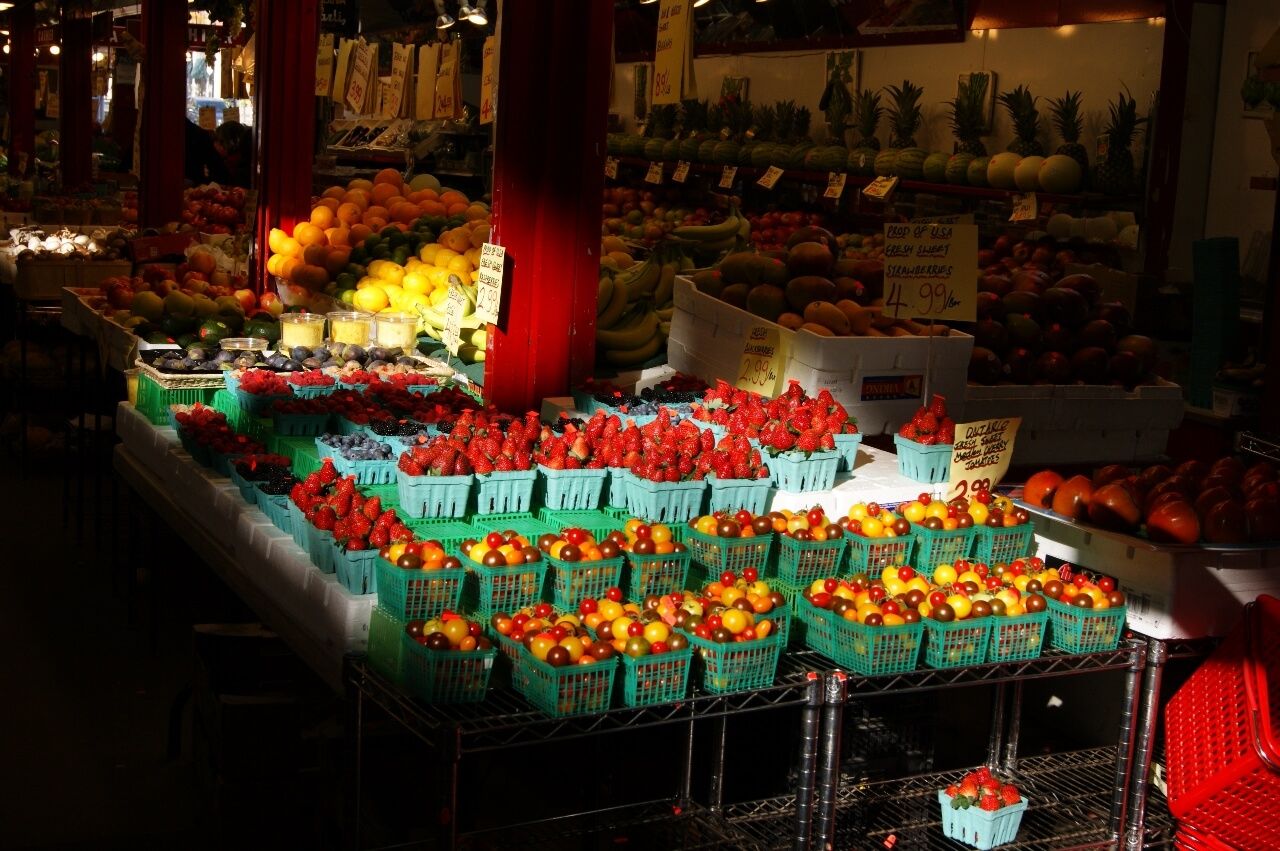
St. Lawrence Market has operated continuously since 1803, making it one of the oldest public markets in North America. National Geographic named it the world's best food market in 2012, ranking it above New York's Union Square Greenmarket. The South Market building, open Tuesday through Saturday, fills two floors with approximately 120 vendors selling everything from aged cheese and fresh-baked sourdough to Mennonite sausages and peameal bacon, Toronto's particular contribution to the breakfast lexicon.
The peameal bacon sandwich, a soft kaiser roll stuffed with thick-sliced back bacon rolled in yellow cornmeal, is the dish most associated with the market. Carousel Bakery, in operation since 1972, makes the version most locals point to first. Arrive before 10 a.m. on a Saturday for the freshest produce and the shortest queues at the popular stalls.
9. Casa Loma
Casa Loma (1 Austin Terrace, Toronto ON M5R 1X8, rated 4.5/5 on Google (33 372 avis)) is a 98-room Gothic Revival castle built between 1911 and 1914 by financier Sir Henry Pellatt, who spent roughly $3.5 million on it at the time (the equivalent of around $100 million in today's dollars) on a fantasy perched on the escarpment north of downtown. He lived in it for less than a decade before financial ruin forced him to abandon it in 1923, and the city eventually turned it into one of its most distinctive tourist attractions.
The interior is exactly as excessive as the exterior promises: a two-storey library, an elevator (a rarity for private homes of the era), a 60-foot-high Great Hall, secret passages, and an underground tunnel connecting the main house to the stables. The stables themselves are worth the visit independently, built to a higher standard than most people's homes of the same era, with mahogany horse stalls. Film crews use Casa Loma regularly; it has appeared in productions ranging from X-Men to Scott Pilgrim vs. the World. The rooftop terrace provides some of the better elevated views of downtown Toronto without the CN Tower's admission price. Audio guides are included with general admission and add real depth to the rooms.
10. Harbourfront Centre
Harbourfront Centre (235 Queens Quay W, Toronto ON M5J 2G8, rated 4.6/5 on Google (22 935 avis)) stretches along Lake Ontario at the base of the financial district and functions as the city's main lakeside cultural venue. The programming across its various indoor and outdoor stages, dance performances, literary festivals, craft markets, outdoor film screenings, changes constantly, and a significant portion of it is free.
The Toronto International Film Festival uses several Harbourfront venues each September, but the centre's year-round schedule includes the International Festival of Authors in October, regular Saturday craft markets, and a winter skating rink that opens from late November through March. The views across Lake Ontario toward the islands are best at sunset, when the light catches the water and the CN Tower turns amber. Walking the promenade from Harbourfront east to the Distillery District covers about 4 kilometres and makes a solid half-day itinerary when combined with a stop at St. Lawrence Market.
11. High Park
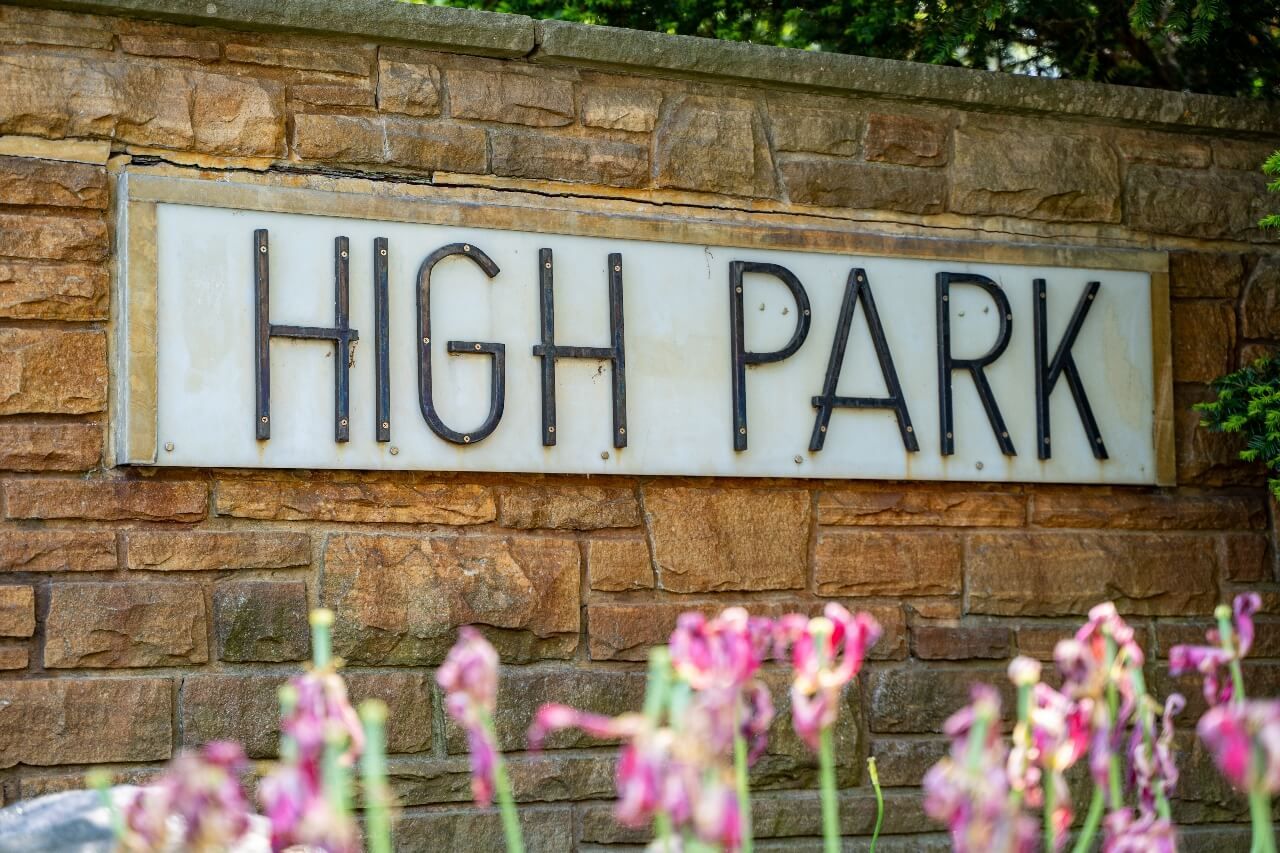
High Park (1873 Bloor St W, Toronto ON M6R 2Z3, rated 4.7/5 on Google (56K reviews)) is the city's largest public park at 161 hectares, and its combination of manicured gardens, old-growth forest, and managed natural habitats makes it more ecologically diverse than most urban parks its size. The park's Grenadier Pond freezes reliably enough in winter to serve as a public skating rink, and in spring the cherry blossoms along the central promenade draw thousands of visitors during the two to three week bloom window. The trees were a 1959 gift from the citizens of Tokyo, with over 2,000 trees added to the city since.
The park contains a free outdoor zoo, small but genuine, with bison, capybara, and peacocks, and a hilltop Hillside Gardens section with formal flowerbeds designed in the early 20th century. The outdoor Shakespeare in High Park theatre runs free performances each summer from July through August. Arriving early (7 to 8 a.m.) on a cherry blossom weekend is the only reliable strategy for avoiding the crowds that descend by mid-morning. The bloom peaks for only three to five days, so checking the High Park Nature Centre's cherry blossom watch before you go is worth the effort. The park's café near Grenadier Pond opens year-round and offers a sensible place to warm up after winter skating.
12. Aga Khan Museum
The Aga Khan Museum (77 Wynford Dr, Toronto ON M3C 1K1, rated 4.5/5 on Google (6 891 avis)) opened in 2014 and houses the most significant collection of Islamic art in the Western Hemisphere, more than 1,200 objects spanning roughly twelve centuries of Muslim civilisation, from illuminated manuscripts and Persian astrolabes to contemporary calligraphy. The building itself, designed by Pritzker Prize-winning Japanese architect Fumihiko Maki, is a study in controlled light: Brazilian granite panels and geometric perforations that shift the interior atmosphere across the day.
The surrounding 6.8-hectare site, shared with Toronto's Ismaili Centre designed by Indian architect Charles Correa, includes formal gardens that are open to visitors during museum hours and offer a quiet counterpoint to the busy streets around Don Mills. Temporary exhibitions rotate every three to four months and frequently collaborate with international lenders. The museum café serves Middle Eastern-influenced food that justifies extending your visit beyond the galleries.
13. Graffiti Alley
Free to visit, no hours, no tour required.
Graffiti Alley (Rush Lane, Toronto ON M5V 2B8, rated 4.5/5 on Google (6K reviews)) runs along the south side of Queen Street West between Spadina Avenue and Portland Street, roughly 400 metres of rear-lane walls covered in murals that have been repainted and layered continuously since the 1970s. Artists paint over each other's work, which means the alley looks different every time you visit. Weekday mornings give you the best light and space to photograph.
14. Nathan Phillips Square
Nathan Phillips Square sits in front of City Hall and functions as Toronto's civic living room. In winter, a skating rink operates from November through February, and the rink is free to use; skate rentals are available on-site. The TORONTO sign installed in 2015, with letters large enough to climb inside, has become one of the most photographed spots in the city. The square makes a logical starting or ending point for a downtown walking day.

15. Toronto Zoo
Toronto Zoo (2000 Meadowvale Rd, Toronto ON M1B 5K7, rated 4.4/5 on Google (36 457 avis)) covers 287 hectares in the Rouge River valley, making it the largest zoo in Canada, with over 5,000 animals across 500 species. The scale means you'll walk between 5 and 10 kilometres on a full visit, so comfortable footwear matters.
The African Savanna section includes white rhinos, giraffes, and gorillas spread across enclosures large enough that you occasionally have to scan the horizon to find the animals. The Canadian Domain, by contrast, showcases species that visitors from outside North America often find more exotic than anything in the tropical pavilions: wolverines, polar bears, and woodland caribou. The zoo is organised into seven zoogeographic regions, Indo-Malaya, Africa, Americas, Tundra Trek, Australasia, Eurasia, and the Canadian Domain, and the loop between them adds up faster than first-time visitors expect.
Winter visits are genuinely worthwhile: many animals are more active in cold weather, the crowds are a fraction of the summer volume, and the Canadian Domain section remains fully open year-round. The red panda habitat reopened in January 2026 after a renovation that added dedicated viewing windows for a closer year-round look at the animals. Buy tickets online, the zoo frequently sells advance discounts that reduce the standard adult admission by around 15%.
16. Evergreen Brick Works
Evergreen Brick Works (550 Bayview Ave, Toronto ON M4W 3X8, rated 4.6/5 on Google (9 784 avis)) occupies a reclaimed 19th-century quarry and brickmaking complex, the same quarry that produced bricks used in much of historic Toronto, and now operates as an environmental community centre, market space, and café. The Don Valley ravine surrounding the site was designated a globally significant Important Bird Area, and the rewilded wetlands on the property attract over 180 bird species across the year.
The Saturday farmer's market (May through November) is one of the better ones in the city, focused on Ontario producers with a strong selection of heirloom vegetables and artisan food products. The heritage kilns and industrial buildings have been left partly intact, creating a strange and photogenic backdrop for the market stalls. Entry is free; parking fills up quickly on market Saturdays, so the bike path connecting to the city's ravine trail network is a more reliable approach.
17. The Beaches Neighbourhood
The Beaches (also called the Beach, a naming debate that locals take more seriously than they probably should) is a lakeside neighbourhood in Toronto's east end built around 4 kilometres of sandy public beach along Lake Ontario. The boardwalk connecting Woodbine Beach to Kew Gardens Beach runs the full length and makes for a flat, easy walk that feels far removed from downtown despite being only 7 kilometres east of Union Station.
Queen Street East in the Beaches (Kew Gardens, Toronto ON M4E 1E6, rated 4.7/5 on Google (2 572 avis)) is lined with independent bookstores, breakfast spots, and surf shops that sell gear for the real waves that Lake Ontario generates in autumn. The neighbourhood's July Jazz Festival has run for over 40 years and occupies Kew Gardens Park for four days with free outdoor performances. The Boardwalk Café, sitting directly on the beach, is the informal social centre of the neighbourhood during summer mornings.
For swimmers, note that Lake Ontario water temperatures make comfortable swimming from late June through September, with the warmest conditions in August. The beach water quality is monitored daily and posted publicly, checking before you go in summer is a habit worth forming. From the boardwalk it's a 20-minute streetcar ride back to the downtown core, which makes the Beaches a reasonable half-day side trip rather than a full commitment.
18. Hockey Hall of Fame
The Hockey Hall of Fame sits inside a Beaux-Arts bank building from 1885 at the corner of Yonge and Front. The centrepiece is the Stanley Cup itself, the original bowl, worn and dented, with a history of being used as a baptismal font, a flower pot, and a cereal bowl by various winning teams. Interactive zones let you face simulated shots from NHL players and try scoring on a virtual goalie. Plan around two hours.
19. Scarborough Bluffs
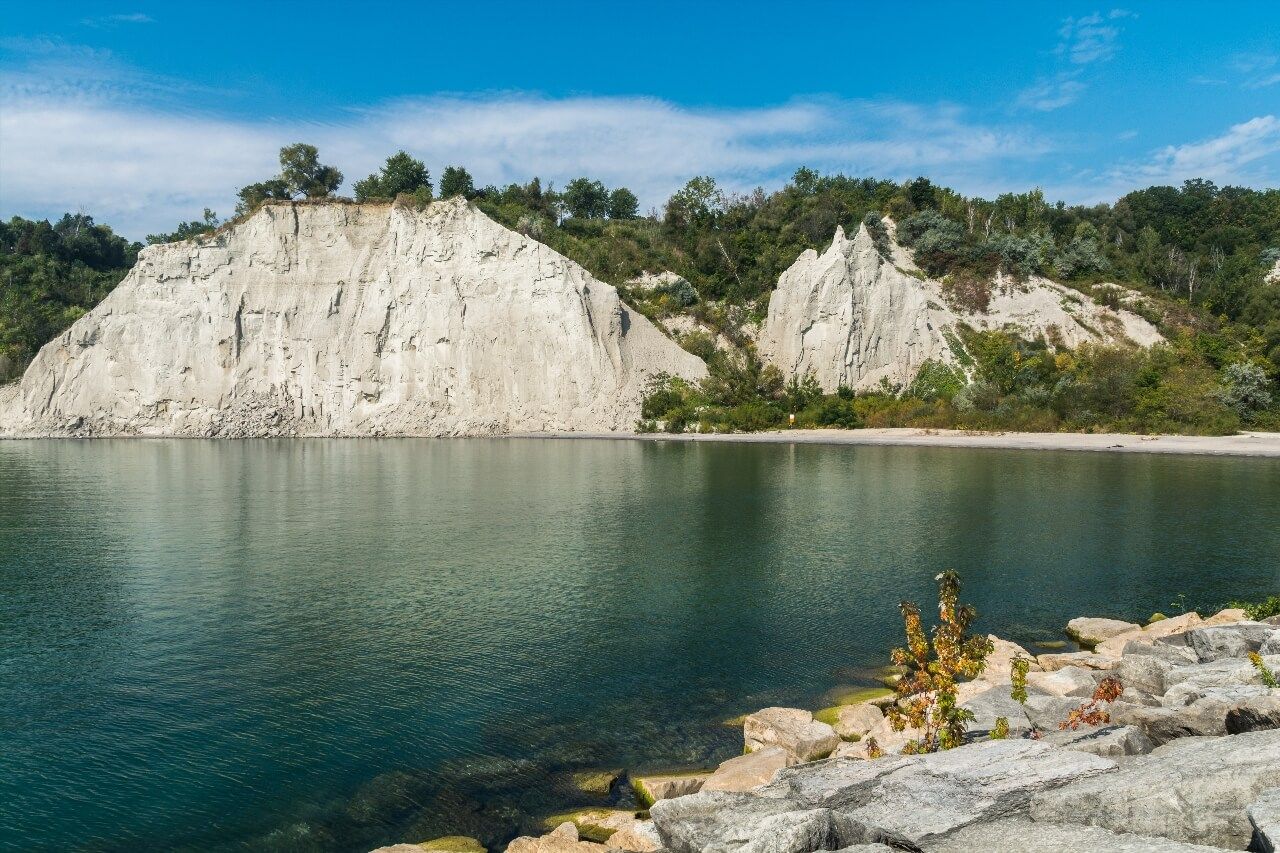
Scarborough Bluffs (Scarborough Bluffs Park (10 Brimley Rd S, Toronto ON M1M 3W3, rated 4.7/5 on Google (3 075 avis)), Toronto, ON M1M 2V2) extend for 15 kilometres along the eastern Lake Ontario shoreline, rising to heights of 90 metres in chalky white and cream-coloured sediment columns that were shaped over more than 12,000 years of post-glacial erosion. There is genuinely nothing else that looks like this in the Toronto region, and the contrast between the suburban streets immediately behind the bluffs and the sudden dramatic geology at the cliff edge makes it one of the more surprising discoveries available within city limits.
Bluffer's Park at the base of the bluffs offers beach access, a marina, and the closest views of the cliff faces. The upper bluffs park at the top provides lookout points with panoramic views across Lake Ontario. Climbing on the bluff faces is officially prohibited and genuinely dangerous, the sediment is unstable and cliff collapses occur regularly. The lower beach stretches are stable and open for walking.
The best light on the bluffs comes in the late afternoon when the sun hits the white clay faces from a low angle. Getting here by public transit requires a combination of subway to Kennedy and then a bus, budget around 45 minutes from downtown. The journey is worth it; Scarborough Bluffs is consistently underpromoted relative to what it offers, and the layered geology is best understood with the Ryocity Toronto audio guide running quietly in your headphones as you walk the upper rim.
20. Bata Shoe Museum
The Bata Shoe Museum (327 Bloor St W, Toronto ON M5S 1W7, rated 4.4/5 on Google (2 759 avis)) holds the world's most comprehensive footwear collection, more than 13,000 shoes spanning 4,500 years, from ancient Egyptian sandals to platforms worn by Elton John. The curation treats shoes as social history rather than fashion. Budget 60 to 90 minutes.
21. Spadina Museum
Spadina Museum: Historic House and Gardens (285 Spadina Rd, Toronto ON M5R 2V5, rated 4.6/5 on Google (1 006 avis)) is a preserved 1866 Victorian villa occupied by the Austin family for four generations and donated to the city in 1982 with its contents intact. The result is a house that reads as genuinely lived-in rather than reconstructed. Guided tours run throughout the day and take about 90 minutes.
22. Little India on Gerrard Street East
Little India (Gerrard St E, Toronto ON M4M 1Y3, rated 3.9/5 on Google (1 047 avis)), centred on Gerrard Street East between Coxwell and Woodfield, is the largest South Asian retail and restaurant district in Toronto and runs for roughly 7 blocks of continuous storefronts selling sari fabric, Bollywood film posters, gold jewellery, and every variety of South Asian grocery you could want. The restaurants here serve Tamil, Punjabi, Gujarati, and Bengali food depending on which block you're on, which means the street functions as a reasonable survey of the subcontinent's culinary range.
The neighbourhood comes into full focus during the Gerrard India Bazaar Festival each July, one of the largest South Asian street festivals in North America, with cooking demonstrations, classical dance, and live music spread across the street. Even outside festival season, the district makes for a worthwhile lunch destination, the dosa at Udupi Palace and the biryani at Lahore Tikka House are two fixed points that Toronto food writers return to consistently.
23. Black Creek Pioneer Village
Black Creek Pioneer Village (1000 Murray Ross Pkwy, Toronto ON M3J 2P3, rated 4.6/5 on Google (3 143 avis)) is a living history museum that reconstructs a mid-19th-century Ontario village across 30 hectares with over 40 restored heritage buildings brought to the site from across the province. Costumed interpreters demonstrate blacksmithing, weaving, baking in a wood-fired oven, and other period crafts, the interactions are hands-on rather than lecture-based, which works well for children and holds the interest of adults longer than the format usually does.
The village is particularly atmospheric during its Hallowe'en and Christmas programming, which sells out weeks in advance. Standard admission covers the full village; the working farm animals and the operating mill add texture to what could otherwise be a static museum experience. The site is in the northwest of the city, about 40 minutes from downtown by transit.
24. Chinatown and the Cultural Mile
Toronto's Chinatown, centred on Spadina Avenue and Dundas Street West, is one of the largest Chinese commercial districts in North America, with an estimated 100,000 residents of Chinese heritage living in the surrounding neighbourhoods. The strip is a continuous line of produce vendors, BBQ duck shops, bubble tea counters, and dim sum restaurants. The neighbourhood functions as a real commercial district rather than a tourist set piece, and the prices reflect that.
The Cultural Mile designation extends east along Dundas Street through the AGO, Chinatown, Kensington Market, and into the Toronto Metropolitan University area, a walkable stretch that moves through radically different urban registers within a single kilometre. Spadina Avenue is probably the best place in the city for late-night eating; several restaurants here operate until 3 or 4 a.m. and draw a reliable post-theatre and post-concert crowd. The annual Toronto Chinatown Festival runs in late June and fills Spadina with food stalls, lion dances, and cultural programming that's free to attend.
If you want the historical thread that ties these districts together, the Ryo audio guide for Toronto includes a walking segment through the Cultural Mile that explains why Chinatown ended up here, who lived in these blocks before the 1960s, and how Kensington Market grew up next door. It's the kind of context that turns a lunch stop into a much more interesting hour.
25. CF Toronto Eaton Centre
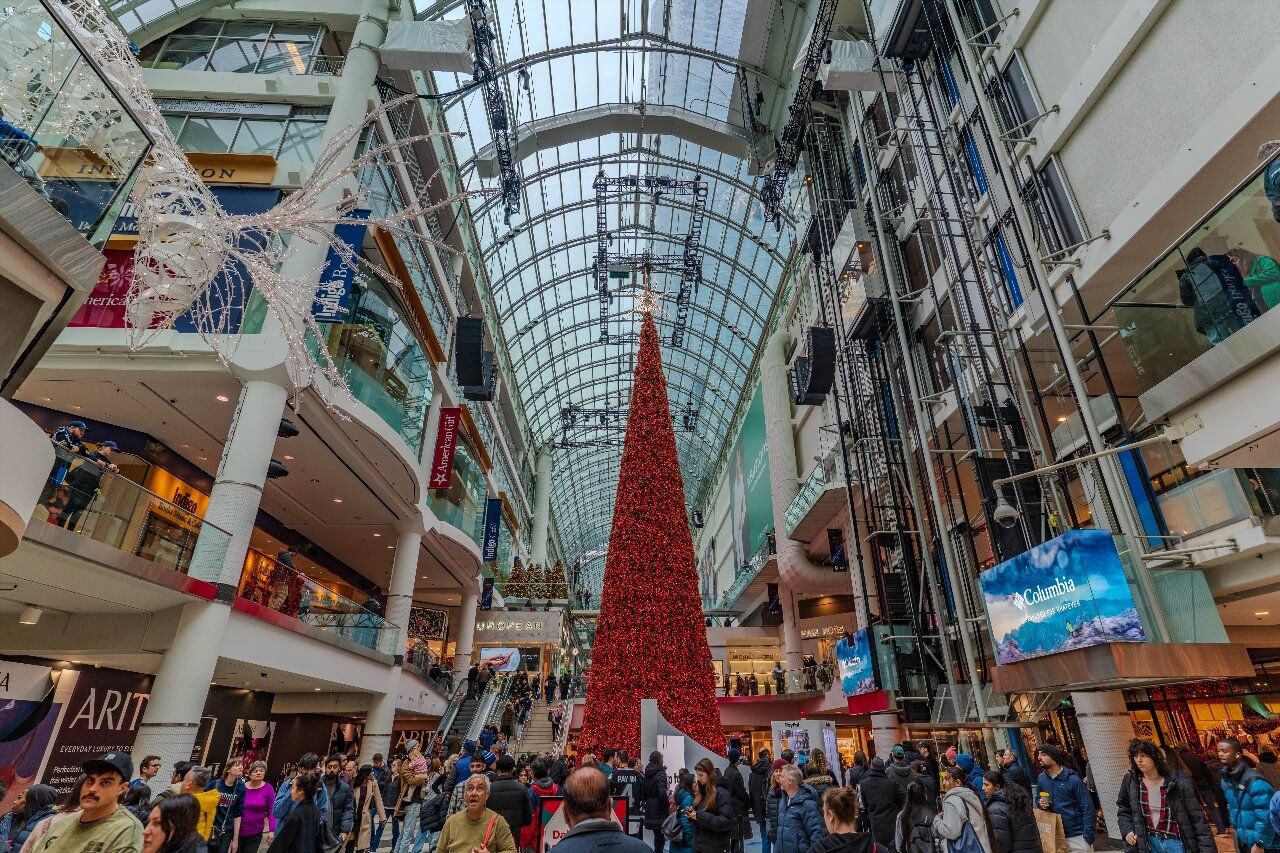
CF Toronto Eaton Centre (220 Yonge St, Toronto ON M5B 2H1, rated 4.5/5 on Google (56 502 avis)) is the busiest shopping centre in North America by annual visitor count, over 50 million visits per year, and the galleria's glass-and-steel barrel vault running the full length of the building deserves recognition as actual architecture rather than just retail infrastructure. Michael Snow's flock of 60 fibreglass Canada geese suspended in the atrium under the glass ceiling, titled Flight Stop, has been there since 1979 and remains one of the more quietly effective public art installations in the city.
26. Corktown Common
Corktown Common (155 Eastern Ave, Toronto ON M5A 0E2, rated 4.6/5 on Google (1 411 avis)) is a newer park in the rapidly developing East Harbour area, built on former industrial land along the Don River. The 18-hectare park integrates flood management infrastructure, a large marsh and engineered wetland, with public amenities including a splash pad, a performance pavilion, and a café. The result is a park that actually does ecological work while functioning as a neighbourhood green space.
The marsh section attracts year-round bird activity, and the winter skating rink on the sheltered pavilion surfaces opens from December through February. For visitors staying in the east downtown hotels, Corktown Common provides a walkable green escape that most tourist itineraries miss entirely. The connection to the Distillery District is a short 10-minute walk along the lower Don Trail.
27. Queen West and the Bar Scene
Queen Street West between University Avenue and Dufferin Street runs through what was recognised by Vogue in the early 2000s as one of the coolest shopping streets in the world. The stretch between Spadina and Bathurst retains the independent record stores, vintage clothing shops, and dive bars that built the reputation. The Rivoli (334 Queen St W) is the archetypal Queen West venue, a restaurant-bar-performance space whose back room (about 100 seats) has hosted everything from early Barenaked Ladies sets to comedy nights that launched several Canadian careers. Tuesday through Thursday evenings offer the same range of venues as weekends with less competition for a seat.
28. Nuit Blanche Toronto
Nuit Blanche Toronto takes place annually on the first Saturday of October, running from 7 p.m. to 7 a.m., 12 hours during which every major gallery, museum, and a large number of outdoor public spaces open simultaneously for free, hosting site-specific art installations, performances, and projections. The 2026 edition runs from 7 p.m. on October 3 to 7 a.m. on October 4, marking the 20th anniversary of the event under the theme Tomorrow's Memories. The event draws between 700,000 and one million visitors on a single night, making it one of the largest contemporary art events in North America.
The format is deliberately unpredictable: you can spend the night moving between major institutions like the AGO and the Textile Museum, or you can follow the outdoor installations through neighbourhoods that aren't usually associated with art events. Some years the strongest work happens in parking lots and underpasses rather than galleries.
The practical considerations matter: dress warmly, Toronto in early October can be cold, particularly after midnight, and plan a rough route in advance since the published map of installations runs to several hundred entries and is genuinely overwhelming without some pre-selection. The subway runs all night during Nuit Blanche, which makes cross-city movement manageable without a car.
29. Toronto Waterfront Trail
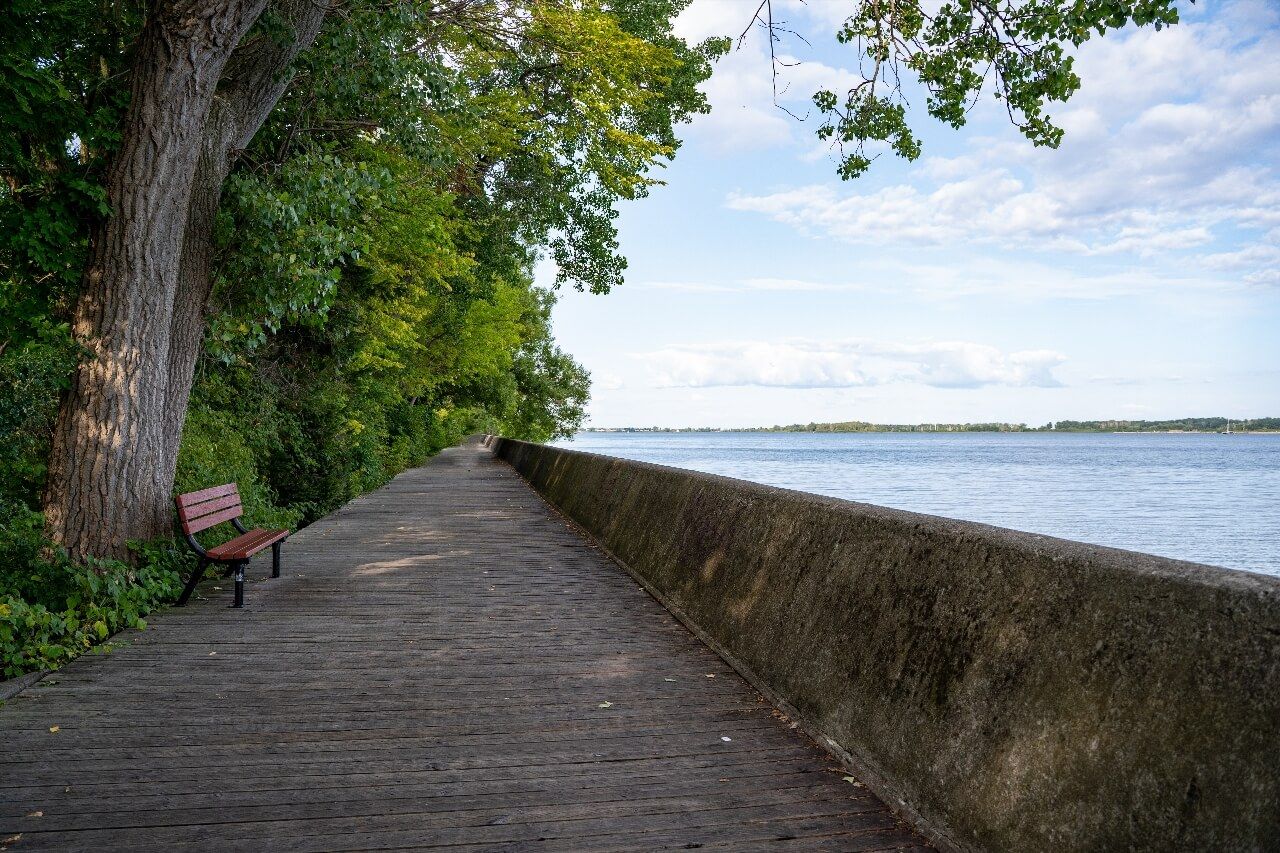
The Toronto Waterfront Trail (locally known as the Martin Goodman Trail) traces the Lake Ontario shoreline for about 56 kilometres through the city's waterfront neighbourhoods, connecting Humber Bay in the west to the Rouge River in the east with a largely uninterrupted multi-use path. You can walk or cycle the full length in a day, but most visitors pick a section: the 6-kilometre stretch between Harbourfront Centre and the Distillery District (235 Queens Quay W, Toronto ON M5J 2G8, rated 4.6/5 on Google (22 935 avis)) is the most urban and densely interesting, passing through the revitalised West Don Lands and offering consistent water views.
Tommy Thompson Park, at the eastern end on the Leslie Street Spit, is a constructed peninsula built from material dredged during the construction of the city's waterfront, an accidental wilderness that has developed into a significant bird sanctuary and home to the largest urban nesting colony of double-crested cormorants in North America, with more than 13,000 nesting pairs in recent surveys. The park is open on weekends year-round and on weekday mornings for cycling. Cyclists can link the waterfront trail to the Don Valley Trail for a longer ravine circuit that runs well north of the city.
FAQ
What is Toronto most known for?
Toronto is most associated with the CN Tower, multicultural neighbourhoods, and the Toronto International Film Festival. More broadly, the city is known as one of the most ethnically diverse urban centres in the world, over 50% of its residents were born outside Canada, and for a food scene that reflects that diversity across every price range.
How many days do you need in Toronto?
Three to four days covers the major landmarks comfortably without feeling rushed. A week allows you to move through the city's distinct neighbourhoods, Kensington Market, the Beaches, Little India, Chinatown, the Distillery District, with time to actually eat and explore rather than just walk past. A long weekend (three nights) is enough for a satisfying first visit if you plan your days around geography.
Is Toronto walkable for tourists?
Downtown Toronto is genuinely walkable, most of the central attractions sit within a 5-kilometre radius of Union Station, and the flat grid of streets makes navigation straightforward. The TTC subway covers gaps effectively. Outer-city attractions like Scarborough Bluffs and Black Creek Pioneer Village require transit or a car. The Ryo audio guide for Toronto is designed around walkable routes and helps you cover the most ground in a concentrated area efficiently.
When is the best time to visit Toronto?
June through September is the peak season: warm temperatures, all outdoor attractions operating, and the full events calendar active. April and May offer mild weather and significantly fewer crowds. October is particularly rewarding for culture, Nuit Blanche and TIFF both fall in this window, and the leaf colour in High Park and the Don Valley ravines is genuinely impressive. Winter requires preparation for cold and snow but has its own appeal with skating rinks, indoor market seasons, and the Distillery Winter Village.
Is Toronto expensive to visit?
Relative to other major North American cities, Toronto sits in the mid-to-high range for accommodation and dining. Many of the best experiences are free: High Park, Graffiti Alley, Kensington Market, Nathan Phillips Square, the waterfront trail, and Nuit Blanche cost nothing. The AGO is free for visitors 25 and under; Evergreen Brick Works is free to enter. Budget accommodation options exist in Kensington Market and along Dundas West; the luxury hotel concentration is around the financial district and waterfront.
What neighbourhood should I stay in as a first-time visitor?
The downtown core (around King West, Queen West, or the Entertainment District) puts you within walking distance of the CN Tower, Harbourfront, the AGO, and St. Lawrence Market. Kensington Market area suits visitors who want a more neighbourhood feel with independent restaurants and cafés immediately outside the door. The Beaches works for visitors travelling in summer who want to combine a city trip with lake access, but it adds commuting time to downtown attractions.
Does Toronto have good public transit?
The TTC (Toronto Transit Commission) operates 4 subway lines, over 150 bus routes, and a streetcar network on the central grid. Coverage is solid for most tourist destinations during the day; late-night service (after midnight) is less frequent on many routes. A Presto card (available at all subway stations) offers lower per-ride fares than cash. The subway connects the airport via the Union Pearson Express, a dedicated rail service covering the distance in 25 minutes.
Conclusion
Toronto rewards the visitor who goes beyond the obvious checklist. The CN Tower and Ripley's Aquarium sit at the top of most itineraries for good reason, but the city's real texture emerges in places like the Evergreen Brick Works market on a Saturday morning, the Scarborough Bluffs in late afternoon light, or the Ward's Island cottages accessible only by ferry. The city is large enough that even residents of 20 years encounter new corners, which is perhaps the most honest thing you can say about it.
Before your visit, the Ryocity Toronto audio guide builds a navigable framework for the downtown core, the historical context that makes the walk between, say, the Distillery District and St. Lawrence Market into something more than a commute between attractions. Two days or two weeks, Toronto gives you more than enough to work with.