
Créé par Emilie, le 14 mai 2026
Votre guide Ryo
© Shutterstock
Copenhagen has a way of making every visitor feel slightly underprepared, not because it is difficult, but because there is far more substance here than any itinerary anticipates. The Danish capital sits on the edge of the Øresund strait, a city of cycling bridges, harbour baths, and a royal family whose palace is genuinely open to the street. Whether you arrive for a weekend or a full week, the range of things to do in Copenhagen spans medieval fortresses, a regeneration district built on a former industrial port, and a culinary culture that invented the concept of New Nordic cuisine. The Ryo Copenhagen Ryocity audio guide covers the city's most iconic route, 29 stops, 8 km, 3h30, and is the best way to let the city narrate its own story as you walk through it.
Expect surprises: a ski slope on top of a functioning waste-to-energy plant, a crown jewel collection that includes a table set laid out for a 17th-century banquet, a free amusement park that predates Tivoli by a full decade, and a harbour so clean you can swim in it in summer. This guide covers 30 of the best experiences across all budgets and interests, with the practical details most articles leave out.
1. Wander Along Nyhavn
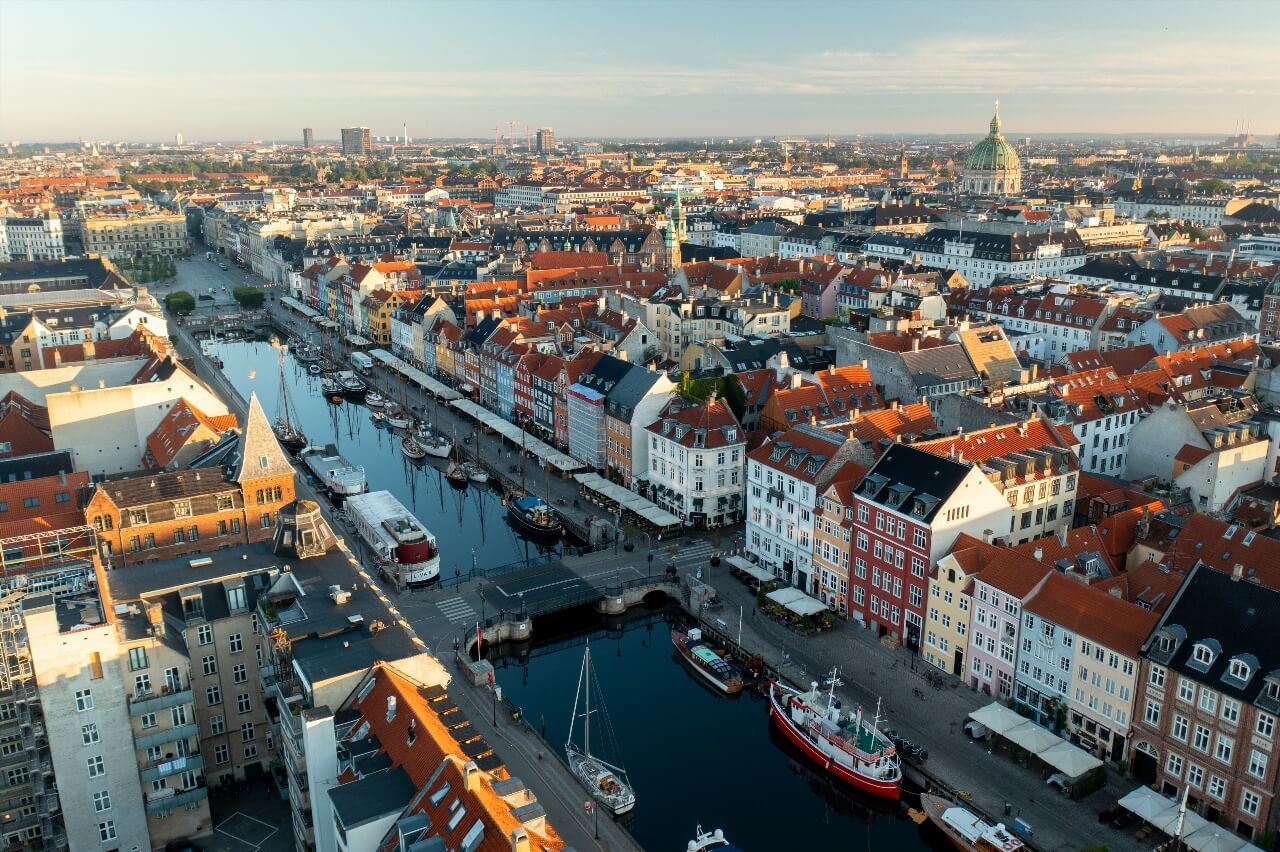
Nyhavn is the postcard of Copenhagen, a 17th-century canal lined with narrow townhouses painted in amber, ochre, red, and blue, with wooden sailing ships moored along the quay. The name simply means « New Harbour, » though there is nothing new about it: the canal was dug in 1671 on the orders of King Christian V to connect the city centre to the sea. Hans Christian Andersen lived at three different addresses here, numbers 18, 20, and 67, during various periods of his life, and a plaque on number 67 marks the longest of his stays.
The northern side (the sunny side, as locals call it) is lined with outdoor café terraces that fill up from April onwards. In winter, the canal freezes occasionally, and a Christmas market brings mulled wine and hygge to the waterfront. If you arrive in the morning, you will find the canal quieter and the light on the facades particularly strong, photographers tend to position themselves at the head of the canal near Kongens Nytorv for the classic shot. A harbour bus stop at Nyhavn connects directly to the Opera House and the Black Diamond library, so the canal works naturally as a starting point for a broader waterfront walk.
The canal tour boats also depart from here (see section 13), making Nyhavn a logical first stop before heading out onto the water.
2. Tivoli Gardens
To dismiss Tivoli Gardens as simply an amusement park would be a significant understatement. Opened in 1843, it is the second-oldest operating amusement park in the world, predating Disneyland by more than a century, and it served as a direct inspiration for Walt Disney when he visited in the 1950s. The park occupies 8.3 hectares right in the centre of the city, steps from Central Station, and manages the rare feat of being genuinely enjoyable for adults with no children in tow.
The rides are only part of the draw. Tivoli has over 30 restaurants and food stalls, a concert hall that hosts everything from classical performances to international pop acts, and gardens designed with an almost theatrical sense of drama, lanterns, peacocks wandering freely, and illuminated fountains after dark. The evening atmosphere from Thursday to Sunday is particularly striking: the entire park is lit with around 100,000 fairy lights and the wooden roller coaster, the Rutschebanen, which dates from 1914, still runs on a brakeman sitting in the last car.
Tivoli closes in late September for the winter, reopens briefly for Halloween, and then runs a highly atmospheric Christmas market from mid-November to late December. Entry prices vary by season; the basic admission covers the gardens and most performances but rides require separate tokens or a ride pass. Arrive after 6pm on a summer weeknight to get the full effect of the illuminated gardens without the peak daytime crowds.
3. Christiansborg Palace
Christiansborg Palace stands on Slotsholmen island, a small landmass connected to the rest of the city by six bridges, and it serves more functions under one roof than any other building in Copenhagen. The Danish Parliament (Folketing), the Supreme Court, and the Prime Minister's office all operate here, it is the only building in the world to house all three branches of a government simultaneously. The Royal Family still uses the palace for official receptions, and the Royal Reception Rooms are open to visitors when not in use.
Below street level, the palace ruins are a separate attraction entirely. Excavations beneath the current building uncovered the foundations of the two previous castles that have stood on this site since the 12th century, Bishop Absalon, the founder of Copenhagen, built a fortress here in 1167. The ruins are open year-round and included in the palace ticket.
The Royal Stables and the Palace Chapel are also accessible with the same ticket. But the single most rewarding element of a Christiansborg visit is the tower: at 106 metres, it is the tallest tower in Copenhagen, and unlike many observation points, it is completely free of charge. The panoramic view from the top takes in the rooftops of the old city, the spires of the Church of Our Saviour, the green copper of the Marble Church, and on clear days the Øresund Bridge stretching toward Sweden. Go early, it opens at 10am and queues build quickly in summer.
4. The Little Mermaid
Denmark's most photographed landmark is also its most debated. The Little Mermaid (Langelinie, 2100 Copenhagen, rated 4.1/5 on Google (36 611 avis)) (Den Lille Havfrue) is a bronze statue sitting on a rock in the harbour at Langelinie, commissioned in 1913 by brewer Carl Jacobsen after he saw a Royal Danish Ballet performance of Hans Christian Andersen's fairy tale. She is smaller than most visitors expect, 1.25 metres tall, and has been the target of repeated acts of vandalism over the decades, including decapitation (twice) and a coat of paint applied overnight.
The walk along Langelinie from the Citadel combines well with a visit to Kastellet (section 11). Do not make the statue your only destination.
5. Rosenborg Castle & the Crown Jewels
Rosenborg Castle is a Dutch Renaissance palace built by King Christian IV between 1606 and 1634, and it remains one of the most intact royal residences in Northern Europe. The king used it as his summer residence, and the interior has been preserved almost entirely in its original state, which means you are walking through rooms that still contain the furniture, tapestries, and objects placed there in the 17th and 18th centuries. The carved oak throne in the Audience Chamber, flanked by three silver lions, has been used at every coronation since 1670.
In the basement, the treasury holds the Danish Crown Jewels, including the crowns used at royal coronations, a crystal table set commissioned for a royal banquet in 1662 (still complete, every glass and goblet in place), and the sword of Christian IV. The collection is unusually accessible, no velvet ropes at a distance; cases are close and the lighting is designed for close inspection.
The castle sits within Kongens Have (the King's Garden), Copenhagen's oldest royal garden, which is a destination in its own right (section 21). The combination of a castle visit and a picnic in the surrounding park makes for an excellent half-day. Book tickets online, summer queues at the door can add 40 minutes. If you want a structured introduction to the surrounding old town, the Ryo audio guide threads naturally past Rosenborg on its way through the historic core.
6. The National Museum of Denmark
The National Museum of Denmark (Nationalmuseet) is the country's largest museum of cultural history, housed in an 18th-century palace in the heart of the city. The permanent collection spans 14,000 years of Danish history, from Stone Age finds to 20th-century folk culture, with particular depth in Viking-age artefacts.
The Viking section is the most visited, and deservedly so: the collection includes original runic stones, longship fittings, intricate jewellery, and the famous Trundholm sun chariot, a Bronze Age figurine dated to around 1400 BCE that depicts a horse drawing the sun across the sky. The chariot is about the size of a shoebox, which makes the sophistication of its casting all the more astonishing.
The museum also has a strong children's section and a collection of Egyptian antiquities. Entry is free, which makes it one of the best-value hours in the city. Plan at least two hours for the main highlights; the full collection requires closer to four.
7. Freetown Christiania
Freetown Christiania (Refshalevej 2, 1432 Copenhagen, rated 4.3/5 on Google (24K reviews)) is unlike anywhere else in Scandinavia, and possibly unlike anywhere else in Europe. Established in 1971 when a group of squatters and activists occupied a set of abandoned military barracks on Christianshavn, it has operated as a self-governing commune for over 50 years, negotiating an uneasy but ultimately durable relationship with the Danish state that has included court battles, eviction attempts, and a final resolution in 2011 that allowed residents to buy the land collectively. The negotiation effectively turned an illegal occupation into a privately co-owned foundation, an unusual outcome by any European standard.
Today around 900 people live here, in a mix of self-built homes, converted barracks, workshops, and performance spaces. The main entrance on Prinsessegade leads to Pusher Street, where cannabis has been openly sold for decades, the trade is technically illegal, but enforcement has historically been inconsistent. In 2024, residents themselves dug up Pusher Street as a public statement against the entrenched drug economy, and the area is currently in a state of slow physical and social reorganisation. Photography is explicitly prohibited along the central drug corridor, and signs make this clear.
Beyond the main strip, Christiania is a genuinely fascinating place to walk through: a working organic bakery, a concert venue (Loppen) that has hosted acts ranging from Nick Cave to local jazz ensembles, a café on the lake (Café Nemoland), and workshops producing furniture, metalwork, and the iconic Christiania cargo bike, which has been manufactured here since 1984 and is now one of Denmark's most successful export products. The community also maintains its own school and maintains the embankments and moats of the old military fortifications, which are now covered in vegetable gardens and wildflower meadows. The architecture is genuinely unlike anywhere else: hand-built timber houses with stained-glass windows, painted murals on every available surface, and a deliberate refusal of any consistent visual code. Allow at least 90 minutes, and approach the visit as you would a contemporary art installation rather than a conventional neighbourhood walk.
8. National Gallery of Denmark (SMK)
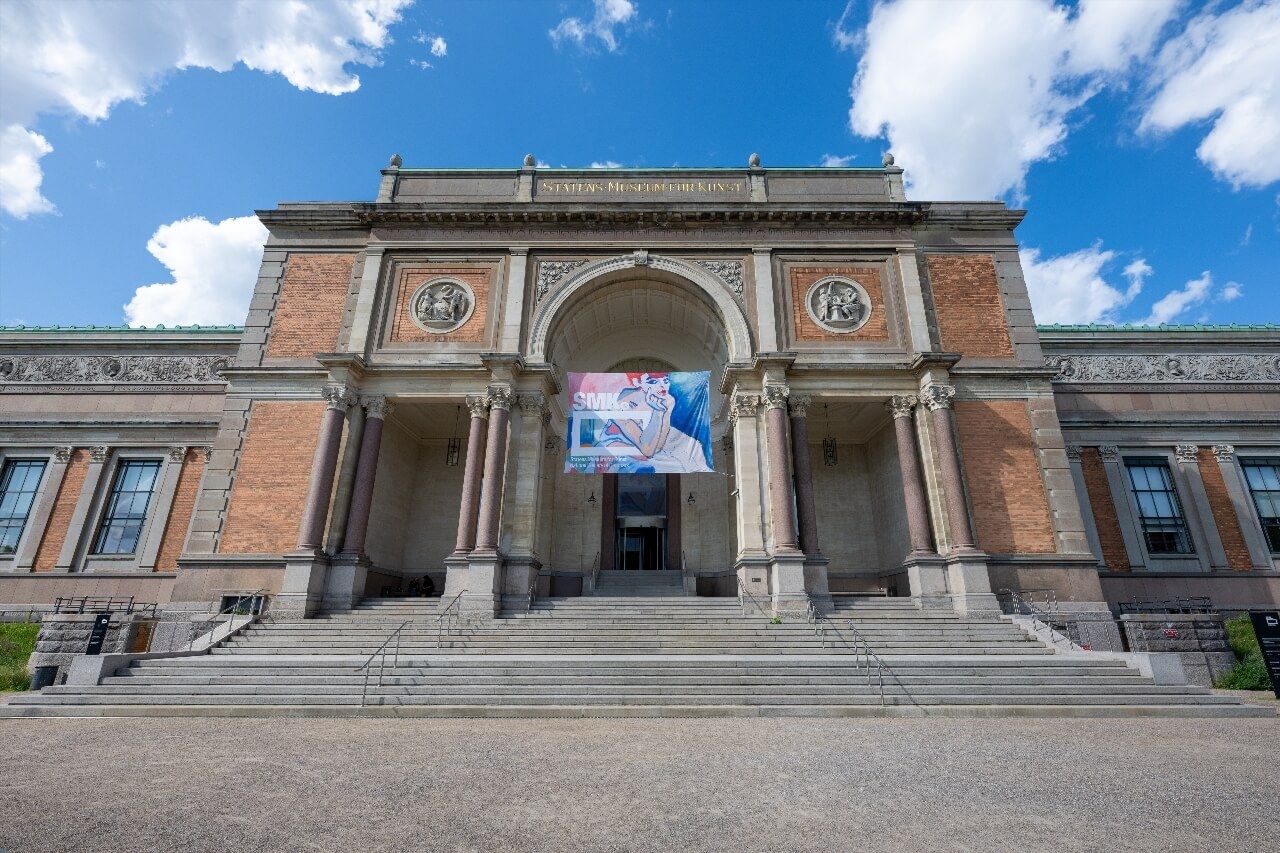
The National Gallery of Denmark (Statens Museum for Kunst, or SMK) is the country's largest art museum, spanning Danish and international art from the 14th century to the present day. The building itself is a statement: the original 1896 structure connects via a glass bridge to a modernist extension, and the combination of old galleries and contemporary wing creates an interesting tension.
The collection is particularly strong in 19th-century Danish Golden Age painting, works by C.W. Eckersberg, Christen Købke, and Vilhelm Hammershøi, whose quiet interior scenes have influenced generations of photographers and filmmakers. International holdings include works by Matisse, Rubens, Cranach the Elder, and a notable collection of French 20th-century art. The permanent collection is free; temporary exhibitions carry a charge. Tuesday is free for everyone, making it the busiest day, if you prefer more space, go on a weekday morning outside of Tuesday.
9. The Round Tower (Rundetårn)
Rundetårn (Købmagergade 52A, 1150 Copenhagen, rated 4.5/5 on Google (27 564 avis)) (the Round Tower) was built in 1642 under Christian IV as an astronomical observatory connected to the adjacent Trinity Church. What makes it architecturally unusual is the ascent: rather than stairs, the tower is climbed via a 209-metre spiral ramp wrapped 7.5 times around the hollow core, wide enough that, according to historical accounts, Tsar Peter the Great once rode a horse to the top, followed by his wife in a carriage. Whether the story is true or merely persistent, the ramp remains and the climb is genuinely unlike anything in any other European tower.
The observatory still functions in winter, when members of the public can observe through the telescope on clear evenings (check the website for the schedule). From the open platform at the top, 34.8 metres above ground, the view across Copenhagen's rooftops, particularly toward the spires of the Cathedral and Christiansborg, is one of the finest in the city. The tower is in the middle of the Strøget shopping area, making it easy to combine with a walk through the old town. Entry costs around 25 DKK, which makes it among the best-value viewpoints in any Scandinavian capital.
10. Amalienborg Palace
Amalienborg is the official winter residence of the Danish Royal Family, built in the mid-18th century as four near-identical Rococo palaces arranged around an octagonal courtyard. The ensemble, designed by architect Nicolai Eigtved, is among the finest examples of Rococo architecture in Northern Europe, and the spatial composition of the courtyard, anchored by an equestrian statue of Frederick V, has a formal elegance that rewards simply standing and observing.
The Changing of the Guard ceremony takes place daily at noon, when the Royal Life Guard marches from Rosenborg Castle through the city centre to Amalienborg, the procession itself (about 45 minutes long, covering 3 km) is worth watching if you time it right. When the Queen or King is in residence, a larger ceremony with full band accompanies the event.
The Amalienborg Museum, located in two of the four palaces, displays the private apartments of successive monarchs from Christian IX (who reigned from 1863) to Margrethe II. The interiors reveal a genuinely personal relationship with royal history, hunting trophies, family photographs, gift collections from foreign heads of state, rather than the formal grandeur found in many royal residences. The museum is excellent and frequently overlooked. Directly in front of the palace complex, the Amaliegarden, a terraced garden opened in 1983 with a monumental fountain, leads down to the waterfront with views across to the Opera House.
11. The Citadel
Kastellet is a star-shaped fortress built in the 17th century on the northern edge of the city centre, and it remains one of the best-preserved military fortifications in Northern Europe. What makes it unusual for visitors is that it is still an active military installation, the Danish Armed Forces maintain administrative offices here, but the grounds are open to the public and free to enter every day of the year.
The moats, earthen ramparts, and the windmill at the centre of the fortress create a curiously peaceful atmosphere despite the military presence. The walk along the top of the ramparts takes about 20 minutes and offers views across the harbour to the north and toward the city rooftops to the south. The Little Mermaid statue (section 4) is a 5-minute walk from the eastern gate, making Kastellet a natural starting point for a northern waterfront walk. Allow 45 minutes for a relaxed circuit of the grounds.
12. Copenhagen Harbour Baths
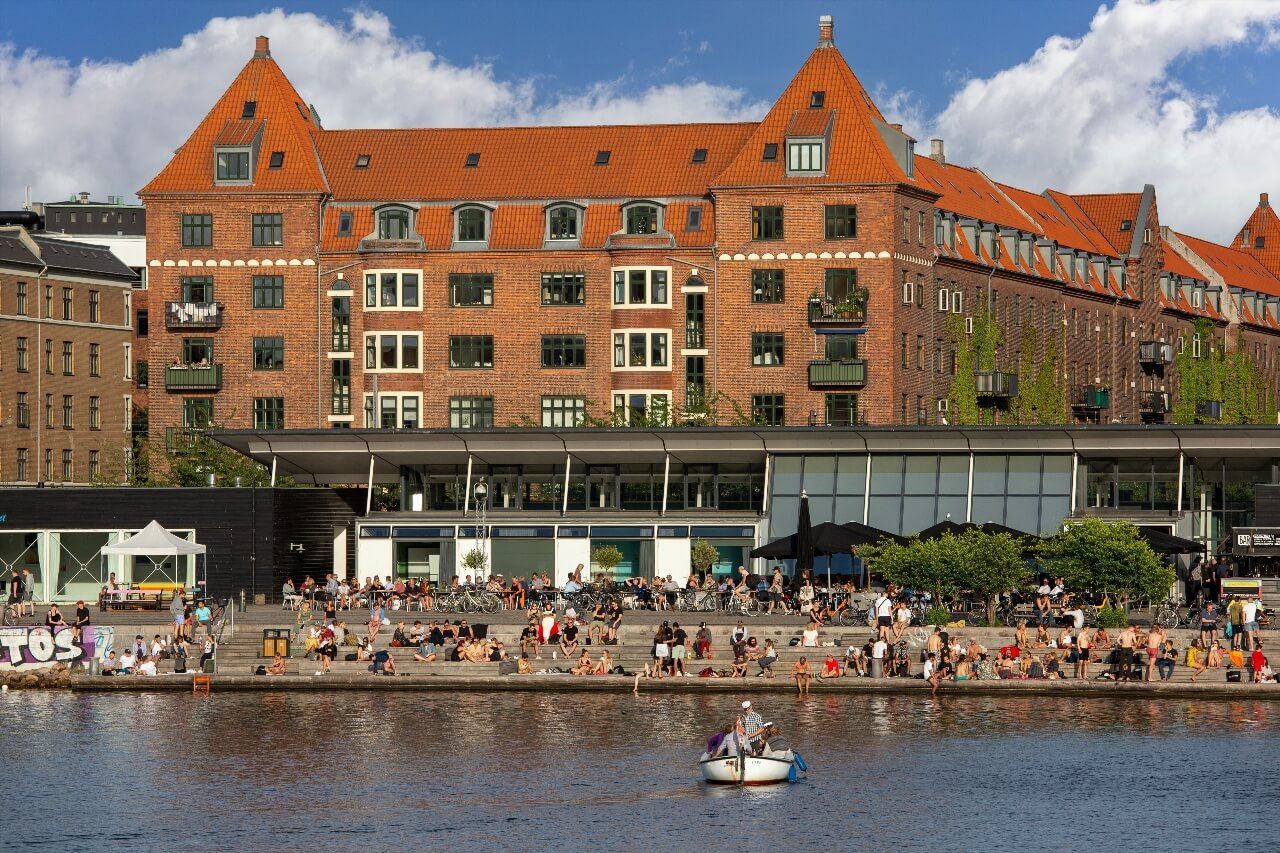
Swimming in the harbour of a major European capital sounds improbable, but Copenhagen's harbour has been clean enough for bathing since 2002, when the city completed a major wastewater infrastructure project that redirected sewage and built underground reservoirs to absorb storm overflows. The result is a series of outdoor harbour baths, the most popular being Islands Brygge on the south side of the harbour, that fill up from June through August with a combination of locals, families, and increasingly large numbers of visitors who do a double-take the first time they see someone swimming in the middle of the city.
Islands Brygge has five pools of varying depth, diving platforms, sunbathing areas, and a children's pool. Entry is free. The baths open from mid-June and close when water temperature drops in September. On hot weekday mornings, it is genuinely one of the most enjoyable things to do in Copenhagen at no cost. Bring your own towel, rental is available but expensive.
13. Canal Tour
Seeing Copenhagen from the water reframes the entire city. Canal tours depart from Nyhavn and from Gammel Strand (near the National Museum) and last approximately one hour, passing under low bridges, past the back façades of Christiansborg, the modern waterfront architecture of the Copenhagen Opera House, the moats of Kastellet, and back along the inner harbour.
Several operators run tours; the most established is Netto-Bådene, which has operated since 1978 and offers a recorded commentary in multiple languages. Prices are among the lowest of any major European canal city, around 85 DKK for a full circuit. An alternative is the Harbour Bus (Havnebus), which operates like a public ferry along the same routes: routes 991 and 992 are covered by the standard Copenhagen City Card and regular transport ticket, and the views are nearly identical. If budget matters, take the harbour bus. If you want a narrated, leisurely experience, the classic canal boat is worth the cost.
14. The Meatpacking District (Kødbyen)
Kødbyen (Flæsketorvet, 1711 Copenhagen, rated 4.4/5 on Google (5K reviews)), literally the « Meat City », is one of the most successful urban regeneration projects in Northern Europe. The district was built in the early 20th century as a centralised, purpose-designed meat industry complex: abattoirs, refrigeration facilities, wholesale butchers, and cold storage all occupying a dense grid of white-tiled buildings in the Vesterbro neighbourhood. By the 1970s, the industry began contracting, and by the early 2000s much of the complex was empty.
What happened next was driven not by a grand masterplan but by a series of cheap rents and creative opportunism. Artists, architects, graphic designers, and then restaurateurs moved into the vacant buildings one by one. Today Kødbyen is the densest concentration of good restaurants in Copenhagen. The White Meat City section (Hvide Kødby) contains several of the city's most respected dining addresses, including Kadeau, Mother (a wood-fired pizza restaurant that helped define the Vesterbro dining scene), and Bar Basso. The Brown Meat City section (Brune Kødby) retains several active meat wholesalers alongside gallery spaces and a nightclub. The juxtaposition of butchers in white coats moving carcasses on hand-trolleys at 6am with designers arriving for breakfast at the same address is one of the more memorable urban experiences in Northern Europe.
This is emphatically an evening destination, most of the restaurants do not open until 5pm or 6pm, and the district's energy peaks between 8pm and midnight. Come on a Thursday evening, when most places are full but not overwhelmed, and walk the grid systematically before settling on a table. Reservations are essential at the better restaurants, sometimes weeks in advance.
15. Reffen Street Food Market
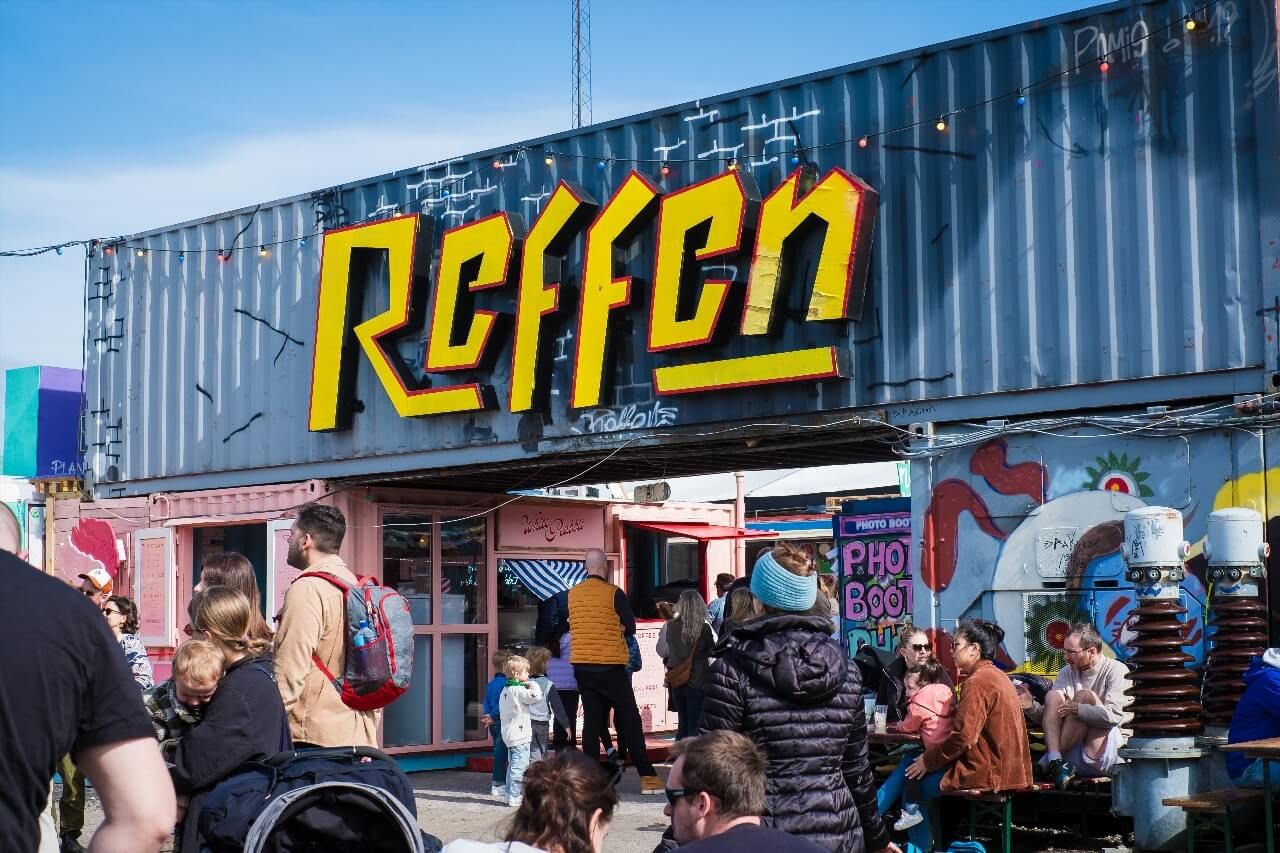
Reffen is Copenhagen's flagship street food market, opened in 2018 on a former industrial site on Refshaleøen island, a 20-minute cycle or bus ride from the city centre. The previous incarnation on a barge in the inner harbour was popular but cramped; Reffen's outdoor format, spread across reclaimed shipping containers and open-air benches along the waterfront, is a considerable improvement.
Around 60 vendors operate at any one time, with a strong emphasis on sustainable sourcing and a mix of international cuisines alongside specifically Danish products. Pork smørrebrød, fermented vegetable dishes, sourdough bao, Japanese ramen, and Brazilian churros all coexist alongside a craft beer bar. The views across the water toward the city are excellent in the afternoon sun. Reffen is open from April through September; arrive between 12pm and 2pm on a weekday to avoid the queues that form from 5pm onwards.
16. Copenhill
Copenhill (Vindmøllevej 6, 2300 Copenhagen, rated 4.5/5 on Google (2 369 avis)) (Amager Bakke) is a waste-to-energy plant with a ski slope on the roof, and it is as extraordinary as that description suggests. Designed by architect Bjarke Ingels and his firm BIG, the plant began operations in 2017 and the rooftop ski slope opened to the public in October 2019. The plant processes up to 440,000 tonnes of household waste per year, substantially reducing Copenhagen's use of landfill and supplying electricity and district heating to around 150,000 homes. The architectural brief from the city was explicit: turn the power plant into a public amenity.
The result is a 490-metre ski slope and hiking trail running across the plant's sloping roof, accessed by chairlift or stairs, with views across the harbour, Ørestad, and on clear days the Øresund Bridge. The surface is artificial (a type of all-season ski turf), and there is a ski school, ski rental, and a restaurant at the top. The chimney emits only steam and carbon dioxide, and the original brief called for smoke rings to be blown from the chimney for each tonne of CO₂ emitted, a feature that was eventually omitted due to technical complexity but remains part of the building's design mythology.
In summer, the roof runs climbing and hiking activities, including what is currently the world's tallest outdoor climbing wall at 80 metres. You do not need to ski to visit, the walk up the hiking trail and the view from the top are free, and the observation platform is one of Copenhagen's most compelling perspectives on the city's industrial waterfront. The ski season runs from October to April, though the artificial surface allows skiing year-round in limited sections.
17. Frederiksberg Gardens
Frederiksberg Have is a landscape garden immediately west of the city centre, surrounding Frederiksberg Palace, and it is one of the city's least-crowded green spaces despite being genuinely beautiful. The garden was laid out in the English romantic style in the early 19th century, replacing a formal French garden, and the combination of canals, sloped lawns, and mature woodland creates an unusually varied landscape for a city park.
The palace at the top of the hill is a functioning royal summer residence and not generally open to the public, but the grounds are free to enter year-round. In summer, rowing boats can be hired on the canal system that winds through the lower part of the garden. The garden borders the Copenhagen Zoo (accessible through a separate entrance), so a combined visit works well with families. One of the most pleasant things about Frederiksberg Have is its almost complete absence from Copenhagen's tourist mainstream, on a summer weekday, you are likely to share it mainly with locals.
18. Den Blå Planet (National Aquarium Denmark)
Den Blå Planet (Jacob Fortlingsvej 1, 2770 Kastrup, rated 4.4/5 on Google (20 960 avis)), the National Aquarium of Denmark, is the largest aquarium in Northern Europe, designed by 3XN architects in the form of a whirlpool visible from above. Located in Kastrup, about 15 minutes from the city centre by Metro, it holds 53 aquariums and tanks containing more than 20,000 animals across 450 species.
The design is exceptional, the building spirals around a central atrium, and the largest tanks (including the ocean tank at 4 million litres) are genuinely immersive rather than the flat-panel viewing that characterises older aquariums. Sharks, rays, piranhas, and a dedicated jellyfish gallery feature prominently. Allow 2 : 3 hours. Entry is around 185 DKK for adults; the Copenhagen Card covers it. Best visited in the afternoon when school groups have largely departed.
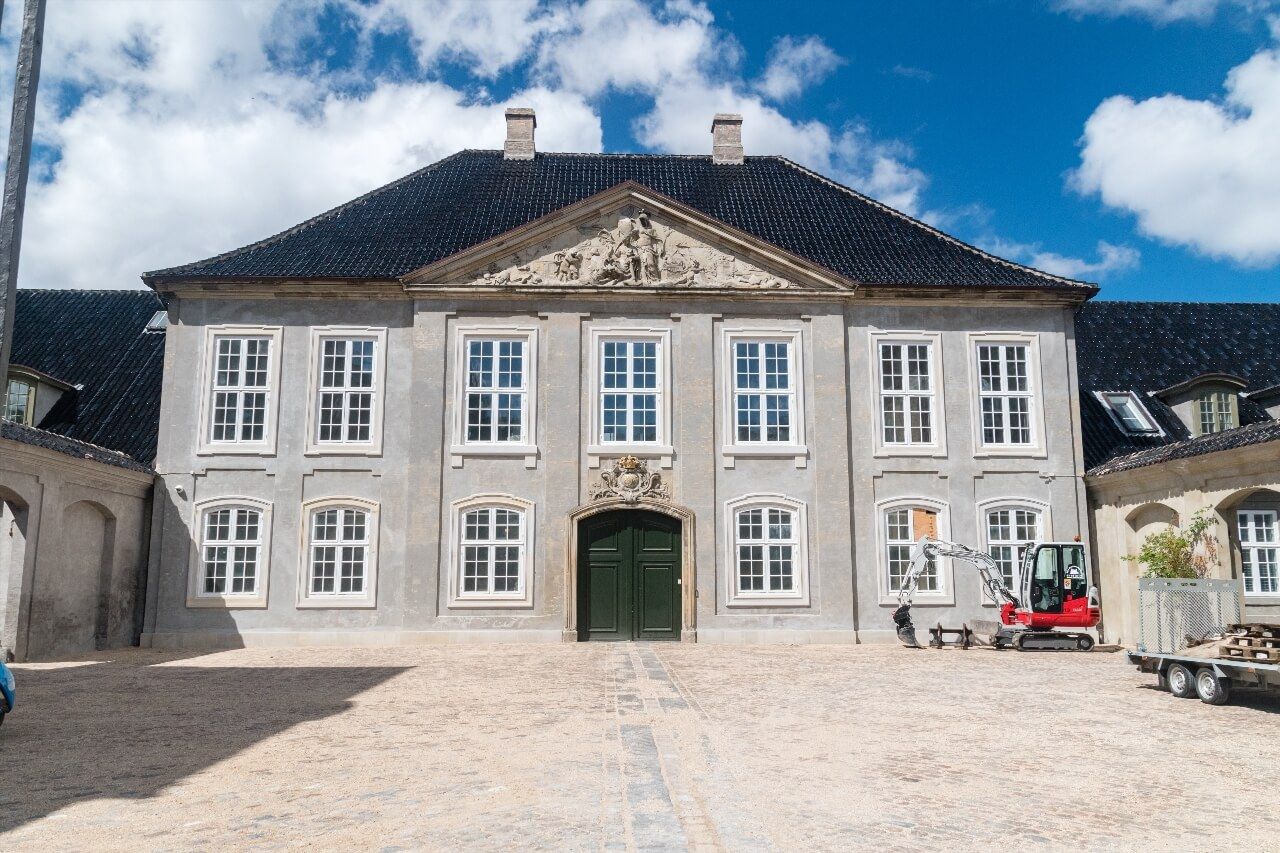
19. Design Museum Denmark
Design Museum Denmark (Bredgade 68, 1260 Copenhagen, rated 4.3/5 on Google (8 018 avis)) occupies an 18th-century hospital building near Amalienborg Palace) and holds one of Europe's most important collections of industrial design, Danish craft, and applied art. The permanent collection traces the development of Scandinavian design from the 18th century through the mid-century modern movement, the Wegner chair, the Egg chair by Arne Jacobsen, the PH lamp by Poul Henningsen, to contemporary design practice.
The museum underwent a significant renovation and expansion that reopened in 2022, and the new permanent presentation is considerably more coherent than its predecessor. The fashion and textiles gallery is particularly strong, with a collection that spans historical court dress to contemporary Danish fashion designers. Tuesday through Sunday, 10am : 6pm; closed Mondays. Entry around 145 DKK. The museum shop is also one of the better design shops in the city, with a well-curated selection of reproductions and contemporary Danish objects.
20. Kronborg Castle
Kronborg Castle (Kronborg 2C, 3000 Helsingør, rated 4.6/5 on Google (17 367 avis)) in Helsingør, 45 minutes north of Copenhagen by train, is arguably the most famous castle in Scandinavia, not because of what actually happened there, but because of what Shakespeare imagined there. The playwright set Hamlet at « Elsinore » (the English name for Helsingør), and while there is no historical evidence he ever visited, the castle has traded on the association for centuries, hosting outdoor Hamlet performances in the courtyard.
The castle was built in its current form in the 1580s under Frederick II, and its strategic position at the narrowest point of the Øresund strait meant that for two centuries, all ships passing between the North Sea and the Baltic were required to pay a toll, a lucrative arrangement that funded much of the Danish crown's ambitions. The tolls were finally abolished by international treaty in 1857.
Today it is a UNESCO World Heritage Site, and the interior is well-preserved and well-presented. The casemates (the underground vaulted corridors beneath the castle) house a sleeping statue of the Viking hero Holger Danske, who according to legend will wake and defend Denmark if the country is ever truly threatened. The railway journey from Copenhagen Central Station along the coastline is scenic and inexpensive. Allow a full day for the trip, explore both the castle and the town of Helsingør, which has a good fish market and a small medieval quarter worth walking.
21. Kongens Have (The King's Garden)
Kongens Have (Kronprinsessegade, 1306 Copenhagen, rated 4.2/5 on Google (514 avis)) is Copenhagen's oldest public park, established by Christian IV in the early 17th century as the private garden of Rosenborg Castle. Today it is a city park in the fullest sense: lawns, rose gardens, a children's playground, an open-air puppet theatre that runs through summer, and the constant movement of cyclists, dog walkers, and office workers eating lunch on the grass.
It is also completely free. The park sits between Rosenborg Castle and the Botanical Garden, making it a natural connector. Buy lunch from a nearby bakery and join the Danes on the grass.
22. The Marble Church (Frederiks Kirke)
The Marble Church, officially Frederiks Kirke (Fredericiagade 4, 1310 Copenhagen, rated 4.6/5 on Google (10 048 avis)), has one of the largest church domes in Scandinavia, 31 metres in diameter, and its green copper exterior has been a fixture of the Copenhagen skyline since the church's eventual completion in 1894, 150 years after construction first began. The project was so financially demanding that work stopped for over a century before a Danish businessman funded its completion.
Entry to the church is free. On summer weekends, guided dome tours (around 50 DKK) offer views across the Amalienborg courtyard and the waterfront. The church combines naturally with Amalienborg (section 10).
23. Amager Strand
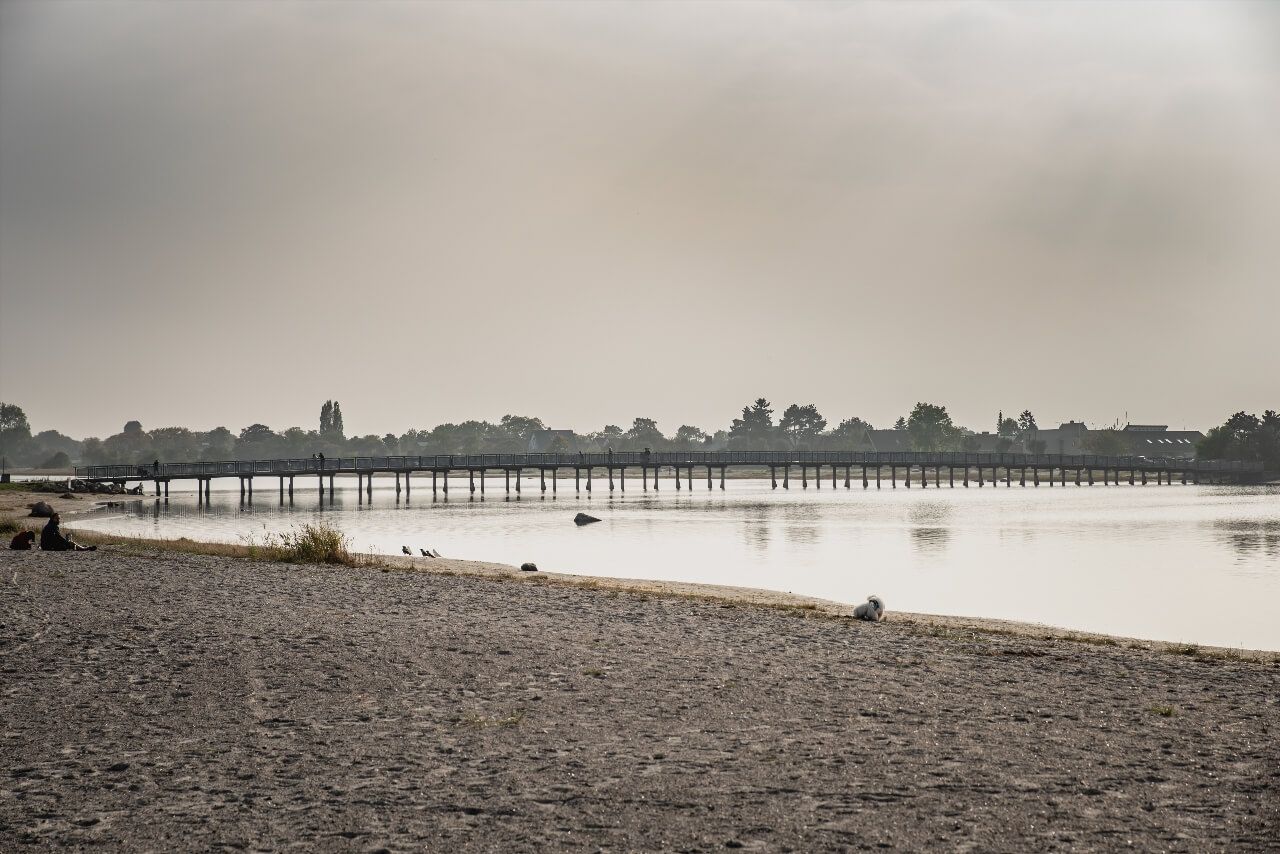
Amager Strand (Amager Strandvej 1, 2300 Copenhagen, rated 4.5/5 on Google (13K reviews)) is a 4.6-kilometre artificial beach constructed in 2005 on the southern end of Amager island, about 15 minutes from the city centre by Metro (Amager Strand station). The project involved creating an artificial lagoon between the existing shoreline and a new sandy island, which provides sheltered, calm water for swimming while the outer beach faces the Øresund directly.
In summer, the beach is busy, volleyball courts, kite surfers on the outer side, families in the lagoon, but never overwhelmingly so by the standards of beaches near major European cities. The water quality is high (Blue Flag certification), and the sand is clean. In winter, the beach path makes an excellent windy walk with views across the strait. Access is free. Bring your own food and drink; the kiosks along the beach are expensive.
24. Assistens Cemetery
Assistens Kirkegaard in the Nørrebro neighbourhood is the burial ground of Hans Christian Andersen and Søren Kierkegaard, two of Denmark's most internationally famous figures, and it functions simultaneously as a working cemetery and a city park. Locals use it regularly for picnics, reading, and cycling, an unusual but characteristically Danish overlap of solemn and everyday space.
Andersen's grave is clearly marked and easy to find; Kierkegaard's is in a different section of the extensive grounds. The cemetery was established in 1760 and covers 21 hectares, large enough to spend an hour wandering without covering the same path twice. The Nørrebro neighbourhood surrounding it has some of the city's best bakeries and coffee shops, making a visit here a natural anchor for an afternoon in this part of the city.
25. Bakken Amusement Park
Bakken in Klampenborg, 25 minutes north of Copenhagen by train, is the oldest operating amusement park in the world, predating Tivoli by almost 260 years. It opened in 1583 around a natural spring (the name simply means « The Hill »), and while it has modernised substantially, it retains a pleasantly old-fashioned atmosphere: an original wooden roller coaster from 1932, clown shows, a vintage carousel, and the kind of candied almonds that seem only to exist at European fairgrounds.
Entry to the park is free, rides and games cost individually. The park is embedded in the edge of Dyrehaven (section 27), so combining a visit to the deer park with the amusement park makes for a very full half-day north of the city. Open from late March through late August. Best on a weekday to avoid weekend families with children.
26. Nordhavn
Nordhavn (Sundkrogsgade, 2150 Nordhavn, rated 4.3/5 on Google (3K reviews)) (« North Harbour ») is Copenhagen's most ambitious urban regeneration project, a former industrial harbour to the north of the city that is being gradually transformed into a new urban district. The process is ongoing and visible: cranes and construction sites sit alongside completed housing blocks, a waterfront promenade, a harbour bath, and a small marina.
For visitors, the interest is less in tourism and more in urban observation, seeing how a 21st-century Scandinavian city builds itself. The Silo building, a converted grain silo now housing apartments and a restaurant on the 17th floor, is the most photogenic landmark. The harbour promenade extends continuously from Nordhavn south past Kastellet and all the way to Islands Brygge, making it possible to walk or cycle the entire Copenhagen waterfront in one go.
27. Dyrehaven (The Deer Park)
Dyrehaven (Dyrehaven, 2920 Charlottenlund, rated 4.7/5 on Google (949 avis)), the Royal Deer Park, is a 1,000-hectare ancient forest and parkland north of Copenhagen, established as a royal hunting ground in 1669 and still home to a herd of around 2,000 deer, including fallow deer, red deer, and roe deer. The park is open year-round, free of charge, and is used by Copenhageners for running, cycling, and winter walks in quantities that suggest it functions as something closer to a national park than a suburban green space.
The deer are remarkably close to human visitors, particularly the fallow deer, which have become accustomed to people and can be approached to within a few metres, especially in clearings where supplemental feeding takes place in winter. The Eremitageslottet, a baroque hunting lodge at the centre of the park, adds an architectural focal point to what would otherwise be a pure nature walk. Combined with Bakken (section 25), Dyrehaven is an excellent full-day excursion by train from Copenhagen Central.
28. Rent a Boat on the Harbour
Several companies in Copenhagen allow you to rent small electric boats, no licence required, for 1 : 3 hours on the inner harbour and canals. The boats hold 6 : 8 people and are straightforward enough to handle that first-time skippers manage without difficulty after a 10-minute briefing.
GoBoat, operating from Islands Brygge, is the largest operator and allows you to bring your own food and drink on board. Navigating past the back of Christiansborg, under the low bridges of the canals, and into the inner harbour channels is a completely different experience from the canal tour boats, quieter, slower, and entirely self-directed. Book at least 2 : 3 days in advance in summer; availability on the day is essentially zero from June through August.
29. Bike Around Copenhagen
No list of things to do in Copenhagen would be complete without acknowledging that cycling is not a leisure activity here but the primary mode of transport for a majority of residents. 62% of Copenhageners commute by bike daily, and the infrastructure reflects this: separated cycle paths on virtually every major street, cycling traffic lights, and a culture of road use that treats cyclists as the default road user rather than a special category.
For visitors, the best introduction is to rent a city bike, Bycyklen operates the city's electric-assisted bike-share system, and follow the harbour route from Nyhavn south to Islands Brygge, or north through Kastellet and up to the Deer Park. The coastal cycling route to Helsingør (the same destination as Kronborg Castle) is one of the most scenic day rides in Denmark: 45 km along the Øresund coast, through beach towns and forest paths, ending at the castle. Rental bikes are also available through numerous private operators near Central Station and in Nørrebro. If you prefer a slower-paced exploration of the historic core before getting on a bike, the Ryocity walking audio guide pairs well with a half-day morning, leaving the afternoon free for the harbour route.
Riding in Copenhagen requires minimal adjustment for most European cyclists; for visitors from cities without cycling infrastructure, spend 10 minutes observing the flow of the cycle paths before joining. The courtesy rules are clear and largely self-enforcing, but indicating clearly before stopping or turning is essential.
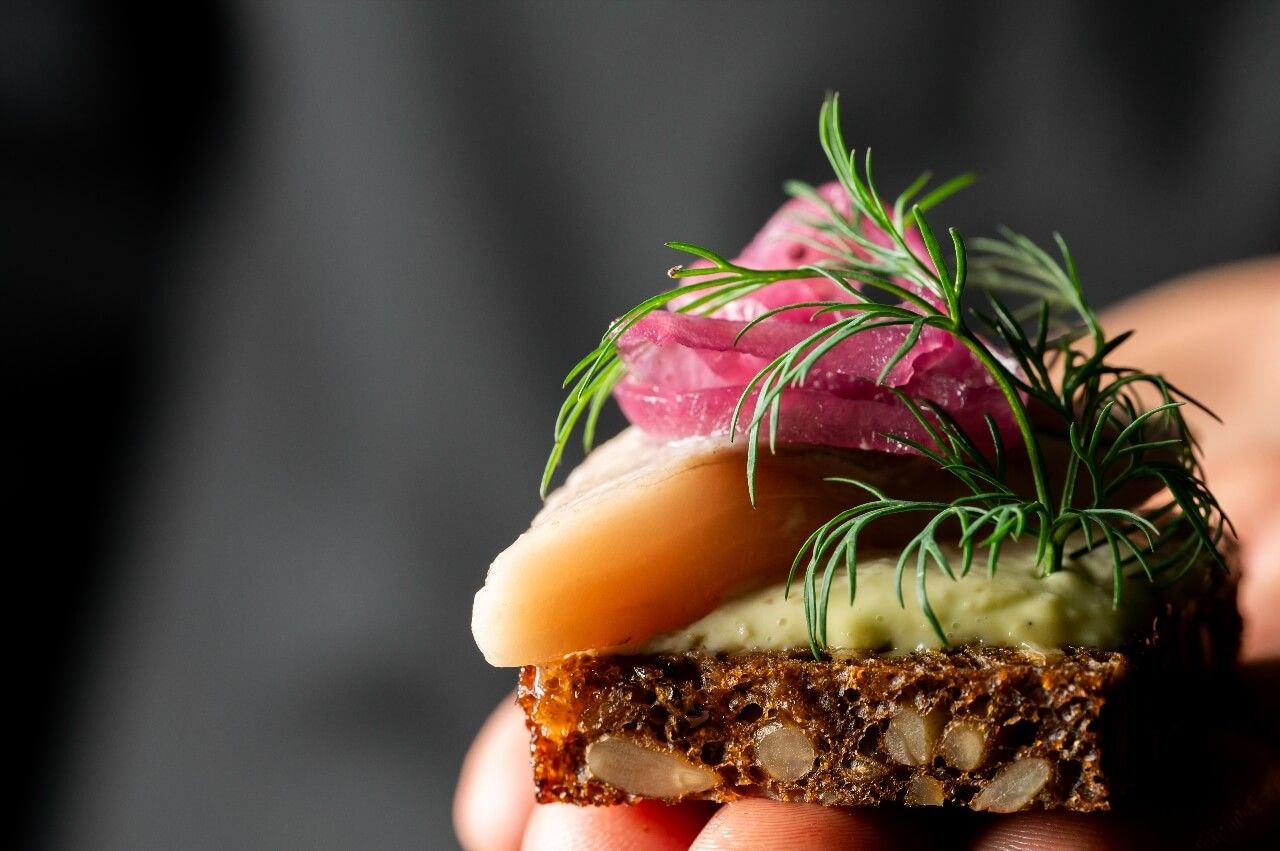
30. Smørrebrød and Danish Food Culture
The single most distinctively Danish food experience is smørrebrød, open-faced rye bread sandwiches that range from the simple (pickled herring on buttered dark rye) to the elaborate. Smørrebrød is a lunchtime tradition, and most dedicated smørrebrød restaurants close by 3pm, as the dish is considered inappropriate for dinner in Danish culinary culture. The cultural code around it is firm: snaps (caraway-flavoured aquavit) with herring, beer with everything else, and a strict order of plates beginning with fish, then cold meats, then warm dishes, then cheese.
Schønnemann (Hauser Plads 16, 1127 Copenhagen, rated 4.7/5 on Google (2 255 avis)) on Hauser Plads, established in 1877, is the canonical address, a wood-panelled dining room serving around 100 varieties, where reservations are necessary even for weekday lunch. Aamanns Deli & Take Away near the Botanical Garden is a more accessible starting point if you want to understand the tradition before committing to a sit-down lunch. For a purely informal experience, Torvehallerne, the covered food market near Nørreport station, has several stalls offering smørrebrød, along with an excellent range of Danish cheeses, smoked fish, and organic produce.
Beyond smørrebrød, Copenhagen is the city that gave the world New Nordic cuisine. Noma, which operated across multiple incarnations from 2003 to 2024, created an entire culinary philosophy around fermentation, foraged ingredients, and seasonal restraint that influenced restaurants on every continent. Though Noma itself has closed its restaurant format to focus on food research, its alumni run a substantial number of the city's best dining addresses, from Geist to Barr to the constantly-shifting roster at the Standard. You do not need to book a Michelin-starred table to experience this legacy; a well-made Danish pastry from a serious bakery like Hart Bageri in Frederiksberg communicates the same commitment to craft in a more accessible register, and a flødeboller (chocolate-coated marshmallow on a wafer base) from a confectioner like Summerbird is a small but genuine expression of Danish sweet tradition.
FAQ
What is the best time of year to visit Copenhagen?
Copenhagen is a year-round destination, but June through August offers the longest days, the warmest temperatures, and the full operation of outdoor attractions like the harbour baths, Reffen, and Amager Strand. July is the warmest month, averaging 20 : 22°C. Winter has its own appeal: Tivoli's Christmas market (mid-November to late December) is genuinely atmospheric, and the city's café and restaurant scene is at its most welcoming when it is cold outside. The shoulder months of May and September offer good weather with notably smaller crowds.
How many days do you need in Copenhagen?
Three full days allows you to cover the main city-centre attractions (Nyhavn, Tivoli, Christiansborg, Rosenborg, the National Museum) along with a neighbourhood like Vesterbro or Christianshavn. Four to five days is better if you want to add day trips to Kronborg, Dyrehaven, and Bakken, or spend meaningful time in Nordhavn and at the harbour baths. A weekend trip covering two full days is tight but manageable if you focus on the inner city only.
Is Copenhagen expensive for tourists?
Copenhagen is consistently ranked among the most expensive capital cities in Europe. A sit-down lunch in a mid-range restaurant typically costs 150 : 250 DKK per person without drinks. However, several of the city's best attractions are free: the National Museum, the SMK (permanent collection), Kastellet, Kongens Have, Assistens Cemetery, and all of the harbour and beach infrastructure. The Copenhagen Card (available for 24h, 48h, 72h, and 120h) covers most major attractions and unlimited public transport, and makes financial sense from the second or third attraction.
How do you get around Copenhagen?
The Copenhagen Metro runs 24 hours a day, 7 days a week, the only metro in Scandinavia with 24-hour service. It is clean, frequent, and covers most tourist areas including the airport. The S-Tog (suburban rail) extends to Klampenborg, Dyrehaven, and other areas outside the city centre. Cycling is faster than public transport for most inner-city journeys. Walking is entirely practical across the historic centre, Nyhavn to Christiansborg to Tivoli is a comfortable 30-minute walk.
What is the Copenhagen Card and is it worth it?
The Copenhagen Card gives free access to 89 museums and attractions plus unlimited public transport across the entire Greater Copenhagen region including Helsingør (Kronborg). A 72-hour card for an adult costs around 749 DKK. It pays for itself if you visit Tivoli, Den Blå Planet, Rosenborg, Kronborg, and use the Metro for airport transfer, all of which are included. It does not cover restaurants, tours, or bike hire, so factor those in separately.
Can you swim in the Copenhagen harbour?
Yes. The inner harbour has been clean enough for swimming since 2002, following a major sewage infrastructure project. Islands Brygge Harbour Bath is the most popular bathing facility, with five pools and free entry. Monitoring stations test the water continuously; on rare occasions after heavy rainfall the baths close temporarily due to overflow risk. The bathing season runs roughly from mid-June to mid-September.
Copenhagen rewards unhurried attention. The city's most memorable qualities, the cycling infrastructure, the harbour swimming, the civic ambition visible in a project like Copenhill, are things you absorb rather than simply tick off. If you want a structured starting point, the Ryo Copenhagen Ryocity audio guide covers 29 stops along an 8 km walking route through the historic centre, with commentary on the architecture, history, and stories that most maps leave blank. Use it for your first morning, and you will find the rest of the city easier to read on your own terms.