© Shutterstock
 Votre guide Ryo
From Lapland to Helsinki: discover the 4 Finnish regions
Finland, nicknamed the "Land of a Thousand Lakes", reveals breathtakingly beautiful landscapes through its four distinct regions. From mysterious Lapland with its shimmering northern lights to Helsinki, a dynamic capital with Nordic influences, this Scandinavian nation offers exceptional diversity. Between vast lacustrine expanses, wild coasts of the Baltic archipelago and infinite boreal forests, each Finnish region tells a unique story. Discover how these contrasting territories form a harmonious whole, where modernity and ancestral traditions coexist in perfect symbiosis.
1. Lapland: the realm of northern lights and midnight sun
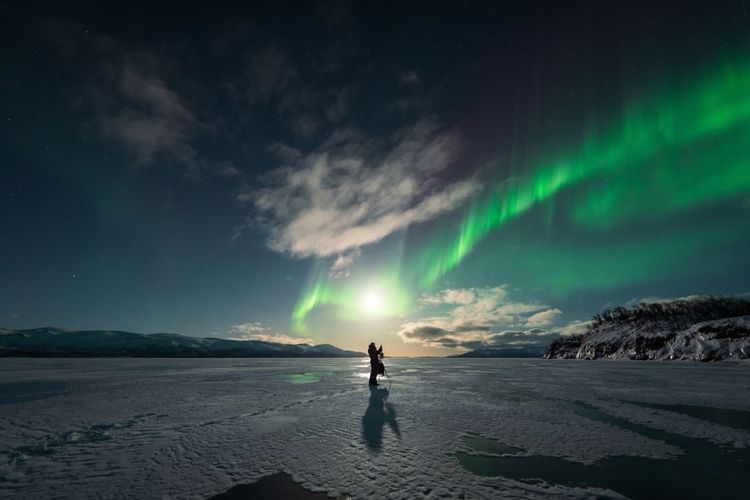
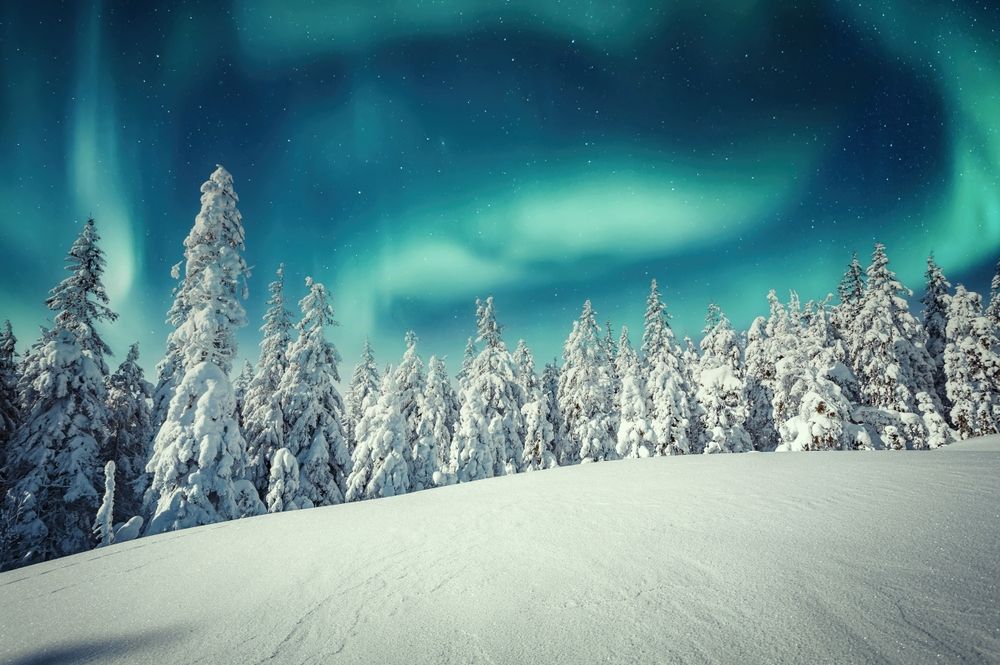
Finnish Lapland extends majestically beyond the Arctic Circle, offering unique experiences in the world. This northern region fascinates with its striking contrasts: the polar darkness of winter gives way to the midnight sun of summer, creating magical atmospheres according to the seasons.
2. The Great Lakes region: the aquatic heart of Finland
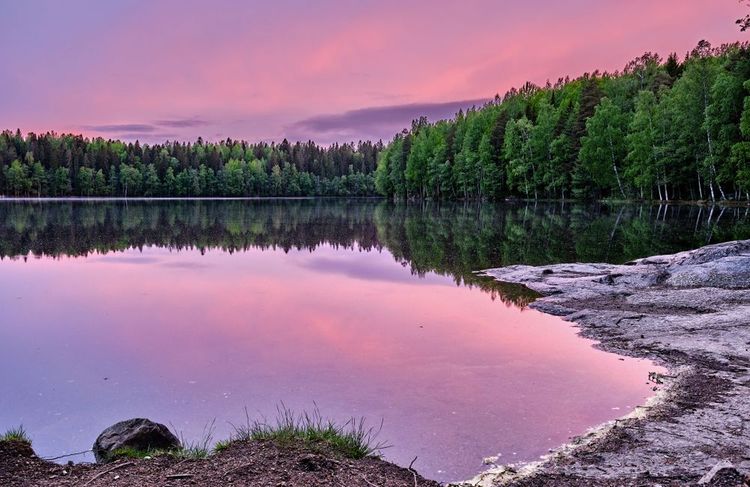
The Great Lakes region, a true aquatic labyrinth, concentrates the majority of Finland's 188,000 lakes. This geographical area extends across the center and east of the territory, creating a unique landscape in Europe where water draws infinite forms between boreal forests and rocky islets.
Tampere: the Finnish Manchester by the rapids
Tampere, Finland's third-largest city, sits between two majestic lakes connected by the Tammerkoski rapids. These waterfalls shaped the city's industrial history, now converted into a dynamic cultural center. The Finlayson district, former textile factory, now houses museums, cinemas and shops in its restored red brick buildings.
The city offers numerous lacustrine activities: cruises on lakes Näsijärvi and Pyhäjärvi, canoe rentals to explore secret coves, and pike fishing in fish-rich areas. The Särkänniemi amusement park, located on a peninsula, combines modern rides with an aquarium showcasing the local fauna of Finnish lakes.
Lake Saimaa: Finland's largest lake and its natural treasures
Lake Saimaa, aquatic giant of this Finnish region, extends over more than 4,400 square kilometers, dotted with 13,000 islands and islets. Its crystal-clear waters shelter a unique species: the Saimaa ringed seal, one of the world's rarest marine mammals with only 400 individuals recorded.
Savonlinna, architectural pearl on the shores of the lake, fascinates with its medieval castle of Olavinlinna. This 15th-century fortress, built on a rocky islet, hosts a world-renowned opera festival every summer. The performances in the castle courtyard, with the lake as backdrop, create a unique atmosphere blending historical heritage and artistic excellence.
Kuopio and Jyväskylä: cultural capitals of the lakes
Kuopio, nicknamed the "pearl of the lakes", flourishes on the shores of Lake Kallavesi. The Puijo tower, 75 meters high, offers an exceptional panorama over the surrounding lacustrine maze. The city stands out for its traditional market, one of Finland's liveliest, where local producers offer smoked fish, wild berries and forest mushrooms.
Jyväskylä, dynamic university city, cultivates a privileged link with modern architecture. Alvar Aalto, master of Finnish architecture, designed several emblematic buildings there. The Alvar Aalto Museum and the university offer immersion in contemporary Nordic aesthetics, while the shores of Lake Jyväsjärvi invite relaxation in traditional public saunas.
3. The Coast and Archipelago: between Baltic Sea and preserved islands
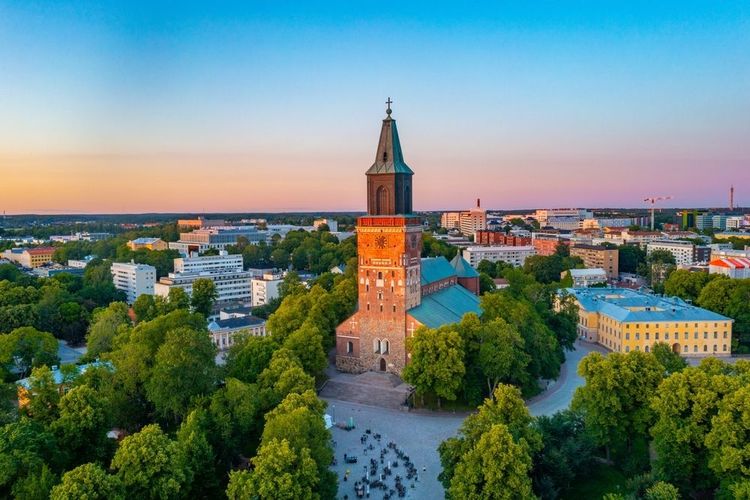
The Finnish coastline unfolds more than 50,000 islands and islets along the Baltic coast, forming the world's largest archipelago. This Finnish coastal region offers unique maritime landscapes, where granite rocks, coniferous forests and crystal-clear waters compose preserved wild settings.
Turku: former capital and gateway to the archipelago
Turku, Finland's former capital, preserves exceptional historical heritage along the Aura River. Turku Castle, a 13th-century medieval fortress, traces the turbulent history of this region through its exhibition halls and cultural events. Turku Cathedral, built in the same century, remains the spiritual symbol of the country.
The city is the ideal starting point to explore the Turku archipelago, accessible by ferry or private boats. These crossings reveal a labyrinth of inhabited islands where fishing communities survive perpetuating centuries-old traditions. The island villages offer authentic accommodations, restaurants with freshly caught fish and varied nautical activities.
Åland: autonomous region with Swedish influences
The Åland archipelago, autonomous region of Finland, cultivates a unique identity blending Finnish and Swedish influences. Swedish is the only official language there, testimony to the complex history of these strategically located islands between Finland and Sweden. Mariehamn, capital of the archipelago, charms with its linden-lined streets and animated marina.
Åland's 6,500 islands and islets offer privileged terrain for marine activities. Pleasure boating, sea kayaking and salmon fishing constitute the flagship leisure activities of this region. Ekenäs National Park, accessible from the mainland, protects rare island ecosystems where numerous marine bird species nest.
Marine activities and island heritage
This Finnish coastal region excels in nautical activities adapted to all levels. The Kotka-Hamina archipelago offers sea kayaking circuits between uninhabited islands, while sheltered waters are perfectly suited for learning to sail. Fishing enthusiasts find exceptional conditions here to catch pike, perch and salmon.
Maritime heritage is discovered in the numerous historical lighthouses dotting the coast. The Bengtskär lighthouse, Scandinavia's tallest at 52 meters, stands on a rocky islet accessible by excursion. Ancient fishing villages, like Porvoo with its colorful houses by the Porvoonjoki River, testify to the centuries-old traditions of this maritime region.
4. Helsinki and its region: Nordic modernity and Finnish traditions
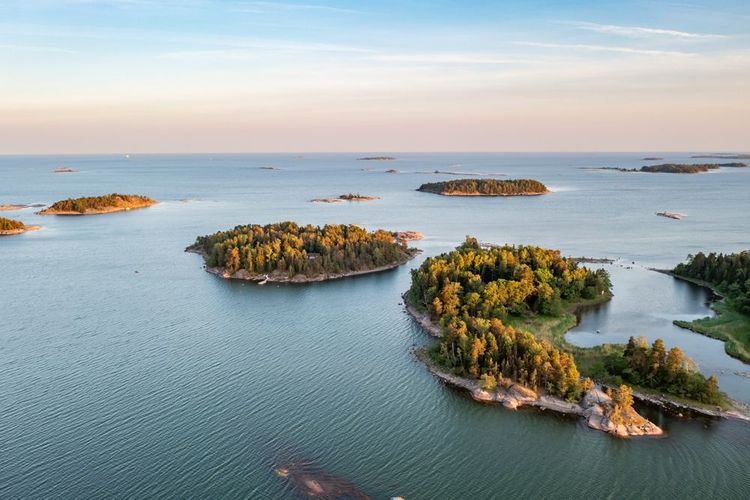
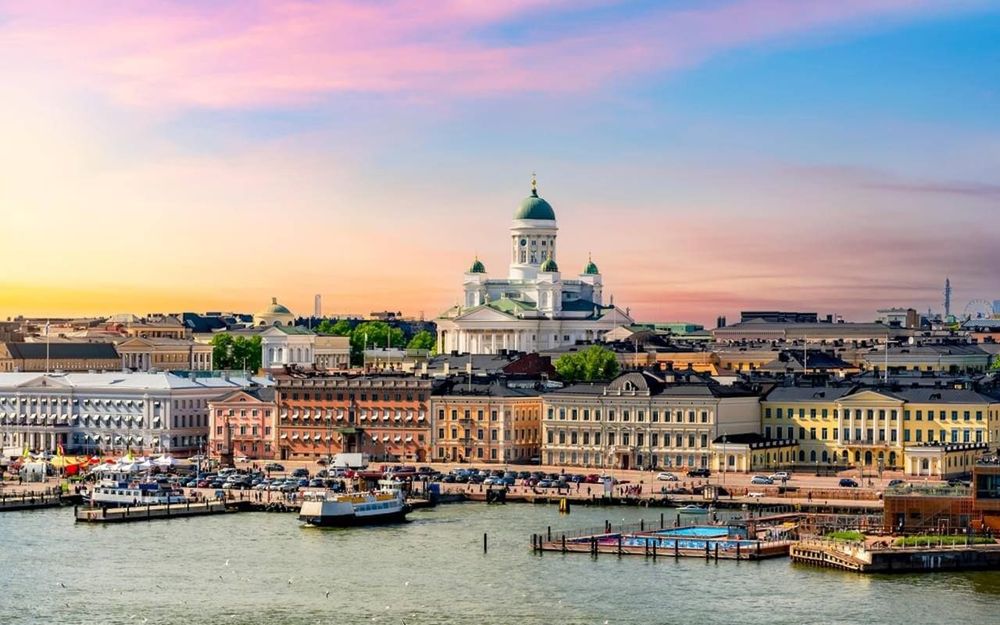
Helsinki, Finland's dynamic capital, perfectly embodies the contemporary Nordic spirit. Located on a peninsula facing the Baltic Sea, the city harmoniously blends neoclassical architecture, modern design and preserved green spaces. This metropolitan region concentrates a third of Finland's population while preserving an exceptional quality of life.
Architecture and iconic sites of Helsinki
Download the audio-guided tour to discover Helsinki on foot and independently
Explore the Finnish capital with our complete 7.2-kilometer itinerary featuring 26 unmissable points of interest. From the majestic Senate Square to the animated port, passing by the surprising Temppeliaukio church carved into rock, our Helsinki audio-guided tour reveals all the secrets of this Nordic metropolis. Discover the fascinating history of Tuomiokirkko Cathedral, stroll through the Design District and immerse yourself in the unique atmosphere of the covered market.
Tuomiokirkko Cathedral majestically dominates Senate Square, embodying Finnish neoclassical architecture. Its five green domes and dazzling white facade make it Helsinki's symbol visible from the port. Temppeliaukio Church, nicknamed "church in the rock", fascinates with its unique design: entirely excavated in granite rock, it offers exceptional acoustics prized for concerts.
The Design District reveals the creative soul of this Finnish region. This trendy district concentrates designer boutiques, contemporary art galleries and artisan workshops perpetuating Nordic traditions revisited. Helsinki's Design Museum traces the evolution of Finnish aesthetics, from the Arts and Crafts movement to world-renowned contemporary creations.
Helsinki islands and maritime heritage
The Suomenlinna fortress, inscribed on UNESCO's World Heritage list, flourishes on six islands off Helsinki. This 18th-century maritime citadel, accessible by ferry from Market Square, testifies to the strategic importance of this region in Nordic history. Its fortifications, museums and restaurants offer a natural escape just a few cables from downtown.
Seurasaari Island houses an open-air ethnographic museum presenting traditional Finnish architecture. Farms, churches and windmills recreate the atmosphere of yesteryear in a preserved natural setting. This island also constitutes a privileged place to observe local fauna and practice hiking on marked coastal trails.
Espoo and Vantaa: modern extensions of the capital region
Espoo, Finland's second-largest city, develops a strong residential and technological identity. The Otaniemi district houses Helsinki University of Technology and numerous innovative companies, making Espoo a Nordic center of excellence. The national parks of Nuuksio and Sipoo, easily accessible, offer preserved natural spaces at the gates of the metropolis.
Vantaa hosts Helsinki-Vantaa International Airport, the main gateway to this Finnish region. The city cultivates rich cultural heritage around the Aviation Museum and Heureka Science Center, popular family attractions. Sipoonkorpi Park protects ancient forests and wetlands essential to regional biodiversity.
This capital region facilitates the discovery of authentic Finnish traditions. Public saunas, like Löyly sauna with its stunning view over the Baltic, perpetuate centuries-old wellness rituals. Covered markets offer local specialties and traditional crafts, while cafes serve legendary Finnish coffee, an emblematic national consumption.
In conclusion, these four regions of Finland compose a territory of exceptional richness where each zone reveals unique facets of Nordic heritage. From mysterious Lapland to wild archipelagos, passing through shimmering lakes and Helsinki's modernity, Finland offers authentic experiences in preserved landscapes. Let yourself be guided by our audio tour to visit Helsinki and discover this fascinating capital, perfect introduction to the Finnish soul, from Senate Square and Tuomiokirkko Cathedral to the shop windows of the Design District.
Frequently Asked Questions
What is the best time to discover Finland's 4 regions?
Summer (June-August) offers the best conditions to explore all Finnish regions with the midnight sun in Lapland and mild temperatures. Winter (December-March) is perfect for Lapland for northern lights and Nordic activities, but limits travel in other regions.
How to travel between Finland's different regions?
Train remains the most practical way to reach Helsinki, Tampere and main cities. For Lapland, flying from Helsinki to Rovaniemi is recommended. Car rental allows complete freedom to explore the lakes region and archipelago at your own pace.
How much time should be planned to visit the 4 Finnish regions?
One week minimum allows discovering Helsinki and one other region. For a complete overview of Finland's 4 regions, count 15 days to 3 weeks depending on your interests and chosen season. Lapland and the lakes region each deserve at least 4-5 days.