
Créé par Emilie, le 7 mai 2026
Votre guide Ryo
© Shutterstock
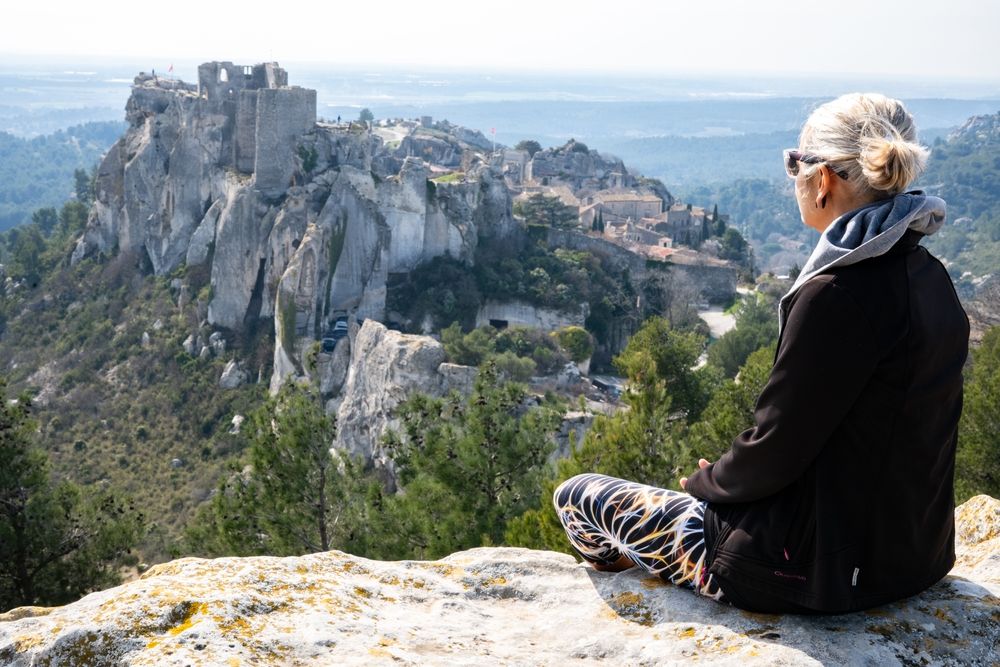
Perched on a rocky spur in the heart of the Alpilles massif, Baux-de-Provence is listed among the Most Beautiful Villages of France. This medieval city, whose cobbled streets wind between blonde stone facades, offers an exceptional journey through time. Between its thousand-year-old castle, remarkable religious heritage and breathtaking landscapes over the Provençal valley, this jewel of Bouches-du-Rhône holds many surprises. Classified as an exceptional site, this former stronghold of the lords of Baux reveals unique architectural heritage and unforgettable cultural experiences like the Carrières de Lumières. Discover the 11 must-do things in Baux-de-Provence to make the most of your visit to this emblematic village of Provence.
1. The Château des Baux-de-Provence
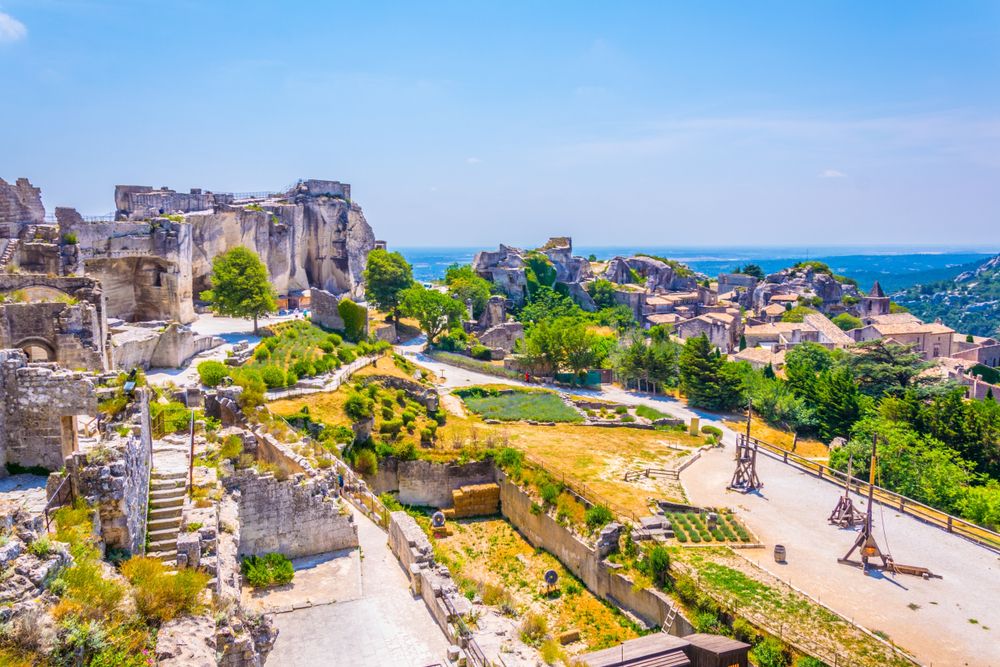
A true stone vessel overlooking the valley, the Château des Baux-de-Provence (Rue du Trencat, 13520 Les Baux-de-Provence, rated 4.6/5 on Google for over 12,000 reviews) is the village's main attraction. This medieval fortress, one of the oldest in Europe, bears witness to the glorious past of the lords of Baux who ruled over 79 cities and villages in the Middle Ages.
The audio-guided tour plunges you into the tumultuous history of this citadel through its imposing towers. Admire the Sarrasine tower, the Paravelle tower and the Bannes tower that line the fortified enclosure. The keep and Sainte-Catherine chapel offer a striking glimpse of medieval architecture. Reconstructions of siege machines, including a full-scale trebuchet, illustrate 13th-century warfare techniques. The castle regularly presents spectacular demonstrations of these engines during historical events. From the top of the ramparts, the 360-degree panoramic view embraces the Alpilles, the Crau plain and, on clear days, the Mediterranean. This exceptional site explains why this strategic position was so coveted for centuries.
2. Saint-Vincent Church
Built between the 12th and 16th centuries, Saint-Vincent Church (Place Saint-Vincent, 13520 Les Baux-de-Provence) stands as the village's parish church. Built in Provençal Romanesque style, this church has the particularity of being partly troglodytic, meaning carved directly into the rock. This unique architectural feature testifies to the ingenuity of medieval builders who knew how to make use of the site's geological configuration.
The interior of the building contains a remarkable artistic treasure: modern stained glass windows created by Max Ingrand in 1960. These luminous works, offered by Prince Rainier III of Monaco in 1962, bring a touch of modernity and color to this thousand-year-old setting. The Romanesque nave, sober and elegant, contrasts harmoniously with these contemporary creations. The church also hosts the traditional Christmas Mass of the Shepherds each year, an authentic Provençal celebration perpetuating the ancestral customs of the region.
3. The Santons Museum
Housed in the former 16th-century guardhouse, the Santons Museum (Rue Porte Mage, 13520 Les Baux-de-Provence) preserves an emblematic Provençal tradition. This exceptional collection brings together santons from the 17th century to today, testifying to the evolution of this typically Mediterranean folk art.
Provence santons naturally dominate the collection, representing the traditional characters of the Provençal nativity scene with their colorful costumes and ancient trades. The museum also displays Neapolitan santons, with more imposing dimensions and sumptuous decorations, as well as a rare collection of 19th-century church santons from the Carmelite convent in Avignon. Each piece tells a story, that of popular traditions and Provençal faith. This visit allows you to understand the importance of santons in local culture and their role in Christmas celebrations. A cultural immersion that considerably enriches the discovery of the region's intangible heritage.
4. Porte Eyguières
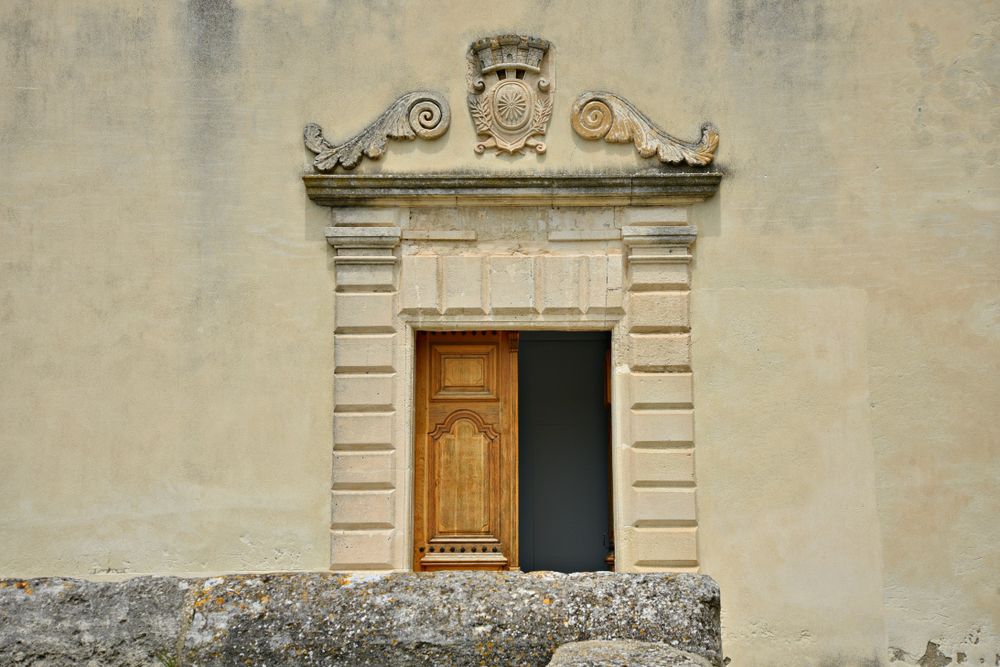
The Porte Eyguières, also called Porte de l'Eau (Water Gate), represents a major architectural element in the history of Baux-de-Provence. Until 1866, this fortified gate was the only cart access to the village, testifying to the defensive configuration of the medieval city.
Its name reveals its essential function: it was through this gate that inhabitants had to pass daily to reach the Vallon de la Fontaine and fetch water. This water chore punctuated village life before the arrival of running water. The gate's architecture, with its massive stones and semicircular arch, perfectly illustrates medieval construction techniques. From there, you can see the steep path that descends to the communal fountain. This gate recalls the constraints of daily life in a perched village and the ingenuity of its inhabitants to adapt to topographical challenges. Crossing this historic threshold means walking in the footsteps of generations of Baussencs who animated these streets for centuries.
5. Hôtel de Porcelet – Yves Brayer Museum
This elegant Renaissance mansion, dating from the 16th century, belonged to one of Provence's most prestigious noble families. Today, it houses the Yves Brayer Museum (Place François Hérain, 13520 Les Baux-de-Provence, rated 4.5/5 on Google), dedicated to the work of this renowned French painter, illustrator and theater decorator.
Yves Brayer (1907-1990) marked 20th-century art with his elegant figurative style and luminous palette. The museum displays a representative selection of his creations: Provençal landscapes bathed in sunlight, bullfighting scenes vibrant with energy, expressive portraits and refined still lifes. His paintings capture the very essence of Provence with a particular sensitivity for the characteristic plays of light in the region. The artist also created the monumental frescoes in the Chapel of White Penitents, another must-see site in the village. The visit to this museum offers precious insight into the work of an artist deeply attached to Baux-de-Provence and allows you to appreciate his poetic view of the Provençal landscape.
6. Chapel of the White Penitents
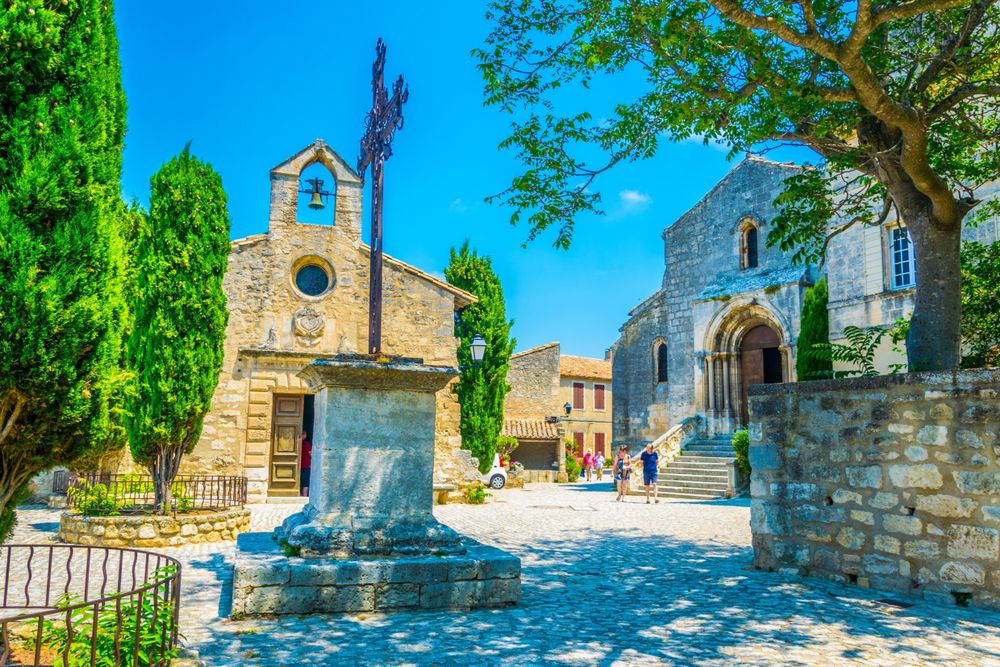
Perched on the edge of the cliff overlooking the Vallon de la Fontaine, the Chapel of the White Penitents (Rue de la Calade, 13520 Les Baux-de-Provence) occupies a spectacular position. Built in the 17th century by the Brotherhood of White Penitents, this religious edifice was restored from its ruins in 1937 by the Brotherhoods of Langue d'Oc, thus saving precious heritage.
The chapel's interior houses an unmissable masterpiece: a monumental fresco created by Yves Brayer in 1974. This masterful work depicts the Christmas of the Shepherds in pure Provençal tradition, with its characters in traditional costumes and typical Alpilles landscapes. Brayer's vivid colors and dynamic composition bring this emblematic scene of Provençal culture to life. The fresco occupies the entire choir of the chapel, creating a striking effect when entering the edifice. This creation testifies to the artist's attachment to local traditions and his talent for transposing Provençal folklore into contemporary sacred art. The visit to this chapel constitutes an unforgettable moment of artistic and cultural contemplation.
7. Hôtel Jean de Brion – Louis Jou Foundation
This Renaissance hotel, magnificently restored by Louis Jou, testifies to the artistic renaissance of Baux-de-Provence in the 20th century. The Louis Jou Foundation (Grand Rue, 13520 Les Baux-de-Provence, rated 4.7/5 on Google) perpetuates the memory of this complete artist: master typographer, engraver, printer and talented publisher.
Louis Jou is among the pioneer artists who contributed to the safeguarding and enhancement of Baux heritage. His harmonious restoration of Hôtel Jean de Brion served as a model for village preservation. The museum displays his finest achievements: rare editions illustrated with original engravings, typographical characters created specifically for his works, delicate etchings and wood engravings. His work as a bibliophile printer combines technical rigor with artistic sensitivity. The presented works testify to exceptional craftsmanship where every detail matters. This visit allows you to discover a little-known aspect of the village's cultural history and one man's commitment to preserving the architectural and artistic heritage of Baux-de-Provence.
8. Queen Jeanne's Pavilion
Nestled in the peaceful Vallon de la Fontaine, near the old washhouse, Queen Jeanne's Pavilion constitutes an elegant testimony to Renaissance architecture. This refined edifice was built by Jeanne de Quiqueran, wife of Honoré des Martins, Baron of Baux from 1568 to 1581.
This corner pavilion with harmonious proportions once adorned a vast pleasure garden belonging to the Baux family. Its position by the perpetual spring of the valley is not coincidental: water represented a luxury in this perched village. The Renaissance facades present careful architectural details, testifying to the refinement of the Baux court at that time. Today, the site offers a welcome halt in the shade of century-old plane trees and olive trees. The murmur of the fountain and the coolness of the valley create a peaceful atmosphere, contrasting with the aridity of the plateau. It's the ideal place for a contemplative break after walking the village's steep streets, enjoying the verdant setting that has inspired so many artists over the centuries.
9. Carrières de Lumières
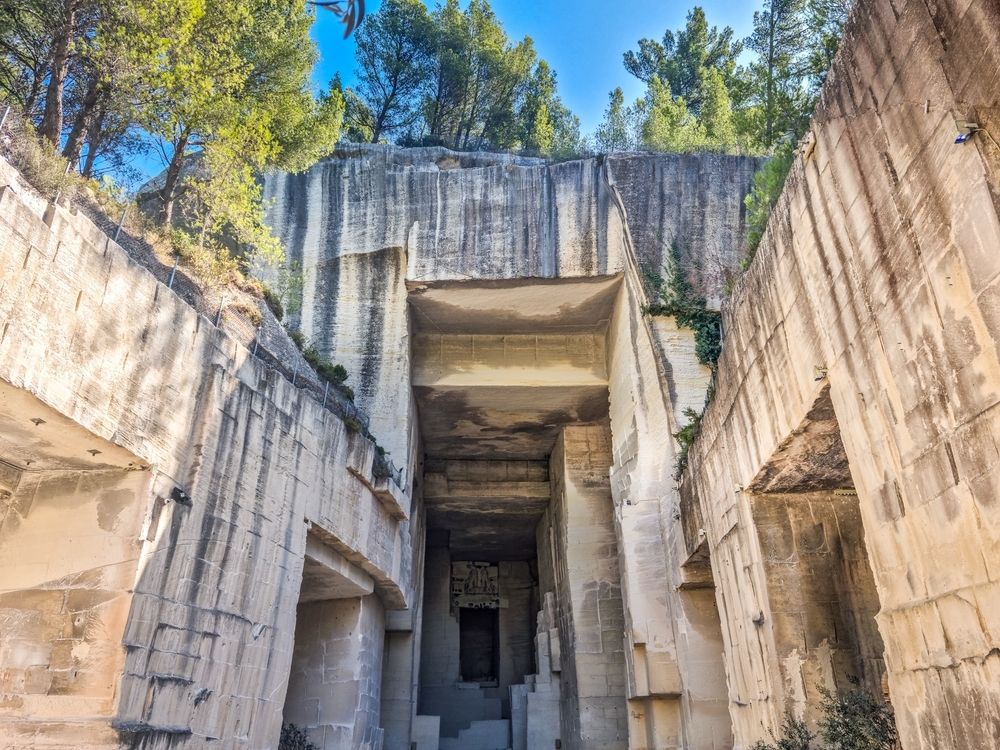
Located in the impressive Val d'Enfer, the Carrières de Lumières (Route de Maillane, 13520 Les Baux-de-Provence, rated 4.7/5 on Google for over 26,000 reviews) offer an absolutely unique artistic experience. These former monumental limestone quarries, 14 meters high, host spectacular immersive exhibitions that have revolutionized digital art.
Thousands of digital images of masterpieces from art history are projected onto the immense walls, pillars and floors of the quarries, accompanied by an enchanting soundtrack. Visitors wander freely in this timeless space, totally immersed in the universe of the greatest painters. In 2025, the Carrières present the exhibition "Monet, creator of impressionism" and "Le Douanier Rousseau, in the land of dreams". The monumental projection transforms the works, revealing details invisible to the naked eye and creating magical colored atmospheres. The constant temperature of 14 to 16°C inside ensures comfort even in summer. Allow about an hour to fully enjoy the show, which renews in a loop.
10. Les Trémaïe and les Gaïe
At the foot of the rocky spur and the Château des Baux, the Trémaïe and the Gaïe are remarkable ancient funerary steles. A charming garrigue path, scented with thyme and rosemary, provides access to these little-known historical monuments that testify to the Gallo-Roman occupation of the site.
The Gaïe stele presents a bas-relief representing two half-length figures, dressed in Roman togas, frozen in a solemn attitude. This funerary sculpture, probably dating from the 1st century AD, illustrates the high social status of the deceased. The second stele offers a bas-relief of the Three Marys, called Tre Maré in Provençal: Marie Jacob, Marie Salomé and Sarah. This primitive Christian representation testifies to the spiritual continuity of the place through the centuries. These monuments, often ignored by hurried visitors, nevertheless deserve the detour. They reveal the archaeological richness of the site and the historical stratification that gives all the heritage value to Baux-de-Provence. The walk to these steles also offers superb viewpoints of the village and allows you to appreciate the spectacular geology of the Alpilles.
11. Hiking in the Alpilles
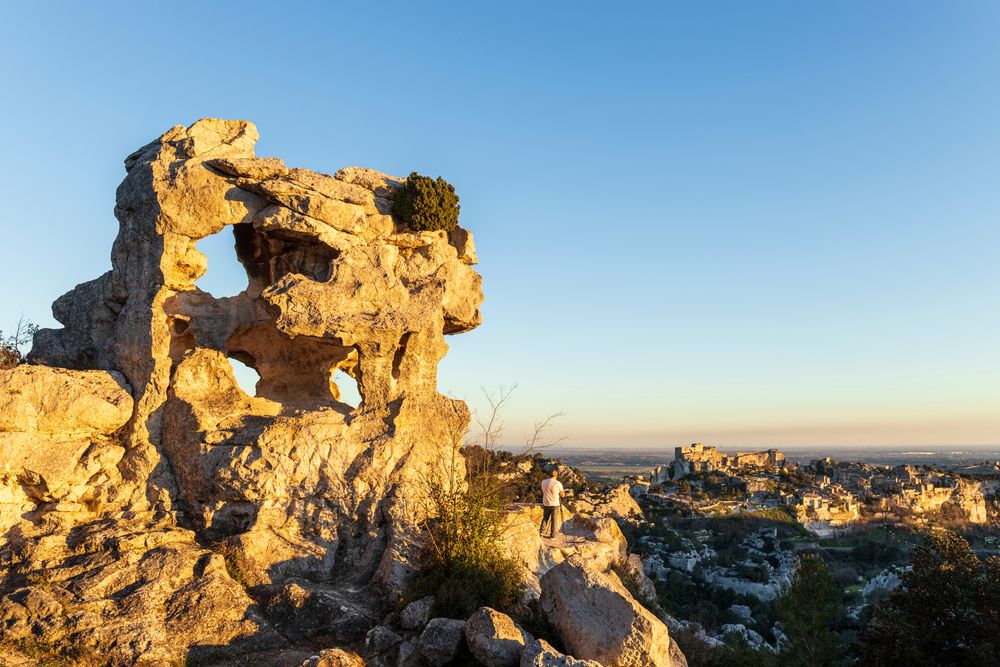
The Alpilles Regional Natural Park constitutes an exceptional playground for nature and hiking lovers. This limestone massif, which extends over about twenty kilometers, offers a mosaic of typically Provençal landscapes: fragrant garrigue, Aleppo pine forests, spectacular white cliffs, century-old olive groves and terraced crops.
Several marked trails start from Baux-de-Provence, suitable for all levels. The ridge trail offers vertiginous panoramas over the valley and allows observation of local fauna: Bonelli's eagles, kestrels, ocellated lizards and Mediterranean flora of exceptional richness. In spring, the meadows are covered with wild orchids and dwarf iris. The GR6, which crosses the massif, allows longer hikes to discover perched villages and remarkable natural sites. Restored old sheepfolds testify to centuries-old pastoral activity.
By visiting Baux-de-Provence, you will discover much more than a simple medieval village. This exceptional site concentrates two millennia of history, remarkable architectural heritage and unique cultural experiences in the world like the Carrières de Lumières. From the thousand-year-old castle dominating the Alpilles to the cobbled streets lined with art galleries, passing through churches adorned with contemporary frescoes and breathtaking panoramas over Provence, every corner of the village reveals unsuspected treasures. The preserved authenticity of Baux-de-Provence, its commitment to heritage enhancement and its ability to combine tradition and modernity make it an essential destination in the PACA region. Whether you are passionate about medieval history, art lover, hiker or simply seeking an authentic Provençal setting, Baux-de-Provence will fulfill all your expectations. To further enrich your experience, don't hesitate to download the Ryo app which will accompany you in your exploration of this Alpilles jewel and reveal the secrets that only locals know.
Frequently asked questions about visiting Baux-de-Provence
How much time is needed to visit Baux-de-Provence?
Plan a full day to fully enjoy the village. Allow 1h for the village itself, 1h for the Château des Baux with its audio guide, and 1h for the Carrières de Lumières. If you wish to visit the museums and go hiking in the Alpilles, a day and a half would be ideal.
What are the opening hours and prices for Château des Baux-de-Provence?
Château des Baux-de-Provence is open year-round. Hours: January, February, November and December from 10am to 5pm; March and October from 9:30am to 6:30pm; April to September from 9am to 7pm. 2025 prices: adults €10, seniors (65+) €9, children (7-17 years) €7, free for under 7s. Audio guide is included in the ticket.
Where to park in Baux-de-Provence?
The village has several paid parking lots at the entrance: 2025 rates of €5 per hour, €7 for four hours or €9 for the day. It is recommended to arrive early in the morning, especially in high season (July-August) and on weekends, as spaces are limited and the village is very crowded.
Are the Carrières de Lumières accessible year-round?
The Carrières de Lumières are open almost year-round, with a winter break in January to renew exhibitions. The temperature inside remains constant at 14-16°C, so bring warm clothing even in summer. Adult ticket: approximately €16. The exhibition lasts about 45 minutes and repeats in a loop.
Can you visit Baux-de-Provence with children?
Absolutely! Children particularly enjoy the Castle with its medieval war machines, trebuchet demonstrations, and the Carrières de Lumières which offer a magical visual spectacle. However, the village is very steep with cobbled streets and stairs, so prefer baby carriers over strollers. Several restaurants offer children's menus.