
Créé par Romane, le 4 juin 2026
Votre guide Ryo
Discovering the Petit Bayonne district
© Shutterstock
Bayonne is a city that proudly embraces its Basque roots, which you'll have the opportunity to experience in the charming streets of Petit Bayonne. Besides the signs in French and Basque, you'll find posters and bookstores in Basque, trinquets...
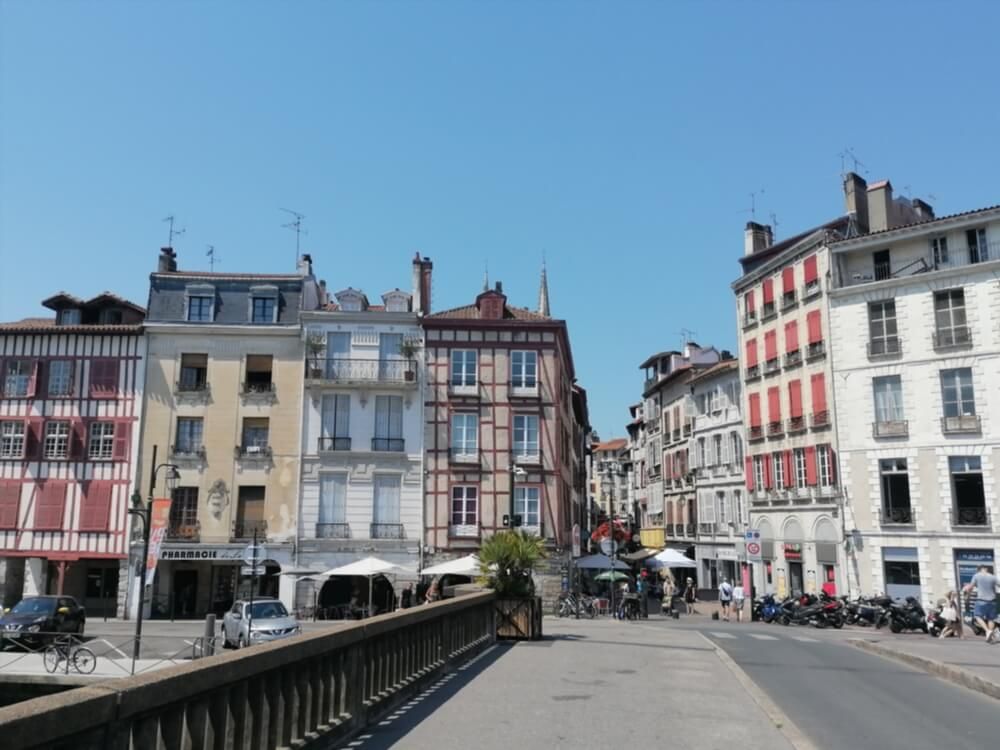
The region's culture permeates this tradition-steeped city and gives it a distinct personality. It's a dynamic, young and active place to live. Along the Nive, which crosses a historic pedestrian zone where numerous fortifications, ramparts and typical colorful facades coexist, you'll find excellent examples of ancient architecture.
A place to discover absolutely with family or friends, in a district that has benefited from numerous renovations while respecting the Basque identity.
Petit Bayonne
- This district is where the universities are grouped together, and consequently, a young, student population. Thursday evenings are renowned for being particularly festive in the city of Bayonne!
- Petit Bayonne is also renowned for its historical assets, and notably, its small typically medieval streets and its houses with shimmering colors like the rue des Cordeliers. It's a parade of red and light blue shutters carefully maintained. The camera is a must.
- The Bayonne Festivals take place mostly in Petit Bayonne, it's in this district that the soul of the city is concentrated.
- Lively shops during the day and restaurants and bars synonymous with conviviality when night falls...
The old quarter
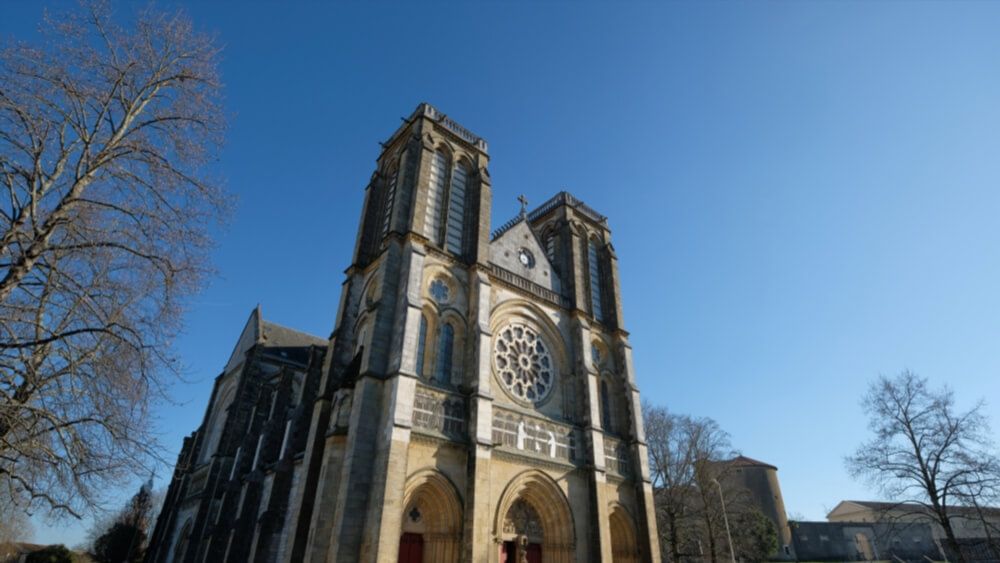
Travel back in time by visiting the houses from the 16th and 17th centuries. They are located on vaulted passages, built in the medieval period. As this area was marshy, the houses in the lower town are built on stilts. You can admire these dwellings with their typically Bayonnaise appearance on this site by walking along the Quai des Corsaires and Quai Galuperie. Numerous historical vestiges adorn Petit Bayonne with, notably, 13th-century fortifications, the entrance porch of the Château-Neuf which houses military heritage, the neo-Gothic Saint-André church which officiates in both French and Basque... A history to discover, a name you'll remember.
The cultural heritage of Petit Bayonne
The Basque Museum
The museum, which was rebuilt in the early 2000s and has since housed a completely renovated museum on three levels, has been wonderfully restored. The ethnographic sector is housed in the port warehouses, while the art and history section is located on the upper levels of the house.
The approximately 2,000 works that convey aspects of Basque culture include: rural and domestic life, funeral ceremonies, crafts, maritime and river activities, festivals and games, as well as regional history.
Family info: the museum offers family and young audience tours.
The Bonnat Museum
The Bayonne Fine Arts Museum houses a precious collection of paintings, drawings, sculptures, art objects and archaeological pieces. It was founded thanks to the generosity of the Bayonnaise painter Léon Bonnat.
Rubens, Van Dyck, El Greco, Goya, Ingres, Delacroix, Géricault, Degas, Barye and Bonnat are just some of the great European painters represented in this museum. A true discovery to note on your list.
The graphic arts cabinet contains more than 3,500 drawings in perfect condition by Leonardo da Vinci, Michelangelo, Raphael, Dürer, Rubens, Rembrandt van Ryncken the Elder (Poussin) and Watteau.
The City of Bayonne's investment (such as purchasing the Cailleux collection: terracotta sculptures from the second half of the 18th century), as well as important donations and bequests, have enriched the museum's collection. The museum houses approximately 7,000 pieces (including works by Bonnat in 1922, Personnaz in 1937, Petithory in 1992, Howard-Johnston in 1989 and 2010).
Saint-André Church of Bayonne
Saint-André Church of Bayonne houses the work of local painter Léon Bonnat. Built under Napoleon III between 1856 and 1869, it is in the neo-Gothic style which was very fashionable at the time. The organ dates from 1862, in romantic then symphonic style, it was classified as a Historic Monument in 2002. The stained glass windows of the adoration chapel, the paintings of Saint-André, the paintings by Léon Bonnat are all prestigious objects to discover during your visit to the church.
The Château-Neuf of Petit Bayonne
It dates from the 15th century and was intended to defend the city from Spanish or English attacks. Vauban in the 17th century improved the barracks' capacity. It is a defensive building with 4 angles with a round tower built in 1460 to the southwest, a square tower nicknamed the Mocoron tower to the southeast, a crenellated curtain wall from the 17th century ending with the Mocoron gate from the 14th century to the northeast, as well as numerous medieval vestiges. This ensemble has undergone many changes.
The Saint André trinquet
It hosts a sport typical of the region: Basque pelota.