© Shutterstock
 Votre guide Ryo
Visit the Brenne Park in the heart of Indre
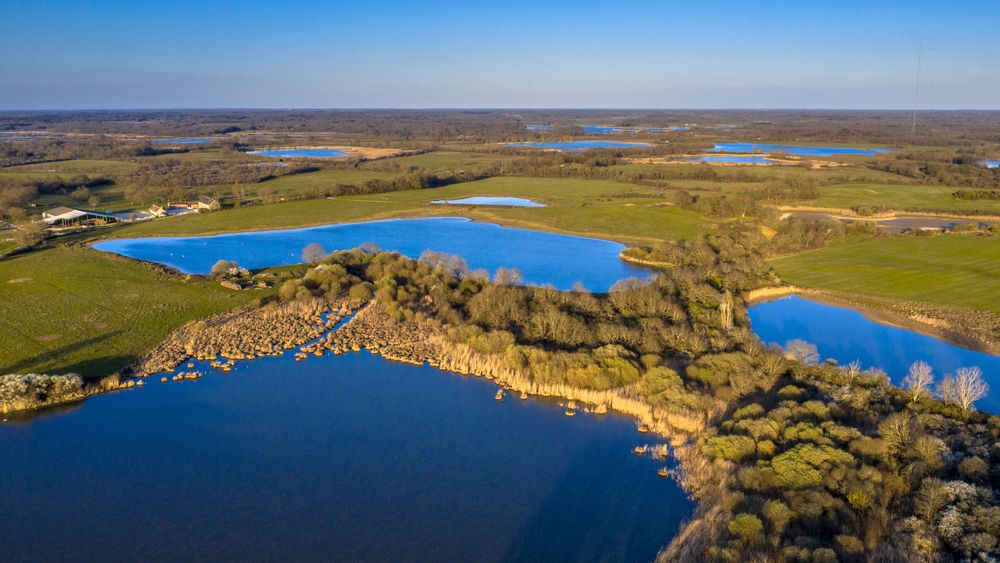
Located in the heart of the Indre department in the Centre-Val de Loire region, the Brenne Regional Nature Park stands out as one of France's most preserved nature destinations. Nicknamed the "land of a thousand ponds", this exceptional territory of 183,000 hectares shelters more than 3,000 ponds created by man since the Middle Ages. A true sanctuary for biodiversity, Brenne hosts 2,300 animal species and 1,200 plant species, delighting ornithologists and lovers of wild nature. Between its characterful villages with blonde stone, its Renaissance châteaux and its aquatic landscapes stretching endlessly, visiting the Brenne Regional Nature Park promises total immersion in an ecosystem unique in Europe.
The Brenne Regional Nature Park in a few words
Created in 1989, the Brenne Regional Nature Park extends over 51 municipalities and protects one of the largest continental wetlands in France. This territory shaped by centuries of fish farming activity shelters a mosaic of unique landscapes: ponds bordered by reed beds, heather moorlands, oak forests and wet meadows follow each other in perfect balance between nature and human activity. Brenne is above all the kingdom of birds with more than 270 species recorded, including some very rare ones like the black-necked grebe, purple heron or great bittern. Ornithologists from around the world come to observe the thousands of migratory birds that stop in these wetlands during their journeys.
But the richness of this park is not limited to its bird fauna. The European pond turtle, a small emblematic freshwater turtle, finds its last French refuge here. The ponds also teem with iridescent dragonflies, with no less than 60 different species. Flora-wise, wild orchids brighten the meadows in spring, while carnivorous plants colonize the wettest areas. Visiting the Brenne Regional Nature Park also means discovering remarkable built heritage with its authentic villages with tuffeau stone houses, its Renaissance châteaux and its Romanesque churches that dot the territory.
1. Walking tours and hiking
Exploring Brenne on foot remains undoubtedly the best way to immerse yourself in its aquatic and forest landscapes. The Park offers an exceptional network of marked trails, suitable for all levels of walkers. The paths wind between ponds, cross moorlands and penetrate the heart of century-old oak forests. Each season offers its share of discoveries: water lilies in bloom in summer, flamboyant autumn colors, the arrival of common cranes in winter, and the explosion of life in spring.
Discovery trails for half a day
For a first approach to the territory, several 2 to 4-hour circuits allow you to discover the different facets of the park. The "Blizon" trail, starting from Mézières-en-Brenne, historical capital of Brenne, offers a perfect summary of characteristic landscapes over 8 kilometers. You will discover typical ponds, bird observatories and cross heather moorland areas. The "Cistude Pond" circuit in Saint-Michel-en-Brenne (36290, rated 4.5/5 on Google for 247 reviews) offers total immersion in the wetland world with its walkways on stilts.
Don't miss the tour of Bellebouche pond, one of the largest in the park with its 100 hectares. This 7-kilometer route goes completely around this majestic pond and offers several strategically placed ornithological observatories. In late afternoon, the golden light reflecting on the water creates a magical atmosphere, perfect for photographers. The Nature and Reserve House in Saint-Michel-en-Brenne is an excellent starting point to understand the ecosystem before going hiking.
Multi-day hiking itineraries
For experienced hikers wanting a more immersive experience, the Brenne Regional Nature Park offers 7 hiking itineraries of 3 to 6 days, all marked in yellow and red. These circuits allow you to cross the entire territory and discover all its natural and heritage riches. The "Heart of Brenne Ponds" itinerary starting from Mézières-en-Brenne extends over 70 kilometers to be covered in 3 days. It crosses the richest pond areas and offers the best opportunities for ornithological observation.
The "Grande Brenne, between ponds and forests" hike, also starting from Mézières-en-Brenne, offers 114 kilometers spread over 5 days of walking. This longer itinerary allows alternating between the vast pond complexes of Grande Brenne and the surrounding forest massifs. From Le Blanc, western gateway to the park, the "Along the cliffs of Anglin and Creuse" route takes you 74 kilometers for 4 days along these two rivers with spectacular valleys. Labeled accommodations line all these routes, allowing you to travel light and fully enjoy each stage.
2. Mountain biking and cycling excursions
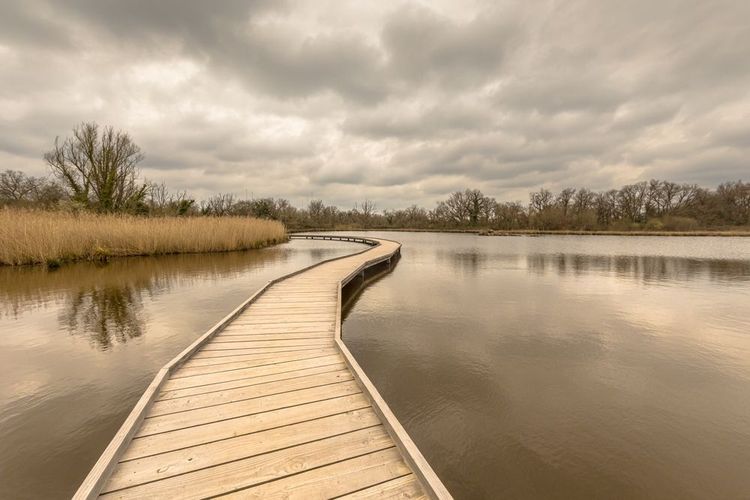
Cycling is a perfect alternative to visit the Brenne Regional Nature Park and cover greater distances while enjoying the landscapes. The gentle relief and numerous developed paths make this territory a paradise for cyclists. The little-traveled roads wind between ponds, offering new panoramas of these water mirrors populated with birds at every turn. The advantage of cycling lies in the possibility of linking several observation sites in the same day, while maintaining a silent and respectful approach to wildlife.
Cycling circuits on roads and paths
The "Great Loop of Brenne Ponds", cycling route n°5 starting from Mézières-en-Brenne, offers 48 kilometers to cover in less than 4 hours for regular cyclists. This perfectly marked route crosses the most emblematic sectors of the park by taking small quiet roads and some passable paths. You will pass by Bellebouche pond, cross the village of Rosnay to discover the Park House located in the hamlet of Le Bouchet (36300, rated 4.4/5 on Google for 452 reviews), and can take a break at one of the many ornithological observatories along the route.
Several other thematic loops allow you to discover specific sectors: the "Around Mer Rouge pond" circuit (28 km), the "Mills Loop" which allows you to discover local hydraulic heritage, or the "Grandes Roches Circuit" offering beautiful viewpoints over the ponds from the heights. All these itineraries are downloadable for free on the Park website and at tourist offices. Many local providers offer bike rental, including electric bikes particularly appreciated for covering long distances without excessive fatigue.
Sporty mountain bike routes
For lovers of more sporty sensations, the Brenne Regional Nature Park has developed 5 technical mountain bike circuits using forest paths and sometimes demanding singles. The "7 Fords Loop" starting from Belabre challenges mountain bikers over 35 kilometers with considerable elevation gain and several technical passages through woods and streams. This approximately 3-hour route will delight experienced riders looking for a challenge. The four other circuits start from Mézières-en-Brenne and offer varied difficulties, from intermediate to expert level.
These mountain bike routes offer the advantage of discovering less accessible sectors of the park, particularly certain dense forest massifs where roe deer, wild boar and even some stags live. The passages through undergrowth alternate with crossings of open spaces offering magnificent panoramas over the ponds. All circuits are marked and regularly maintained. Mountain bike outings accompanied by local guides are also offered, allowing you to benefit from the experience of enthusiasts who know the best spots and secrets of the territory.
3. Horse riding and carriage tours
Visiting the Brenne Regional Nature Park on horseback offers a unique and deeply authentic perspective. The peaceful pace of the horse allows a silent approach to wildlife and total immersion in the landscapes. This ancestral way of traveling the territory fits perfectly with the spirit of Brenne, where human activity and nature have always cohabited harmoniously. Horses can use paths forbidden to motor vehicles, opening access to preserved sectors of the park rarely frequented.
The Park has four equestrian centers in Rosnay, Fontgombault, Douadic and Ruffec, all offering formulas adapted from beginner to experienced rider. Half-day or full-day accompanied rides are an excellent introduction for novices. Your guide will share their knowledge of the local ecosystem, birds observed along the way and the history of the territory. These outings are generally limited to small groups of 6 to 8 riders maximum, guaranteeing a quality experience and personalized supervision.
Equestrian tours with overnight stays
For experienced riders, three touring rides are offered: two 3-day routes and one 2-day route allowing you to discover on horseback the contrasts between Grande Brenne and Petite Brenne. These circuits include accommodation for riders and boxes for horses at each stage. You will cross landscapes of remarkable diversity: vast expanses of ponds bordered by reed beds, moorlands covered with purple heather, secular oak forests and flowered wet meadows. Gallops on forest paths provide unforgettable sensations in this preserved natural setting.
Carriage rides are an original and friendly alternative to discover Brenne with family or friends. Comfortably seated in a traditional carriage, you will enjoy the driver's explanations while peacefully admiring the landscapes passing by. This formula particularly delights families with children or people with reduced mobility who can thus access the beauties of the park. Some centers even offer initiation to carriage driving for those who wish to hold the reins.
4. Canoe-kayak descents
Discovering the Brenne Regional Nature Park by water offers a completely different and equally enriching perspective. The Creuse, a tributary of the Vienne that crosses the park from east to west, lends itself wonderfully to canoeing and kayaking with its calm waters punctuated by a few easy rapids. Paddling silently allows you to approach aquatic wildlife without disturbing it: grey herons, kingfishers, nutria and beavers can be observed from your boat. The wooded banks shelter luxuriant vegetation and offer appreciated shade during summer days.
Six nautical bases are located in the park: in Le Blanc (36300, rated 4.0/5 on Google for 3,247 reviews), Belabre, Tournon-Saint-Martin, Mézières-en-Brenne and Saint-Gaultier. These facilities offer canoe and kayak rental by the hour, half-day or full day. Routes of different durations are suggested, generally between 1 and 3 hours of actual navigation. Beginners will appreciate the calmest sections while experienced paddlers can try slightly more sporty passages. All bases provide mandatory safety equipment (life jackets) and waterproof containers to protect your personal belongings.
Recommended routes on the Creuse
The route from Le Blanc to Romefort offers about 2 hours of navigation in an enchanting setting. The Creuse draws wide meanders bordered by limestone cliffs and green meadows. This particularly photogenic section allows you to admire Le Blanc from the river with its houses perched on the heights and its medieval castle dominating the valley. Further downstream, the descent from Tournon-Saint-Martin to Angles-sur-l'Anglin (3 hours) crosses spectacular gorges where steep cliffs rise on both sides of the river. The vegetation here takes on almost tropical luxuriant appearances in summer.
Outings accompanied by qualified guides are offered to discover the fauna and flora of the banks. These commented descents considerably enrich the experience by providing knowledge about the river ecosystem, the history of navigation on the Creuse and paddling techniques. Some providers also organize night outings in summer season to observe bats hunting above the water and enjoy the magical ambiance of the river under the stars. A truly unforgettable experience to visit the Brenne Regional Nature Park differently.
5. Bird watching and wildlife photography
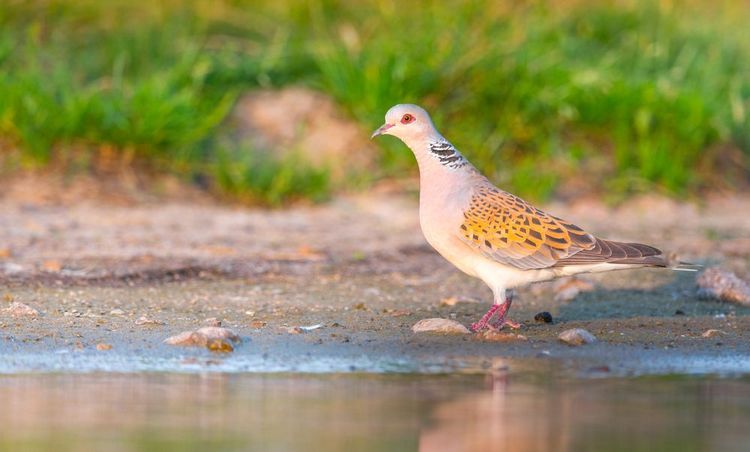
The Brenne Regional Nature Park is one of the major ornithological sites in Europe and attracts thousands of bird watching enthusiasts from around the world each year. With more than 270 bird species recorded, including 130 breeding species, this exceptional territory offers unique opportunities throughout the year. Migration periods in spring (March to May) and autumn (September to November) are particularly spectacular with the massive arrival of migratory birds stopping in the ponds to rest and feed before continuing their journey.
Among the emblematic species to observe, the purple heron nests in dense reed beds in summer, the black-necked grebe dives tirelessly in search of fish, while the great bittern hides in the rushes from where its strange song resembling a bellowing emerges. European pond turtles, small protected aquatic turtles, bask in the sun on emerging logs. In winter, the spectacle of thousands of common cranes flying over the ponds at sunrise or sunset remains forever etched in memories. Their characteristic calls resonate in the sky as they perform their aerial ballets before landing for the night.
The best observation sites
The Chérine National Nature Reserve in Saint-Michel-en-Brenne represents the ornithological jewel of the park. This 145-hectare strictly protected reserve shelters an exceptional concentration of birds. Guided tours are organized from April to September by mandatory reservation, in groups of 8 to 10 people maximum. The large observatory installed on the pond edge allows observation without being seen thanks to its large bay windows. Powerful telescopes are made available to scrutinize every corner of the pond and identify present species.
Bellebouche pond has three strategically placed observatories offering complementary viewpoints over this immense body of water. The pond tail observatory is particularly appreciated in late afternoon when the grazing light enhances colors and birds are most active. Mer Rouge pond, accessible from a developed observation platform, also constitutes a renowned spot where shorebirds and waterfowl concentrate during migration period. For wildlife photographers, these observatories offer ideal conditions with reasonable approach distances and often clear backgrounds facilitating shooting.
Accompanied outings with naturalist guides
To optimize your observation chances and enrich your experience, outings accompanied by professional ornithologist guides prove essential. These enthusiasts know the territory intimately, the habits of different species and the best times to observe them. They provide all necessary optical equipment (binoculars and telescopes) and share their knowledge with enthusiasm. Dawn outings, when birds are most active and light is magical, are among the most memorable. The silence of dawn is only disturbed by bird songs and calls, creating an exceptional atmosphere.
Several providers offer varied formulas: 2 to 3-hour outings, full days with several sites visited, or even ornithological stays of several days including accommodation and all outings. These thematic stays allow you to visit the Brenne Regional Nature Park thoroughly while concentrating on wildlife observation. Wildlife photography workshops are also organized to learn shooting and camouflage techniques under the guidance of professional photographers specialized in wildlife.
6. Remarkable villages and built heritage
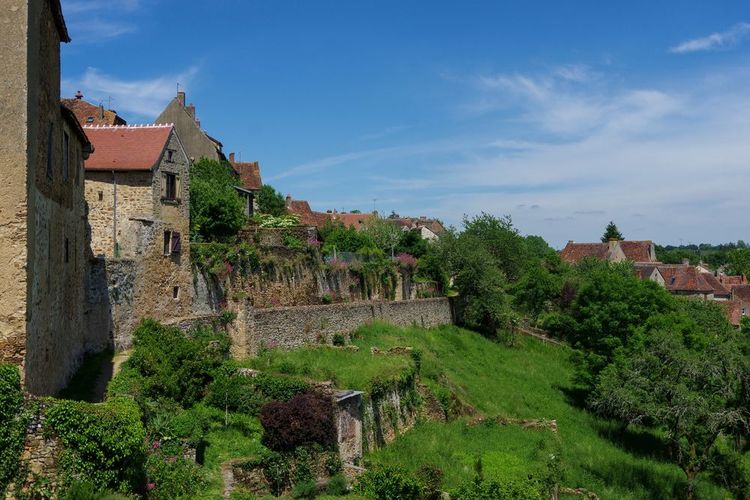
Beyond its exceptional natural riches, the Brenne Regional Nature Park contains remarkable built heritage testifying to its millennial history. The characterful villages with blonde tuffeau houses punctuate the pond landscape. These authentic towns have preserved their rural soul and traditional architecture, offering charming stops during your explorations of the territory. Some villages are even among France's Most Beautiful Villages, national recognition of their exceptional heritage value.
Saint-Benoît-du-Sault, medieval jewel
Saint-Benoît-du-Sault (36170, rated 4.6/5 on Google for 589 reviews), labeled Most Beautiful Village of France since 1988, stands proudly on its rocky promontory overlooking the Portefeuille valley. This superbly preserved medieval town literally transports you several centuries back with its steep cobbled streets, half-timbered houses and imposing 11th-century Romanesque church. The ramparts and remains of the feudal castle testify to the strategic past of this stronghold on the borders of Berry and Limousin. Take time to stroll through the flowered streets, discover craft workshops and admire splendid panoramas from the developed viewpoints.
Gargilesse-Dampierre and its romantic charm
Gargilesse-Dampierre (36190, rated 4.7/5 on Google for 423 reviews), also classified among France's Most Beautiful Villages since 1982, inspired many artists including George Sand who owned a holiday home there now transformed into a museum. This picturesque village nestled in the Creuse valley enchants with its stone houses covered with hollyhocks in summer, its 15th-century château perched above the village, and its charming Romanesque church adorned with 12th-century frescoes. The terraced gardens descending towards the river create a particularly photogenic romantic setting.
Le Blanc, historical capital
Le Blanc, the park's main town with its 6,500 inhabitants, deserves a thorough visit for its rich heritage. The medieval upper town is tiered on a cliff overlooking the Creuse, offering breathtaking views over the valley. The 13th-century Château Naillac, superbly restored, now houses the Brenne Ecomuseum (02 54 37 25 20, open Tuesday to Sunday 10am to 12:30pm and 2pm to 6pm, adult ticket €5). This remarkable museum traces the history of pond creation, fish farmers' life, local traditions and presents a superb ornithological collection. The château terrace offers an exceptional 360° panorama over the town and surrounding countryside.
Mézières-en-Brenne, historical heart of the territory
Mézières-en-Brenne (36290, rated 4.3/5 on Google for 187 reviews), former capital of the lords of Brenne, preserves beautiful remains of its medieval past. The ruins of the feudal castle now house the tourist office, ideal starting point to visit the Brenne Regional Nature Park. The 13th-century Sainte-Marie-Madeleine church impresses with its imposing dimensions. The flowered town and its traditional architecture make it a pleasant stop for lunch or a break during your explorations. The Thursday morning weekly market allows you to discover local products: pond fish, farm poultry, goat cheese and local honey.
7. Châteaux to visit in the park
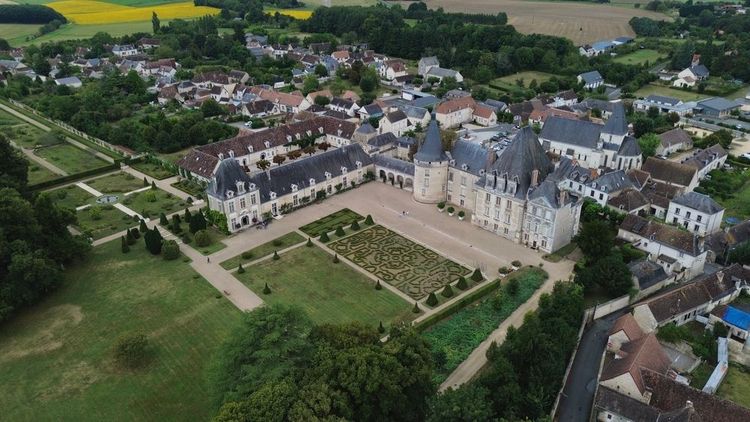
The Brenne Regional Nature Park has several remarkable châteaux testifying to the historical richness of this strategic territory between Berry, Touraine and Poitou. These seigneurial residences from the Middle Ages and Renaissance constitute excellent visit complements during your discovery of the park, particularly on rainy days. Their architecture and collections allow better understanding of local history and the lifestyle of the elites who shaped this territory over the centuries.
Château d'Azay-le-Ferron
The Château d'Azay-le-Ferron (36290 Azay-le-Ferron, 02 54 39 20 06, rated 4.5/5 on Google for 1,247 reviews) is among the most beautiful châteaux in the region. This exceptional architectural ensemble presents the evolution of French architecture from the 15th to 18th century with its four façades of different styles. The superbly preserved period furniture and rich collections of paintings, tapestries and art objects transport visitors into the refined atmosphere of great aristocratic residences. Guided tours of about 45 minutes allow discovery of the furnished and richly decorated apartments. The vast 30-hectare English park invites walks among centenary trees, romantic basins and French gardens. Open April to October 10am to 12pm and 2pm to 6pm, adult ticket €10 including château and park.
Haute-Touche Zoological Reserve
In the immediate vicinity of Azay-le-Ferron, the Haute-Touche Zoological Reserve (36290 Obterre, 02 54 02 20 40, rated 4.5/5 on Google for 6,894 reviews) absolutely deserves a detour, particularly if you're traveling with family. This animal park managed by the National Museum of Natural History extends over 500 hectares of forest where more than 1,000 animals representing 120 species from five continents live in semi-freedom. Lions, giraffes, antelopes, zebras, wolves and even very rare species like Przewalski horses or Asian dholes can be observed in vast enclosures reproducing their natural habitat. The park is explored on foot (count 4 to 5 hours for complete visit), by rental bike, or by car on certain sectors. Open April to October, 10am to 6pm weekdays and until 7pm weekends, adult ticket €16.
8. Water sports and leisure activities
If your stay in the Brenne Regional Nature Park coincides with the summer period, water sports and leisure activities allow you to enjoy the ponds from another angle. Several developed leisure bases offer swimming, water sports and family relaxation in a preserved natural setting. These recreational spaces constitute pleasant breaks during hot days, particularly appreciated by children and teenagers.
Bellebouche Leisure Base
The Bellebouche Leisure Base in Mézières-en-Brenne represents the park's main leisure site. Located on the shores of magnificent Bellebouche pond (100 hectares), it offers a fine sand beach with unsupervised but delimited and secured swimming. Children particularly appreciate the water play area and inflatable structures installed in the water in summer. The base rents pedal boats, kayaks and paddleboards to explore the pond from the water and approach the reeds where many birds nest. An 18-hole mini-golf, a nature fitness trail and shaded picnic tables complete the facilities. Free access, water equipment rental from €10 to €15/hour depending on activity.
The complete tour of Bellebouche pond constitutes a magnificent 7-kilometer hike accessible to all. The perfectly maintained trail follows the shores and crosses varied landscapes alternating flowered meadows, woodlands and reed bed areas. Three ornithological observatories line the route, allowing contemplative breaks to observe the rich birdlife. In late afternoon, the golden light reflecting on the water creates a particularly photogenic magical ambiance. This walk can be combined with a day at the leisure base to mix nature activities and aquatic relaxation.
9. Gastronomy and local products
Visiting the Brenne Regional Nature Park also means discovering authentic gastronomy intimately linked to the territory and its natural resources. Brenne cuisine celebrates pond products and local farm produce in traditional recipes that are generous and flavorful. Park restaurateurs favor short circuits and work with local producers to offer cuisine rooted in the terroir.
Pond fish, stars of local gastronomy
Pond fish naturally constitutes Brenne's unmissable culinary specialty. Carp, pike, tench and pike-perch raised in ponds according to ancestral fish farming methods offer delicate and flavorful flesh. The tradition of "pond fishing" has lasted since the Middle Ages: every two or three years, ponds are drained and fish harvested in spectacular conditions. Brenne-style carp, poached in aromatic court-bouillon then served with butter sauce, represents the territory's emblematic dish. Pike in butter sauce, small fish fry and fish terrines also appear on all good local restaurant menus.
You will find these specialties in traditional park restaurants, notably in Mézières-en-Brenne, Le Blanc and Saint-Michel-en-Brenne. Weekly markets (Thursday morning in Mézières-en-Brenne, Saturday morning in Le Blanc) allow direct purchase of fresh fish from fish farmers to cook yourself if staying in rental accommodation. Some ponds also offer recreational fishing by reservation, allowing you to catch your own fish properly.
Goat cheese and other farm products
Goat farming occupies an important place in Brenne's agricultural economy. The numerous goat farms produce excellent raw milk farm cheeses: the classic pyramid-shaped Pouligny-Saint-Pierre benefiting from AOP, aged crottins, ash-covered logs and fresh cheeses plain or flavored. These characterful cheeses perfectly accompany mixed salads or finish a meal on a local note. Farms often offer direct sales and some organize educational visits to discover artisanal cheese making.
Brenne honey also enjoys an excellent reputation thanks to the richness of melliferous flora: heather, acacia, chestnut and wild flowers from wet meadows offer bees a varied aromatic palette. Local beekeepers offer different honey varieties according to seasons and flowers visited. Free-range poultry (chickens, guinea fowl, ducks) and processed products (pâtés, rillettes, confits) complete the local gastronomic offer available in farms, markets and good tables of the territory.
10. Practical information to prepare your stay
Good preparation guarantees a successful stay in the Brenne Regional Nature Park. Here is essential information to organize your visit and fully enjoy this exceptional territory with complete peace of mind.
When to visit the Brenne Regional Nature Park?
Each season offers its share of interest for visiting the Brenne Regional Nature Park. Spring (April-May) sees the explosion of life with the return of breeding migratory birds, wild orchid flowering and nature's awakening after winter. Mild temperatures make hiking particularly pleasant. Summer (June-August) allows enjoying water activities, swimming and long days to explore the territory. Late sunrises and sunsets offer magnificent lights for photography. However, beware of mosquitoes in July-August near ponds, bring repellent and light-colored long clothing in the evening.
Autumn (September-November) probably constitutes the best period for ornithologists with post-nuptial migration and massive arrival of shorebirds and waterfowl. Flamboyant tree colors reflecting in the ponds create sublime landscapes. Winter (December-February) offers the unique spectacle of common cranes, with gatherings that can reach several thousand individuals on certain ponds. Clear winter days provide crystalline light magnifying stripped landscapes. The park remains accessible year-round, even though some tourist facilities close off-season (November to March).
How to access the park?
The Brenne Regional Nature Park is located in the Indre department, about 3 hours by road south of Paris. By car from Paris, take the A20 towards Limoges then exit at Argenton-sur-Creuse (exit 20) or Le Blanc (exit 19) depending on your destination in the park. From Tours, count 1h30 via A85 then D943. Public transport access proves more complex: the nearest SNCF station is in Châteauroux (Paris-Toulouse line), 45 km from Mézières-en-Brenne. Regional buses then serve Le Blanc and some park municipalities, but infrequent schedules make visiting difficult without personal vehicle. Car rental in Châteauroux is the most practical solution to discover the park freely.
Where to get information and find documentation?
The Destination Brenne tourist office has six welcome points distributed throughout the territory: at the Park House in Rosnay (Le Bouchet, 36300 Rosnay, 02 54 28 12 13, open year-round), in Mézières-en-Brenne in the feudal castle remains (02 54 38 12 24), in Le Blanc (02 54 37 05 13), in Belabre, Saint-Benoît-du-Sault and Saint-Gaultier. These offices provide free maps, topoguides and thematic brochures. Stay advisors will help you build your program according to your interests, visit duration and season. The website www.parc-naturel-brenne.fr also offers numerous practical information, downloadable hiking circuits and nature activity calendar.
Where to stay in the Brenne Regional Nature Park?
Accommodation offer is varied and allows finding a formula adapted to each budget and travel style. Bed and breakfasts are an excellent choice to discover local hospitality and benefit from wise advice from hosts passionate about their region. Many farms also offer rural gîtes perfect for family stays or with friends. Campsites, notably those of Bellebouche and Mézières-en-Brenne, allow staying closest to nature. Some traditional hotels complete the offer in Mézières-en-Brenne and Le Blanc. For an unusual stay, several atypical accommodations have emerged: tree houses, shepherd's caravans, Mongolian yurts offering total immersion in nature.
Reservation is strongly advised in high season (July-August) and during spring long weekends when attendance increases significantly. Off-season, you will more easily find availability but some establishments close in winter. Labels like "Gîtes de France", "Accueil Paysan" or the "Regional Nature Park Values" brand guarantee quality accommodations respectful of environment and local spirit. Favor accommodations located in the park's heart rather than periphery to fully enjoy pond sunrises and sunsets.
In conclusion, visiting the Brenne Regional Nature Park represents an exceptionally rich nature experience accessible to all traveler profiles. Whether you're a passionate ornithologist coming to scrutinize every bird species, hiking amateur seeking new horizons, wildlife photographer searching for the perfect shot, family desiring nature discoveries or simply seeking authenticity and tranquility, this wild and preserved territory will seduce you. The thousands of ponds sparkling in the sun, incredible fauna and flora diversity, stone village charm and warm Brenne welcome compose an enchanting picture you won't soon forget. The Brenne Regional Nature Park embodies this preserved rural France where time seems to have stopped, offering total rejuvenation far from urban agitation.
FAQ: everything to know to visit the Brenne Regional Nature Park
How much time is needed to visit the Brenne Regional Nature Park?
To get a good overview of the Brenne Regional Nature Park and its main sites of interest, ideally plan a long weekend of 3 days minimum. This allows several hikes, visiting one or two remarkable villages and taking time to observe birds from different observatories. For a more thorough discovery including several activities (cycling, canoeing, château visit) and real territory immersion, a full week is not too much. The park lends itself perfectly to touring stays with accommodation changes to explore different sectors.
Is the Brenne Regional Nature Park accessible to people with reduced mobility?
Several park sites have developed accessibility for people with reduced mobility. The Park House in Rosnay, Brenne Ecomuseum in Le Blanc and Château d'Azay-le-Ferron have adapted facilities. Some ornithological observatories like the Chérine Reserve one are also wheelchair accessible. Tourist offices have available details of sites and trails practicable for PRM. Carriage rides constitute an excellent alternative to discover landscapes without walking.
Can you swim in Brenne ponds?
Swimming is authorized only on the developed beach of Bellebouche pond in Mézières-en-Brenne. This unsupervised but secured and controlled swimming area has a sand beach and children's equipment. Swimming in other park ponds is forbidden for safety reasons (muddy bottoms, dense aquatic vegetation) and natural environment preservation. Many ponds constitute nature reserves where any disturbance is prohibited to not disturb wildlife.
Are there mosquitoes in Brenne?
Mosquitoes are indeed present in the Brenne Regional Nature Park, particularly in summer period (July-August) and evenings near ponds and wetlands. It is strongly recommended to bring effective mosquito repellent, light-colored long clothing in evening and possibly mosquito netting if camping. Spring and autumn periods are generally less affected by this inconvenience. Despite their presence, mosquitoes should not dissuade you from visiting this exceptional territory, just take some simple precautions.
What equipment to bring to visit the Brenne Regional Nature Park?
To fully enjoy your stay, bring comfortable and waterproof walking shoes as trails can be muddy, especially after rain. Clothes adapted to weather in layered layers, hat and sunscreen in summer, windbreaker and rainwear. For bird observation, binoculars are essential (some observatories lend them but it's preferable to have your own). An ornithological guide allows identifying observed species. Also remember your camera with telephoto lens to immortalize wildlife, reusable water bottle and picnic for long hikes away from villages.