
Créé par Emilie, le 20 juin 2026
Votre guide Ryo
Côte Fleurie: 10 Must-Do Activities
© Shutterstock
Between Cabourg and Honfleur, the Côte Fleurie unfolds its charms along the Norman coastline. Elegant seaside resort, fine sandy beaches, Belle Époque architecture and green countryside: this portion of Calvados perfectly embodies the Norman way of life. From prestigious Deauville to the cliffs of Vaches Noires, passing through the colorful villas of Villers-sur-Mer, discover the 10 must-do things on the Côte Fleurie for an unforgettable stay between sea and bocage.
1. Deauville, queen of the boardwalks
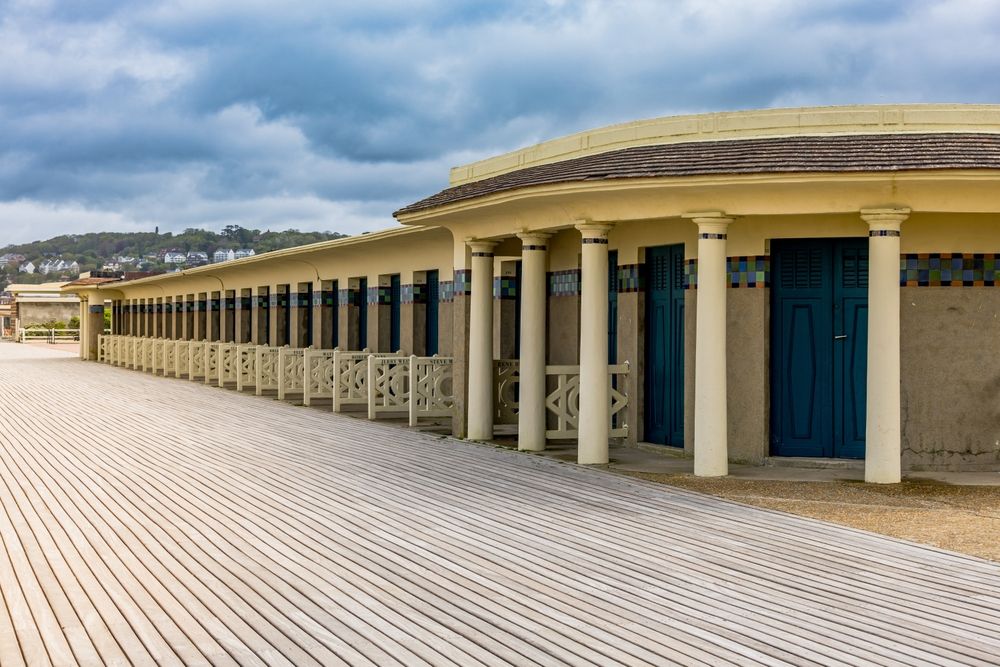
Impossible to talk about the Côte Fleurie without mentioning Deauville, the most famous seaside resort in Normandy. With its famous boardwalks lined with colorful umbrellas, its beach cabins bearing the names of Hollywood stars and its legendary casino, Deauville embodies French elegance. The city seduces with its Belle Époque architecture, its palace hotels like the Hôtel Normandy Barrière and the Hôtel Royal, and its Place Morny where the animation is concentrated.
Horse racing enthusiasts gather at the racecourses of Deauville, La Touques and Clairefontaine, while cinema lovers don't miss the American Film Festival held every year in early September. To discover all the secrets of this emblematic city, let yourself be guided in your exploration thanks to the audio-guided itinerary to visit Deauville offered by Ryo.
Download the audio-guided circuit to discover Deauville on foot and independently
Set off to discover Deauville with a 2-hour audio-guided circuit that takes you from the legendary boardwalks to the villa district, passing by the casino and the racecourses. 19 points of interest will reveal the fascinating history of this seaside resort born in the 19th century. To make the most of your visit, consult the circuit to visit Deauville and download the Ryo app.
2. Trouville-sur-Mer, the authentic neighbor
On the other side of the Touques, Trouville-sur-Mer offers a more popular and authentic atmosphere than its neighbor Deauville. Nicknamed "Queen of the beaches," this seaside resort has seen 19th-century artists parade, from Gustave Flaubert to Claude Monet. Its lively fishing port, its fish market classified as a Historic Monument and its villas with colorful facades give it timeless charm.
Stroll along the seafront, admire the famous Casino Barrière and taste seafood in one of the port's many restaurants. Trouville beach, more family-oriented than Deauville's, is ideal for families with children. The two cities are connected by the Pont des Belges, which spans the Touques and allows easy passage from one to the other.
3. Honfleur, jewel of the estuary
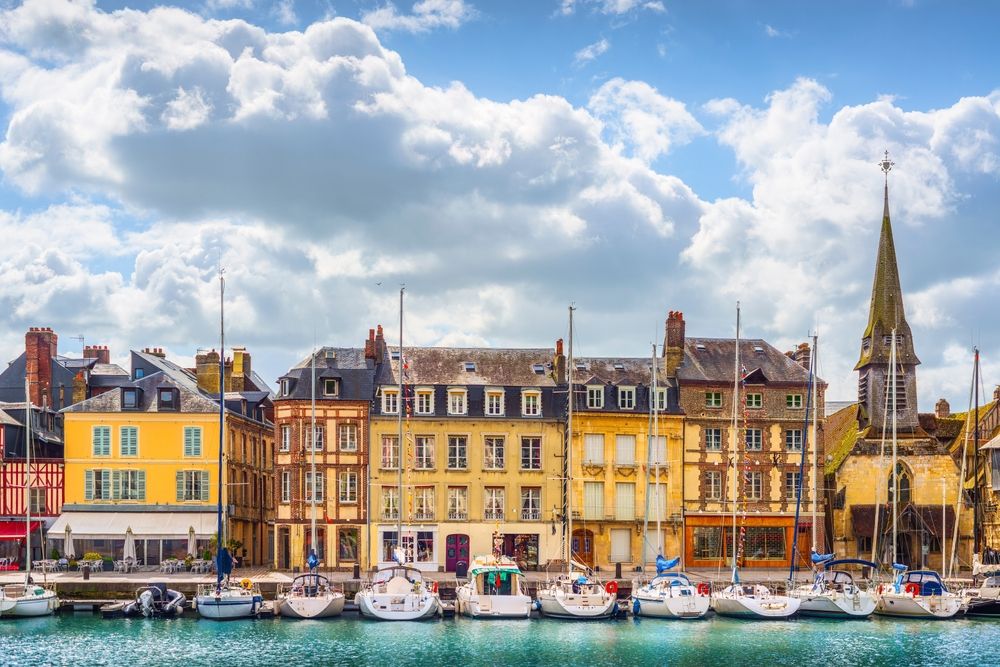
At the northern end of the Côte Fleurie, Honfleur unfolds its charms around its picturesque Vieux Bassin. This characterful port, with its narrow houses with slate facades reflecting in the water, inspired the greatest Impressionist painters. Eugène Boudin, native of the city, and Claude Monet immortalized the very particular light of the Seine estuary.
Don't miss the Sainte-Catherine church, the largest wooden church in France built by marine carpenters in the 15th century, nor the Lieutenance, vestige of the old fortifications. The cobbled streets of the historic center are full of art galleries, craft shops and gourmet restaurants. For a thorough visit, follow the itinerary to visit Honfleur which will reveal the secrets of this maritime city in 20 points of interest.
4. Cabourg, in the footsteps of Marcel Proust
Romantic seaside resort par excellence, Cabourg has preserved its Belle Époque cachet with its sumptuous villas and unique fan-shaped plan. It was here that Marcel Proust regularly stayed at the Grand Hôtel between 1907 and 1914, drawing inspiration from the city to create Balbec in "In Search of Lost Time." The Marcel Proust promenade, which runs along an immense fine sand beach for more than 4 kilometers, invites strolling facing the sea.
The city center, with its preserved architecture and flowered gardens, also deserves a visit. Every year, the "Cabourg mon amour" festival celebrates romantic cinema in this city that seems frozen in time. Horse racing enthusiasts will appreciate the Cabourg racecourse, one of the most beautiful on the Côte Fleurie.
5. Villers-sur-Mer and the Vaches Noires cliffs
Villers-sur-Mer, charming family resort, stands out for its exceptional geological heritage. The Vaches Noires cliffs, classified as a protected natural site, offer a striking spectacle with their clayey black rocks that extend between Villers and Houlgate. These cliffs are a true paradise for paleontology enthusiasts: fossils of ammonites and other Jurassic remains are regularly found there.
The Paléospace, museum dedicated to dinosaurs and local geology, allows you to deepen your knowledge of this fascinating period. Villers beach, supervised and well-equipped, extends for several kilometers and offers beautiful walks at low tide. The Blonville-Villers marsh, the only natural green space on the Côte Fleurie, is home to remarkable fauna and flora to discover during a nature walk.
6. Houlgate, elegance and seaside architecture
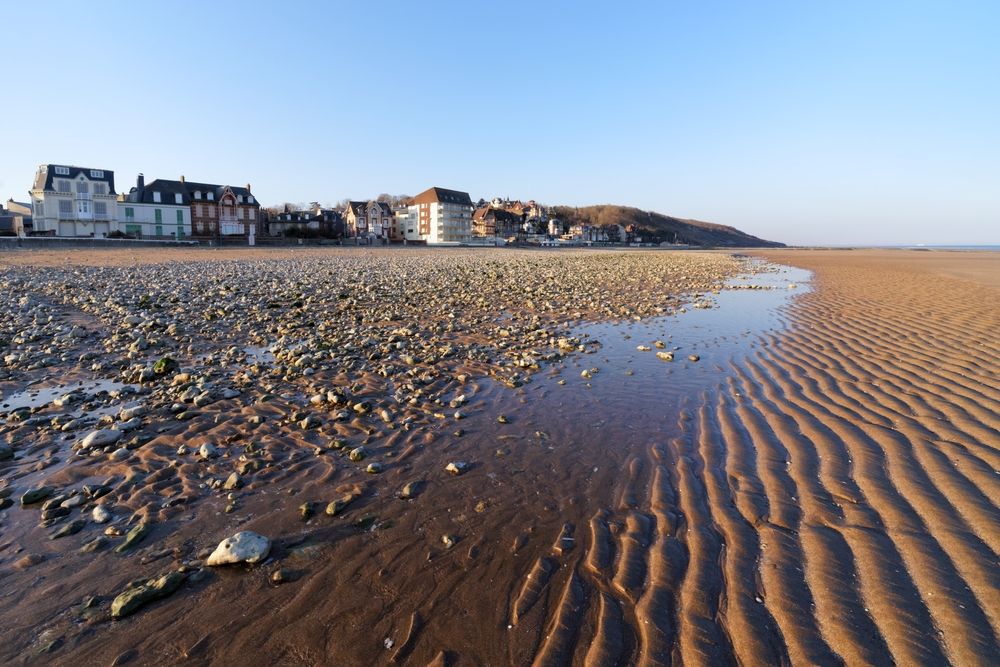
Nestled between sea and cliffs, Houlgate seduces with its exceptional architectural heritage. This upscale resort has preserved splendid Belle Époque villas with eclectic styles: neo-Norman, Anglo-Norman, Moorish... Each residence tells a story and testifies to the golden age of sea bathing at the beginning of the 20th century.
Houlgate beach, well sheltered and family-friendly, is bordered by a pleasant promenade that invites strolling. The Mont Canisy cliffs offer spectacular panoramas over the bay and allow beautiful hikes. The city center, lively and friendly, offers numerous shops, restaurants and entertainment throughout the year, making Houlgate a destination of choice for staying on the Côte Fleurie.
7. Blonville-sur-Mer, between beach and nature
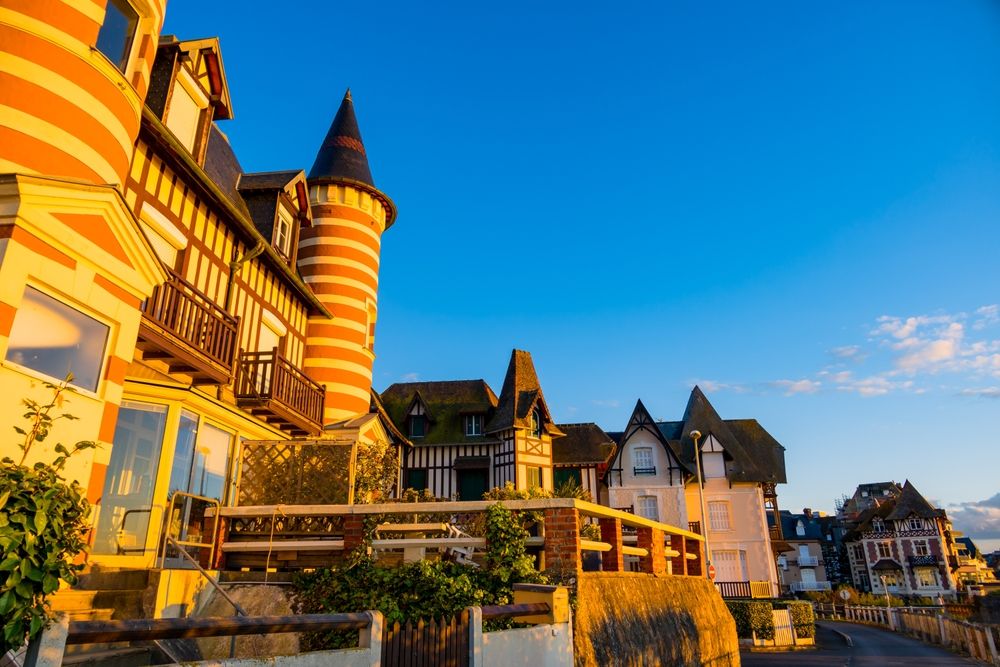
A more discreet seaside resort, Blonville-sur-Mer nevertheless deserves a visit for its three beautiful fine sand beaches accessible at low tide. Located at the foot of the Mont Canisy cliffs, the town offers remarkable viewpoints over the Norman coastline from its heights.
The Blonville marsh, 110-hectare protected natural area, constitutes a true green lung between Blonville and Villers-sur-Mer. This freshwater marsh, fed by surrounding watercourses, houses exceptional biodiversity. Marked trails and observatories allow you to discover this preserved ecosystem in complete tranquility. For sports enthusiasts, the Blonville equestrian center offers horseback rides in the surroundings, while golfers appreciate the Cabourg-Le Home golf course located nearby.
8. Pays d'Auge, between apple trees and stud farms
The hinterland of the Côte Fleurie holds beautiful discoveries in Pays d'Auge, a hilly region with typically Norman landscapes. Cider apple trees, prestigious stud farms, half-timbered manors and flowered villages compose a bucolic setting just a few kilometers from the beaches.
Take the famous Cider Route that winds between Cambremer and Beuvron-en-Auge, classified among the Most Beautiful Villages of France. You will discover the secrets of cider, calvados and pommeau production in the numerous cideries along the route. Cheese lovers won't miss visiting Pont-l'Évêque, birthplace of the famous AOP cheese that bears its name. The national stud farms of Le Pin and Saint-Lô testify to the region's equestrian tradition.
9. The racecourses of the Côte Fleurie
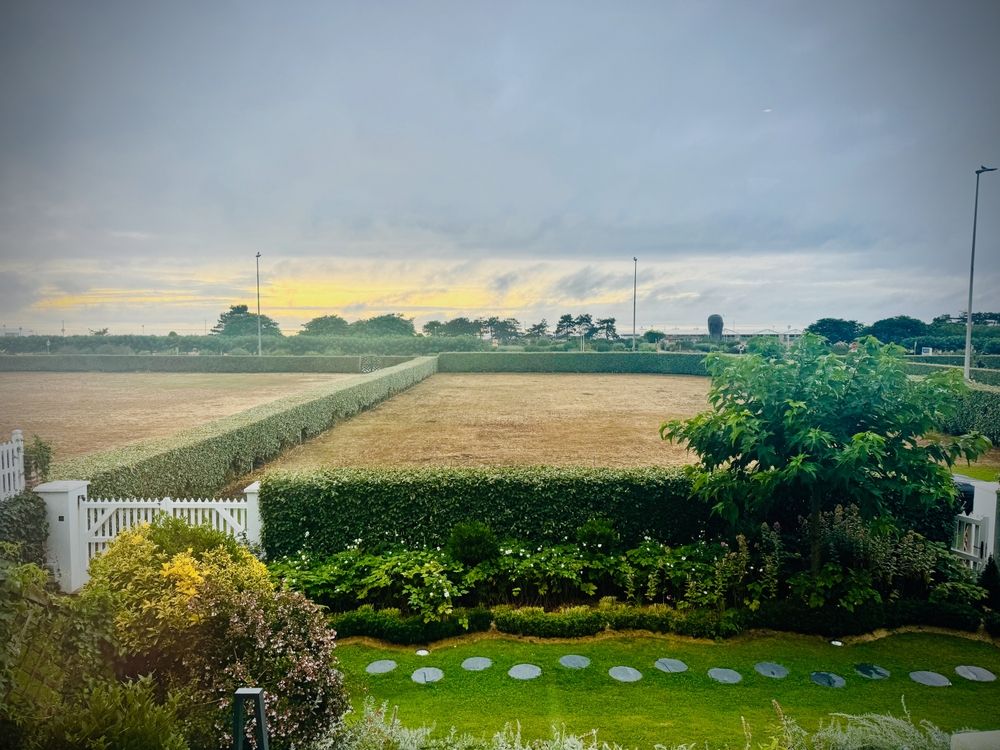
The Côte Fleurie and the equestrian world have maintained close ties for more than a century. Calvados, birthplace of French thoroughbreds, counts among the most beautiful racecourses in France. That of Deauville-La Touques, inaugurated in 1864, hosts the most prestigious races during summer, notably the Prix de Diane and the Prix Jacques le Marois.
The Deauville-Clairefontaine racecourse, nestled in a green setting, offers races in a more intimate setting. In Cabourg, the racecourse offers a family and friendly atmosphere. These turf temples welcome both enthusiasts and neophytes who come to discover the unique atmosphere of horse racing. The paddocks, where you can admire the horses up close before the starts, and the elegant grandstands are an integral part of the Côte Fleurie heritage.
10. A boat trip on the English Channel
To admire the Côte Fleurie from another angle, nothing beats a sea outing. Several providers offer boat trips departing from Deauville, Trouville or Honfleur. Traditional sailboats, modern catamarans or motor boats take you along the beaches, glimpse the villas from the sea and perhaps encounter some seals that populate the Seine estuary.
Cruises on the estuary also allow you to admire the majestic Pont de Normandie that connects Honfleur to Le Havre. For the more adventurous, renting a sailboat or motor boat offers total freedom to explore the coastline at your own pace. The marinas of Deauville and Honfleur have all the necessary infrastructure for navigators. These sea outings constitute an original and memorable way to discover the beauty of the Norman Côte Fleurie.
In conclusion, the Côte Fleurie reveals itself as an exceptional destination that combines Belle Époque elegance, historical heritage and natural beauties. From Deauville to Honfleur, each seaside resort has its own identity while sharing this Norman art of living made of gastronomy, culture and gentleness. Whether you are a lover of architecture, nature, horse racing or simply seeking relaxation on beautiful fine sand beaches, this portion of the Calvados coastline will seduce you. To make the most of your stay, don't hesitate to use the Ryo audio-guided circuits that will make you discover the secrets and anecdotes of these emblematic cities of Normandy.
FAQ: Your questions about the Côte Fleurie
What is the best time to visit the Côte Fleurie?
The Côte Fleurie can be visited year-round, but the ideal period extends from May to September. Summer offers the best climate to enjoy the beaches, while spring and autumn allow you to discover the region in a quieter atmosphere with more advantageous rates.
How to get around between the cities of the Côte Fleurie?
The car remains the most practical way to explore the Côte Fleurie at your own pace. Regular buses also connect the main seaside resorts. For an authentic experience, the bike path that runs along the coast between Cabourg and Deauville offers a beautiful ecological alternative.
What are the gastronomic specialties to taste on the Côte Fleurie?
The Côte Fleurie delights taste buds with its seafood products (oysters, scallops, Trouville sole), its AOP cheeses (camembert, pont-l'évêque, livarot), and of course cider, calvados and pommeau from Pays d'Auge. Don't miss Norman crêpes and apple tart for dessert.
Can you swim on the beaches of the Côte Fleurie?
Yes, all the beaches of the Côte Fleurie are suitable for swimming. The beaches of Deauville, Trouville, Cabourg and Villers-sur-Mer are supervised in summer. The water of the English Channel remains cool even in summer (around 18-20°C), but the great tides offer vast expanses of sand for swimming and water activities.