
Créé par Emilie, le 7 mai 2026
Votre guide Ryo
© Shutterstock
Nestled in the heart of Southern Finistère, Douarnenez embodies the maritime soul of Brittany. This former sardine capital, rich with four ports and a majestic bay, offers visitors an authentic heritage blending maritime history, wild landscapes and Breton traditions. Between the unique Port-Museum in France, the legendary Tristan island, the GR34 coastal paths and surrounding villages like Locronan, visiting Douarnenez promises an unforgettable seaside escape at the edge of Cornouaille.
Discovering the historic heart of Douarnenez
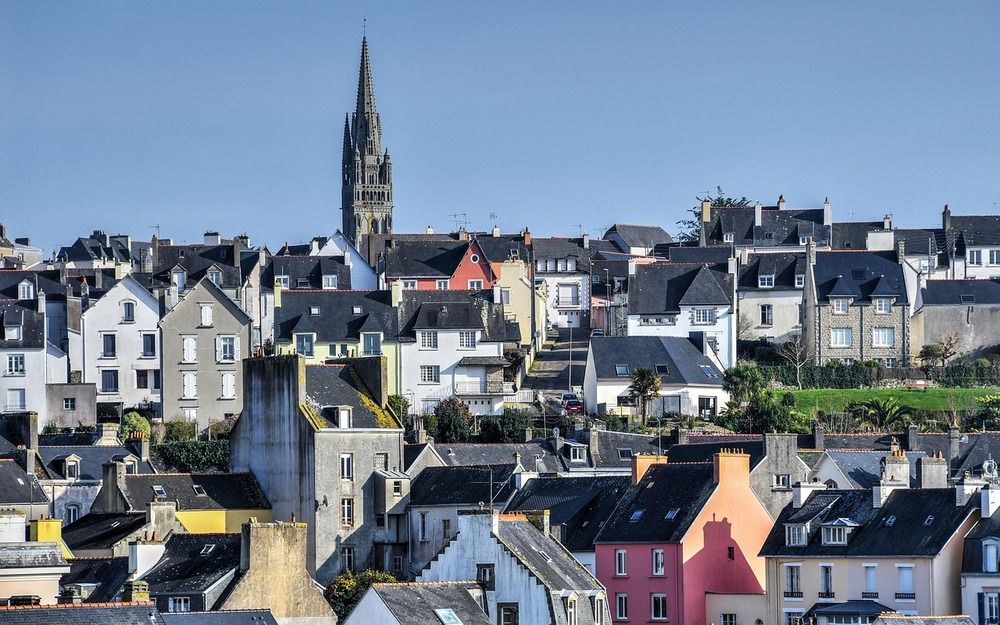
The town center of Douarnenez unfolds around its four historic ports that made the city famous. The port du Rosmeur, with its colorful trawlers and fishermen's houses, is the ideal starting point to discover the authentic character of Douarnenez. This active fishing port perpetuates maritime traditions with its morning fish auction and restaurants offering fresh fish and seafood just landed.
Along the streets that climb towards the center, you discover the typical architecture of this working town: low houses with colorful facades, former converted canneries, and lively squares. The historic quarter bears witness to the golden age of sardine canning that brought prosperity to Douarnenez in the 19th century. The central covered market, a place of life and conviviality, still hosts a traditional market where local producers offer Breton vegetables, farmhouse cheeses and regional specialties.
The most beautiful beaches and natural sites of Douarnenez
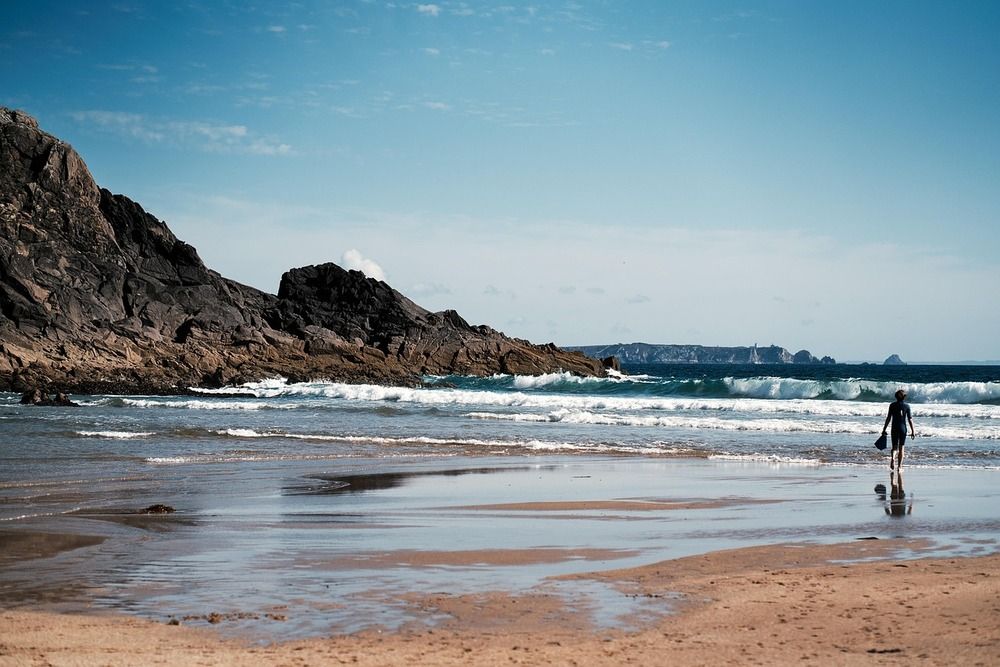
The municipality of Douarnenez extends along a generous coastline dotted with fine sand beaches and wild coves. Each bay has its own character, offering visitors a diversity of marine landscapes to explore during a stay to visit Douarnenez.
3. Sables Blancs beach in Tréboul
A true jewel of fine sand located in the seaside resort district of Tréboul, the Sables Blancs beach (Boulevard Jean Richepin, 29100 Douarnenez, rated 4.3/5 on Google) is the family spot par excellence. This supervised beach in season stretches over more than 500 meters, bordered by a pleasant promenade planted with palm trees and maritime pines. Its sheltered orientation makes it a privileged place for swimming, particularly appreciated by families with children.
Tourist facilities are well developed: sailing clubs, surf school, kayak and paddle rental. The beach also offers a magnificent panorama of Douarnenez bay with, in the background, the contours of the Crozon peninsula. The Tréboul waterfront concentrates restaurants, crêperies and shops, creating summer animation that contrasts with the tranquility of the beach off season. The Tréboul marine cemetery, located nearby on a promontory, is also worth a detour for its exceptional location facing the ocean.
4. The natural site of Plomarc'h and its coastal paths
Between the port du Rosmeur and the Ris beach, the natural site of Plomarc'h reveals one of the most beautiful coastal paths in Finistère. This protected green lung of 20 hectares combines historical heritage, biodiversity and exceptional maritime panoramas. The Plomarc'h path, also called the Customs Officers' path (a portion of the famous GR34), winds between pine forest, heather moors and steep cliffs overlooking the ocean.
Along the walk, you discover the remains of a reconstructed Breton village, an educational farm that pleases children, and especially the impressive ruins of a Gallo-Roman archaeological site: an ancient garum factory (fermented fish sauce highly prized in Antiquity). The deserted coves that dot the route invite contemplation and picnic breaks facing the sea. Accessible all year round, the Plomarc'h site offers different levels of hiking, from the simple one-hour family circuit to sporty itineraries reaching the Ris beach or extending towards Pointe de Leydé.
5. Ris beach, paradise for surfers
At the western end of the municipality, Ris beach (29100 Douarnenez, rated 3.9/5 on Google) displays its large arc of blond sand over more than a kilometer. Facing westerly winds and Atlantic swells, this wild beach particularly attracts surfers, bodyboarders and water sports enthusiasts. The regular waves and quality of the spot make it one of the meeting places for Finistère surfers.
Less urbanized than Sables Blancs, Ris beach maintains a natural character with its dunes bordered by dune vegetation and pines that filter the wind. A large parking lot facilitates access, and a few summer shops allow you to eat on site. The coastal path that starts from the beach allows you to reach Plomarc'h along the cliffs, offering spectacular views of the ocean and rocky islets emerging at low tide. Ris beach also reveals at receding tide immense expanses of sand where sand yachting and coastal walking are practiced.
What to visit in the surroundings of Douarnenez?
The territory surrounding Douarnenez holds heritage and natural treasures that well deserve an excursion. Between character villages, classified natural sites and medieval towns, the surroundings considerably enrich the experience of those who come to visit Douarnenez and its region.
6. Locronan, one of the most beautiful villages in France
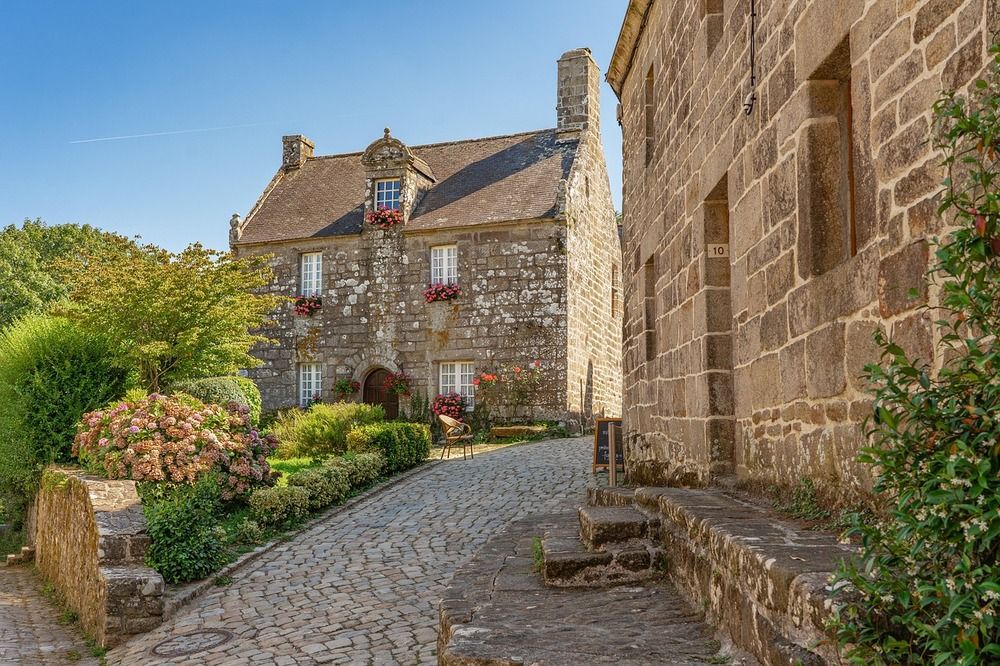
Just 10 kilometers northeast of Douarnenez, Locronan stands as one of Brittany's gems. Classified among the Most Beautiful Villages of France, this perfectly preserved medieval town seems to have crossed the centuries without aging. Its cobbled Grand'Place, surrounded by Renaissance granite dwellings, has served as a backdrop for numerous historical films, so remarkable is its authenticity.
Saint-Ronan priory church, a jewel of flamboyant Gothic, houses the tomb of the eponymous Irish saint who evangelized the region in the 5th century. Locronan owes its name to this saint: 'loc' means consecrated place in Breton. The village perpetuates the tradition of the Troménie, a great religious procession that takes place every six years and brings together thousands of pilgrims. The streets adjacent to the central square reveal art craft workshops, galleries, Breton product shops and traditional crêperies. The medieval charm of Locronan makes it an essential stop during a stay in the Douarnenez region.
7. Pointe du Raz and Cap Sizun
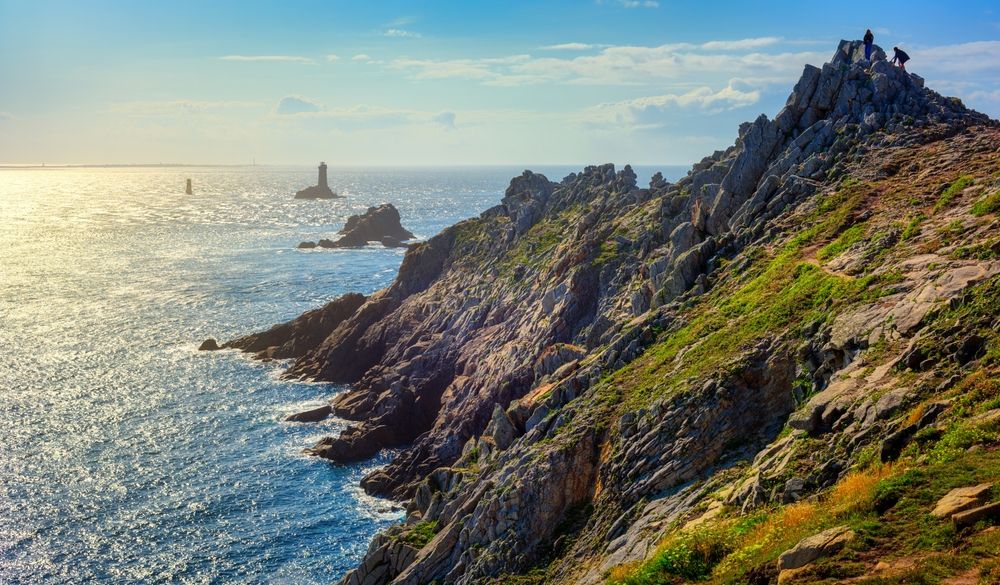
40 kilometers west of Douarnenez, Pointe du Raz embodies the end of the Breton world. Classified as a Grand Site de France, this rocky promontory 70 meters high offers a grandiose spectacle where the ocean unleashes its power against the granite cliffs. Facing the point, the Vieille lighthouse watches over the dangerous Raz de Sein, this passage feared by sailors where currents can reach 8 knots.
The developed site allows you to discover this exceptional landscape safely thanks to marked trails and viewpoints. The Site House presents the history, fauna and flora of this territory battered by winds. Cap Sizun which extends Pointe du Raz also reveals the bay of Trépassés, a mythical beach with an evocative name where currents have long cast up the bodies of the shipwrecked. The Cap Sizun ornithological reserve, located nearby, houses colonies of seabirds nesting in the cliffs: gannets, crested cormorants and kittiwakes can be observed from the developed observation posts.
8. Quimper, cultural capital of Cornouaille
20 kilometers east of Douarnenez, Quimper shines as the historical and cultural capital of Cornouaille. This city of art and history enchants with its admirably preserved medieval center, crossed by the Odet and Steïr rivers. The Saint-Corentin cathedral, Gothic masterpiece with soaring spires, dominates the old town with its colorful half-timbered houses.
Quimper remains famous for its art faience production, a centuries-old tradition that continues in the workshops of the HB-Henriot manufacture. The Museum of Fine Arts preserves a remarkable collection of Breton paintings, including works from the Pont-Aven school. The pedestrian streets of the historic center concentrate shops, restaurants, authentic crêperies and lively bars. The covered market of Halles Saint-François offers an immersion in Breton flavors. Visiting Quimper also allows you to discover the Locmaria district with its former faience factories and its Romanesque church, the oldest building in the city.
Maritime experiences and nautical activities
The exceptional location of Douarnenez by the sea opens a range of nautical activities and maritime experiences accessible to all levels. The sheltered bay and favorable sailing conditions make this territory an ideal playground for water sports enthusiasts.
9. Traditional sailing and sea trips
Several associations and maritime companies offer sea trips aboard traditional sailboats or converted fishing boats. These navigations allow you to discover Douarnenez bay from offshore, glimpse Tristan island from a new angle, and sometimes observe dolphins and seals that frequent the region's waters. Some skippers offer initiations to traditional navigation or sea fishing trips where you learn ancestral techniques.
The Port-Museum regularly organizes navigation aboard its historic boats, offering the unique experience of taking the helm of an authentic working sailboat. These outings, supervised by professional sailors, constitute an original and immersive way to discover the living maritime heritage of Douarnenez. Summer periods are particularly suitable for these activities, although some navigations are possible year-round depending on weather conditions.
10. Sea kayaking and paddleboarding in the bay
The sheltered configuration of Douarnenez bay makes it an ideal spot for sea kayaking and stand-up paddleboarding. Several nautical centers rent equipment and offer supervised outings. The kayak approach to Tristan island is a particularly popular excursion, allowing you to go around it and land on its shores at high tide, when the tombolo is covered.
Plomarc'h and its wild coves are also magnificently discovered from a kayak, offering viewpoints inaccessible to walkers. The more athletic can venture towards Pointe de Leydé or follow the coast towards Tréboul. Paddleboarding, a more accessible activity, enjoys growing success on Douarnenez beaches. Sables Blancs beach has several providers offering rental and initiation. The calm waters of the bay allow beginners to learn this fun discipline safely.
Download the audio-guided circuit to discover Douarnenez on foot and independently
Soon available on Ryo, an audio-guided circuit will allow you to explore Douarnenez independently and enrichingly. Thanks to your smartphone, let yourself be guided through the historic streets, along the port du Rosmeur, to the emblematic sites of the city. Fascinating commentary will reveal the maritime history of the city, anecdotes about sardine canneries and legends surrounding Tristan island. This practical and fun solution adapts to your pace and makes you discover Douarnenez like a local.
Gastronomy and local specialties
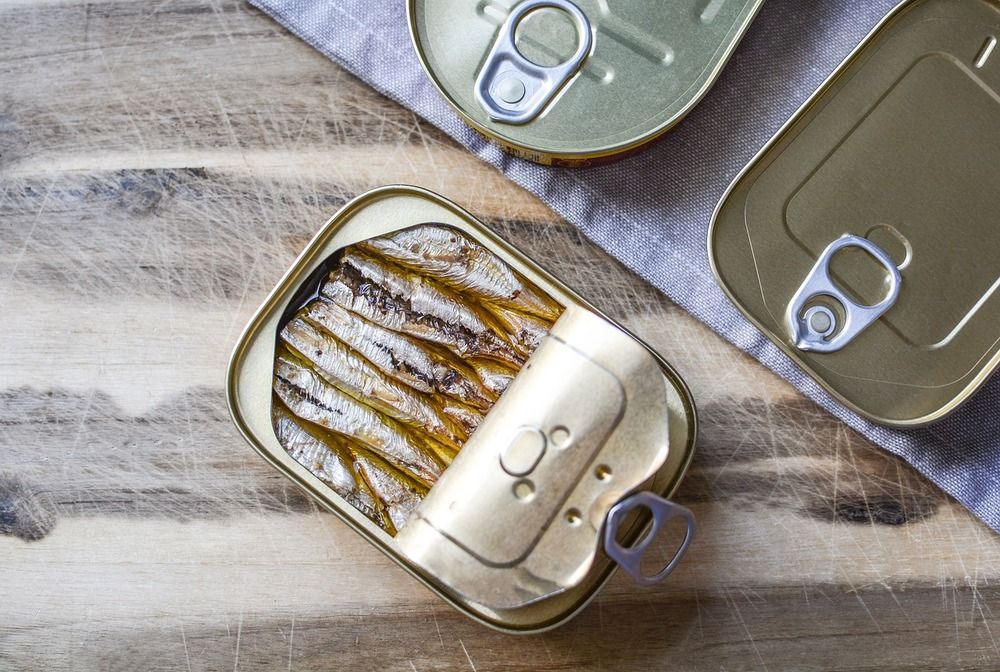
Douarnenez gastronomy naturally draws from the riches of the ocean. The sardine, which made the city's fortune, remains the essential culinary emblem. Artisanal canneries perpetuate traditional recipes: sardines in olive oil, lemon, Espelette pepper or vintage. These elegant tins make highly prized gourmet souvenirs.
Restaurants at port du Rosmeur and Tréboul highlight fresh fish, spider crabs, brown crabs and lobsters caught locally. Cotriade, typically Breton fish soup, can be savored in several establishments. Traditional crêperies offer buckwheat pancakes topped with regional products: Guémené andouille, Locronan ham, Breton cheeses. Douarnenez markets allow you to discover local products: Plougastel vegetables, Plougastel strawberries, farmhouse cider and kouign-amann, the famous Breton caramelized butter cake. Don't hesitate to take a gourmet break between two visits to the city thanks to the Ryo itinerary which guides you to the best addresses.
Practical information for visiting Douarnenez
Douarnenez is located 20 kilometers from Quimper and 70 kilometers from Brest. By car, the city is accessible via the D765 from Quimper or the D7 from Brest. The nearest train station is in Quimper, from where regular buses provide connections to Douarnenez (about 30 minutes). Brest-Bretagne airport, an hour's drive away, offers regular flights to Paris and several French cities.
The best period to visit Douarnenez extends from May to September, with pleasant temperatures and optimal sunshine. July and August correspond to the high tourist season with maximum animation, particularly during the Douarnenez Maritime Festival which takes place every four years (next edition planned for 2026). Spring and autumn offer a more peaceful atmosphere while allowing you to fully enjoy the heritage and outdoor activities. Winter reveals another facet of Douarnenez, with its spectacular storms, low light and preserved authenticity.
In conclusion, visiting Douarnenez means diving into the maritime soul of Brittany, between authentic heritage and wild landscapes. From the unique Port-Museum to the mysterious Tristan island, from the coastal paths of Plomarc'h to the family beaches of Tréboul, the penn sardin city offers a diversity of experiences that will seduce all travelers. The surroundings further enrich this discovery with gems like Locronan, Pointe du Raz or Quimper. Whether you are a maritime history enthusiast, passionate hiker, family seeking beaches or curious gastronome, Douarnenez and its region will win you over. Don't wait any longer to discover this charming Breton destination and let yourself be guided in your exploration thanks to the Ryo visit itinerary for an unforgettable experience in the heart of Finistère.
FAQ: Your questions about Douarnenez
How much time should I plan to visit Douarnenez?
A two-day weekend allows you to discover the essentials of Douarnenez: the Port-Museum, port du Rosmeur, Tristan island (if accessible) and a beach. For a more complete visit including coastal paths and surroundings (Locronan, Pointe du Raz), ideally plan 3 to 4 days.
Can you visit Tristan island year-round?
Tristan island is private property that only opens to the public during exceptional events in the summer period, generally in July and August. It's possible to approach it at low tide via the tombolo or go around it by kayak. Check with the Douarnenez Tourist Office for opening dates.
What are the best beaches for swimming in Douarnenez?
Sables Blancs beach in Tréboul is ideal for families: supervised in season, it has complete facilities and calm water. Ris beach is more suitable for surfers and lovers of large wild spaces. Plomarc'h coves offer more intimate swimming in a preserved natural setting.
Where to park in Douarnenez?
Several free parking lots are available: near the Port-Museum, at port du Rosmeur, and near the main beaches (Sables Blancs, Ris beach). In high season, favor parking lots further from the center or come early in the morning. Parking in the city center is paid in summer but facilitates access to shops and restaurants.
What to do in Douarnenez when it rains?
The Port-Museum is the essential visit in rainy weather, with its covered spaces rich in collections. Artisanal canneries offer visits and tastings. Douarnenez cinema, several art galleries and local craft shops allow you to occupy yourself pleasantly. Nearby, Quimper offers its museums, cathedral and shopping center for a day under shelter.