
Créé par Emilie, le 7 mai 2026
Votre guide Ryo
© Shutterstock
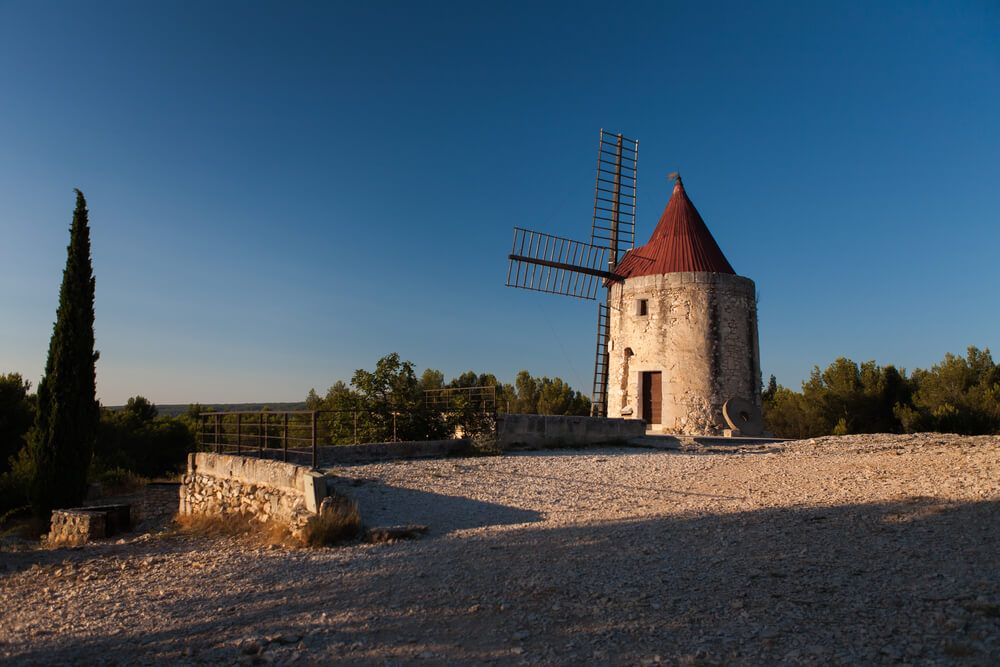
Alphonse Daudet's mill is located in Fontvieille, near Arles in the Bouches-du-Rhône department, firmly rooted on its small hill. While the author did not write the letters from my mill there, contrary to legend, it was, and this is certain, a true source of inspiration for Alphonse Daudet. Open to visitors, this mythical and family-friendly place can be discovered with family, lovers or friends.
The little history of Alphonse Daudet's Mill in Fontvieille
This mill, built in 1814, was used to grind wheat for 100 years until the First World War when workers and wheat were requisitioned. This was not just the stopping of one mill among others, but the stopping of the very last mill still in operation in Fontvieille.
We had to wait until 1935 for an association, the "Friends of Alphonse Daudet", to mobilize to restore the mill and create, at the same time, a museum dedicated to the writer.
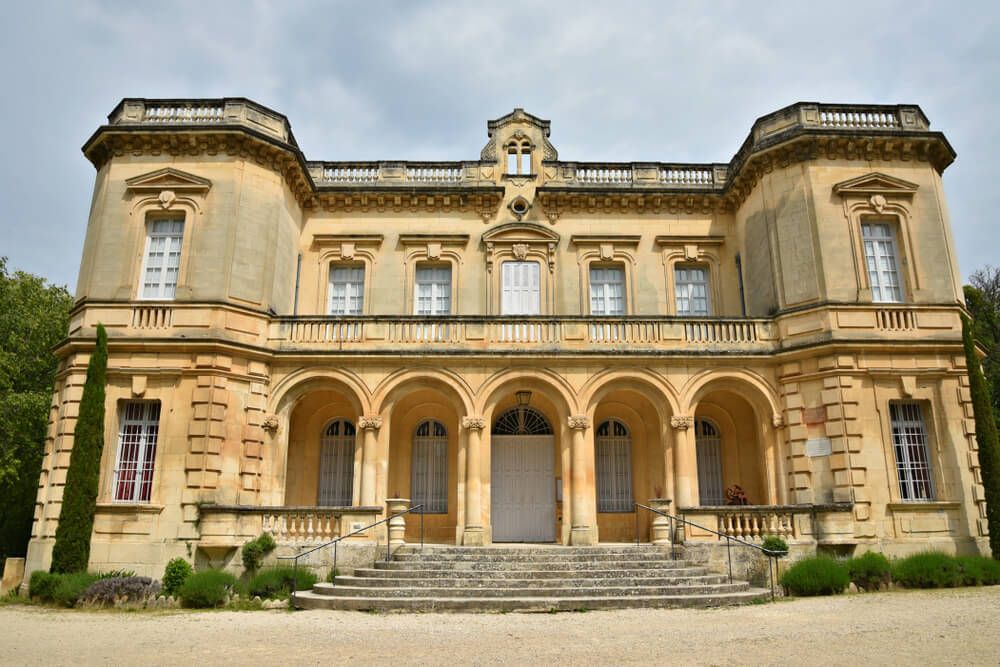
In the letters from my mill, there is mention of the Château de Montauban, a superb 18th century building surrounded by an 8-hectare park that is also located in Fontvieille. This castle was, like the mill, a place where the writer found calm and serenity. From the castle, you can reach Alphonse Daudet's mill on foot in less than 1 hour, there is only one kilometer that separates them. A marked family trail from which you can observe 3 other mills: the Sourdon mill, the Ramet mill and the Tissot-Avon mill.
The real name of Alphonse Daudet's mill is Moulin Ribet, but it was also called Moulin Saint-Pierre.
Following its closure in 2000 by the town hall, it was renovated in 2016 and reopened to the public.
Did Alphonse Daudet live in Fontvieille?
Alphonse Daudet never lived at the mill, however he resided at the Château de Montauban located in Fontvieille, and while he did not write the letters from my mill in Fontvieille, it was indeed this famous mill that inspired him "the secret of Master Cornille". Originally from Nîmes, Alphonse Daudet lived in Paris until he met Frédéric Mistral, who with his singing accent reminded him of the good old country. Following the invitation of his cousin Louis Daudet, he goes to the Château de Montauban in Fontvieille. There, he meets a wide range of people who inspire some of his characters such as: Mitifiot, the rural policeman, Audiberte, the servant or Quenin, nicknamed "Lou Roudeirou".
Fontvieille and the Château de Montauban quickly became Alphonse Daudet's favorite vacation spots each time he left the capital. He had a particular affection for Provence. After all, didn't he say in the letters from my mill: "All this beautiful Provençal landscape lives only for the light."
Alphonse Daudet's mill and its environment
Suspended on the hillside, in the middle of the garrigue, you can see it from afar. Its wings overlook the oaks and surrounding flora. This mill is not only a museum, it is also a real testimony to the history of the Alpilles and the trades that were practiced there in the past. You will find, on the path leading to the mill, many markers giving multiple explanations to visitors.
The other mills near Alphonse Daudet's mill
1 – The Sourdon mill
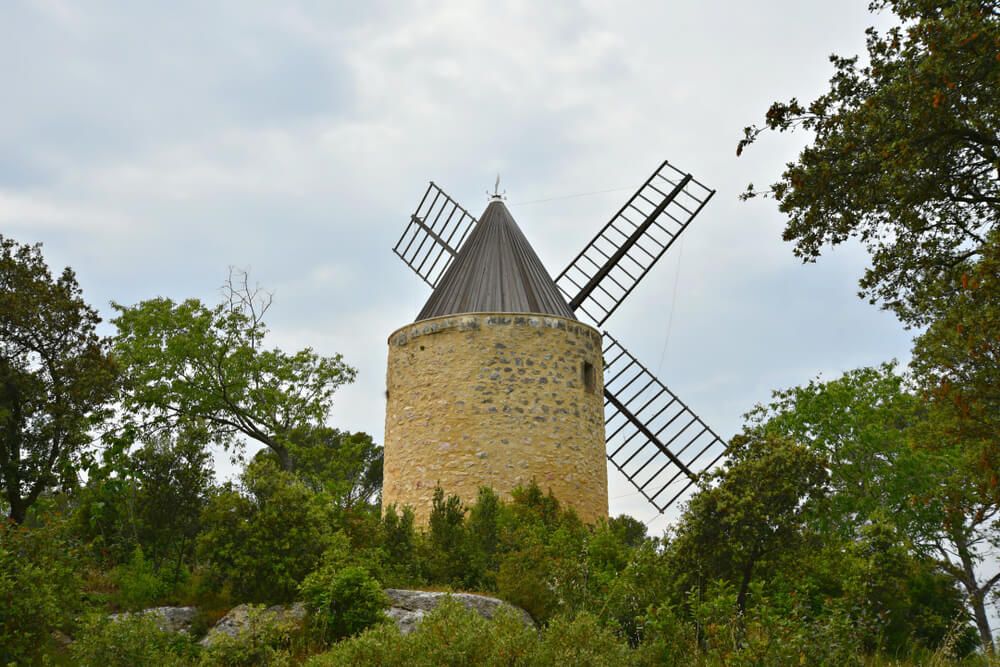
Built in 1791, it operated between the 18th and 19th centuries. This mill is the oldest of the 4 mills present in Fontvieille. It is also called "the fallen mill", because it is the one that first lost its cap and wings. Its restoration dates from 2015, it is located to the west of the pine avenue.
2 – The Ramet mill
Located above the village, this mill was built at the beginning of the 19th century and operated until the very beginning of the 20th century. Today only its shaft remains. No more cap or wings.
3 – The Tissot-Avon mill
Near the Château de Montauban, this mill was the place where Alphonse Daudet liked to reflect. It has not been in operation since 1905 after 1 century of good and loyal service, following the death of the last miller: Trophime Avon. Its restoration dates from 2016.
Why Daudet's mill?
We have just seen that the Tissot-Avon mill was, in fact, Alphonse Daudet's favorite mill, however, when the Friends of Alphonse Daudet society took over the renovation work, it chose the Ribet mill because it was much better preserved than the others.
When and how were the letters from my mill published?
They were initially serials then called "Provençal Chronicles" and which appeared in the newspaper L'événement during the summer of 1866 before being published as a collection of 19 letters in the original version, then 24 letters in 1879. These letters deal with Provençal legends and folklore.
What did Alphonse Daudet say about the mill?
"In any case, I owe a lot to these spiritual retreats; and none was more beneficial to me than this old mill in Provence. I even had a moment the desire to buy it; My mill never belonged to me. Which did not prevent me from spending long days there dreaming, remembering, until the hour when the winter sun descended between the small bare hills whose hollows it filled like molten metal, a steaming golden flow."
How to visit Alphonse Daudet's mill in Fontvieille, hours and rates?
Alphonse Daudet's mill in Fontvieille is open every day from 10:00 AM to 6:00 PM in April, May, June, September, October and November, and from 10:30 AM to 7:00 PM in July and August
The entrance fee is €2.
What to see at Alphonse Daudet's mill in Fontvieille?
Upon entering the mill, you will see the period mechanism and its lower room, this is also where the museum dedicated to the writer is located, as well as to the Letters from my mill. The shop will allow you to take home a small souvenir that will remind you of your visit to Alphonse Daudet's mill in Fontvieille.