
Créé par Emilie, le 7 mai 2026
Votre guide Ryo
© Shutterstock
La Rochelle, this pearl of the Atlantic, shines far beyond its emblematic towers and old port. Around this exceptional maritime city flourishes a constellation of enchanting villages, each revealing its own treasures and unique character. From the white houses with green shutters on the île de Ré to the cobblestone streets of fortified towns, these 13 most beautiful villages around La Rochelle invite you on a journey to the heart of Charentaise authenticity.
Between historical heritage, maritime traditions and preserved landscapes, these villages constitute unforgettable stops for those wishing to discover the hidden riches of Charente-Maritime and neighboring regions.
1. La Flotte: The Port Jewel of Île de Ré
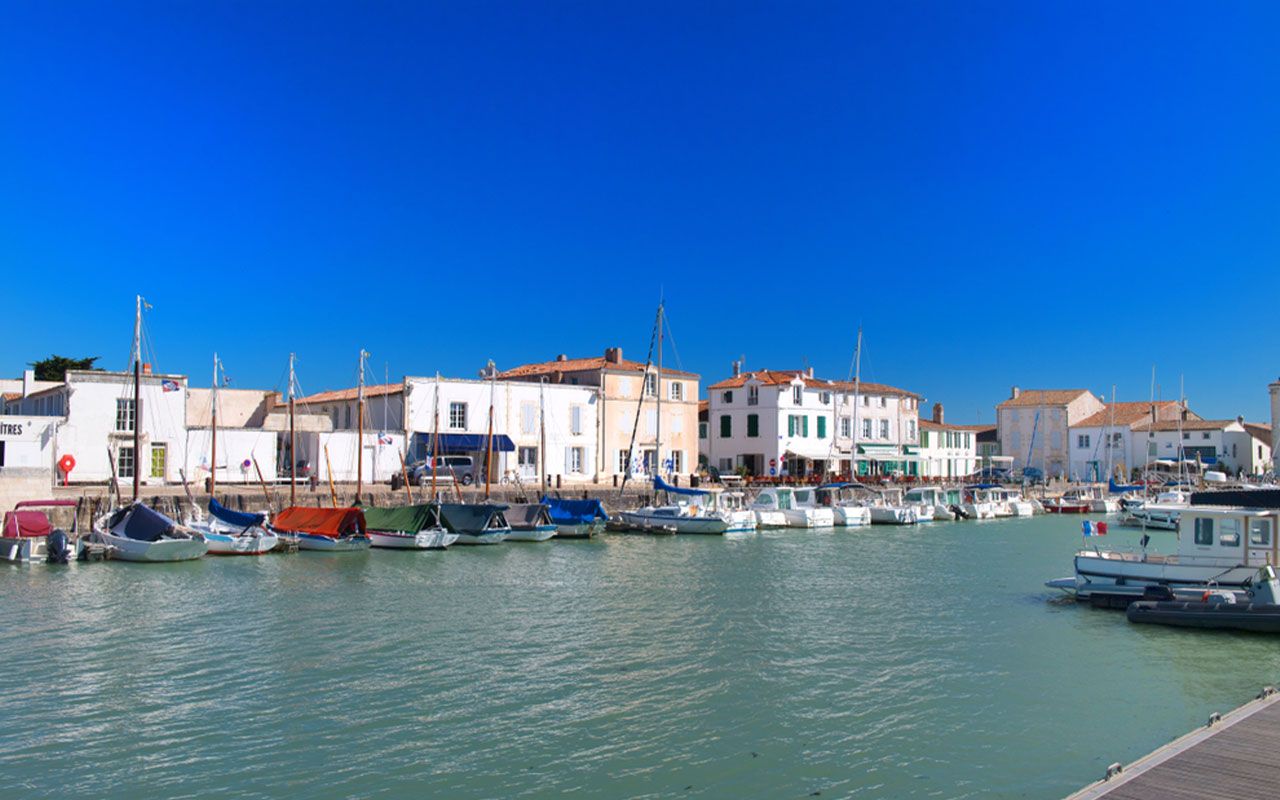
Classified among the Most Beautiful Villages of France, La Flotte stands as one of the must-see destinations during a stay on île de Ré. This port village immediately captivates with its perfect architectural harmony: white houses with green shutters, cobblestone streets lined with hollyhocks and a lively marina create a postcard setting.
The medieval market of La Flotte, unique in France, transports us to another era with its colorful stalls and medieval-inspired architecture. The Vauban fortifications and the remains of the Châteliers abbey testify to the rich historical past of the village. For nature lovers, the surrounding salt marshes offer rejuvenating walks where one can observe local wildlife in its natural habitat.
Don't miss strolling along quai de Sénac, where the Tourist Office (Quai de Sénac, 17630 La Flotte, rated 4.3/5 on Google for 103 reviews) will warmly welcome you to guide you in discovering the village.
Download the audio-guided tour to discover La Rochelle on foot and independently
Complete your discovery of the surrounding villages with a visit to La Rochelle itself. An audio-guided tour of 6.1 km will allow you to explore the "White City" at your own pace, from the Old Port to the emblematic towers, passing through the historic quarters and must-see sites. Visit La Rochelle with this itinerary specially designed to reveal all the secrets of this exceptional maritime city.
2. Ars-en-Ré: Preserved Authenticity at the Island's End
Located at the western tip of île de Ré, Ars-en-Ré represents the very essence of Ré's authenticity. This village, also classified among the Most Beautiful Villages of France, has managed to preserve its traditional character despite tourist influx. Its Saint-Étienne church, with its unique black and white bell tower, has been a landmark for sailors for centuries.
The streets of Ars-en-Ré, lined with white houses with green shutters decorated with hollyhocks, invite strolling. The village also houses a salt workers' cooperative where one can discover ancestral salt harvesting techniques. The surrounding salt marshes and the Lilleau des Niges Nature Reserve offer breathtaking landscapes, particularly at sunset.
For beach lovers, the fine sand stretches of Fier d'Ars constitute a true haven of peace, ideal for rejuvenating away from summer bustle.
3. Brouage: The Citadel Sleeping in the Marshes
A former maritime stronghold, Brouage fascinates with its history and exceptional setting in the heart of salt marshes. This Vauban citadel, once a flourishing salt trade port, is now a true open-air museum. Its perfectly preserved ramparts offer a unique walk with breathtaking panoramas over the surrounding marshes.
The village of Brouage, classified among the Most Beautiful Villages of France since 2017, contains numerous architectural treasures: the grain market, powder magazines, Saint-Pierre-et-Paul church and the former houses of notables. Every stone tells the story of this city that saw the birth of Samuel de Champlain, founder of Quebec.
The marshes of Brouage also constitute a remarkable ecosystem where numerous migratory bird species live. Ornithology enthusiasts will find privileged observation grounds here, particularly in spring and autumn.
4. Talmont-sur-Gironde: The Village on the Cliff
Perched on a rocky spur overlooking the Gironde estuary, Talmont-sur-Gironde offers one of the most spectacular panoramas in the region. This fortified village, classified among the Most Beautiful Villages of France, owes its renown to its magnificent Romanesque church Sainte-Radegonde, a true jewel of Saintonge Romanesque art.
The Sainte-Radegonde church, built in the 12th century and listed as a historic monument since 1890, stands proudly facing the ocean. Its pure architecture and perfect proportions make it one of the most accomplished examples of regional Romanesque style. The village streets, lined with white-fronted houses with colorful shutters, create a harmonious ensemble of rare beauty.
The village also offers magnificent viewpoints over the Gironde estuary, particularly striking at sunset. The terraced gardens, arranged on the cliff slopes, complete this picturesque tableau of gentle Charentaise charm.
5. Mornac-sur-Seudre: The Artisan Village
Classified among the Most Beautiful Villages of France, Mornac-sur-Seudre captivates with its authenticity and artisan vocation. This medieval village, nestled on the edge of the Seudre estuary, has managed to preserve its traditional character while welcoming numerous art craftsmen who perpetuate ancestral know-how.
The cobblestone streets of Mornac-sur-Seudre, lined with half-timbered houses and stone dwellings, invite discovery of numerous artisan workshops. Potters, sculptors, painters and jewelry creators open their doors to visitors, offering a unique glimpse of traditional craft techniques.
The oyster port of Mornac-sur-Seudre constitutes the village's soul. The colorful cabins of oyster farmers, oyster parks and constant port activity create an authentic and warm atmosphere. Don't miss tasting the famous Marennes-Oléron oysters directly from producers, accompanied by a glass of regional white wine.
6. Coulon: Capital of the Green Venice
Located in the heart of Marais Poitevin, Coulon amply deserves its nickname as "capital of the Green Venice." This village, labeled Small City of Character, constitutes the ideal starting point for exploring the canals and green meadows of the wet marsh.
Boarding traditional boats from Coulon's quays offers a unique experience along the conches bordered by pollard ash trees and willows. These walks in the heart of a preserved ecosystem allow observation of exceptional fauna and flora in a setting of absolute serenity.
The village of Coulon itself charms with its half-timbered houses, flowered streets and Romanesque church. The Marais Poitevin House (2 Rue de l'Église, 79510 Coulon, rated 4.1/5 on Google for 650 reviews) offers complete immersion in the history and ecosystem of the marsh, perfectly complementing the discovery of this unique territory.
7. Vouvant: The City of Mélusine
Nestled in a bend of the Mère river, Vouvant constitutes the unique Vendée representative of the Most Beautiful Villages of France. This medieval city, also labeled Small City of Character, draws its origins from the legend of Mélusine, builder fairy according to popular tradition.
The Mélusine Tower, a 14th-century keep, majestically dominates the village and offers an exceptional panorama over the Mère valley and Vouvant forest. The medieval ramparts, remarkably preserved, still partially encircle the town and testify to the strategic importance of this stronghold.
Notre-Dame church, jewel of Poitou Romanesque art, houses magnificent frescoes and sculptures that delight sacred art lovers. The village's cobblestone streets, lined with old stone-fronted houses, create a perfectly preserved medieval atmosphere.
8. Marans: The River Stop on the Sèvre Niortaise
Located on the banks of the Sèvre Niortaise, Marans captivates with its unique river atmosphere and remarkable architectural heritage. This village, once an important trading port, has successfully converted into a pleasure destination prized by river navigation enthusiasts.
Marans marina, accommodating up to 180 boats, constitutes the ideal starting point for exploring Marais Poitevin canals. Electric boat rental without permit allows autonomous discovery of the surrounding marsh beauties.
Saint-Étienne church in Marans, unique in France with its reinforced concrete structure, testifies to early 20th-century architectural boldness. The restored Beauregard mill offers a panoramic viewpoint over the town and Sèvre Niortaise valley.
9. Saint-Savinien-sur-Charente: The Perched Village
Dominating the Charente valley from its rocky promontory, Saint-Savinien-sur-Charente figures among the most picturesque cities of Romanesque Saintonge. This village, labeled Small City of Character, offers an architectural ensemble of rare harmony with its white stone houses with slate roofs.
Saint-Savinien church, perched on the village heights, offers an exceptional panorama over the Charente valley and surrounding hillsides. The cobblestone streets winding between old houses invite strolling and discovering local heritage.
Saint-Savinien port, witness to past river activity, now welcomes pleasure boaters and fishing enthusiasts. The shaded quays constitute a privileged walking place, particularly pleasant during golden morning and evening hours.
10. Arçais: In the Heart of the Wet Marsh
The only village located at the center of the wet marsh, Arçais occupies a privileged position in the heart of the Green Venice. This village, labeled Small City of Character, constitutes an ideal starting point for exploring the most secret canals of Marais Poitevin.
Arçais landing stages allow immersion in the unique atmosphere of the wet marsh, where silence is only broken by birdsong and water lapping. Boat rides reveal a preserved ecosystem of exceptional richness, particularly in spring when vegetation explodes with greenery.
The village of Arçais itself charms with its traditional houses with white facades and flowered gardens. The Romanesque church and small rural heritage complete this tableau of marsh authenticity.
11. Fouras: Between Land and Sea
Located at the mouth of the Charente, Fouras constitutes an unmissable stop for those wishing to discover the multiple facets of the Charentais coastline. This seaside resort, classified since 1898, has managed to preserve its Belle Époque charm while adapting to contemporary vacationer expectations.
The Vauban Fort of Fouras, standing on a rocky promontory, now houses the Regional Museum of Fouras and offers an exceptional panorama over the Charente estuary. The peninsula's five beaches allow enjoying seaside pleasures in a preserved setting.
The unique experience of walking across the Bûcherons sandbank at low tide reveals hidden treasures of the foreshore. This unusual walk, practicable a few hours per day, offers privileged contact with the marine ecosystem and its inhabitants.
12. Mauzé-sur-le-Mignon: Marsh Authenticity
Nestled in the heart of Marais Poitevin, Mauzé-sur-le-Mignon embodies the authenticity of marsh villages. Its half-timbered houses, Romanesque church and water mill create an architectural ensemble of rare harmony, witness to traditional marsh lifestyle.
The village of Mauzé-sur-le-Mignon constitutes a privileged starting point for exploring Marais Poitevin riches on foot or by bike. Hiking circuits allow discovering different marsh ecosystems, from wet meadows to canals bordered by pollard ash trees.
Local gastronomy, based on marsh terroir products, makes Mauzé-sur-le-Mignon's reputation. Churned butter, goat cheese and wildflower honey constitute specialties to taste in village restaurants.
13. Saint-Trojan-les-Bains: Belle Époque on Île d'Oléron
Located at the southern tip of île d'Oléron, Saint-Trojan-les-Bains has preserved its Belle Époque seaside resort charm. This village, classified as a seaside resort since 1898, captivates with its colorful villas, tourist train and state forest of nearly 2,000 hectares.
The Little Train of Saint-Trojan, the only tourist railway on île d'Oléron, offers an original ride through Saumonards forest to the wild beaches of Grande Côte. This nostalgic journey allows discovering the diversity of Oléron landscapes in a relaxed and family atmosphere.
The forest of Saint-Trojan-les-Bains, the island's largest forest, constitutes a true green lung where maritime pines, holm oaks and various Atlantic flora species coexist. Hiking and cycling trails allow exploring this exceptional natural heritage.
In conclusion, these 13 villages constitute invitations to discovery and escape. Each reveals a different facet of Charentais heritage and lifestyle, between maritime traditions, architectural riches and preserved landscapes. From île de Ré to salt marshes, from fortified cities to artisan villages, this constellation of rural pearls offers a journey to the heart of French authenticity. Let yourself be tempted by this timeless escapade and discover the hidden treasures that make the richness of the territory around La Rochelle thanks to Ryo audio-guided tours that will accompany you in each of your discoveries.
Frequently Asked Questions
The ideal period extends from May to September, with a preference for May, June and September which offer pleasant weather and more moderate crowds. Summer allows fully enjoying nautical activities and beaches, but villages are more lively.
Île de Ré is accessible via the Ré bridge, a 2.9 km toll structure. By car, allow about 20 minutes from La Rochelle. Regular shuttles also connect La Rochelle to the island's main villages during summer season.
It's possible to visit 2 to 3 nearby villages in one day, but we recommend taking time to soak up each place's atmosphere. Île de Ré villages can be combined, as well as those of Marais Poitevin.
Activities vary by village: boat rides in Marais Poitevin, oyster tasting in Mornac-sur-Seudre, salt marsh visits on île de Ré, hikes on coastal paths, discovering Vauban fortifications, or meeting local artisans.