
Créé par Emilie, le 7 mai 2026
Votre guide Ryo
© Shutterstock
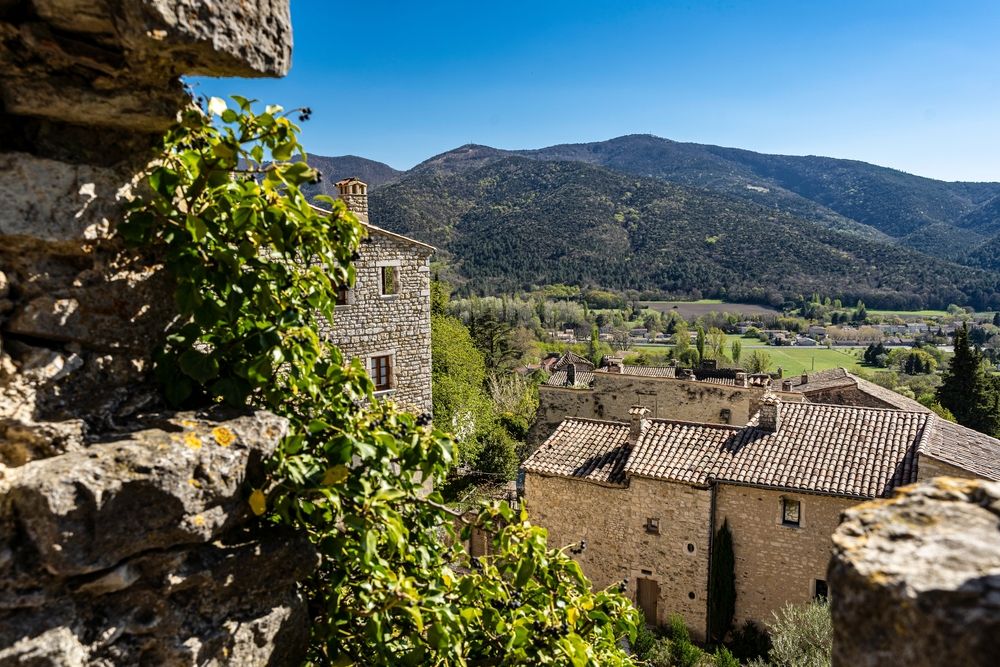
Nestled in the heart of the Drôme Provençale, Le Poët-Laval is a true medieval jewel that captivates all visitors seeking authenticity and history. Classified among the Most Beautiful Villages of France, this perched village offers exceptional heritage inherited from the Order of the Hospitallers of Saint John of Jerusalem. Between cobbled streets, blonde stone architecture, and breathtaking panoramas over the Jabron valley, Le Poët-Laval promises an unforgettable escape. Whether you are passionate about history, a lover of contemporary art or simply seeking tranquility, this medieval village will charm you with its unique atmosphere and enchanting setting. Discover without further delay the 7 essential things to do in Le Poët-Laval to make the most of your visit.
1. Stroll through the old medieval village
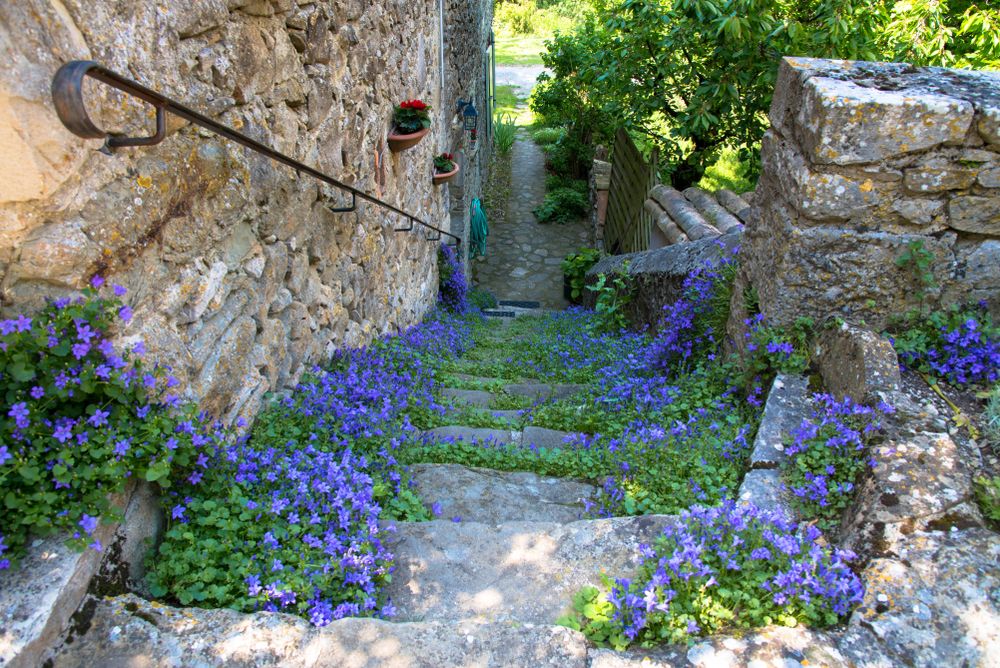
Starting your visit to Le Poët-Laval with a walk through the old village is an absolute must. As soon as you enter the narrow, cobbled streets, you are immediately transported to the Middle Ages. The blonde stone houses, typical of the Drôme Provençale, rise on each side of the vaulted passages and picturesque staircases. Every corner of the village tells a thousand-year-old story, that of an ancient commandery of the Order of Hospitallers founded in the 12th century.
As you walk around, you will discover fascinating architectural details: ancient carved doors, mullioned windows, covered passages and shaded squares where it is good to stop. The village has remarkably preserved its authenticity, with its ramparts and fortifications that testify to its defensive past. Don't miss the stunning view from the heights of the village over the Jabron valley and the surrounding hills planted with lavender and olive trees.
The peaceful and preserved atmosphere of Le Poët-Laval makes it an ideal place to recharge away from urban hustle and bustle. Take time to lose yourself in this medieval maze, to admire the play of light on the old stones and to breathe the scents of Provence that perfume the streets. It is this unique atmosphere that earned the village its inscription among the Most Beautiful Villages of France.
2. Discover the castle of Le Poët-Laval
Perched at the highest point of the village, the castle of Le Poët-Laval (26160 Le Poët-Laval, open from April to October) is the emblematic monument of this medieval city. This imposing fortress was erected in the 12th century by the Hospitallers of Saint John of Jerusalem to protect pilgrims on their way to the Holy Land. What was initially just a simple defensive keep gradually expanded over the centuries to become a true fortified complex.
The visit to the castle immerses you in the fascinating history of this religious and military order. You can admire medieval military architecture with its watchtowers, arrow slits and thick ramparts. From the heights of the castle, the panorama over the Drôme Provençale is simply breathtaking: the Jabron valley extends as far as the eye can see, dotted with lavender fields and centuries-old olive trees.
The castle regularly hosts contemporary art exhibitions that create a striking and successful contrast between the thousand-year-old stones and modern works. This cultural enhancement of heritage makes the castle a living place that creates dialogue between past and present. The visit can be done freely or with a guide to deepen your knowledge of the Order of Hospitallers and the eventful history of the village.
3. Visit the museum of Dauphiné Protestantism
The museum of Dauphiné Protestantism (26160 Le Poët-Laval, rated 4.5/5 on Google for 83 reviews) is an essential place of memory to understand the tumultuous religious history of the region. Housed in a 15th-century dwelling that successively served as a common house, Protestant temple and then church, the museum passionately traces the history of the Reformation and the Wars of Religion that profoundly marked Dauphiné.
The permanent exhibition presents a rich collection of historical objects, archival documents, ancient Bibles and testimonies on the life of Dauphiné Protestants through the centuries. You will discover notably the poignant history of the Huguenots, those French Protestants forced into exile after the revocation of the Edict of Nantes in 1685. The museum also evokes the crucial role of Le Poët-Laval as a Protestant refuge in a region long torn by religious conflicts.
The visit is enriched by detailed explanatory panels and reconstructions that help better understand this complex period of French history. The museum regularly organizes conferences and cultural events that animate village life. It is a must for anyone interested in religious history and the cultural heritage of the region.
4. Admire the chapel of Saint-Jean-des-Commandeurs
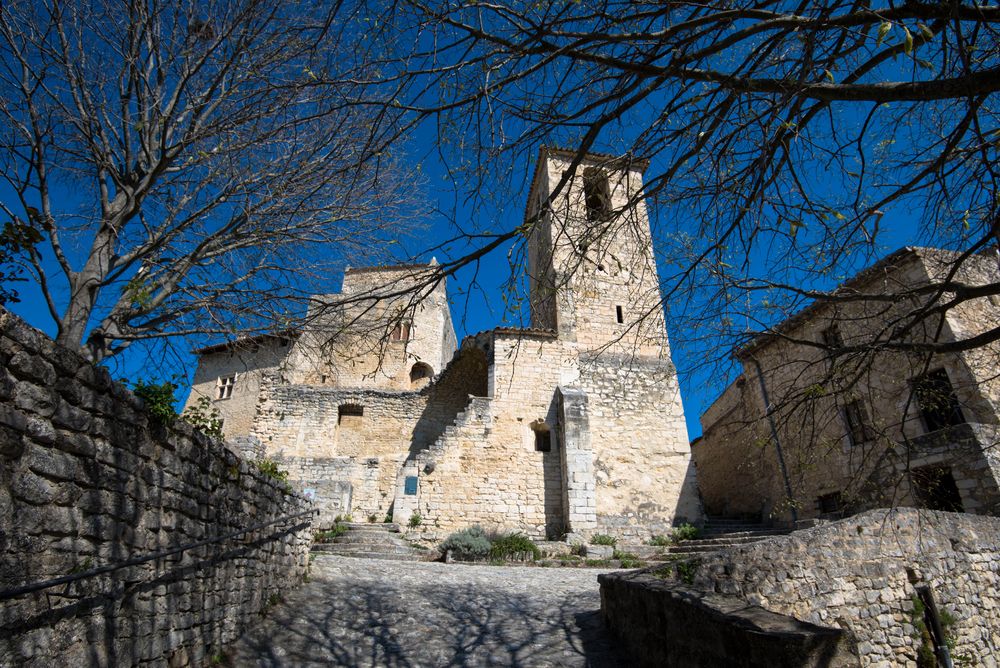
The chapel of Saint-Jean-des-Commandeurs (26160 Le Poët-Laval, classified as Historic Monument) is a jewel of Romanesque architecture that absolutely deserves a visit. Built at the beginning of the 13th century, this chapel served both as a parish church and castle chapel for the Hospitaller knights. Its sober and elegant architecture testifies to Provençal Romanesque art in all its purity.
Although partially in ruins today, the chapel retains a melancholic beauty that leaves no one indifferent. The remains of thick walls, the semicircular apse and some carved elements recall the past grandeur of this religious building. Its dominant position within the village also offers an exceptional viewpoint over the rooftops of Le Poët-Laval and the surrounding countryside.
The chapel has crossed centuries and the vicissitudes of history, notably the Wars of Religion that severely damaged it. It was transformed into a Protestant temple in the 17th century before gradually falling into disuse. Today protected as a Historic Monument, it is the subject of preservation efforts to safeguard this precious testimony to the medieval past of the village.
5. Explore the Yvon Morin art center
The Yvon Morin art center (95 Place Yvon Morin, 26160 Le Poët-Laval) is a dynamic cultural institution that brings contemporary energy to this medieval village. Founded in 1995 by artist Yvon Morin, this center occupies a building remarkably integrated into the architectural heritage of the village. Spread over 300 square meters and three floors, the exhibition spaces remarkably showcase the works presented.
The center organizes temporary contemporary art exhibitions throughout the year that attract recognized and emerging artists. Painting, sculpture, photography, installations: all forms of artistic expression are represented. This eclectic and quality programming makes Le Poët-Laval an important cultural destination in the Drôme Provençale, well beyond its medieval heritage alone.
But the art center is not limited to visual exhibitions. It also has an outdoor theater and an auditorium that host jazz and classical music concerts, theater performances and various shows. This rich cultural programming animates the village and creates a festive atmosphere particularly appreciable during summer evenings. Don't hesitate to check the program during your visit to enjoy a cultural event in this exceptional setting.
6. Explore the hiking trails around the village
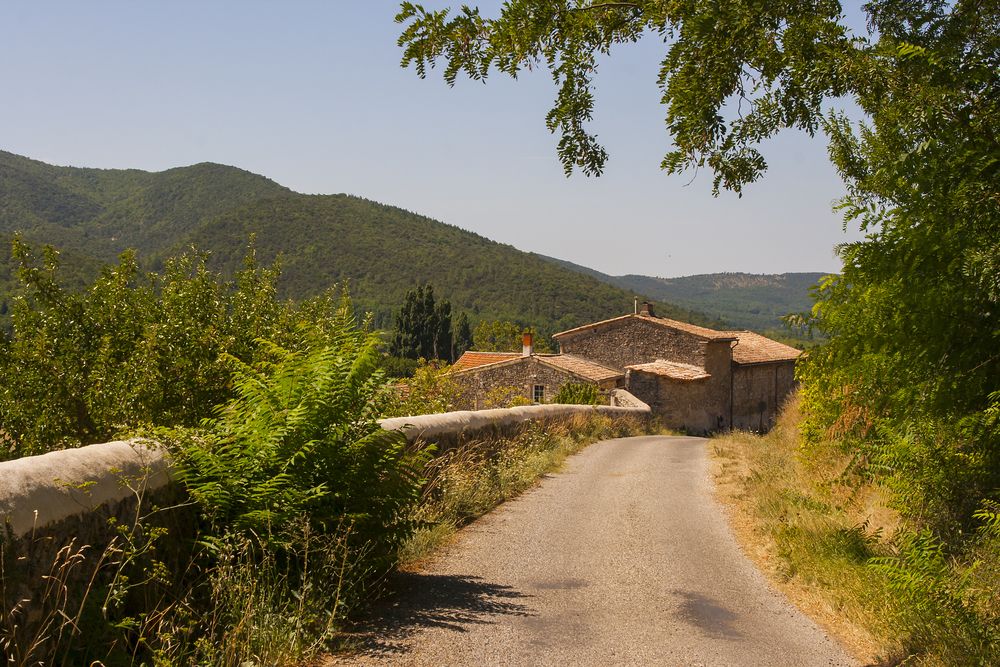
The surroundings of Le Poët-Laval offer magnificent opportunities for hiking on foot or by bike to discover the natural beauty of the Drôme Provençale. Several marked circuits start directly from the village and allow exploration of the surrounding hills, green valleys and neighboring villages. These itineraries cross typically Provençal landscapes with their lavender fields, centuries-old olive groves and renowned vineyards.
The Huguenot Path, which symbolically starts at the museum of Dauphiné Protestantism, is a particularly emblematic long-distance hiking trail. This GR retraces over nearly 1600 kilometers the exile route of French Protestants after the revocation of the Edict of Nantes, from Le Poët-Laval to Bad Karlshafen in Germany, passing through Switzerland. Even if you only cover a small section of this historic itinerary, it is an experience charged with emotion and meaning.
For cycling enthusiasts, several cycling loops allow you to discover the region on two wheels. The Chabotte loop, 16 kilometers long, is particularly appreciated for its varied route alternating shaded undergrowth and open panoramas over the Drôme countryside. These outdoor activities are ideal for complementing your cultural visit to the village with an immersion in the preserved nature of the Drôme Provençale.
7. Savor local gastronomy at Les Hospitaliers
No visit to Le Poët-Laval would be complete without a gastronomic stop at the hotel-restaurant Les Hospitaliers (95 Place Yvon Morin, 26160 Le Poët-Laval, rated 4.5/5 on Google for over 500 reviews). This local institution is nestled in the heart of the medieval village, in an absolutely enchanting setting that harmoniously combines ancient stones and contemporary comfort. The establishment has perpetuated for decades a tradition of culinary excellence that has made its reputation well beyond the region.
Chef Alexandre Dartois, Master Restaurateur, offers refined cuisine that sublimes the products of the Drôme and Provençal terroir. His menu changes with the seasons to celebrate the best local ingredients: Drôme lamb, Tricastin truffles, picodon from the Dieulefit region, fruits and vegetables from local producers. Each plate is a work of art that delights both the eyes and the taste buds, in a perfect balance between tradition and creativity.
The restaurant's panoramic terrace offers a spectacular view over the Jabron valley and the surrounding mountains, creating a romantic and soothing atmosphere, particularly magical at sunset. The attentive service and carefully selected wine cellar complete this exceptional gastronomic experience. Whether for a gourmet lunch after your visit to the village or a refined dinner in the evening, Les Hospitaliers represents the essential gastronomic stop of your stay in Le Poët-Laval.
In conclusion, Le Poët-Laval proves to be an exceptional destination that harmoniously combines medieval heritage, living culture and Provençal authenticity. This village classified among the Most Beautiful Villages of France amply deserves its title thanks to its imposing castle, its unique Protestant museum in France, its streets steeped in history and its dynamic cultural life. Between strolls in the old village, historical discoveries, hikes in the Drôme nature and gastronomic pleasures, Le Poët-Laval offers a complete escape that will delight all visitors seeking authenticity and beauty. Whether you dedicate a day or an entire weekend to it, you will leave conquered by the timeless charm of this pearl of the Drôme Provençale, located only about twenty kilometers from Montélimar.
Frequently asked questions about Le Poët-Laval
How to get to Le Poët-Laval?
Le Poët-Laval is located in the Drôme Provençale, about 20 kilometers southeast of Montélimar. By car, take the A7 highway then the Montélimar Sud exit, then follow the D540 towards Dieulefit. The village is easily accessible and has free parking at the entrance to the medieval village. The nearest airports are those of Valence (80 km), Avignon (100 km) and Lyon (150 km).
What are the opening hours of the castle and museum?
The castle of Le Poët-Laval is open to the public from April to the end of October, generally from 3pm to 6:30pm (extended hours in July-August from 10am to 12pm and from 3pm to 6:30pm). The museum of Dauphiné Protestantism follows the same hours, with closure on Monday and Sunday morning. It is recommended to check exact hours before your visit, as they may vary according to season.
Is Le Poët-Laval suitable for a family visit?
Absolutely! The village lends itself perfectly to a family visit. Children will enjoy exploring the medieval castle and discovering the picturesque streets that resemble a fairy tale setting. The hiking trails in the surroundings are also accessible to families with children. However, plan good shoes as the village is entirely pedestrian and the cobbled streets can be steep.
How much time should you plan to visit Le Poët-Laval?
Allow at least half a day to discover the essentials of the village: strolling through the streets, visiting the castle and the Protestant museum. To fully enjoy the atmosphere of the place, lunch at Les Hospitaliers restaurant and possibly go hiking in the surroundings, plan rather a full day. The village also lends itself very well to a relaxing weekend in the Drôme Provençale.
What villages to visit near Le Poët-Laval?
The region is full of charming villages to discover. Less than 10 kilometers away, don't miss Dieulefit, renowned for its potters and ceramists. Further north, Montélimar deserves a visit for its castle and nougat factories. The Baronnies Provençales regional nature park also offers magnificent perched villages like Pont-de-Barret. For lovers of remarkable sites, Grignan and its majestic castle are about 30 kilometers away.