
Créé par Emilie, le 7 mai 2026
Votre guide Ryo
© Shutterstock
Marseille, the Phocaean city with a thousand faces, captivates travelers with the exceptional diversity of its neighborhoods. Each district of this city of Marseille possesses its own identity, blending millennial history, Mediterranean way of life, and creative modernity. From the picturesque alleys of the Panier to the shopping avenues of the Canebière, through the breathtaking panoramas of Notre-Dame-de-la-Garde, the city offers a kaleidoscope of atmospheres to explore. This urban mosaic reflects the Marseille soul, an authentic melting pot of Provençal traditions and cosmopolitan influences forged by centuries of maritime exchanges.
History and territorial organization of Marseille neighborhoods
The Marseille territory is organized according to a precise administrative division established by decree. The commune officially has 111 neighborhoods distributed across 16 districts, heritage of an organization created to better manage this Mediterranean metropolis. This administrative division, unique in France with Paris and Lyon, reflects the historical richness of the city and the diversity of its urban centers.
Each neighborhood of Marseille tells part of the millennial history of the city, from Greek antiquity to contemporary transformations. INSEE records this territorial organization that allows efficient management of municipal services and facilitates access to different tourist and cultural sites of interest.
1. The Panier neighborhood
Considered the cradle of Marseille, the Panier neighborhood constitutes the oldest district of the Phocaean city. This old Marseille neighborhood, perched on a hill overlooking the Old Port of Marseille, offers a labyrinth of narrow streets and cobblestone stairs that tell 2600 years of Marseille history. The colorful facades, adorned with Provençal shutters and contemporary street art, create a unique atmosphere where past and present blend.
Art and history lovers will discover the Vieille Charité, a former 17th-century hospice transformed into a cultural center housing several museums. The Maison Diamantée, a Renaissance building with stones cut in diamond points, testifies to the rich architectural past of the neighborhood. The Accoules church, vestige of the medieval era, completes this exceptional heritage classified as a historic monument.
Today, the Panier lives to the rhythm of its artist workshops, art galleries and local craft shops. Café terraces offer welcome breaks to observe the neighborhood's animation, while small shaded squares invite strolling. This neighborhood has also inspired the series Plus Belle La Vie, filmed in its authentic streets. Let yourself be guided in your discovery of this emblematic neighborhood thanks to the itinerary visit Marseille which will reveal all its secrets.
2. The Old Port neighborhood
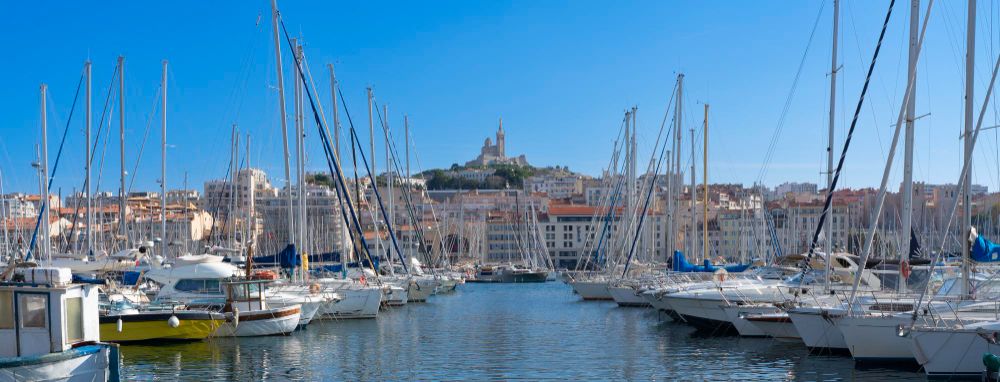
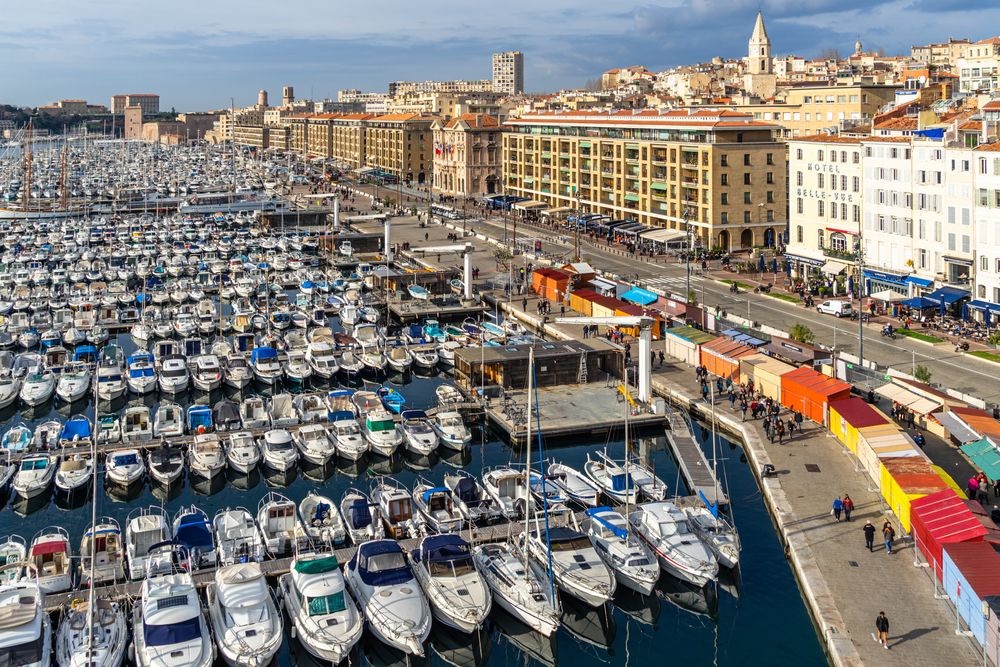
True gateway to Marseille since Antiquity, the Old Port of Marseille remains the true soul of the Phocaean city. This natural port, where the first Greek colonists docked more than 2600 years ago, today maintains its maritime vocation while flourishing as the nerve center of Marseille life. The renovated quays, which overlook the port quay, offer an exceptional setting for walking, while the morning fish market perpetuates a secular tradition.
The architecture of the area testifies to Marseille urban evolution. The Saint-Nicolas and Saint-Jean forts, erected in the 17th century by Louis XIV, guard the port entrance and today house cultural spaces. The MuCEM (Museum of European and Mediterranean Civilizations), connected to the Saint-Jean fort by a spectacular footbridge, symbolizes Marseille architectural modernity and offers an exceptional view of the Mediterranean waters.
Restaurants and brasseries bordering the quays offer authentic Mediterranean gastronomy, with stunning views of the port activity. Many maritime companies organize excursions to the Frioul islands or the calanques, allowing to discover Marseille from the sea. Norman Foster's Ombrière, a contemporary structure protecting the pedestrian area, creates a play of shadows and lights that enhances the atmosphere of the place.
3. The Notre-Dame-du-Mont neighborhood and Cours Julien
Located on the heights of the 6th arrondissement, the Notre-Dame-du-Mont neighborhood embodies the bohemian and artistic spirit of Marseille. Articulated around the famous Cours Julien, this alternative area attracts a cosmopolitan population of artists, students and creators. The walls adorned with legally created graffiti make this sector a true open-air street art museum, where the talents of the contemporary Marseille artistic scene express themselves.
Cours Julien constitutes the epicenter of this cultural effervescence. Its lively terraces, vintage shops and art galleries create a unique atmosphere in Europe. The Wednesday morning flea market attracts bargain hunters, while the numerous bars and restaurants offer world cuisine reflecting Marseille diversity. The Notre-Dame-du-Mont church, which gives its name to the neighborhood, offers a panoramic view of the city and constitutes an important historic landmark.
The nightlife of the area radiates well beyond Marseille borders. Jazz clubs, alternative music scenes and pubs animate the evenings, creating a festive atmosphere that continues until the early morning hours. This permanent cultural effervescence makes the Notre-Dame-du-Mont neighborhood a must-see for anyone wishing to grasp the modern and creative soul of Marseille, where life is good among friends.
4. La Canebière, Marseille's Champs-Élysées
Symbol of the Marseille soul, the Canebière crosses the historic heart of the city by connecting the Old Port to the Réformés church. This mythical artery, nicknamed the "Champs-Élysées of Marseille," concentrates the commercial and cultural activity of the Phocaean city. Its wide sidewalks welcome a cosmopolitan crowd where tourists, merchants and residents mingle, creating a typically Mediterranean atmosphere.
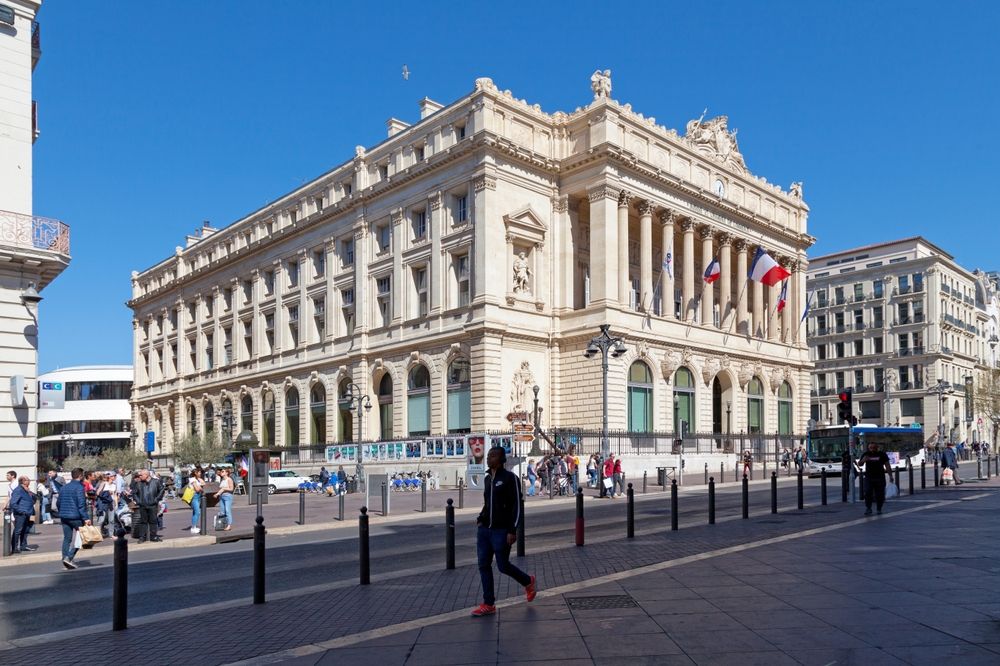
The eclectic architecture of the Canebière tells Marseille history. The Marseille Opera, rebuilt in the 19th century after a fire, displays its neoclassical facade and programs an internationally renowned lyrical season. The town hall and the Palace of Justice, remarkable white limestone buildings, stand alongside Haussmanian buildings and Art Deco edifices, witnesses to different periods of Marseille prosperity.
The neighborhood vibrates to the rhythm of its markets, notably that of Noailles which offers exotic products and Mediterranean specialties in an oriental souk atmosphere. The historic cafés, witnesses to Marseille social life, perpetuate the Provençal way of life where traditions and modernity blend. This emblematic artery constitutes an essential passage point for understanding Marseille identity and immersing oneself in its legendary authenticity.
5. Endoume and Vallon des Auffes
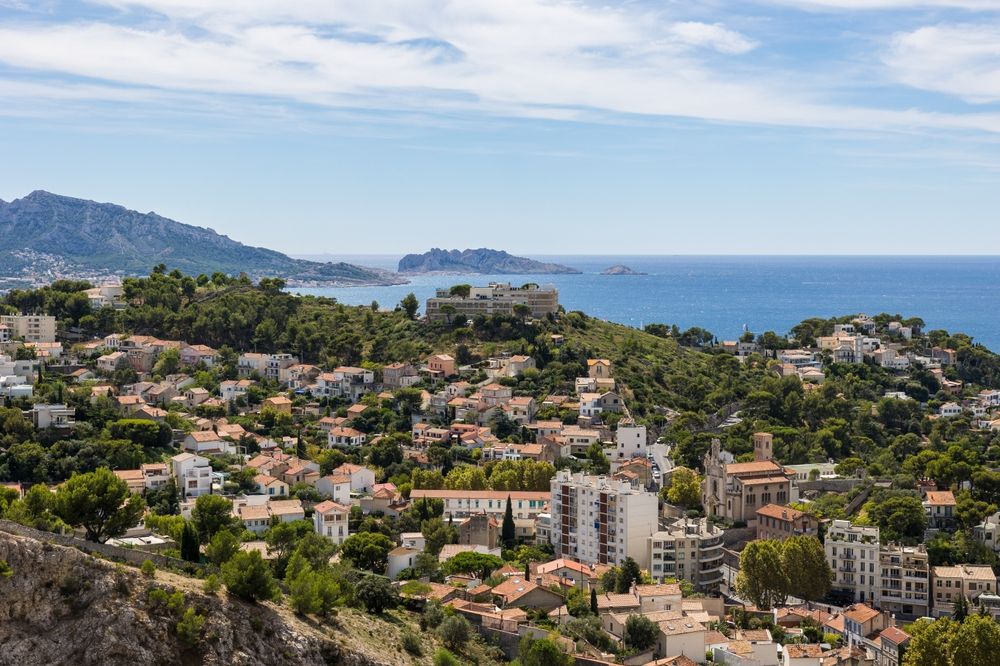
Nestled in the 7th arrondissement of Marseille, the Endoume neighborhood seduces with its preserved authenticity and exceptional panoramas over the Mediterranean. This residential sector, tiered on the hills overlooking the sea, offers a privileged living environment where Provençal traditions and Mediterranean way of life blend. The small stairway streets, bordered by villas with flowered gardens planted with olive trees, create a village atmosphere in the city.
The Vallon des Auffes constitutes the jewel of this neighborhood. This picturesque small fishing port, accessible by the corniche Président Kennedy, seems suspended between sky and sea. Its colorful cabanons, traditional boats and fish restaurants create a postcard setting appreciated by photographers worldwide. The "pointus," traditional Marseille fishing boats, perpetuate an ancestral activity in the heart of urban modernity.
The Saint-Vincent-de-Paul church, a 19th-century neo-Byzantine edifice, dominates the neighborhood with its imposing silhouette. Its mosaics and interior decoration testify to Marseille religious art. The green spaces, notably the Valmer park and its terraced gardens, offer tranquil refuges with panoramic views of the Frioul islands. This privileged situation makes Endoume one of the most sought-after neighborhoods in Marseille, where families find an exceptional living environment.
Download the audio-guided circuit to discover Marseille on foot and independently
Explore the hidden treasures of the Phocaean city thanks to our interactive audio itinerary specially designed for independent visitors. This discovery route leads you through the emblematic neighborhoods of Marseille, revealing their fascinating histories and their best-kept secrets. Download now the audio-guided circuit of Marseille and let yourself be guided by our enriching comments for an unforgettable visit experience.
6. La Joliette, neighborhood in transformation
Symbol of Marseille renewal, the La Joliette neighborhood embodies the contemporary metamorphosis of the Phocaean city. This historic port area has transformed into a modern business district while preserving its industrial heritage. The renovated old warehouses stand alongside futuristic office towers, creating a striking contrast that perfectly illustrates Marseille's capacity to reconcile tradition and modernity.
The MuCEM, architectural jewel designed by Rudy Ricciotti, constitutes the major attraction of the sector. This museum dedicated to Mediterranean civilizations offers internationally renowned temporary exhibitions in a spectacular contemporary setting. Its ultra-high-performance fibered concrete lattice creates plays of shadows and lights that evolve according to time and season, offering a permanent architectural spectacle accessible to all.
The Docks de Marseille, shopping center fitted in former 19th-century warehouses, testifies to the successful reconversion of industrial heritage. Its red brick vaults house shops, restaurants and cultural spaces, creating a lively living place on the Mediterranean shore. The maritime promenade offers exceptional viewpoints over the open sea and islands, while restaurant terraces allow savoring Marseille gastronomy facing the sea and admiring the sunset.
7. Roucas-Blanc and Notre-Dame-de-la-Garde
Perched on the heights of the 7th arrondissement, the Roucas-Blanc neighborhood offers one of the most privileged living environments in Marseille. This residential hill, whose name comes from the white color of its white limestone rocks, houses sumptuous Belle Époque villas nestled in luxuriant vegetation. The winding streets, bordered by palm trees and pine trees, create a French Riviera atmosphere in the heart of the Phocaean city.
The Notre-Dame-de-la-Garde basilica, nicknamed "La Bonne Mère" of the Marseillais, majestically crowns this hill. Erected in the 19th century in neo-Byzantine style, it offers a 360-degree panorama over Marseille, its neighborhoods, its calanques and the Mediterranean. Its remarkable architecture, its golden mosaics and its gilded Virgin statue make it one of the most visited monuments in France. The ascent on foot or by tourist train constitutes an essential passage of any Marseille visit.
Valmer park, fitted in the gardens of a former villa, offers a green break with panoramic view over Marseille bay. Its terraced gardens, its rose garden and its Mediterranean essences create a tranquil setting appreciated by walkers. The corniche Président Kennedy, which surrounds the hill, offers one of the most beautiful urban walks in Europe, connecting the Old Port to the Prado beaches in a dream setting where one can organize a picnic facing the sea.
8. Noailles, cultural kaleidoscope
True cultural kaleidoscope, the Noailles neighborhood embodies Marseille diversity in all its richness. Located between the Canebière and Cours Julien, this popular sector concentrates a mosaic of communities that make the cosmopolitan richness of Marseille. Its lively streets, its exotic shops and its restaurants from around the world create a Mediterranean souk atmosphere unique in France.
The Noailles market constitutes the beating soul of this neighborhood. Each morning, the colorful stalls offer oriental spices, tropical fruits, Mediterranean vegetables and culinary specialties from the Maghreb, sub-Saharan Africa and Asia. This profusion of flavors and scents transforms the simple daily shopping into a sensory journey around the Mediterranean basin. The vendors, often established for several generations, perpetuate a friendly commercial art typically Marseillais.
The neighborhood architecture testifies to Marseille working-class history. The 19th-century buildings, with facades sometimes weathered by time but still inhabited, stand alongside renovated edifices that attract a new population of artists and creators. This progressive mutation transforms the neighborhood identity while preserving its popular authenticity. Cultural initiatives and associations flourish, creating a dynamic of urban renewal respectful of local traditions.
9. L'Estaque, fishing village turned artists' neighborhood
Anchored in Marseille industrial history, the L'Estaque neighborhood preserves its fishing village soul despite progressive urbanization. Located in the 16th arrondissement, north of Marseille, this picturesque sector inspired the greatest impressionist and post-impressionist painters. Paul Cézanne, Auguste Renoir and Georges Braque drew their inspiration there, seduced by the exceptional quality of Mediterranean light and the beauty of marine landscapes.
The small port of L'Estaque perpetuates traditional Marseille fishing activity. Its colorful pointus, moored along the quay, create an authentic setting appreciated by contemporary artists. The port restaurants offer generous sea cuisine, where bouillabaisse and Provençal specialties are tasted facing the Mediterranean. Traditional shipyards maintain ancestral know-how in the construction and repair of fishing boats.
The Electric Plant, former power station reconverted into cultural space, symbolizes the successful reconversion of industrial heritage. Its temporary exhibitions and diversified artistic programming attract an informed public beyond Marseille borders. The Alhambra cinema, cultural institution of the neighborhood, programs art house films in an intimate setting. These cultural establishments participate in L'Estaque renewal while preserving its popular and maritime identity.
Practical guide to explore Marseille neighborhoods
How to move from one neighborhood to another?
Marseille has an excellent public transport network with metro, tramway and buses that facilitate access to different neighborhoods. The metro efficiently connects the main sectors of the city, from Saint-Charles station to the Old Port, passing through Cinq Avenues and Palais Longchamp. Tramway lines complete this network by serving peripheral neighborhoods and new urban developments.
Walking remains however the best way to discover the authentic atmosphere of each sector, particularly in the historic center where distances are short. Public fountains scattered throughout the city allow refreshing during summer walks, heritage from the era when Marcel Pagnol celebrated water in his works.
Tips for an optimal visit
For a first discovery, focus on the neighborhoods of the 1st arrondissement and adjacent sectors that concentrate most of the historical heritage. Each neighborhood has its own events and activities according to the season, notably during traditional festivals where local associations organize friendly gatherings.
Nature lovers can easily combine visiting urban neighborhoods with an escapade to the calanques, Pointe Rouge or the secret coves of Malmousque. These natural sites offer a striking contrast with urban effervescence and allow appreciating Marseille geographical diversity.
Families with children will find suitable places in each neighborhood, from playgrounds to green spaces, through sports facilities and cultural equipment. Social and generational diversity characterizes most Marseille neighborhoods, creating a friendly atmosphere conducive to encounters and discoveries.
Administrative organization and statistics
Marseille is distinguished by its unique territorial organization in the provinces. With its 16 arrondissements and its 111 official neighborhoods recorded by INSEE, the commune offers an administrative diversity reflecting its cultural richness. This municipal database facilitates public services management and accessibility to equipment in each sector.
Each arrondissement has its own sector town hall, ensuring proximity with residents and allowing local management of municipal services. This organization favors maintaining local specificities while guaranteeing urban coherence at the scale of the entire metropolis.
Architectural heritage and remarkable sites
The different Marseille neighborhoods house an impressive number of classified monuments, historic churches and cultural sites. From the Marseille History Museum to the Fine Arts Museum through the numerous contemporary art galleries, each sector contributes to the city's cultural richness.
Architecture enthusiasts will be able to admire the works of Pierre Puget, notably in the Panier neighborhood, or discover the contemporary realizations of the Dôme and the Millière. This architectural diversity testifies to Marseille urban evolution through the centuries.
Download the audio-guided circuit to discover Marseille on foot and independently
Explore the hidden treasures of the Phocaean city thanks to our interactive audio itinerary specially designed for independent visitors. This discovery route leads you through the emblematic neighborhoods of Marseille, revealing their fascinating histories and their best-kept secrets. Download now the audio-guided circuit of Marseille and let yourself be guided by our enriching comments for an unforgettable visit experience in this city where each door tells a story.
In conclusion, these emblematic neighborhoods reveal the exceptional richness of Marseille, Mediterranean metropolis with multiple facets where each sector tells part of Provençal and maritime history. From the historic Panier to the architectural innovations of La Joliette, through the preserved authenticity of L'Estaque, the Phocaean city offers a journey through centuries and cultures. This urban diversity makes Marseille an essential tourist destination, where each walk reveals new heritage and cultural treasures. To optimize your discovery of these fascinating neighborhoods, don't hesitate to use our audio-guided circuit of Marseille which will accompany you in this exceptional urban exploration.
FAQ
What is the most beautiful neighborhood in Marseille?
The Panier neighborhood is often considered the most beautiful neighborhood in Marseille due to its historical authenticity and picturesque charm. Its cobbled streets, colorful facades and exceptional architectural heritage make it a must-see of any Marseille visit. This oldest neighborhood of Marseille also offers numerous cultural sites and remarkable viewpoints over the Old Port.
What are the 111 neighborhoods of Marseille?
Marseille officially has 111 neighborhoods distributed across 16 arrondissements according to the territorial division established by decree. This list includes famous neighborhoods like the Panier, Noailles, Cinq Avenues, Saint-Victor, Saint-Antoine, la Blancarde, Château Gombert, la Valentine, les Goudes, Montredon, Vaufrèges, Camoins, la Pomme, Saint-Marcel, Montolivet, Longchamp, Saint-Louis, la Madrague, Sainte-Marthe, Menpenti, Malmousque, and many other authentic Marseille neighborhoods.
How to move between different neighborhoods of Marseille?
Marseille has an excellent public transport network with metro, tramway and buses that ensure good circulation between neighborhoods. The metro efficiently connects the main sectors, while bus lines serve the entire communal territory. Walking remains the best way to discover the authentic atmosphere of each sector, notably in the historic center where distances are short and where one can admire the architecture and details of each neighborhood.
How much time is needed to visit Marseille neighborhoods?
A complete visit to the main neighborhoods of Marseille requires at least 2 to 3 days. One day can suffice to discover the Panier and the Old Port, while a second day will allow exploring Notre-Dame-de-la-Garde, Endoume and the Corniche. For an in-depth discovery including more outlying neighborhoods like L'Estaque, La Joliette or residential sectors, count a full week to grasp all the richness and diversity of this city of Provence.
Which neighborhoods of Marseille to avoid for tourists?
The tourist neighborhoods of the city center like the Old Port, the Panier, the Canebière and Notre-Dame-de-la-Garde are perfectly safe for visitors. It is simply advisable to exercise usual caution in certain sectors of the northern neighborhoods, particularly in the evening. Law enforcement and the municipality ensure reinforced security in main tourist areas where most cultural and historic sites of interest are concentrated.