
Créé par Emilie, le 20 juin 2026
Votre guide Ryo
20 Must-Do Things in Landes in 2026
© Shutterstock
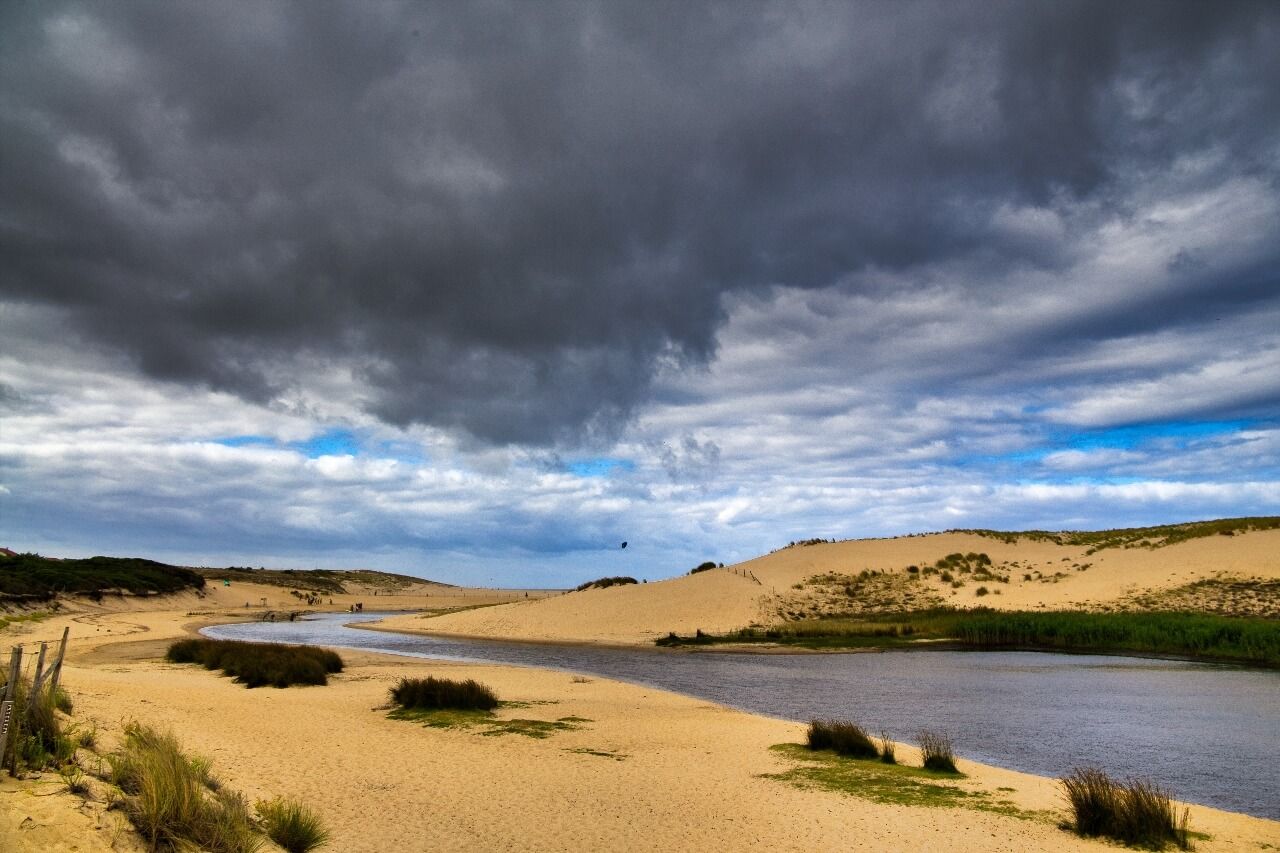
The Landes department fools everyone. We imagine it flat, forested, monotonous, and end up leaving promising to return. 1 million hectares of pine forest planted in the 19th century on Napoleon III's orders, 106 kilometers of wild beaches without development, lakes some of which exceed 3,000 hectares, Gascon villages that the centuries have barely touched. Whether you're looking to know what to do in Landes this weekend, with family, in the rain or under the July sun, the answer goes far beyond surfing and camping. The Ryo audio guide tour of Mont-de-Marsan offers a good entry point into the prefecture before radiating towards the coast, Chalosse and Marsan.
A steam train leads to an open-air museum recreating the life of 19th-century resin workers. The Dax festivals attract several hundred thousand people in five days to a city of 22,000 inhabitants. The courant d'Huchet, a river invaded by giant water lilies and mimosas, has been compared to the Amazon by biologist Jean Rostand. Landaise racing, where cows remain alive and where men's skill is judged, is inscribed in French intangible cultural heritage. These twenty must-sees cover every corner of the department, every season, every type of traveler.
1. Surf at Hossegor, the World Capital of Waves
Hossegor deserves its title as European surfing capital without any complacency. The underwater canyon of Capbreton, a trench carved several thousand meters below the Atlantic, generates an exceptionally regular swell rise. The waves break on sandbanks, creating tubes comparable to those of Hawaii or legendary Chilean spots.
Every late September, the Quiksilver Festival (spread across Capbreton, Hossegor and Seignosse) brings together several of the world's best surfers, former WSL circuit glories and emerging talents. It's free to watch from the beach, one of the best sporting experiences accessible without a ticket in southwestern France. Surf schools are numerous between June and October, with lessons from age 7. Avoid baïne bottoms (underwater pits) marked by orange flags: they create powerful return currents even in calm seas. The beaches of Hossegor, Seignosse-le-Penon and la Gravière are supervised in season.
Hossegor also deserves a walk away from the water: its Basque-Landais villas from 1925-1935 constitute a listed architectural ensemble, with their white half-timbering, pointed roofs and tamarisk gardens. Lake Hossegor, in direct communication with the ocean, hosts seabirds just meters from café terraces.
2. Take the Steam Train to Écomusée de Marquèze
The Écomusée de Marquèze (D44, 40630 Sabres, rated 4.5/5 on Google for 4,023 reviews), in Sabres, is perhaps the most unique site in Landes. You can only access it by tourist train from Sabres station, there is no road or footpath leading to the site. This deliberate choice breaks continuity with the contemporary world before even arriving.
Over 25 hectares of forest and open moorland, the ecomuseum reconstructs a Landais living quarter from the 19th century: resin worker houses on stilts, windmill, sheepfold, bread oven, vegetable garden cultivated with period varieties. Costumed guides animate demonstrations, resin production from tapped pines, grain threshing, wool spinning, forest breeding using century-old techniques. Children remain captivated; adults often leave with the feeling of having understood where the pine forest that has surrounded them since their arrival in the department comes from.
The site is open from April to late September, with a train running approximately every 40 minutes from the old Sabres station. Count around €6.50 for adults and €5.50 for 4-17 year olds (2026 prices, access train included). The visit lasts 2 to 3 hours depending on your curiosity. One piece of advice: bring closed shoes, the moorland ground is sandy and uneven.
3. Navigate the Courant d'Huchet
Jean Rostand, the biologist who had his research house in Hossegor, had baptized it "little Amazon". The courant d'Huchet connects Lake Léon to the Atlantic Ocean over 10 kilometers of meanders invaded by stunning vegetation: giant water lilies, magnolias, mimosas, orchids, alder roots plunging into water that is both translucent and black.
The boat descent from Léon takes about 3 hours. Local boatmen offer guided trips from April to September, with naturalist commentary on the wildlife encountered: otters, grey herons, beavers, kingfishers. The National Nature Reserve protects 900 hectares of this unique ecological corridor. Independent kayak trips are regulated and require prior authorization. Book 48 hours in advance in July-August, trips fill up quickly.
4. Relax at the Thermal Baths of Dax
Dax is France's leading thermal spa resort by number of spa guests: nearly 60,000 stays per year, for rheumatology and phlebology treatments recognized by Social Security. The water springs naturally at 64°C from the Fontaine Chaude, a downtown basin established on ancient Roman baths that were already exploited in Antiquity.
Medical treatment is not mandatory to enjoy the thermal baths. Several establishments offer wellness days with free access: hot baths, thermal mud ("péloïde"), affusion massages. The Thermes Splendid and Thermes du Lac are the most accessible to non-spa visitor. Count €40 to €80 for a half-day with treatments. Outside feria and July-August, queues are reasonable and prices less inflated by demand.
Dax is also worth visiting for its historic center: Notre-Dame Cathedral, the Musée de Borda with its Gallo-Roman collections, pedestrian streets lined with plane trees, the covered market. The city is a historic stop on the Santiago de Compostela pilgrimage route (Via Turonensis).
5. Attend a Landais Feria
Ferias are not a tourist show: they organize the social and emotional calendar of an entire region. The Dax Festival (mid-August, five days) attracts several hundred thousand visitors each year to a city of 22,000 inhabitants. The Fêtes de la Madeleine in Mont-de-Marsan (mid-July, five days) rival in intensity and nighttime atmosphere.
The streets are covered in white and red, bandas (wind and percussion orchestras) play non-stop from morning to the heart of the night, bodegas serve wine at prices defying competition. Bullfighting coexists with course landaise: in this regional specialty, dodgers face cows without injuring them, judged on their skill in dodging charges within centimeters of their body. Book your accommodation six to eight months in advance, hotels within a 40 km radius are fully booked from February for feria dates.
6. Discover Mont-de-Marsan, the Unknown Prefecture
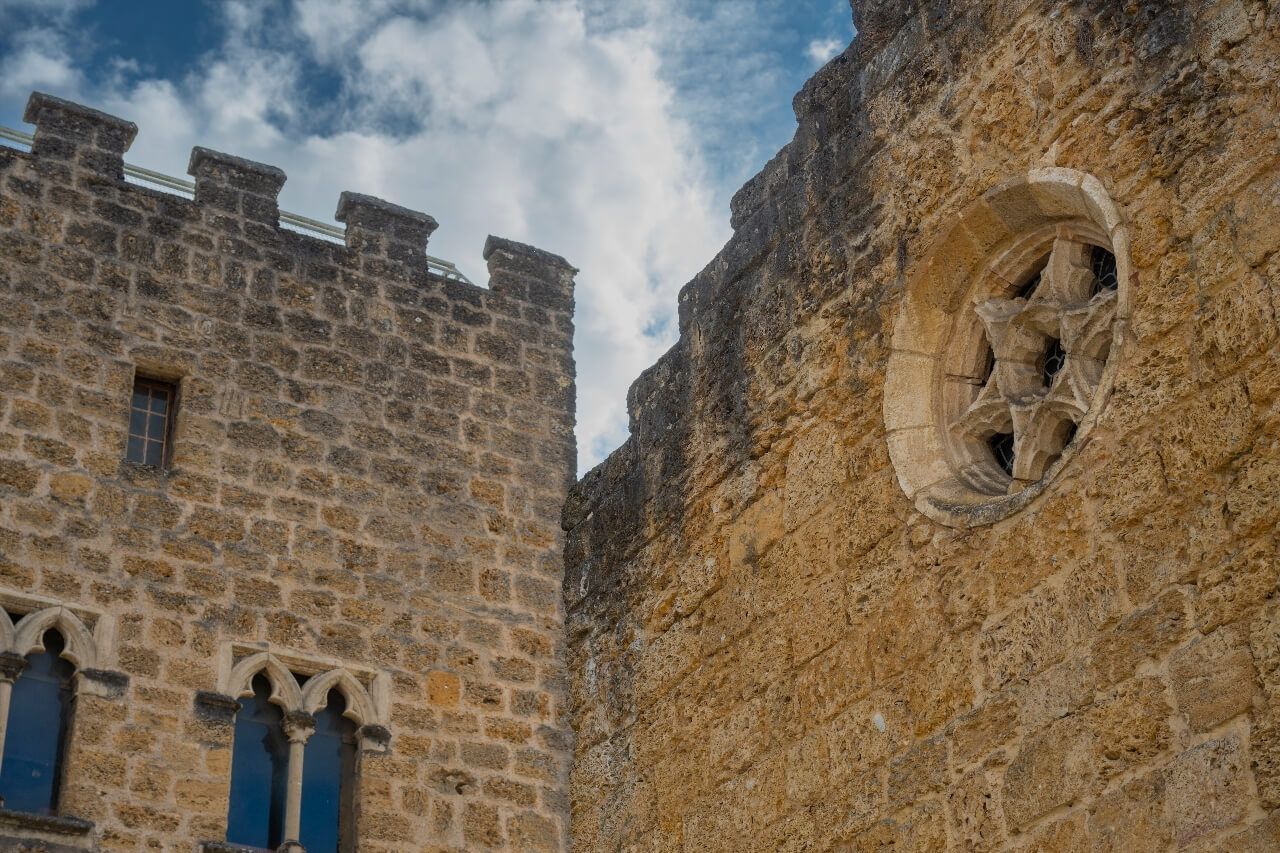
Mont-de-Marsan surprises. At 30,000 inhabitants, the prefecture concentrates a cultural life you wouldn't expect: the Musée Despiau-Wlérick (6 place Marguerite de Navarre, 40000 Mont-de-Marsan, rated 4/5 on Google for 119 reviews), housed in a 14th-century keep, is a museum dedicated to French figurative sculpture from the first half of the 20th century. Its collections include numerous pieces by Charles Despiau, a local son and collaborator of Rodin.
The Midouze, born from the confluence of the Midou and Douze, draws a meander at the foot of the old quarters. The quays offer walks for several kilometers, with century-old plane trees and old facades from the old town. To structure the visit, the Ryo audio guide The City of Three Rivers covers 2.1 km in one hour with 20 audio points: ideal for a morning before heading back to the coast or Chalosse.
7. Cycle on the Vélodyssée
The Vélodyssée (EuroVelo 1) connects Roscoff to Hendaye over 1,250 km along the Atlantic. The Landais section, from Gironde to the Basque border, crosses the pine forest and coastal lakes over more than 200 km of dedicated cycle paths.
It's one of the most pleasant segments of the coastal route: flat terrain, natural shade from maritime pines, passages by the great beaches and interior lakes. The three lakes loop (Biscarrosse Nord, Parentis-en-Born, Cazaux-Sanguinet) is 70 km, a day for a beginner cyclist, half a day for a regular. Electric bike rentals are present in all stage cities, from Mimizan to Capbreton. Count €20 to €35 per day with safety equipment included.
The Mimizan-Contis section (22 km) is the most accessible for a day trip: flat, shaded, with beach access every 4-5 km and bakeries along the way.
8. Swim in Lake Biscarrosse
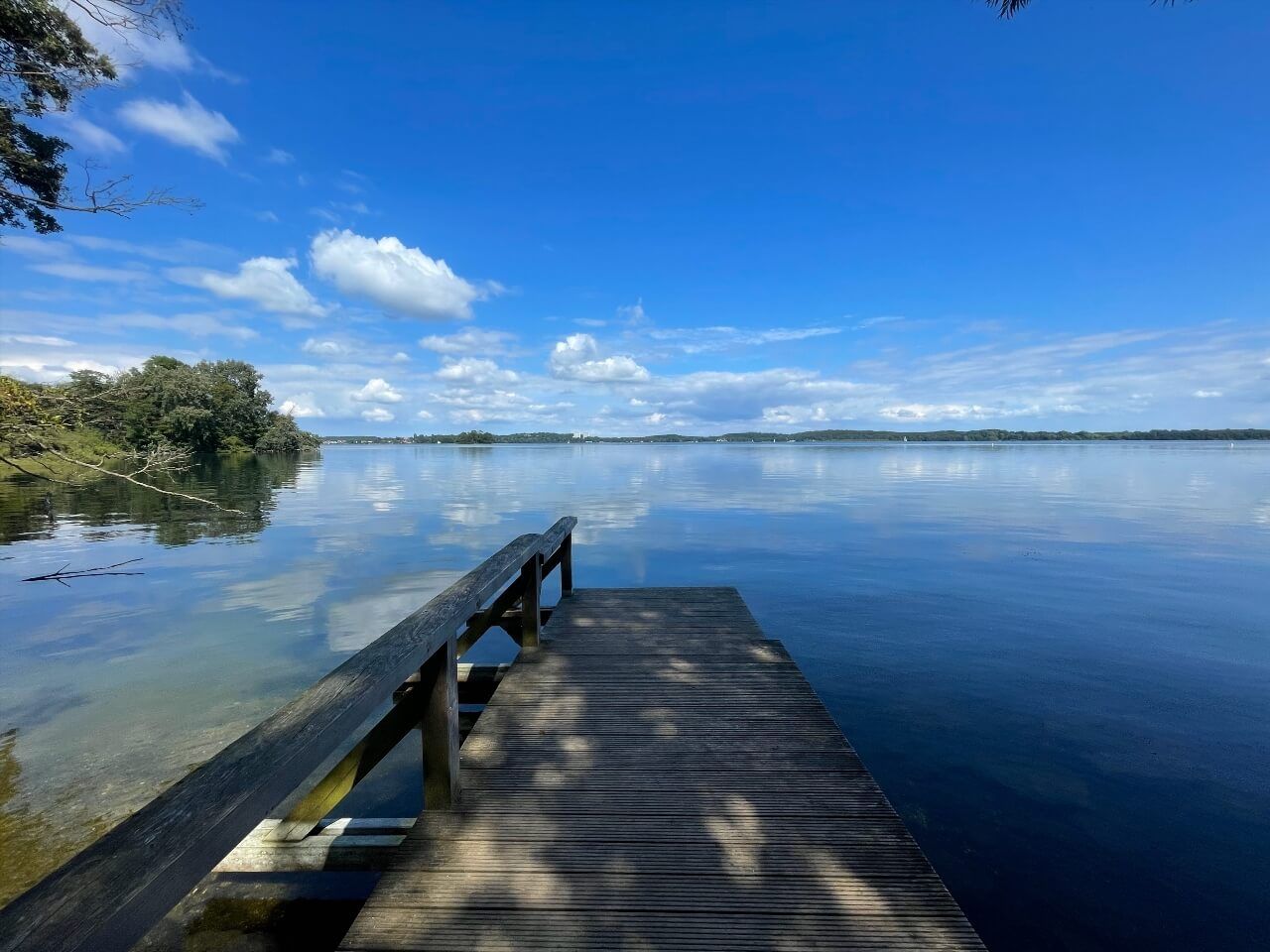
Lake Biscarrosse Nord (Plage de Navarrosse, 40600 Biscarrosse, rated 4.5/5 on Google for 714 reviews) is one of France's largest freshwater lakes with 3,940 hectares. Its temperature regularly exceeds 25°C in July-August, well above the Atlantic's 18-20°C in the same period. It's a serious alternative to the ocean for families with young children.
The Navarrosse leisure base rents pedal boats, windsurfs, kayaks and catamarans by the day. The eastern shores are supervised in season, the western banks remain wild. Lakeside restaurants serve mussels and crayfish. Avoid July weekends for parking: the lake is saturated and the official parking lot full from 10am. Biscarrosse-Plage, 6 km on the Atlantic side, offers surfing and waves for those who prefer the ocean.
9. Visit Labastide-d'Armagnac
You must leave the main roads to find Labastide-d'Armagnac, but the village is worth every kilometer of detour. Its Royal Square with arcades, built in the 13th century, is one of the best preserved in Gascony. Local tradition claims it inspired Place des Vosges in Paris, historians nuance this, but the atmosphere is indeed striking.
Two curiosities complete the visit. The Chapel of Notre-Dame des Cyclistes (1959) is one of the very first sanctuaries dedicated to cyclists: Tour de France champion jerseys and historic bikes are suspended under the vaults, a surprising mix of sacred and sport. And the village is one of the gateways to Bas-Armagnac, France's oldest brandy, distilled in neighboring vineyards since the 15th century. Several estates open their cellars to visitors without prior appointment.
10. Observe Common Cranes at Arjuzanx
The former lignite mine of Arjuzanx has transformed into one of France's most remarkable ornithological reserves. Each winter, from autumn until February, several tens of thousands of common cranes stop here or winter during their migration. The spectacle of their dawn takeoff, a dull rumble, a grey cloud swirling in the pink sky, is unforgettable.
Access to the reserve surroundings is free, via marked trails and wooden observatories. Information panels indicate the count of birds recently observed. In winter, the reserve also hosts thousands of whistling ducks, shelducks and mergansers. Bring binoculars and warm clothes: moorland humidity penetrates quickly even in dry weather.
11. Explore the Forest of the Regional Natural Park
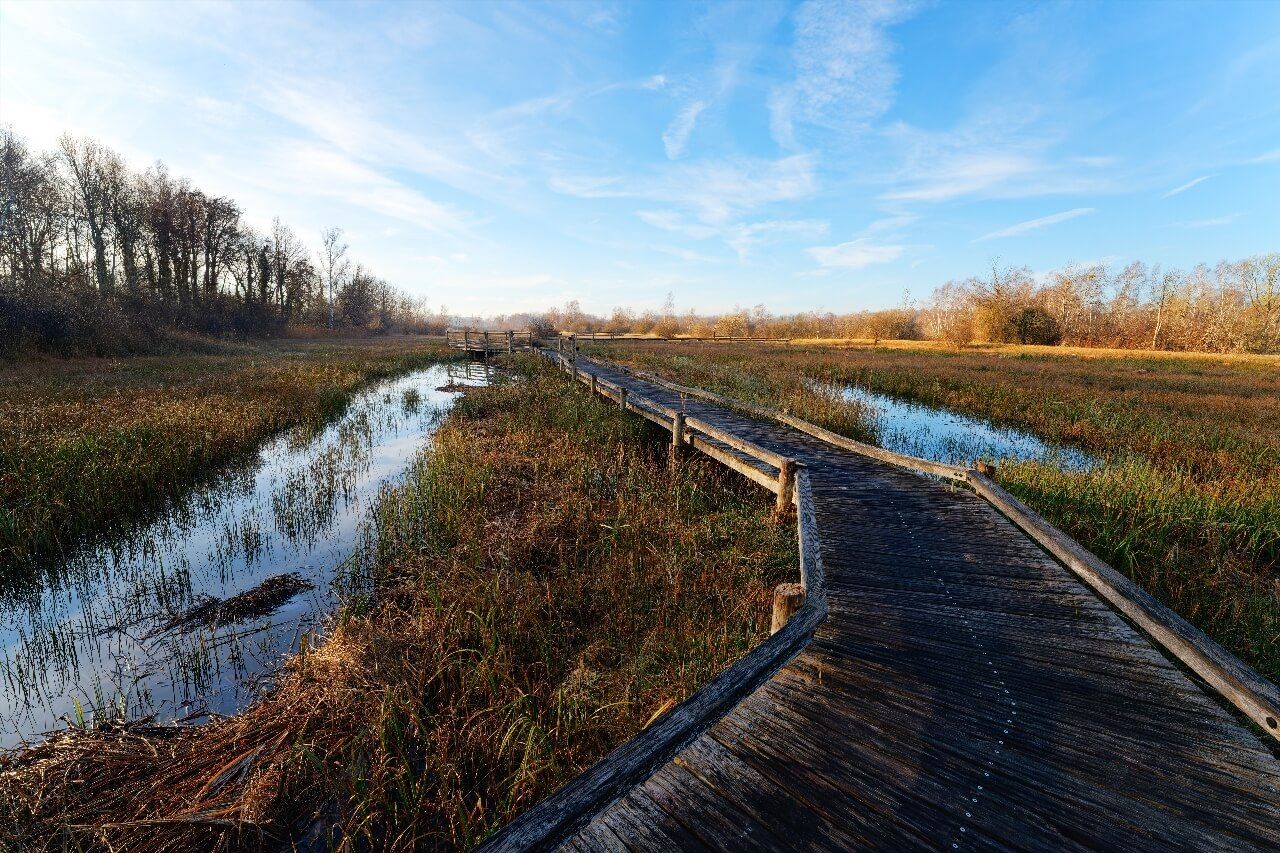
The Regional Natural Park of Landes de Gascogne covers more than 300,000 hectares straddling Gironde and Landes. Its deciduous forests, peat bogs and wet heaths contrast with the cultivated pine forest that dominates the department. This is where biodiversity expresses itself most fully, with wild orchids, sundews (carnivorous plants) in the peat bogs, nocturnal bats in the woods.
The Park House in Belin-Béliet organizes guided naturalist trips suitable for all levels. The trails around Pissos offer marked routes from 5 to 25 km. In autumn, mushroom pickers invest the paths from dawn, many plots are private, inquire before straying from the trails. The park is also the gateway to Écomusée de Marquèze and kayaking down the Leyre.
12. Kayak Down the Leyre
The Leyre is the main watercourse of the Regional Natural Park. It winds for about a hundred kilometers between white sand banks and dense alder groves, before joining the Arcachon Basin. In places, the water is so clear you can distinguish the bottom at two meters depth, undulating aquatic grasses populated by crayfish and young pike.
Several nautical bases offer rentals for descents from one hour to several days. The Pissos-Moustey section is one of the wildest, with banks practically virgin of any construction. Swimming is allowed at several points. Bring a waterproof bag, sunscreen and a water bottle. Upstream return is not possible independently: nautical bases organize return shuttles.
13. Discover the Mont-de-Marsan Arena
The Arènes du Plumaçon (Avenue des Arènes, 40000 Mont-de-Marsan, rated 4.3/5 on Google for 763 reviews) in Mont-de-Marsan are protected as historic monuments, a rare status for French bullfighting arenas. Their reinforced concrete architecture, inherited from the 20th century, is an example of heritage we don't protect enough.
The arena comes alive each July for the Fêtes de la Madeleine, several days of feria with bullfights and landaise racing. Outside festival periods, their surroundings can be freely explored. But the real reason to be interested in the arena is course landaise itself: a spectator sport incomprehensible at first glance and fascinating at second. The jury notes the quality of each dodge, within centimeters of a roped cow's charge, with the precision of gymnastics judges. Mont-de-Marsan regularly hosts French Championship stages in summer.
14. Taste Armagnac in Chalosse Cellars
Armagnac has been distilled in Gascony since the 15th century, well before cognac established itself in Poitou-Charentes: it's France's oldest brandy. The distinction is important: armagnac traditionally uses a continuous still (the "Armagnac alembic"), unlike cognac's double distillation in a pot still, which gives it a more rustic, more complex aromatic profile that enthusiasts love.
The Gabarret and Labastide-d'Armagnac area concentrates small artisanal producers open without appointment. A comparative tasting between young armagnac (3 years), VSOP (minimum 5 years) and hors d'âge (10 years and more) reveals a striking aromatic progression: vanilla and dried fruits on the young, prunes and nuts on the VSOP, leather and tobacco on the hors d'âge. Count €8 to €15 for a one-hour guided cellar tasting. Domaine de Tariquet (32800 Eauze, rated 4/5 on Google for 268 reviews) in Eauze (about thirty minutes from Labastide) is the most visited and best equipped for groups.
15. Walk in Capbreton and on the Estacade
Capbreton is the only commune in Landes with a real working fishing port. The fish market operates regularly: sea bass, tuna, sole and sardines land at night and leave at dawn for regional restaurants. Several fishmongers by the port offer the catch of the day at direct-from-fisherman prices.
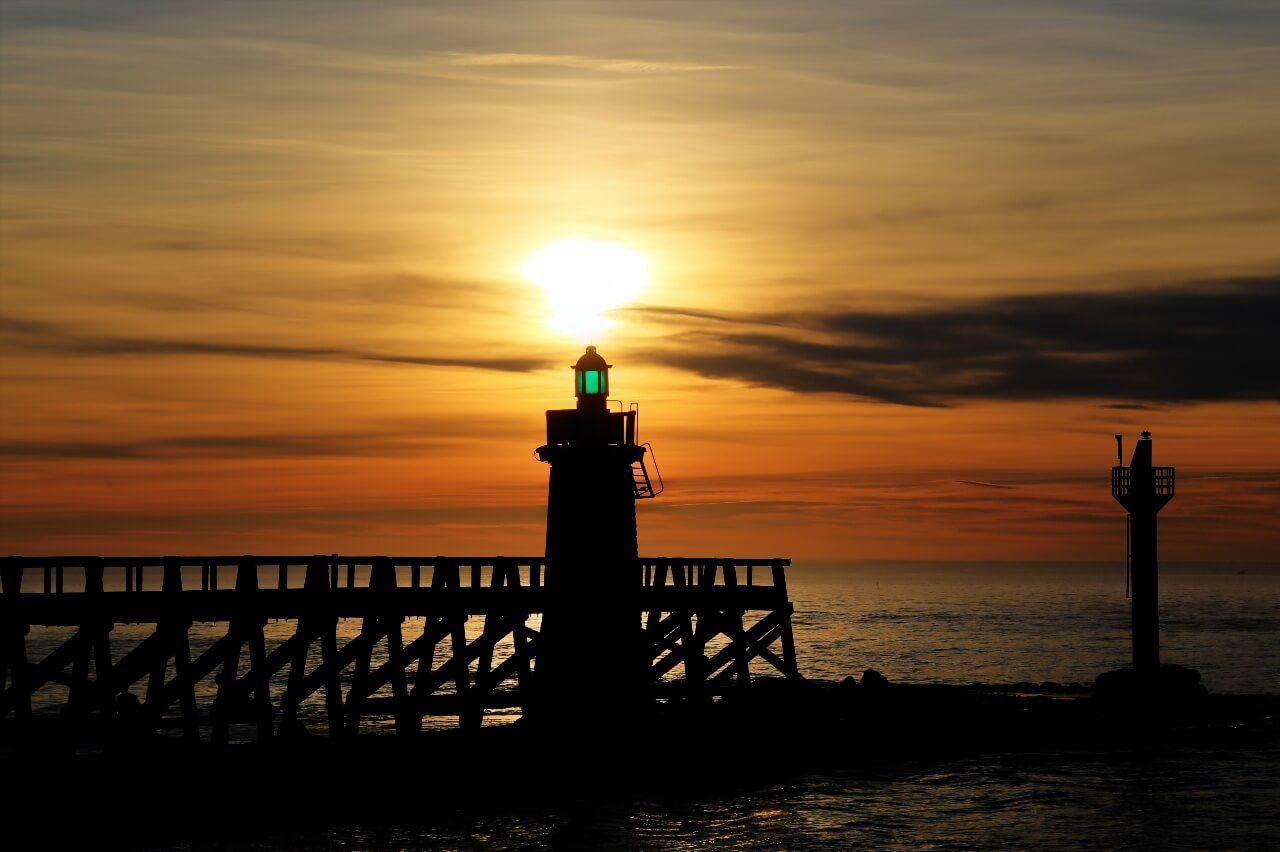
The Estacade, a long wooden jetty extending into the Atlantic, is the city's emblematic promenade. In westerly winds, waves pass over the planks and splash walkers. Sea trips leave from the port for dolphin watching, common dolphins present in the Bay of Biscay waters between spring and autumn. Capbreton combines naturally with Hossegor and Seignosse for a complete coastal day.
16. Hike in the Courant d'Huchet Nature Reserve
Beyond the boat trip, the National Nature Reserve of courant d'Huchet offers hiking trails over its 900 hectares of coastal scrubland, wooded dunes and wetlands. The routes allow observation of cork oaks and tree heathers in a coastal environment rare in France.
The hike around the reserve from Léon is about 12 km with almost no elevation gain. You regularly spot grebes, herons and, in autumn, migratory birds. The trail follows the current on certain sections: reflections of vegetation in the black water are photographable at any time of day. Bring good shoes: some passages are muddy even in summer.
17. Visit Eugénie-les-Bains
Eugénie-les-Bains is one of those villages of a few hundred inhabitants that are talked about in gastronomic magazines worldwide. This is where Michel Guérard, three Michelin-starred chef and inventor of "cuisine minceur", established his Prés d'Eugénie. The village owes its name to Empress Eugénie, wife of Napoleon III, who contributed to its thermal development under the Second Empire.
Even without booking at the gastronomic table, the village is worth the detour. La Ferme aux Grives, Guérard house's second table, more affordable, serves generous Gascon cuisine in a renovated farm setting. The village market, thermal waters that already treated spa guests under the Second Empire, the English gardens of Prés d'Eugénie, everything composes a timeless getaway. Combine with a visit to nearby armagnac cellars.
18. Climb the Dune du Pilat
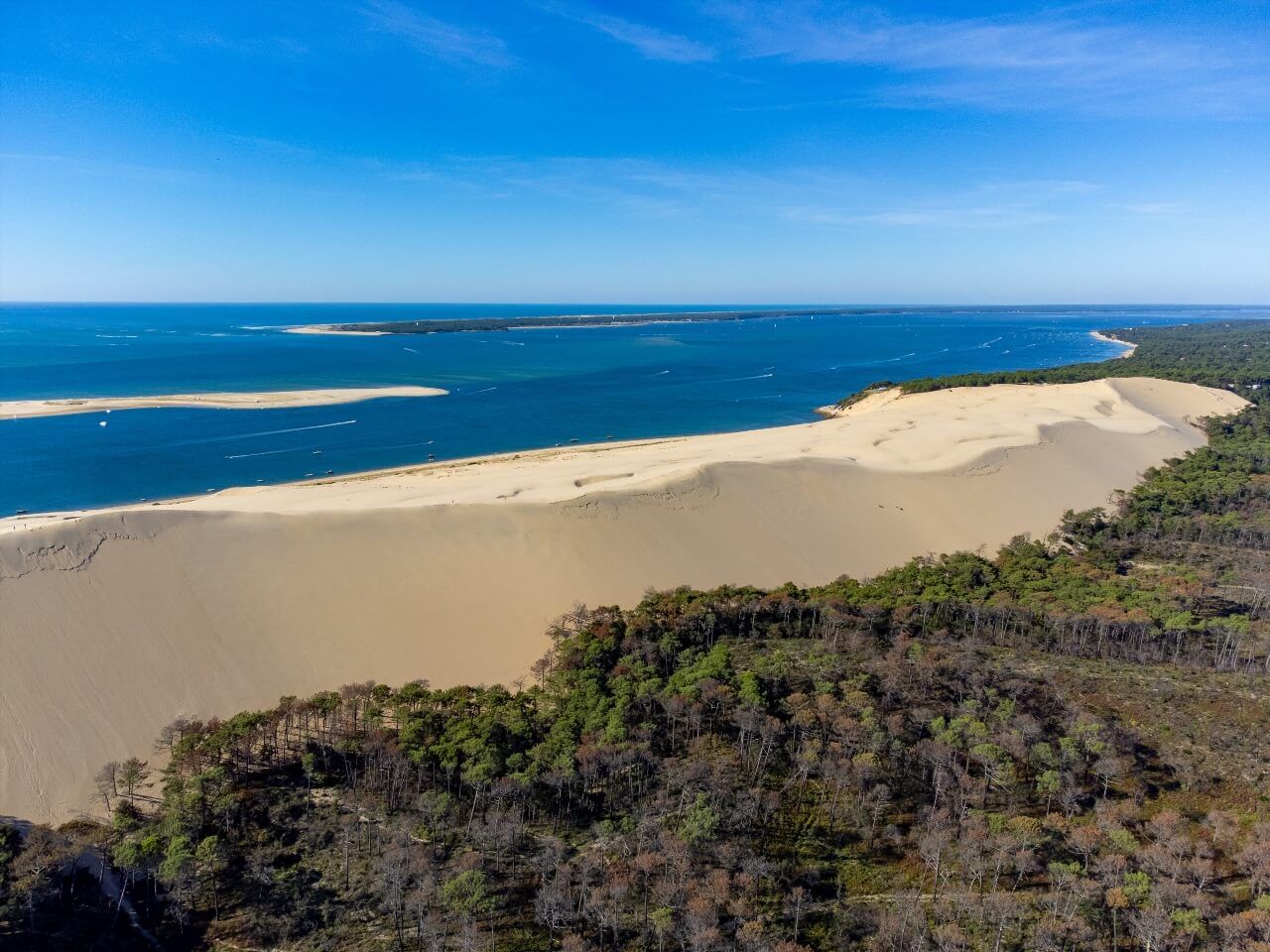
Strictly speaking, the Dune du Pilat is located in Gironde, but the Landais readily claim it and it's naturally visited from Biscarrosse or Arcachon. With a height of about 100 meters (variable from year to year) and nearly 3 km long, it's Europe's highest dune.
It advances several meters per year toward the forest, swallowing pines and fences in its wake. From the summit, the panorama over the Arcachon Basin and Atlantic is exceptional. Arrive before 9am to avoid crowds and enjoy photographic quality light. The official parking is paid. The climb via the north side stairs takes 10-15 minutes at good pace; the descent on the pine forest side is quick and fun.
19. Wellness Stay in Seignosse
Seignosse closes the golden triangle of the Landais coast (with Hossegor and Capbreton) without repeating its neighbors. Its southwest-facing beaches receive longer and more regular swells in autumn and spring. The commune has developed a distinctive wellness offer: sunrise ocean-facing yoga, spas integrated in charming forest hotels, meditation retreats among the pines.
The Tube, Seignosse-le-Penon beach, is one of intermediate surfers' favorites in summer. La Guinguette du Tube, seasonal bar open from mid-May to late September, has become an essential meeting place for locals on Saturday evenings with concerts and long tables. Walking access from Estagnot parking, 10 minutes through the dunes.
20. Explore the Medieval Village of Pimbo
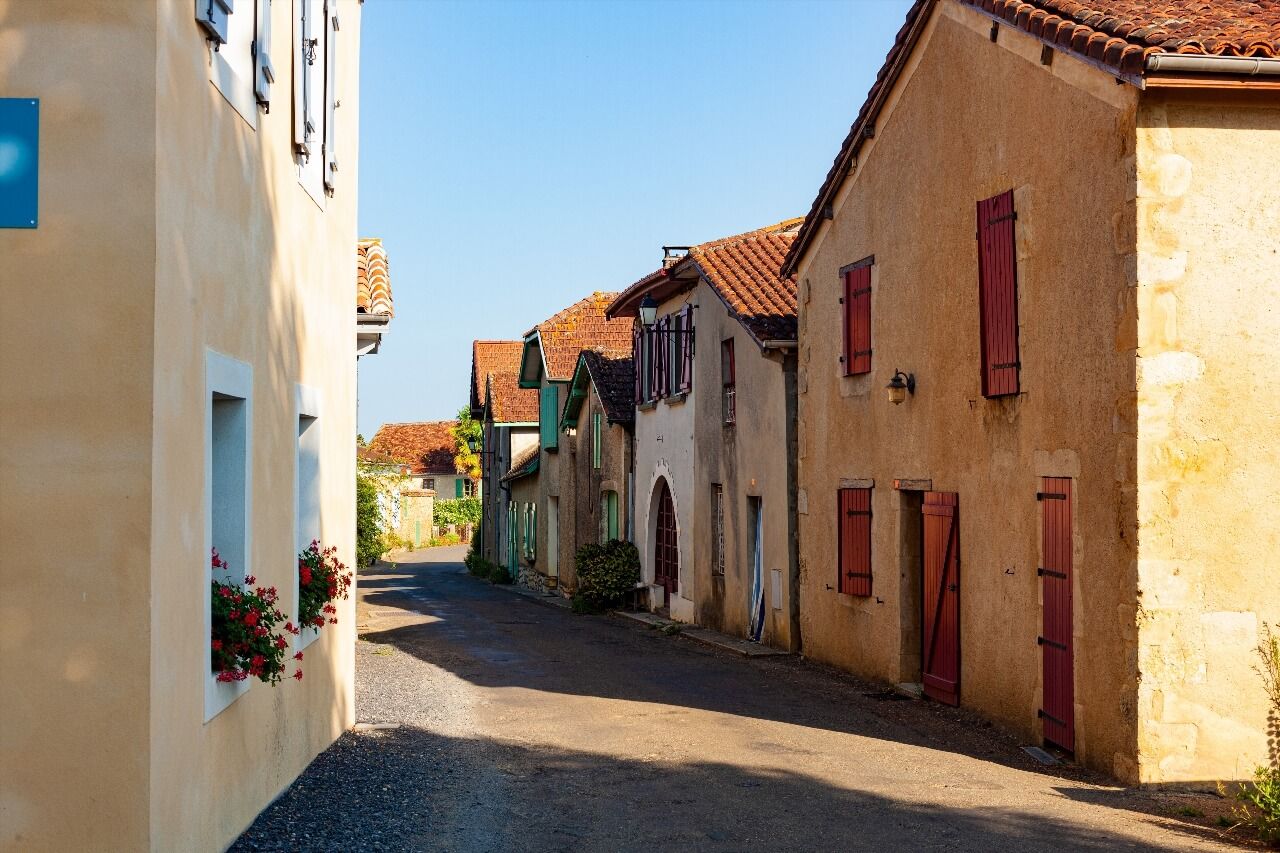
Pimbo is a medieval bastide perched on a Chalosse spur, labeled "Most Beautiful Villages of France". With fewer than 200 inhabitants, it's one of the smallest villages in the national label, and one of the best preserved in the region: no plastic souvenir shops, no tourist bus flows. Founded in 1268, it's reputed to be the oldest bastide in Landes.
The Romanesque collegiate church and old houses lining the main street justify the detour. The village is structured as a street-bastide, framed by the collegiate on one side and the site of the former castle on the other, a characteristic form of Gascon medieval foundations. The visit lasts 45 minutes to an hour. Integrate Pimbo in a circuit with Labastide-d'Armagnac and an armagnac cellar for a coherent Chalosse day, far from beaches and coastal forest.
FAQ
What is the best time to visit Landes?
The month of June offers the best compromise: temperatures of 22-25°C, pleasant lakes, beaches still accessible without crowds, accommodations available at normal prices. July-August guarantees sunshine but multiplies prices and queues. September extends summer with still warm seas and deserted beaches. And if the ferias are over, autumn (October to November) remains ### What to do in Landes with children?
Landes is particularly suitable for families. The Écomusée de Marquèze and its steam train captivate children from 6-7 years old. The lakes of Biscarrosse, Soustons and Hossegor offer calm and supervised bathing, more reassuring than the Atlantic for little ones. The Vélodyssée, with electric bikes available, works from 8-9 years old. Natural reserves like Arjuzanx and the courant d'Huchet offer landscape readings accessible to all.
What to do in Landes when it rains?
Landes receives an oceanic climate generous in rain. In overcast weather: the thermal baths of Dax (indoor treatments), the Musée Despiau-Wlérick in Mont-de-Marsan, the Musée de Borda (Gallo-Roman collections), armagnac cellars in Chalosse, the Écomusée de Marquèze (covered buildings). The covered markets of Dax and Mont-de-Marsan regain all their intensity off season. A rainy weekend in November in Landes can become a first-class gastronomic experience.
How to get around Landes without a car?
This is the main challenge. The TGV Bordeaux-Dax-Bayonne serves the major cities (Dax 50 minutes from Bordeaux Saint-Jean). Regional buses connect the main towns. For the interior of the department, the Vélodyssée and its local ramifications constitute the best alternative, with electric bike rentals in all stage cities. Lakes, medieval villages and village arenas remain difficult to access without a car.
Is Landes accessible from Bordeaux for a day trip?
Yes, for several destinations. Biscarrosse is about 1h15 from Bordeaux, Dax 1h30, Mont-de-Marsan 1h45. The Dune du Pilat (technically in Gironde) is 50 minutes away. By train, Dax is 50 minutes by TGV. Recommended strategy: target one sector per day (coast or Chalosse or Marsan), leave early, avoid returns on Sunday evening in July-August.
Which medieval villages to visit in Landes?
Labastide-d'Armagnac and its 13th-century royal square, Pimbo (labeled Most Beautiful Villages of France), Saint-Sever with its Romanesque abbey church inscribed on UNESCO World Heritage as part of the Santiago de Compostela pilgrim routes, Grenade-sur-l'Adour with its medieval arcades along the Adour. These four villages combine in a loop of about a hundred kilometers in the southeast of the department.
Key Takeaways for Your Stay in Landes
Landes reveals itself layer by layer: the Atlantic coast first, then the lakes and interior currents, then the Gascon villages and armagnac cellars, finally the nature reserves that marked itineraries don't always signal. Twenty sites aren't enough to exhaust a territory of 9,243 km², but they give structure to your exploration and avoid missing the essential.
For an exploration of Mont-de-Marsan before radiating through the department, the Ryocity Mont-de-Marsan The City of Three Rivers is a calibrated starting point: 20 audio stops, 2.1 km on foot, one hour to understand the prefecture before hitting the road. Our Ryo app works offline once the route is downloaded, practical in the no-network zones you'll inevitably encounter in the Landais forest.