
Créé par Romane, le 4 juin 2026
Votre guide Ryo
20 excursions to do around Montpellier
© Shutterstock
Montpellier, nicknamed the "Gifted One", offers privileged access to some of the most beautiful destinations in Languedoc and the Occitanie region. Whether you wish to discover medieval villages, exceptional natural sites or cities of art and history, there's no shortage of excursions around Montpellier to enrich your stay. Here's our selection of the 20 best excursions to do around Montpellier to discover the treasures of this magnificent region.
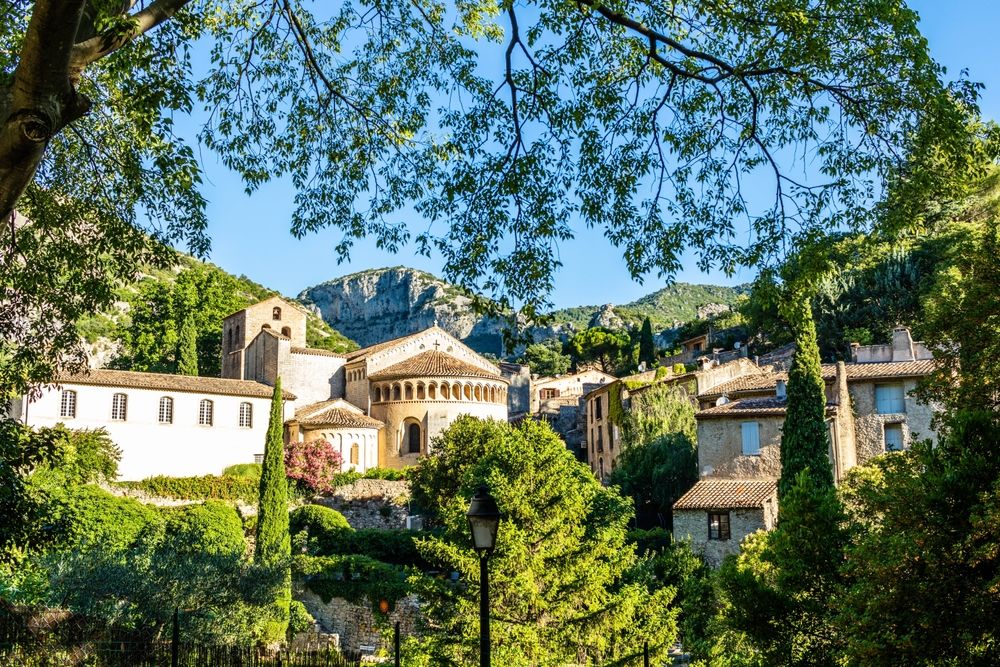
1. Saint-Guilhem-le-Désert: medieval jewel and world heritage
40 kilometers from Montpellier, Saint-Guilhem-le-Désert is the must-do excursion to discover one of the Most Beautiful Villages of France. Classified as a UNESCO World Heritage site, this medieval village charms with its Gellone Abbey, its cobbled streets and its exceptional setting in the heart of the Hérault gorges.
The visit of Saint-Guilhem-le-Désert takes you through its preserved historic center, with its blonde stone houses typical of Hérault. The Gellone Abbey, founded in the 9th century, remains the flagship monument to discover, with its church and vestiges of the Romanesque cloister. Don't miss the famous waterfall that flows peacefully in the heart of the village.
Download the audio-guided circuit to discover Montpellier on foot and independently
To enrich your discovery of the region, we recommend you start by exploring Montpellier with our audio-guided circuit of Montpellier. This 19-stage route takes you to discover the must-sees of the "Gifted One", from Place de la Comédie to Promenade du Peyrou, passing through l'Écusson and Saint-Pierre Cathedral. Let yourself be guided in your visit of Montpellier thanks to this optimized Ryo itinerary which reveals all the secrets of this dynamic city.
Practical information: 45 minutes by car from Montpellier. Possibility of guided tours and hikes in the surrounding gorges.
2. Sète: the Venice of Languedoc and its canals
Nicknamed the "Venice of Languedoc", Sète is located just 30 kilometers from Montpellier and makes a perfect day trip. This unique port city charms with its canals, authentic fishing port and ancestral maritime traditions.
The ascent of Mont Saint-Clair offers an exceptional panorama over the city, the Thau lagoon and the Mediterranean Sea. The marine cemetery, made famous by Paul Valéry, is a place of contemplation steeped in history. Culture lovers will appreciate the Georges Brassens Space, dedicated to the famous singer native to the city.
The port of Sète, the first fishing port in the French Mediterranean, allows you to discover the authenticity of Languedoc maritime life. Water jousting, a centuries-old tradition, regularly animates the canals during summer festivities.
Practical information: Accessible by train (33 minutes) or by car (35 minutes). Daily market and many local specialty restaurants.
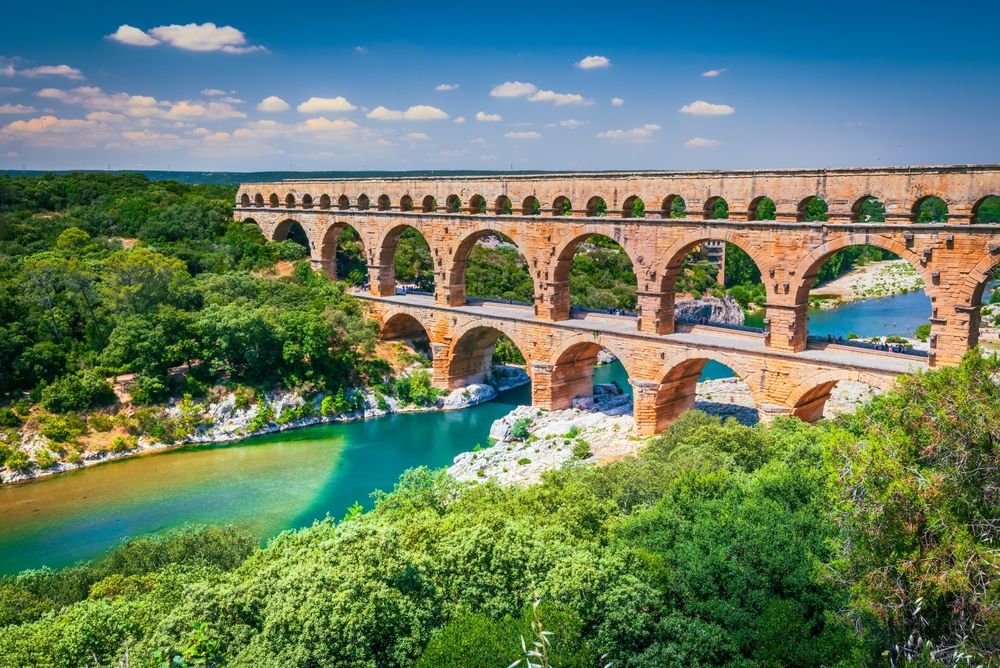
3. Nîmes and the Pont du Gard: immersion in ancient Rome
The excursion to Nîmes and the Pont du Gard transports you 2000 years back in time, to the era of Roman Gaul. 56 kilometers from Montpellier, Nîmes presents one of the best preserved ancient heritages in Europe with its emblematic monuments.
The Nîmes Arena, remarkably preserved Roman amphitheater, still hosts shows and bullfights today. The Maison Carrée, intact Roman temple, is a unique example of ancient architecture. The Museum of Romanity perfectly completes the visit by presenting archaeological collections from the region.
The Pont du Gard, 20 minutes from Nîmes, represents the masterpiece of Roman engineering. This 49-meter high aqueduct, classified as a UNESCO World Heritage site, testifies to the architectural genius of the time. The site also offers family activities and a modern museum.
Practical information: Accessible by train (24 minutes) or by car (55 minutes). Guided tours available. Free entry to Pont du Gard for pedestrians.
4. Aigues-Mortes and Camargue: between ramparts and wild nature
Aigues-Mortes, a fortified medieval city, offers a captivating excursion 32 kilometers from Montpellier. Its perfectly preserved ramparts and its Tour de Constance tell the story of Saint Louis' crusades and the wars of religion.
The city is also the gateway to Camargue, an exceptional natural territory where bulls, horses and flamingos roam free. The Aigues-Mortes Salt Works offer small train tours to discover salt exploitation and observe Camargue fauna.
The Saintes-Maries-de-la-Mer, one hour from Aigues-Mortes, perfectly complement this excursion with their fortified church and gypsy traditions. The Camargue Regional Natural Park offers numerous hiking opportunities and birdwatching.
Practical information: 35 minutes by car. Direct bus line 106. Guided tours of ramparts and Camargue excursions available.
5. Lac du Salagou and Cirque de Mourèze: lunar landscapes
The Lac du Salagou and the Cirque de Mourèze constitute an exceptional nature excursion 54 kilometers from Montpellier. These remarkable geological sites offer landscapes with striking colors, between red earth and spectacular limestone formations.
The artificial lake of Salagou charms with its bright red shores, due to the presence of iron oxide in the rock. This unique setting allows water activities, hiking and mountain biking. The villages of Celles and Liausson add a heritage dimension to this natural discovery.
The Cirque de Mourèze transports you into a fascinating mineral universe, with its dolomites in amazing shapes. This "sea of rocks" offers a family discovery trail where imagination brings the limestone silhouettes to life: the Sphinx, the Bear, the Organs... The panorama from Mont Liausson embraces the entire site.
Practical information: 50 minutes by car. Free parking. Marked hiking trails and picnic area.
6. Pic Saint-Loup: hiking and exceptional vineyards
The Pic Saint-Loup rises majestically 30 kilometers from Montpellier and offers an excursion combining hiking and wine tourism. This emblematic summit of Hérault peaks at 658 meters and offers exceptional panoramas of the region.
The ascent of the peak, accessible in 2h30 of hiking, rewards walkers with a 360° view of Montpellier, the Mediterranean, the Cévennes and the Pyrenees on clear days. The trail crosses typical Mediterranean garrigue, rich in aromatic plants and wild orchids.
The appellation Coteaux du Languedoc AOC Pic Saint-Loup produces internationally recognized wines. The wine estates of the region offer tastings and cellar visits, allowing to discover Mediterranean grape varieties and modern winemaking techniques.
Practical information: 40 minutes by car. Several hiking departures from surrounding villages. Tastings at wine estates.
7. La Grande-Motte and its beaches
La Grande-Motte represents the quintessential seaside excursion from Montpellier, just 24 kilometers away. This modern seaside resort, created in the 1960s, charms with its avant-garde architecture and fine sandy beaches.
The Grand Travers beach stretches for several kilometers and offers all facilities for water sports: sailing, paddle, jet-ski, catamaran. Modern tourist infrastructure includes casino, marina and thalassotherapy centers.
The characteristic pyramidal architecture of La Grande-Motte, designed by Jean Balladur, creates a unique urban landscape on the Mediterranean coast. The seafront promenade allows you to admire these emblematic constructions while enjoying the summer animation.
Practical information: 30 minutes by car. Paid parking in season. Many water activities and beach restaurants.
8. Pézenas: following Molière's footsteps
Pézenas, 57 kilometers from Montpellier, invites you to discover the town where Molière stayed and created some of his most famous works. This characterful city preserves a remarkable architectural heritage from the 16th to 18th centuries.
The historic center of Pézenas has more than 30 private mansions and character houses. The Languedoc estates met there regularly, attracting a refined society that permanently marked local architecture and culture. The consular house and the Lacoste hotel bear witness to this prosperous era.
Artisanal crafts hold an important place in Pézenas, with its numerous workshops of traditional trades: ironwork, pottery, marquetry, tapestry. The Vulliod-Saint-Germain Museum presents local history and Piscenes traditions, while the Molière Scenovision retraces the playwright's stay in the region.
Practical information: 45 minutes by car. Market on Saturday morning. Molière Festival every summer.
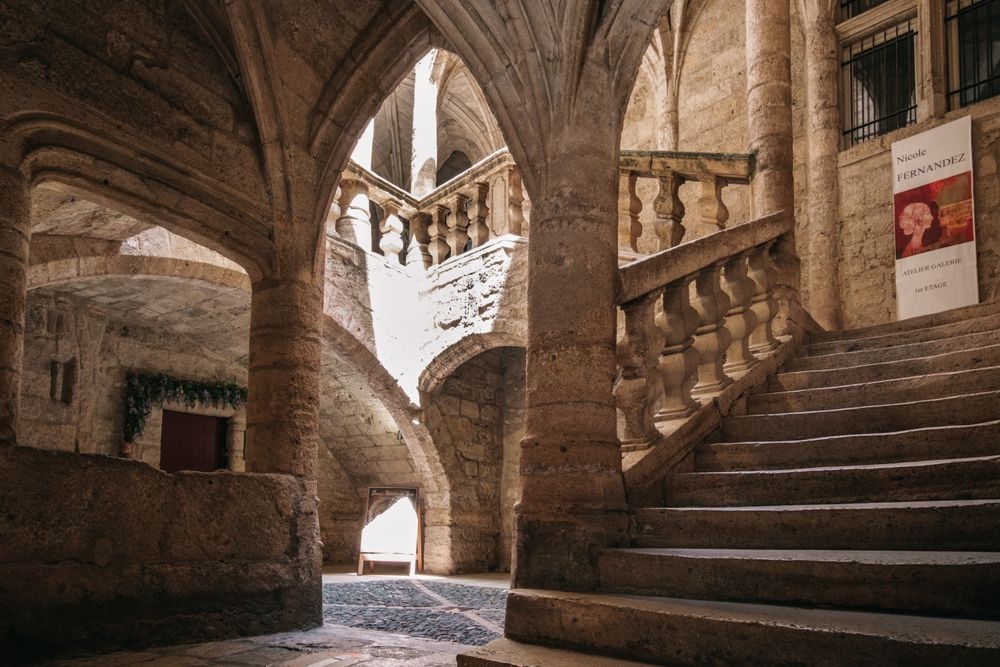
9. Béziers and the Canal du Midi
Béziers, prefecture of Hérault located 71 kilometers from Montpellier, combines historical heritage and technical prowess with the famous Canal du Midi. This thousand-year-old city overlooks the Orb valley and reveals a rich architectural past.
The Saint-Nazaire Cathedral, perched on its hill, majestically dominates the city and surrounding plain. The medieval historic center invites you to stroll through its cobbled streets and shaded squares. The Biterrois Museum traces local history from Roman times.
The Fonsérannes locks, water staircase of nine successive locks, constitute a masterpiece of 17th-century engineering. The Orb bridge-canal allows Canal du Midi boats to cross the river, offering a striking technical spectacle. River cruises allow you to discover these engineering works from the water.
Practical information: Accessible by train (45 minutes) or by car (1 hour). Canal du Midi cruises. Feria in August.
10. Sommières: medieval charm on the Vidourle
Sommières and the neighboring village of Villevieille offer an authentic excursion 36 kilometers from Montpellier. This medieval city, crossed by the Vidourle, charms with its preserved heritage and Provençal atmosphere.
The Tiberian Roman bridge, built in the 1st century, still spans the Vidourle after 2000 years of existence. Part of its arches are buried under medieval constructions, creating a unique architectural ensemble. The castle of Sommières has dominated the city since the 11th century.
The historic center reveals its treasures during a walk in its cobbled streets: arcaded houses, private mansions, market square... In Villevieille, the medieval castle and tasting cellars pleasantly complete this discovery of Gard heritage.
Practical information: 40 minutes by car. Market on Saturday morning. Beware of Vidourle flash floods (Vidourlade).
11. Hérault Gorges and Pont du Diable
The Hérault Gorges offer a spectacular nature excursion 40 kilometers from Montpellier. This deep valley, carved by the Hérault river, reveals wild Mediterranean landscapes and authentic perched villages.
The Pont du Diable, classified as a UNESCO World Heritage site, is the jewel of this excursion. This 11th-century Romanesque bridge, with mysterious legends, spans the Hérault in a preserved natural setting. The crystal-clear waters invite swimming during hot summer days.
The canoe-kayak descent from Saint-Guilhem-le-Désert allows you to discover the gorges from the river. This family activity reveals the geological and botanical richness of the places: limestone cliffs, caves, Mediterranean riparian forest. Several nautical bases offer equipment rental and supervision.
Practical information: 40 minutes by car to Pont du Diable. Canoe-kayak from March to October. Paid parking in season.
12. Cap d'Agde: seaside resort and heritage
The Cap d'Agde, 67 kilometers from Montpellier, perfectly combines seaside relaxation and cultural discovery. This modern tourist resort is built around the marina and characteristic black volcanic sand beaches.
The historic center of Agde, the "Black Pearl of the Mediterranean", reveals an exceptional thousand-year heritage. The Saint-Étienne Cathedral, fortress in black basalt, testifies to Languedoc Romanesque architecture. The Museum of the Ephebe presents exceptional underwater archaeology collections.
The Bagnas Nature Reserve protects a remarkable lagoon ecosystem where flamingos, herons and many migratory species nest. Observation trails allow you to discover this preserved biodiversity. The Aqualand and Luna Park leisure parks will delight families.
Practical information: 1 hour by car. Regular trains to Agde then bus to the Cap. Marina and many water activities.
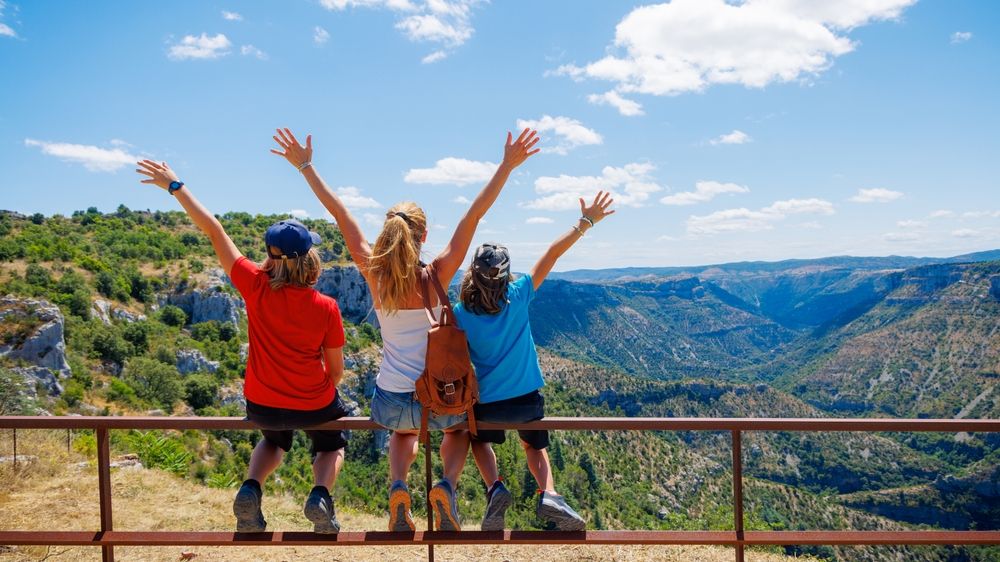
13. Cirque de Navacelles: Grand Site of France
The Cirque de Navacelles, Grand Site of France located 71 kilometers from Montpellier, offers one of the most spectacular nature excursions in the region. This natural amphitheater, carved by the Vis, presents impressive dimensions and breathtaking landscapes.
The Blandas belvedere offers a stunning plunging view of this 300-meter deep abandoned meander. The contrast between the limestone plateaus of the Causses and the verdant bottom of the cirque creates a landscape of striking beauty. The small village of Navacelles, at the bottom of the cirque, seems overwhelmed by the immensity of the site.
The Vis resurgence springs in cascade from a cave to form a crystal stream. An old mill testifies to past human activity in this grandiose site. Several hiking trails allow you to discover the cirque from different angles, notably from the villages of Saint-Maurice-Navacelles and Blandas.
Practical information: 1h10 by car. Winding mountain road. Picnic area and restaurant in Navacelles.
14. Uzès and its ducal heritage
Uzès, first duchy of France, offers a refined excursion 82 kilometers from Montpellier. This Gard city charms with its preserved Renaissance architecture and authentic Provençal art of living.
The Place aux Herbes, surrounded by medieval arcades, is the beating heart of Uzès with its colorful market and shaded terraces. The Duchy of Uzès can be visited and reveals the history of this thousand-year ducal lineage. The Tour Fenestrelle, unique in France with its Byzantine silhouette, elegantly dominates the city.
The Haribo Museum delights candy lovers with its collections and giant shop. The medieval garden reconstitutes the art of medieval gardens with its dyeing and medicinal plants. The proximity of the Pont du Gard (15 minutes) allows you to combine both visits in the same day.
Practical information: 1h15 by car. Market on Wednesday and Saturday. Duchy visit in season.
15. Arles: Roman heritage and Van Gogh
Arles, exceptional Roman city located 80 kilometers from Montpellier, combines ancient heritage and modern art in an authentic Mediterranean setting. This city of art and history reveals 2000 years of European civilization.
The Roman amphitheater, perfectly preserved, still hosts Camargue races and shows. The ancient theater and the Constantine baths testify to the grandeur of Roman Arelate. The Arles Ancient Departmental Museum presents exceptional archaeological collections, notably the presumed bust of Julius Caesar.
The Vincent van Gogh Foundation celebrates the work of the painter who lived here his last creative years. The Van Gogh Space, former hotel-Dieu painted by the artist, now houses a media library. The Alyscamps, ancient and medieval necropolis, inspired many painters and poets.
Practical information: Accessible by train (52 minutes) or car (1h05). Monument pass. Photography festival every summer.
16. Avignon: city of the Popes
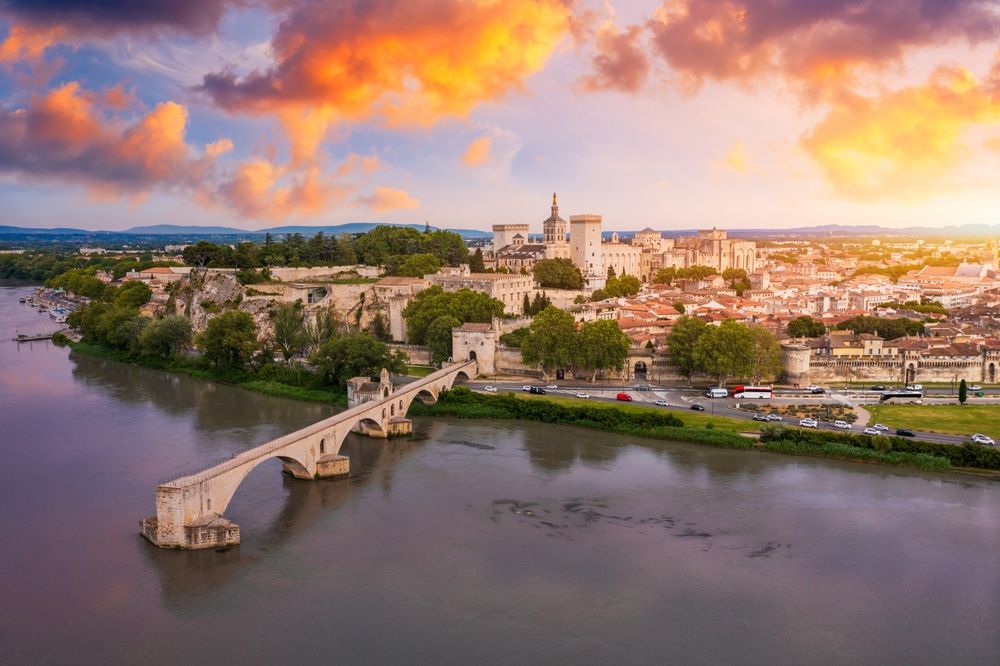
Avignon, classified as a UNESCO World Heritage site, constitutes a major cultural excursion 95 kilometers from Montpellier. This pontifical city reveals exceptional architectural heritage testifying to its past as capital of Western Christianity.
The Palace of the Popes, largest Gothic palace in the world, impresses with its dimensions and splendor. The papal apartments, great audience and Clementine chapel testify to the refinement of the 14th-century papal court. The audio-guided visit reveals the eventful history of this unique residence.
The famous Saint-Bénézet bridge, called "bridge of Avignon", has partially spanned the Rhône since the 12th century. The ramparts of the 14th century still encircle the city and offer a refreshing walk. The Avignon Festival, created in 1947, transforms the city into the world capital of theater every summer.
Practical information: Accessible by train (1h12) or car (1h15). Avignon pass for monuments. Booking recommended for the Festival.
17. Aresquiers beach: preserved nature
The Aresquiers beach, located 31 kilometers from Montpellier, offers a nature escape away from urbanized seaside resorts. This natural pebble beach, the most extensive in the department, charms with its wild and preserved character.
The exceptional natural environment of Aresquiers shelters fauna and flora typical of the Mediterranean coast. The dunes and riparian forest constitute fragile ecosystems protected by the Coastal Conservatory. The tranquility of the site allows birdwatching and outdoor relaxation.
Water activities find an ideal setting here: sea kayaking, sailing, scuba diving. Several centers offer initiation and improvement in a secure environment. Sunsets over the Mediterranean offer magical moments for photographers and contemplatives.
Practical information: 40 minutes by car. Free parking. No shops on site, bring supplies.
18. Roquefort caves: exceptional terroir
The Roquefort Société Caves, located 116 kilometers from Montpellier, offer a unique gastronomic excursion in the heart of Aveyron. This discovery of the "King of cheeses" takes you into the bowels of the causses where this exceptional product matures.
The natural caves of Roquefort, carved in limestone rock, benefit from an exceptional microclimate. The constant temperature of 8°C and 95% humidity allow the development of the famous Penicillium roqueforti. The guided tour reveals the manufacturing secrets of this raw sheep's milk cheese.
The museum and shop complete this discovery with the history of cheese production since the Middle Ages. The tasting, highlight of the visit, allows you to appreciate the different textures and flavors according to aging. The restaurant offers creative cuisine entirely dedicated to roquefort.
Practical information: 1h25 by car. Guided tour recommended. Shop and shipping available.
19. Palavas-les-Flots and its seaside tradition
Palavas-les-Flots, just 13 kilometers from Montpellier, is the historic seaside resort of Montpellier residents. This family destination combines maritime tradition and tourist modernity in an authentic Mediterranean setting.
The little beaches train connects Palavas to La Grande-Motte along the sandy coast. This bucolic ride reveals the diversity of coastal landscapes: ponds, reed beds, dunes, fishing ports. The Mare Nostrum Aquarium presents Mediterranean and tropical fauna in spectacular recreations.
The Maguelone Cathedral, accessible by a dike road, stands majestically on its islet in the middle of the ponds. This jewel of Languedoc Romanesque art, former episcopal residence, offers an exceptional spiritual and cultural setting. The best places to visit in Palavas-les-Flots also include the Mediterranean lighthouse and the summer night market.
Practical information: Accessible by tram (line 3) or car (20 minutes). Paid parking in season. Maritime shuttle to Maguelone.
20. Clamouse cave: underground wonders
The Clamouse Cave, located near Saint-Guilhem-le-Désert 45 kilometers from Montpellier, perfectly complements the discovery of the Hérault gorges with an exploration of the exceptional underground world of the Causses.
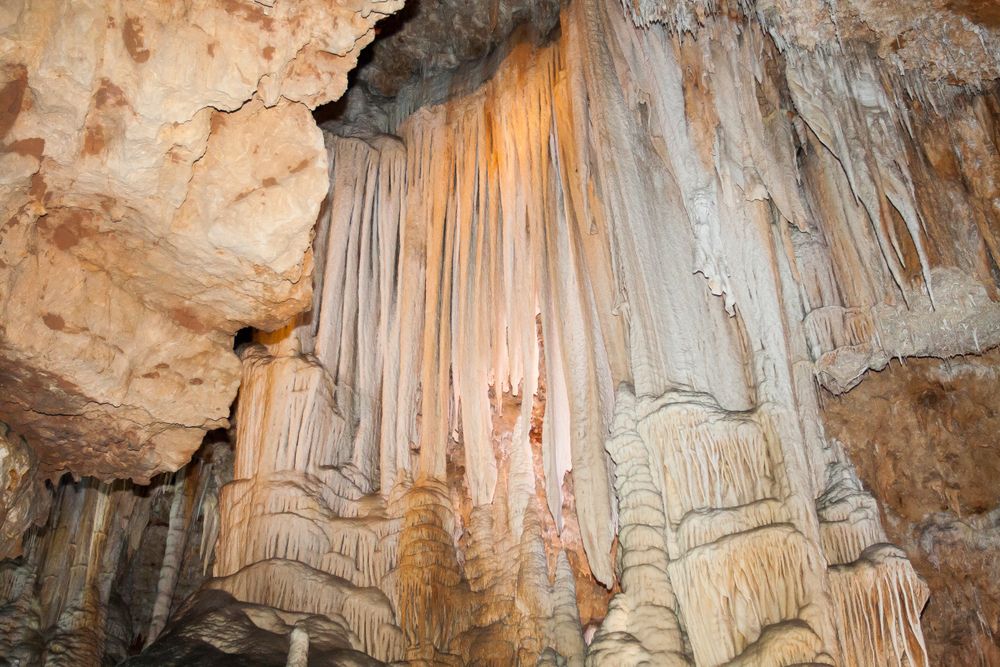
This natural cavity reveals limestone concretions of extraordinary fineness: fistulous formations, draperies, columns, pools... The geological richness of Clamouse earns it the nickname "cave of a thousand and one wonders". The light displays highlight the transparency and purity of these millennial formations.
The underground route of 1 kilometer unfolds in immense rooms with evocative names: Giant Pool room, Fistulous gallery, White room... The constant temperature of 17°C offers welcome freshness during hot summer days. The one-hour guided tour reveals the geological formation of the Causses and karst hydrology.
Practical information: 45 minutes by car via Saint-Guilhem-le-Désert. Free parking. Bring warm clothing and non-slip shoes.
In conclusion, excursions around Montpellier reveal an exceptional diversity of landscapes, heritage and experiences. From medieval villages to grandiose natural sites, through ancient vestiges and maritime traditions, the Occitanie region offers unparalleled heritage richness. To best organize your stay, don't hesitate to visit Montpellier with our interactive audio guide which will reveal all the secrets of this dynamic city before you set off to discover its wonderful surroundings.
Frequently asked questions
What is the most beautiful excursion to do around Montpellier?
Saint-Guilhem-le-Désert remains the most emblematic excursion around Montpellier. This medieval village, classified as UNESCO World Heritage and labeled "Most Beautiful Village of France", combines history, architecture and nature in an exceptional setting of the Hérault gorges.
Can you do several excursions around Montpellier without a car?
Yes, several destinations are accessible by public transport. Sète can be reached by train in 33 minutes, Nîmes in 24 minutes, Béziers in 45 minutes and Arles in 52 minutes. Buses also serve Aigues-Mortes (line 106) and several organized excursions are offered by local tour operators.
Which excursion to choose around Montpellier with children?
La Grande-Motte and its beaches, Cap d'Agde with Aqualand, or Palavas-les-Flots with its Mare Nostrum aquarium are perfect excursions for families. The Cirque de Mourèze also offers a fun discovery with its amusing rock formations.
How much time to plan for an excursion around Montpellier?
Most excursions around Montpellier can be comfortably visited in one day. For nearby sites (Saint-Guilhem, Sète, Pic Saint-Loup), half a day may suffice, while more distant destinations like Avignon, Arles or the Roquefort Caves deserve a full day.
What is the best time to do excursions around Montpellier?
Spring (April-June) and autumn (September-October) offer ideal conditions: pleasant temperatures, fewer crowds, green landscapes. Summer allows you to enjoy water activities and beaches, while winter remains mild for visiting cultural and heritage sites.