
Créé par Emilie, le 20 juin 2026
Votre guide Ryo
The 9 most beautiful villages to discover in the Cévennes
© Shutterstock
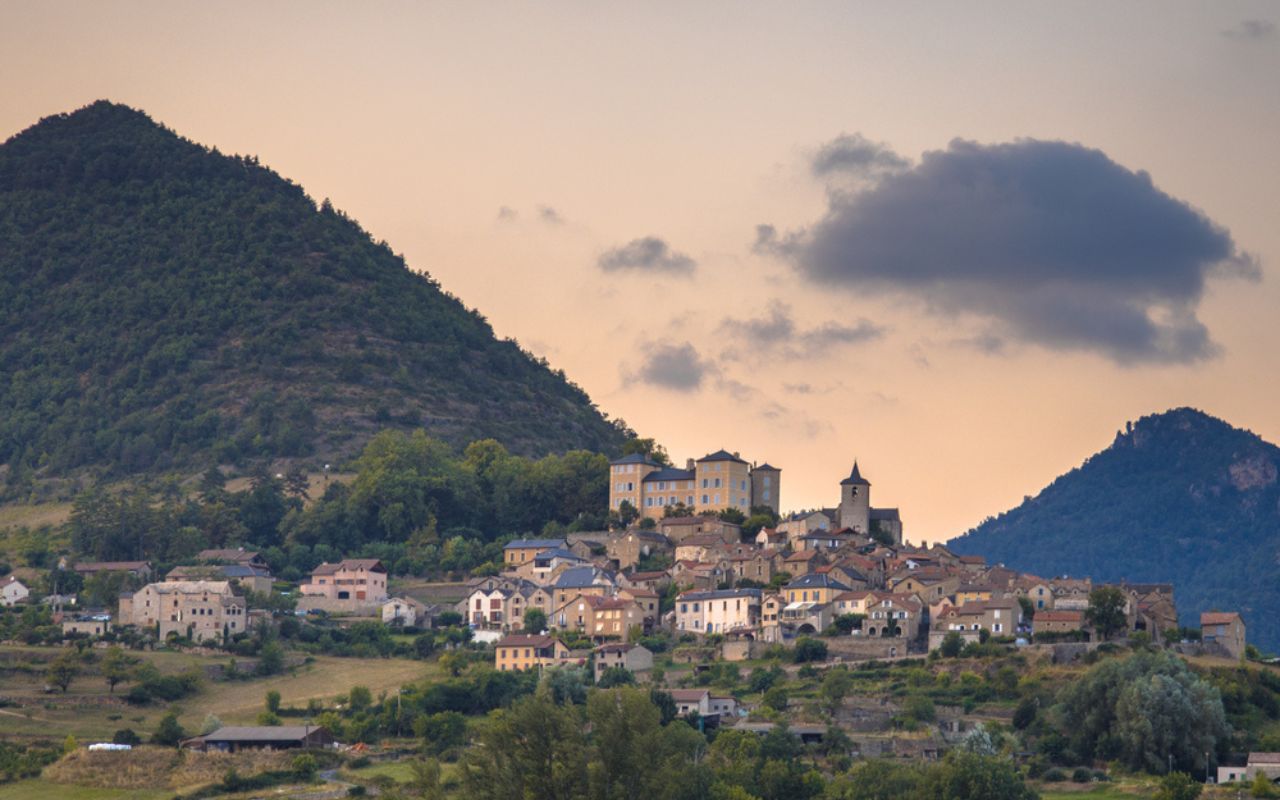
Nestled between the Gard and Lozère, the Cévennes offer exceptional heritage with their authentic villages steeped in history. These architectural gems, witnesses to a rich and tumultuous past, stand proudly on their rocky spurs or nestle in the heart of valleys. Here is a selection of the 9 most beautiful villages to discover in the Cévennes, each possessing its unique charm and heritage treasures.
1. Vézénobres, the medieval city of a thousand figs
Perched on its rocky promontory, Vézénobres majestically dominates the valley of the Gardon d'Anduze. This medieval village classified among the Most Beautiful Villages of France and Villages of Character of Gard seduces with its preserved Romanesque architecture and cobbled streets that wind between stone houses.
The architectural heritage of Vézénobres testifies to its prosperous past: the remains of the Girard castle, the fortified gates and the Romanesque houses tell the story of this city that was once an important commercial center. The village is also famous for its production of dried figs, a thousand-year-old tradition that continues thanks to the conservatory orchard and the Fig Museum.
From the ramparts, the panoramic view embraces the Cévennes and reveals a sumptuous landscape where Mediterranean garrigue and the first mountain foothills mingle. Architecture enthusiasts will appreciate the diversity of styles, from Romanesque to Gothic, through Renaissance.
2. Anduze, the gateway to the Cévennes
Nicknamed the "Gateway to the Cévennes", Anduze occupies a strategic position at the entrance to the Cévennes National Park. This historic Protestant city has preserved its authentic character with its narrow streets lined with arcaded houses and its famous Clock Tower, remnant of the ancient fortifications.
The village of Anduze in the Cévennes is distinguished by its rich religious heritage, notably the 17th-century Protestant temple, witness to the Huguenot history of the region. The quays that border the Gardon d'Anduze offer a pleasant walk and showcase the traditional Cévennes architecture.
Anduze is also renowned for its Anduze vases, those glazed pottery with shimmering colors that have adorned gardens and terraces since the 17th century. The Bamboo Grove of Générargues, located at the gates of the village, completes the discovery with its exotic garden unique in Europe.
3. Mialet, the village of Huguenot heritage
Nestled in the heart of the upper valley of the Gardon d'Anduze, Mialet occupies a special place in the history of Cévennes Protestantism. This peaceful village, classified as a UNESCO World Heritage site, houses the Mas Soubeyran, cradle of the Camisard resistance and current Desert Museum.
The architecture of Mialet reflects the Cévennes identity with its schist houses with slate roofs, perfectly integrated into the mountain landscape. The village has managed to preserve its authenticity while enhancing its exceptional historical heritage.
The Trabuc cave, located on the municipal territory, constitutes one of the underground marvels of the Cévennes. This natural cavity, nicknamed "the cave of a thousand soldiers", reveals a fairy-tale world of limestone concretions and underground lake.
4. Florac-Trois-Rivières, capital of the Cévennes National Park
Nicknamed the "Venice of the Cévennes", Florac-Trois-Rivières flourishes at the confluence of three rivers: the Tarnon, the Mimente and the Tarn. This former sub-prefecture, now capital of the Cévennes National Park, harmoniously combines architectural heritage and preserved natural environment.
The historic center of Florac reveals remarkable heritage with its private mansions from the 17th and 18th centuries, witnesses to the past prosperity of the city. The Florac castle, a 17th-century building, today houses the headquarters of the National Park and hosts exhibitions on Cévennes fauna and flora.
The traditional Florac architecture is characterized by the use of local limestone and slate roofs, creating perfect harmony with the mountain environment. Hiking enthusiasts will appreciate the strategic position of Florac, starting point for numerous trails to the Causses and Cévennes.
5. Sainte-Enimie, jewel of the Tarn Gorges
Nestled in a setting of limestone cliffs in the heart of the Tarn Gorges, Sainte-Enimie reveals exceptional medieval heritage. This monastic city, one of the Most Beautiful Villages of France, takes its name from the Merovingian princess Enimie who founded a monastery there in the 7th century.
The architecture of Sainte-Enimie testifies to its monastic past with its old houses with slate roofs, its cobbled streets and its vaulted passages. The monastery, although partially ruined, preserves remarkable elements such as the Sainte-Madeleine chapel and its sculpted tympanum.
The exceptional position of Sainte-Enimie makes it a privileged starting point to explore the Tarn Gorges and their grandiose landscapes. The village also hosts numerous water activities and constitutes an essential stop on the road of the Great Causses.
6. Barjac, Renaissance city of Gard
Located at the crossroads of the Cévennes and Provence, Barjac stands as one of the most beautiful Renaissance cities of Gard. This village of character, perched on a limestone hill, reveals remarkable architectural heritage that testifies to its past prosperity.
The historic center of Barjac seduces with its private mansions from the 16th and 17th centuries, its fortified gates and its ancient fountains. The Barjac castle, a 17th-century building, dominates the city and offers a breathtaking view of the surroundings.
Barjac is also renowned for its international antique and flea market fairs held at Easter and August 15, attracting visitors from around the world. This commercial activity perpetuates the village's merchant tradition while enhancing its architectural heritage.
7. Lussan, pearl of the Gard Cévennes
Classified among the Most Beautiful Villages of France, Lussan stands proudly on its limestone peak, offering an exceptional panorama of the Cévennes, the Ardèche mountains and Mont Ventoux. This medieval village in northern Gard has managed to preserve its authenticity and Provençal charm.
The architecture of Lussan harmoniously blends limestone and Roman tile roofs, creating this very special atmosphere of southern villages. The restored castle, ramparts and noble houses testify to the strategic importance of Lussan in the Middle Ages.
A visit to Lussan naturally extends to discovering the Concluses, these narrow gorges carved in limestone that offer a striking geological spectacle. These unique natural formations perfectly complement the discovery of this exceptional village.
8. Montclus, medieval village on the banks of the Cèze
Nestled in a meander of the Cèze river, Montclus reveals perfectly preserved medieval heritage. This Most Beautiful Village of France, founded in the 13th century, invites strolling in its narrow streets lined with rural houses carefully restored.
The architecture of Montclus testifies to its monastic past with the remains of the ancient Benedictine abbey of Mons Serratus. The stone houses with Roman tile roofs integrate harmoniously into the landscape of the Cèze gorges.
The exceptional situation of Montclus, suspended above the Cèze, makes it an ideal starting point to explore the gorges and discover the natural riches of this preserved region. The village also offers magnificent viewpoints over the river's meanders.
9. La Garde-Guérin, sentinel of the Cévennes
Perched on the heights of the Lozère Cévennes, La Garde-Guérin occupies a strategic position on the ancient Régordane way. This fortified village, classified among the Most Beautiful Villages of France, dominates the Chassezac gorges and testifies to its past as a city of "pariers".
The defensive architecture of La Garde-Guérin is characterized by its 12th-century tower houses, true private fortresses that housed the knights responsible for protecting pilgrims and merchants. The watchtower, remnant of the seigneurial castle, offers a panoramic view of the Cévennes.
The discovery of La Garde-Guérin reveals unique architectural heritage in France, witness to medieval feudal organization. This fortress-village constitutes a remarkable example of habitat adaptation to defensive function in a mountain environment.
Discover the most beautiful villages of the Cévennes independently
These 9 most beautiful villages of the Cévennes offer exceptional architectural and historical diversity, reflecting the cultural richness of this emblematic region of southern France. Each village tells a unique story, from Protestant cities marked by religious wars to fortified villages witnessing medieval times.
For an in-depth discovery of these Cévennes villages, audio guide circuits allow an independent and enriching visit. These thematic routes reveal the secrets of local architecture, community history and ancestral traditions that make each village's specificity.
In conclusion, the most beautiful villages of the Cévennes constitute heritage of inestimable richness, where each stone tells the tumultuous history of this region of character. From Vézénobres to La Garde-Guérin, through Anduze and Sainte-Enimie, these exceptional villages invite a journey through time in the heart of preserved landscapes. Their discovery reveals the architectural diversity of the Cévennes and testifies to the remarkable adaptation of human communities to their mountain environment. These authentic villages perpetuate Cévennes traditions while opening up to cultural tourism, offering visitors an unforgettable experience in the heart of French heritage.
What is the best time to visit the Cévennes villages?
The best time to discover the most beautiful villages of the Cévennes extends from May to October. Spring and autumn offer ideal climatic conditions with mild temperatures and exceptional light that enhances stone architecture. Summer allows enjoying festivals and local events, while winter reveals the authentic charm of Cévennes villages in their mountain setting.
How to access the Cévennes villages?
Access to the most beautiful villages of the Cévennes is mainly by road, with connections from major cities like Nîmes, Montpellier or Mende. Some villages like Anduze are served by public transport, notably the Cévennes tourist train. The car remains the most practical means to explore these perched villages and enjoy the freedom of discovery.
Which Cévennes villages are accessible to people with reduced mobility?
Among the 9 most beautiful villages of the Cévennes, some like Anduze and Florac-Trois-Rivières offer better accessibility thanks to their flatter city centers and adapted facilities. Perched villages like Lussan, Montclus or La Garde-Guérin present more difficulties with their cobbled streets and elevation changes. It is recommended to inquire with local tourist offices to know the adapted routes.