
Créé par Romane, le 7 mai 2026
Votre guide Ryo
© Shutterstock
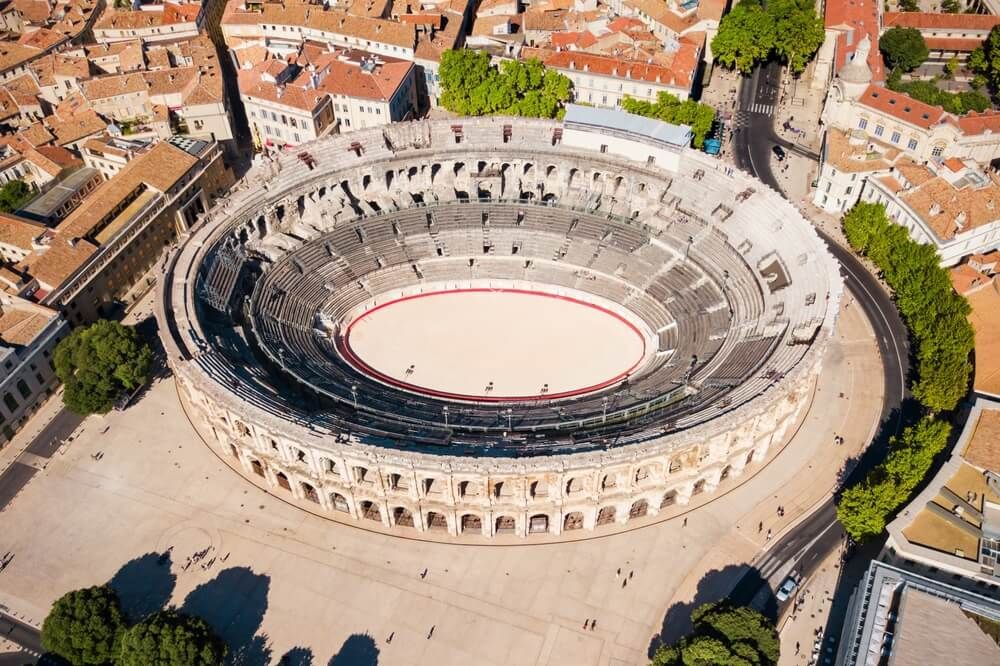
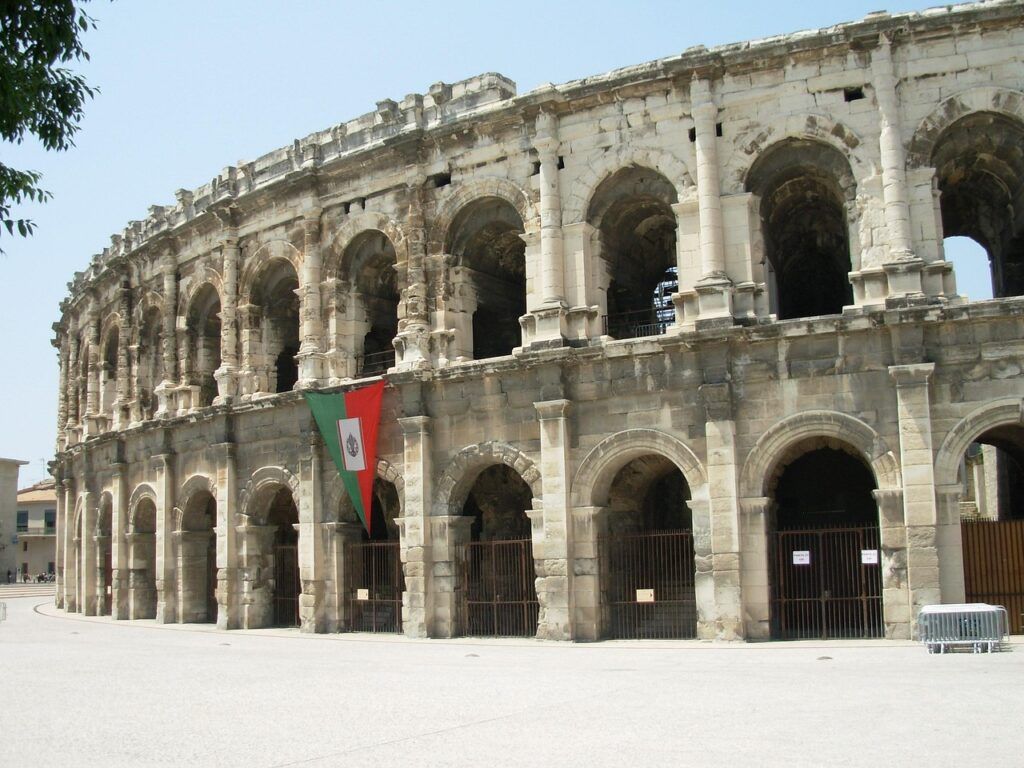
An emblematic monument of French heritage, the Nîmes Arena is the best-preserved Roman amphitheatre in the world. Built at the end of the 1st century AD, this impressive ancient vestige testifies to the grandeur of the Roman Empire and the architectural expertise of the era. With its 133 metres long, 101 metres wide and capacity for 24,000 spectators, the Nîmes amphitheatre continues to impress visitors with its colossal dimensions and remarkable state of conservation. Even today, the Arena lives to the rhythm of major cultural and sporting events, thus perpetuating its vocation as a place of popular gathering. Whether you are passionate about Roman history, lover of ancient architecture or simply curious to discover one of the most beautiful monuments in France, visiting Nîmes and its Arena is an unforgettable experience that will immerse you in the heart of Roman civilization.
History of the Nîmes Arena
The history of the Nîmes Arena begins at the end of the 1st century AD, probably around 90 AD, when the city of Nemausus reached its peak under Roman domination. Built only about twenty years after the famous Colosseum in Rome, the Nîmes Arena was directly inspired by the architecture of the Flavian amphitheatre. The construction site, of considerable scope for the time, lasted about twenty-five years and mobilized hundreds of workers, artisans and Roman architects. The building is constructed from local ashlar stone, extracted from surrounding quarries, and assembled according to Roman architectural techniques of remarkable precision. Originally, the amphitheatre hosted the famous gladiator fights, venationes (wild animal hunts) and other popular shows that delighted Roman crowds. These bloody events were an integral part of Roman culture and served both as popular entertainment and an instrument of social control. To visit Nîmes thoroughly, the Ryo audio-guided itinerary allows you to discover all the secrets of this exceptional monument.
After the fall of the Roman Empire in the 5th century, the Arena underwent a radical transformation that testifies to its exceptional solidity. During the Middle Ages, the amphitheatre became a real fortress and residential quarter. The Visigoths, who occupied the region at that time, made it a strategic defensive bastion. Gradually, more than 200 houses and two churches settled within its walls, creating a real fortified village in the heart of Nîmes. This transformation paradoxically helped preserve the ancient structure, with medieval dwellings protecting the Roman stones from weather and destruction. For nearly a thousand years, the Arena housed a living and active population, losing its original function but retaining its architectural majesty. It was only at the beginning of the 19th century that authorities decided to free the monument from its parasitic constructions. Between 1809 and 1813, important clearance works were undertaken to restore the amphitheatre to its ancient appearance. These restorations continued throughout the 19th century, allowing the Arena to gradually regain its former splendor and its vocation as a place of entertainment.
The exceptional architecture of the amphitheatre
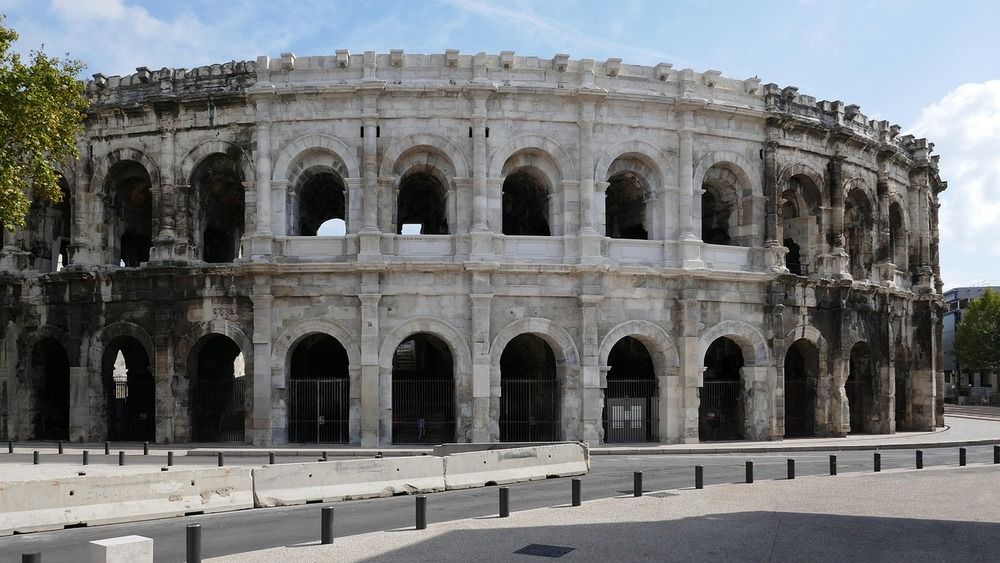
The architecture of the Nîmes Arena represents a masterpiece of Roman engineering, testifying to the architectural genius of Antiquity. The amphitheatre presents a perfect elliptical form of 133 metres long by 101 metres wide, surrounded by a monumental facade 21 metres high. This impressive exterior facade consists of two levels of superimposed arcades, totaling 60 finely sculpted arches that rhythm the entire building. Each arcade is adorned with Doric pilasters on the first level and Corinthian on the second, reflecting the hierarchy of Greek architectural orders adapted by the Romans. The precision of construction is remarkable: the ashlar stones, perfectly fitted without mortar for certain parts, testify to the exceptional expertise of ancient builders. The ensemble rests on a complex system of arches and vaults that harmoniously distributes loads, allowing the building to survive centuries without collapsing. This hollow structure, characteristic of Roman amphitheatres, integrates a network of galleries, stairs and corridors that allowed the 24,000 spectators to circulate smoothly and quickly evacuate the building in case of need, a system called 'vomitorium' by the Romans.
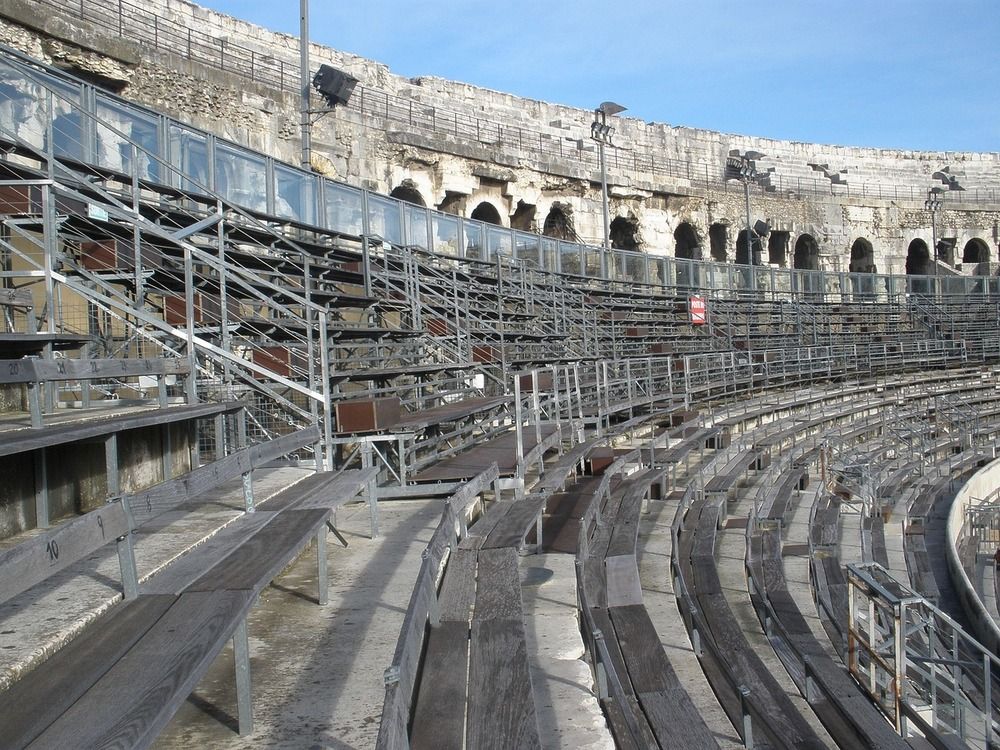
The interior of the amphitheatre reveals an equally sophisticated layout, designed to optimize spectator comfort and visibility. The tiers, arranged in cavea over 34 rows, were carefully hierarchized according to the social class of spectators: notables and magistrates occupied the front rows near the arena, while ordinary citizens settled higher up, and slaves or people of low condition found places at the top of the building. The central arena, elliptical in shape measuring 68 metres by 38, was the heart of the spectacle where fights took place. Below this arena were the backstage areas, an underground space now partially visible, where gladiators and animals awaited their turn to enter the scene. The acoustic system of the amphitheatre, result of perfect mastery of proportions and materials, allowed sounds to propagate harmoniously throughout the building, ensuring excellent audibility for each spectator. This technical prowess still amazes contemporary architects and today allows the Arena to host concerts and shows with exceptional natural acoustic quality. The Ryo visit itinerary helps you understand all these architectural details through detailed audio explanations.
What to see and do at the Nîmes Arena
1. Explore the central arena
The beating heart of the amphitheatre, the central arena, is the focal point of your visit. This vast elliptical surface of 68 metres by 38, now covered with ochre sand, was once the theatre of the most spectacular gladiator fights and wild animal hunts imported from Africa. Standing in the center of the arena, you will feel the emotion and power of this place steeped in history, imagining the clamor of the Roman crowd and the courage of the fighters. Visitors can tread this mythical ground and appreciate the immensity of the building from this unique perspective. Explanatory panels and the audio guide included in the entrance ticket help you understand the conduct of ancient spectacles, the different types of gladiators and the rituals that accompanied these events. It is also from the arena that you can admire the perfect symmetry of the tiers rising all around, offering an impressive view of the general architecture of the amphitheatre.
2. Walk through the tiers and enjoy the panoramic view
Climbing the Arena tiers is an essential experience that rewards you with exceptional perspectives. By climbing the 34 rows of stone seats, you follow in the footsteps of the 24,000 Roman spectators who gathered here nearly 2000 years ago. The front rows, close to the arena, immerse you in the atmosphere of the fights and allow you to imagine the intensity of the confrontations. The higher you climb, the more you understand the ingenuity of the Roman circulation system and the perfect visibility offered from each level. Reaching the upper tiers, you discover a spectacular panoramic view over the entire city of Nîmes. On clear days, you will glimpse the Roman tile roofs of the historic center, the Tour Magne that dominates the Jardins de la Fontaine, and even the contours of the Cévennes on the horizon. This breathtaking view offers excellent photographic opportunities and allows you to situate the Arena in its urban environment. Take your time exploring the different levels and appreciating the variations in perspective they offer.
3. Discover the interior galleries and corridors
The network of galleries and corridors running through the amphitheatre constitutes a fascinating labyrinth revealing the backstage of the ancient building. These vaulted passages, built from massive stones and perfectly preserved, originally served for the circulation of gladiators, animals and staff responsible for organizing the spectacles. Wandering through these cool and dark galleries, you discover the behind-the-scenes of the Arena and understand the complex logistics necessary for the smooth running of the games. The barrel vaults testify to the technical mastery of Roman architects, while the wear marks on the stones tell the story of the thousands of passages that have succeeded each other over the centuries. Some galleries house temporary or permanent exhibitions presenting models of the amphitheatre, archaeological objects found on site, and explanatory panels detailing the monument's history. These spaces also provide access to different levels of tiers through period staircases, preserved in their original state. Visiting these corridors offers a welcome break from the Mediterranean sun during summer days and considerably enriches understanding of Roman architecture.
4. Attend the Grandes Romaines and cultural events
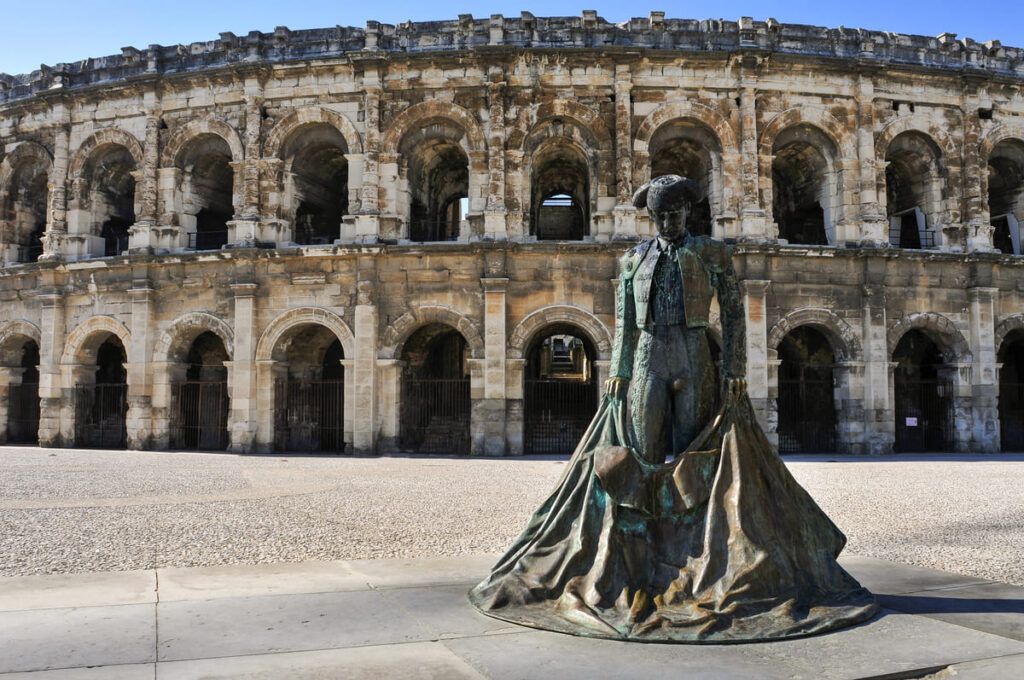
Even today, the Nîmes Arena perpetuates its vocation as a living performance venue by hosting numerous cultural events throughout the year. Among the most emblematic events are the Grandes Romaines, which take place each spring and offer spectacular historical reconstructions of gladiator fights. These performances, extremely popular with the public, bring the atmosphere of ancient games back to life with remarkable attention to detail and authenticity. Actors in period costumes embody different types of gladiators (retiarii, mirmillones, secutors), using replicas of weapons and armor based on historical sources. The demonstrations also include Roman legionnaire parades, presentations of ancient crafts and educational activities that captivate young and old alike. Beyond the Grandes Romaines, the amphitheatre regularly hosts classical, pop, rock or electronic music concerts, attracting internationally renowned artists. The exceptional natural acoustics of the monument and its unique historical setting create a magical atmosphere for these contemporary performances. To be guided in your discovery of the city and not miss any event, the Ryo audio-guided itinerary to visit Nîmes proves to be a precious companion.
Download the audio-guided circuit to discover Nîmes on foot and independently
For an optimal experience visiting the city of Nîmes and its emblematic monuments, Ryo offers a complete audio-guided circuit that accompanies you step by step in discovering Nîmes heritage. This intelligent itinerary of 5.4 km, designed to be covered in about 2h10, leads you through the 26 main places of interest in the Roman city, from the Arena to the Maison Carrée via the Jardins de la Fontaine and the Tour Magne. Each point of interest is accompanied by a captivating audio guide that tells the history, anecdotes and secrets of the monuments you discover, making your visit as instructive as it is entertaining. The application allows you to advance at your own pace, take breaks when you want and revisit places that particularly appealed to you. Thanks to integrated geolocation, you never risk getting lost and fully enjoy your exploration of Nîmes with complete independence.
5. Participate in thematic guided tours
To deepen your knowledge of the Arena and discover aspects usually inaccessible to the public, thematic guided tours constitute an enriching experience. These special tours, regularly organized by the monument's managers, allow you to access areas normally closed such as certain parts of the underground, honor boxes or upper galleries. A passionate conference guide reveals the construction secrets of the amphitheatre, explains Roman architectural techniques and tells the great hours of Arena history, from Antiquity to the present day. These thematic tours can focus on different aspects: Roman architecture and engineering, daily life of gladiators, evolution of the building in the Middle Ages, or the great restorations of the 19th century. Some night tours, offered during the summer period, provide a particularly moving atmosphere and allow appreciation of the monument under spectacular lighting. For school groups and families, adapted educational tours are also organized, making Roman history accessible and fun for younger visitors.
6. Visit the museographic space and exhibitions
The Arena houses several museographic spaces that complement the monument visit with detailed information and authentic objects. These permanent exhibition rooms present models reconstructing the amphitheatre at different periods of its history, allowing visualization of the architectural evolution of the building from its construction to the present day. You will also discover original archaeological objects found during excavations: fragments of sculpted decoration, pottery sherds, Roman coins, gladiator weapon elements. Bilingual explanatory panels (French-English) detail the organization of Roman spectacles, the social hierarchy reflected in seating arrangement, and the different functions of the amphitheatre throughout its millennial history. Interactive touch screens allow visitors of all ages to deepen their knowledge on specific themes such as construction techniques, types of gladiators or game organization. The museographic space regularly offers temporary exhibitions in partnership with the Musée de la Romanité (16 Boulevard des Arènes, 30000 Nîmes, rated 4.5/5 on Google for 8,546 reviews), located just opposite the amphitheatre, enriching visitors' cultural experience.
Practical information for visiting the Nîmes Arena
Opening hours
The Nîmes Arena is open to the public year-round, with hours that vary by season to adapt to lighting and weather conditions. From January to February, the monument welcomes visitors from 9:30 AM to 5:00 PM, with last admission at 4:30 PM. During March, hours extend from 9:00 AM to 6:00 PM, with last entry at 5:30 PM. From April to May, the amphitheatre opens from 9:00 AM to 6:30 PM, allowing visits until 6:00 PM. In June, during peak tourist season, you can visit from 9:00 AM to 7:00 PM, with access possible until 6:30 PM. These hours may be slightly modified during school holidays, particularly in February where closing is postponed to 6:00 PM to accommodate more visitors. It's important to note that the Arena closes during certain scheduled events, notably during the famous Nîmes Féria (5 days at Pentecost and 3 days in September), as well as December 25th and January 1st for the holidays. Before planning your visit, it's advisable to consult the official website or check updated hours, as exceptional closures may occur for special events or maintenance work.
Entrance ticket prices
Entrance fees to the Nîmes Arena are structured to suit all audiences and budgets. The adult full-price ticket is €11, including free access to the entire monument, free audio guide available in several languages, and visit to thematic rooms. Students and job seekers benefit from a reduced rate of €9 upon presentation of valid proof (student card or employment office certificate). Children aged 7 to 17 access the monument for €5.50, with a junior audio guide adapted to their understanding. Families can benefit from an advantageous Family Pass for €23, valid for 2 adults and 2 children (7 to 17 years), providing substantial savings for family group visits. Adult groups of 20 to 50 people also benefit from the reduced rate of €9 per person, upon prior reservation. For school groups, the rate is set at €5 per student, with an educational audio guide adapted to school level. There are also combination tickets allowing visits to several Roman monuments in Nîmes at preferential rates. Children under 7 benefit from free admission. The audio guide, included in all rates, is available in 10 different languages.
How to get to the Arena
The Nîmes Arena benefits from an ideal geographical location in the heart of the historic city center, making it easily accessible by all means of transport. If you arrive by train, the Arena is just a 10-minute walk from Nîmes SNCF Station. Simply follow Avenue Feuchères towards the city center, a pleasant route through lively neighborhoods. For those who prefer public transport, several Tango network bus lines serve the "Arènes" stop, located a few steps from the monument's main entrance: lines T1, T2 and T3 are the most practical options. By car, parking can be tricky in the historic center, but several public parking lots are located nearby. Indigo Arènes Parking, located right next to the monument, offers the most convenient solution with its 400 spaces. Other parking lots like Coupole or Esplanade are also close and offer reasonable hourly rates. For cyclists, Nîmes has a network of bike paths and numerous secure bike racks near the Arena. Bike-sharing services (VéloToulouse) and electric scooters are also available throughout the city center, offering an ecological and practical alternative to reach the monument from your accommodation. If you come from Nîmes-Alès-Camargue-Cévennes Airport, a shuttle takes you to the city center, from where you can easily access the Arena on foot or by public transport.
Accessibility and services
The Nîmes Arena strives to offer comfortable access to all visitors, including those with reduced mobility. A specially adapted access allows wheelchair users to visit a significant part of the monument, although the historic nature of the building limits access to certain areas such as upper tiers. It is recommended to signal your presence at reception upon arrival to benefit from personalized assistance and information on accessible routes. Adapted toilets are available on site. The monument has a souvenir shop offering a selection of works on Roman history, reproductions of ancient objects, postcards and local products. A free cloakroom allows you to deposit your bulky personal effects during the visit, allowing you to wander freely and comfortably in the amphitheatre. In case of strong heat, typical of the Mediterranean climate of Nîmes, it is strongly advised to bring water (fountains are available on site), a hat and sunscreen, as much of the visit takes place outdoors without shade. Photos and videos are allowed for personal use, but use of professional tripods requires prior authorization. The average visit duration is about 45 minutes to 1 hour, but history enthusiasts can easily spend more time, especially if they combine discovery with a guided tour or cultural event.
Tips to optimize your visit
To fully enjoy your discovery of the Nîmes Arena, some strategic recommendations are necessary. First, favor a morning visit, ideally from opening, to avoid afternoon tourist groups and benefit from softer photographic light. Book your tickets online via the official Arena website or partner platforms: you'll save precious time by avoiding the ticket office queue and sometimes benefit from preferential rates. If you visit Nîmes during high tourist season (May to September), this advance booking becomes almost essential. Allow enough time for your visit: while 45 minutes to 1 hour suffices for a quick tour, counting 1h30 to 2 hours will allow you to quietly explore every corner of the monument, carefully listen to audio guide commentary and enjoy panoramic views from upper tiers. For an even richer experience, consult the Arena's event calendar before your visit: attending the Grandes Romaines, a concert or historical reconstruction will transform your simple visit into a memorable souvenir. Don't hesitate to combine Arena discovery with other Roman monuments of Nîmes, notably the Maison Carrée (Place de la Maison Carrée, 30000 Nîmes, rated 4.5/5 on Google for 9,234 reviews) located just 5 minutes walk away, or the Musée de la Romanité right opposite the amphitheatre, for complete immersion in Nîmes ancient heritage.
Using the audio guide included in your ticket is a major asset to enrich your understanding of the monument. Available in French, English, Spanish, Italian, German, Dutch, Japanese, Chinese, Russian and Portuguese, it offers detailed commentary adapted to your visit pace. Don't forget your personal headphones for more comfort, although disposable headphones are provided. If you travel with children, specifically request the junior audio guide, designed with an adapted narrative tone and fun anecdotes that will captivate young visitors. The visit period greatly influences your experience: low season (November to March) offers a more intimate atmosphere with fewer visitors, but days are short and sometimes cool. Summer guarantees sunny weather ideal for photos, but requires managing sometimes intense Mediterranean heat. Spring (April-May) and autumn (September-October) often represent the best compromise, with pleasant climate and moderate attendance. Finally, to discover Nîmes completely and systematically, let yourself be guided by the Ryo audio-guided itinerary, which offers an optimized circuit connecting all major city sites, including of course the unmissable Arena.
The Arena in context: other Roman monuments of Nîmes
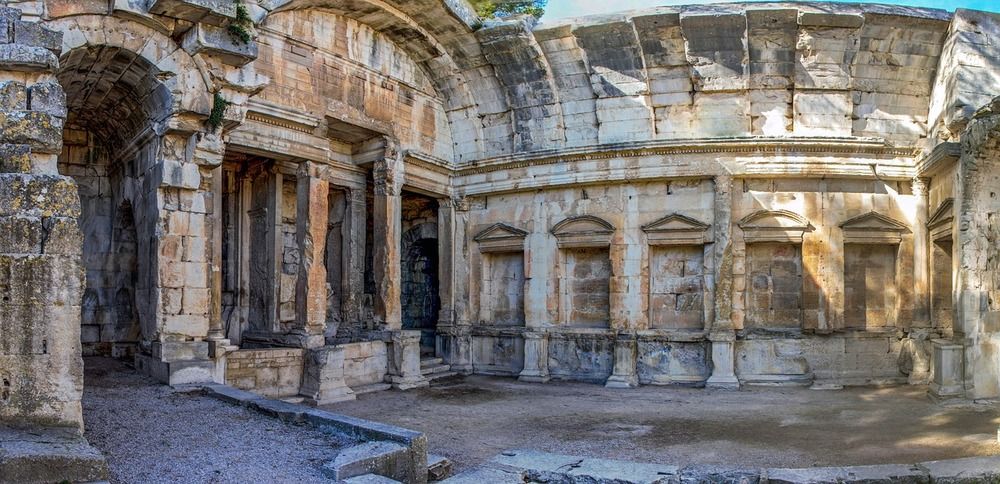
The Arena visit takes on full meaning when it's part of the broader discovery of Nîmes' exceptional Roman heritage, a true open-air museum of Antiquity. The Maison Carrée, located a few hundred meters from the Arena, is the best-preserved Roman temple in the ancient world. Built at the beginning of the 1st century BC, this sanctuary dedicated to Augustus' grandsons impresses with the harmony of its proportions and the fineness of its Corinthian columns. The temple interior now houses an immersive projection retracing Nîmes history since Antiquity, perfectly complementing the Arena visit. The Jardins de la Fontaine, landscaped in the 18th century around the ancient sacred spring, offer a romantic green haven where important Roman remains survive, notably the Temple de Diane, mysterious building whose exact function still debates among archaeologists. The Tour Magne, crowning Mont Cavalier at the highest point of the Gardens, represents the only surviving vestige of the Roman enclosure 7 kilometers long that protected Nemausus. From the top of this octagonal tower 32 meters high, you'll embrace the entire city and understand the urban organization of the ancient city. The Porte Auguste, monumental entrance to the Domitian Way that connected Italy to Spain, and the Castellum, rare distribution reservoir for aqueduct waters still visible today, complete this remarkable ancient heritage that the Ryo application helps you discover optimally.
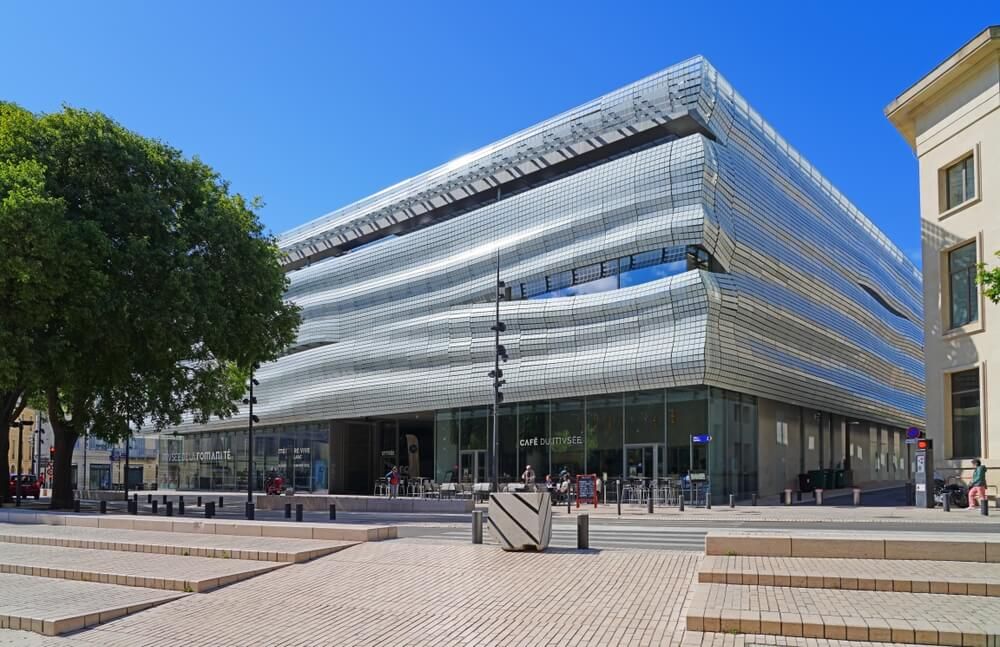
The recent Musée de la Romanité, inaugurated in 2018 just opposite the Arena, constitutes an indispensable complement to the amphitheatre visit. This spectacular contemporary building, designed by architect Elizabeth de Portzamparc, presents a pleated glass facade evoking a Roman toga and dialogues harmoniously with the millennial stones of the amphitheatre. The museum houses an exceptional archaeological collection of 5,000 pieces retracing 25 centuries of history, from Gallic times to the Middle Ages, with particular emphasis on the Roman period. Digital technologies and interactive devices make the visit particularly dynamic and educational. From the museum's green roof terrace, accessible to the public, you benefit from a striking bird's-eye view of the Arena and its tiers, a unique perspective that allows appreciation of the amphitheatre's architecture from an unprecedented angle. The museum's cultural programming, with regularly renewed temporary exhibitions, constantly enriches Nîmes cultural offer. For complete and coherent discovery of this exceptional heritage, a combined Arena + Maison Carrée + Tour Magne ticket is offered at an advantageous rate, allowing budget optimization while deepening knowledge of ancient Nîmes. The Ryo circuit to visit Nîmes naturally integrates all these monuments in a logical and fascinating route.
Where to eat near the Nîmes Arena
After your cultural visit, the Arena surroundings offer numerous opportunities to discover Nîmes and Mediterranean gastronomy. The Écusson district, the pedestrian historic center surrounding the Arena, is full of restaurants, brasseries and cafes for all budgets and tastes. For an authentic regional cuisine experience, look for establishments offering local specialties like brandade de morue nîmoise, petit pâté de Nîmes, or gardiane de taureau, typical Camargue stew. The shaded terraces of Place du Marché and Place aux Herbes, a few minutes walk from the Arena, are pleasant places for lunch, especially during hot summer days. You'll find both traditional restaurants and modern bistros, pizzerias and gastronomic establishments. For a quick meal, numerous bakeries-pastries offer sandwiches, salads and pastries to take away, perfect for an impromptu picnic in the Jardins de la Fontaine. The Nîmes halls, covered market located about 10 minutes walk away, offer the opportunity to buy quality local products: cheeses, charcuterie, fresh fruits and vegetables, olives and tapenades, Costières de Nîmes wines. Don't forget to taste the Nîmes culinary specialties that are the pride of local gastronomy and pleasantly extend your immersion in this southern city's culture.
Where to stay to visit the Nîmes Arena
To fully enjoy your stay in Nîmes and visit the Arena in the best conditions, accommodation choice proves crucial. The historic center of Nîmes, particularly the Écusson district surrounding the Arena, concentrates the most interesting hotel offer for visitors. Staying in this area allows access to main monuments on foot in just a few minutes, avoiding transport and parking constraints. You'll find establishments for all budgets, from charming bed and breakfasts installed in 18th-century private mansions, to chain hotels offering excellent value for money. The city center's 3 or 4-star establishments generally offer comfortable, air-conditioned rooms (essential in summer), with breakfast and sometimes even a swimming pool to cool off after a day of visits. For budget travelers, several youth hostels and budget hotels are located near the station, 10-15 minutes walk from the Arena. Families will appreciate furnished rental apartments that offer more space and cooking possibilities, while maintaining a central location. For a more authentic experience, guest houses run by Nîmes locals passionate about their city often reserve warm welcomes and wise advice to optimize your city discovery. Whatever your option, book well in advance, especially if you plan to visit Nîmes during the Féria, Grandes Romaines or high summer season, periods when accommodations quickly fill up.
In conclusion, visiting the Nîmes Arena constitutes much more than simply discovering an ancient monument: it's a real dive into the millennial history of Roman civilization and an encounter with living heritage that continues to fascinate and amaze visitors from around the world. This exceptional amphitheatre, remarkably preserved despite its twenty centuries of existence, testifies to Rome's architectural grandeur and its builders' ingenuity. Even today, the Arena perpetuates its original vocation as a gathering and performance place, hosting cultural events and festive demonstrations that keep it at the heart of Nîmes life. Whether you're passionate about history, architecture lover, simply curious or with family, the Nîmes Arena will captivate you with its majesty and rich history. For complete and enriching discovery of this French heritage jewel and all the treasures that Nîmes holds, let yourself be accompanied by the Ryo audio-guided itinerary, your ideal companion to explore the French Rome at your own pace and not miss any of its ancient wonders.
Frequently asked questions
What is the recommended visit duration for the Nîmes Arena?
The average visit duration for the Nîmes Arena is between 45 minutes and 1 hour for a standard tour. However, if you want to explore every corner of the monument in detail, listen to the complete audio guide commentary, enjoy panoramic views from upper tiers and visit museographic spaces, plan rather 1h30 to 2 hours. History and architecture enthusiasts can easily spend more time, especially if they participate in a thematic guided tour or attend a cultural event.
Can you visit the Arena for free?
Access to the Nîmes Arena is paid, except for children under 7 who benefit from free admission. The adult rate is €11, including audio guide and access to thematic rooms. Reduced rates exist for students, job seekers, children 7 to 17 years old, and family passes allow savings. Combined tickets with other Roman monuments of Nîmes (Maison Carrée, Tour Magne) are also offered at preferential rates. Some special events like Heritage Days may offer exceptional free access.
Is the Nîmes Arena accessible to people with reduced mobility?
The Arena has specific access for wheelchair users, allowing visits to a significant part of the monument, although the historic nature of the building limits access to certain areas like upper tiers. It's recommended to signal your presence at reception upon arrival to benefit from personalized assistance and information on accessible routes. Adapted toilets are available on site. Staff is trained to best assist visitors with reduced mobility.
What is the best time to visit the Nîmes Arena?
The best time to visit the Arena depends on your priorities. To avoid crowds, favor morning from opening or low tourist season (November to March). Spring (April-May) and autumn (September-October) offer the best compromise with pleasant climate and moderate attendance. Summer guarantees sunny weather ideal for photos, but heat can be intense. If you want to attend a cultural event like the Grandes Romaines or a concert, plan your visit according to the event calendar, booking your ticket and accommodation well in advance.
Can you take photos in the Nîmes Arena?
Yes, photos and videos are allowed in the Arena for personal and non-commercial use. You can freely immortalize your visit and different perspectives the monument offers. However, using professional tripods, drones or bulky equipment requires prior authorization from monument management. For professional shots (filming, commercial photo sessions), an official request with payment of specific rights must be made. Selfie sticks are generally tolerated as long as they don't disturb other visitors' circulation.
Are there lockers or cloakrooms at the Nîmes Arena?
Yes, the Arena has a free cloakroom where you can deposit your bulky personal effects (large bags, suitcases, voluminous backpacks) during your visit. This service allows you to wander freely and comfortably in the amphitheatre without being hindered by your luggage. It's however recommended to keep your valuables, cameras and important documents with you. During high season, the cloakroom may be full during peak hours, so it's preferable to arrive early or travel light.
What other Roman monuments can you visit in Nîmes?
Nîmes possesses exceptional Roman heritage you can discover complementing the Arena. The Maison Carrée, the world's best-preserved Roman temple, is 5 minutes walk away. The Tour Magne, vestige of Roman enclosure, dominates the Jardins de la Fontaine where the Temple de Diane survives. The Musée de la Romanité, located just opposite the Arena, presents a remarkable archaeological collection. The Pont du Gard, spectacular Roman aqueduct inscribed on UNESCO World Heritage, is located 25 km from Nîmes and absolutely deserves the detour. Combined tickets allow visiting several monuments at preferential rates. The Ryo application offers a complete circuit to discover all these treasures optimally.