
Créé par Romane, le 4 juin 2026
Votre guide Ryo
Most beautiful villages to discover around Paris this winter
© Shutterstock
Winter in Île-de-France reveals an unknown facet of the villages surrounding the capital. Far from the Parisian hustle and bustle, these havens of peace offer muted atmospheres, preserved architecture and a gentle way of life particularly appreciable during the cold season. Whether you are looking for a romantic weekend, a cultural family outing or simply a restorative escape, the most beautiful villages to discover around Paris this winter promise you unforgettable moments.
Montfort-l'Amaury, the medieval sentinel of the Yvelines
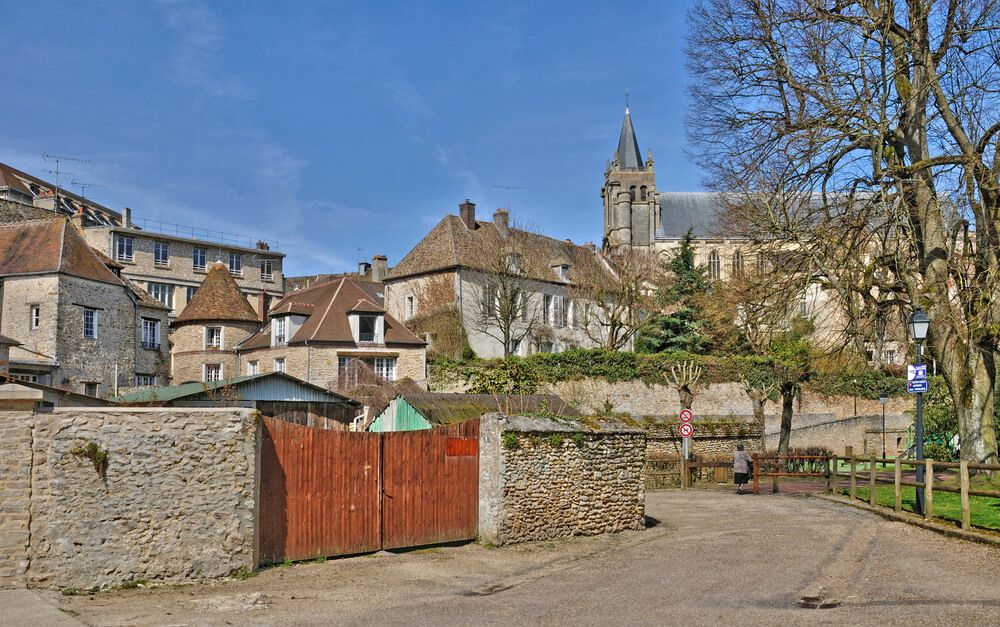
Perched on a hill at the gates of the Rambouillet forest, Montfort-l'Amaury imposes its medieval silhouette in the landscape of the Yvelines. This village of 3,000 inhabitants, located 45 kilometers west of Paris, offers a thousand years of history in a preserved green setting.
The ruins of the fortress, remnant of the ancient power of the county of Montfort, dominate the village and offer exceptional panoramas over the Mauldre valley. In winter, the Anne de Bretagne tower and the ramparts stand out clearly against the gray sky, creating romantic atmospheres conducive to contemplation.
The village itself, organized around its collegiate church Saint-Pierre from the 16th century, reveals remarkable architectural heritage. The half-timbered houses, private mansions and paved alleys invite you to a restorative historical walk. The cemetery houses Maurice Ravel's tomb, who lived his last years in this commune he particularly loved.
Barbizon, the painters' village in winter majesty
60 kilometers southeast of Paris, Barbizon remains one of the most emblematic villages of Seine-et-Marne. This small town of 1,400 inhabitants gained worldwide fame thanks to the Barbizon School, a pictorial movement precursor to Impressionism that developed there in the 19th century.
Winter transforms Barbizon into a true living painting. The snowy landscapes of the Fontainebleau forest that border the village recall the canvases of Théodore Rousseau, Jean-François Millet or Camille Corot. A walk on Grande Rue allows you to admire the period houses where the artists stayed.
The departmental museum of Barbizon painters (92 Grande Rue, 77630 Barbizon, rated 4.4/5 on Google for 524 reviews) is an exceptional place, installed in the former Auberge Ganne where the painters lodged, faithfully recreates the atmosphere of the time. Let yourself be guided by the history of these artists who revolutionized landscape painting.


Auvers-sur-Oise, in Van Gogh's footsteps
Located in Val-d'Oise 35 kilometers north of Paris, Auvers-sur-Oise remains forever linked to the name of Vincent van Gogh, who lived his last months there in 1890. This village of 7,000 inhabitants has preserved the rural authenticity that so charmed the Dutch master and many other impressionist painters.
Winter in Auvers-sur-Oise naturally evokes the landscapes that Van Gogh immortalized in his last paintings. The Notre-Dame church, made famous by one of his most famous paintings, stands proudly in the winter landscape. The wheat fields of the Vexin plain, even dormant, retain this simple beauty that inspired the artist.
The house of Dr. Gachet, Van Gogh's last residence, can be visited year-round. The Auberge Ravoux, where the painter resided, offers an immersion into the artist's universe. The Auvers cemetery, where Van Gogh rests alongside his brother Theo, constitutes a moving pilgrimage site, particularly poignant under the winter snow.
Provins, the medieval city of a thousand treasures
Inscribed on UNESCO's World Heritage list, Provins remains one of the best preserved medieval cities in Europe. Located in Seine-et-Marne 80 kilometers southeast of Paris, this city of 12,000 inhabitants transports its visitors to the heart of the Middle Ages, particularly in winter when mists envelop its ramparts.
The upper town, enclosed within 1,200 meters of ramparts, reveals its treasures through the seasons. The Tour César, a 12th century donjon 44 meters high, offers an exceptional panorama over the Brie countryside. In winter, this viewpoint allows you to appreciate the geography of this former commercial city of the Champagne fairs.
The underground passages of Provins, a vast network of galleries carved in chalk, are ideally visited in winter when their constant temperature of 10°C offers a welcome refuge. The Grange aux Dîmes, a remarkable 12th century civil building, presents medieval crafts and commerce in an authentic and heated setting.


Moret-sur-Loing, the medieval pearl of Seine-et-Marne
Located only 77 kilometers from Paris, Moret-sur-Loing (77250 Moret-Loing-et-Orvanne) stands out as one of the most charming villages to visit in winter. This former medieval city, crossed by the peaceful waters of the Loing, offers a perfect romantic setting for a winter getaway.
The village reveals its architectural treasures at every street corner: the imposing medieval gates, the 12th century ramparts, and the magnificent Notre-Dame de la Nativité church. In winter, the muted atmosphere of Moret-sur-Loing invites strolling along the quays and in the cobbled alleys, where one discovers artisan shops and art galleries.
Among the must-sees, don't miss the visit to the Barley Sugar Museum, a local specialty created by nuns in the 17th century. Water activities on the Loing remain possible even in winter for the most courageous: canoe, paddle or electric boat rides offer a unique perspective on the village.
Compiègne, the imperial city at winter's gates
Located in Oise 80 kilometers north of Paris, Compiègne offers a perfect blend between a village of character and historical richness. This former royal and imperial residence is ideally discovered during the winter months, when morning mists envelop its monuments in a mysterious veil.
Download the audio-guided circuit to discover Compiègne on foot and independently
Compiègne benefits from a complete Ryo audio-guided circuit that takes you through 4.5 km and 18 points of interest in 1h50. This immersive visit lets you discover the richness of Compiègne's heritage, from Joan of Arc's Tower to the sumptuous castle gardens. The Ryo application guides you precisely through the historic alleys of this city at the heart of History.
The Compiègne castle, jewel of French architecture, is particularly well visited in winter. Its sumptuous apartments offer a warm refuge, while the 1,200-hectare park, even bare, reveals the majesty of its conception. The Compiègne forest, one of the most beautiful high forests in Europe, offers numerous winter hiking trails.
Crécy-la-Chapelle, the Venice of Brie under the snow
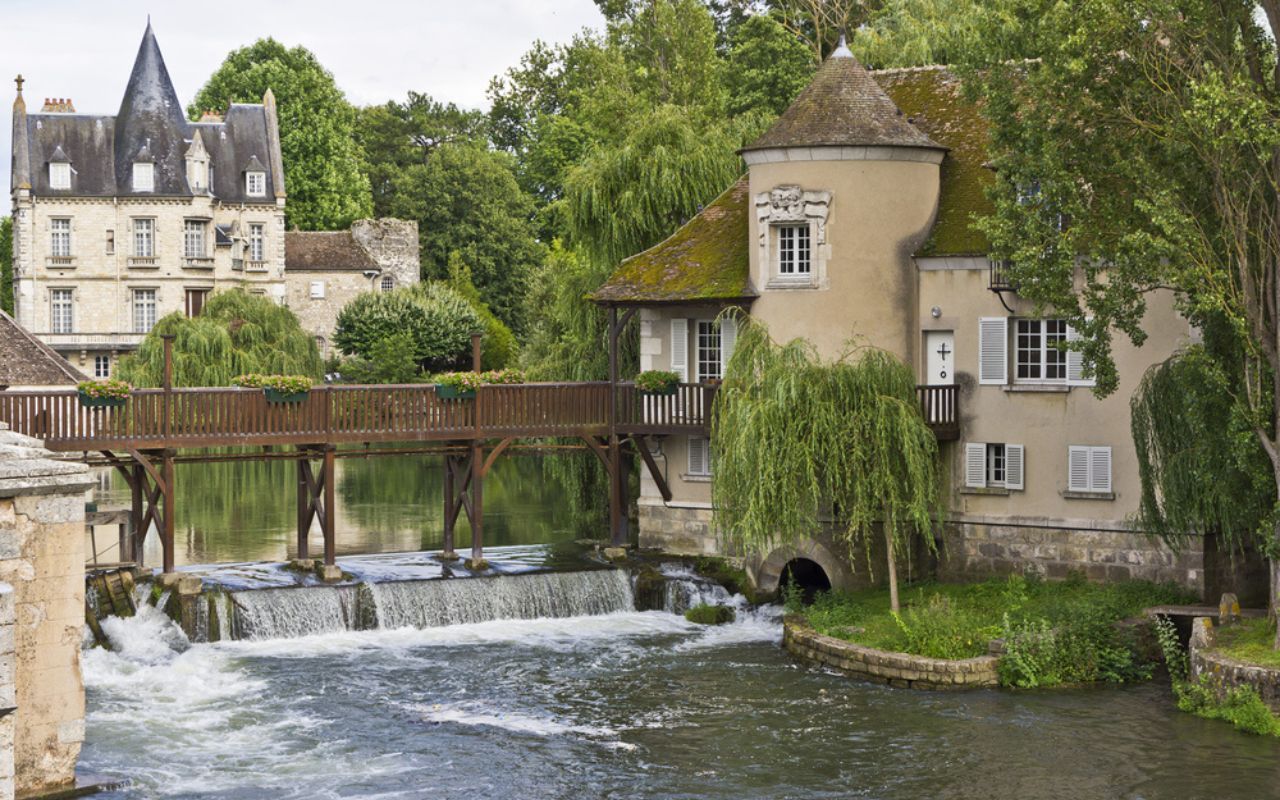
Nicknamed the "Venice of Brie," Crécy-la-Chapelle amply deserves its reputation as the most romantic village in Seine-et-Marne. Located 50 kilometers east of Paris, this commune of 4,000 inhabitants is crossed by the Grand Morin and its multiple arms, creating a unique network of canals in Île-de-France.
In winter, Crécy-la-Chapelle takes on a particular charm. The reflections of the half-timbered houses in the calm waters of the Grand Morin, the stone bridges spanning the channels, and the cobbled alleys create an atmosphere worthy of the most beautiful villages in Europe. The 13th century Gothic church, with its bell tower visible from afar, majestically dominates this aquatic landscape.
The 12th century rampart walk, perfectly preserved, offers an exceptional winter stroll with breathtaking viewpoints over the Morin meanders. Nature lovers can even try a canoe-kayak outing on the Grand Morin, a refreshing but memorable experience in the cold season.
La Roche-Guyon, the suspended castle of Val-d'Oise
The only village in Île-de-France classified among the Most Beautiful Villages of France, La Roche-Guyon occupies an exceptional position in the Seine valley, 70 kilometers northwest of Paris. This Val-d'Oise village offers a striking spectacle with its Renaissance castle backed against a 90-meter high white chalk cliff.
Winter reveals all the majesty of this unique site. Seine mists regularly envelop the valley, creating romantic atmospheres worthy of the most beautiful romantic paintings. The castle, which overlooks the valley, offers exceptional panoramas over the river's meanders and the French Vexin countryside.
The village visit in winter allows you to fully appreciate the unique troglodytic architecture in Île-de-France. The dwellings carved into the cliff, the underground passages connecting the castle to the donjon, and the French-style gardens create a remarkable architectural ensemble. The medieval-inspired vegetable garden, even at winter rest, testifies to the art of living of yesteryear.
Practical tips for visiting villages around Paris in winter
How to get there
Most of these villages are accessible by public transport from Paris. Transilien regional trains serve Moret-sur-Loing, Barbizon (via Fontainebleau), and Auvers-sur-Oise. For Compiègne, prefer direct trains from Gare du Nord. The car remains the most practical way to explore several villages during the same weekend.
Recommended equipment
Winter in Île-de-France can be damp and windy. Plan warm and waterproof clothing, as well as good non-slip walking shoes for potentially slippery cobblestones. A thermos of hot drink will always be appreciated during contemplative breaks.
Accommodation and dining
Each village offers charming accommodation options: guest rooms in period houses, traditional inns, or character hotels. Local restaurants highlight local Île-de-France products, particularly comforting in winter: ancient vegetable soups, seasonal game, Brie cheeses and artisanal pastries.
In conclusion, the most beautiful villages to discover around Paris this winter offer an authentic and restorative alternative to urban effervescence. These getaways allow you to rediscover the heritage riches of Île-de-France in a muted atmosphere conducive to contemplation and change of scenery. Whether you choose the frozen canals of Crécy-la-Chapelle, the romantic ruins of Montfort-l'Amaury, or the artistic atmosphere of Barbizon, each village reveals its unique personality under the winter veil. Don't hesitate to let yourself be guided by the Ryo audio-guided circuits available to enrich your discovery of these Île-de-France gems.
FAQ – Villages around Paris in winter
What is the best time to visit these villages in winter?
The months from December to February offer the most typically winter atmospheres. Misty mornings and possible snowfalls sublimate the ancient architecture of these villages.
Can we visit these villages with children in winter?
Absolutely! Most villages offer activities suitable for families: interactive museums, fun trails, and play areas. Simply plan warm clothes and regular breaks in cafes or restaurants.
Are there special events in winter in these villages?
Many organize Christmas markets, festive illuminations, and winter cultural events. Check the official tourist office websites to know the seasonal programming.
How much time to plan to visit a village?
Half a day is enough to discover the essentials of a village, but a full day allows you to deepen the visit, have lunch on site and fully enjoy the local atmosphere.