

Créé par Romane, le 20 juin 2026
Votre guide Ryo
Visit Normandy in 19 Unmissable Places
© Shutterstock
Normandy, an emblematic region in northwest France, offers historical and natural heritage of exceptional richness. Between majestic cliffs, history-laden beaches, picturesque ports and thousand-year-old abbeys, this land of character seduces millions of visitors every year. Whether you're a nature lover, history enthusiast or simply curious, visiting Normandy promises unforgettable discoveries. Here are the 19 unmissable things to do during your Norman stay.
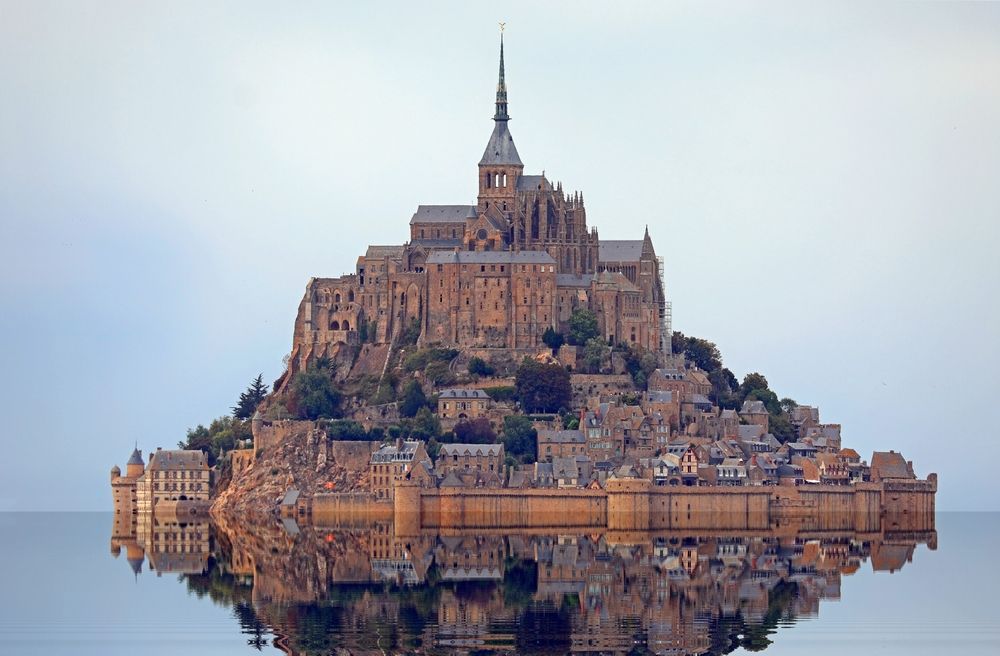
1. Mont-Saint-Michel
Impossible to visit Normandy without contemplating the marvel of Mont-Saint-Michel. Perched on its rocky islet in the middle of a bay with spectacular tides, this UNESCO World Heritage site embodies all the majesty of the region. The abbey crowning the Mont offers breathtaking architecture blending Romanesque and Gothic styles. From the terraces, the view over the bay is breathtaking, particularly at sunset.
During your visit, take the medieval streets that wind up to the summit and discover the many craft shops. High tides offer a fascinating natural spectacle, transforming the Mont into a true island. Remember to check tide times before your visit to fully enjoy this unique phenomenon.
2. The cliffs of Étretat
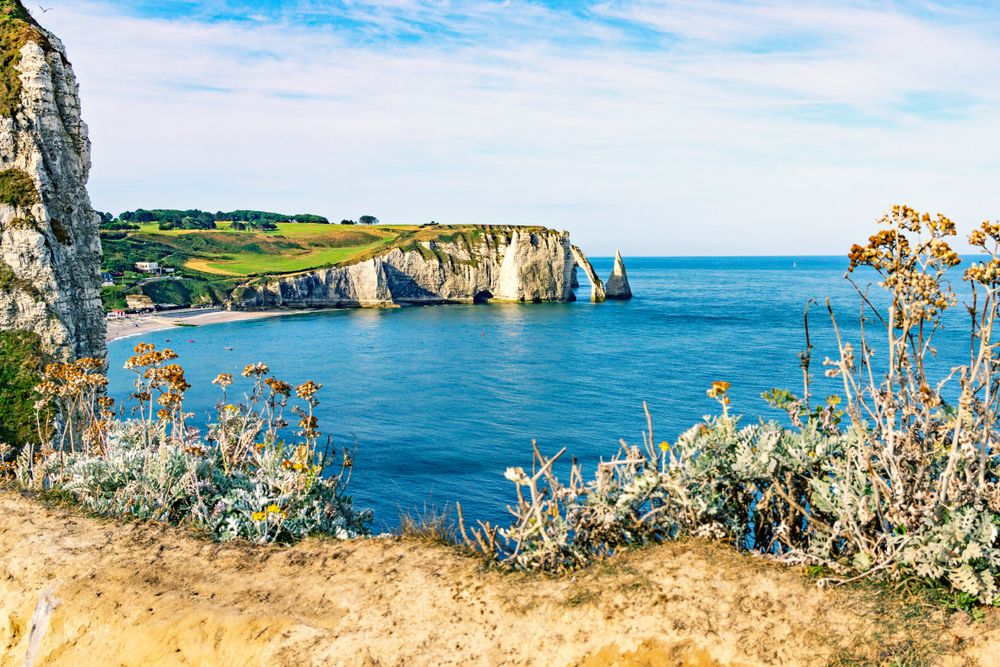
The cliffs of Étretat are among the most photographed landscapes in France. These white chalk giants, sculpted by marine erosion, create spectacular natural formations like the Porte d'Aval arch, the Manneporte and the famous Aiguille. These natural monuments have inspired many artists, including Claude Monet and Gustave Courbet.
To fully admire these wonders, take the customs officers' path (GR21) that runs along the top of the cliffs. The walk offers exceptional panoramas over the English Channel and allows you to observe the cliffs from different angles. Below, the pebble beach invites relaxation with an unobstructed view of the natural arches. Don't forget to visit the Jardins d'Étretat, true landscaped artworks perched on the Amont cliff.
3. Honfleur and its Vieux Bassin
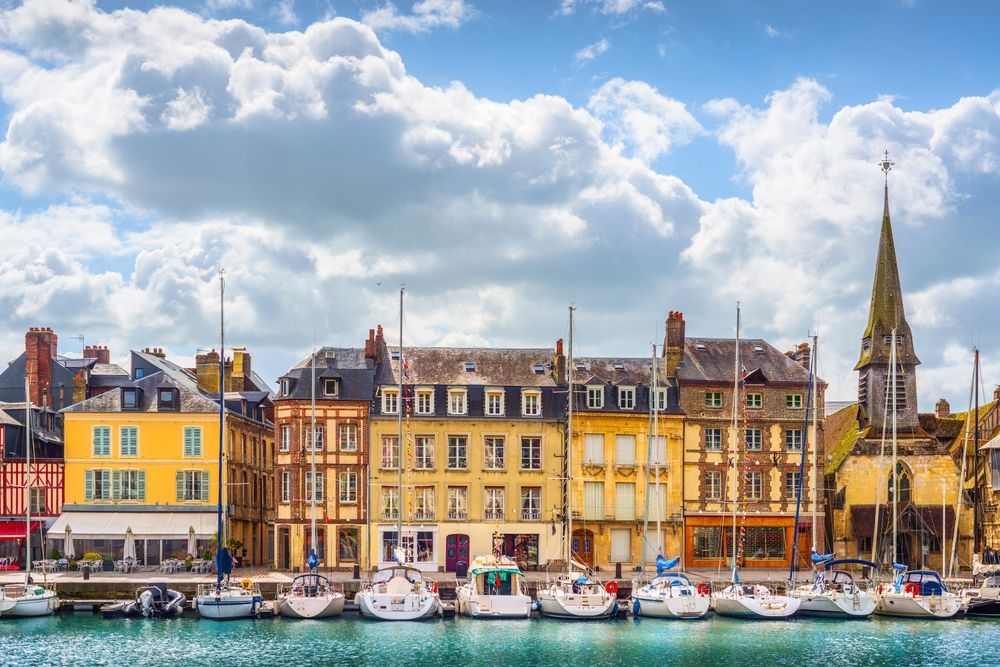
Honfleur is undoubtedly one of the most charming ports in Normandy. Its Vieux Bassin, bordered by tall narrow houses with slate facades, offers a living postcard that has seduced countless Impressionist painters. The atmosphere is unique, between maritime tradition and Norman way of life.
Stroll through the cobbled streets of the historic center, visit Sainte-Catherine church, France's largest wooden church, and discover the numerous art galleries that perpetuate the city's artistic tradition. The Saturday morning market on place Sainte-Catherine is a must to taste Norman local products. To extend your discovery of this magnificent city, let yourself be guided by the Ryo itinerary that will make you discover all its hidden treasures.
4. The D-Day beaches
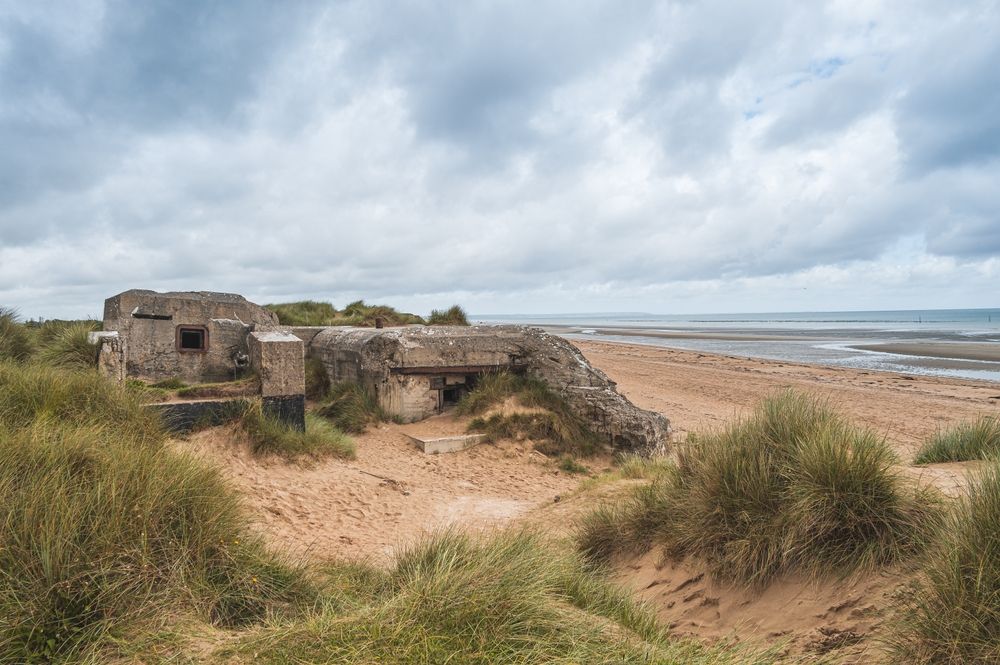
The Norman coast is the theater of one of the major events of the 20th century: the D-Day landings of June 6, 1944. Visiting the D-Day beaches constitutes an unmissable moment of emotion and memory. From Omaha Beach to Utah Beach, passing through Gold, Juno and Sword Beach, each site tells a page of History.
The Caen Memorial offers a complete approach to World War II and D-Day through modern and moving scenography. Don't miss the American cemetery at Colleville-sur-Mer, a place of remembrance where nearly 10,000 soldiers rest. Pointe du Hoc, with its still visible German bunkers, testifies to the violence of the fighting. At Sainte-Mère-Église, the paratrooper mannequin hanging from the church bell tower recalls the heroic episode of paratrooper John Steele.
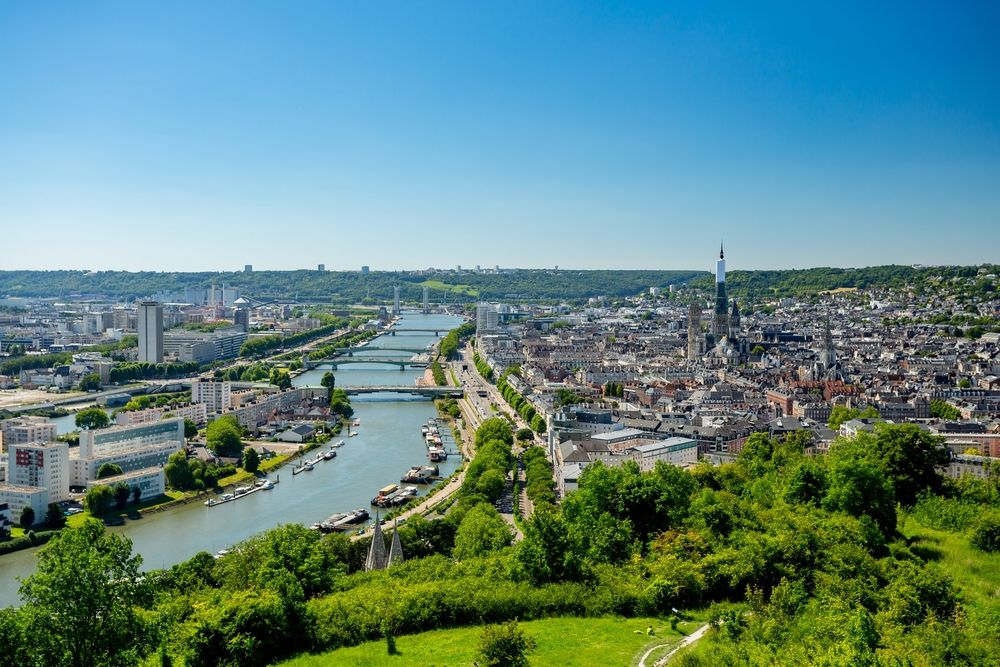
5. Rouen, the city of a hundred spires
Historical capital of Normandy, Rouen impresses with the richness of its architectural heritage. Notre-Dame cathedral, immortalized by Monet in his famous series of paintings, dominates the historic heart with its spire reaching 151 meters. The Gros-Horloge, Renaissance belfry spanning a picturesque street, has become the city's emblem.
The medieval city center has nearly 2,000 perfectly preserved half-timbered houses, offering a remarkably authentic setting. Place du Vieux-Marché, where Joan of Arc was burned alive in 1431, today houses a modern church in her memory. For art lovers, the Fine Arts museum contains an impressive collection of Impressionist paintings.
6. Deauville and the Côte Fleurie
Deauville embodies Belle Époque elegance with its famous boardwalk, colorful umbrellas and beach cabins bearing the names of stars from the American Film Festival. This upscale seaside resort has attracted refined clientele for over a century who come to enjoy its fine sandy beaches, casino and racecourse.
Nearby, Trouville-sur-Mer offers a more authentic atmosphere with its daily fish market and seafood restaurants. Cabourg, with its Grand Hotel immortalized by Marcel Proust, and Houlgate complete this string of Norman seaside resorts. The Côte Fleurie is ideally discovered by bike, taking the green lane that connects the different coastal communities.
7. The Bayeux Tapestry
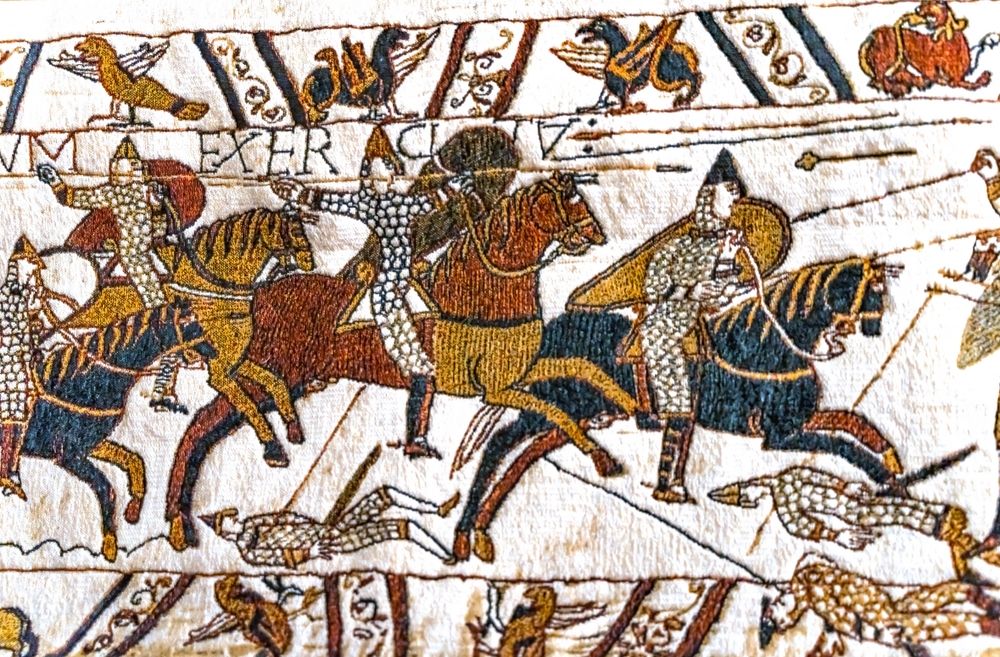
Masterpiece of medieval art, the Bayeux Tapestry (actually an embroidery) unfolds over 70 meters the epic of the conquest of England by William the Conqueror in 1066. Listed on UNESCO's Memory of the World register, this exceptional 11th-century work fascinates with the fineness of its execution and the richness of its historical narrative.
Important note: The Bayeux Tapestry Museum is currently closed for renovation until October 2027. During this period, take the opportunity to discover Bayeux's other treasures: its Notre-Dame cathedral, its preserved medieval center and the Baron Gérard museum which presents local art and history collections.
8. Monet's gardens at Giverny
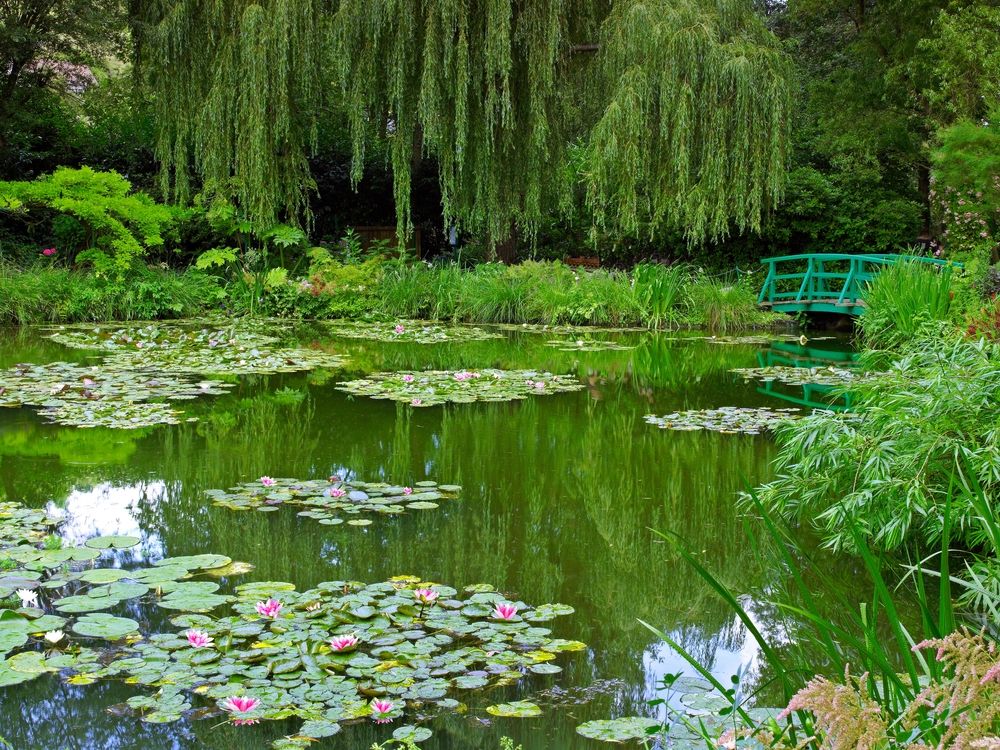
On the border between Normandy and Île-de-France, Giverny houses Claude Monet's home and gardens, master of Impressionism. The painter lived here from 1883 to 1926 and created his most famous series here, including the Water Lilies. The water garden, with its Japanese bridge and weeping willows, offers an enchanting spectacle, particularly in spring when the wisteria are in bloom.
The Norman garden, flower garden in front of the pink house with green shutters, amazes with its colorful compositions that change with the seasons. Visiting the residence allows you to discover Monet's studio and his collection of Japanese prints. Favor an early morning or late afternoon visit to avoid crowds and fully enjoy the serenity of the place.
9. Le Havre and its modern architecture
Entirely rebuilt after the 1944 bombings by architect Auguste Perret, Le Havre offers a unique face in France. Its city center, classified as UNESCO World Heritage, testifies to 20th-century urbanism and architecture. Saint-Joseph church, with its 107-meter lantern tower, constitutes the symbol of this urban renaissance.
The André Malraux Museum of Modern Art (MuMa) possesses one of the most beautiful Impressionist collections in France, with works by Monet, Renoir, Pissarro and Dufy. The redeveloped seafront and its Hanging Gardens offer a pleasant walk with sea views. Don't miss the Perret model apartment, which allows you to discover the interior of a typical reconstruction housing.
10. Caen and its abbeys
City of art and history, Caen was William the Conqueror's favorite city. Two monumental abbeys testify to this prestigious past: the Abbaye aux Hommes, founded by the duke himself, and the Abbaye aux Dames, created by his wife Matilda of Flanders. These masterpieces of Norman Romanesque art still house the tombs of the princely couple.
Caen castle, one of the largest fortified enclosures in Europe, dominates the city and houses the Fine Arts museum and the Normandy museum. The Caen Memorial constitutes an obligatory passage to understand the history of the 20th century, from the rise of totalitarianisms to D-Day, to contemporary peace issues.
11. Pays d'Auge and its villages
Pays d'Auge embodies postcard Normandy with its green bocages, peaceful cows and half-timbered manors. This hilly region between Caen and Lisieux produces the finest of Norman gastronomy: cider, calvados, pommeau and AOC cheeses (camembert, pont-l'évêque, livarot).
Beuvron-en-Auge, classified among the Most Beautiful Villages of France, seduces with its colorful half-timbered houses and its 17th-century covered market. Pierrefitte-en-Auge and Beaumont-en-Auge complete this triptych of authentic villages. Take the opportunity to follow the Cider Route, which winds between orchards and artisanal cider houses where you can taste local products.
12. La Suisse Normande
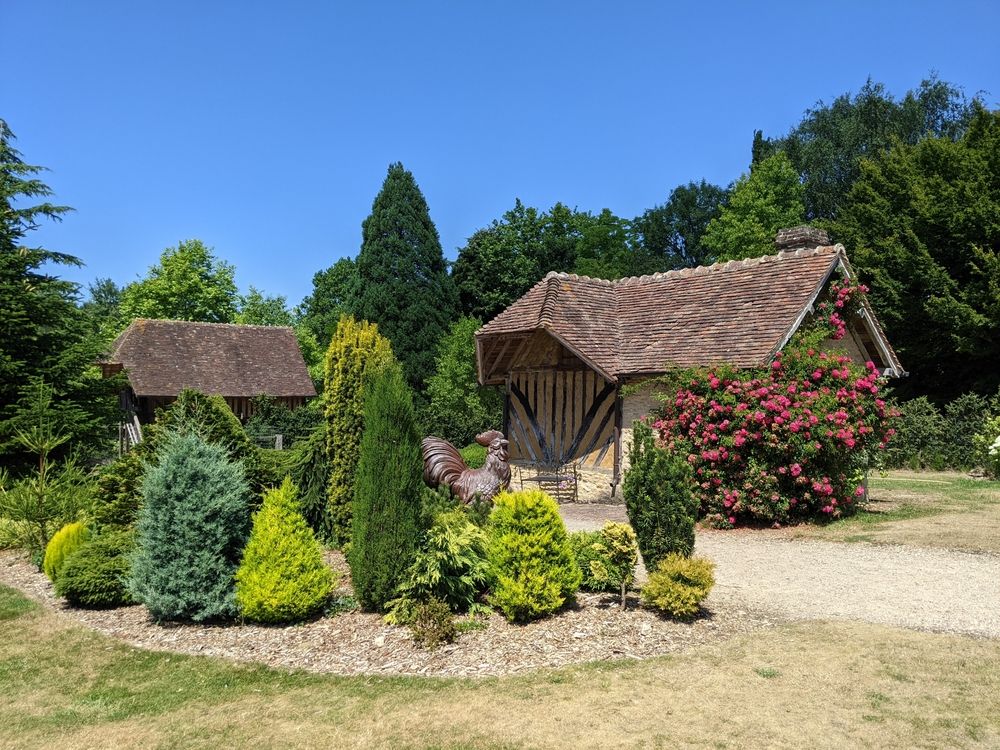
Although no summit exceeds 400 meters, la Suisse Normande takes its name from its rugged relief that contrasts with the rest of Normandy. The Orne gorges have sculpted spectacular landscapes, conducive to outdoor activities. La Roche d'Oëtre offers an exceptional viewpoint over the river meanders, 118 meters below.
This region is paradise for hiking, climbing, canoe-kayak and mountain biking enthusiasts. The village of Clécy, capital of la Suisse Normande, constitutes an ideal base for exploring the region. Le Roc de la Houle and les Rochers des Parcs offer other remarkable viewpoints over these bucolic landscapes.
13. Cotentin and Cherbourg
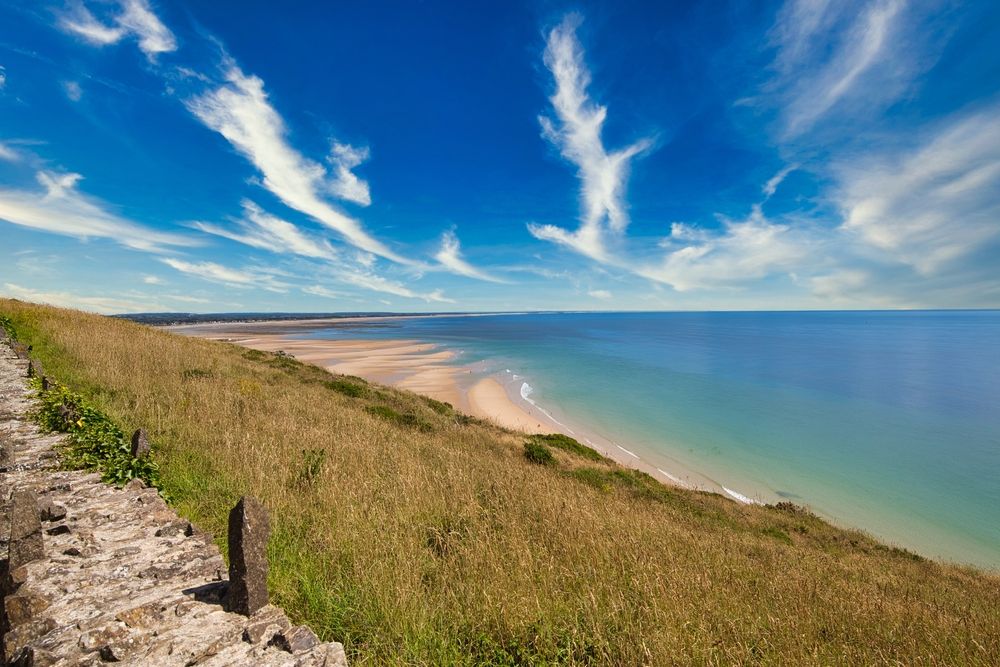
The Cotentin peninsula reveals a wild and preserved Normandy, battered by winds and waves. Cherbourg, historic maritime port, houses the Cité de la Mer, a museographic complex dedicated to underwater adventure. You can visit Le Redoutable, France's first nuclear submarine, and discover the Titanic's history through a permanent exhibition.
The Cotentin coastline reserves beautiful surprises with the picturesque port of Barfleur, classified among the Most Beautiful Villages of France, and the Vauville dunes. Cap de la Hague, at the western tip of the peninsula, offers striking panoramas over jagged coasts where moorlands and cliffs mingle.
14. Granville, the Monaco of the North
Perched on a rocky promontory, Granville raises its ramparts facing the sea. The fortified upper town reveals a maze of cobbled streets and granite houses. France's first shellfish port, Granville celebrates its carnival every year, one of the most renowned in France, which animates the city for five days in February.
Villa Les Rhumbs houses the Christian Dior museum, installed in the famous couturier's childhood home. The garden, overlooking the sea, still inspires the haute couture house's collections. From Granville, maritime connections allow you to reach the Chausey islands, a wild archipelago with tropical airs with its turquoise waters and pink granite rocks.
15. The Chausey islands
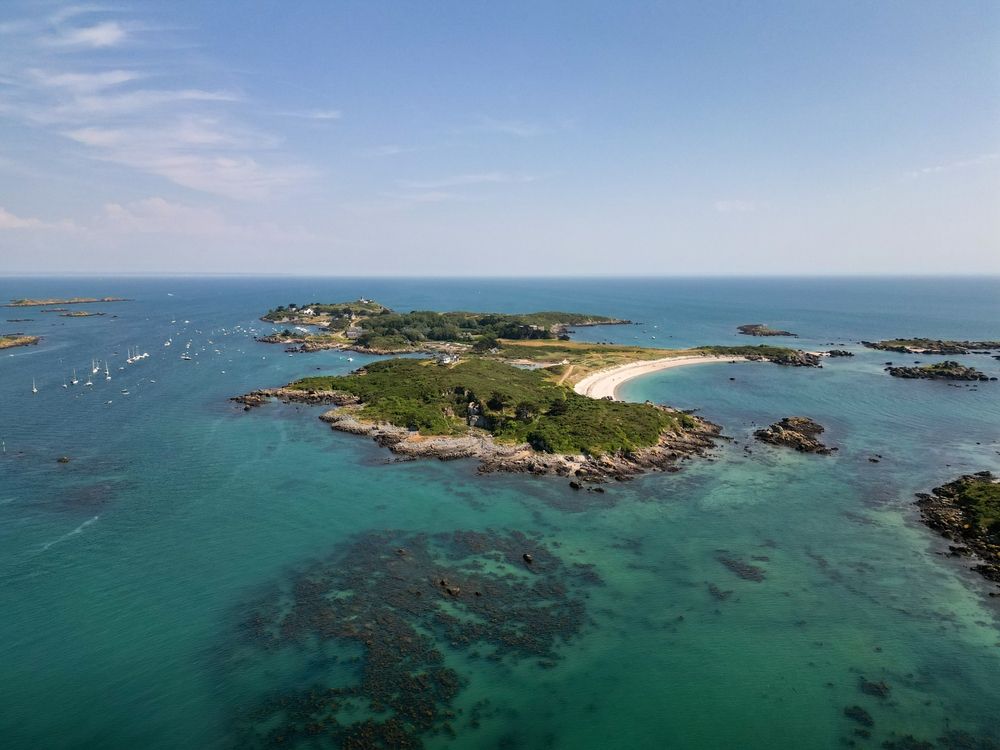
Located 17 kilometers off Granville, the Chausey archipelago forms a small preserved paradise. At high tide, there are 52 islets; at low tide, this number rises to 365, with the tidal range sometimes reaching 14 meters. Only the Grande Île is permanently inhabited by a handful of residents.
White sand beaches, secret coves and crystal-clear waters give the archipelago an end-of-the-world feel. Marine fauna and flora are exceptionally rich. One day is enough to walk around the Grande Île on foot, but to fully absorb the unique atmosphere of the place, it is recommended to spend a night in the only hotel or in one of the gîtes.
16. The Camembert route
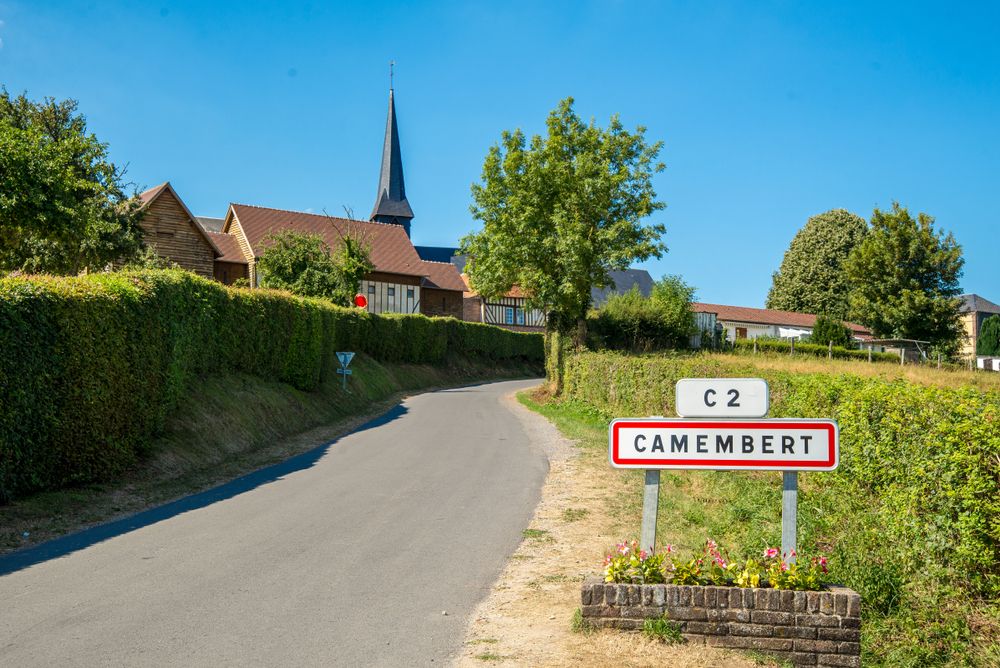
France's most famous cheese deserves an itinerary dedicated to it! The Camembert route winds through the Orne bocage, from Vimoutiers to Camembert, the village that gave its name to the cheese. A statue of Marie Harel, legendary creator of camembert, stands on the square in Vimoutiers.
The village of Camembert houses the Maison du Camembert, where you discover the history and manufacturing secrets of this emblematic cheese. Many farms and cheese factories line the route, offering visits and tastings. The route also crosses the cider route, allowing you to appreciate all the products of Norman terroir in magnificent bucolic landscapes.
17. Le Haras du Pin
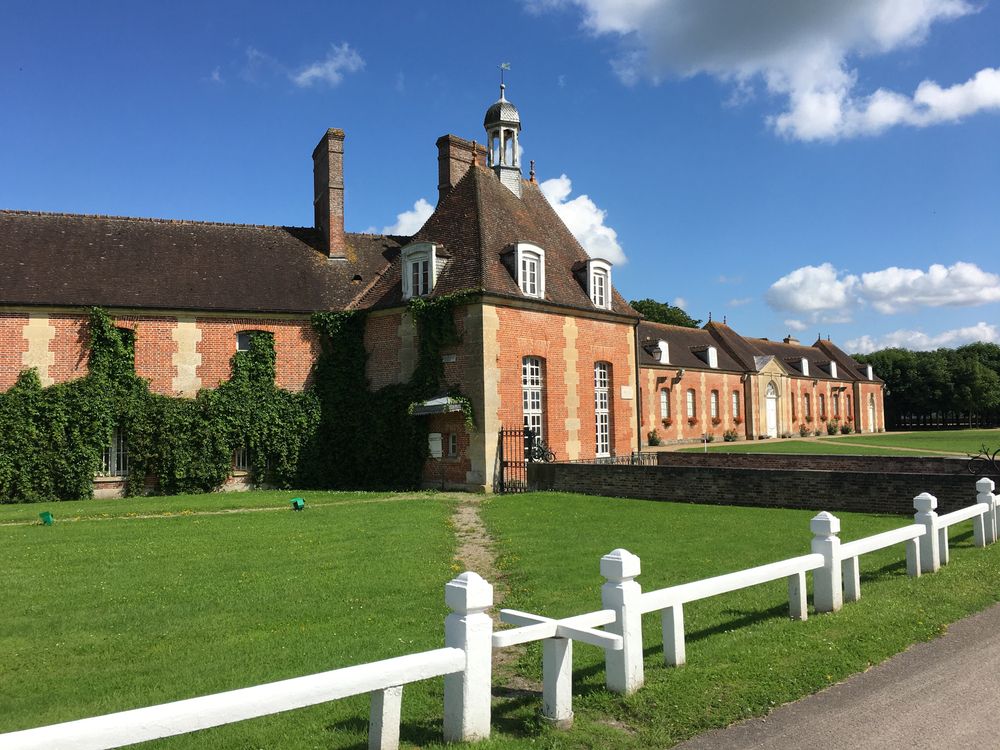
Nicknamed the "Versailles of the horse," the Haras du Pin national stud was founded by Louis XIV in 1665 to improve the kingdom's equine breeds. The castle and its outbuildings, work of architect Jules Hardouin-Mansart, fit into a majestic setting in the middle of a 1,000-hectare park.
The stud perpetuates Norman equestrian tradition by hosting stallions and purebred mares. Guided tours allow you to discover the stables, the Horse museum and attend carriage presentations. During summer, the Jeudis du Pin offer equestrian shows in the main courtyard, blending tradition and modernity.
18. Château-Gaillard and les Andelys
Dominating the Seine meanders from its cliff, Château-Gaillard was built in one year by Richard the Lionheart to defend Normandy against the kingdom of France. The imposing ruins of this medieval fortress testify to the military genius of the era. The view from the ramparts embraces the Seine valley and the charming village of les Andelys below.
Le Petit-Andely, on the banks of the Seine, and le Grand-Andely, slightly set back, form a harmonious ensemble of half-timbered houses and cobbled streets. Notre-Dame church in Grand-Andely contains magnificent Renaissance stained glass windows. A walk along the Seine quays allows you to admire the castle from another angle, particularly photogenic at sunrise or sunset.
19. Dieppe and the Côte d'Albâtre
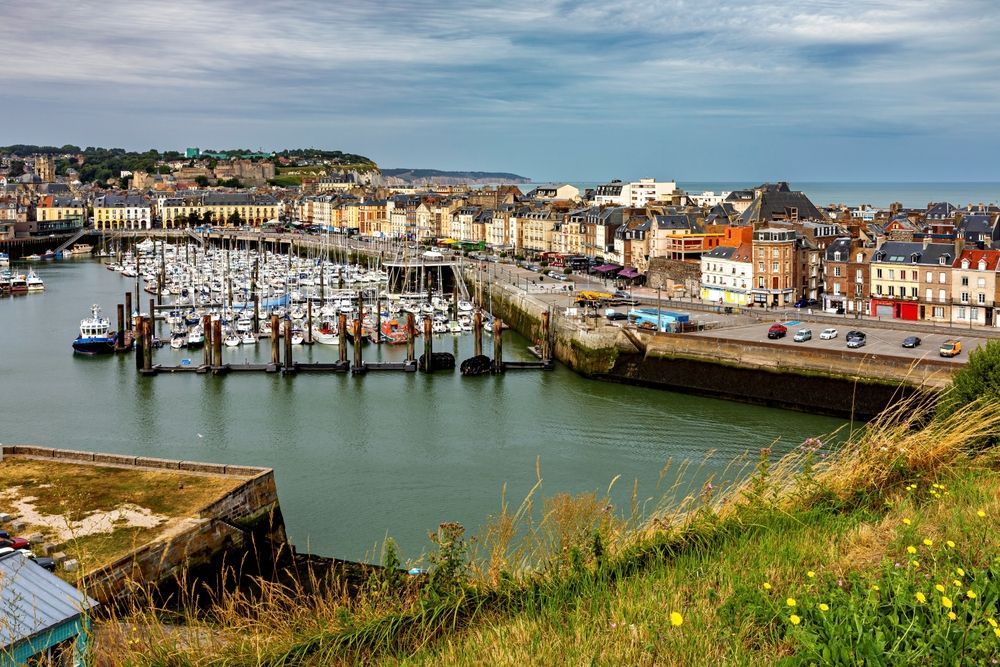
The oldest fishing port on the Channel, Dieppe cultivates its maritime character with authenticity. The castle-museum, perched on the western cliff, dominates the port and the long pebble beach. Rue Jean-Ango and the Pollet district, former fishermen's stronghold, deserve an attentive stroll.
On Saturday mornings, the market on place Nationale is one of Normandy's most renowned for its freshly landed seafood. The Côte d'Albâtre, which extends from Dieppe to Tréport, offers a permanent spectacle of chalky cliffs streaked with black flint, sculpted by marine erosion. The GR21 long-distance hiking trail allows you to discover this spectacular coastline in several stages.
In conclusion, visiting Normandy means setting out to meet an authentic region where history is inscribed in every stone, where nature displays its most beautiful attire and where gastronomy delights the palate. From the majestic cliffs of Étretat to Mont-Saint-Michel passing through the D-Day beaches and picturesque ports, Normandy offers a diversity of landscapes and heritage that leaves no one indifferent. Whether you stay for a weekend or several weeks, each discovery will reveal a new facet of this endearing region. Don't hesitate to get off the beaten track, to get lost on the small country roads and to chat with the Normans, whose warm welcome contributes to the region's charm. Normandy is lived as much as it is visited, so take the time to savor every moment of your Norman stay.
Frequently Asked Questions
What is the best time to visit Normandy?
Normandy can be visited year-round, but the most pleasant periods extend from April to October. Spring (April-May) offers green and blooming landscapes, particularly at Giverny. Summer (June-August) is ideal for enjoying beaches and outdoor activities, although busier. Autumn (September-October) reveals shimmering colors and more moderate crowds. Winter remains mild but rainy, perfect for discovering cities and museums in peace.
How many days are needed to visit Normandy?
A 3-day weekend allows you to discover major sites like Mont-Saint-Michel, Étretat and Honfleur. For a deeper discovery including D-Day beaches, Rouen, Caen and Pays d'Auge, plan 5 to 7 days. Two weeks will allow you to explore the region in depth, taking time to stop in small villages and enjoy outdoor activities.
What gastronomic specialties not to miss in Normandy?
Normandy is a paradise for gourmets! Don't miss camembert, pont-l'évêque and livarot (AOC cheeses), oysters and mussels from the coast, cider and calvados, teurgoule (rice pudding flavored with cinnamon), tripe à la mode de Caen, without forgetting sweet specialties like Caen sablés, Isigny caramels and Norman apple tart. Local markets are the ideal place to discover these local products.
Is Normandy a family destination?
Absolutely! Normandy offers many family-friendly activities: beaches for swimming and sandcastles, animal parks like Jurques zoo, interactive museums like the Cité de la Mer in Cherbourg, easy hikes in Norman bocage, and of course visiting Mont-Saint-Michel which amazes young and old alike. Educational farms allow children to discover animals and local product manufacturing. Many accommodations offer family packages.