
Créé par Romane, le 7 mai 2026
Votre guide Ryo
© Shutterstock
Nestled in a magnificent gulf between turquoise sea and majestic mountains, Saint-Florent is one of the hidden gems of Corsica. Nicknamed the "Corsican Saint-Tropez," this charming seaside town of Cap Corse offers an idyllic setting where Mediterranean authenticity, historical heritage and preserved wild nature blend together. Between its picturesque streets, its imposing Genoese citadel, the mythical Agriates desert and its paradise beaches, Saint-Florent promises an unforgettable getaway for lovers of Corsica. Whether you're a hiking enthusiast, history buff, epicurean seeking Corsican flavors or simply someone contemplative in search of breathtaking landscapes, this destination has something to seduce all types of travelers. Here is our selection of 12 must-see things to do when visiting Saint-Florent and its surroundings.
1. Stroll through the old town of Saint-Florent
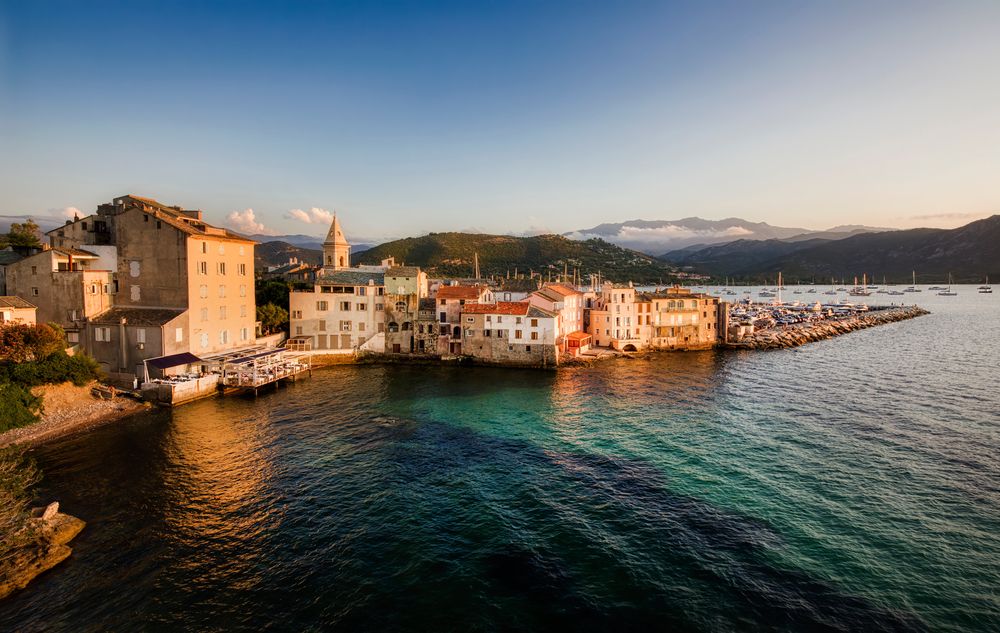
Begin your discovery of Saint-Florent with a walk through its old town, a true concentrate of Mediterranean charm. The narrow, paved streets wind between colorful houses with shutters faded by the sun, creating a typically Corsican atmosphere. Around the corners of the alleys, you'll discover shaded squares where an incomparable gentle way of life reigns. The Place des Portes and the Place de la Doria are the beating hearts of the village, where locals meet for wild games of pétanque or simply to exchange the day's news.
Take time to admire the old facades, architectural details and small fountains that refresh the atmosphere in summer. The old shops have been transformed into art galleries, local craft boutiques and small family restaurants where you can taste local products. In the late afternoon, when golden light caresses the warm stones, old Saint-Florent reveals all its poetry.
2. Visit the Genoese citadel
Perched above the harbor, the Saint-Florent citadel is one of the city's most emblematic historical monuments. This imposing circular fortress was built by the Genoese in 1439 to protect the coast from invasions. After crossing the centuries and resisting numerous assaults, it still stands proudly, whitened by the Mediterranean sun.
Today, the citadel houses a cultural center that regularly organizes contemporary art exhibitions in its keep. In summer, it also becomes a place of festivities with concerts and popular evenings that make its old walls charged with history vibrate. But the real treasure of the citadel is the spectacular panoramic view it offers from its esplanade. From up there, you can embrace the entire Saint-Florent bay, the turquoise gulf, the lively marina and, in the distance, the arid outlines of the Agriates desert. A breathtaking spectacle, particularly at sunset.
3. Walk along the marina
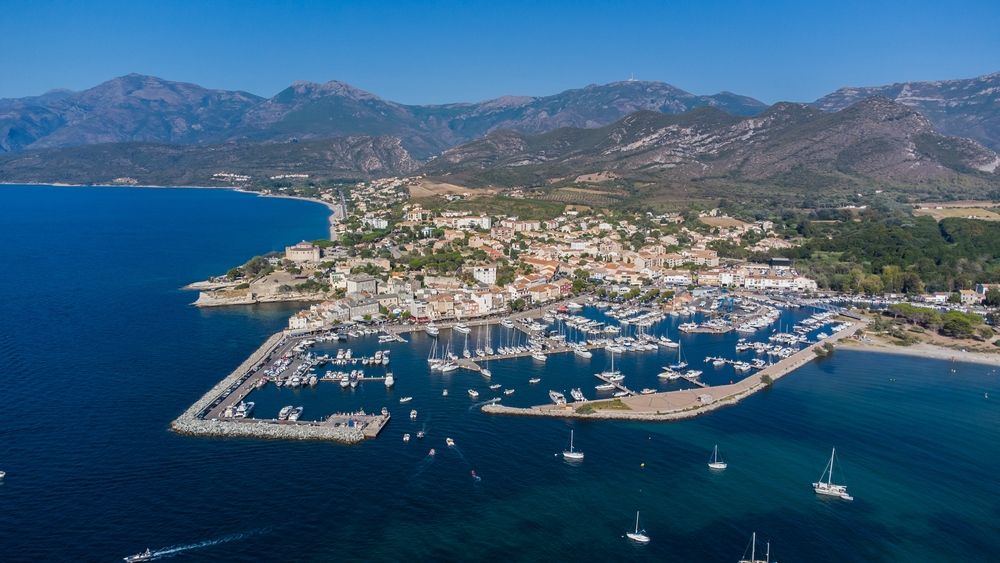
The Saint-Florent harbor is undoubtedly the most lively and photogenic place in the city. Framed by the Nebbio mountains and open onto a bay with crystalline waters, this modern marina contrasts with the authenticity of the old village. All along the quays line up luxurious yachts and traditional fishing boats, witnesses to the maritime history of Saint-Florent which was long a fishing village.
The harbor promenade is lined with restaurants and terraces where it's nice to taste seafood while admiring the ballet of boats. The atmosphere is relaxed during the day, when fishermen sell their morning catch, and becomes festive at nightfall, when the establishments come alive and laughter and music resonate. It's the ideal place to soak up the unique atmosphere of Saint-Florent, halfway between island simplicity and Mediterranean elegance. Don't hesitate to go there at the end of the day to enjoy the spectacle of the sunset over the bay.
4. Explore the Agriates desert
Contrary to what its name might suggest, the Agriates desert is not a sand desert but a vast expanse of wild scrubland, tormented rocks and paradise coves. This exceptional natural site extends over nearly 15,000 hectares between Saint-Florent and the mouth of the Ostriconi. It constitutes one of the last virgin coastal areas of the Mediterranean and is among the largest protected natural sites in the Mediterranean basin.
Writer Pierre Benoit wrote about it: "It looks like an immense field of bones, a remote and disturbing land, the imagination readily wanders: the dolmens are the ogre's vessels and the bridges are the Devil's constructions." This poetic description well renders the character that is both austere and fascinating of this territory. Despite its inhospitable appearance, the Agriates desert shelters fauna and flora of exceptional richness: raptors, wild boars, mouflon sheep, but also streams, dense vegetation of fragrant shrubs and paradise beaches that are among the most beautiful in Corsica.
To visit Bastia and its surroundings, the Agriates desert is accessible in several ways: by the customs trail on foot or by mountain bike, by road via a bumpy track (not recommended for tourist cars), or by sea with maritime shuttles departing from Saint-Florent. This last option offers the advantage of discovering the wild coastline from the waters and easily accessing the mythical beaches of Saleccia and Lotu.
5. Relax on paradise beaches
Saint-Florent and its surroundings constitute a true paradise for lovers of relaxation and swimming. The region holds sumptuous beaches that compete in beauty. The most accessible, the Roya beach, is located a few minutes walk from the city center. Bordered by a shaded pine forest, this long expanse of fine sand with calm waters is ideal for families and for those who want to enjoy the sea without moving away from amenities.
But the absolute jewels are found in the Agriates desert. The Saleccia beach, often cited among the most beautiful beaches in Corsica, deserves the trip by itself. Accessible after a 12-kilometer hike or by boat, this natural wonder reveals a kilometer of immaculate white sand bordered by dunes and centuries-old Aleppo pines, all bathed by turquoise waters worthy of the Caribbean. Its relative isolation gives it an incomparable wild and preserved atmosphere.
The Lotu beach, smaller but just as splendid, nestles in a protected cove of the Agriates desert. Its crystalline waters delight snorkeling enthusiasts. Don't miss the beaches of Olzu, Ospedale and Malfalco, three coves of sand and pebbles with stunning blue hues. The latter is particularly appreciated by hikers, motorcyclists and boaters who take the customs trail.
6. Hike on the customs trail
The customs trail, also called the coastal path, is undoubtedly the most beautiful hike to do starting from Saint-Florent. This historic coastal path, once used by guards to watch smugglers, winds along the wild coastline of the Agriates desert and offers breathtaking panoramas of the Mediterranean Sea.
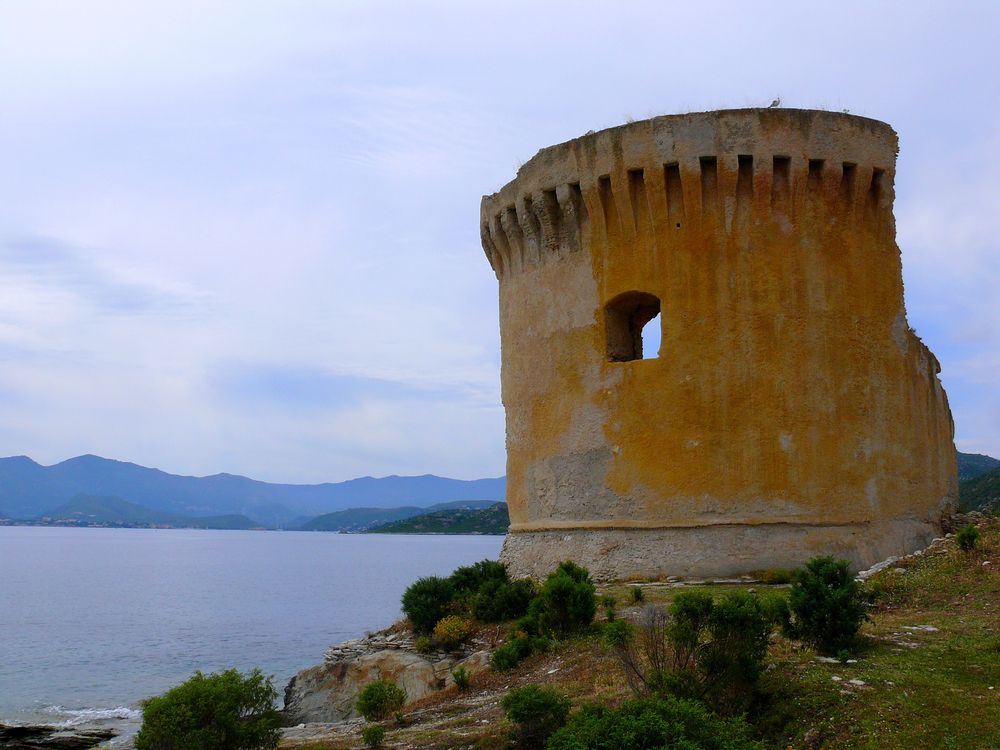
The complete itinerary breaks down into several stages. The first, from Saint-Florent (departure from Roya beach) to Saleccia beach, takes about six hours of walking. Along the way, you'll discover the Mortella tower, an old Genoese tower, and the magnificent Lotu beach. Experienced walkers can continue from Saleccia to Ghignu (three hours), then from Ghignu to Ostriconi beach (six hours), where the Ostracon river flows into the sea in a spectacular setting.
This hike, accessible to all on the first portions, crosses varied landscapes: fragrant scrubland, steep rocks, secret coves and vertiginous viewpoints. Bring plenty of water, a hat and sun protection, as shade is rare on this exposed trail. Gîtes d'étape and inns punctuate the route for those who wish to discover the entire trail over several days.
7. Discover the Santa-Maria-Assunta cathedral
A few kilometers from the center of Saint-Florent, in the middle of vineyards, stands the astonishing Santa-Maria-Assunta cathedral, also known as the Nebbio cathedral. This jewel of Romanesque art, built in the 12th century by the Pisans, is considered the most elaborate medieval monument in Corsica. Its sober but elegant architecture, its stone gilded by time and its stylized sculptures of great finesse testify to the refinement of the Pisan era.
The interior of the cathedral, bathed in soft light filtering through narrow windows, invites meditation and contemplation. The sculpted capitals, marble columns and remnants of frescoes recall the past splendor of this edifice which was the seat of the Nebbio bishopric until the 18th century. During your visit, take time to walk around it to appreciate the harmony of its volumes and the purity of its lines. The rural setting that surrounds it, between vineyards and hills, adds to the magic of the place.
8. Take a boat excursion
Visiting Saint-Florent without embarking on a boat excursion would be missing an unforgettable experience. From the harbor, many companies offer full-day or half-day trips to discover the wonders of the Corsican coast from the sea. These maritime walks will take you along the wild coasts of the Agriates desert, with their steep cliffs, their coves inaccessible by land and their waters of unreal blue.
Some excursions head north to coast along Cap Corse and its perched villages, others descend south towards Île-Rousse. The most complete combine the discovery of the Agriates desert with swimming stops at Saleccia and Lotu beaches, where you can throw yourself into crystalline waters and enjoy a paradise setting away from the crowds. Some providers also offer catamaran, sailboat or semi-rigid boat trips to observe dolphins that regularly frequent these fish-rich waters.
For a more intimate experience, opt for boat rental with or without a license. You'll thus be master of your itinerary and can anchor in secret coves of your choice. A day at sea remains one of the most beautiful memories you'll keep from your stay in Saint-Florent.
9. Practice water sports
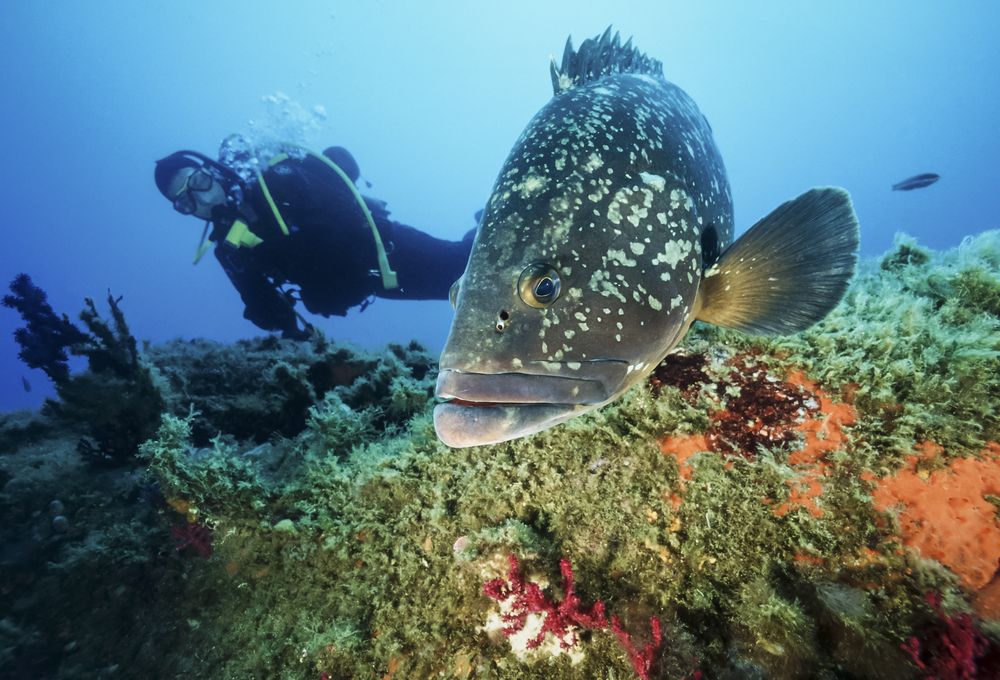
With its transparent waters, its rich seabeds and its ideal climatic conditions, Saint-Florent is a dream playground for water sports enthusiasts. Scuba diving tops the list of activities not to be missed. The depths of the Saint-Florent gulf shelter Mediterranean fauna and flora of incredible diversity: grouper fish, moray eels, octopuses, schools of silver fish evolving among colorful gorgonians and red corals.
Several diving clubs installed on the harbor offer baptisms for beginners and explorations for experienced divers. Among the most renowned sites are Pointe de Curza, the Roche de Nonza and La Vecchia, where vertiginous drop-offs and underwater caves offer spectacular dives. For those who prefer to stay on the surface, snorkeling around Lotu and Saleccia beaches already allows observation of abundant underwater life.
Other water activities are not to be outdone: paddleboard, sea kayak, jet ski, water skiing, flyboard or even kitesurfing will delight the most athletic. Several nautical centers offer introductions and equipment rentals. The protected gulf of Saint-Florent, with its calm waters and regular breeze, offers perfect conditions for indulging in these aquatic pleasures.
10. Tour the Nebbio and Patrimonio wine route
Visiting Saint-Florent also means discovering an exceptional wine terroir. The Nebbio region, and more particularly the village of Patrimonio located a few kilometers away, produces some of the best wines in Corsica. The wine route that winds through these sunny hillsides is an enchantment for wine lovers and beautiful landscapes enthusiasts.
The vineyards stretch over limestone soils unique in Corsica, giving Patrimonio wines their very particular character. While the region produces renowned reds and rosés, it's especially the white wine and the famous Muscat de Patrimonio that have made the reputation of the appellation. About forty wine domains open their doors to visitors for tastings and cellar visits. You'll discover the passionate work of winemakers and the secrets of making these island nectars.
During your wine journey, don't miss the village of Patrimonio itself. Perched on the heights, it offers a breathtaking view of the green valley and the gulf of Saint-Florent in the distance. Its baroque church of Saint-Martin, a jewel of Corsican religious architecture, also deserves a visit. Strolling through the paved streets of Patrimonio, stopping at a terrace to taste a glass of fresh Muscat while admiring the panorama: here's an authentic experience that summarizes by itself the Corsican art of living.
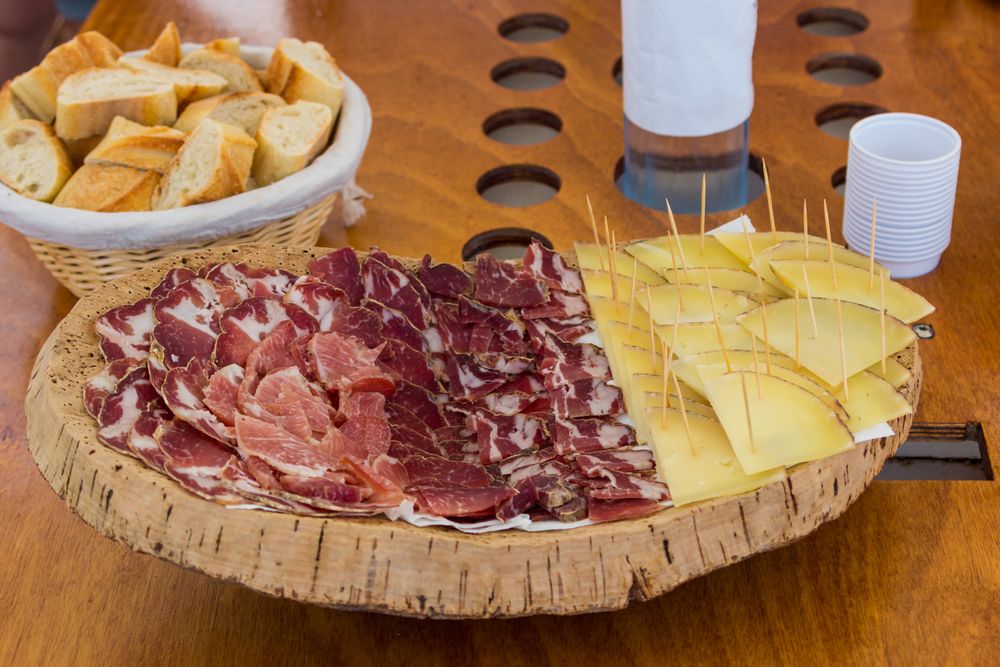
11. Taste Corsican gastronomic specialties
The Corsican gastronomy alone justifies the trip to Saint-Florent. The Island of Beauty has a rich and authentic culinary tradition, the fruit of a generous terroir and ancestral know-how. In the restaurants of the harbor and city center, you can taste typical dishes that will amaze your taste buds.
Start your feast with a platter of Corsican charcuterie: coppa, lonzu, figatellu and prisuttu (cured ham) will make you melt with pleasure. These delicately flavored and aromatic cold cuts, from pigs raised semi-free in the scrubland, are inimitable. Continue with cannelloni with Brocciu, this fresh sheep or goat cheese typically Corsican, or let yourself be tempted by roasted kid with sage and oregano, whose aromas will perfume your table.
On the seafood side, lobsters, freshly caught grilled fish and seafood will delight lovers. Don't forget to taste Corsican cheeses accompanied by fig jam, a true symphony of flavors. To finish beautifully, succumb to a chestnut flan, canistrelli (Corsican dry cookies) or fiadone (Brocciu and lemon cake). Water it all with a Patrimonio wine and conclude with a myrtle liqueur, the emblematic digestif of the island. You'll understand: visiting Saint-Florent also means making your taste buds travel and succumbing without restraint to the delights of the Corsican table.
12. Attend the Porto Latino festival
If you're lucky enough to visit Saint-Florent at the end of August, don't miss the Porto Latino festival under any circumstances. Since 1998, this musical event has transformed the peaceful seaside town into a fevered Latin American scene. For four days, generally from August 25th to 28th, Saint-Florent vibrates to the rhythm of salsa, bachata, reggaeton, cumbia and all musical styles from Latin America and the Caribbean.
Renowned international artists perform on several stages installed in the village and at the harbor. The atmosphere is festive, colorful and warm, attracting thousands of spectators from all over Corsica and the mainland. Between concerts, dance classes, workshops and animations immerse the public in a disorienting tropical atmosphere. Restaurant and bar terraces extend the party late into the night, creating a unique effervescence that contrasts with the usual tranquility of Saint-Florent. The Porto Latino festival has become over the years an unmissable event of the Corsican summer, celebrating music, dance and cultural mixing in an idyllic Mediterranean setting.
Download the audio-guided circuit to discover Bastia on foot and independently
Although Saint-Florent doesn't yet have its own Ryo audio-guided itinerary, the neighboring city of Bastia benefits from a complete circuit to explore the city at your own pace. Just 40 minutes by car from Saint-Florent, Bastia constitutes an excellent extension to your stay in the gulf. The Ryo app accompanies you through 21 major points of interest in the capital of Haute-Corse, with audio commentary rich in historical and cultural anecdotes. Whether you're a history enthusiast, architecture lover or simply curious to discover Corsican authenticity, this Bastia visit itinerary will allow you to optimize your time and not miss any of the city's treasures. A modern and fun way to visit Bastia independently, according to your desires.
In conclusion, Saint-Florent reveals itself to be a Corsican destination of unsuspected richness, capable of satisfying all desires. Between its paradise beaches worthy of the most beautiful postcards, its historical heritage testifying to centuries of tumultuous history, its wild preserved landscapes of the Agriates desert and its generous gastronomy, the small seaside town of Nebbio amply deserves its nickname of "Corsican Saint-Tropez." But unlike its Provençal cousin, Saint-Florent has managed to preserve its authenticity and its island soul, far from mass tourism. Whether you come to hike on the customs trail, lounge on Saleccia or Lotu beaches, explore the Genoese citadel, navigate the turquoise gulf or taste Patrimonio wines, you'll leave with imperishable memories. To complete your discovery of Haute-Corse, don't hesitate to extend your stay by exploring the surrounding villages and following the Bastia visit itinerary, natural gateway to Cap Corse and its wonders. Saint-Florent awaits you to reveal all its secrets and offer you the authentic Corsican experience you dream of.
Frequently asked questions about Saint-Florent
How to get to Saint-Florent?
The nearest airport to Saint-Florent is Bastia-Poretta, located about 40 minutes by road (23 km). Many daily air connections link Bastia to major French cities. From the airport or Bastia harbor (if you arrive by ferry), you can rent a car or take a bus to reach Saint-Florent. The coastal road leading to Saint-Florent offers magnificent panoramas of the Corsican coastline.
What's the best time to visit Saint-Florent?
The best period to visit Saint-Florent extends from May to October. The months of May, June and September offer an excellent compromise: pleasant temperatures, sea already warm, fewer crowds than in July-August and gentler prices. If you want to attend the Porto Latino festival, plan your stay at the end of August. Hikers will prefer spring (April-May) or autumn (September-October), when temperatures are more clement for walking. Summer (July-August) is ideal for swimming but attendance is maximum and prices high.
How much time to plan for visiting Saint-Florent?
To fully enjoy Saint-Florent and its surroundings, plan at least three to four days. This timeframe will allow you to discover the village, take an excursion to the Agriates desert, hike on the customs trail, visit Patrimonio vineyards and relax on the beaches. If you want to explore more broadly the Cap Corse region and combine with a visit to Bastia, a week won't be too much. Saint-Florent also constitutes an excellent base for exploring all of northern Corsica.
How to access Saleccia and Lotu beaches?
Several options are available to access the famous beaches of the Agriates desert. The most comfortable solution is to take a maritime shuttle from Saint-Florent harbor (regular departures in season). You can also take the customs trail on foot (about 3h for Lotu, 5-6h for Saleccia) or by mountain bike. A 12 km track starts from the D81 but it's very difficult and not recommended for tourist cars (4×4 strongly recommended). Finally, boat rental allows access to these paradise beaches in complete freedom while enjoying the spectacle of the coastline.
Where to stay in Saint-Florent?
Saint-Florent offers a wide range of accommodation suitable for all budgets. To be at the heart of the action, favor accommodation in the historic center or in the immediate vicinity of the harbor. The Fromontica district, near Roya beach, is also very popular for its seaside atmosphere. If you're looking for quiet, the Tettola district on slight heights offers a nice alternative. The city has hotels of all categories, charming bed and breakfasts, seasonal rentals and several well-equipped campsites. Remember to book well in advance, especially for the high summer season when Saint-Florent is often fully booked.