© Shutterstock
 Votre guide Ryo
Saumur and Its Surroundings: the Best Activities to Do in 2026
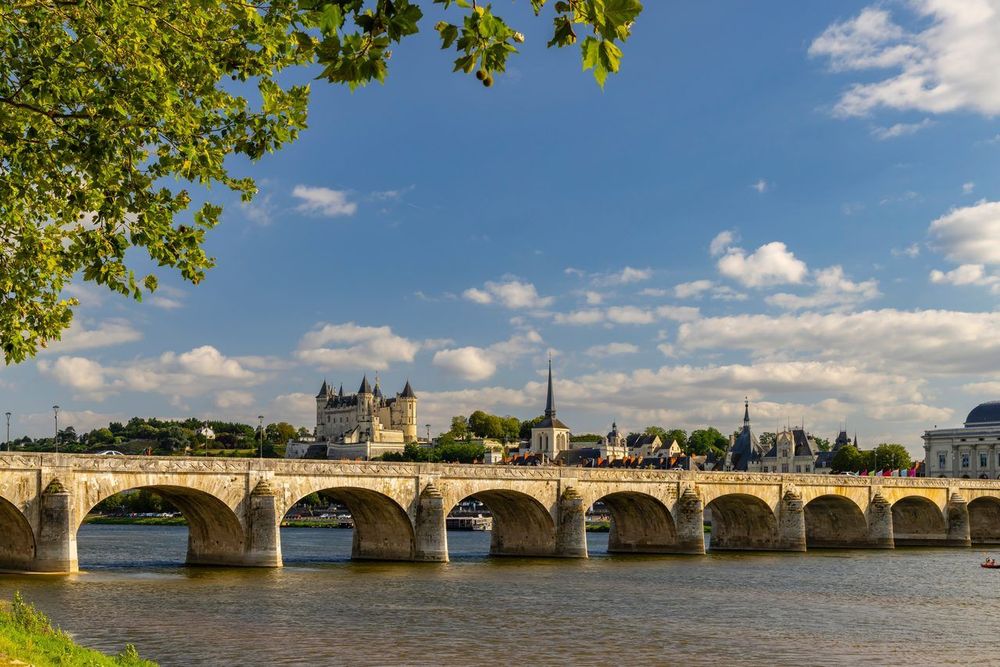
Looking for things to do in Saumur means discovering a city unlike any other in the Loire Valley. Perched on a limestone ridge with its white château dominating the river, surrounded by caves carved into the tuffeau stone since the Middle Ages, it boasts a rare heritage that most guides sum up in three words — horses, château, wine — without capturing its true depth. Yet activities in Saumur can take dozens of forms: tasting a crémant in a six-century-old cave, watching Cadre Noir riders rehearse their movements beneath chandeliers, paddling the Loire by kayak at sunset, or descending into an underground village that once housed entire families. This guide covers the must-sees and a few surprises for a packed weekend, whether you are looking for activities in Saumur as a couple, with family, or solo. To explore the city at your own pace with audio commentary, the Ryo audio guide Cité royale et cavalière de Saumur takes you across 3.2 km with 18 audio stops.
The Château de Saumur: Visiting the Jewel on the Rock
When it comes to activities in Saumur, the château de Saumur (Place du Château, 49400 Saumur, rated 4.3/5 on Google with 12,099 reviews) stands out as the obvious starting point — but it deserves more than a photo from the riverbanks. Built in the late 14th century on the foundations of a Capetian fortress, it served successively as a royal residence under the Dukes of Anjou, a state prison under Louis XIV, then as a barracks and municipal depot. It nearly disappeared in the 20th century: entire sections collapsed in 1906 and 2001, taking a tower and part of the north rampart with them. An ongoing restoration has allowed the permanent collections to reopen.
The château houses two distinct museums under one roof: the Musée des Arts Décoratifs, which brings together faience, tapestries and enamels from the Middle Ages to the Renaissance, and the Musée du Cheval, whose collection on the history of equitation and saddlery is one of the most comprehensive in Europe — fitting for a city where horses are a religion. Allow 1h30 to 2h for both.
Practical information: the château is open year-round except Tuesdays outside of peak season. Full price approximately €8, reduced rate around €5 — check up-to-date conditions on the online ticketing before your visit. In July and August, evening visits allow you to admire the Loire lit up from the terraces; book online as time slots fill up quickly. If you want to explore the château's history before or after your visit, the Ryo article on visiting the château de Saumur details the collections and opening hours season by season.
From the forecourt, the view over the Loire, the slate rooftops and the terraced gardens is worth the trip on its own. Head back down via rue Montsoreau to reach the medieval centre.
The Cadre Noir de Saumur: the Great School of Horsemanship
The École Nationale d'Équitation and its Cadre Noir have been listed as UNESCO intangible heritage since 2011. This is no ordinary tourist demonstration: the Cadre Noir riders perpetuate high school equestrian figures — the croupade, the cabriole, the mezair — inherited from the French equestrian tradition of the 18th century. Attending a public session means watching horses and riders achieve something that resembles choreography as much as athletics.
The reprises de manège (training sessions open to the public) take place in the morning, generally Tuesday through Friday. They last around 45 minutes and are held in the large covered arena — bring a warm layer, even in summer. Admission: €8 for adults. The grandes reprises (full costumed performances) are organised several times a year and often sell out two months in advance.
The estate also includes a museum space on the history of the School and French dressage. For families, guided educational tours include the stables and a close encounter with the horses — an option particularly appreciated by children who have never been near a competition saddle horse. The Cadre Noir is located in Saint-Hilaire-Saint-Florent, 3 km from the centre of Saumur, easily reachable by bike or car. It is without doubt the most emblematic activity in Saumur for understanding the city's equestrian identity.
This visit pairs naturally with a detour into the neighbouring caves: the two sites are less than 10 minutes apart.
Troglodyte Caves and Saumur Wines: beneath the Tuffeau Rock
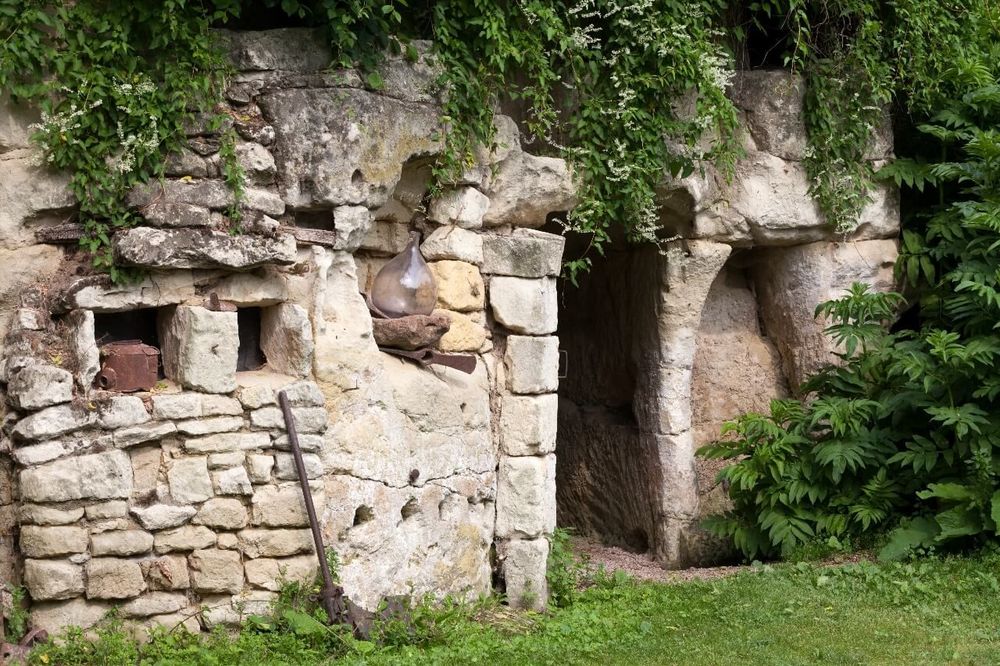
The subsoil of Saumur is a city within a city. Since the Middle Ages, quarrymen have extracted tuffeau stone to build châteaux and abbeys, carving a network of galleries that extends for dozens of kilometres beneath the hillsides. These caves, naturally at 12°C year-round, became the cradle of Saumur wines, in particular Saumur-Champigny and Crémant de Loire.
Several wine houses open their caves for guided visits with tastings. The Caves Louis de Grenelle are among the most accessible in the town centre: the guided tour lasts 45 minutes and descends into natural galleries adorned with remarkable rock-cut sculptures. The Caves Ackerman (19 rue Léopold Palustre, 49400 Saint-Hilaire-Saint-Florent, rated 4.5/5 on Google with 1,839 reviews), founded in 1811 in Saint-Hilaire-Saint-Florent, are among the largest in the Val de Loire with a vast network of troglodyte galleries — the visit is more spectacular but so is the tourist footfall.
For a more authentic experience, head to the small producers on the Souzay-Champigny hillside, 7 km from Saumur: some receive visitors by appointment and the tasting takes place directly with the winemaker in their family cave. Expect to pay €10 to €15 for a visit with tasting at the larger houses, and nothing at some small producers.
A practical tip: if you are driving and plan to visit several caves, designate a driver or rent bikes — the cycle path running along the Loire connects most estates.
Navigating the Loire: Kayak, Canoe and River Trips
The Loire runs through Saumur for nearly 2 kilometres and offers a playground that hurried visitors often underestimate. The view from the water of the château and the riverbanks is radically different from the one on shore — it was from this angle that 18th-century engravers depicted the city.
From May to September, several operators offer kayak and canoe rentals from the waterfront nautical base, with or without an instructor. A 2-hour kayak trip heading upstream towards the Loire islands allows you to observe the wildlife of the World Heritage-listed river — kingfishers, egrets, and sometimes wild horses on the sandy islands. Cost: €15 to €25 depending on the option.
Those looking for something less strenuous can opt for a gabarre boat trip: these traditional flat-bottomed boats drift along the river with a boatman providing commentary on the sites. Duration: approximately 1 hour, departing from the riverbanks.
In summer, the sandy beaches of the Loire islands are accessible on foot at low water — a perfect picnic spot in view of the château, in a surprisingly quiet setting just 10 minutes from the centre.
Musée des Blindés: the World's Largest Tank Collection
This museum surprises by its ambition. The Musée des Blindés (1043 Route de Fontevraud, 49400 Saumur, rated 4.8/5 on Google with 6,985 reviews) houses one of the largest armoured vehicle collections in the world, with several hundred vehicles from 23 different nations, a good number of which are still operational — making it the largest and most diverse collection in the world, ahead of those at Bovington in the United Kingdom and Kubinka in Russia. Around 250 vehicles are on display in the exhibition halls.
Key highlights include the only operational Tiger II (German Royal Tiger) in the world, several Renault FT tanks from the First World War, and a complete collection of Soviet Cold War armoured vehicles. Each year in May, the museum organises the Carrousels des blindés, dynamic demonstrations featuring around ten vehicles in motion on the outdoor track, drawing thousands of enthusiasts.
This is not an exclusively military museum: the approach is resolutely technical and historical, focusing on the evolution of armour and weaponry over a century. Allow at least 2h30 for a thorough visit. Adult admission: approximately €11, with reduced children's rates and family tickets available. The museum is ideal for families — children love (mentally) climbing the turrets. It is the favourite Saumur activity for military history enthusiasts.
Troglodyte Villages around Saumur: Rochemenier and Troglodytes & Sarcophages
The Saumur countryside hides a little-known medieval reality: entire villages carved into the tuffeau cliff, some inhabited well into the 20th century. Within 30 minutes of Saumur, two sites allow you to plunge into this underground world.
Rochemenier, 15 km north of Saumur, is one of the best-preserved troglodyte villages in France. You can visit former farms dug into the ground — kitchens, barns and chapels 6 metres below the surface — inhabited until the mid-20th century, with the last residents leaving their underground dwellings in the 1960s. The self-guided visit lasts around 1 hour; the site is little known to foreign tourists and often quiet even in high season.
In Saumur itself, the site Troglodytes & Sarcophages (37 Rue de l'Arène, 49400 Bagneux, rated 4.7/5 on Google with 1,253 reviews) in Bagneux offers a double attraction: the largest dolmen in France and one of the largest in Europe (around 23 metres long, erected more than 5,000 years ago) and a Merovingian necropolis with sarcophagi carved in tuffeau. It is an unusual activity in Saumur that is often overlooked by conventional itineraries.
To explore both sites in a single day, head to Rochemenier in the morning and return via Bagneux in the late afternoon. Bring warm clothing: the interior of the caves is cool in summer and winter alike.
Unusual and Original Activities around Saumur
Saumur has a few experiences you will not find anywhere else in the region. The city sits on such a dense underground network that a mushroom city still thrives in the caves of the Saint-Hilaire-Saint-Florent hillside: the area is among the leading production basins for the Paris mushroom in France, in galleries extending over several kilometres. Some producers organise guided tours with tastings.
If you are looking for a Saumur activity for teenagers or an original group outing, skydiving from the Saumur aerodrome (Aérodrome du Béliers, 5 km away) offers exceptional views over the Loire and its châteaux — several local operators offer tandem jumps with no prior experience required.
Another unusual option: escape games in troglodyte caves — several operators have set up in the galleries to offer immersive scenarios in an authentic underground setting. The partial darkness and natural coolness add a sensory dimension that standard indoor escape rooms simply cannot replicate.
Finally, a horse ride through the vineyards is an activity that few cities can offer with such geographical coherence: from the Saumur hillsides, you ride between rows of vines and cliff faces riddled with caves, with an open view over the Loire. Several equestrian centres in the surrounding area offer outings lasting one to three hours. Back down in town, the same ground can be covered on foot with our audio walking tour, a 3.2 km loop running from the château to the Saint-Pierre market hall.
Saumur as a Couple: Romantic Outings in the Equestrian City
Saumur has a well-deserved romantic reputation, carried by its Loire sunsets and the peaceful atmosphere of its old quarters. For a romantic evening, start with a private tasting in a cave: several estates offer duo packages with a platter of local charcuterie and Saumur-Champigny in a candlelit cave.
The quai Mayaud at sunset is a local classic worth defending: facing the île Offard, the orange reflections of the château on the water are hard to surpass. Bring a picnic with produce from the Saturday morning market (place Saint-Pierre) — Loire rillettes, Saumurois goat's cheese, chilled Crémant.
For an exceptional night, several troglodyte cave hotels in the surrounding area offer rooms entirely carved into the cliff, with a constant temperature and a distinctive acoustic quality. The experience is unique in Europe and particularly appreciated by couples who want to step outside the usual hotel experience.
The audio-guided tour Cité royale et cavalière de Saumur is also an excellent companion for a romantic stroll: the 19 audio commentaries let you wander without a fixed itinerary, stopping at whatever catches your attention.
What to Do in Saumur for Free
Saumur offers several experiences without spending a euro. The Saturday morning market at place Saint-Pierre is one of the liveliest in Anjou, with local producers' stalls drawing as many Saumur residents as visitors — the atmosphere alone is worth it even if you buy nothing. The Loire riverbanks and the walk along the river to the pont Cessart are entirely free to access. In fine weather, the château's exterior gardens (free access) offer a bird's-eye view of the city without paying museum admission.
Some caves and wine estates welcome walk-in visitors for a free tasting, provided you engage with the visit in good faith. Finally, the abbaye Saint-Florent-le-Vieil, 30 km from Saumur on the Loire riverbanks, is freely accessible and its bell tower offers a view over the river that few free sites in the region can match.
Where to Eat and Drink in Saumur
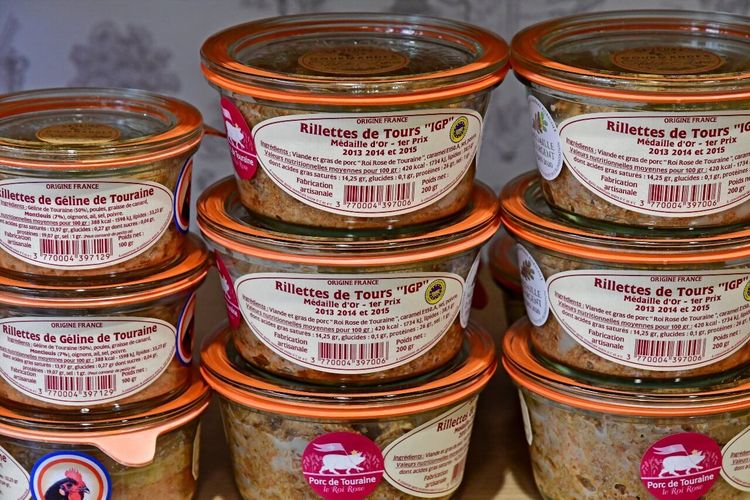
Saumur is not a city of Michelin-starred restaurants, but it has several solid addresses rooted in Loire cuisine. Rillettes (pork, duck or Loire fish) are the local speciality par excellence, found at every stall of the Saturday market and in most bistros.
For a meal in a remarkable setting, Gambetta (facing the riverbanks) offers seasonal cuisine with Saumur terroir produce — Loire pike-perch, local mushrooms, regional wines by the glass. Without a reservation in summer evenings, your chances of getting a table are slim.
For a terrace drink with a view of the château, the Halles district (rue Franklin Roosevelt) concentrates several bars serving Saumurois wines by the glass — Saumur blanc, Saumur-Champigny rouge, Crémant de Loire. Local winemakers often deliver directly, which ensures a more interesting rotation of vintages than the average wine bar.
The covered market at the Halles, open on Tuesday and Friday mornings, is also the place ---
Practical Information: Getting to Saumur, Getting Around, and Where to Stay
By train: Saumur is connected to Paris-Montparnasse in 1h40 by TGV (Saumur station is in the town centre). From Tours: 30 minutes by TER regional train. From Nantes: 1h10.
By car: access via the A85 from Tours (45 min) or the N147 from Poitiers (1h20). Free parking on the riverbanks outside of peak season.
Getting around locally: the historic centre is easily walkable. For the Cadre Noir and the caves of Saint-Hilaire-Saint-Florent, allow 3 km from the centre — ideally by bike (rental available in the town centre, €15/day).
Indicative budget for 2 days: central hotel accommodation €70–120/night, full meal €20–35/person, admissions €30–50/person (château + Musée des Blindés + one cave visit). Overall indicative budget: €200–350 for two, in standard accommodation.
Accommodation: several town-centre hotels are within a 10-minute walk of the château. For a memorable stay, the troglodyte cave hotels of Saint-Hilaire-Saint-Florent or Turquant (20 km) are well worth the detour.


FAQ
What to do in Saumur this weekend?
A well-structured weekend in Saumur starts with the château on Saturday morning (2 hours), followed by a wine tasting in the caves of Saint-Hilaire-Saint-Florent in the afternoon. On Sunday, spend the morning at the Cadre Noir if the training sessions are open, then explore the Musée des Blindés in the afternoon. In the evening, the Loire riverbanks and the Halles district offer great spots to dine with a view of the château.
What to do in Saumur as a couple?
Saumur as a couple starts with sunsets over the quai Mayaud facing the illuminated château. Add a private tasting in a cave with a platter of local specialities, an audio-guided stroll through the medieval quarter, and, if possible, a night in a troglodyte cave hotel on the hillside. The Ryo audio guide 'Cité royale et cavalière' is perfect for wandering together without a human guide.
What to do in Saumur for free?
The Saturday market at place Saint-Pierre, a stroll along the Loire riverbanks, the château's exterior gardens, and some tastings at independent winemakers are all free of charge. The abbaye Saint-Florent-le-Vieil, 30 km away, is also entirely free and offers an exceptional setting.
What are the unusual activities in Saumur?
Among the original experiences: a visit to the mushroom city of Saint-Hilaire, an escape game in a troglodyte gallery, a skydive with views over the Loire, and a horse ride through vineyards and cliffs. The underground village of Rochemenier, 15 km away, is one of the most singular sites in the region.
What to do in Saumur with teenagers?
The Musée des Blindés is particularly popular with teenagers (hundreds of tanks, some still operational). The troglodyte cave escape game and skydiving also work very well. For teens passionate about horses, an open session at the Cadre Noir or an equestrian ride through the vineyards are experiences hard to forget.
Conclusion
Saumur rarely reveals itself in a single stay. The château and the Cadre Noir lay the foundations, the caves and the river add depth, and the underground villages of the surrounding area are a reminder that the region built its life as much below ground as above it. To make the most of this particular geography, the Ryo audio guide Cité royale et cavalière accompanies your exploration with 18 commented stops over 3.2 km, perfect for families, couples or solo travellers, at your own pace. And if Saumur inspires you to continue towards the other gems of the river, the road trip Les Châteaux de la Loire awaits for the next leg of the journey.