
Créé par Emilie, le 7 mai 2026
Votre guide Ryo
© Shutterstock
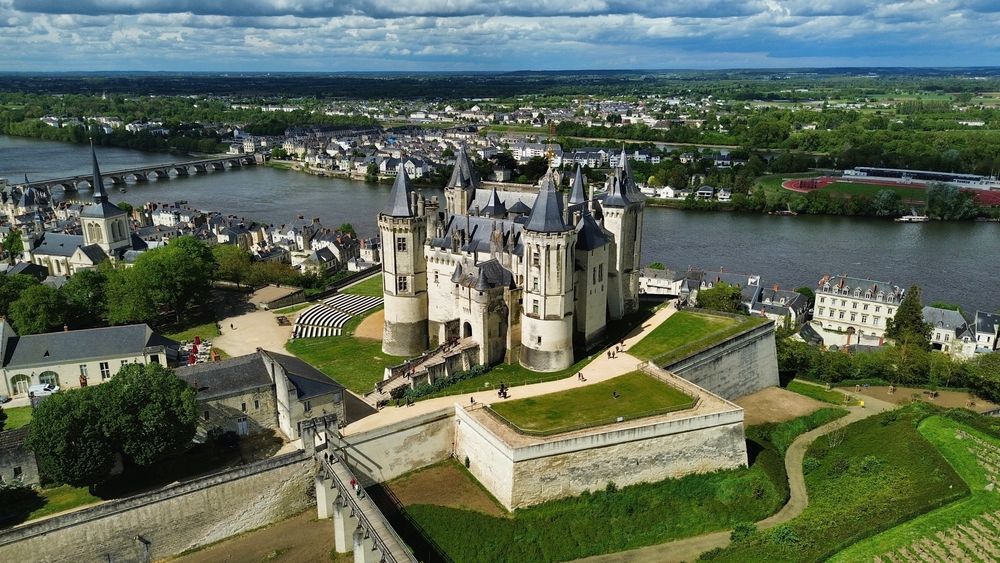
Majestically overlooking the Loire, Saumur Castle perfectly embodies the Gothic elegance of the Loire valley châteaux. Among the most emblematic monuments of the Loire Valley, this castle-museum houses prestigious collections of decorative arts and equestrian heritage, witnesses to several centuries of history. An architectural masterpiece transformed throughout the ages from fortress to princely residence then museum, Saumur Castle today offers visitors a unique immersion into the art of living of the Dukes of Anjou, while providing an exceptional panoramic view of the town and the Loire. Whether you're passionate about history, an art lover or simply curious, this visit promises an unforgettable cultural experience in the heart of Visiting Saumur.
1. Saumur Castle Prices
Saumur Castle offers a pricing structure suitable for all audiences, with different options allowing families, groups and individual visitors to enjoy this exceptional historic monument.
The full price is €9.50 for adults aged 19 and over, including full access to the castle and permanent exhibitions. Young people aged 7 to 18, as well as secondary school students, apprentices, students, national service volunteers, job seekers and people with disabilities with their companions benefit from a reduced rate of €7. Children under 7 enjoy free admission.
For families, an advantageous family rate is offered at €26.50 for 2 adults and 2 children, with a supplement of €1.50 per additional child. Groups of 12 or more benefit from a preferential rate of €7.30 for adults and €6 at the reduced group rate.
Themed visits with cultural mediator are available for children for an additional €2. The belvedere, accessible from June 3rd to September 30th, offers stunning views over Saumur and requires a €3 supplement per person for a 30-minute guided tour (groups limited to 8 people).
Note that Saumur Castle is part of the Muséo Pass network, allowing unlimited access for 12 months to 6 partner sites for only €12 per year, with a 5% discount on shop items (excluding books).
2. Opening hours and visiting periods
Saumur Castle's opening hours vary according to seasons to adapt to tourist flow and weather conditions. It is recommended to plan your visit according to these time slots.
From February 7th to March 31st, 2026, the castle opens Tuesday to Sunday from 10am to 1pm and 2pm to 5:30pm, with last admission at 4:45pm. This winter period offers a more intimate atmosphere and fewer crowds.
From April 1st to June 30th and from September 1st to September 30th, hours extend Tuesday to Sunday and public holiday Mondays from 10am to 6pm, last entry at 5:15pm. Spring and early autumn are ideal periods to discover the castle in pleasant weather conditions.
The summer high season, from July 1st to August 31st, allows you to visit the castle 7 days a week from 10am to 7pm, with last admission at 6:15pm. The castle is notably open on July 14th and August 15th. It's also during this period that you can access the belvedere to enjoy the panoramic view.
From October 1st to December 31st, the castle returns to its autumn/winter schedule with hours Tuesday to Sunday from 10am to 1pm and 2pm to 5:30pm. The castle is closed on December 25th and January 1st.
The annual closure takes place from January 1st to February 6th, 2026. It's not necessary to book a date and time slot for individual visitors. Allow about 1h30 for a complete self-guided tour.
3. How to get to Saumur Castle
Located in the heart of the Loire Valley, Saumur Castle is easily accessible by different means of transport, whether you come from major surrounding cities or directly from Saumur town centre.
By car
By car, several options are available via the A10, A85 or E60 motorways, then the D347 and D947 roads with the Ville de Saumur exit. From Angers, count about 40 to 50 minutes to cover the 55 km via the A85, N147 or D952. From Tours, the journey of about 65 km via the A85 and N152 takes 1 hour. For those coming from further away, Bordeaux is located 320 km away (4 hours by road) via the N147 and N10.
A large free car park is available on esplanade Hubert Landais. It's advisable to arrive early, especially in high season, to easily find a spot. For people with reduced mobility, a drop-off area for disabled visitors is authorised in the courtyard of the Feuquières barracks, on the other side of the castle, before the Pont Dormant. A charging station for electric cars is also available in the car park.
By train
The SNCF Saumur railway station benefits from regular TER connections to the main cities in the region: Angers (20 min), Tours (40 min) and Nantes (1h). From the station, take bus line A – stop at "Résistance-Gare" and get off at the "Château" stop (1 minute walk afterwards). The bus service operates year-round between the station, town centre and castle via the Ogalo Saumur Val de Loire network.
Note that a SNCF TER Pays de la Loire partnership allows you to get a reduced rate by presenting your Carte mezzo, mezzo-26, unlimited tutti subscription or Multi pass directly at the castle ticket offices.
On foot or by bike
From Saumur town centre, allow about 15 minutes on foot to reach the castle while enjoying the picturesque climb through the historic streets. For cycling enthusiasts, the Loire à Vélo cycling route passes through Saumur: simply follow the signage to the castle. Bike parking is available on site.
Download the audio-guided circuit to discover Saumur on foot and independently
For an even more enriching visit experience, let yourself be guided through the streets of Saumur thanks to the Ryo audio-guided itinerary. This 3.2 km circuit, lasting 1h15, takes you to discover 19 places of interest in the city, including of course the majestic Saumur Castle. With enriching commentary and historical anecdotes, you'll explore Saumur at your own pace, in complete independence, while enjoying a complete cultural immersion.
4. History and architecture of Saumur Castle
Saumur Castle has a fascinating history dating back to the 10th century. Initially erected by Thibault le Tricheur, Count of Blois, the building served as a defensive fortress on the banks of the Loire. Possession of the Counts of Anjou then the Plantagenets, it was transformed into a royal fortress at the beginning of the 13th century under the reign of King Saint Louis.
It was during the second half of the 14th century that the castle underwent its most spectacular transformation. Duke Louis I of Anjou, brother of King Charles V, transformed it into a sumptuous castle-palace. His son, Louis II, gave it its current silhouette in the 15th century, the one we can admire today. The castle is magnificently represented in the illumination of the Très Riches Heures du duc de Berry, precious testimony to its medieval architecture.
King René of Anjou stayed at the castle for long periods in the 15th century, bringing his taste for art and festivities which progressively transformed the fortress into an elegant place of leisure. This architectural evolution perfectly illustrates the transition from the Middle Ages to the Renaissance.
The castle then experienced darker periods: between 1810 and 1862, under the reign of Napoleon I, it was transformed into a prison for common law inmates, an assignment which profoundly marked the place. Threatened with demolition at the beginning of the 20th century, it was fortunately acquired by the city of Saumur in 1906, which undertook to restore it and install a municipal museum there.
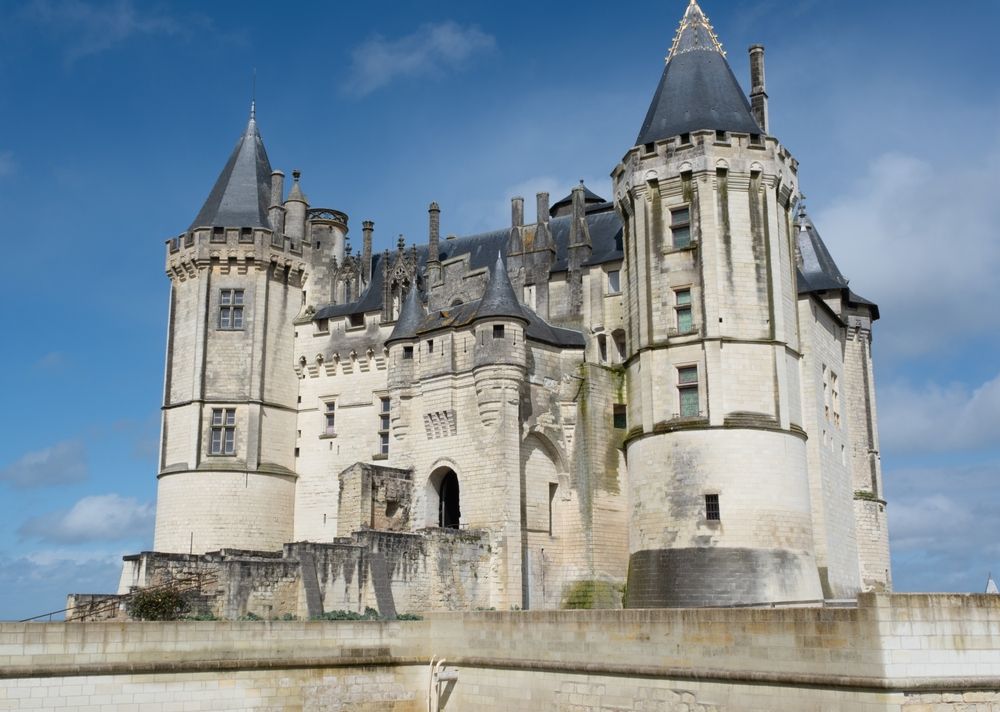
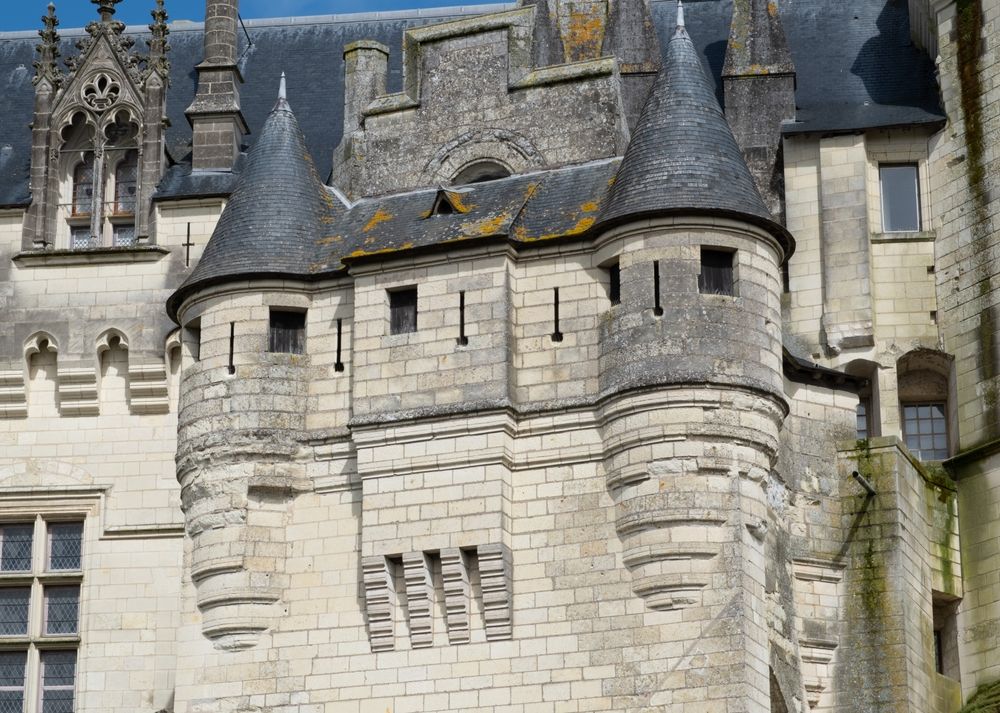
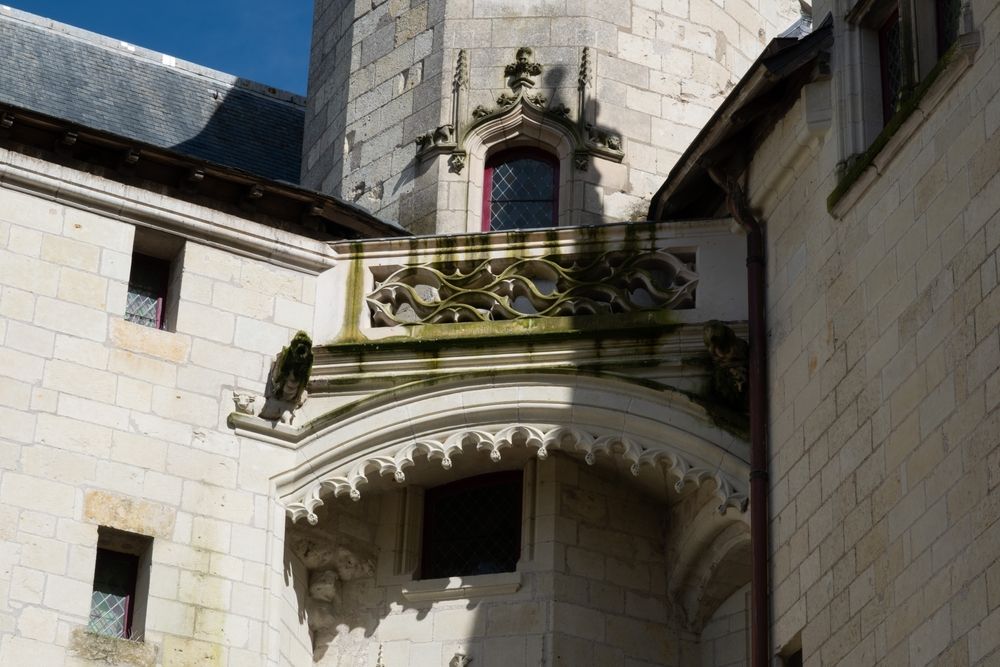
From an architectural point of view, Saumur Castle is a masterpiece of Gothic architecture unique among Loire châteaux. Its slender octagonal towers, pepper-pot roofs and imposing ramparts give it an unmistakable silhouette. The castle displays typical elements of medieval defensive architecture while integrating Renaissance elegance that characterises princely residences.
Since 2000, Saumur Castle has been included in the Loire Valley ensemble classified as a UNESCO World Heritage Site, international recognition of its outstanding universal value.
5. The museum collections: decorative arts and equestrian heritage
Saumur Castle now houses a museum with prestigious collections spread over two levels, offering an exceptional cultural journey between decorative arts and equestrian history.
The decorative arts collection
The first floor of the castle is dedicated to decorative arts, with a rich variety of objects from different periods. You'll discover magnificent ancient tapestries, exceptional faience, finely decorated ceramics and furniture decorated with carved motifs. These pieces reflect the creativity and craftsmanship of artisans of yesteryear, bearing witness to the refined art of living of the lords and dukes who inhabited these places.
The permanent exhibition rooms also reveal objects from aristocratic daily life, ancient musical instruments and works of art that help better understand court life through the centuries. The historical explanations provided throughout the tour offer captivating insight into the provenance and use of each object.
The horse museum
The second floor hosts an exceptional exhibition entitled "Games and jousts on horseback", which presents a remarkable selection from the castle's horse collection. Installed in the former stables, this museum traces the evolution of the link between man and horse from the Neolithic to the 19th century.
You'll admire historic saddles, ornate harnesses, spurs from all eras (jewel of the complete collection), as well as artistic representations of equestrian competitions. Explanatory panels detail the central place of the horse in military, cultural and sporting history. This collection is particularly relevant given the proximity of the famous Cadre Noir de Saumur, world-renowned equestrian institution.
The exhibition "The horse factory", presented in the past, brought together more than 200 objects and works over 220 m² around three themes linked to the development of technology dedicated to horse riding, testifying to the importance of this equestrian heritage.
6. What to see and do at Saumur Castle
A visit to Saumur Castle offers multiple architectural, historical and panoramic discoveries that will delight all types of visitors.
The walkway and towers
The walkway, an essential element of the medieval defensive system, allows you to walk along the top of the curtain walls and admire the octagonal towers characteristic of the castle. Each tower once served as a lookout post or storage space. With its stone parapets, this route offers total immersion in the medieval military atmosphere while providing spectacular views of the surroundings.
The main courtyard and gardens
At the heart of the castle, the main courtyard offers a harmonious space surrounded by arcades and Renaissance elements. Once a place of ceremonies and court life, it bears witness to the influence of the great lords. The landscaped gardens, with their flowerbeds and ancient trees, invite you to stroll in green surroundings. From spring to autumn, it's even possible to have picnics there.
The Renaissance grand staircase
An architectural masterpiece built around the 16th century, the Renaissance grand staircase connects the different floors of the castle. It is distinguished by its sculpted balusters and ornaments inspired by Italian art. Its spiral architecture illustrates the concern for aestheticism and functionality characteristic of this period, with careful decoration on each landing.
The chapel
Built in the 15th century, the chapel is characterised by refined Gothic architecture. Originally dedicated to the Holy Trinity, it hosted religious services and solemn court ceremonies. Its coloured stained glass windows diffuse soft light into the nave, creating an atmosphere conducive to contemplation.
The belvedere and panoramic view
From June 3rd to September 30th, don't miss the guided tour of the belvedere (€3 supplement, groups of maximum 8 people). From the top of the ramparts, you'll enjoy a breathtaking view of the Loire, Saumur town and surrounding vineyards. This exceptional panorama allows you to grasp the strategic importance of the castle, perched above the waters and protecting the city for centuries. It's the ideal place to take memorable photos of your visit.
Temporary exhibitions
Throughout the year, the castle organises temporary exhibitions highlighting various themes: painting, photography, local history or equestrian topics. These events offer the opportunity to deepen a specific aspect of Angevin heritage or discover contemporary artists. They are often enriched with conferences or themed guided tours.
7. Guided tours and activities
Saumur Castle offers several visit options to enrich your discovery of the monument and its collections.
30-minute presentations on the history and architecture of the castle are offered in French and English, at no extra charge. These guided tours allow you to better understand the successive transformations of the building and its importance in regional history.
Every day, at 10:45am and 3pm, a guided tour of the museum's first floor is organised in French (duration 1h, no supplement, subject to guide availability). This guided tour will allow you to fully appreciate the decorative arts collections with explanations from a passionate cultural mediator.
For children, themed visits with a cultural mediator are available for an additional €2. These fun and educational activities are specially designed to captivate young visitors and help them discover the castle's history in an interactive way.
Visit documents are available in seven languages: French, English, German, Dutch, Spanish, Italian and Chinese, allowing international visitors to fully enjoy their independent discovery.
8. Practical information and visit tips
To make the most of your visit to Saumur Castle, here is some practical information and useful tips.
Visit duration: Allow about 1h30 for a complete self-guided tour to explore the decorative arts collections, horse museum and outdoor spaces. With a guided tour and access to the belvedere, count rather 2h to 2h30.
Booking: It's not necessary to book a date and time slot for individual visitors to the castle. Nevertheless, in high season (July-August), it's recommended to arrive early in the day to avoid crowds and enjoy a more peaceful visit.
Accessibility: The Castle-Museum is classified as a Historic Monument and visiting conditions can be difficult. Access to the main courtyard and floors is only by stairs. For people with reduced mobility, a drop-off area is authorised in the courtyard of the Feuquières barracks. It's advisable to contact the castle in advance to know the adapted access possibilities.
Guidelines and restrictions: To ensure good visitor circulation and preserve the works, pushchairs, hiking baby carriers and large bags are not allowed in the castle. Free lockers are available at reception. Pets are not accepted, except guide and assistance dogs for people with disabilities.
Weather: An important part of the tour takes place outdoors (walkway, courtyards, gardens). Check the weather before your visit and wear appropriate clothing. In case of a heat wave alert, the belvedere may be closed to the public for safety and comfort reasons.
On-site services: The castle has a gift shop and bookstore directly accessible, offering a wide range of artisanal products, local specialities, jewellery, scarves and books for adults and children. Restaurants are located in the immediate vicinity, and it's possible to picnic in the castle gardens from spring to autumn. Saumur town centre is accessible within a 5-minute walk.
Don't hesitate to let yourself be guided during your stay in Saumur thanks to the Ryo visit itinerary, which will allow you to discover all the treasures of the city beyond the castle, from Notre-Dame de Nantilly church to the National School of Equitation via the Loire quays.
9. What to visit around Saumur Castle
A visit to Saumur Castle can easily be combined with discovering other remarkable sites in the region, making your stay a complete cultural experience.
In the town centre of Visiting Saumur, don't miss Notre-Dame de Nantilly church, a 12th-century Romanesque building housing exceptional tapestries, including the famous Virgin tapestry. The Cavalry Museum (Muséo Pass partner) traces the history of the French armoured cavalry branch. The Tank Museum (also Muséo Pass partner) presents one of the world's most important collections of tanks and armoured vehicles, with more than 800 machines.
A few kilometres away, Fontevraud Abbey (16 km away) is an unmissable visit. This exceptional monastic city, one of the largest in Europe, houses the Plantagenet recumbent figures and offers a fascinating cultural journey.
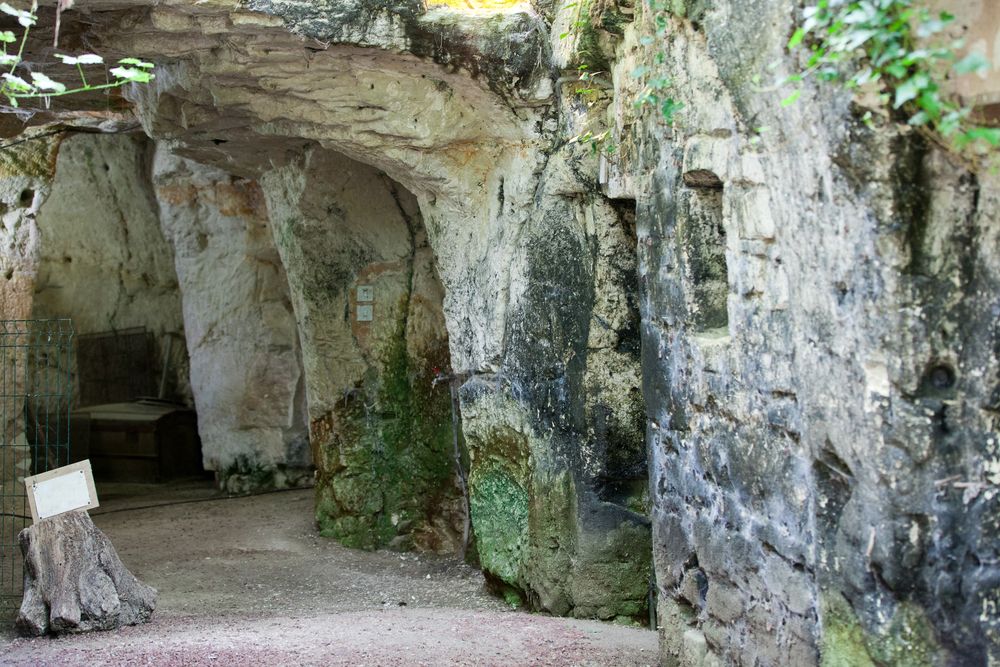
Wine lovers will appreciate visiting the troglodytic caves of Saumur, carved into the tufa stone, where the famous Saumur sparkling wines are made. Many wine houses offer tastings and guided tours in their spectacular caves.
For a nature break, the Loire riverbanks offer magnificent walks on foot or by bike along the Loire à Vélo route. The royal river reveals all its splendour here with its islands, sandbanks and preserved wildlife. Loire cruises (Croisières Saumur Loire, Muséo Pass partner) allow you to admire the castle from the river, offering a unique perspective on this majestic monument.
Finally, the National School of Equitation and the famous Cadre Noir de Saumur offer guided tours and, depending on the season, breathtaking equestrian performances. It's an opportunity to discover the excellence of French horsemanship in a prestigious setting.
The Castle of Angers, located 44 km away, also deserves a detour with its impressive fortress and the famous Apocalypse Tapestry, a masterpiece of medieval tapestry.
In conclusion, visiting Saumur Castle represents an essential stop for anyone interested in the history of Loire châteaux, equestrian art or simply medieval and Renaissance architectural beauty. Between its prestigious decorative arts and horse collections, exceptional Gothic architecture and breathtaking panoramas over the Loire, this monument offers a rich and varied cultural experience. Whether you visit with family, friends or solo, the castle will seduce you with its elegance and fascinating history. Take advantage of your stay in Saumur to also explore the town and its surrounding treasures thanks to the Ryo audio guide itinerary, which guarantees a complete and enriching discovery of this pearl of the Loire Valley.
Frequently asked questions
Do you need to book in advance to visit Saumur Castle?
No, it's not necessary to book a date and time slot for individual visitors to the castle. You can show up directly during opening hours. However, in high season (July-August), it's recommended to arrive early to avoid crowds.
Is the castle accessible to people with reduced mobility?
Access to the castle presents difficulties as it's a classified historic monument. The main courtyard and floors are only accessible by stairs. A drop-off area for people with reduced mobility is authorised in the courtyard of the Feuquières barracks to facilitate arrival. It's advisable to contact the castle in advance to know the adapted access possibilities.
Can you take photos in the castle?
Yes, photography is generally allowed in the castle for personal use. However, the use of flash and tripods may be restricted in certain rooms to preserve the works. It's recommended to inquire with the staff on site.
How long should you plan to visit the castle?
A complete self-guided tour takes about 1h30. If you wish to participate in guided tours and access the belvedere (in season), allow rather 2h to 2h30 to fully enjoy all the castle's riches.
Is there a restaurant or café at the castle?
There's no restaurant directly in the castle, but several establishments are located in the immediate vicinity. You can also picnic in the castle gardens from spring to autumn. Saumur town centre, with its numerous restaurants and cafés, is accessible within a 5-minute walk.
Is the Muséo Pass worth it?
The Muséo Pass at €12 for 12 months gives unlimited access to 6 partner sites (Saumur Castle, Cavalry Museum, Tank Museum, Engine Museum, Combier Distillery and Croisières Saumur Loire). If you plan to visit at least two of these sites or return several times, the Pass is very advantageous. It also offers 5% discount on castle shop items.
When can you visit the belvedere?
The belvedere is accessible from June 3rd to September 30th, during 30-minute guided tours (€3 supplement per person). Groups are limited to 8 people and booking is done on site on the day. Warning: in case of heat wave alert, the belvedere is closed to the public for safety and comfort reasons.
Can you visit the castle with children?
Yes, the castle is very suitable for family visits. Children under 7 enter free, and an advantageous family rate is offered (€26.50 for 2 adults and 2 children). Themed visits with cultural mediator are specially designed for children (€2 supplement). Note that pushchairs are not allowed inside, but lockers are available at reception.