
Créé par Romane, le 7 mai 2026
Votre guide Ryo
© Shutterstock
At the heart of Strasbourg's European quarter, the European Parliament stands as a powerful symbol of democracy and European unity. This major institution, with its iconic modern architecture and rich historical heritage, attracts thousands of visitors each year who wish to discover the behind-the-scenes of European construction. Between the imposing Louise Weiss building, the hemicycle where 705 European MPs sit, and the Parlamentarium Simone Veil, this unique place offers a fascinating dive into the history and functioning of democratic Europe.
1. The hemicycle, beating heart of European democracy
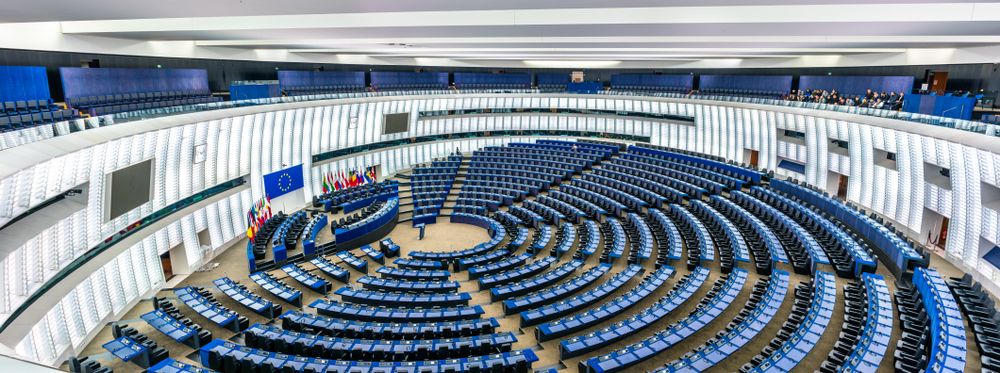
The European Parliament hemicycle in Strasbourg represents the very essence of European democracy in action. This impressive debating chamber, inaugurated in 1999 with the opening of the Louise Weiss building, welcomes 705 European MPs representing the 27 member states of the European Union. With more than 750 seats, it constitutes the largest hemicycle in Europe, testifying to the ambition and scope of the European project.
From the galleries reserved for visitors, you benefit from a privileged view of the functioning of this unique institution. Plenary sessions, which take place from Monday afternoon to Thursday noon about four times a month, transform this space into a real theater of democracy where common European policies are shaped. The circular architecture promotes exchanges and symbolizes equality between all MPs, regardless of their nationality.
The technical configuration of the hemicycle impresses with its complexity: simultaneous translation system in the 24 official languages of the Union, electronic voting system, and state-of-the-art audiovisual equipment make it possible to manage European linguistic and cultural diversity. This technical prowess makes possible the daily miracle of multilingual democracy.
2. The Parlamentarium Simone Veil, interactive journey to the heart of Europe
The Parlamentarium Simone Veil, open to the public since July 2017, pays tribute to this emblematic figure of European history who was the first president of the European Parliament elected by direct universal suffrage. This dynamic and interactive exhibition space offers an exceptional immersive experience allowing to understand the history of European unification and the crucial role of Parliament.
The multimedia exhibition, available in the 24 official languages of the European Union, guides you through the key stages of European construction. Moving testimonies, exclusive video archives, and interactive installations trace Europe's journey, from the ruins of World War II to contemporary challenges. Touch screens and fun supports make this discovery accessible to visitors of all ages.
You will discover how European institutions impact your daily life, from air quality rules to food safety standards, including free movement agreements. This educational approach transforms sometimes abstract concepts into concrete realities, allowing everyone to better understand the issues of European citizenship.
3. The architecture of the Louise Weiss building, symbol of transparency
The Louise Weiss building impresses with its bold architecture, designed by the Architecture-Studio Europe agency. This architectural achievement, inaugurated in 1999, bears the name of Louise Weiss (1893-1983), French journalist, committed politician and fervent European who was a European MP and defender of women's rights. Her name perfectly symbolizes the values of commitment and progress carried by the institution.
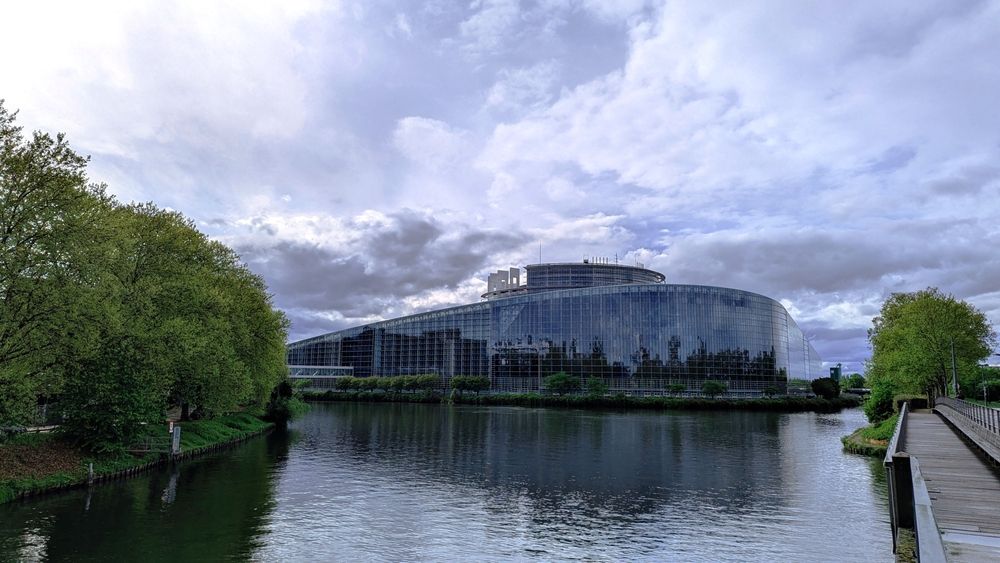
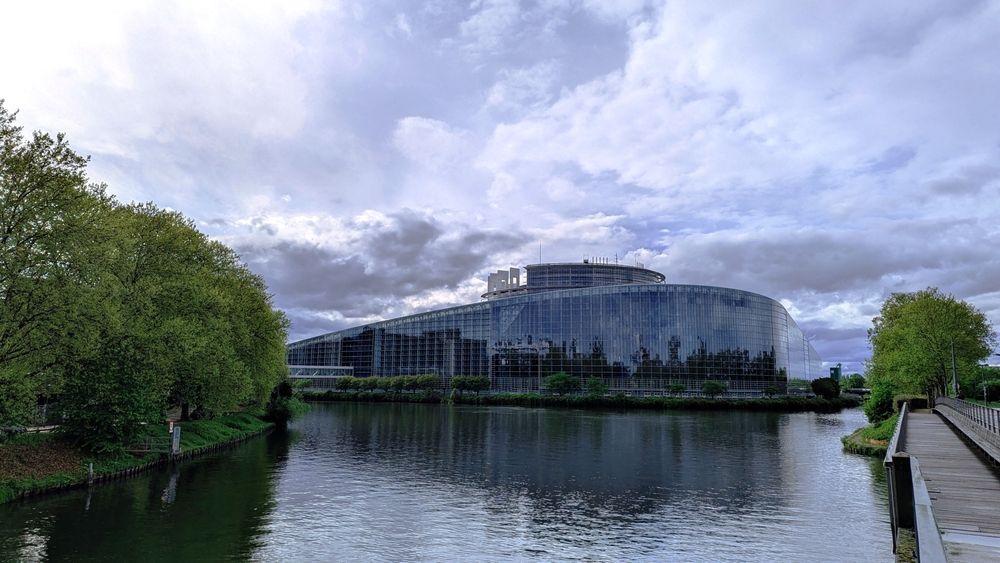
The 13,000 m² glass facade that runs along the Ill constitutes one of the most spectacular elements of the building. This immense transparent surface, 60 meters high, symbolizes the democratic transparency of the European Union and the openness of institutions to citizens. This architectural feat creates a striking play of reflections with the waters of the Alsatian river.
The architecture is organized around three main volumes: an arc, a dome and an elliptical tower that encircle a central agora. This configuration promotes encounters and exchanges, architecturally materializing the ideal of European dialogue. The tower, deliberately unfinished, symbolizes the European project in constant construction, always open to evolution and enlargement.
With a total surface area of 220,000 m², the complex houses not only the 750-seat hemicycle, but also 1,133 offices and 18 committee rooms. This monumental infrastructure testifies to the scale of European legislative work and the need for spaces adapted to cooperation between 27 nations.
4. Exhibitions and cultural spaces of Parliament
Beyond its institutional function, the European Parliament in Strasbourg offers a rich program of temporary and permanent exhibitions that enrich the visit. These cultural spaces, located in the galleries and corridors of the Louise Weiss building, highlight contemporary European art and raise awareness of current societal issues.
Interactive multimedia installations allow to deepen different European themes: history of European construction, environmental challenges, cultural diversity, or technological innovations. These educational supports, regularly renewed, maintain the attractiveness of the site for regular visitors and allow to address European current affairs from a cultural angle.
The 'Ideal Libraries' space constitutes a particular curiosity, presenting a selection of works chosen by European MPs to represent the intellectual and cultural diversity of the continent. This original initiative illustrates the richness of European literary heritage and encourages intercultural discovery.
5. Practical information for visiting the European Parliament
Download the audio-guided circuit to discover Strasbourg on foot and independently
To complete your discovery of the European Parliament, don't hesitate to explore the whole of Strasbourg thanks to the Ryo audio-guided itinerary. This 6.2 km route guides you through 33 points of interest, from Petite France to European institutions, for a complete discovery of the Alsatian capital in total autonomy. The audioguide reveals the secrets of architecture, the fascinating history of the city and its most surprising anecdotes.
Opening hours and visit procedures
The European Parliament in Strasbourg is open to visitors all year round, Monday to Saturday. Visits are completely free and last about one hour. During plenary sessions, access is possible but reservations are mandatory. Outside sessions, individual visits are possible without reservation:
• Monday to Friday: 9:00 AM to 6:00 PM (last entry at 5:00 PM)
• Saturday: 9:30 AM to 12:00 PM then 1:00 PM to 6:00 PM
• Visits are available in the 24 official languages of the EU
• Valid ID document mandatory
Address and access
The European Parliament is located at 1 Allée du Printemps, 67070 Strasbourg. The visitors' entrance is at 8 rue Boecklin. Several means of transport allow easy access:
• Tram: line E, stop 'Parlement Européen'
• Bus: lines 15, 30, 72, stops 'Conseil de l'Europe' or 'Parc de l'Orangerie'
• On foot: 25 minutes from city center
• Car: paid parking on site, park-and-ride recommended
Tips to optimize your visit
To make the most of your discovery, download the 'EP Visit Strasbourg' app which enriches the visit with multimedia content. Arrive preferably early in the morning to avoid crowds, especially during plenary sessions. The panoramic terrace of the Weiss building offers an exceptional view of Strasbourg and will be accessible to visitors during the 2025 summer season.
Don't hesitate to be guided in your exploration of the Alsatian capital thanks to the Ryo visit itinerary, which will allow you to place the European Parliament in the broader context of Strasbourg and European history.
6. The history and evolution of the European Parliament in Strasbourg
The establishment of the European Parliament in Strasbourg is not the result of chance. This historic decision reflects the symbolic will of European reconciliation after the conflicts of the 20th century. Strasbourg, a border city that changed nationality several times, perfectly embodied this ambition of peace and cooperation between European peoples.
Created in 1952 under the name of Common Assembly of the ECSC (European Coal and Steel Community), the European Parliament has evolved considerably. From a simple consultative assembly, it has become a full legislative body, co-deciding with the European Council on the majority of European legislation. This transformation testifies to the democratic deepening of European construction.
The 1992 Maastricht Treaty officially confirmed Strasbourg as the seat of the European Parliament, consolidating the city's role in the European institutional architecture. This official recognition was materialized by the construction of the Louise Weiss building, which replaced the old Palais de l'Europe shared with the Council of Europe.
7. The European Parliament in Strasbourg's European quarter
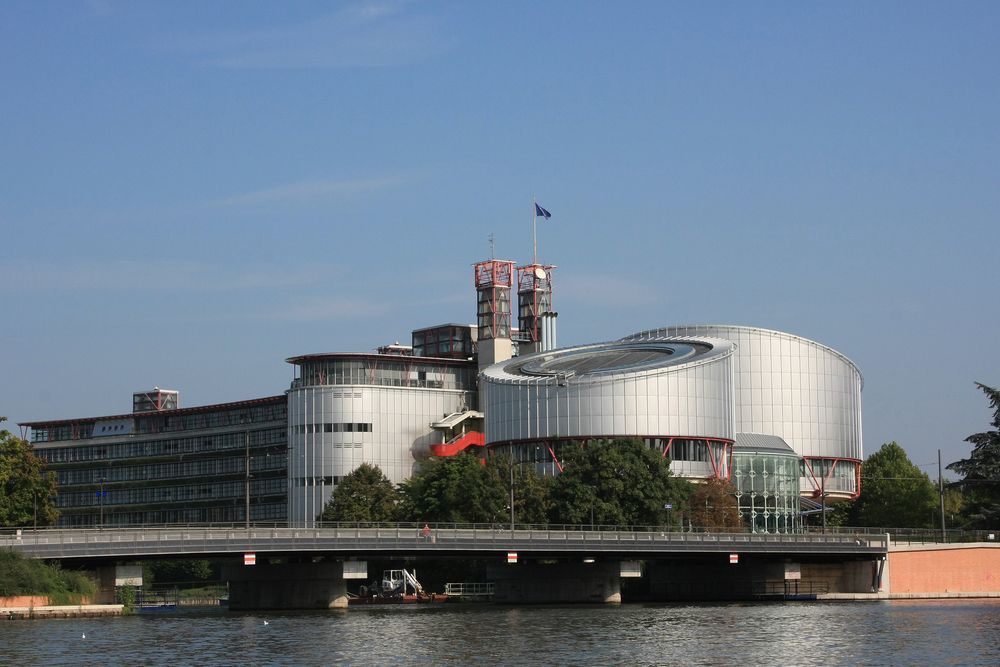
Parliament is part of a unique institutional complex in the world, Strasbourg's European quarter. In immediate proximity are the Council of Europe (Place des Droits de l'Homme, 67000 Strasbourg, rated 4.3/5 on Google for 2,400 reviews) and the European Court of Human Rights, forming an exceptional European governance hub.
This concentration of European institutions transforms Strasbourg into a real 'capital' of Europe of rights and democracy. The Europe trail, a 2.5 km educational walk, allows to discover these different institutions and understand their complementary roles in European architecture. This thematic circuit, punctuated with explanatory panels, constitutes an excellent complement to the Parliament visit.
For a more in-depth discovery of this European dimension, the Strasbourg visit circuit perfectly integrates these institutions into the city's historical route, allowing you to understand how Strasbourg became this 'Capital of Europe'.
8. Events and manifestations at the European Parliament
Beyond plenary sessions, the European Parliament in Strasbourg hosts numerous events that enrich its cultural and civic influence. European Heritage Days offer each year the opportunity to discover usually reserved spaces, with exceptional guided tours and meetings with parliamentary life actors.
The European White Night, organized periodically, transforms the building into a cultural space with projections, concerts and artistic installations. These events allow to apprehend the institution from a different angle, more accessible and friendly, while raising awareness of European citizenship.
Public conferences, citizen debates and temporary exhibitions punctuate Parliament's cultural calendar. These initiatives are part of a transparency and dialogue approach with citizens, fundamental values of European democracy that you can better understand by visiting Strasbourg as a whole.
In conclusion, visiting the European Parliament in Strasbourg constitutes an essential experience for anyone interested in contemporary history and the functioning of democratic institutions. This living symbol of European unity, with its remarkable architecture and innovative educational spaces, offers a unique perspective on the challenges of our time. The discovery of this major institution takes on its full meaning in the broader context of exploring Strasbourg, a city where historical heritage and European ambition are harmoniously combined. Don't hesitate to extend this discovery by following the complete visit itinerary of the Alsatian capital for a total immersion in this unique city where Europe took root.
FAQ – Frequently Asked Questions
Is the European Parliament visit free?
Yes, the European Parliament visit in Strasbourg is completely free. It includes access to the hemicycle, the Parlamentarium Simone Veil and temporary exhibitions. Only a valid identity document is required.
How long does the European Parliament visit last?
The complete European Parliament visit lasts about one hour. This time allows to discover the hemicycle, the Parlamentarium Simone Veil and the main exhibitions. Allow a bit more time if you wish to deepen certain aspects.
Can we visit Parliament during plenary sessions?
Yes, it is possible to visit Parliament during plenary sessions, but reservations are then mandatory. These visits offer the unique opportunity to observe European MPs in action and to concretely understand the democratic functioning of the European Union.
What is the best time to visit the European Parliament?
Parliament can be visited year-round, but prefer mornings to avoid crowds. Plenary session periods (about 4 times a month) offer a more lively experience, while non-session periods allow a quieter discovery of the spaces.