

Créé par Romane, le 20 juin 2026
Votre guide Ryo
Visit Veules-les-Roses: 8 must-see attractions
© Shutterstock
Nestled in a valley of the Côte d'Albâtre, Veules-les-Roses is one of the jewels of Seine-Maritime. Classified among the Most Beautiful Villages of France, this Norman village charms with its timeless appeal, half-timbered houses and especially the Veules, France's shortest river at 1,149 meters. Between historical heritage, preserved nature and Norman authenticity, discover the 8 must-see things to do in Veules-les-Roses for a memorable getaway in Normandy.
1. Stroll through the village and its Norman architecture
Begin your discovery with a walk through the picturesque streets of Veules-les-Roses. This village, one of the oldest in the Pays de Caux, has preserved its traditional Norman architecture. Half-timbered houses with flowered facades line the narrow streets, creating a peaceful and authentic atmosphere.
As you wander, you'll discover Belle Époque villas bearing witness to the village's golden age when it was a popular retreat for Parisian artists and intellectuals. These elegant residences harmoniously coexist with old fishermen's cottages, offering a unique architectural blend that makes all the charm of Visit Dieppe and its surroundings. Don't miss stopping in front of the old shop signs and carved details that adorn the doors and windows.
2. Discover Saint-Martin church and its heritage
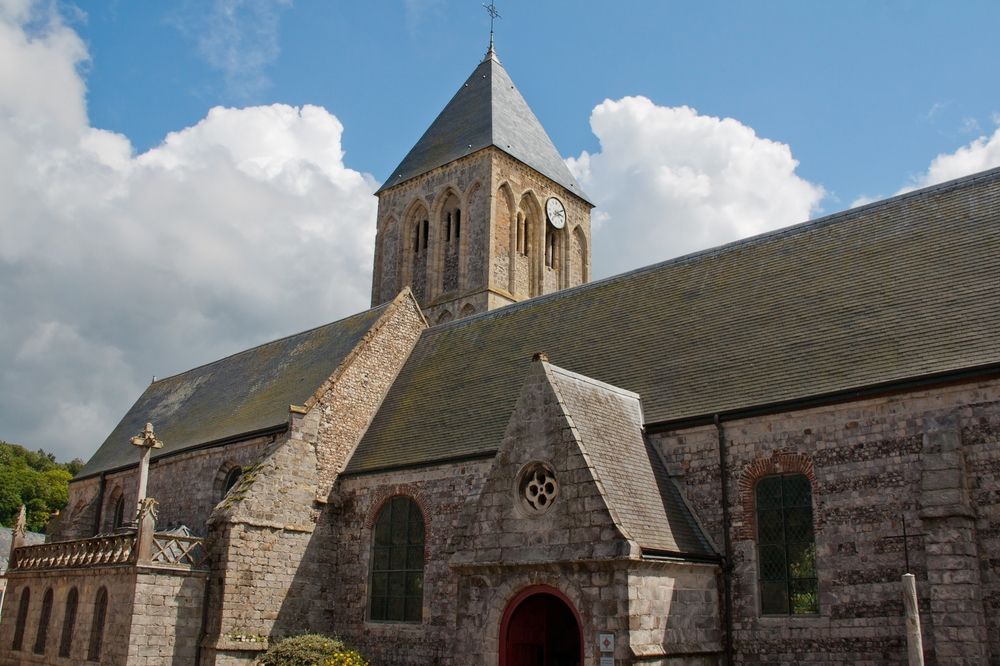
The Saint-Martin Church (Rue Victor Hugo, 76980 Veules-les-Roses, rated 4.5/5 on Google for over 400 reviews) is one of the village's must-see monuments. Built between the 15th and 16th centuries, this parish church hides behind its sober gray stone facade a remarkable interior.
The bell tower, the oldest part of the building dating from the 13th century, dominates the village with its slender silhouette. Inside, don't miss admiring the inverted keel vault, typical of Norman religious architecture that recalls the inverted shape of a ship's hull. The sandstone pillars are adorned with finely carved motifs, testifying to the craftsmanship of Renaissance artisans. The organ from 1628, still functional, resonates during regularly organized concerts. Also look up towards the choir where 17th-century frescoes were uncovered during restoration, adding a touch of color to the ensemble.
3. Walk along the Veules, France's shortest river
The Veules, at 1,149 meters, holds the official title of France's shortest river. This watercourse that springs from the heart of the village to flow into the English Channel offers an absolutely enchanting bucolic walk. The path along its banks invites you to a peaceful stroll punctuated by the lapping of water.
Along your route, you'll discover charming stone bridges, water mills some of which are still active, and old washhouses that testify to daily life of yesteryear. Half-timbered houses reflect in the clear water, creating picturesque scenes at every turn. Going up towards the springs, you'll reach the watercress beds where Veules-les-Roses watercress is still cultivated according to traditional methods. If you're lucky, you might observe producers in full harvest. The old Gu mill, with its large wooden wheels, marks one of the most photogenic stops of this walk. Let yourself be guided in your discovery of the region by also exploring the neighboring villages of the Côte d'Albâtre.
4. Taste the veulaise, the local oyster
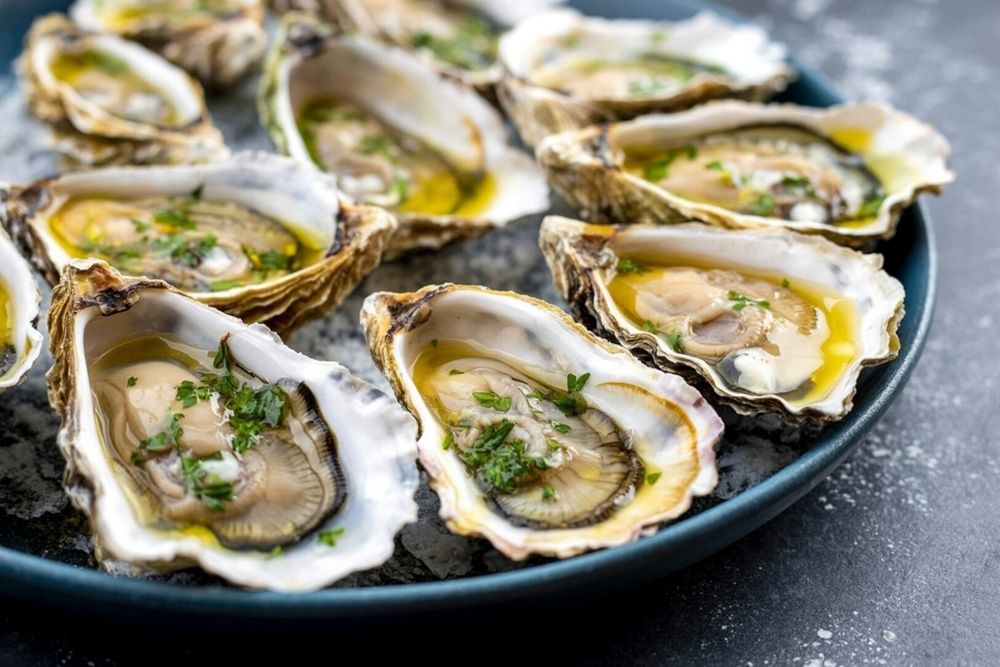
Impossible to visit Veules-les-Roses without tasting its gastronomic specialty: the veulaise. This oyster cultivated 600 meters from the village beach has unique taste characteristics that make its reputation among seafood enthusiasts.
The history of oyster farming in Veules-les-Roses dates back to 1997, the year when the first parks were installed. The oysters benefit from exceptional terroir: stirred by English Channel tides, they also receive an influx of fresh water from streams flowing from the limestone cliffs. This unique combination gives the veulaise a particular taste, with slightly nutty notes highly appreciated by connoisseurs. You can taste these oysters directly from local producers, at Wednesday morning markets on rue Victor Hugo, or in village restaurants that feature them accompanied by a glass of fresh muscadet.
Download the audio-guided circuit to discover Rouen on foot and independently
To extend your discovery of the Norman region, the Ryo audio-guided itinerary to visit Rouen offers you a complete 5.4 km route in 2h10 through the historical capital of Normandy. With 27 audio commentaries, explore the majestic Notre-Dame cathedral immortalized by Monet, the famous Gros-Horloge, the medieval streets of Old Rouen and the places that marked Joan of Arc's history. Located just 60 kilometers from Veules-les-Roses, Rouen constitutes an unmissable cultural stop that perfectly complements your stay on the Côte d'Albâtre.
5. Explore artists' and artisans' workshops
Veules-les-Roses has always attracted artists, and this tradition continues today with the presence of numerous artists' and artisans' workshops established in the village. This creative richness is an integral part of the village's identity and deserves time during your visit.
By pushing open the doors of these workshops often installed in character buildings, you'll discover talented creators working in various disciplines: ceramists shaping unique pieces inspired by Norman landscapes, painters capturing the changing light of the Côte d'Albâtre, sculptors bringing stone and wood to life, jewelry creators using noble materials, or embroiderers perpetuating traditional techniques. The village regularly organizes exhibitions and artistic routes allowing you to meet these artists in their creative environment. It's the ideal opportunity to bring back an authentic souvenir and support the local economy by discovering the craftsmanship preserved in this art village.
6. Walk in Victor Hugo's footsteps
Victor Hugo is among the illustrious visitors who succumbed to the charm of Veules-les-Roses. The writer stayed several times in the village during the summers of the 1880s, invited by his friend Paul Meurice who owned a villa. These Norman stays left a lasting imprint on the local heritage.
Begin your Hugolian journey at Victor Hugo's Cave (accessible from the seafront monument, 76980 Veules-les-Roses, rated 4.2/5 on Google for over 200 reviews), nestled in the cliff. A marked path climbs behind the war memorial and leads you to this natural alcove where the writer loved to retire to contemplate the marine horizon and write, lulled by the sound of waves. The view over the English Channel from this spot remains striking. Back at seafront level, stop in front of the Victor Hugo stele, adorned with sculpted bas-reliefs from the monument erected in Paris in honor of the author of Les Misérables. The French capital offered it to Veules-les-Roses in memory of the stays the great man made there. Walking along the street that bears his name, you'll pass the location of the former villa where he stayed, although it no longer exists today.
7. Enjoy the beach and seafront
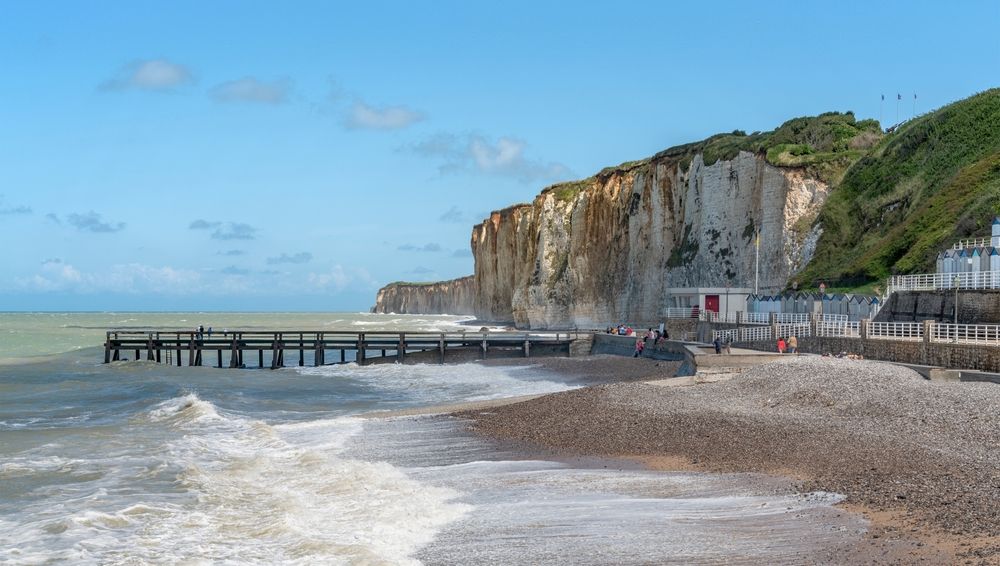
The Veules-les-Roses Beach (Front de mer, 76980 Veules-les-Roses, rated 4.4/5 on Google for over 1800 reviews) offers an exceptional natural setting typical of the Côte d'Albâtre. Bordered by impressive white chalk cliffs, this beach changes face with the tides, revealing sometimes its characteristic pebbles, sometimes a wide stretch of fine sand at low tide.
This is the ideal time for families who will appreciate the open space and small natural pools that form between the rocks. Rock pooling enthusiasts will find their happiness on the rocky platform that emerges, where brown shrimps, periwinkles and crabs hide under the seaweed. An equipped playground will delight children, while the nautical club welcomes sailing enthusiasts. The seafront, with its promenade dike, colorful beach huts and a few shops, maintains a rare authenticity that contrasts with more touristy seaside resorts. During summer, various animations and cultural events are organized there, perpetuating the resort tradition that made the village's reputation in the 19th century. To discover other Norman coastal landscapes, don't hesitate to visit Dieppe located about thirty kilometers away.
8. Hike along the Côte d'Albâtre on the GR21
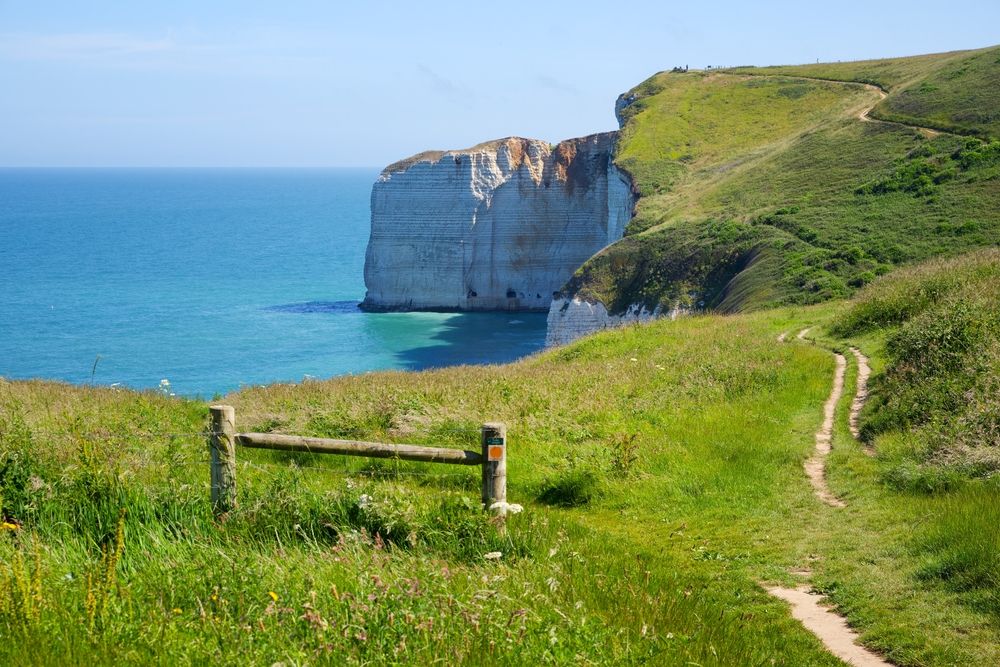
The famous long-distance hiking trail GR21 crosses Veules-les-Roses, offering walkers the opportunity to discover the splendors of the Côte d'Albâtre. This coastal path runs along the Norman cliffs for more than 180 kilometers between Le Tréport and Le Havre, and the section passing through the village is among the most picturesque.
Very well marked by the characteristic red and white markings, the GR21 presents no major technical difficulties, but requires good physical condition due to regular elevation changes linked to the valleys. From Veules-les-Roses, you can head east towards Sotteville-sur-Mer and Saint-Valery-en-Caux, or west towards Manneville-ès-Plains and Pourville. The panoramas over the English Channel, the chalk cliffs sculpted by erosion and the fields of the Caux plateau are worth the detour in themselves. If you prefer exploring the hinterland, several hiking trails also start from the village towards Blosseville and La Chapelle-sur-Dun, immersing you in the verdant Norman countryside that inspired so many writers and painters. These circuits help understand why this region is nicknamed "countryside by the sea". To best prepare your hikes in Normandy, also consult the advice for visiting Étretat cliffs, another emblematic site accessible via the GR21.
In conclusion, Veules-les-Roses offers an authentic Norman getaway that combines historical heritage, natural beauty and art of living. These 8 must-sees will allow you to grasp all the richness of this village classified among the Most Beautiful in France. Whether you're an architecture enthusiast, nature lover, foodie or hiker, this jewel of the Côte d'Albâtre will seduce you with its timeless charm. To extend your discovery of the region, don't hesitate to follow the Ryo audio-guided itinerary in Rouen, historical capital of Normandy located nearby, which will reveal the secrets of this thousand-year-old city with a hundred bell towers.
Frequently asked questions
What is the best time to visit Veules-les-Roses?
The months from May to September constitute the ideal period to visit Veules-les-Roses. Spring reveals the flowering gardens and the gentleness of the Norman climate, while summer allows you to fully enjoy the beach at low tide and summer activities. Autumn also offers beautiful lights for photographers and still pleasant temperatures for hiking.
How much time is needed to visit Veules-les-Roses?
A full day allows you to comfortably discover the main attractions of Veules-les-Roses: the village, Saint-Martin church, the walk along the Veules, the beach and seafront. If you also want to hike on the GR21, visit artists' workshops and fully enjoy the village atmosphere, plan an extended weekend.
Where to park in Veules-les-Roses?
Several parking lots are available in Veules-les-Roses, particularly near the beach and at the village entrance. In high summer season, it is recommended to arrive early in the morning to easily find a spot, especially on Wednesday market day. Parking is generally paid in season but remains free outside the tourist period.
Can you swim in Veules-les-Roses?
Yes, swimming is possible in Veules-les-Roses, particularly enjoyable at low tide when sand replaces pebbles. The beach is supervised in July and August. However, be careful of currents and tides which can be strong on the Côte d'Albâtre. Check tide times and respect safety instructions.
What culinary specialties to taste in Veules-les-Roses?
Besides the famous veulaise (local oyster), don't miss tasting Veules watercress cultivated in the village's watercress beds, freshly caught seafood, as well as traditional Norman specialties: Dieppe-style fish stew, mussels in cream, camembert, cider and calvados products. The Wednesday morning market is perfect for discovering local producers.