
Créé par Emilie, le 7 mai 2026
Votre guide Ryo
© Shutterstock
Berlin, the history-laden German capital, invites you on a captivating journey through the centuries. From the majestic Brandenburg Gate to the symbolic Berlin Wall, through the imposing Reichstag, each monument tells a part of European history. Here are the 8 must-see historical sites and monuments that make Berlin a unique destination for history and culture enthusiasts.
Explore Berlin at your own pace with our interactive audio-guided circuit. Discover 31 points of interest with fascinating historical commentary, unique anecdotes and mysteries to solve. An immersive experience to understand the soul of this European capital marked by history, from the Cold War to German reunification.
1. Brandenburg Gate: symbol of German unity
It's impossible to visit Berlin without stopping at the majestic Brandenburg Gate. This emblematic monument of Berlin, built between 1788 and 1791 by Carl Gotthard Langhans, perfectly embodies the tumultuous history of the German capital. Located on the famous Pariser Platz (Pariser Platz, 10117 Berlin, rated 4.6/5 on Google for 48,000 reviews), this neoclassical gate inspired by the Propylaea of Athens is one of the most photographed historical sites in Europe.
A symbol of division during the Cold War, it became the emblem of German reunification after the fall of the Wall in 1989. The bronze quadriga that crowns it, representing the goddess of Victory, has its own eventful history: taken away by Napoleon in 1806, it was recovered in 1814. Let yourself be guided by the Ryo itinerary to discover all the secrets of this essential monument among Berlin's historical sites.
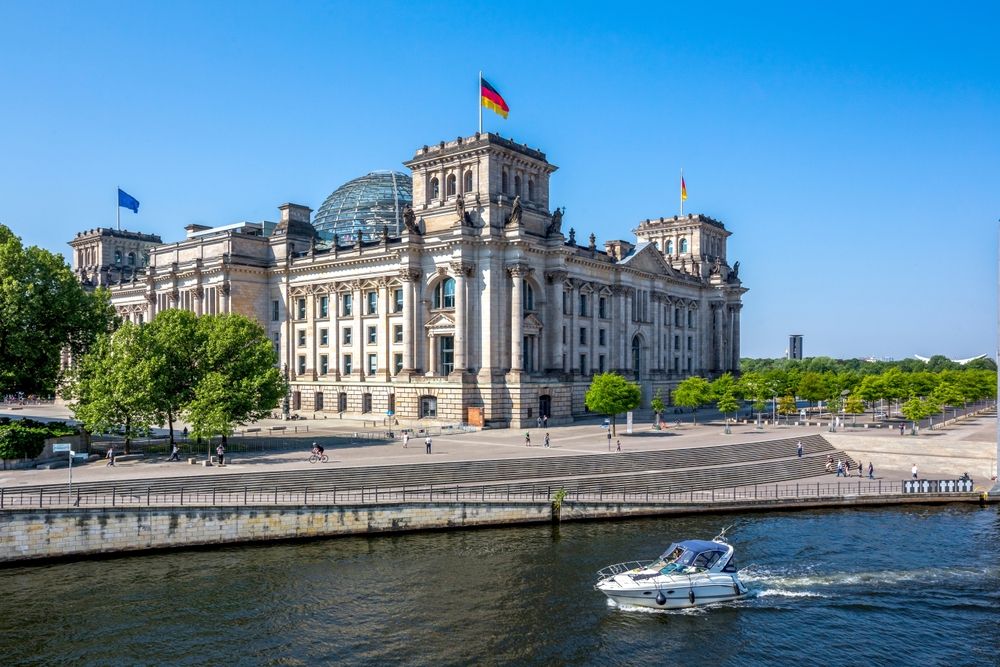
2. The Reichstag: heart of German democracy
The Reichstag Palace (Platz der Republik 1, 11011 Berlin, rated 4.5/5 on Google for 32,000 reviews) ranks among Berlin's historical monuments with the most significance. Built between 1884 and 1894 by Paul Wallot, this building has witnessed the great upheavals of German history: from the Empire to the Weimar Republic, from Nazism to reunification.
The Reichstag fire in 1933 marked the end of German democracy and the advent of the Nazi regime. Today the seat of the Bundestag (German Parliament), it has been masterfully restored by architect Norman Foster. Its glass dome, symbol of democratic transparency, offers an exceptional panoramic view of Berlin. This essential historical monument of Berlin absolutely deserves a guided visit with the Ryo audioguide to understand its full historical significance.
3. The Berlin Wall and East Side Gallery: witness to the Cold War
No trip to Berlin would be complete without discovering the remains of the Berlin Wall, one of the most emblematic historical sites and monuments of the city. The East Side Gallery (Mühlenstraße, 10243 Berlin, rated 4.2/5 on Google for 78,000 reviews) constitutes the longest preserved segment of the wall, extending 1.3 kilometers along the Spree.
This open-air art gallery presents more than 100 works painted by artists from around the world after the fall of the wall in 1989. Among the most famous frescoes, the fraternal kiss between Leonid Brezhnev and Erich Honecker remains the most iconic image. This historical monument of Berlin testifies to the division of the city for 28 years and the hope for freedom that animated Berliners. Follow the Ryo audio-guided itinerary for complete immersion in this crucial period of European history.
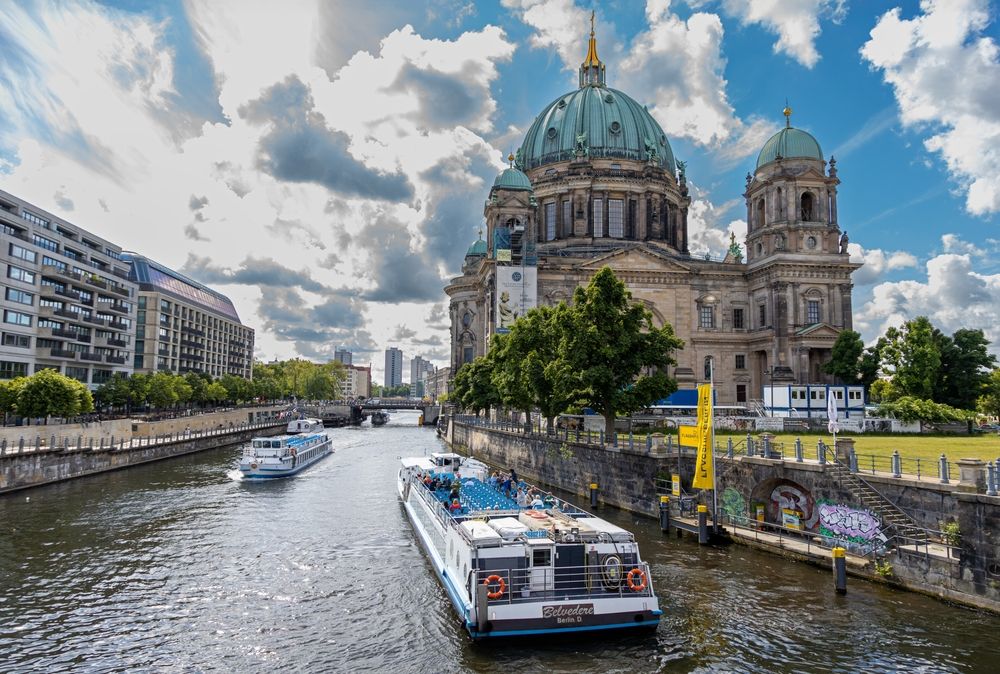
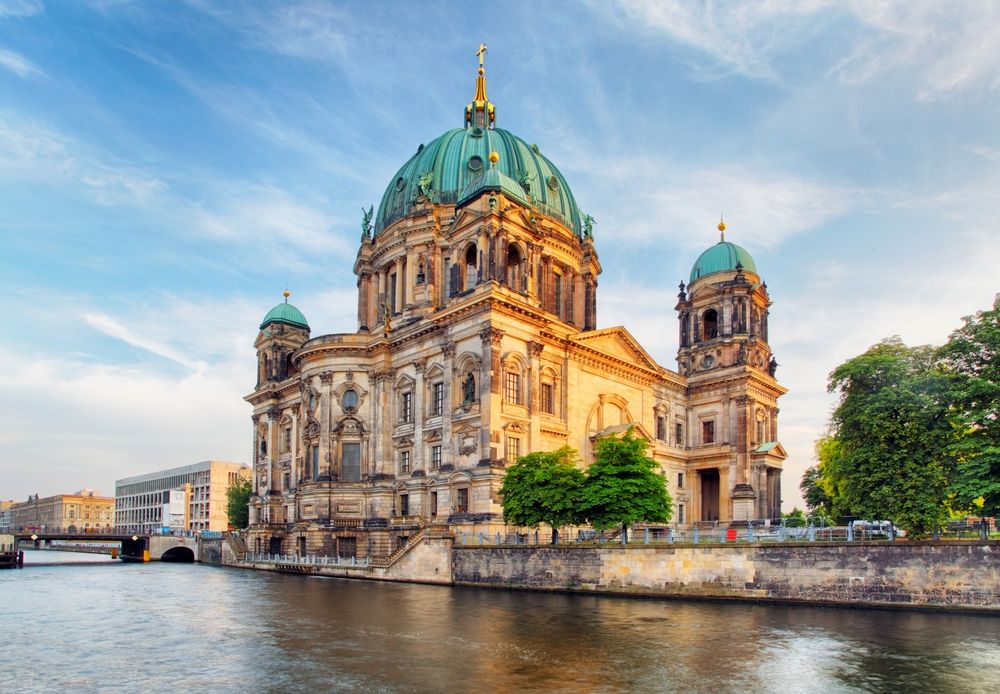
4. Berlin Cathedral: baroque jewel on Museum Island
Majestically dominating Museum Island, Berlin Cathedral or Berliner Dom (Am Lustgarten, 10178 Berlin, rated 4.4/5 on Google for 18,000 reviews) represents one of the most beautiful historical monuments in Berlin. Built between 1894 and 1905 under the impetus of Emperor Wilhelm II, this baroque Protestant cathedral impresses with its dimensions and architectural richness.
With its dome reaching 98 meters in height, it offers an exceptional panorama of Berlin's historic center. The interior reveals sumptuous decor with its golden mosaics, monumental organs and the imperial crypt of the Hohenzollerns. This essential monument of Berlin is an integral part of the UNESCO World Heritage of Museum Island. The Ryo audioguide will reveal all the architectural secrets of this Berlin marvel.
5. Checkpoint Charlie: nerve center of the Cold War
The famous Checkpoint Charlie (Friedrichstraße 43-45, 10117 Berlin, rated 3.8/5 on Google for 45,000 reviews) remains one of Berlin's most visited historical sites. This crossing point between East and West Berlin perfectly symbolizes Cold War tension. The original checkpoint has disappeared, but a faithful reconstruction allows visitors to immerse themselves in this troubled era.
The adjacent Wall Museum recounts the often tragic escape attempts of East Berliners to the West. This historical monument of Berlin testifies to the desperate ingenuity of those who sought freedom. Checkpoint Charlie remains a must-see to understand Berlin's division and the impact of the Cold War on residents' daily lives. Follow the Ryo circuit to discover the poignant stories of this emblematic place.
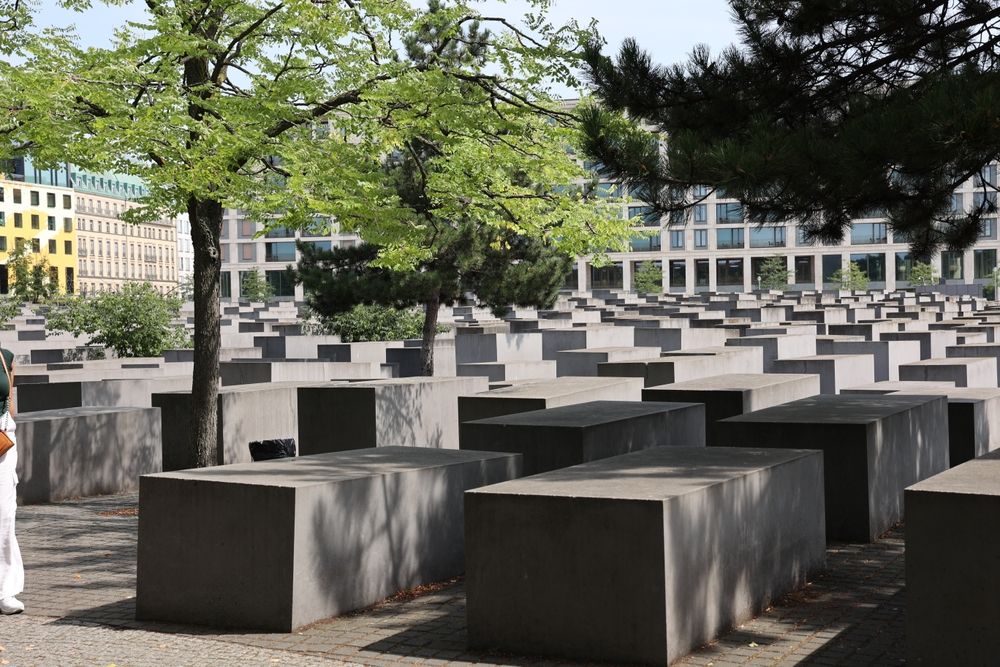
6. The Holocaust Memorial: place of memory and reflection
In the heart of Berlin stands the Memorial to the Murdered Jews of Europe (Cora-Berliner-Straße 1, 10117 Berlin, free entry, rated 4.3/5 on Google for 55,000 reviews). This contemporary historical monument, inaugurated in 2005, constitutes one of the most impressive memorials in Europe. Designed by architect Peter Eisenman, it consists of 2,711 concrete stelae of different heights arranged in a labyrinth.
The underground information center complements this memorial experience with poignant documentation on the Holocaust. This essential historical site in Berlin invites reflection and contemplation. Accessible 24/7, the memorial offers a different experience depending on light and seasons. The Ryo audioguide respectfully accompanies you in this essential discovery for understanding 20th century European history.
7. Museum Island: UNESCO World Heritage site
Museum Island (Bodestraße 1-3, 10178 Berlin, different prices depending on museums, rated 4.5/5 on Google for 12,000 reviews) forms a unique architectural ensemble inscribed on the UNESCO World Heritage list since 1999. This exceptional complex brings together five prestigious museums: the Pergamonmuseum, the Neues Museum, the Altes Museum, the Alte Nationalgalerie and the Bode-Museum.
These historical monuments of Berlin house collections covering 6,000 years of art and culture, from the bust of Nefertiti to masterpieces of Western art. Museum Island constitutes one of the most important museum complexes in the world. Each building tells the story of European art and archaeology. Let yourself be guided by the Ryo itinerary to optimize your visit to these Berlin treasures and discover the connections between these essential historical monuments.
8. Victory Column: symbol of Prussian victories
Dominating Tiergarten park with its 67 meters height, the Victory Column or Siegessäule (Großer Stern, 10557 Berlin, rated 4.3/5 on Google for 15,000 reviews) celebrates 19th century Prussian military victories. Erected between 1864 and 1873, it commemorates victories against Denmark (1864), Austria (1866) and France (1870-1871).
At the top stands the golden statue of Victoria, goddess of Victory, affectionately nicknamed "Goldelse" (Golden Elsa) by Berliners. A climb of 285 steps rewards courageous visitors with an exceptional panorama of Berlin. This historical monument of Berlin, moved from its original location by the Nazis, today offers a privileged viewpoint over the capital. The Ryo audioguide reveals the eventful history of this emblematic column and its role in Berlin's identity.
In conclusion, these 8 must-see historical sites and monuments of Berlin trace the fascinating epic of this European capital. From the Prussian Empire to reunified Germany, through the dark hours of Nazism and Cold War division, each monument tells a chapter of history. Berlin offers a life-size history lesson, where every stone testifies to the upheavals of the European continent. For an in-depth and fascinating discovery, follow the Ryo audio-guided circuit which will reveal all the secrets of these exceptional historical monuments.
Frequently Asked Questions
How much time is needed to visit Berlin's historical monuments?
To visit the 8 must-see historical monuments of Berlin, allow at least 2 to 3 days. The Ryo audio-guided circuit allows you to optimize your time with 2h40 itineraries covering the main sites. Each monument deserves between 30 minutes and 2 hours of visit depending on your interest in history.
What is the best means of transport to visit Berlin's monuments?
Berlin's historic center is easily visited on foot or by public transport. Historical monuments are well served by metro (U-Bahn), tram and buses. The Berlin WelcomeCard provides unlimited access to transport and discounts on museum and monument entries.
Are Berlin's historical monuments accessible for free?
Several monuments are freely accessible: Brandenburg Gate, remains of the Berlin Wall, East Side Gallery and the Holocaust Memorial. Others like the Reichstag (dome), Berlin Cathedral or Museum Island museums require reservation or a paid entrance ticket.
What is the best time to visit Berlin's historical monuments?
Berlin can be visited year-round. The period from May to September offers the best weather conditions to discover outdoor monuments. Winter allows visiting museums in good conditions, and Christmas markets add a special atmosphere to illuminated historical monuments.