
Créé par Emilie, le 7 mai 2026
Votre guide Ryo
© Shutterstock
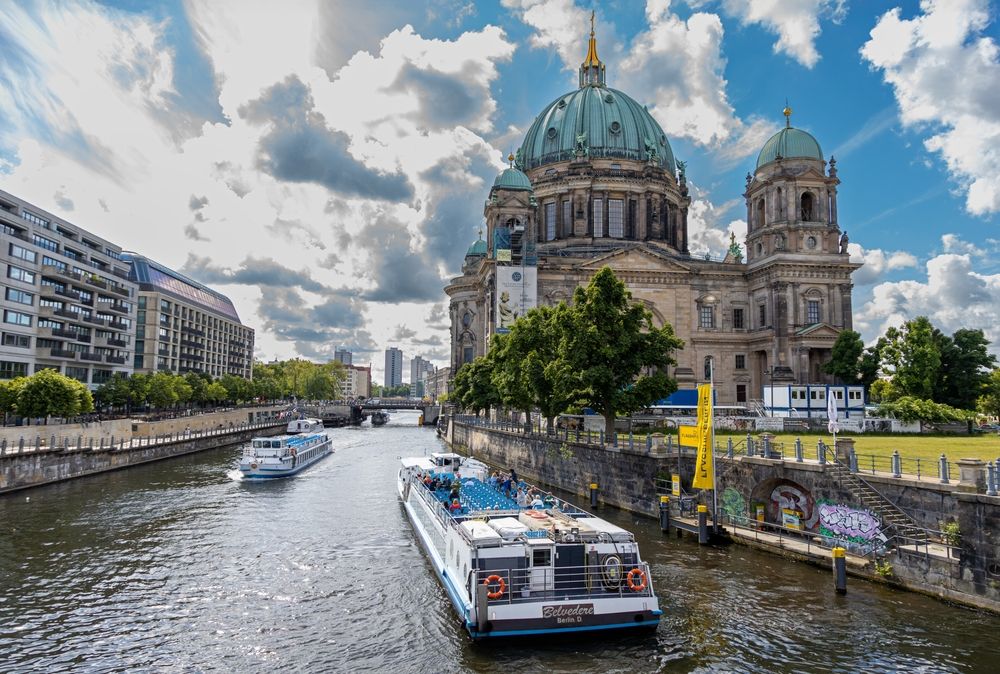
Berlin, the historical and cultural capital of Germany, houses one of the richest concentrations of museums in the world. From Museum Island classified as a UNESCO World Heritage Site to the moving testimonies of contemporary history, the city offers an exceptional panorama for all culture enthusiasts. Whether you're an ancient art lover, modern history buff, or science enthusiast, visiting Berlin promises a fascinating dive into incomparable collections. Let yourself be guided through this selection of 13 unmissable museums to visit in Berlin, true cultural gems that make the German capital shine.
1. Pergamon Museum (Pergamonmuseum)
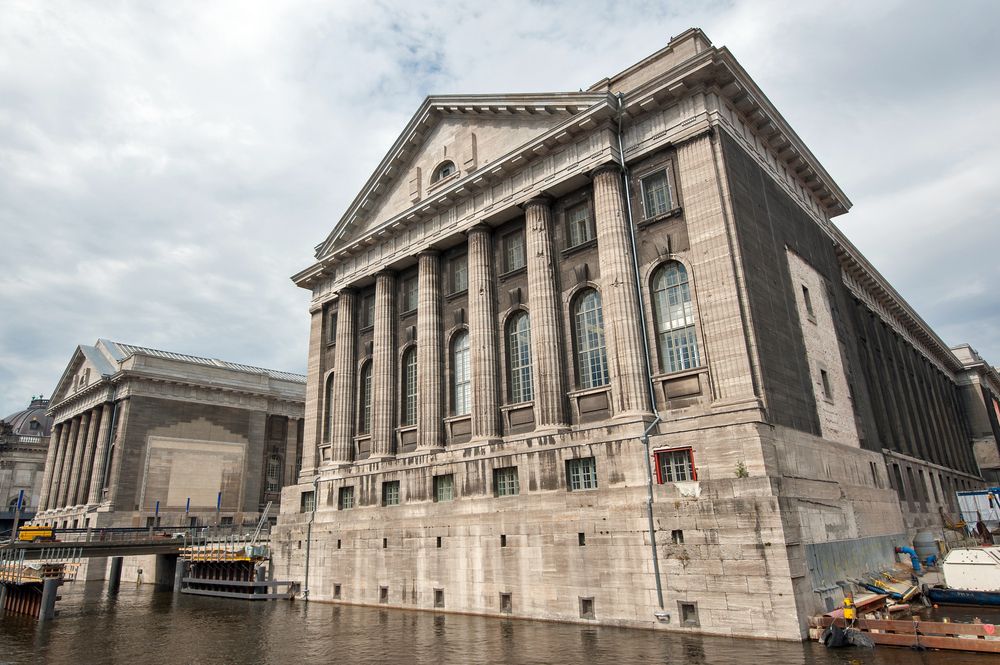
The Pergamon Museum is undoubtedly the jewel of Museum Island and Germany's most visited museum. Built between 1910 and 1930, this monumental building houses full-scale architectural reconstructions that leave visitors speechless. Although the museum is currently closed for major renovations until 2027, its annex "Pergamonmuseum. Das Panorama" remains accessible and offers an exceptional immersive experience.
The Pergamonmuseum's collections are organized into three fascinating departments. The Classical Antiquities Museum presents masterpieces of Greek and Roman art, including the famous Pergamon Altar that gave the museum its name. The Museum of the Ancient Near East displays the spectacular Ishtar Gate of Babylon, with its blue glazed bricks adorned with dragons and bulls. Finally, the Museum of Islamic Art brings together a remarkable collection covering 1,300 years of history, including the facade of the Mshatta desert castle.
For visitors eager to discover these treasures, the Ryo audio-guided itinerary allows you to explore the Museum Island area independently. While waiting for the complete reopening, the Pergamonmuseum. Das Panorama offers a captivating alternative with its 360° panorama of the ancient city of Pergamon (Bodestraße, 10178 Berlin, open daily except Monday 10am-6pm, price: €14, reduced: €7).
2. Neues Museum
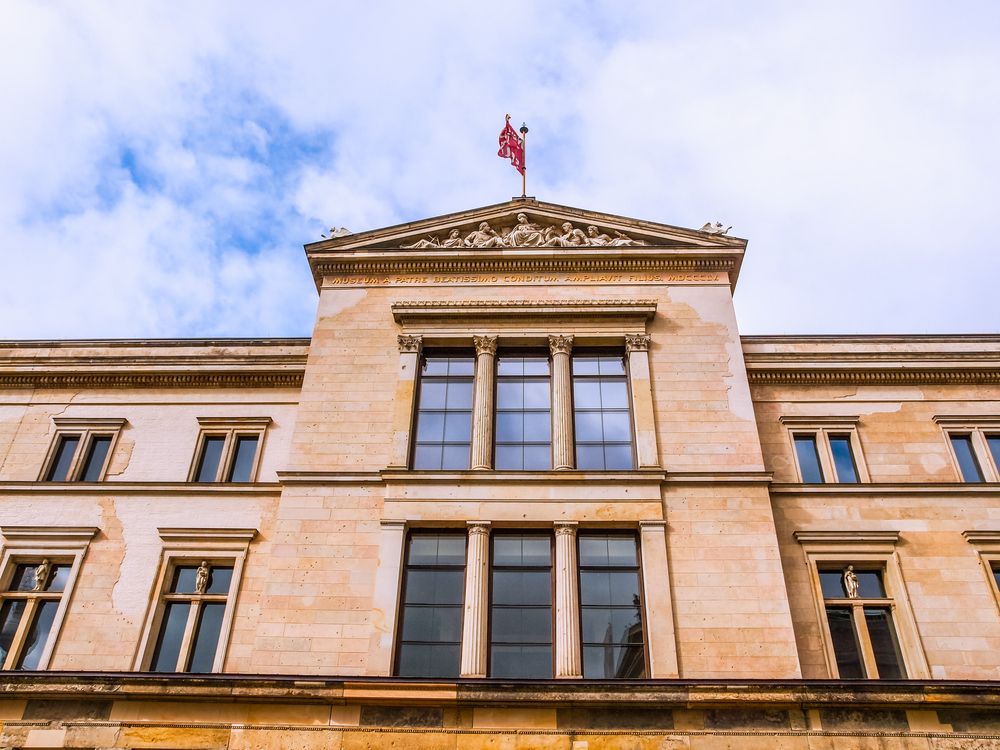
The Neues Museum, literally the "new museum," is an architectural and museographic marvel. Destroyed 70% during World War II, it was masterfully restored by British architect David Chipperfield who managed to preserve the scars of history while creating bright contemporary spaces. This alliance between past and present makes the Neues Museum a work of art in its own right.
The undisputed star of the museum is the bust of Nefertiti, a masterpiece of Egyptian art over 3,000 years old. This polychrome sculpture of striking beauty attracts visitors from around the world. Beyond this emblematic treasure, the Neues Museum houses an exceptional Egyptian collection including sarcophagi, papyri, and everyday objects from ancient Egypt. The museum also presents the Prehistory and Early History collection with notably the Neanderthal man from Kleiner Feldhofer and the famous Golden Hat of Berlin.
During your exploration of Berlin with the Ryo itinerary, don't miss this gem located on Museum Island. The Neues Museum is at Bodestraße 1-3, 10178 Berlin. Open daily 10am-6pm, with late hours Thursday until 8pm. Prices: €14 full price, €7 reduced price.
Download the audio-guided tour to discover Berlin on foot and independently
To discover Berlin at your own pace, nothing beats the Ryo audio-guided itinerary. This 6.5 km circuit guides you for about 2h40 through 30 major points of interest in the German capital. Interactive navigation, historical commentary and captivating anecdotes accompany you throughout your visit, allowing you to explore Berlin completely independently.
3. Jewish Museum Berlin (Jüdisches Museum)
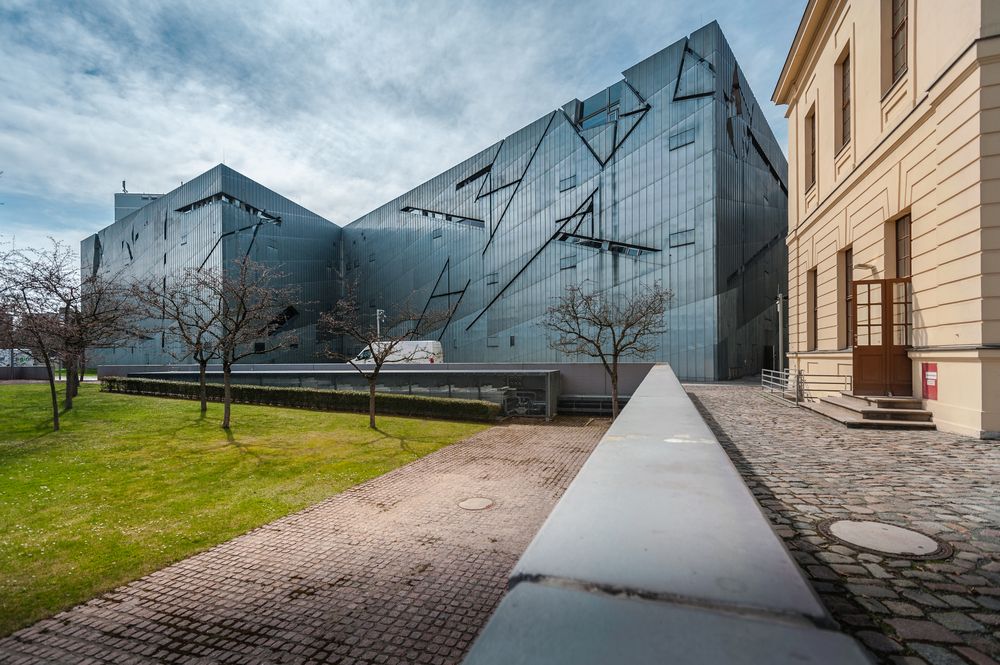
The Jewish Museum Berlin is much more than a simple museum: it's an intense emotional experience that permanently marks visitors. Designed by architect Daniel Libeskind, the building itself is a symbolic work of art whose deconstructivist architecture evokes the tragedy of the Holocaust. The broken lines, voids, and destabilizing spaces tell the story of rupture and absence left by the destruction of European Jewish community.
The permanent exhibition traces two millennia of Jewish presence in Germany, from Roman times to the present day. The collections present everyday objects, historical documents, and personal testimonies that bring this history to life. Among the most striking spaces, the Garden of Exile forms a disorienting labyrinth, while the Holocaust Tower plunges visitors into darkness and silence, creating a heavy and contemplative atmosphere. The void runs through the building from end to end, materializing absence and the unspeakable.
Located in the Kreuzberg district at Lindenstraße 9-14, 10969 Berlin, the Jewish Museum is open daily 10am-6pm. Entry to the permanent exhibition is free, while temporary exhibitions cost €10 (regular price) and €4 (reduced price). Metro: Hallesches Tor (lines U1 and U6).
4. DDR Museum (GDR Museum)
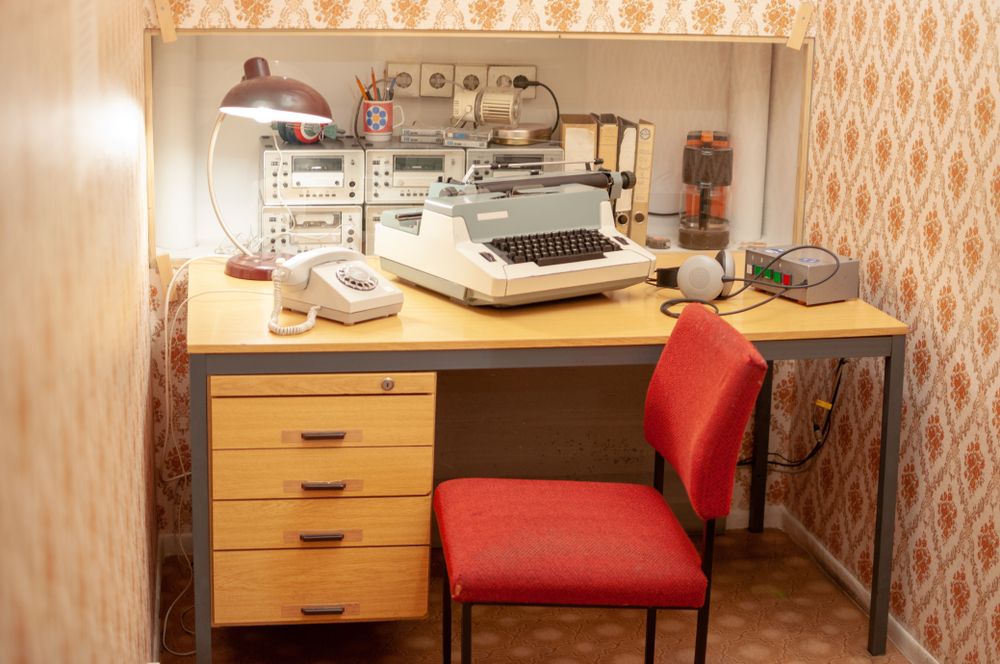
The DDR Museum, museum of the German Democratic Republic, offers a fascinating and interactive dive into the daily life of East Germans between 1949 and 1990. Unlike traditional museums, this one relies on interactivity and immersion to bring this controversial period of German history to life. Visitors can touch, open, and manipulate most of the exhibited objects, making the experience particularly playful and educational.
The permanent exhibition recreates typical GDR apartments with their period furniture, household appliances, and everyday objects. One of the museum's star attractions is the Trabant driving simulator, the iconic car of East Germany, which allows visitors to discover what driving was like in the streets of East Berlin. The museum also addresses darker themes such as Stasi surveillance, the education system, and propaganda, while also showing the positive aspects of life under the communist regime.
Ideally located on the banks of the Spree, facing Berlin Cathedral which you'll discover during your Ryo tour, the DDR Museum is located at Karl-Liebknecht-Str. 1, 10178 Berlin. Open daily 9am-9pm (4pm on December 24th and 31st). Prices: €13.50, reduced: €8. Metro station: Museumsinsel (line 5).
5. Bauhaus-Archiv
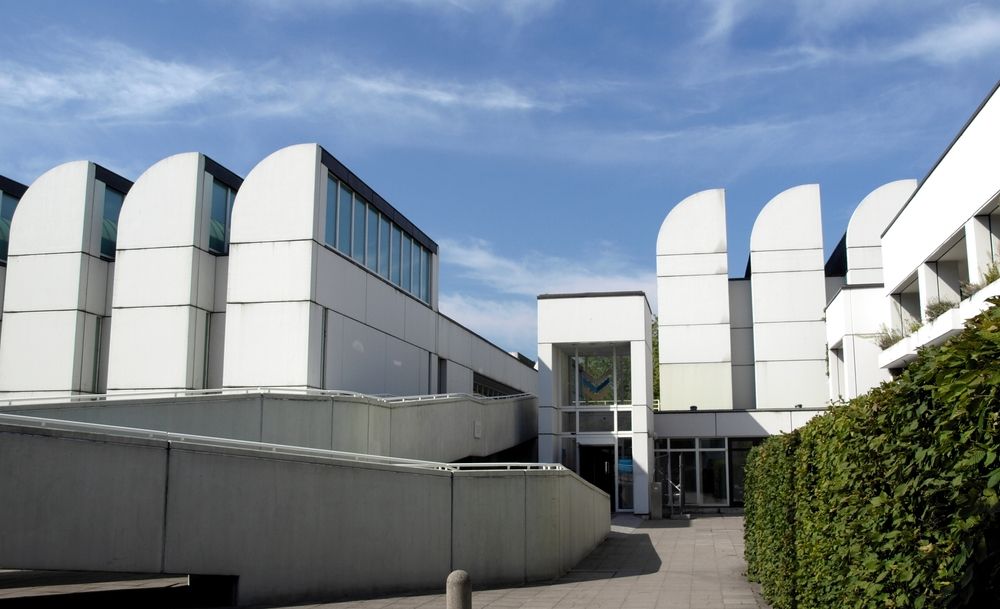
The Bauhaus-Archiv is the temple of modernist design and functionalist architecture. This unique museum in the world is entirely dedicated to the Bauhaus movement, this revolutionary school founded in 1919 that profoundly marked 20th-century art, architecture, and design. The building itself, designed by Walter Gropius, founder of the Bauhaus, and modified by Alexander Cvijanovic, is a remarkable architectural work with its characteristic sawtooth roofs.
The permanent collections present the iconic creations of Bauhaus masters: furniture, lighting, ceramics, textiles, and everyday objects that embody the philosophy "form follows function." You'll discover Wilhelm Wagenfeld's famous Bauhaus lamp, Marcel Breuer's Wassily chair, or Marianne Brandt's teapots. The museum also conserves numerous archival documents, drawings, photographs, and models that trace the history of this mythical school and the considerable influence it exerted on modern aesthetics.
The Bauhaus-Archiv is located at Klingelhöferstraße 14, 10785 Berlin. Attention: the museum is currently closed for renovation, with a reopening planned soon. Check before your visit on the official website for updated hours and prices.
6. Altes Museum (Old Museum)
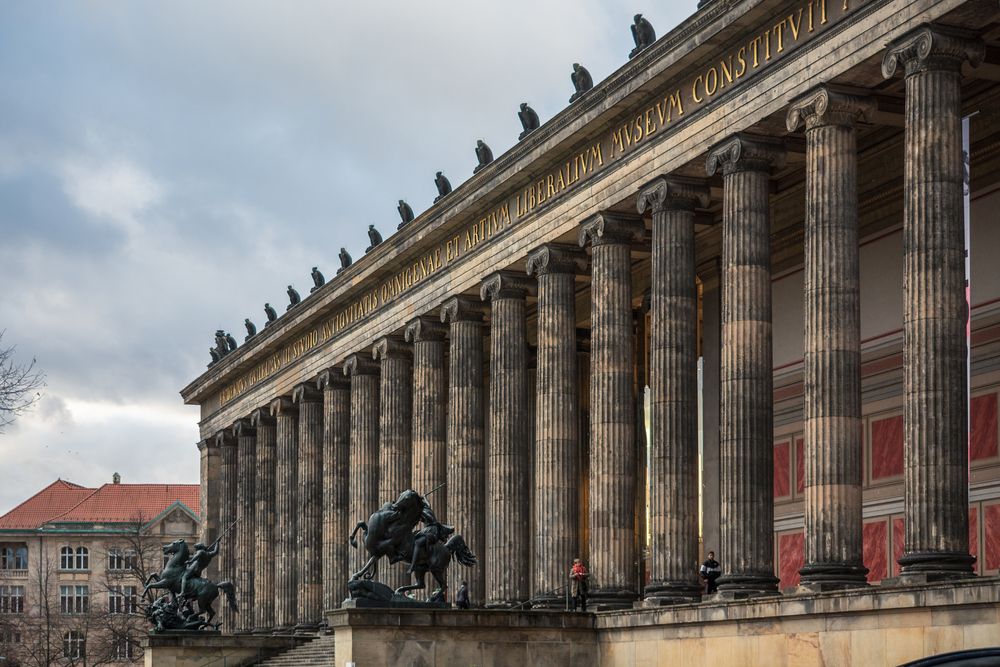
The Altes Museum, Berlin's first public museum, is a neoclassical architectural masterpiece designed by Karl Friedrich Schinkel and inaugurated in 1830. Its imposing facade with 18 Ionic columns recalls ancient Greek temples, while its interior rotunda is inspired by Rome's Pantheon. This majestic architecture alone constitutes a reason to visit this emblematic museum of Museum Island.
The Altes Museum houses the Classical Antiquities collection of Berlin's National Museums, one of the world's most important. The ground floor is devoted to Greek art with sculptures, vases, jewelry, and everyday objects that testify to the splendor of Hellenic civilization. Don't miss the exceptional bronzes and terracottas from the Archaic period. The first floor presents the Roman and Etruscan art collections, notably emperor portraits, mosaics, and wall frescoes from Pompeii and Herculaneum.
Easily accessible from other sites on the Ryo itinerary for visiting Berlin, the Altes Museum is located at Am Lustgarten, 10178 Berlin, on Museum Island. Opening hours: Tuesday-Sunday 10am-6pm, Thursday 10am-8pm, closed Monday. Prices: €12, reduced: €6.
7. Berlin Museum of Natural History (Museum für Naturkunde)
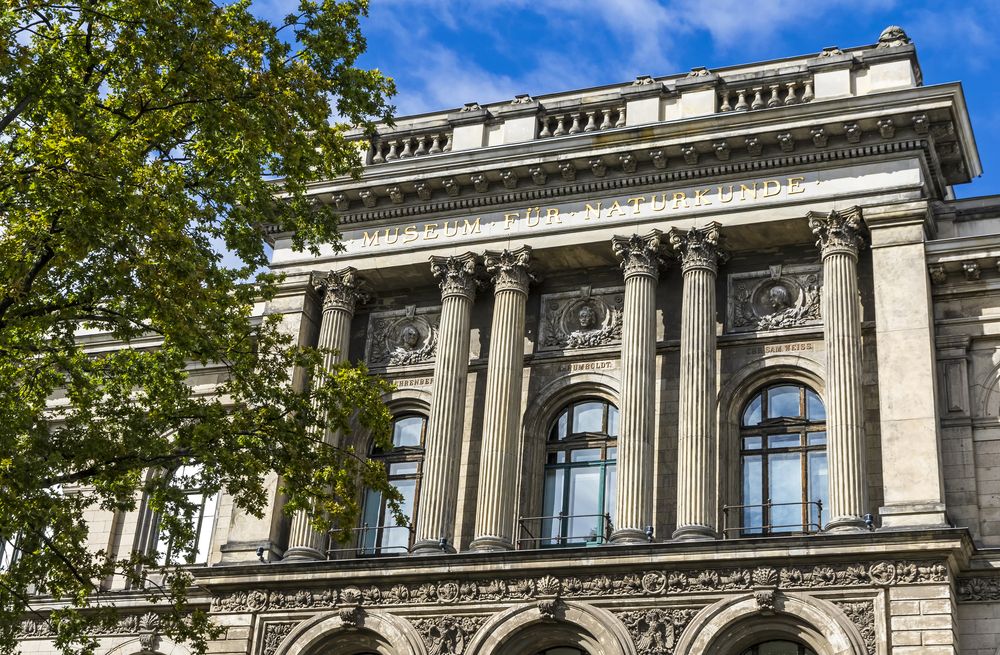
The Berlin Museum of Natural History is one of the world's largest and most important natural science museums. Founded in 1810, it conserves more than 30 million specimens, making it a major scientific research center. For visitors, the museum offers an extraordinary dive into the evolution of life on Earth, from the origins of the cosmos to the present day.
The undisputed star of the museum is the world's largest dinosaur skeleton mounted on display: a Giraffatitan brancai 13.27 meters high! This impressive creature dominates the spectacular dinosaur hall where you'll also discover Archaeopteryx fossils and many other prehistoric specimens. The museum offers exhibitions on biodiversity, species evolution, minerals, and meteorites. The ornithological and naturalized mammal collections are also remarkable. For an even more immersive experience, the museum offers virtual reality tours that allow you to travel back in time and observe dinosaurs in their natural environment.
Located in the Mitte district at Invalidenstraße 43, 10115 Berlin, the museum is open Tuesday to Sunday 9:30am-6pm (closed Monday). Prices: €8, reduced: €5, free for under 6. Metro station: Naturkundemuseum (line U6).
8. Berlin Wall Memorial (Gedenkstätte Berliner Mauer)
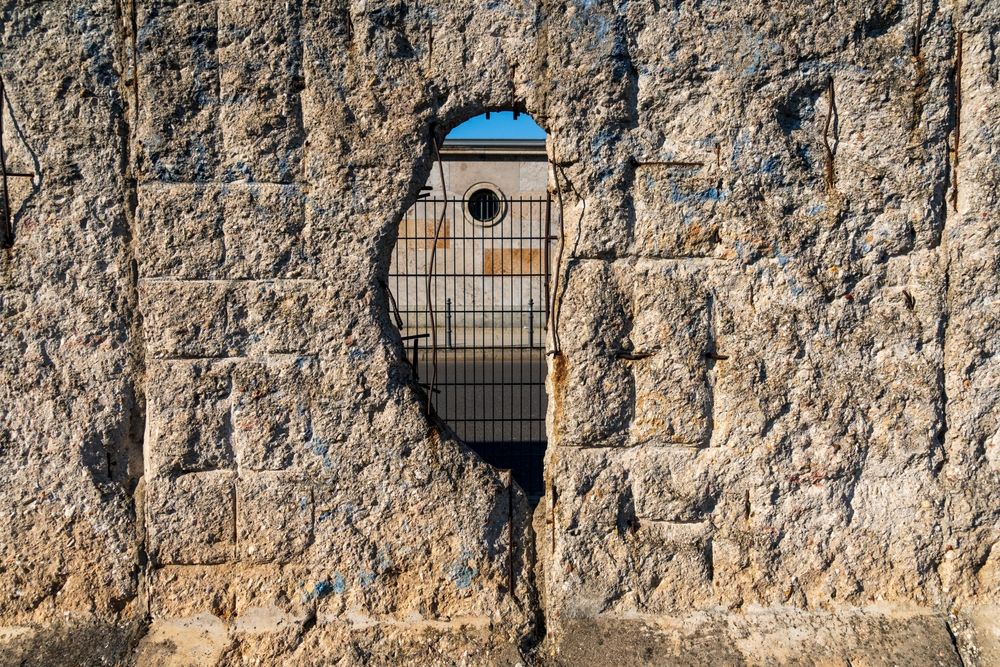
The Berlin Wall Memorial is an essential memorial site for understanding the city's division and its dramatic human consequences. Located along Bernauer Straße, this memorial extends over 1.4 km and constitutes the last vestige of the border system in its entirety: inner wall, "death strip," outer wall, and watchtowers. It's the only place where you can still realize the reality of what separated East Berlin from West Berlin.
The documentation center presents photographs, video testimonies, and archival documents that trace the Wall's history from its construction in 1961 to its fall in 1989. Information points along the route tell the often tragic escape attempts of East Berliners seeking to reach the West. The Chapel of Reconciliation, built on the site of the former church destroyed by the East German regime, offers a place of contemplation. From the top of the observation tower, you'll have an impressive overview of the memorial site.
Entry to the memorial and documentation center is completely free. Address: Bernauer Straße 111, 13355 Berlin. Documentation center hours: Tuesday-Sunday 10am-6pm (closed Monday). The outdoor site is accessible 24/7. Metro station: Bernauer Straße (line U8).
9. Bode Museum
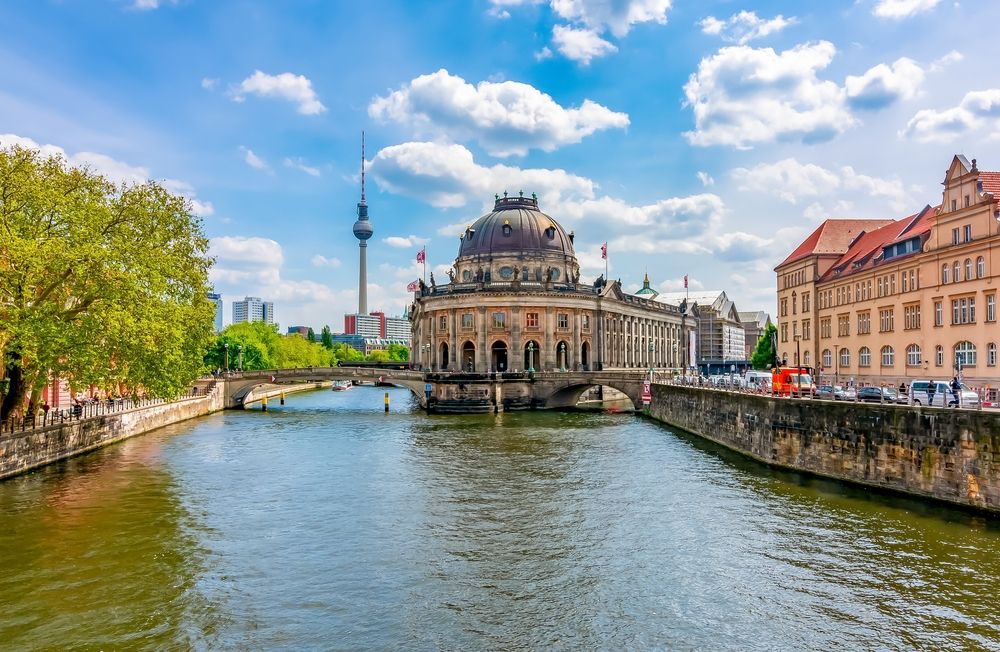
The Bode Museum, with its majestic silhouette at the prow of Museum Island, is a true palace of arts. Inaugurated in 1904 under the name Kaiser-Friedrich-Museum, it was renamed in honor of its first director, Wilhelm von Bode. Its sumptuous neo-baroque architecture and emblematic dome make it one of Berlin's most beautiful buildings.
The museum houses an exceptional collection of sculptures from the Middle Ages to the end of the 18th century, considered one of the world's most important. Among the exhibited masterpieces, don't miss Donatello's Pazzi Madonna, a masterpiece of the Italian Renaissance. The rooms also present works by Tilman Riemenschneider, Antonio Canova, and Jean-Antoine Houdon. The Museum of Byzantine Art occupies a significant part of the Bode Museum, with mosaics, icons, and sculptures from the 3rd to 15th centuries. The numismatic collection, one of Europe's most important, traces 2,600 years of monetary history.
The Bode Museum is located at Am Kupfergraben, 10117 Berlin, at the northern tip of Museum Island. Hours: Tuesday-Sunday 10am-6pm, Thursday 10am-8pm, closed Monday. Prices: €12, reduced: €6. Free audio guides are available to enrich your visit.
10. Berggruen Museum
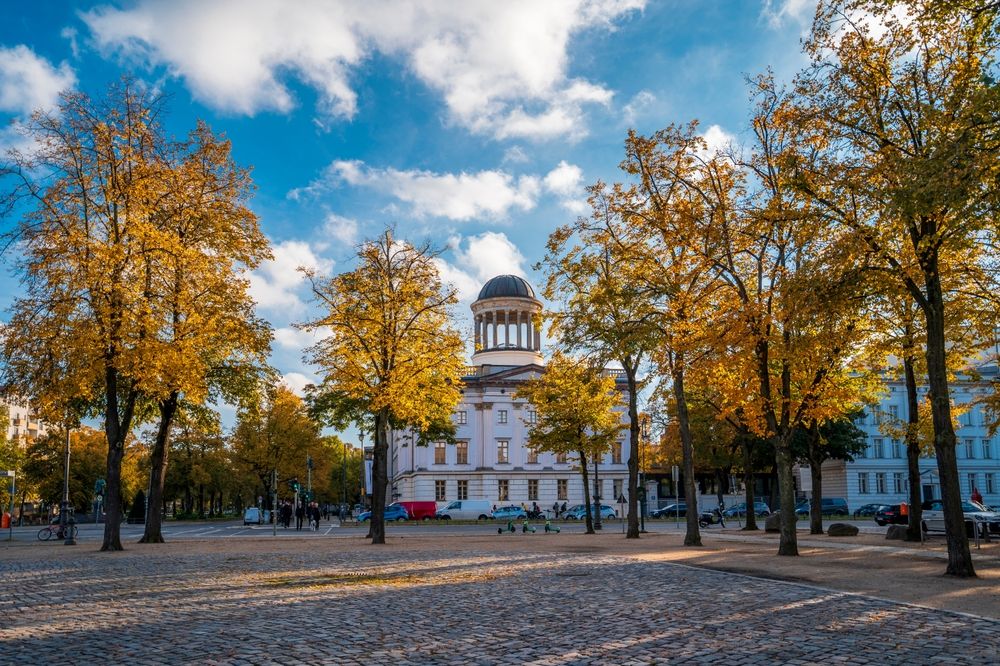
The Berggruen Museum is an intimate and refined setting dedicated to classical modern art. Located in an elegant neoclassical building opposite Charlottenburg Palace, this museum takes its name from collector Heinz Berggruen who bequeathed his exceptional private collection to the city of Berlin. The museum's atmosphere, with its human-sized rooms and majestic staircase topped by a dome, invites a serene discovery of the works.
The collection centers on four major 20th-century artists: Pablo Picasso, Paul Klee, Henri Matisse, and Alberto Giacometti. The museum possesses more than 100 works by Picasso covering all periods of his creation, from the blue period to cubism. The rooms devoted to Paul Klee present about sixty paintings and drawings by this master of abstract art. Giacometti's threadlike sculptures and Matisse's colorful nudes harmoniously complete this ensemble. The museum also presents works by Georges Braque and Paul Cézanne.
Address: Schloßstraße 1, 14059 Berlin, opposite Charlottenburg Palace. Hours: Tuesday-Friday 10am-6pm, Saturday-Sunday 11am-6pm, closed Monday. Prices: €10, reduced: €5. Metro station: Richard-Wagner-Platz (line U7) or Sophie-Charlotte-Platz (line U2).
11. Deutsche Kinemathek (Museum of Film and Television)
The Deutsche Kinemathek, museum of German cinema and television, celebrates the rich German cinematographic heritage and television history. Located on Potsdamer Platz, this cultural institution pays tribute to the golden age of Berlin cinema in the 1920s-1930s, when the city rivaled Hollywood, but also to contemporary German cinema.
The permanent exhibition traces German cinema history through costumes, posters, original scripts, and filming equipment. An entire section is devoted to Marlene Dietrich, icon of German cinema, with her personal wardrobe and numerous memorabilia. The museum also presents masterpieces of German expressionism like Fritz Lang's Metropolis and Murnau's Nosferatu. Interactive installations allow discovery of cinematographic techniques and introduction to special effects. The exhibition on German television traces this medium's evolution from its beginnings to the digital era.
The Deutsche Kinemathek is located at Potsdamer Straße 2, 10785 Berlin, on the famous Potsdamer Platz that you'll discover during your visit to Berlin with the Ryo app. Hours: Wednesday-Monday 10am-6pm, Thursday 10am-8pm, closed Tuesday. Prices: €7, reduced: €4.50.
12. Alte Nationalgalerie (Old National Gallery)
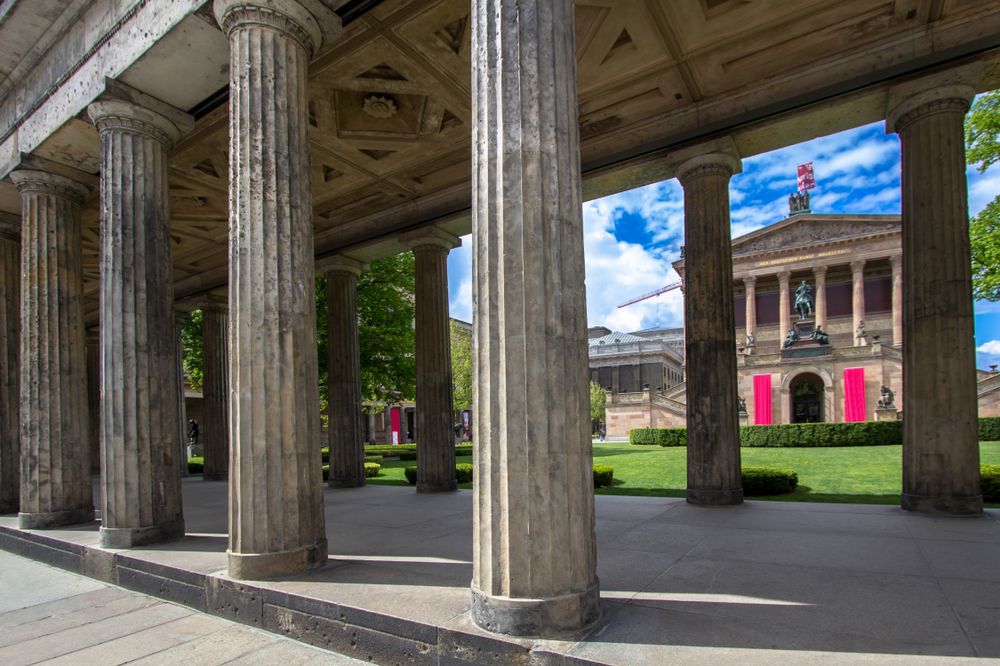
The Alte Nationalgalerie is the temple of 19th-century pictorial art in Berlin. This splendid neo-classical building in the form of a Roman temple, perched on a high basement, majestically dominates Museum Island. Inaugurated in 1876, it was designed by Friedrich August Stüler as a sanctuary dedicated to fine arts. The equestrian statue of Frederick William IV that welcomes visitors on the forecourt sets the tone: you enter a place dedicated to art's grandeur.
The Alte Nationalgalerie's collections are organized on three levels and cover all major artistic movements of the 19th century. Classicism is represented by works by Johann Gottfried Schadow and Christian Daniel Rauch. German romanticism shines with Caspar David Friedrich's dramatic landscapes, while the Biedermeier movement is illustrated by intimate scenes. The museum also possesses a remarkable collection of French painting with canvases by Manet, Monet, Renoir, Cézanne, and Degas. Auguste Rodin's sculptures and Max Klinger's symbolist works complete this exceptional ensemble. The central rotunda, with its ornate dome and marble columns, constitutes a grandiose setting for these masterpieces.
The Alte Nationalgalerie is located on Museum Island at Bodestraße 1-3, 10178 Berlin. Hours: Tuesday-Sunday 10am-6pm, Thursday 10am-8pm, closed Monday. Prices: €12, reduced: €6. A combined ticket for Museum Island is available.
13. Deutsches Historisches Museum (German Historical Museum)
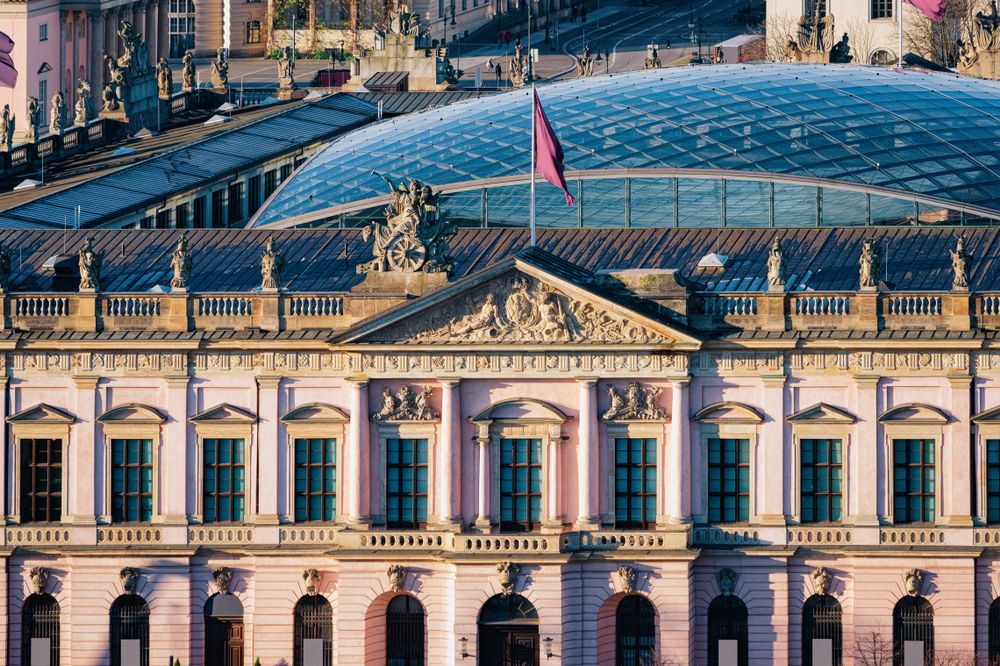
The Deutsches Historisches Museum, German Historical Museum, offers a captivating journey through two millennia of Germanic history. Housed in the former arsenal (Zeughaus) dating from 1706, the oldest building on Unter den Linden avenue, the museum was completed in 2004 by a modern extension designed by Chinese-American architect Ieoh Ming Pei. This alliance between baroque and contemporary architecture perfectly symbolizes the museum's mission: connecting past and present.
The permanent exhibition "German History in Images and Testimonies" presents 8,000 objects over 8,000 m² of exhibition space, offering the most comprehensive panoramic view of German history ever assembled. The chronological route begins with the Roman era and the Holy Roman Empire, crosses the periods of the Reformation, the Thirty Years' War, and the Kingdom of Prussia, before addressing the crucial moments of the 20th century: the two world wars, the Weimar Republic, Nazism, the country's division, and reunification. The collections include medieval armor, historical paintings, everyday objects, political documents, and personal testimonies that bring this historical fresco to life.
Located in Berlin's historic heart that you'll explore with the Ryo audio-guided circuit, the Deutsches Historisches Museum is at Unter den Linden 2, 10117 Berlin. Hours: daily 10am-6pm. Prices: €8, reduced: €4, free for under 18. Metro station: Friedrichstraße (lines U6, S1, S2, S25).
In conclusion, visiting Berlin's museums means undertaking an extraordinary journey through world art, history, and culture. From Museum Island with its exceptional ancient collections to moving testimonies of contemporary history, the German capital offers incomparable cultural diversity. Each museum tells a unique story and contributes to making Berlin one of Europe's richest cultural destinations. To optimize your discovery of the city and not miss any unmissable sites between two museum visits, let yourself be guided by the Ryo audio-guided itinerary which accompanies you through Berlin's most beautiful neighborhoods in complete independence.
FAQ: Berlin Museums
What is the Berlin Museum Pass and is it worth it?
The Berlin Museum Pass is a cultural pass that gives access to over 30 museums for 3 consecutive days. At €32 (reduced: €16), it allows considerable savings if you plan to visit several museums. It includes notably all Museum Island museums, the Jewish Museum, and many others. The pass also allows you to skip lines at certain museums.
How much time should you allow to visit Museum Island?
To properly visit the five museums of Museum Island (Pergamonmuseum, Neues Museum, Altes Museum, Bode Museum and Alte Nationalgalerie), you need to plan at least a full day, or even two days for a thorough visit. Each museum deserves between 2 and 3 hours of visit. If you only have half a day, focus on the Neues Museum and the Alte Nationalgalerie.
Are Berlin museums free on certain days?
Some Berlin museums offer free entry on the first Sunday of the month, but this rule doesn't apply to all museums and may vary. The Berlin Wall Memorial is free every day. Young people under 18 often get free admission to national museums. It's recommended to check official websites before your visit.
Should you book tickets in advance for Berlin museums?
For the most popular museums like the Neues Museum (Nefertiti bust) and the Pergamonmuseum, online reservation is strongly recommended, or even mandatory for certain time slots. This allows you to avoid long queues and guarantee your access, especially during high tourist season and weekends. Other museums are generally accessible without reservation.
Which Berlin museums are suitable for children?
The Natural History Museum is particularly suitable for children with its impressive dinosaur skeletons. The DDR Museum is also much appreciated by young visitors thanks to its interactive and playful approach. The German Technology Museum (Deutsches Technikmuseum) fascinates children with its planes, trains, and boats. For teenagers, the Cinema Museum and DDR Museum are excellent choices.