© Shutterstock
 Votre guide Ryo
Visit Santorini: 10 Must-See Attractions to Discover the Cyclades Capital
Perched in the heart of the Aegean Sea, Santorini fascinates with its spectacular beauty. Its white villages suspended above the caldera, legendary sunsets and volcanic colored beaches make this Greek island a dream destination. Between strolls through the alleys of Oia, discovery of the archaeological site of Akrotiri and tasting of local wines, visiting Santorini promises an unforgettable experience. Whether you're a history enthusiast, lover of breathtaking panoramas or seeking unique beaches, the island offers a palette of activities and must-see sites that seduce all travelers.
Download the audio-guided circuit to discover Fira on foot and independently
Explore the capital of Santorini with an audio-guided itinerary that takes you through picturesque streets, blue-domed churches and spectacular viewpoints over the caldera. This interactive route allows you to visit Fira at your own pace, discovering the secrets of this city perched between sky and sea. With 16 fun audio guides, let yourself be guided in your exploration of the capital of the volcanic Cyclades and enjoy enriching historical commentary on each emblematic place.
1. The village of Oia, jewel of Santorini
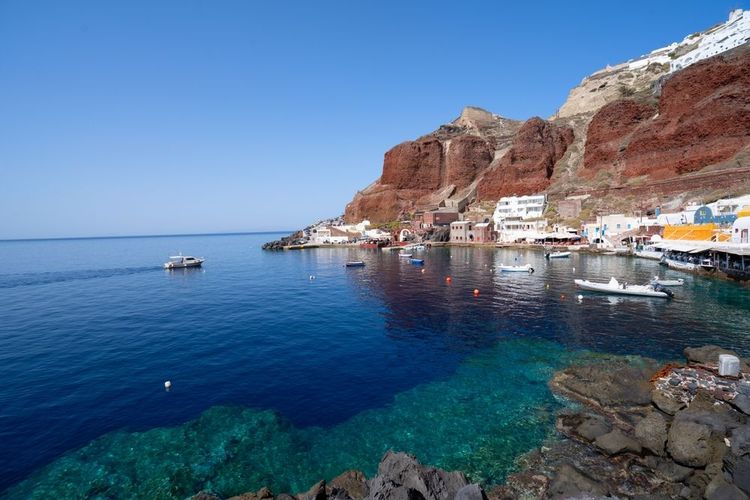
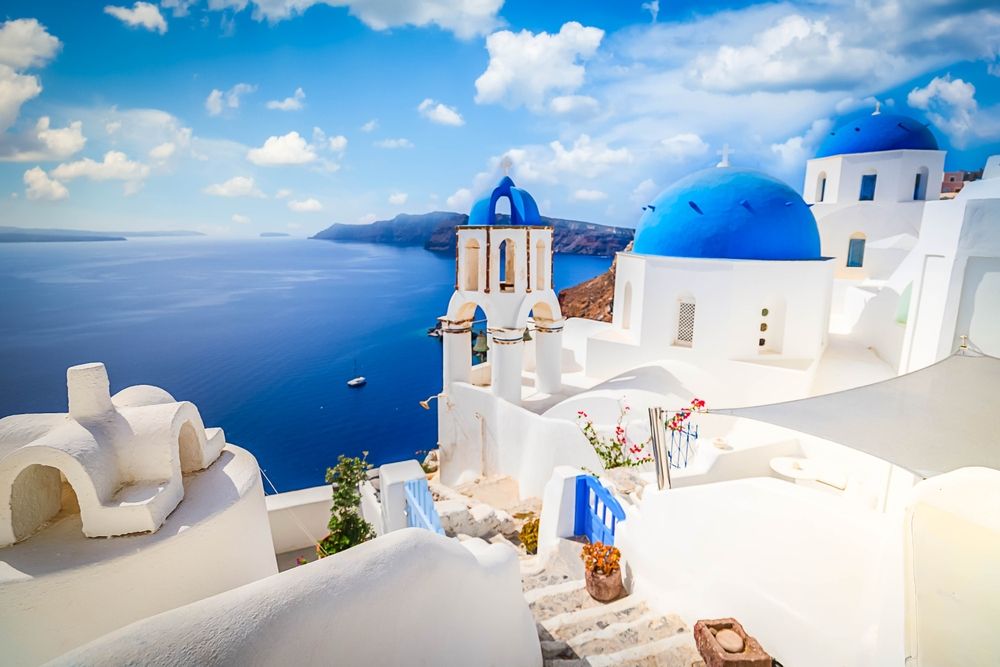
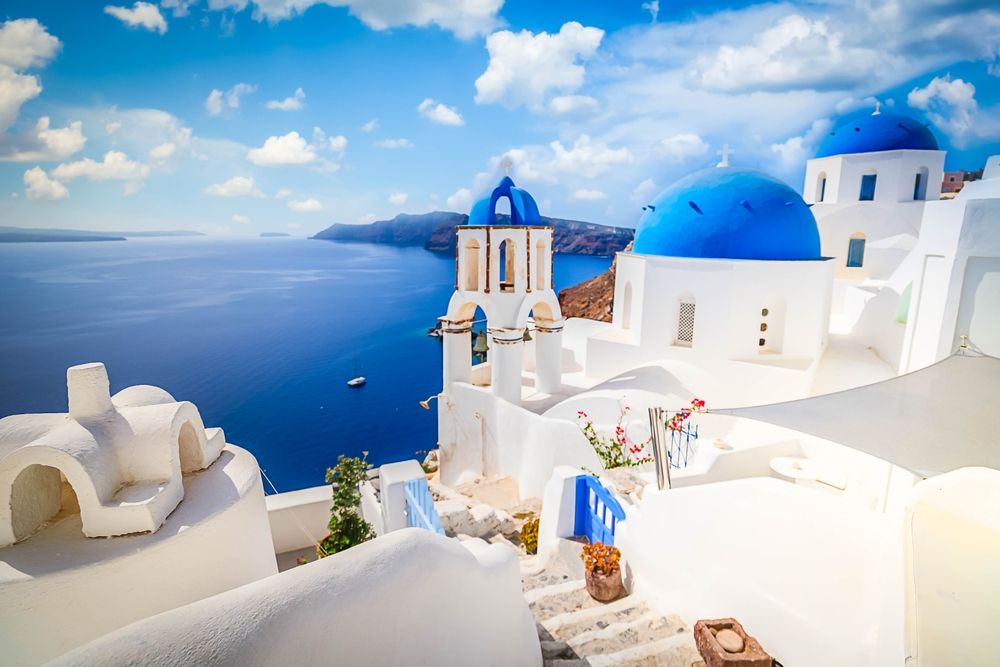
Oia represents the very essence of Santorini and is undoubtedly the most photographed village in the Cyclades. Perched on the northwest cliff of the island, this village embodies the perfect postcard with its traditional white houses, emblematic blue domes and windmills that majestically overlook the caldera. Each cobbled street reveals a new perspective on the Aegean Sea, while art galleries, elegant boutiques and restaurants with panoramic terraces invite leisurely strolling.
The Byzantine castle of Saint-Nicolas, although partially in ruins, remains the essential spot to admire Santorini's famous sunset. From late afternoon, visitors flock to witness this natural spectacle where the sun plunges into the Aegean Sea, tinting the sky with orange, pink and violet hues. Visiting Santorini without contemplating this magical moment from Oia would be a real shame.
Regular and affordable buses connect Fira to Oia in 20 to 40 minutes, making the village easily accessible. To fully enjoy the peaceful atmosphere of Oia, prefer a morning visit before the arrival of excursionists. The streets then reveal themselves as authentic and the photographic perspectives infinitely more pleasant (Locate Oia on Google Maps, rated 4.7/5 on Google with more than 45,000 reviews).
2. Fira, the lively capital of the island
Perched at 260 meters at the top of ochre cliffs, Fira is the vibrant capital of Santorini. It captivates with its white and blue Cycladic architecture, authentic local life and intense tourist animation that contrasts with the tranquility of other villages. Bars and restaurants with terraces overlooking the caldera, colorful boutiques, fascinating museums like the prehistoric museum of Thera and majestic Orthodox churches compose the picture of a dynamic and endearing city.
A memorable experience consists of descending the 600 steps that lead to the old port, then going back up by cable car to enjoy a unique view of the caldera. The more adventurous can also take the donkey path, a local tradition that adds a picturesque touch to the visit. Fira represents the ideal starting point to explore Santorini, thanks to its central bus station that serves the entire island and its proximity to the airport and ports.
The capital also offers the widest choice of accommodations, restaurants serving traditional Greek cuisine and local specialties, as well as a lively nightlife. To visit Santorini practically while enjoying a cosmopolitan atmosphere, Fira stands out as an ideal base. The Ryo audio-guided itinerary allows you to discover all the treasures of this capital of the Cyclades at your own pace (Locate Fira on Google Maps, rated 4.5/5 on Google with more than 38,000 reviews).
3. Imerovigli, the balcony of the Aegean Sea
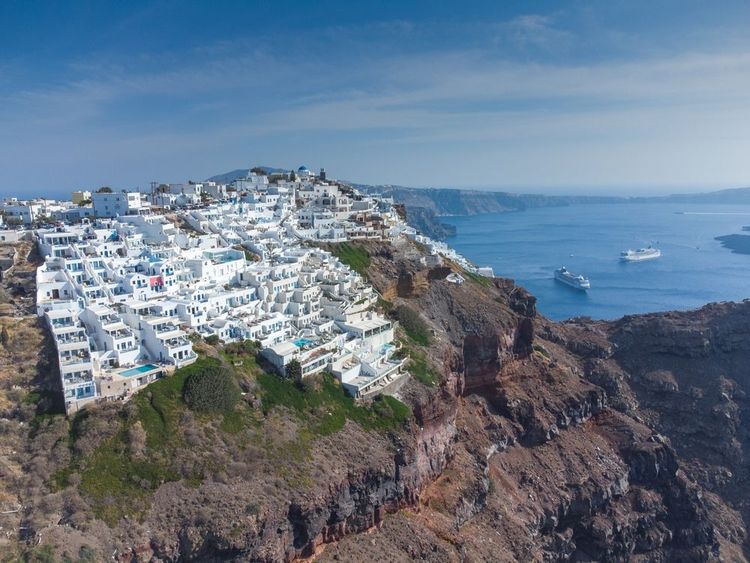
Imerovigli amply deserves its nickname as the 'balcony of the Aegean Sea' thanks to its spectacular panoramas of the volcano and caldera, offered from 300 meters altitude at the top of the cliffs. This typical Cycladic village is distinguished by its quiet streets, cave houses whitewashed with lime, characteristic blue domes and luxury hotels with infinity pools that seem to defy the laws of gravity.
Located on the hiking trail connecting Fira to Oia, Imerovigli offers a much more serene atmosphere than its famous neighbors, ideal for savoring intimate sunsets or tasting refined local cuisine in a romantic setting. Skaros Rock, remnant of an ancient Venetian fortress perched on a rocky spur, constitutes the village's main attraction. Accessible by a trail offering exceptional panoramic views, this historical site fascinates photography and history enthusiasts.
For those who wish to visit Santorini differently, away from the crowds while enjoying the most beautiful views of the island, Imerovigli represents an essential stop (Locate Imerovigli on Google Maps, rated 4.6/5 on Google with more than 12,000 reviews).
4. The hike between Fira and Oia along the caldera
The hike between Fira and Oia is among the most memorable experiences to visit Santorini. This spectacular trail extends for about 10 kilometers and takes 3 to 4 hours to complete, following the caldera cliffs with breathtaking views of the Aegean Sea at every turn. The path crosses the picturesque villages of Imerovigli and Firostefani, offering numerous opportunities for photographic stops in front of emblematic blue-roofed churches.
This walk is easily done from April to October, a period during which temperatures remain pleasant despite the Mediterranean sun. Plan comfortable hiking shoes, several liters of water and effective sun protection, as the trail offers little shade. The unique volcanic landscape and brilliant whiteness of typical constructions make this hike one of the most beautiful experiences to live in the Cyclades.
The trail is well-maintained and marked, allowing you never to get lost while discovering unique perspectives on the caldera. The numerous cafes and tavernas along the route allow you to eat and refresh yourself. This panoramic hike reveals the wild beauty of Santorini from a different angle, away from classic tourist paths.
5. The archaeological site of Akrotiri, the Pompeii of the Cyclades
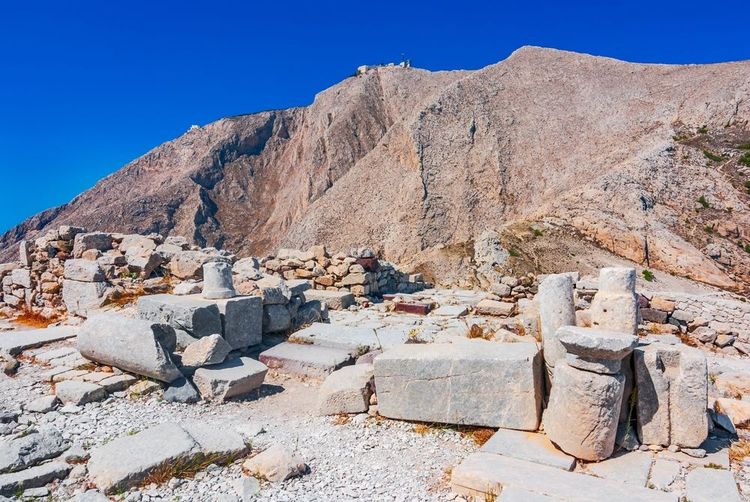
The ancient site of Akrotiri, located in the south of the island, constitutes a waking dream for history enthusiasts who come to visit Santorini. This exceptionally preserved Minoan city testifies to a flourishing Bronze Age civilization, brutally buried under volcanic ash during the cataclysmic eruption around 1600 BC. Excavations, initiated in the 1960s by Greek archaeologist Spyridon Marinatos, have revealed remarkable colorful frescoes, sophisticated pottery and entire streets frozen in time.
A modern covered circuit allows exploring these fragile ruins while protecting them from weather. The quality of preservation of structures, drainage systems and even some furniture offers a fascinating glimpse of daily life more than 3,500 years ago. The murals discovered here, now displayed at the archaeological museum of Thera in Fira, are among the most beautiful of ancient Greece.
Plan good shoes and expect hot weather, particularly in summer. Don't miss the view of the nearby caldera to understand the magnitude of the volcanic eruption that shaped Santorini's current face and perhaps inspired the legend of Atlantis (Locate Akrotiri on Google Maps, rated 4.5/5 on Google with more than 18,000 reviews).
6. The volcanic beaches of Santorini: Red Beach and Black Beach
Santorini's volcanic beaches, born from the island's intense geological activity, are distinguished by their unique colors that create a striking contrast with the brilliant blue of the Aegean Sea. Red Beach, near the archaeological site of Akrotiri, impresses with its deep red cliffs that encircle a beach of dark pebbles. This spectacular natural site, accessible by a short rocky path, attracts photographers from around the world who come to capture this unique lunar landscape.
The beaches of Perissa and Perivolos offer long stretches of black volcanic sand ideal for water sports, swimming and sunbathing. Bordered by beach bars, restaurants and deck chair rentals, they provide all the necessary infrastructure for a successful beach day. Kamari, meanwhile, features a long seafront promenade with restaurants serving fresh fish and Greek specialties.
To reach these beaches, take a bus from Fira or rent a vehicle for more freedom. Favor the period from May to October to enjoy warm water and fully operational tourist infrastructure. Visiting Santorini without discovering its unique volcanic beaches would be missing out on a rare geological experience (Locate Red Beach on Google Maps, rated 4.3/5 on Google with more than 12,000 reviews).
7. The cruise to Nea Kameni and the hot springs
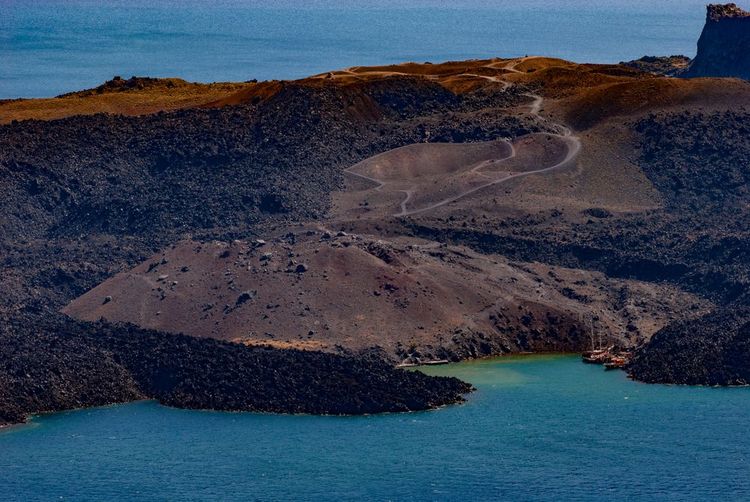
Taking a boat cruise to Nea Kameni and exploring Santorini's caldera represents a rare natural experience. This small volcanic island in the heart of the caldera was born from several successive eruptions that shaped the entire archipelago. Its last major outburst dates back to 1950 and left behind a fascinating lunar landscape of black rocks and smoking craters.
You can reach the island by boat from Athinios port, Santorini's main port, or from Fira port. On site, a marked trail leads to the volcano summit where you can observe fumaroles and feel the heat still emanating from the ground. The panoramic view of the caldera, formed by the massive eruption more than 3,600 years ago, is simply breathtaking and allows understanding the geological power that sculpted this unique landscape.
Most excursions also include a stop at the hot springs of Palea Kameni, where you can bathe in water naturally heated by volcanic activity. These sulfur-rich waters have a characteristic orange color and reach around 30°C, offering a warm bath in the open sea. Remember to wear old swimwear as sulfur can stain. This unique experience allows visiting Santorini from a fascinating geological angle (Locate Nea Kameni on Google Maps, rated 4.5/5 on Google with more than 8,000 reviews).
8. Traditional villages: Pyrgos, Megalochori and Emporio
Located inland, away from the caldera bustle, Pyrgos, Megalochori and Emporio allow discovering a more peaceful and authentic Santorini with typically Cycladic architecture. Pyrgos, former capital of Santorini until the early 19th century, invites you to explore a labyrinth of narrow streets that wind to the village summit where Theotokaki church stands, one of the island's oldest.
Megalochori is particularly renowned for its traditional wine cellars carved into volcanic rock, local craft shops and preserved village atmosphere. Restored captains' houses and shaded squares invite strolling and encounters with inhabitants. Emporio, Santorini's largest village, houses a remarkably preserved medieval Venetian castle, the Kasteli, whose labyrinthine streets tell centuries of history.
Traditional tavernas in these villages offer authentic local specialties, notably the famous Santorini fava (yellow split pea puree), sun-dried cherry tomatoes and local goat cheeses. Accessible by car or bus from Fira, these villages deserve several hours of exploration to stroll and chat with inhabitants who will gladly share their best tips for visiting Santorini (Locate Pyrgos on Google Maps, rated 4.6/5 on Google with more than 15,000 reviews).
9. Sunsets from panoramic viewpoints
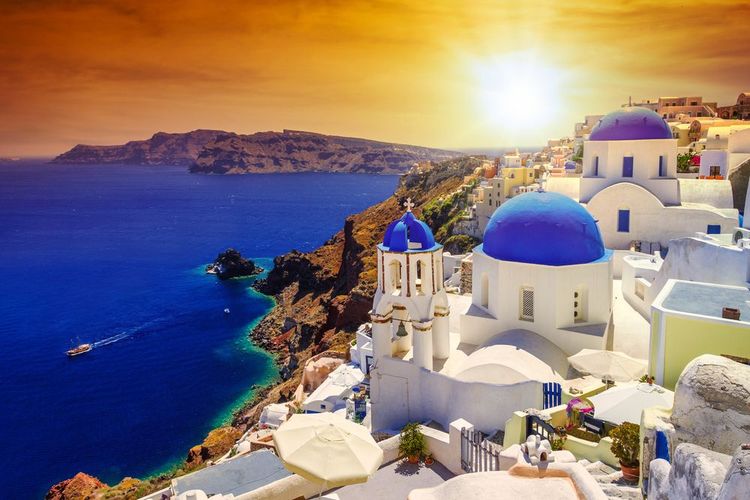
Santorini's famous sunsets offer an unforgettable spectacle where volcanic cliffs, the Aegean Sea and white villages are adorned with magical colors ranging from gold to pink, then to deep violet. The two most popular viewpoints to admire this natural phenomenon are Oia castle, which attracts hundreds of visitors each evening, and Imerovigli caldera, slightly less crowded but equally spectacular.
At the southern tip of the island, Akrotiri lighthouse also offers a splendid and different panorama at the end of the day, with a more intimate atmosphere and fewer crowds. The sunset from the summit of Mount Profitis Ilias, the island's highest point at 567 meters altitude, provides an absolutely exceptional 360-degree panoramic view of the entire island and surrounding archipelago. From Fira, you can also enjoy magnificent sunsets from the numerous terraces perched on the caldera.
Plan to arrive at least an hour before sunset to position yourself comfortably, as these places are very popular. From May to September, the sun sets between 8pm and 9pm, which leaves time to explore the streets or surroundings before settling in. This visual and emotional experience is among the most unforgettable for those who dream of visiting Santorini.
10. Discovering Santorini wines and vineyards
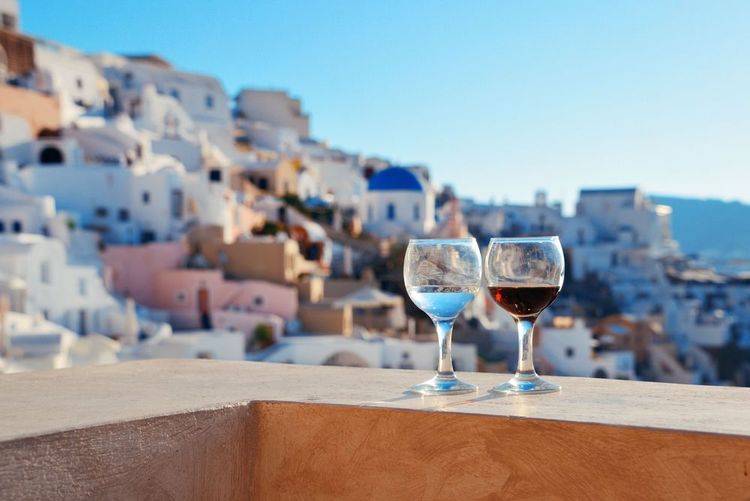
Visiting Santorini also means discovering a unique millennial winemaking tradition in the world. Viticulture on the island dates back to Antiquity and local grape varieties, particularly Assyrtiko, develop exceptional flavors thanks to volcanic soil rich in minerals and the dry and windy climate. Winemakers cultivate vines in spirals at ground level, forming protective baskets called 'kouloures' against violent winds from the Aegean Sea, a winemaking technique unique in the world.
Many wine estates open their doors for tastings and guided tours that allow understanding the specificities of Santorinian viticulture. The vineyards of Estate Argyros, Gavalas Winery, Santo Wines and Venetsanos offer not only excellent wines but also spectacular panoramic views of the caldera. The wine museum of Koutsoyannopoulos, installed in an ancient cave cellar 8 meters underground, traces the fascinating history of viticulture in Santorini since Antiquity.
Taste local wines accompanied by local products like candied cherry tomatoes, fava, capers and local cheeses. Dry and mineral Assyrtiko, oak-aged Nykteri and Vinsanto, an amber and complex dessert wine, represent the three emblematic styles of the island. This wine discovery adds an unforgettable gastronomic dimension to visiting Santorini differently. Let yourself be guided in your exploration of the island by starting with visiting Fira, the ideal starting point to reach out to the vineyards.
Frequently asked questions about Santorini
How to get to Santorini?
The quickest solution to reach Santorini remains by plane. From France, you'll find direct or connecting flights from major airports (Paris, Lyon, Marseille, etc.). Another option is to land in Athens, then join Santorini by ferry from Piraeus port (about 5 to 8 hours crossing depending on boat type) or by domestic flight (about 45 minutes). Ferries offer a beautiful travel experience through the Aegean Sea, with spectacular views approaching the caldera.
Where to stay in Santorini?
If you're looking for a lively atmosphere with many restaurants, bars and boutiques, opt for Fira, the island's nerve center. To enjoy a breathtaking view of the caldera in a calmer but equally romantic setting, Imerovigli and Firostefani represent ideal choices. If you dream of legendary sunsets and endless white facades, Oia remains essential, even if prices are generally higher there. Finally, if you prefer a beach stay or a more tranquil and authentic atmosphere, head to the beaches of Kamari or Perissa, or to the traditional villages of Pyrgos and Megalochori.
What is the best time to visit Santorini?
The period between late April and early November proves ideal for visiting Santorini. The months of May, June and September offer the best compromise with pleasant temperatures (20-28°C), moderate attendance and more reasonable prices than in high season. July and August experience significant tourist influx and high temperatures (28-33°C), but also a festive atmosphere and all establishments open. Winter (November to March) remains calm with mild temperatures (12-18°C), but many hotels and restaurants close.
Can you visit Santorini without a car?
Yes, it is entirely possible to visit Santorini without a car thanks to the public bus network that efficiently serves the island's main villages and beaches. Fira constitutes the central hub from which all lines depart. Taxis and private transfer services also represent practical alternatives. For more flexibility, renting a scooter, quad or electric mountain bike allows discovering the island at your own pace while enjoying spectacular landscapes.
How long does it take to visit Santorini?
A stay of 3 to 5 days allows comfortably discovering Santorini's main must-see sites: the caldera villages (Oia, Fira, Imerovigli), Akrotiri archaeological site, some volcanic beaches, a cruise to the volcano and the vineyards. For a more relaxed pace with time to relax on beaches and explore less touristy villages, count 5 to 7 days. A 2-day weekend can suffice to see the essentials, but the stay will be very busy.
In conclusion, visiting Santorini constitutes an unforgettable experience that harmoniously combines natural beauty, historical richness and Greek art of living. From white villages perched on the caldera to unique volcanic beaches, through fascinating archaeological sites and centuries-old vineyards, the island offers a diversity of experiences that seduce all types of travelers. Whether you're a lover of romantic sunsets, passionate about ancient history, amateur of panoramic hikes or epicurean seeking authentic flavors, Santorini will enchant you. Take time to get lost in Oia's streets, contemplate the caldera from Imerovigli, bathe in the volcano's warm waters and taste local wines facing the sunset. Begin your discovery by exploring Fira with Ryo's audio-guided itinerary, which will allow you to visit Santorini's capital at your own pace and in complete autonomy. This magical Cycladic island promises imperishable memories and the irresistible desire to return.