
Créé par Emilie, le 7 mai 2026
Votre guide Ryo
© Shutterstock
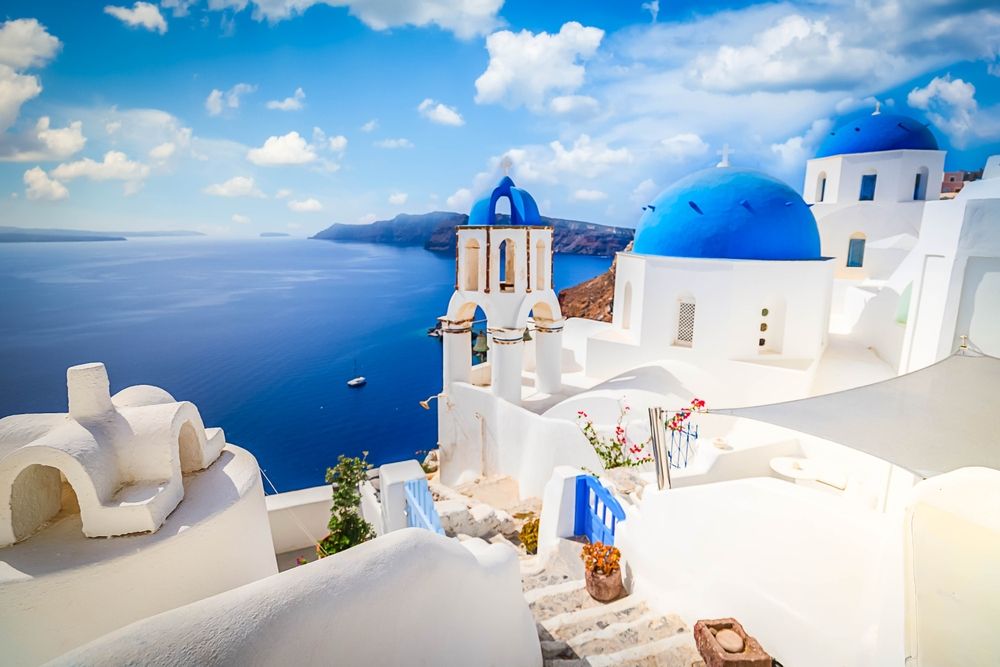
Santorini, jewel of the Cyclades, captivates with its white houses perched on the caldera and legendary sunsets. But what is the best time to visit Santorini? Between Mediterranean climate, tourist crowds and price variations, choosing the ideal time to discover this iconic Greek island deserves consideration. This complete guide helps you plan your stay according to your expectations, whether you seek tranquility, the best weather conditions or the most advantageous rates.
1. Santorini's climate throughout the year
Santorini enjoys a typical Mediterranean climate of the Cyclades, characterized by hot and dry summers and mild winters. This climate configuration makes the island accessible practically year-round, although certain periods are more favorable than others depending on your expectations. The average annual temperature is around 20°C, with notable variations between seasons.
Precipitation is mainly concentrated between November and March, with January as the rainiest month recording about 70 mm of rain. In contrast, from May to September, precipitation becomes almost nonexistent, offering generous sunshine of about 12 hours per day in the height of summer. The Aegean Sea surrounding Santorini reaches its maximum temperature in August with 25°C, perfect for swimming.
A characteristic element of Santorini's climate remains the meltemi, this north wind that blows particularly in July and August. Although it pleasantly cools the hot summer days, it can sometimes disrupt ferry crossings to other Cyclades islands. This meteorological phenomenon nevertheless helps maintain bearable temperatures even in the heart of summer.
2. Visiting Santorini in spring (April to May)
Spring undoubtedly constitutes one of the best periods to visit Santorini. Between April and May, the island slowly awakens from its winter torpor and reveals a facet unknown to summer tourists. Temperatures oscillate between 19°C and 22°C, ideal for exploring perched villages like Oia (rated 4.7/5 on Google for over 50,000 reviews) and Fira without the overwhelming heat of summer.
This period offers the major advantage of avoiding the massive crowds that swarm the island from June. The narrow streets regain their authenticity, local restaurants can welcome visitors without prior reservation, and the famous sunsets can be admired in a much more intimate atmosphere. The vegetation, still green thanks to spring rains, contrasts magnificently with the lime-washed white houses and characteristic blue domes.
The rates practiced during this intermediate season remain significantly more affordable than in high season. Accommodations offer reductions up to 40% compared to July-August prices, and flights to Santorini also remain more accessible. In April particularly, hiking enthusiasts can fully enjoy the panoramic trail connecting Fira to Oia, a 10-kilometer walk offering spectacular views over the caldera, without the stifling heat of summer.
Be aware, however, that the sea remains cool with temperatures around 17-18°C in April and 19-20°C in May. If swimming is an absolute priority for your stay, this period might not suit the most sensitive to cold, although the bravest appreciate these refreshing conditions.
3. Visiting Santorini in summer (June to September)
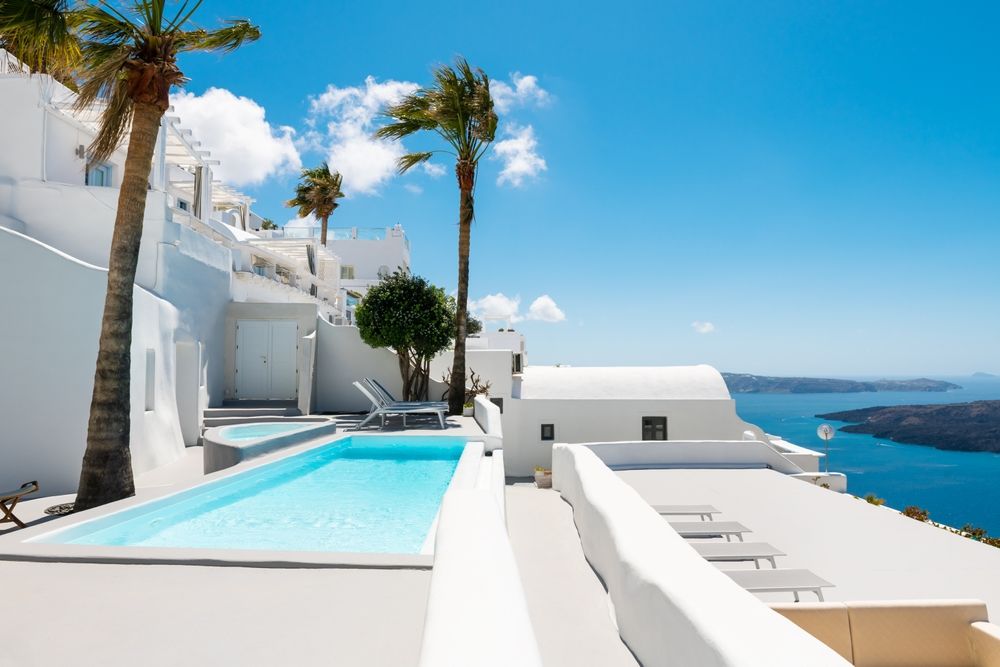
Summer represents the high tourist season in Santorini, a period during which the island vibrates to the rhythm of thousands of visitors from around the world. From June to September, the thermometer regularly shows 28 to 30°C, with peaks that can reach 35°C in July-August. The Aegean Sea gradually warms up to reach an ideal temperature of 24-25°C, perfect for enjoying volcanic beaches like the famous Red Beach in Akrotiri (rated 3.6/5 on Google for 6,400 reviews) or the black beach of Perissa.
This period offers maximum animation with the opening of all establishments, bars, restaurants and shops. Water activities are in full swing: catamaran excursions around the caldera, scuba diving, jet skiing... The famous sunsets of Oia attract hundreds of spectators every evening, creating a festive but sometimes suffocating atmosphere. For nightlife lovers, Fira comes alive until dawn with its trendy bars and clubs.
Nevertheless, this massive influx presents several major inconveniences. Prices literally skyrocket: expect easily double, even triple for accommodation compared to other seasons. Reservations must imperatively be made several months in advance or risk finding only overpriced or poor-quality options. Tourist sites like the archaeological site of Akrotiri (rated 4.2/5 on Google for 5,800 reviews) become crowded, and waits to access renowned restaurants can exceed an hour.
If you choose this period despite everything, favor June or September rather than the heart of summer. These transition months offer an interesting compromise with still pleasant temperatures, warm sea and slightly less oppressive crowds than in July-August.
4. Visiting Santorini in autumn (September to October)
Autumn, particularly September and October, figures among the most recommended periods to discover Santorini in optimal conditions. September intelligently combines the advantages of summer without its main inconveniences: the sea maintains a pleasant temperature of 23-24°C, sunshine remains generous with about 10 hours per day, and temperatures oscillate between 22 and 26°C, ideal for all activities.
Early September marks the progressive end of high season, with a notable decrease in tourist crowds from mid-September. Villages gradually regain their tranquility, waiting lines are considerably reduced, and the general atmosphere becomes more authentic and relaxing. This period allows fully appreciating Santorini's charms without the constant pressure of tourist hordes.
October confirms this trend with still mild weather, although more capricious. Temperatures slightly drop to stabilize around 18-23°C, and some precipitation may appear at the end of the month. The sea nevertheless remains swimmable with 21°C in early October. It's the ideal period for hiking enthusiasts wishing to explore coastal trails without suffering from heat, notably the magnificent path connecting Fira to Oia.
Rates experience a progressive decrease from early September, with reductions that can reach 40% in October compared to August prices. Hotel and guesthouse owners show more flexibility, and last-minute deals can reserve excellent surprises. Flights from France also become more affordable, although some direct connections become scarce from October.
5. Visiting Santorini in winter (November to March)
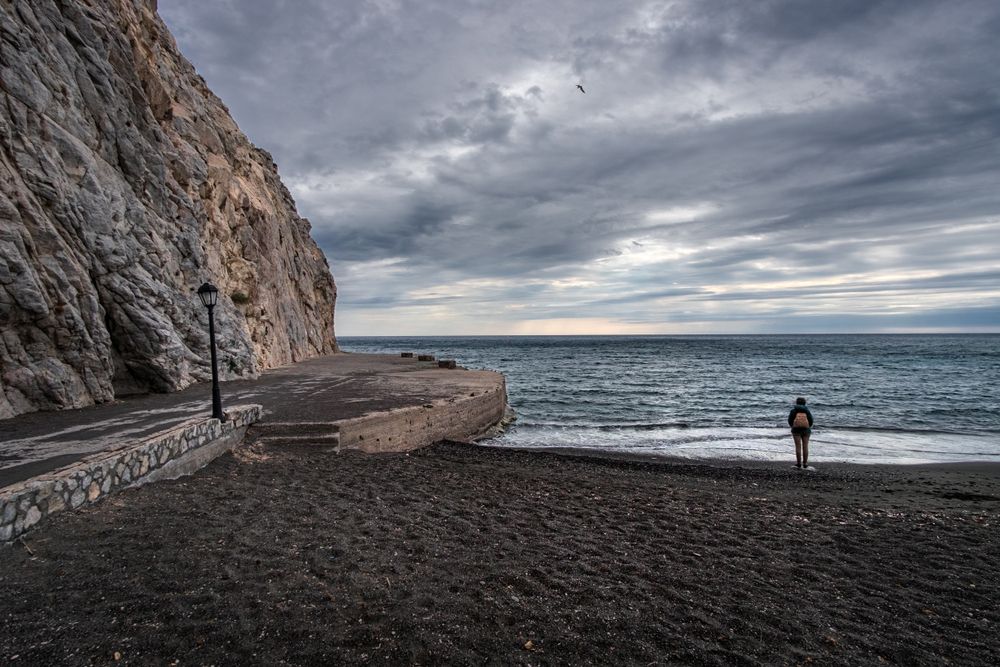
Winter in Santorini reveals a totally different facet of the island, far from the summer postcard image. From November to March, temperatures vary between 10 and 15°C, with sometimes rainy and windy days. January concentrates most precipitation with about 70 mm, although sunshine remains present about 5 hours per day even during this season.
This low season radically transforms the island's atmosphere. Almost all tourists disappear, giving way to permanent residents who represent barely 15,000 people. Many tourist establishments close their doors, particularly in Oia and the most frequented areas in summer. However, Fira and interior villages like Pyrgos maintain authentic local activity.
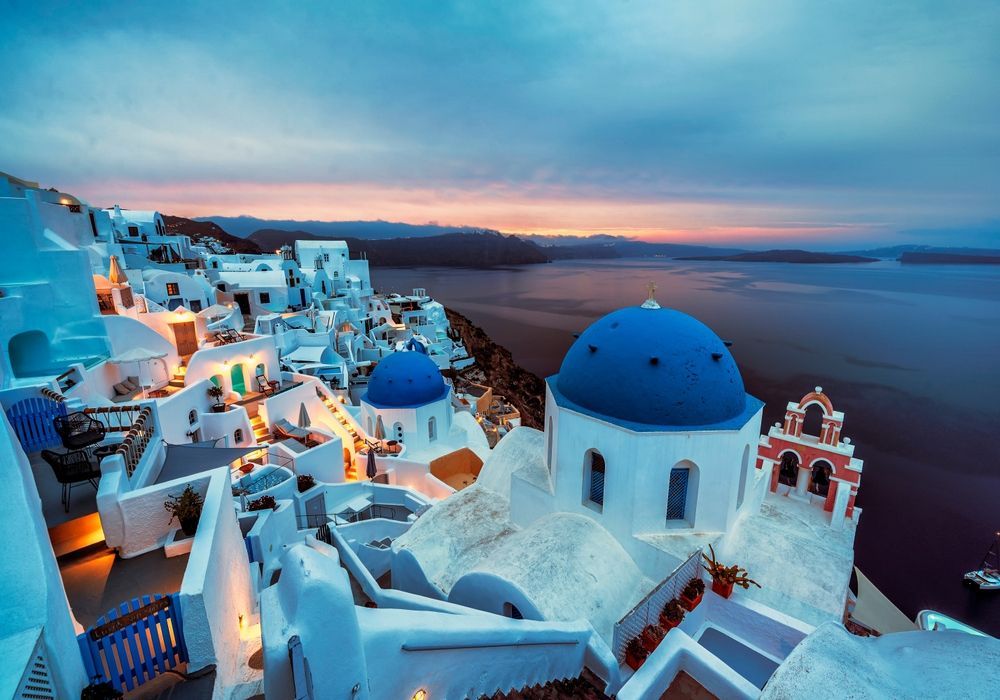
Visiting Santorini in winter allows discovering the true soul of the Greek island. Streets regain their absolute calm, café terraces mainly welcome locals, and architecture reveals itself without the constant influx of visitors. It's the ideal period for photographers seeking unique shots, without selfie-sticks or crowds in front of every panorama. Sunsets can be admired in complete serenity from usually crowded viewpoints.
Rates reach their lowest level of the year, with reductions that can go up to 60% on accommodations. Some hotels even offer very advantageous long-stay packages. Be aware, however, that air connections become considerably scarce, and ferries can suffer cancellations in case of rough seas. Swimming becomes impossible with sea temperature around 15-16°C.
6. Best periods according to your priorities
Choosing the best period to visit Santorini depends fundamentally on your priorities and expectations for this trip to the Cyclades. For beach holidays centered on beaches and swimming, June and September stand out as ideal months, combining warm sea (23-25°C), generous sunshine and more moderate crowds than July-August. These months allow fully enjoying Santorini's magnificent beaches while avoiding summer overcrowding.
Travelers seeking above all tranquility and authenticity should favor April-May or October-November. These shoulder season periods offer the best compromise between acceptable weather conditions and reasonable tourist attendance. You can stroll through Oia's streets without being jostled, taste local gastronomy in traditional tavernas without reservation, and discover Greek culture in its authenticity.
For tight budgets, winter (December to February) offers the most attractive rates, up to 60% cheaper than high season. Although weather can be capricious, this period suits perfectly photography enthusiasts and independent travelers seeking an off-the-beaten-path experience. The months of November and March constitute interesting alternatives, with still advantageous prices and milder climate than in deep winter.
Hiking and nature activity enthusiasts will find their happiness from April to June and from September to October. These periods offer perfect temperatures to explore the island's trails without suffering from heat, notably the famous panoramic path from Fira to Oia. Spring vegetation adds an unusual touch of green to the volcanic landscape, creating striking photographic contrasts.
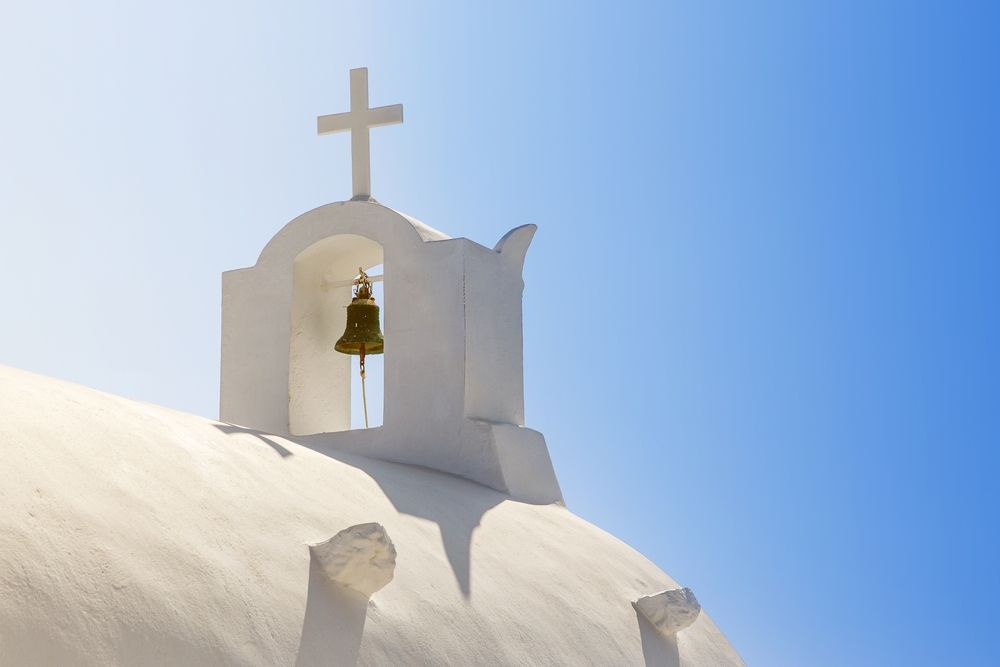
7. Events and festivals not to miss
Beyond climatic and tourist considerations, certain cultural events can influence your choice of period to visit Santorini. Orthodox Easter, which usually takes place in April or May according to the Julian calendar, represents the most important religious celebration of the year in Greece. Santorini's churches, particularly in Pyrgos, light up with thousands of candles during the Holy Saturday night procession, creating a mystical and moving atmosphere.
The Santorini International Music Festival, which usually takes place in early September, attracts world-renowned artists in an exceptional setting. Concerts take place in emblematic locations like the archaeological site of Akrotiri or the panoramic terraces of Fira, offering a unique cultural experience combining classical music and breathtaking caldera landscapes.
The feast of Agia Irini, patron saint of the island from whom Santorini derives its modern name, is celebrated on May 5th in several villages, notably in Perissa. This traditional local feast gives rise to religious processions, folk dances and community banquets where visitors are warmly welcomed. It's a unique opportunity to discover authentic Greek customs away from mass tourism.
In July, the Kamari Open-air Cinema Festival transforms the beach into a giant screening room, with Greek and international films projected under the stars. This original cultural initiative allows enjoying a movie evening in an exceptional natural setting, feet in the characteristic black volcanic sand of this beach.
8. Practical tips for booking at the best time
Planning and booking at the right time can generate substantial savings for your trip to Santorini. For high season (July-August), anticipation proves crucial: ideally book 4 to 6 months in advance to benefit from the best rates and the widest selection of accommodations. Beyond this deadline, prices gradually increase and the best-located establishments, particularly in Oia and Imerovigli, are fully booked.
For shoulder season periods (April-May and September-October), anticipation of 2 to 3 months generally suffices. These periods offer better flexibility, and last-minute offers can sometimes reserve excellent surprises, particularly in October when crowds decrease rapidly. Monitor low-cost airline promotions that serve Santorini from several European cities.
Winter and very low season allow more spontaneity. Some travelers manage to negotiate directly with accommodation owners for advantageous rates, especially for stays of several weeks. Flights, although less frequent, often offer prices that defy all competition. Don't hesitate to contact hotels directly by email rather than going through booking platforms to get better conditions.
Regarding ferries between Athens and Santorini or between different Cyclades islands, book your tickets as soon as your dates are confirmed, particularly for July-August journeys. Fast ferries (5-hour duration) quickly show full on the most popular time slots. Tickets bought on-site or last-minute generally cost 20 to 30% more.
In conclusion, the best period to visit Santorini varies according to your personal priorities. The months of May, June, September and October generally offer the best balance between pleasant weather conditions, controlled crowds and reasonable rates. These periods allow fully enjoying the wonders of this iconic Greek island: its perched villages with white houses and blue domes, its spectacular caldera, its unique volcanic beaches and its legendary sunsets. Whether you seek spring tranquility, summer animation or winter authenticity, Santorini will seduce you and lastingly mark your travel memories in the Cyclades. Plan your stay carefully according to your expectations, book sufficiently in advance, and prepare to discover one of the most fascinating destinations in the Mediterranean.
FAQ: What is the best time to visit Santorini?
What is the ideal month to visit Santorini?
The months of May, June, September and October are considered the most favorable for visiting Santorini. They combine pleasant temperatures (20-26°C), moderate tourist crowds and reasonable rates. June and September additionally offer the advantage of warm sea suitable for swimming.
Can you swim in Santorini year-round?
Swimming in Santorini is comfortable from June to October, period during which sea temperature varies between 21°C and 25°C. In May and November, water remains cool (18-20°C) but practicable for the bravest. From December to April, sea temperature drops below 17°C, making swimming unpleasant.
What is the cheapest period to go to Santorini?
Winter, from November to March, offers the most advantageous rates with reductions that can reach 60% compared to high season. November and March represent a good compromise with attractive prices and milder climate than January-February. April and October also offer interesting rates, about 40% cheaper than summer.
When are there the fewest crowds in Santorini?
The period from November to March records the lowest tourist attendance, with an island almost deserted by visitors. April and October also experience moderate crowds. Conversely, July and August concentrate peak attendance with sometimes more than 5 million visitors throughout the summer season.
Should you avoid Santorini in July-August?
July-August are not to be avoided systematically, but these months present major inconveniences: maximum crowds, very high prices, intense heat and crowded sites. If you must travel during this period, favor interior villages like Pyrgos or Megalochori, less crowded than Oia and Fira, and book several months in advance.