

Créé par Emilie, le 20 juin 2026
Votre guide Ryo
Budapest Baths: Complete Guide to Thermal Springs
© Shutterstock
Budapest, nicknamed the "Pearl of the Danube," is home to one of the world's most important collections of thermal baths. With over 130 hot springs feeding about fifteen thermal establishments, the Hungarian capital invites you to discover a thousand-year-old tradition where relaxation and culture meet in sumptuous settings. This complete guide to Budapest's thermal baths will accompany you in your exploration of these architectural jewels, from the majestic Széchenyi baths to the authentic Turkish Rudas baths.
1. History of Budapest's Thermal Baths
The history of Budapest's thermal baths dates back to antiquity. The Romans, first to exploit these natural springs, established their regional capital Aquincum on the current site of Budapest, attracted by the exceptional properties of these hot waters naturally springing from the ground. Even today, remains of Roman baths testify to this ancestral bathing tradition in the Óbuda district.
But it was truly under Ottoman occupation (1541-1686) that Budapest's thermal culture flourished. The Turks, great lovers of hammams and public baths, built several establishments, some of which still operate today. These baths served for hygiene, socializing, and medical care. The architecture of this era, with its domes and octagonal pools, still marks the identity of Budapest's baths today.
In 1934, Budapest officially obtained the title of "City of Spas," international recognition of its exceptional thermal heritage. Today, the city has over 130 hot springs that daily provide 70 million liters of water at temperatures ranging from 21°C to 78°C.
2. The Great Thermal Baths of Budapest
2.1. Széchenyi Baths: The Temple of Thermalism
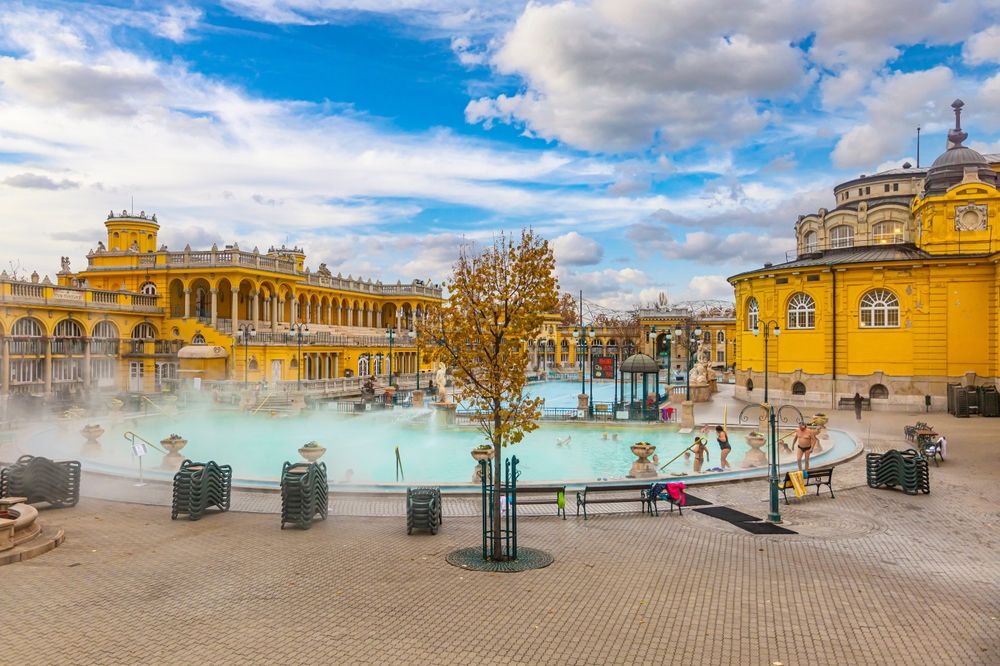
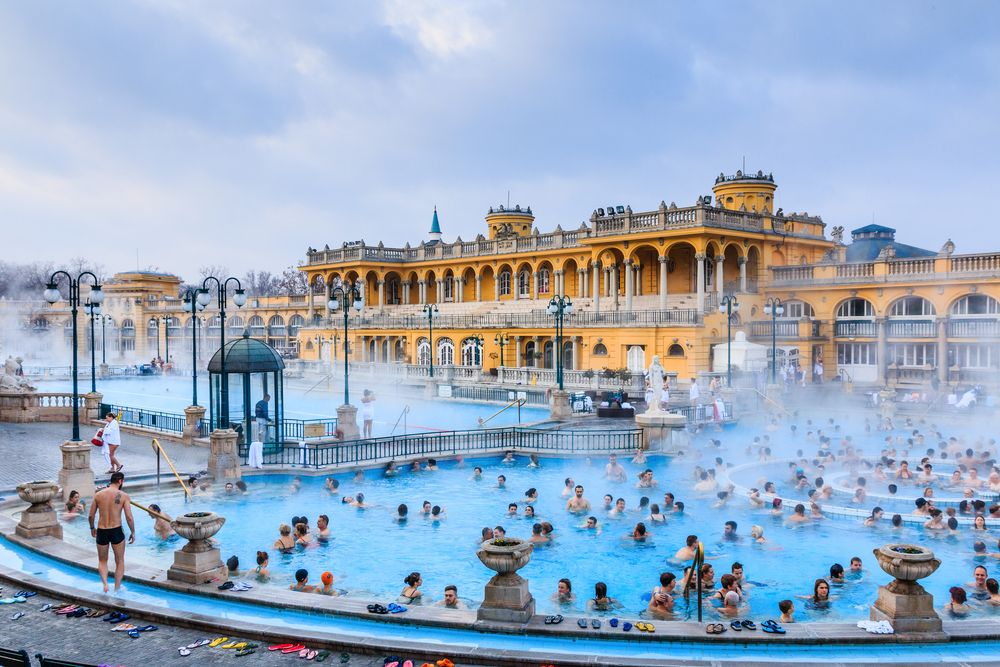
Inaugurated in 1913, the Széchenyi baths are Europe's largest thermal complex and undoubtedly Budapest's most photogenic. Located in the beautiful Városliget park, these neo-baroque style baths house 18 pools, including 3 spectacular outdoor pools.
The Széchenyi baths (Állatkert krt. 9-11, 1146 Budapest, rated 4.4/5 on Google with over 45,000 reviews) offer thermal waters at different temperatures, Finnish saunas, and massage services. The iconic image of chess players in outdoor pools, even in snowy weather, makes these baths a must-see of any stay in Budapest.
Practical information:
• Hours: 6am-10pm daily
• Prices: 3,200 HUF on weekdays (about €25), 3,600 HUF on weekends (about €29)
• Access: Metro M1, Széchenyi fürdő stop
• Services: Lockers, cabins, massages, restaurant
2.2. Gellért Baths: Art Nouveau and Elegance
The Gellért baths, true art nouveau jewels, are among the world's most beautiful thermal baths. Built between 1912 and 1918, they nestle at the foot of Gellért Hill, in the hotel of the same name. Their sumptuous architecture, with colorful mosaics, marble columns, and stained glass windows, makes them a true open-air museum.
The Gellért thermal baths (Kelenhegyi út 4, 1118 Budapest, rated 4.2/5 on Google with 25,000 reviews) have 10 indoor and outdoor pools, a unique wave pool, and a complete wellness area. The main pool, with its colored glass ceiling, offers an absolutely magical swimming experience.
Practical information:
• Hours: 9am-7pm daily
• Prices: from 6,900 HUF (about €17)
• Access: Tram 19, 41, 56, Szent Gellért tér stop
• Special feature: Wave pool in summer
2.3. Rudas Baths: The Ottoman Heritage
Built in 1566 under Turkish occupation, the Rudas baths offer Budapest's most authentic thermal experience. Their octagonal main pool, topped by a dome pierced with star-shaped openings, immerses you in the atmosphere of Oriental hammams.
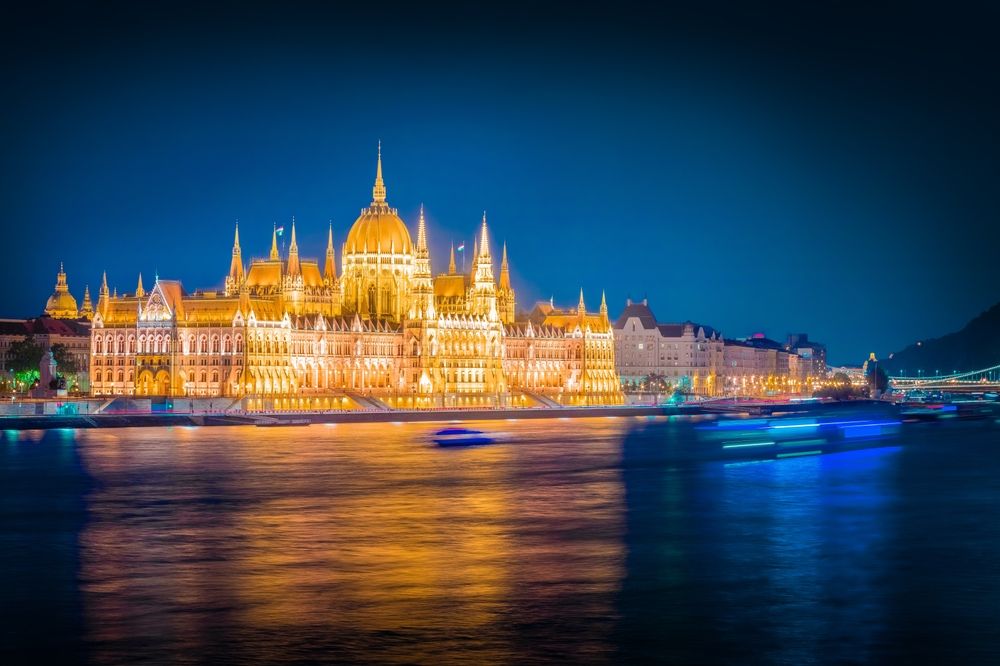
The Rudas thermal baths (Döbrentei tér 9, 1013 Budapest, rated 4.1/5 on Google with 15,000 reviews) offer a unique experience with their panoramic rooftop pool, providing a breathtaking view of the Danube and Parliament. The historic Turkish baths maintain male/female separation by days, adding to the authenticity of the experience.
Practical information:
• Hours: 6am-8pm for thermal baths, panoramic pool until 10pm
• Prices: from 3,500 HUF (about €11)
• Access: Bus 7, 8E, tram 19, 41
• Special feature: Rooftop pool with Danube view
3. The Hidden Thermal Baths
3.1. Lukács Baths: The Local Spirit
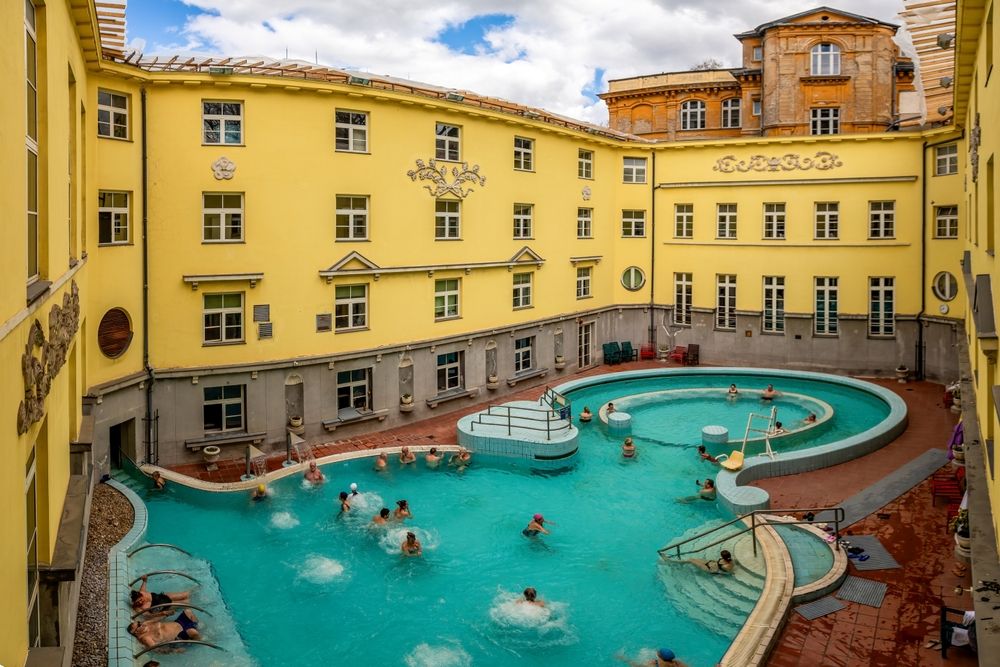
Frequented mainly by Budapest residents, the Lukács baths (Frankel Leó út 25-29, 1023 Budapest, rated 4.0/5 on Google with 8,000 reviews) offer a more intimate and authentic experience. These century-old baths are renowned for their waters with exceptional healing properties.
The walls are adorned with thank-you plaques left by cured patients, testifying to the medicinal reputation of these waters. The establishment has several thermal pools, a swimming pool, and a modern sauna area.
Practical information:
• Hours: 6am-10pm weekdays, 6am-7pm weekends
• Prices: 6,000 HUF weekdays, 7,000 HUF weekends
• Access: Tram 17, bus 86
• Atmosphere: Frequented by locals
3.2. Veli Bej Baths: The Renaissance of a Jewel
Recently renovated and reopened in 2012, the Veli Bej baths (Árpád fejedelem útja 7, 1023 Budapest) are one of Budapest's best-kept secrets. These 16th-century Ottoman thermal baths offer an intimate experience in a preserved historic setting.
With only six pools and limited capacity, Veli Bej guarantees a peaceful and relaxing atmosphere, away from tourist crowds. The original Ottoman architecture, perfectly restored, creates a unique ambiance.
3.3. Palatinus Baths: The Island of Relaxation
Located on Margaret Island, the Palatinus baths (Soó Rezső sétány 1, 1007 Budapest, rated 4.2/5 on Google with 12,000 reviews) combine thermalism and aquatic recreation. This unique complex offers 7 thermal and recreational pools, including several with slides.
Perfect for families, Palatinus offers an exceptional green setting in the heart of the Danube. Children can enjoy aquatic attractions while adults relax in thermal pools.
4. Practical Tips for Visiting Budapest's Baths
4.1. What Should You Bring?
To fully enjoy your thermal experience, remember to bring:
• A swimsuit (mandatory)
• A towel (rental available on-site)
• Non-slip flip-flops or sandals
• A swimming cap (mandatory in some pools)
• Body wash and shampoo
• A water bottle to stay hydrated
4.2. Etiquette and Rules to Follow
Budapest's thermal baths follow precise etiquette rules that should be respected:
• Mandatory shower before and after each bath
• Wearing swimsuit mandatory in all common areas
• Respect for silence and tranquility
• No diving in thermal pools
• Respect for single-sex hours in some establishments
• Regular hydration recommended
Download the audio-guided circuit to discover Budapest on foot and independently
Discover the secrets of Budapest with our interactive audio-guided circuit. This route will take you through the most beautiful neighborhoods of the Hungarian capital, including the famous Gellért baths and many other architectural jewels. With 23 fun audio guides, you'll explore Budapest in complete autonomy, from Buda to Pest, passing by iconic sites like Parliament, St. Stephen's Basilica, and thermal baths. The ryo® app accompanies you for an in-depth discovery of this Pearl of the Danube.
4.3. When to Visit the Thermal Baths?
The timing of your visit greatly influences your experience:
Morning (6am-10am): Authentic atmosphere with regulars, fewer crowds, sometimes preferential rates.
Midday (10am-3pm): Maximum tourist crowds, especially at Széchenyi and Gellért.
Evening (3pm-closing): Romantic atmosphere, soft lighting, perfect for couples.
Weekend: Special animation at Széchenyi with the famous nocturnal "Spa Parties."
5. Benefits of Budapest's Thermal Waters
Budapest's thermal waters are not only sources of relaxation, they also have recognized therapeutic properties. Rich in minerals like calcium, magnesium, sulfate, and bicarbonates, these waters are beneficial for:
• Rheumatic and joint disorders
• Blood circulation problems
• Skin conditions
• Stress and nervous tension
• Muscle recovery after exercise
Each thermal establishment has waters with slightly different compositions, some being more suited to specific needs. Don't hesitate to inquire with staff to optimize your wellness cure.
6. Prices and Access to Thermal Baths
Thermal bath prices in Budapest vary by establishment and period:
Széchenyi Baths: 3,200-3,600 HUF (€25-29)
Gellért Baths: 6,900 HUF (€17)
Rudas Baths: 3,500 HUF (€11)
Lukács Baths: 6,000-7,000 HUF (€15-18)
Palatinus Baths: 3,800 HUF (€9.50)
Most establishments offer discounts for students, seniors, and families. Online purchase often allows you to avoid queues and benefit from preferential rates.
7. Combining Baths and Budapest Discovery
A visit to thermal baths fits perfectly into a Budapest discovery stay. After a day of walking in the historic center, what could be better than a relaxation session in hot waters? Take advantage of your stay to explore the city's different neighborhoods with our Budapest visit itinerary, which will take you from the heights of Buda to the shores of Pest.
The Gellért baths, located at the foot of the hill of the same name, are an excellent starting point to explore the Buda district. The Széchenyi baths, in Városliget park, are near the zoo and Vajdahunyad castle. Each thermal establishment is set in an environment rich in cultural discoveries.
8. Additional Services at Thermal Baths
Beyond thermal pools, Budapest's establishments offer a complete range of wellness services:
Therapeutic massages: Essential oil massages, sports massages, foot reflexology
Facial treatments: Deep cleansing, thermal mud masks, anti-aging treatments
Relaxation areas: Finnish saunas, hammams, relaxation rooms
Dining: Cafes and restaurants offering traditional Hungarian cuisine
These services allow you to transform your visit into a true comprehensive wellness day.
In conclusion, Budapest's thermal baths constitute one of the most authentic and relaxing experiences the Hungarian capital can offer. Whether it's the art nouveau elegance of the Gellért baths, the friendly atmosphere of the Széchenyi baths, or the historical authenticity of the Rudas baths, each thermal establishment tells a part of this exceptional city's history. These temples of well-being, where tradition and modernity blend, offer you an enchanted interlude in the heart of your Budapest discovery. Don't hesitate to consult our complete guide to visiting Budapest to optimize your stay in this Pearl of the Danube.
FAQ
How much does entry to Budapest's thermal baths cost?
Prices range from 3,500 HUF (€11) for Rudas baths to 7,000 HUF (€18) for Lukács baths on weekends. Széchenyi baths cost about €25-29 depending on the period.
Do you need to book in advance for Budapest baths?
Online booking is recommended, especially in high season and for Gellért and Széchenyi baths. It allows you to avoid queues and sometimes benefit from preferential rates.
Can you visit thermal baths as a family with children?
Yes, but some establishments have age restrictions. Palatinus baths are particularly suitable for families with their slides and aquatic play areas.
What's the difference between mixed and single-sex baths?
Most baths are mixed today. Only Rudas baths maintain separate male/female hours for historic Turkish baths, according to days of the week.
How much time should you plan for a thermal bath visit?
Allow 2 to 4 hours to fully enjoy the experience. A half-day allows you to discover several pools, relax and possibly have a massage.