
Créé par Emilie, le 7 mai 2026
Votre guide Ryo
© Shutterstock
When we talk about Budapest, the Hungarian capital, we first think of that magnificent building, the Parliament, overlooking the famous Danube river that once separated the city of Buda and Pest. But there are many other things to discover during a trip, and since we're all a bit curious and fond of good food, we shouldn't forget Hungarian culinary traditions.
Somewhat unknown to the general public, Hungarian specialties deserve more visibility. You'll surely find something to your liking, whether sweet or savory! And if you like spices... You've come to the right place! Very renowned in Central European countries, paprika is a key ingredient in Hungarian gastronomy. As a spice, vegetable, or sauce, it's impossible to leave Budapest without having eaten paprika at least once. It's present in a (very) large number of recipes.
Hungarian cuisine is very generous and is known for being rich, so plan a few days of diet when you return from your stay.
History and influences of specialties in Hungary
The Hungarian gastronomic heritage finds its roots in a rich blend of influences. Turkish traditions brought spices and cooking techniques, while German and Austrian influence can be felt in pastries and certain meat preparations. This cultural richness explains why Hungarian specialties offer such a diversity of flavors and aromas.
The use of paprika, for example, testifies to this complex history. Arriving through trade routes, this ingredient became the heart of many traditional recipes, giving dishes their characteristic red colors and unique flavors.
1- Goulash Soup
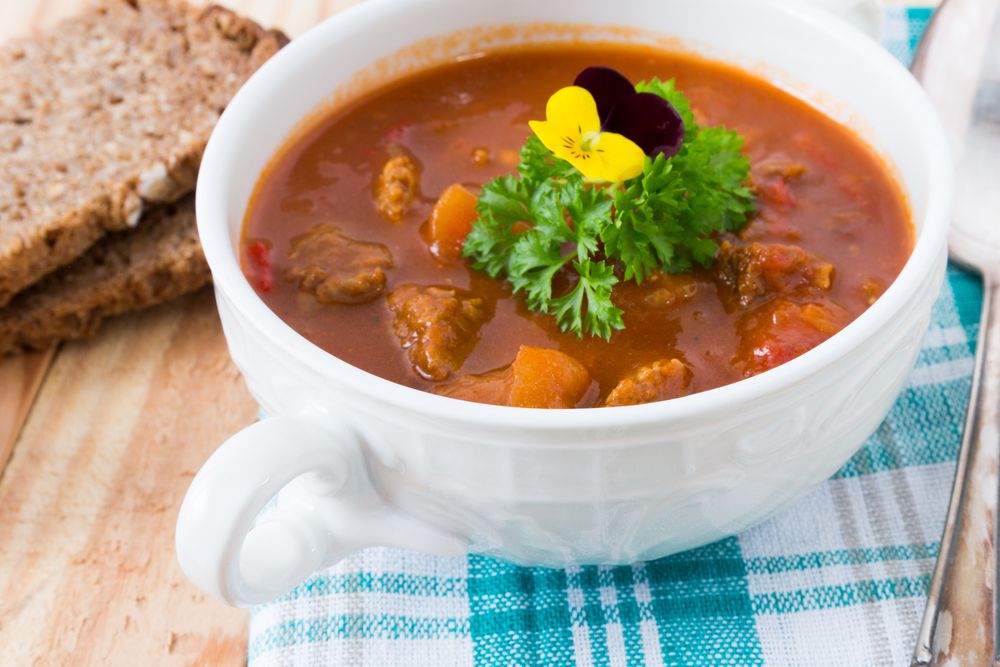
Let's start with one of the most famous dishes, goulash soup. As mentioned earlier, paprika is found in a large majority of dishes, and goulash soup is no exception. Made with meat, usually beef, potatoes, beans, onions, garlic, peppers, tomatoes, and of course paprika. This soup can serve as a main course although it's most often found as an appetizer.
This specialty originates from the Hungarian Great Plain, where shepherds prepared this meal in a cauldron suspended over the fire. The gulyásleves, to use its authentic Hungarian name, differs by region according to the amount of paprika powder and the type of meat used. This soup is a perfect course to start a traditional menu.
2- Hortobágyi palacsinta
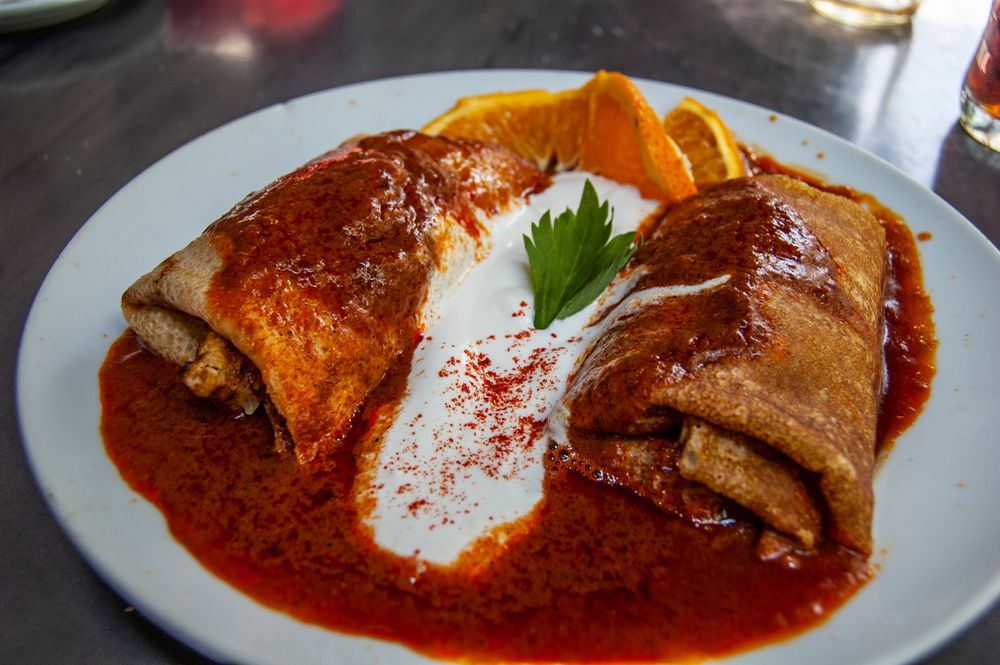
Not necessarily the easiest to pronounce, hortobágyi palacsinta is an essential Hungarian dish. It features a thin pastry pancake, stuffed with minced meat or traditional Hungarian sausage, all swimming in a pool of... paprika sauce, of course! Generally, Hungarians eat these pancakes accompanied by a traditional wine.
This preparation perfectly illustrates Hungarian culinary art: a delicate leavened dough that generously wraps the ingredients, creating a perfect complement to the creamy sauce. People who appreciate rich flavors will discover in this dish all the qualities of traditional cuisine.
3- Chicken Paprikash
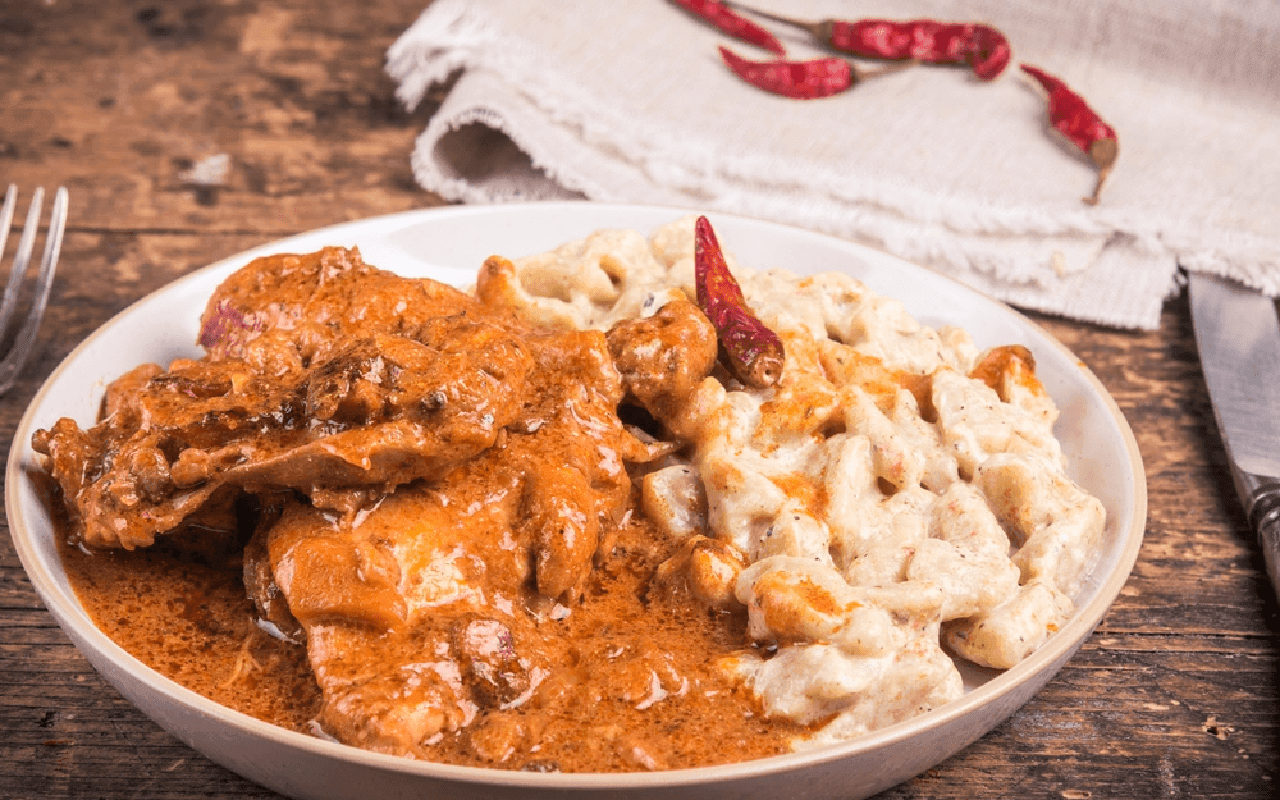
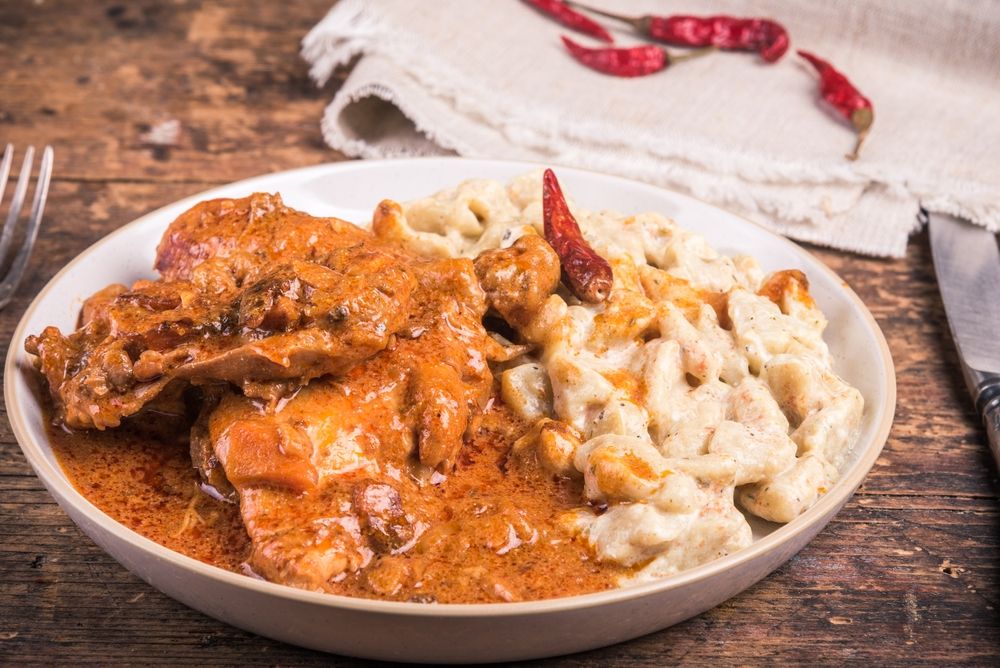
Paprika here, paprika there, it's starting to be a lot, but how can we neglect this recipe... The paprikás csirke is a classic of Hungarian gastronomy. Served with egg noodles, more commonly called nokedli, or potatoes, the chicken pieces are covered with delicious sour cream and paprika that is very flavorful. A very simple dish that everyone agrees on.
This specialty reveals the masterful use of sour cream in Hungarian cuisine, creating a creamy effect that perfectly balances the spicy taste of paprika. The kind of dish that warms you up during the long winters of the region.
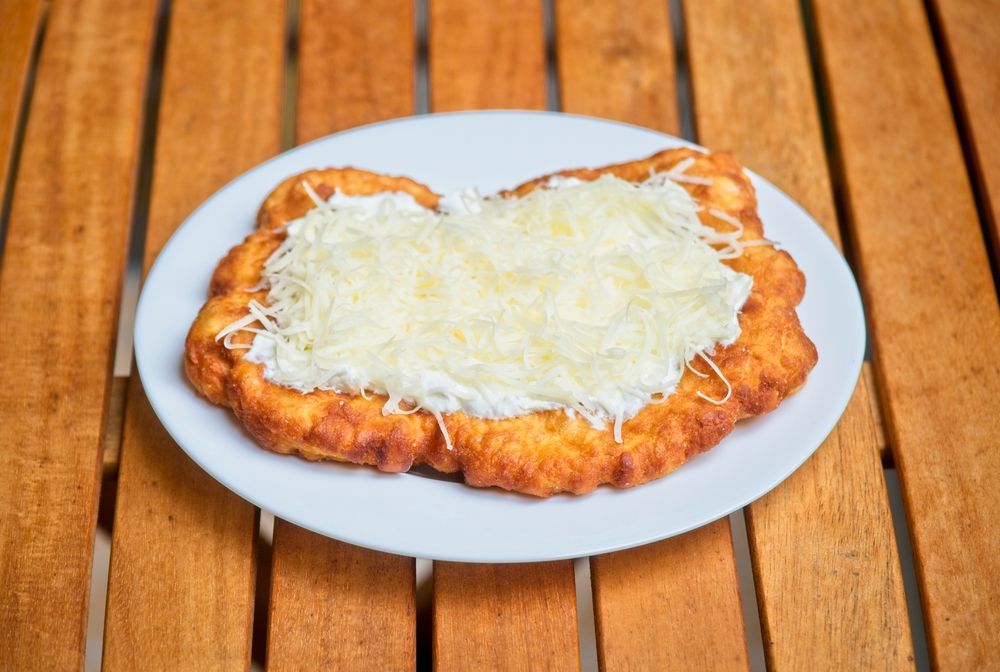
4- The Lángos
Lángos is a dish very appreciated by the local population, but also by tourists. The best way to get some is to walk through the streets until you come across a kiosk that offers them. It's the most widespread street food in the country. But what is it? It's a fried Hungarian bread, accompanied by several toppings. Among the most popular toppings, you'll find sour cream and grated cheese, or liptauer (a spread made of sheep's milk, goat's milk, cottage cheese or ricotta), ham or sausage. You can also find it without toppings, just rubbed with garlic, or with garlic butter.
This leavened dough, cooked in hot oil, represents the soul of Hungarian markets. Its name evokes flame (láng), a reference to traditional wood-fired oven cooking. This specialty is ideally eaten hot, straight from the vendor's hands.
5- The Kurtoskalács
Let's stay with Hungarian street food. But this time, it's a sweet specialty. The kürtőskalács is an essential treat at any festival or fair. It comes in the form of a spit-roasted brioche, giving a chimney-like appearance. This dough is flavored with cinnamon, then coated with caramelized sugar. The treat is initially made this way, but some complete the recipe by filling the hole with chocolate butter cream, whipped cream, or fruits.
This pastry reveals the influence of traditional Hungarian craftsmanship. Spit cooking requires particular know-how to achieve the right golden color and perfect texture. The aromas of vanilla and cinnamon that escape during cooking attract dessert lovers throughout the neighborhood.
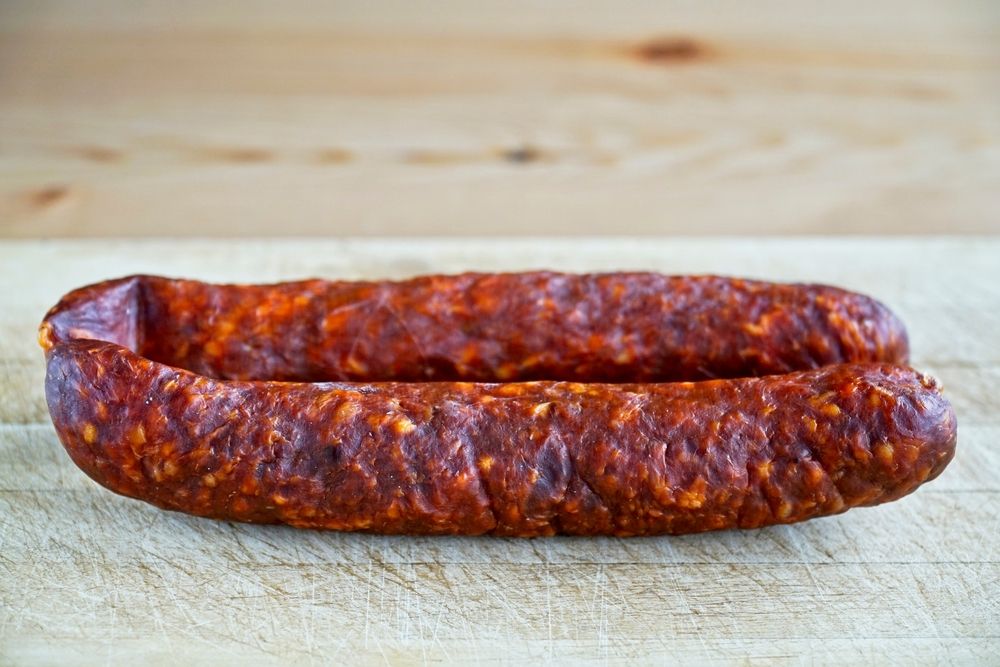
6- The Kolbász
Here's the most popular smoked meat in Hungary! You'll find it in restaurants and street shops. Because yes, you should know that street food is very widespread in Hungary, and it's an integral part of gastronomy. In addition to being delicious, you're served in record time. This sausage is made of pork, accompanied by paprika, pepper, and garlic.
Kolbász testifies to the charcuterie traditions developed in the Hungarian countryside. This smoked meat keeps for a long time thanks to ancestral wood smoking techniques. Its preparation requires a maturation process that develops its characteristic flavors.
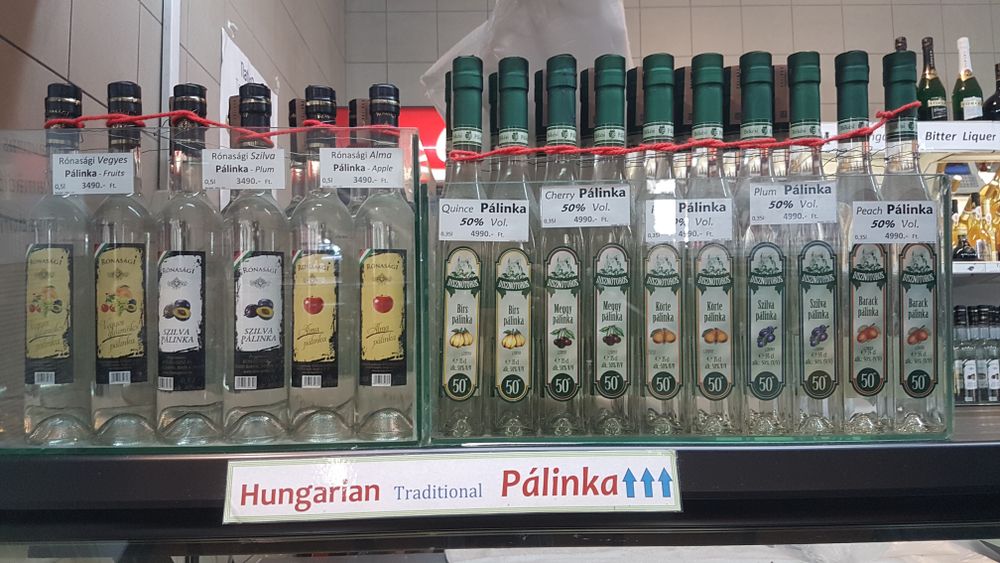
7- The Pálinka
Budapest is a city very renowned for its festive side. So we had to include in this top one of the most famous alcohols in the country. But it's not just any alcohol, pálinka is an eau-de-vie distilled twice. It can be made from several fruits like apple, plum, quince, apricot, cherry, and pear. It pairs very well with a typical Hungarian dish, lecsó.
This liqueur represents the art of Hungarian distillation. Traditionally consumed as an aperitif, it prepares the palate for the intense flavors of traditional meals. The quality of a pálinka is judged by its transparency and the finesse of its fruity aromas.
8- The Lecsó
Considered the Hungarian ratatouille, lecsó is a soup with a rather thick consistency composed of a stew of onions, a mixture of several varieties of peppers, paprika, and tomato. This very popular dish can be served as an appetizer, but can also work for a good winter dish to warm the belly.
This preparation reveals the creative use of seasonal vegetables in Hungarian cuisine. Lecsó can be declined in a thousand ways: with eggs for more consistency, or accompanied by sausages for a more substantial meal. This kind of savory compote perfectly accompanies grilled meats.
9- The Gyumolcsleves
Hungarian cuisine can sometimes be surprising, as much as it is original. And gyümölcsleves is proof of this. This typical dish is a cold soup based on cooked fruits. You'll find berries, cherries, apple, milk, sugar, cinnamon. And no... No paprika for this recipe, we'll spare you this time. You're more likely to find it from the first big heat waves.
This fruit soup reveals the creativity of Hungarian cooks to adapt their recipes to the seasons. Served very cold, it makes a refreshing dessert perfect for summer. Its preparation requires delicate cooking to preserve the flavors of the fruits.
10- Foie Gras from Hungary
Who would have thought that Hungarian foie gras would find its way into this ranking? Know however that Hungary is the third largest producer of foie gras in the world. Certainly, France is by far the nation that produces the most of this delicious dish, but Hungary is still part of the podium. However, Hungarians consume it in a very particular way that is totally different from ours. Unlike our habits, Hungarians enjoy it once fried or pan-seared. Added to this is the indispensable paprika sauce that locals love so much. What would Hungarian gastronomy be without paprika?
This specialty perfectly illustrates the adaptation of French techniques to Hungarian taste. Oven preparation allows for the development of different flavors, while paprika accompaniment creates a surprising harmony between the richness of the liver and the spiciness of the spice.
Traditional Hungarian Beverages
Hungarian Wines
Hungary has an exceptional wine heritage, particularly in the Tokaj region in the northeast of the country. The white wines of this region benefit from a unique volcanic terroir that gives them exceptional qualities. Tokaj Aszú, a dessert wine with raisins, rivals the best French Sauternes and offers excellent value for money.
The thermal baths of Budapest are traditionally accompanied by a tasting of local wines, creating a complete Hungarian wellness experience. The region's cellars offer varied selections, from dry white wines to dessert liqueurs.
Artisanal Brandies
Besides the famous pálinka, Hungary produces various artisanal brandies. Unicum, this bitter liqueur with 40 herbs, is a traditional digestif renowned for its virtues against hangovers. This drink with complex taste perfectly accompanies the hearty meals of Hungarian cuisine.
Desserts and Pastries in Hungary
Austrian Heritage in Desserts
Hungarian pastries bear the mark of Austrian influence, particularly visible in the use of puff pastry and whipped cream. Hungarian strudel (rétes) comes in multiple versions: with apples, cottage cheese, poppy seeds, or nuts.
Somlói galuska represents the art of modern Hungarian pastry. This complex creation combines sponge cake, rum, chocolate sauce, and whipped cream, creating an extraordinarily rich dessert. Its preparation requires several cooling stages to achieve the perfect texture.
Traditional Ingredients
Cottage cheese (túró) occupies a central place in Hungarian desserts. This creative use of this simple ingredient gives birth to creations like túrógombóc (cottage cheese dumplings) or túró pancakes. These desserts reveal the ingenuity of Hungarian cooks to transform everyday ingredients into refined delights.
Poppy seeds constitute another emblematic ingredient. Their use in cakes and sweet breads testifies to oriental influences in Hungarian cuisine. Poppy seed powder mixed with honey creates unique flavors found nowhere else.
Hungarian Street Food: Market Tradition
The Soul of Fairs and Festivals
Hungarian markets constitute veritable culinary theaters where traditions are perpetuated. The Vásárcsarnok (Great Market Hall) of Budapest offers an authentic selection of local specialties. These family shops pass down their recipes from generation to generation, preserving the authenticity of flavors.
The question of choice often arises for visitors faced with this diversity. Discovery enthusiasts can opt for progressive tasting, allowing them to appreciate the complexity of each preparation. This approach reveals the subtleties of each specialty and helps understand the harmony of flavors.
The Art of Traditional Cooking
Cauldron cooking remains the preferred method for many Hungarian specialties. This ancestral technique, practiced over wood fires, develops aromas impossible to reproduce with modern methods. Controlled temperature and slow cooking allow ingredients to reveal all their richness.
The secrets of this culinary house are transmitted orally, each family jealously guarding its proportions and tricks of the trade. This oral tradition keeps the authenticity of recipes alive, even if it sometimes makes their exact reproduction difficult.
Traditional Accompaniments
Pickled Vegetables (savanyúság)
No Hungarian meal would be complete without its accompaniments of pickled vegetables. These savanyúság, prepared in large quantities in barrels, bring the necessary freshness to balance dishes rich in sauce. Pickles, peppers, and pickled cabbage cleanse the palate between bites.
This preservation tradition allows Hungarian families to enjoy summer vegetables during the long winter months. The preparation of these preserves constitutes a family ritual that brings several generations together around the table.
Accompanying Starches
Hungarian noodles (galuska, tarhonya) form the basis of many meals. These artisanal pastas, prepared from flour and eggs, perfectly absorb the rich sauces of Hungarian cuisine. Their particular texture, between pasta and rice, offers a unique taste experience.
The generous quantity of these accompaniments testifies to Hungarian hospitality. A Hungarian host considers that a well-fed guest is an honored guest, hence the traditional abundance of portions served.
Practical Tips for Discovery
Where to Taste Hungarian Specialties?
Budapest offers multiple tasting possibilities, from traditional restaurants to street markets. For an authentic experience, favor establishments frequented by locals rather than those located in tourist areas. Thermal baths often offer dining areas where you can taste specialties in a unique setting.
Local sommeliers can guide you in pairing dishes with Hungarian wines. Their expertise allows you to discover surprising associations that reveal unsuspected flavors.
Nutritional Information and Health
The richness of Hungarian cuisine requires some precautions for sensitive stomachs. The generous use of paprika, although beneficial for health (rich in vitamins C and D), can surprise unaccustomed palates. Long-simmered dishes are generally more digestible than fried foods.
For gradual discovery, start with soups that prepare the stomach for more intense flavors. This approach will allow you to fully appreciate the complexity of Hungarian specialties without digestive discomfort.