
Créé par Emilie, le 20 juin 2026
Votre guide Ryo
Drinking a Beer at Temple Bar Dublin
© Shutterstock
In the heart of Dublin, the Temple Bar district embodies the very essence of Irish pub culture. Between its colorful facades, traditional music and pints of Guinness, this legendary district attracts millions of visitors every year. A true Dublin institution for centuries, Temple Bar offers an authentic experience where beer, conviviality and history blend in an electric atmosphere. Whether you're a craft beer enthusiast, a live music lover or simply seeking a festive ambiance, this emblematic district promises total immersion in the Irish soul. Prepare to discover the best pubs, local beers not to miss, and all the secrets to fully enjoy your Temple Bar experience.
Temple Bar: history and identity of a legendary district
The Temple Bar district takes its name from William Temple, rector of Trinity College who owned lands in this area in the 17th century. But the history of this district goes back much further: from 795 AD, the Vikings settled there, making Temple Bar one of the oldest districts of Visit Dublin. Over the centuries, this area situated between Dame Street and the Liffey river has experienced various fortunes, from a popular district in the 18th century to a declining area in the 1980s.
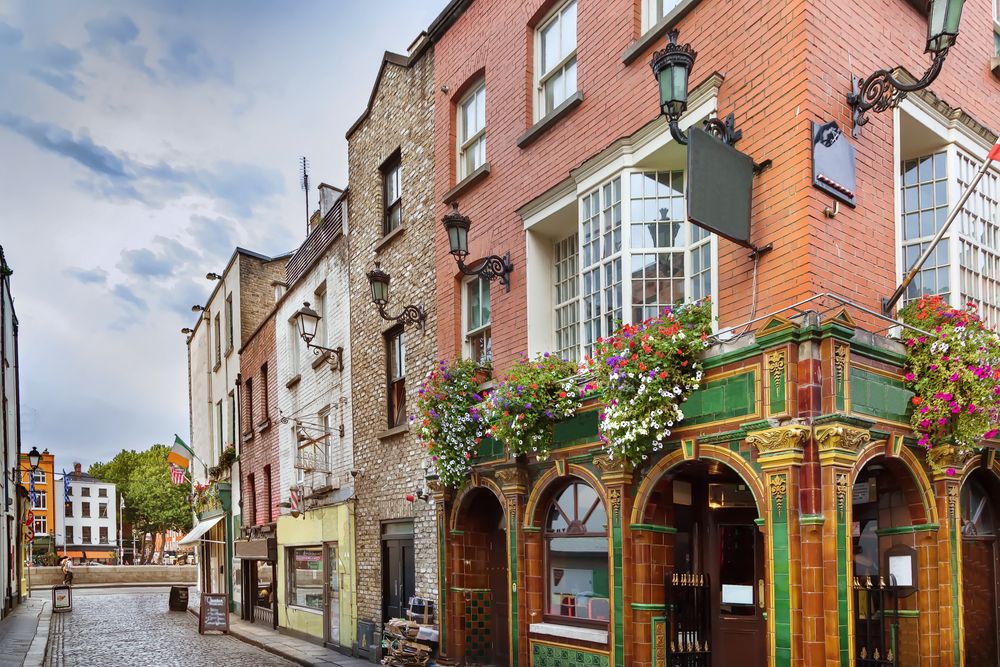
It was in 1991, when Dublin became European Capital of Culture, that Temple Bar experienced a spectacular renaissance. The district then transformed into a cultural and festive epicenter, attracting artists, musicians and visitors from around the world. Today, Temple Bar extends over approximately 11 hectares and houses more than twenty traditional pubs, making this cobbled area the beating heart of Dublin nightlife. Its narrow streets lined with colorful Victorian facades create a unique atmosphere that blends historical authenticity and contemporary energy.
The best pubs for drinking a beer in Temple Bar
1. The Temple Bar Pub
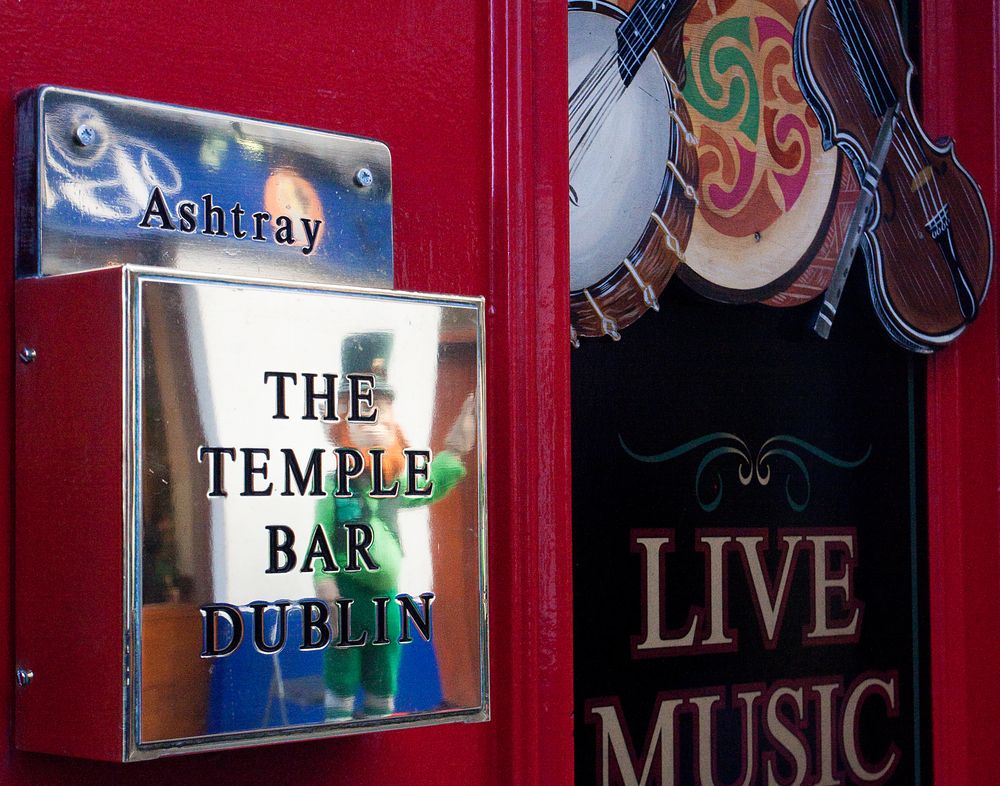
It's impossible to visit Temple Bar without stopping at the eponymous pub, a true Dublin institution since 1840. With its bright red facade adorned with flowers and vintage signs, The Temple Bar Pub (47-48 Temple Bar, Dublin 2, D02 N725, rated 4.3/5 on Google with over 25,000 reviews) is probably the most photographed pub in Ireland. Inside, the atmosphere is electric with traditional Irish music live every day, from morning until evening. The pub also houses Ireland's largest whiskey collection with over 450 references.
While the experience is worth the visit for the unique atmosphere and quality of music, know that prices are among the highest in Dublin: expect around €10-12 for a pint of Guinness, compared to €6-7 in other establishments in the city. Despite this tourist pricing, the place remains essential for immersing yourself in the festive atmosphere that makes Temple Bar's reputation.
2. The Porterhouse
Located on Parliament Street at the entrance to Temple Bar, The Porterhouse (16-18 Parliament Street, Temple Bar, Dublin 2, rated 4.4/5 on Google with 8,500 reviews) occupies a special place in the Dublin landscape. Inaugurated in 1996, it's Ireland's very first craft brewery, marking the beginning of the craft beer revolution in the country. Spread across three floors, it brews about ten house beers with varied flavors, from creamy black stout to fruity ales.
The Porterhouse also offers daily live music in a more relaxed atmosphere than some neighboring pubs. Prices are slightly more affordable than at The Temple Bar Pub, with pints around €7-8. For craft beer discovery enthusiasts, tasting their Plain Porter or Oyster Stout is a must. The establishment only serves its own beers, which guarantees optimal freshness and allows tasting of flavors unavailable elsewhere.
3. The Auld Dubliner
Recognizable by its bright yellow facade, The Auld Dubliner (24-25 Temple Bar, Dublin 2, rated 4.2/5 on Google with 6,200 reviews) perfectly embodies the spirit of the traditional Irish pub. This authentic pub attracts both tourists and Dubliners thanks to its warm atmosphere and quality musical programming. Every evening, traditional Irish music groups perform in a friendly atmosphere where it's not uncommon to see the audience join in singing the songs in chorus.
The establishment also offers modern revisited Irish cuisine, perfect to accompany your pint of Guinness. Prices are similar to those of the district, but the authenticity of the decor with its dark woodwork, vintage objects and family atmosphere makes it a safe bet for a successful evening in Temple Bar.
4. Oliver St. John Gogarty Pub
Named in tribute to the famous Irish poet Oliver St. John Gogarty, this pub located on Fleet Street offers a complete experience. Oliver St. John Gogarty Pub (58-59 Fleet Street, Temple Bar, Dublin 2, rated 4.3/5 on Google with 7,800 reviews) offers continuous traditional Irish music, often from the afternoon, making it an excellent choice for a morning discovery of the Temple Bar atmosphere.
The pub also has a restaurant specializing in seafood on the first floor and even guest rooms for those who wish to stay in the heart of the action. The atmosphere is more relaxed during the day, allowing you to peacefully enjoy your beer while listening to live music, before the evening crowd invades the place. To fully enjoy the Ryo audio-guided itinerary that takes you through Dublin's treasures, don't hesitate to take a break in this emblematic pub located in the heart of the route.
5. The Quays Bar
Less known than its neighbors but equally authentic, The Quays Bar (11-12 Temple Bar, Dublin 2, rated 4.1/5 on Google with 3,500 reviews) deserves a visit for its local atmosphere and slightly more reasonable prices. This traditional pub offers daily musical programming of great quality, often with experienced musicians who play for pleasure rather than for tourists.
The warm interior with its wooden alcoves and ancient bar creates an intimate atmosphere perfect for enjoying a pint of Smithwick's or a Kilkenny. Dubliners particularly appreciate this establishment for its preserved authenticity and sincere welcome. If you're looking to escape the tourist crowd a bit while staying in the district, The Quays Bar is an excellent alternative.
What beer to order at Temple Bar?
Guinness, an Irish institution
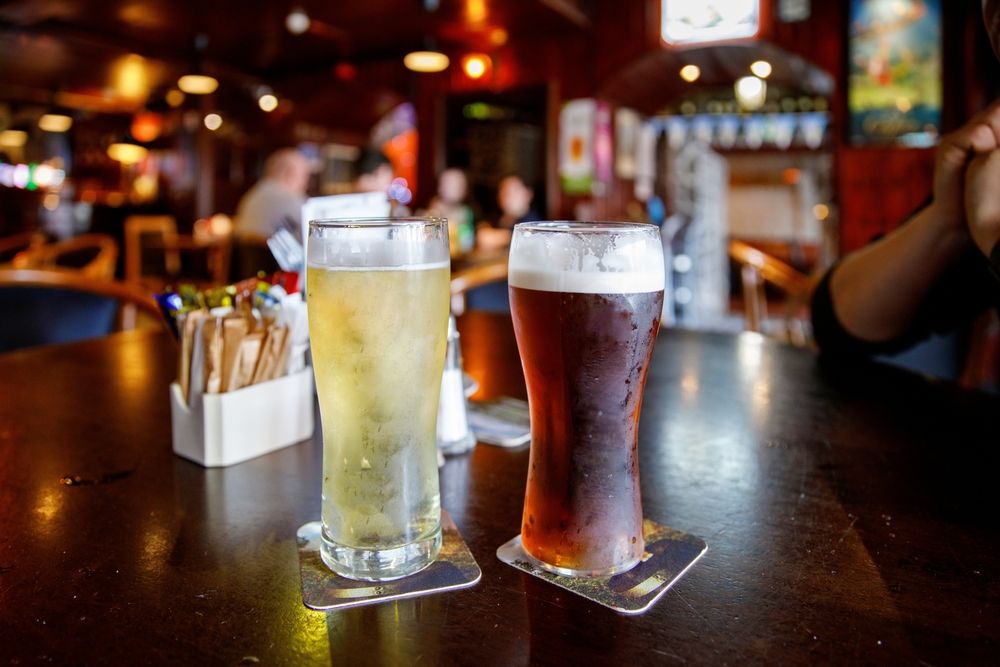
Ordering a pint of Guinness at Temple Bar is almost an initiatory ritual. This creamy black stout, brewed in Dublin since 1759, is the very symbol of Ireland. At Temple Bar, you'll discover that Guinness tastes different from that served elsewhere in the world: fresher, creamier, with a perfectly dense foam. The Irish will tell you that Guinness is better in Dublin because it travels less, and they're not wrong.
The "perfect pint" ritual takes on its full meaning here: the barman fills the glass three-quarters full, lets it rest for the foam to stabilize (about 119 seconds according to tradition), then completes the glass until obtaining the famous perfect white shamrock in the foam. This wait is part of the experience and deserves to be savored. In Temple Bar pubs, you'll observe that locals often order their Guinness "with an Irish whiskey chase," creating the perfect duo of Irish flavors.
The Porterhouse craft beers
For brewing discovery enthusiasts, The Porterhouse creations offer a fascinating alternative to Guinness. Their Plain Porter, with dark chocolate and coffee flavors, recalls traditional beers of 18th century Dublin. The Oyster Stout, brewed with real oysters, offers surprising briny notes that will delight adventurous palates. For something lighter, their Citra Pale Ale with citrus notes is an excellent refreshing option.
The Porterhouse also offers seasonal beers that change regularly, allowing regulars to always discover new flavors. Don't hesitate to ask the bartenders for advice, true enthusiasts who will guide you according to your preferences. For the indecisive, a tasting flight of four different beers allows you to make your choice with full knowledge.
Other Irish beers to discover
Beyond Guinness, Temple Bar offers the opportunity to discover other characterful Irish beers. Smithwick's, amber red beer from Kilkenny, offers malty and slightly caramelized flavors, milder than Guinness. Murphy's Stout, direct competitor to Guinness, offers a slightly sweeter and less bitter taste, appreciated by those who find Guinness too robust.
For a more modern experience, look for Five Lamps Lager, a light and refreshing blonde beer produced in Dublin, or Islands Edge Stout, a contemporary stout with roasted coffee notes. Bars like The Porterhouse and certain Temple Bar establishments also offer international craft beers, but the very essence of the Temple Bar experience lies in tasting authentic Irish beers.
The musical atmosphere of Temple Bar
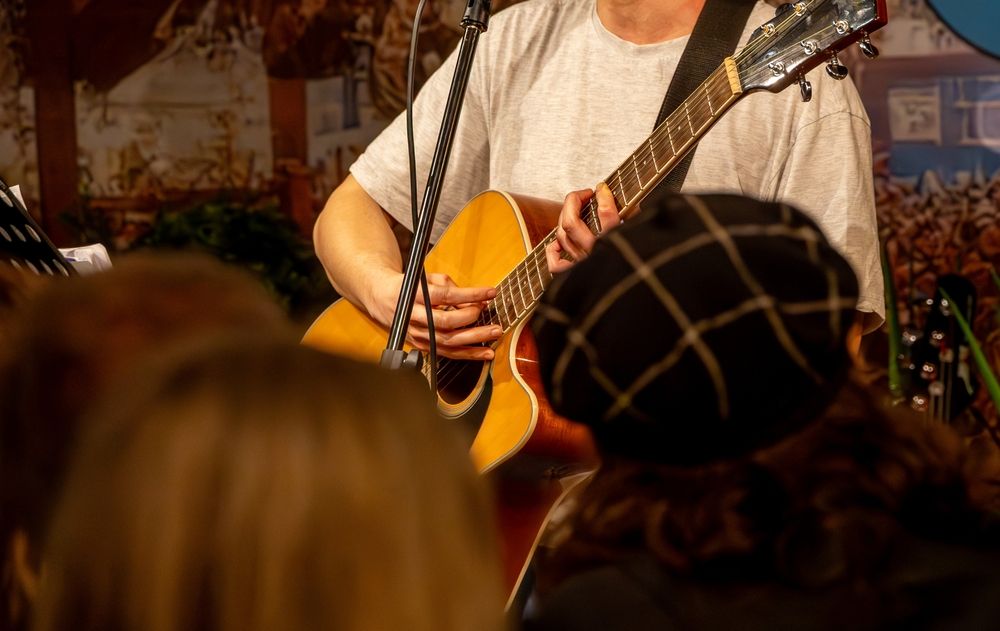
If Temple Bar attracts so many visitors, it's also for its omnipresent traditional Irish music. From afternoon until early morning, the sounds of violin (fiddle), Irish flute (tin whistle), bodhrán (traditional drum) and guitar resonate in almost all pubs in the district. This free live music is an integral part of the experience and creates a unique festive atmosphere where boundaries between artists and audience fade.
Traditional music sessions, called "trad sessions," often work spontaneously: musicians gather and start playing, sometimes joined by other artists or even customers. This centuries-old tradition perpetuates Irish musical heritage from generation to generation. In pubs like The Temple Bar or Oliver St. John Gogarty, concerts are scheduled and musicians are paid, generally offering very high quality performances sometimes with traditional Irish dancers.
The atmosphere reaches its peak in the evening, especially on weekends, when pubs become crowded and the crowd sings Irish classics like "Whiskey in the Jar" or "The Wild Rover" in chorus. This collective communion around music and beer creates unforgettable moments and perfectly illustrates legendary Irish conviviality. To experience this authentic experience while discovering Dublin's other wonders, let yourself be guided by the Ryo itinerary through the Irish capital.
Practical tips to enjoy Temple Bar
Best times to visit
The timing of your Temple Bar visit greatly influences the experience. In early afternoon, between 2 PM and 5 PM, the district offers a more relaxed atmosphere: pubs are less crowded, you can easily find a seat and enjoy live music in comfortable conditions. This is the ideal moment for visitors who prefer a calm atmosphere and really want to listen to traditional music.
From 6 PM onwards, attendance gradually increases, especially on Thursday, Friday and Saturday. Between 8 PM and midnight, Temple Bar becomes a true concentrate of festive energy: pubs literally overflow onto the cobbled streets, music is in full swing and the atmosphere is electric. If you're looking for this intense experience and don't fear crowds, this is the perfect time slot. Be careful though: some pubs apply an entry fee on weekend evenings, generally between €5 and €10.
To avoid tourist hordes, prefer weekday visits, particularly Monday and Tuesday when the atmosphere remains festive but more authentic, with more Dubliners. In summer, Temple Bar is systematically crowded every day, while in winter, the atmosphere becomes more intimate and warm, particularly pleasant during holiday periods.
Budget and prices to expect
Temple Bar is renowned for being Dublin's most expensive district in terms of alcoholic beverages. A pint of Guinness generally costs between €7 and €12 depending on the establishment and time of day. Cocktails range between €12 and €20, while an Irish whiskey is around €8 to €15 depending on quality. These prices, well above the Dublin average (about €6 for a pint elsewhere), are explained by the tourist location and free live musical entertainment.
To optimize your budget, several strategies are available: visit Temple Bar in early afternoon to enjoy the atmosphere without paying entry fees, limit yourself to one or two drinks in the most expensive pubs like The Temple Bar, then continue in more affordable establishments on the district's periphery. Some pubs offer happy hours in early evening with interesting discounts. Ask at the entrance not to miss these offers.
If you want to eat on site, expect between €15 and €25 for a traditional Irish dish. Fish and chips, the emblematic dish, generally cost around €12 to €18. Despite these high prices, the Temple Bar experience remains essential during a Dublin visit, and can be intelligently integrated into your budget by planning your drinks.
How to get to Temple Bar
Temple Bar benefits from an exceptional central location on the south bank of the Liffey, easily accessible on foot from most city center accommodations. If you follow the Ryo visit itinerary to discover Dublin, you'll naturally pass through the district, allowing perfect integration of this festive stop into your city discovery.
By public transport, several options are available: buses on lines 13, 27, 40, 49, 54A, 56A, 77A, 123 and 150 serve the district with stops on Dame Street or Wellington Quay. The Luas tram (green line) stops at Trinity College, just 5 minutes walk from Temple Bar. If you're coming from the airport, the Airlink Express 747 drops you very close by.
Driving is not recommended due to dense traffic and prohibitive prices, parking in central Dublin is often problematic. If you arrive by car, prefer a secure underground parking like Park Rite on Drury Street (about €4 per hour), then explore the district on foot. Temple Bar is entirely walkable, its cobbled streets closed to traffic make it a pleasant pedestrian space to stroll between pubs.
Beyond beer: what to see and do in Temple Bar
While pubs constitute Temple Bar's main attraction, the district offers many other cultural riches to discover between pints. Meeting House Square, the district's central square, regularly hosts cultural events, outdoor concerts and the famous Saturday morning organic market. This unique covered space becomes particularly lively during festivals like the Dublin Fringe Festival or Culture Night.
For film lovers, the Irish Film Institute (IFI) on Eustace Street offers screenings of independent films, Irish and international documentaries, as well as a specialized café-bookstore. Founded in 1943, this national cinema center also preserves precious film archives. Contemporary art enthusiasts will appreciate the Temple Bar Gallery + Studios, founded in 1983, which houses more than 30 resident artists and offers free exhibitions of Irish and international contemporary art.
The Project Arts Centre, a multidisciplinary institution since 1967, programs contemporary theater, dance, visual arts and public debates on Essex Street East. For families, The Ark, a unique cultural center dedicated to children aged 2 to 12, offers theater plays, creative workshops and adapted exhibitions. Finally, don't miss the Temple Bar Food Market on Saturday at Meeting House Square, where local producers offer farm products, artisanal breads, cheeses and Irish specialties in a friendly and gourmet atmosphere.
Download the audio-guided circuit to discover Dublin on foot and independently
Ryo offers you a complete audio-guided circuit to explore Dublin with complete autonomy. With 20 fun audio guides and interactive navigation, discover the treasures of the Irish capital, from Trinity College to Dublin Castle, including of course the unmissable Temple Bar district. The application guides you step by step through the most beautiful streets, squares and Dublin districts, with historical commentary, captivating anecdotes and even some mysteries to solve. Download the itinerary and let yourself be guided in your exploration of this fascinating city where every street corner tells a story.
Alternatives to Temple Bar for drinking beer in Dublin
While Temple Bar is unmissable, Dublin has more than 700 traditional pubs, many of which offer an equally authentic experience at more affordable prices. The Brazen Head, located on Lower Bridge Street, 10 minutes walk from Temple Bar, presents itself as Ireland's oldest pub, founded in 1198. Its medieval atmosphere, traditional music sessions and reasonable prices make it an excellent alternative.
In the Georgian district, O'Donoghue's on Merrion Row is legendary for having hosted The Dubliners' beginnings. This authentic pub offers excellent traditional music sessions daily in a local atmosphere, far from tourist agitation. The Stag's Head on Dame Court, a magnificently preserved Victorian pub with its stained glass and period furniture, serves Guinness pints at fair prices in an authentic setting.
For craft beer enthusiasts, The Bernard Shaw in the Portobello district offers an impressive selection of Irish and international craft beers in a young and relaxed atmosphere. Mulligan's on Poolbeg Street, James Joyce's favorite pub, maintains tradition since 1782 with its Guinness reputed among Dublin's best. These establishments allow discovering authentic Dublin while making substantial savings compared to Temple Bar prices.
Irish gastronomy at Temple Bar
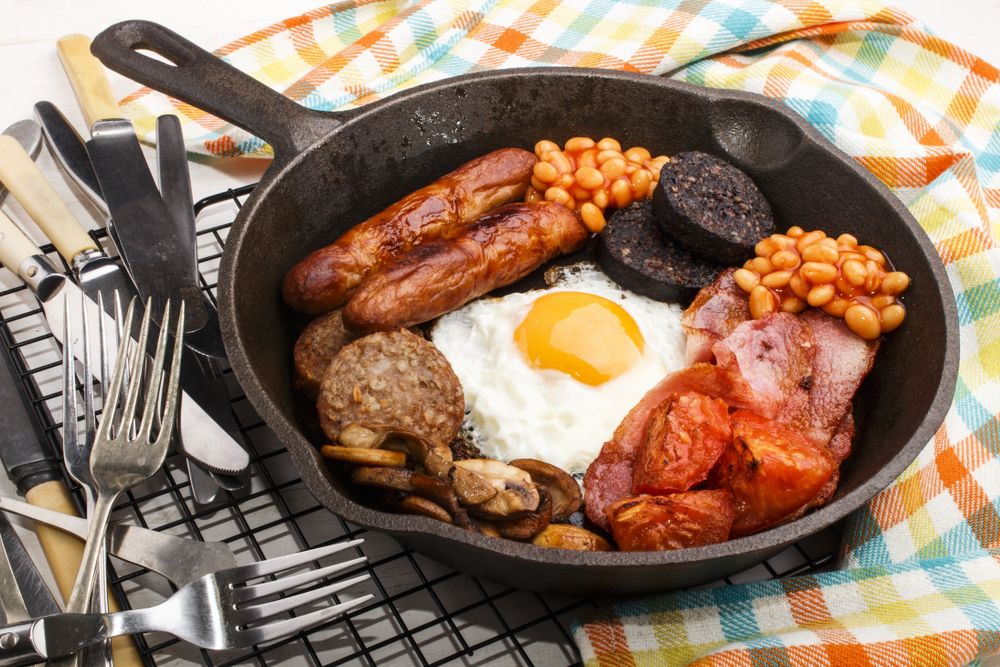
Accompanying your beer with a good traditional Irish dish is an integral part of the Temple Bar experience. Fish and chips, a British specialty adopted by Ireland, is served here with freshly caught cod or haddock, served with thick chips and homemade tartar sauce. Leo Burdock's, a Dublin institution since 1913 located steps from Temple Bar on Werburgh Street, probably offers the city's best fish and chips in an authentic takeaway atmosphere.
Irish stew, lamb stew simmered with potatoes, carrots and onions, warms hearts in Temple Bar pubs, particularly appreciated on cool days. Boxty, typically Irish grated potato pancake, comes in savory or sweet versions and provides a perfect base for accompanying meats and vegetables. The Boxty House on Temple Bar offers an entire menu dedicated to this specialty, creatively revisited.
For a quick snack between pubs, Dublin coddle, a sort of sausage and bacon stew with potatoes and onions, offers a comforting and economical dish. Seafood enthusiasts will appreciate fresh oysters, often served with a pint of Guinness according to Irish tradition that these two flavors perfectly complement each other. Finally, for dessert, don't miss Irish coffee, a hot cocktail mixing coffee, Irish whiskey, cane sugar and fresh cream, a true institution created in Ireland in the 1940s.
Events and festivals at Temple Bar
Temple Bar vibrates to the rhythm of cultural events throughout the year, transforming the district into Dublin's festive epicenter. Saint Patrick's Day, celebrated on March 17th, represents the peak of Dublin animation with spectacular parades, free concerts and a crazy atmosphere where Temple Bar becomes literally impassable due to the dense crowd. Book your accommodation several months in advance if you want to experience this unique experience.
The Dublin Fringe Festival in September transforms the district into a giant stage with more than 500 theater, dance, music and visual arts performances for two weeks. Culture Night, one night a year generally in September, opens museums, galleries and cultural institutions for free until midnight, with concerts and performances in Temple Bar streets. TradFest in January celebrates traditional Irish music with concerts in all district pubs.
Summer brings outdoor film screenings on Meeting House Square, allowing cinema under the stars in a friendly atmosphere. Temple Bar Christmas market in December creates a magical atmosphere with its wooden chalets offering local crafts, mulled wine and Irish specialties. These events strengthen the district's cultural identity and offer unique opportunities to experience Temple Bar differently than through its pubs alone.
In conclusion, drinking a beer at Temple Bar represents much more than simple consumption: it's total immersion in the Irish soul, where traditional music, legendary conviviality and historical heritage blend in a unique atmosphere in the world. From creamy Guinness pints to Porterhouse craft beers, from spontaneous live music sessions to colorful Victorian facades, Temple Bar embodies Dublin's very essence. Despite assumed tourist prices, the experience remains essential for anyone visiting the Irish capital. To fully enjoy your Dublin discovery and integrate Temple Bar into a complete route, don't hesitate to follow the Ryo audio-guided itinerary that will reveal all the secrets of this fascinating city.
FAQ: everything you need to know about Temple Bar
How much does a pint of Guinness cost at Temple Bar?
A pint of Guinness at Temple Bar costs between €7 and €12 depending on the establishment and time. The Temple Bar Pub, the most famous, charges the highest prices (€10-12), while other district pubs offer prices around €7-8. In comparison, elsewhere in Dublin, a pint generally costs between €5.50 and €7.
Is there live music every day at Temple Bar?
Yes, most Temple Bar pubs offer live traditional Irish music daily, often from afternoon until evening. The Temple Bar Pub and Oliver St. John Gogarty in particular offer concerts several times a day without supplement. Sessions are generally of better quality in the evening and on weekends.
Is Temple Bar a tourist trap?
Temple Bar indeed attracts many tourists and practices high prices, but the experience remains authentic. Traditional music is quality, the atmosphere unique, and the district maintains its historical charm. To avoid the "tourist trap" aspect, visit on weekdays, alternate with Dublin pubs outside the district, and favor less crowded hours.
Can you visit Temple Bar with children?
Yes, Temple Bar is perfectly suitable for families during the day. Children are generally accepted in pubs until early evening (around 8 PM). The district also offers family attractions like The Ark (cultural center for children), Saturday morning market, and suitable restaurants. The festive evening atmosphere is better suited for adults.
What's the best day to visit Temple Bar?
Saturday offers the most electric atmosphere with the morning market and maximum evening animation, but also the densest crowd. For a more authentic experience with more locals, prefer Tuesday, Wednesday or Thursday evenings. Sunday afternoon offers a relaxed atmosphere ideal for families.
Do you need to book a table in Temple Bar pubs?
Reservations are generally not possible or necessary in Temple Bar traditional pubs which operate on a first-come, first-served basis. Arrive early (before 7 PM) to have a chance of finding a seat on weekends. Some establishments with restaurants accept reservations for the meal section only.