
Créé par Romane, le 20 juin 2026
Votre guide Ryo
The 14 Most Beautiful Villages in Sicily to Discover
© Shutterstock
Nestled in the heart of the Mediterranean, Sicily is much more than its emblematic large cities. The island hides in its landscapes and along its coasts villages of breathtaking beauty, witnesses to a millennial history and a unique way of life. From UNESCO-listed baroque cities to perched medieval villages, passing by charming fishing ports, the most beautiful villages in Sicily compete with authentic charm. Whether you are an architecture enthusiast, history lover or simply seeking breathtaking panoramas, this selection of the 14 most beautiful villages in Sicily takes you to discover the hidden treasures of this fascinating island.
1. Taormina, the pearl of the Ionian coast
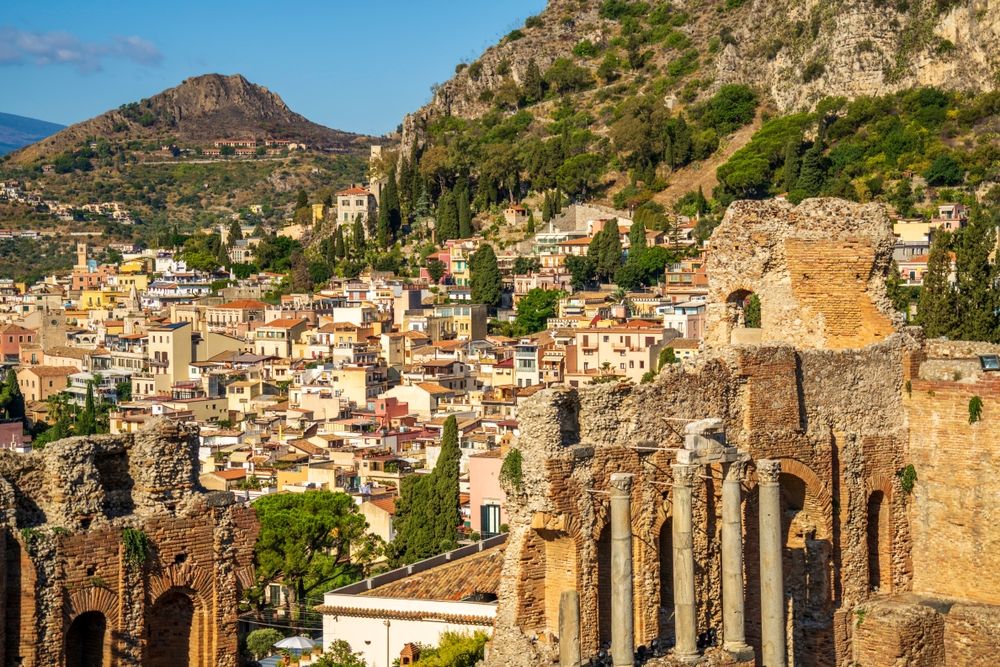
Perched like a balcony suspended between sky and sea, Taormina undoubtedly figures among the most beautiful villages in Sicily. This marvel overlooks the Ionian coast at 200 meters altitude, offering spectacular panoramas of Etna and the Mediterranean. The village seduces with its harmonious architectural blend where medieval alleyways, baroque palaces and ancient vestiges coexist with elegance.
The Greco-Roman ancient theater constitutes Taormina's unmissable emblem. Built in the 3rd century BC, this archaeological jewel welcomed up to 10,000 spectators and continues to be used for cultural performances. The view from the tiers, with Etna as backdrop, remains one of the most photographed in Italy.
Corso Umberto, the village's main artery, invites strolling between artisan shops, historic cafés and elegant palazzi. Piazza IX Aprile offers an exceptional natural belvedere, while the municipal villa enchants with its lush gardens dotted with sculptures. For beach lovers, Isola Bella, connected to the coast by a narrow sand strip, constitutes a preserved natural reserve with crystalline waters.
2. Cefalù, between Norman cathedral and golden beaches
Sixty kilometers from Palermo, Cefalù stretches at the foot of an imposing rocky cliff called the Rocca. This medieval village figures among the most beautiful villages in Sicily thanks to its harmonious balance between historical heritage and seaside charm. Its golden sand beaches bordered by turquoise waters attract swimmers, while its historic center enchants architecture lovers.
Cefalù's cathedral, listed as a UNESCO World Heritage site, majestically dominates Piazza del Duomo. Built in the 12th century by King Roger II, this divine fortress impresses with its two square towers and magnificent Byzantine mosaics representing Christ Pantocrator. The building witnesses the splendor of Sicilian Arab-Norman art.
The maze of paved alleyways in the historic center invites discovery. The medieval lavatoio, ancient public washhouse fed by a natural spring, constitutes a unique curiosity. For the more athletic, the ascent to the Rocca summit rewards effort with a 360-degree panorama over the village, sea and Madonie mountains. It takes about an hour's walk to reach Diana's temple ruins and enjoy this exceptional view.
3. Noto, masterpiece of Sicilian baroque
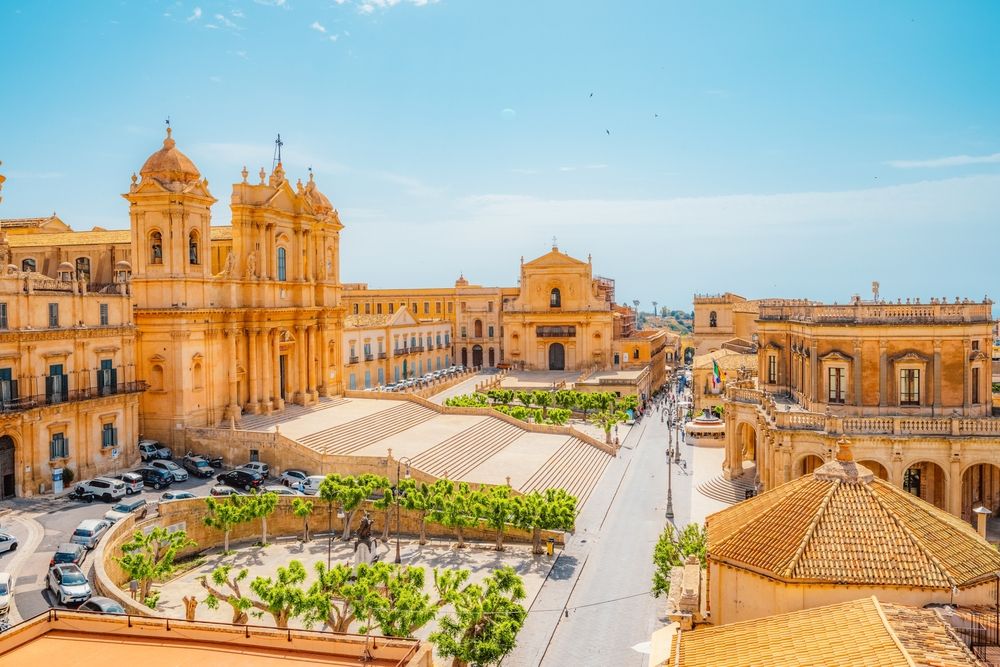
Entirely rebuilt after the devastating earthquake of 1693, Noto embodies the pinnacle of Sicilian baroque. This open-air museum city, classified as a UNESCO World Heritage site, dazzles with the harmony of its architecture and the golden color of its limestone. Considered Europe's most beautiful stone garden, Noto legitimately figures among the most beautiful villages in Sicily.
Corso Vittorio Emanuele crosses the historic heart, revealing a succession of aristocratic palaces and sumptuous churches. San Nicolò cathedral, majestic with its wide monumental staircase, dominates Piazza del Municipio. Palazzo Nicolaci, with its balconies supported by carved mensoloni representing sirens, chimeras and mythological creatures, illustrates baroque genius. Every third weekend of May, Via Nicolaci transforms into a gigantic floral artwork during the Infiorata, ephemeral petal carpet that attracts thousands of visitors.
Chiesa di San Domenico, considered one of European baroque masterpieces, seduces with its convex facade and luminous interior. To admire Noto from above, Santa Chiara church offers from its terrace an exceptional panorama over honey-colored roofs and golden domes.
4. Erice, the perched medieval village
Perched at 750 meters altitude on Mount Eryx, Erice overlooks Trapani city and the Mediterranean. This perfectly preserved medieval village, accessible by spectacular cable car or winding road, offers a plunge into time. Its ramparts, paved alleyways and ancestral churches give Erice a unique atmosphere, often enveloped in mysterious mist that adds to its legendary charm.
Porta Trapani marks the main entrance to the fortified village. The maze of narrow alleyways, bordered by stone houses, leads to tranquil squares and artisans perpetuating traditions. Castello di Venere, built by the Normans on vestiges of an ancient temple dedicated to Venus, crowns the village summit. The Balio gardens surrounding it reveal a breathtaking panorama over Trapani, salt flats and Aegadian Islands.
Erice has also forged a remarkable culinary reputation. Maria Grammatico pastries offer delicious genovesi and cassatelle, perpetuating centuries-old convent recipes. In summer, the village comes alive with classical and medieval music concerts in the enchanting setting of the castle and its gardens.
5. Ragusa Ibla, baroque jewel of the Iblei mountains
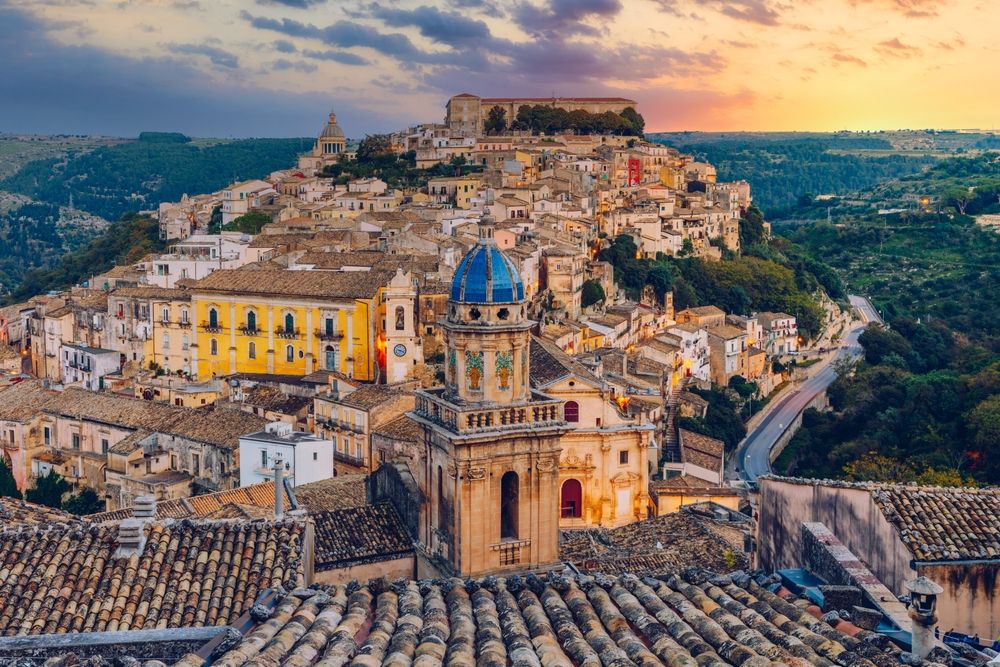
Ragusa Ibla, historic quarter of Ragusa, constitutes a baroque treasure nestled in the heart of the Iblei mountains. This ancient part of the city, rebuilt after the 1693 earthquake, deploys a labyrinth of winding alleyways, staircases and squares adorned with sumptuous churches. Listed as a UNESCO World Heritage site, Ragusa Ibla perfectly embodies the architectural genius of late Sicilian baroque.
San Giorgio cathedral, masterpiece by Rosario Gagliardi, dominates Piazza Duomo. Its convex three-level facade and neoclassical dome illustrate the stylistic evolution of Sicilian baroque. Giardino Ibleo, public garden established in the 19th century, offers a peaceful vegetable haven with views over the Irminio valley. The garden's three churches, including San Giacomo, add a spiritual touch to this bucolic promenade.
Ragusa Ibla has gained international fame thanks to the television series "Il Commissario Montalbano", filmed in its streets and palaces. Thematic circuits allow reliving the famous commissioner's scenes. Local gastronomy, with its carob-based specialties and starred restaurants, constitutes an additional argument to visit this exceptional village among the most beautiful villages in Sicily.
6. Modica, baroque chocolate capital
Modica rises on the flanks of two converging valleys, creating a spectacular urban amphitheater. Destroyed then rebuilt after the 1693 earthquake, this Val di Noto city is inscribed as UNESCO World Heritage for its exceptional baroque ensemble. Modica also distinguishes itself by its unique chocolate tradition, inherited from Spanish domination, making it a gourmet pilgrimage site.
San Giorgio Duomo, perched atop a monumental 250-step staircase, dominates Modica Alta. This baroque cathedral, work of Rosario Gagliardi, dazzles with its ornamented facade and richly decorated interior. In Modica Bassa, San Pietro cathedral rivals in splendor with its statues of the twelve apostles framing the access staircase. The counts of Modica palace and numerous baroque churches punctuate a remarkable architectural promenade.
Modica chocolate, prepared according to an Aztec recipe introduced by the Spanish, distinguishes itself by its granular texture and intense taste. Traditional chocolate makers like Antica Dolceria Bonajuto perpetuate this tradition since 1880. The absence of cocoa butter addition gives this cold-worked chocolate unique properties, declined in multiple flavors like cinnamon, chili or vanilla.
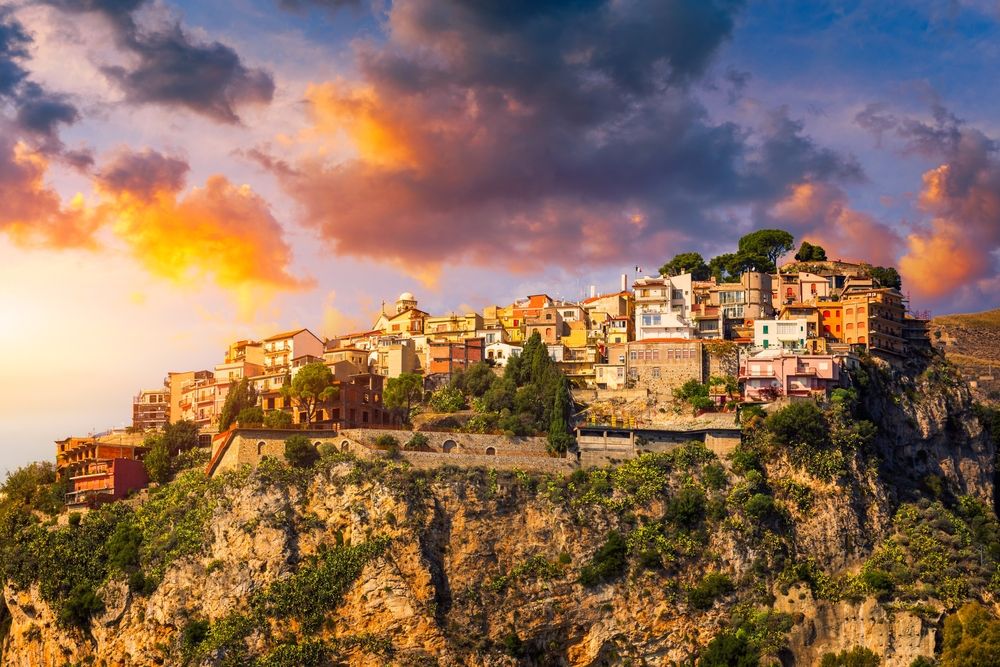
7. Castelmola, the belvedere above Taormina
Perched at 550 meters altitude, directly above Taormina, Castelmola offers one of Sicily's most spectacular panoramas. This small medieval village, accessible by winding road or picturesque pedestrian path, maintains an authentic and tranquil atmosphere. Its origins date back to pre-Hellenic times, and its name evokes the millstone shape (mola) of the rock on which it is built.
The ruined castle crowning the summit testifies to the village's strategic position through the centuries. From its vestiges, the gaze embraces Giardini-Naxos bay, smoking Etna and the entire Ionian coast. Piazza Sant'Antonio, the village heart, hosts the Duomo and several historic cafés including the famous Bar Turrisi, known for its atypical decorations and homemade almond wine.
Castelmola's narrow flowered alleyways invite peaceful wandering, away from nearby Taormina's tourist crowds. Local artisans offer lace, ceramics and local products. Visiting this village figures among favorite excursions from Taormina, particularly appreciated in late afternoon to admire the sunset over the sea from panoramic terraces.
8. Savoca, on the Godfather's trail
Clinging to a hillside in the Peloritani mountains, Savoca enjoys international fame since Francis Ford Coppola filmed several emblematic scenes of "The Godfather" there in 1971. This authentic medieval village, classified among Italy's most beautiful villages, maintains a timeless atmosphere that seduced the director and continues to fascinate visitors worldwide.
Bar Vitelli, where Al Pacino asks for Apollonia's hand in the film, has become a cinematographic pilgrimage site. The owners have piously preserved filming photos and movie props. Santa Lucia church, where Michael Corleone's wedding takes place, and the steep alleyways regularly serve as sets for cinematographic productions, giving Savoca its nickname of "Hollywood of Sicily".
Beyond its cinematographic aura, Savoca deserves a visit for its remarkable medieval heritage. San Nicolò church houses precious frescoes, while the Capuchin crypt preserves 17th-century mummies in impressive conservation state. Norman castle ruins offer magnificent panorama over the valley and Ionian sea. The neighboring village of Forza d'Agrò, also used for Godfather filming, ideally completes a day excursion on the famous film's trail.
9. Scicli, baroque pearl of Val di Noto
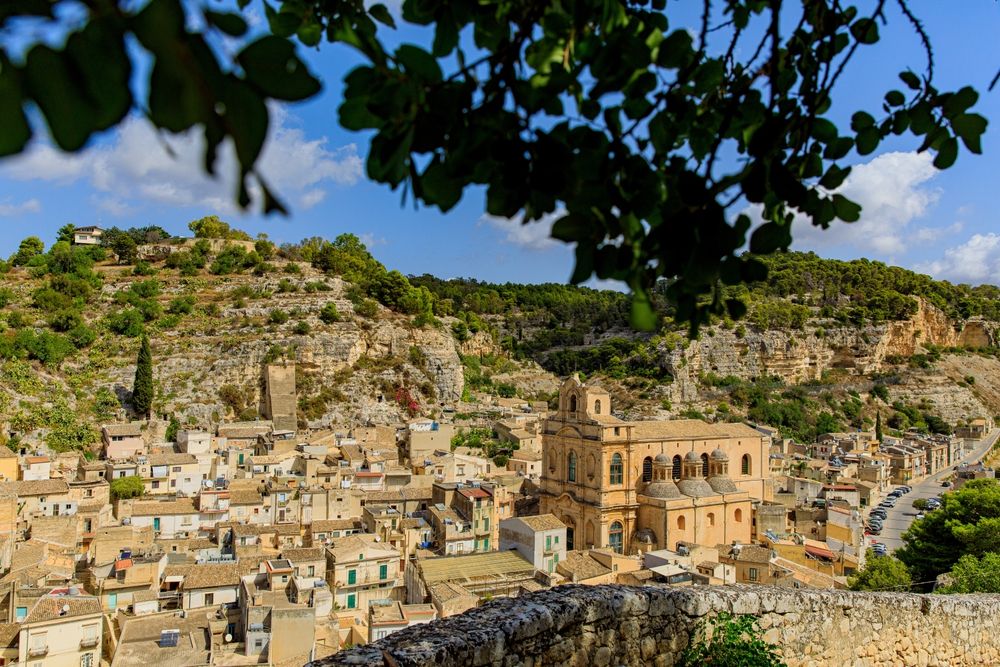
Nestled at the confluence of three valleys, Scicli deploys its baroque heritage in a spectacular natural setting. This Val di Noto city, inscribed as UNESCO World Heritage, seduces with its preserved authenticity and peaceful atmosphere. Less touristic than its neighbors Ragusa and Modica, Scicli reveals a concentrate of baroque architecture and living traditions making it one of the most beautiful villages in Sicily.
Via Francesco Mormino Penna crosses the historic heart, bordered by aristocratic palaces with sculpted balconies and sumptuous churches. Chiesa di San Bartolomeo, built in the rocky bed of an ancient torrent, presents a convex baroque facade characteristic of Sicilian style. San Giovanni Evangelista church, rebuilt after the 1693 earthquake, dominates Piazza Italia with its imposing facade. Palazzo Beneventano, with its grimacing mascarons adorning the balconies, illustrates the most exuberant baroque.
Scicli has gained new notoriety thanks to the series "Il Commissario Montalbano", whose fictional Vigata police station is located in the baroque town hall. The Chiafura troglodyte quarter, carved in the limestone cliff, witnesses a millennial way of life. These cave dwellings, inhabited until the 1960s, are subject to a restoration project and offer unique testimony on Sicilian vernacular architecture.
10. Marzamemi, authentic fishing village
On Sicily's southeast coast, Marzamemi embodies the Mediterranean charm of an authentic fishing village. This small maritime town, whose name derives from Arabic "Marsà al-hamām" (turtle bay), revolves around its picturesque central square bordered by low houses with colorful facades. The old tonnara, disused tuna fishery, witnesses the village's glorious fishing past.
Piazza Regina Margherita forms Marzamemi's beating heart, surrounded by fish restaurants and bars where one can linger in the evening. San Francesco di Paola church, Palazzo del Principe di Villadorata and the old tonnara buildings create a harmonious architectural ensemble. Small alleyways radiating from the square invite discovering artisans, local product shops and art galleries.
Marzamemi beaches, with their crystalline waters, count among southern Sicily's most beautiful. Spinazza beach and San Lorenzo beach offer fine sand and preserved seabeds. In August, the village comes alive with Marzamemi international film festival, which projects cinematographic works outdoors on the main square. Local gastronomy, centered on tuna and seafood, makes the village trattorias' reputation among the most beautiful villages in Sicily.
11. Scopello, between tonnara and Zingaro reserve
Scopello, small hamlet of Castellammare del Golfo commune, reveals discreet and authentic charm. This coastal village, dominated by a medieval tower, seduces with its calm and proximity to the Zingaro natural reserve. Its tonnara, one of Sicily's oldest and best preserved, opens onto a spectacular cove punctuated by faraglioni, rocky pinnacles emerging from turquoise waters.
Scopello village consists of a few houses grouped around a baglio, traditional Sicilian courtyard. This paved square hosts an ancient well, craft shops and a bakery renowned for its Sicilian bread. The peaceful atmosphere contrasts with the summer animation of Scopello Tonnara, where bathers flock to enjoy crystalline sea in a postcard setting.
Zingaro natural reserve, Sicily's first marine reserve created in 1981, begins a few kilometers from Scopello. Its seven kilometers of preserved coastline offer deserted coves accessible only on foot, luxuriant Mediterranean flora and panoramic hiking trails. Grotta dell'Uzzo, Paleolithic archaeological site, and the peasant civilization museum enrich the visit to this protected area. Scopello constitutes the ideal starting point to explore this natural jewel among the most beautiful villages in Sicily.
12. Sperlinga, the castle in the rock
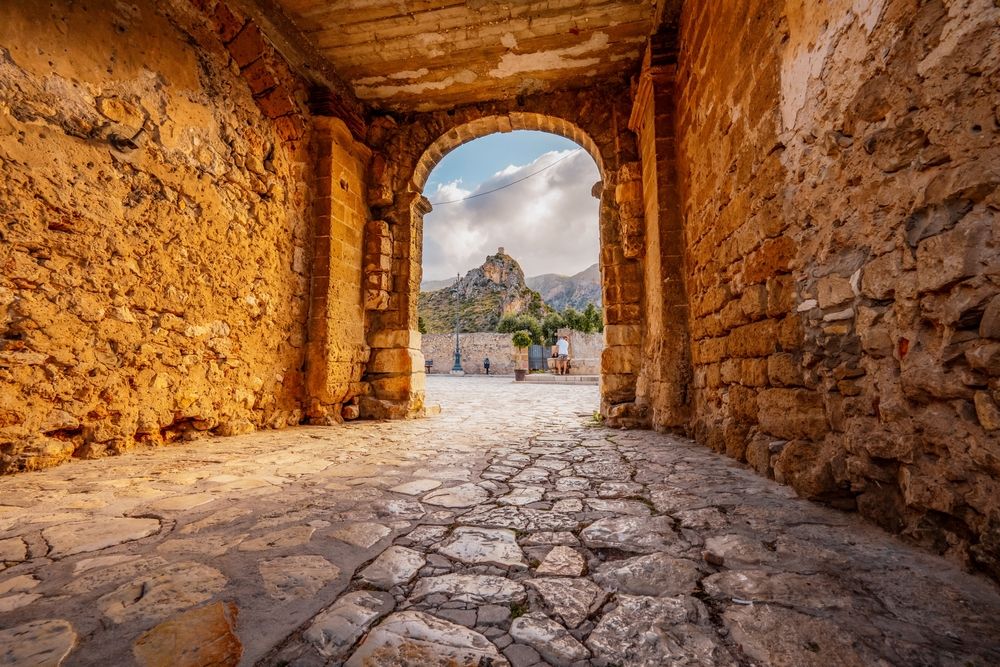
Isolated in the Sicilian hinterland, between Nicosia and Gangi, Sperlinga fascinates with its unique castle-fortress, entirely carved into a rocky spur. This Nebrodi mountains village maintains an authentic medieval atmosphere and offers remarkable testimony to Sicilian cave architecture. Its name, derived from Latin "spelunca" (cave), perfectly evokes this troglodyte particularity.
Sperlinga castle, built between the 12th and 13th centuries, distinguishes itself by its rooms, staircases and dwellings carved directly in stone. During the 1282 Sicilian Vespers, it was Sicily's only castle to resist Sicilian insurgents, sheltering the French garrison for a year, hence the Latin inscription carved at the entrance: "Quod Siculis placuit sola Sperlinga negavit" (What pleased the Sicilians, only Sperlinga refused). From the summit, the panorama embraces surrounding mountains and the terraced village below.
Sperlinga's historic center houses numerous troglodyte houses inhabited until recent times. The ethnographic museum, installed in arranged caves, reconstitutes traditional daily life with agricultural tools, period furniture and ancient craft scenes. In August, the Tortone festival celebrates the local culinary specialty, a sort of Sicilian polenta, in a festive atmosphere that animates this timeless village's paved alleyways.
13. San Marco d'Alunzio, pearl of the Nebrodi mountains
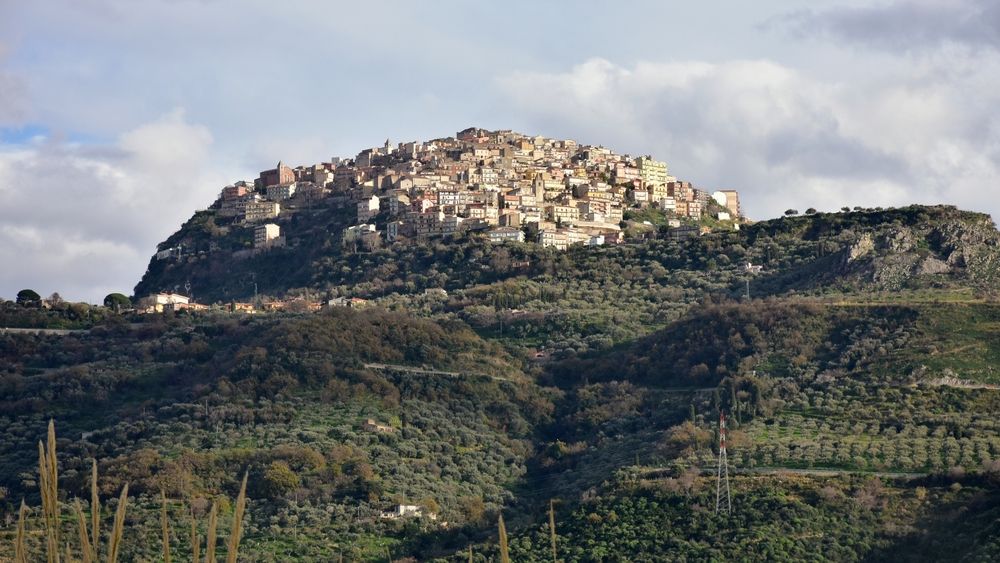
Perched at 540 meters altitude in the Nebrodi mountains, San Marco d'Alunzio dominates Patti gulf and the Aeolian Islands. This remarkably preserved medieval village concentrates exceptional architectural heritage with no fewer than twenty-two churches and chapels for only two thousand inhabitants. Its millennial history reads through Greek, Roman, Byzantine, Arab and Norman vestiges dotting its paved alleyways.
Hercules' Greek temple, dating from the 4th century BC, transformed into Christian church then mosque before becoming church again, illustrates San Marco's historical strata. The Norman castle, of which imposing vestiges remain, offers a natural belvedere over the Tyrrhenian Sea. Santa Maria delle Grazie church houses a magnificent 15th-century Byzantine crucifix, while the Benedictine convent and San Teodoro chiesa testify to the village's religious influence.
San Marco d'Alunzio also prides itself on a centuries-old artisanal tradition of local red marble, "rosso San Marco", exploited since Antiquity. The museum of culture and popular traditions of the Nebrodi, installed in the former Benedictine convent, reconstitutes crafts and daily life of this mountainous region. The village's relative isolation has preserved its authenticity, making San Marco one of the most beautiful villages in Sicily for heritage and tranquility lovers.
14. Monreale, shrine of golden mosaics
Dominating Palermo from Monte Caputo foothills, Monreale owes its fame to the extraordinary Arab-Norman cathedral wanted by William II in the 12th century. This village that developed around this architectural jewel classified as UNESCO World Heritage also offers exceptional panoramic views over the Conca d'Oro, the fertile plain surrounding Palermo.
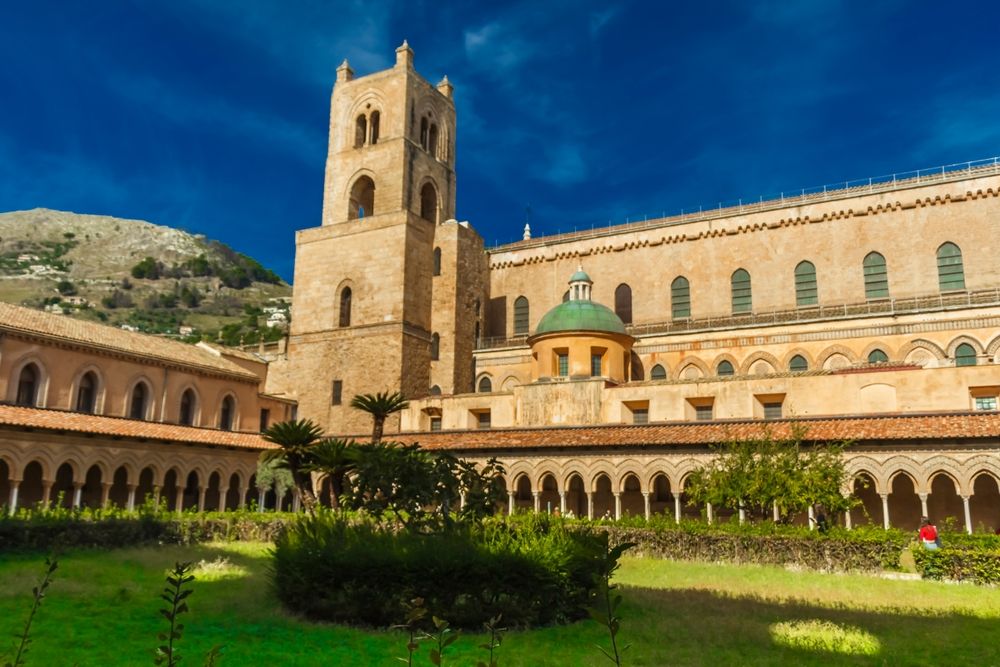
Santa Maria Nuova cathedral dazzles with its 6,400 square meters of Byzantine mosaics on golden background, Italy's largest after Saint Mark's in Venice. The apse's Christ Pantocrator, Old and New Testament scenes visually narrate the Bible with incomparable iconographic richness. The adjoining cloister, with its 228 paired columns adorned with unique sculpted capitals, constitutes a masterpiece of Sicilian Roman art. The terrace accessible from the cathedral roof reveals splendid panorama over Palermo and the sea.
Monreale's historic center, often neglected in favor of the cathedral, deserves careful exploration. The Belvedere, arranged panoramic terrace, offers the most photographed viewpoint over the Conca d'Oro. Medieval quarter alleyways preserve aristocratic palaces and baroque churches. Local gastronomy, notably almond and pistachio pastries, perpetuates Sicilian traditions. A Monreale visit combines ideally with nearby Palermo, thus completing the discovery of the most beautiful villages in Sicily.
In conclusion, the most beautiful villages in Sicily reveal the richness and diversity of this extraordinary Mediterranean island. From Taormina perched facing Etna to the baroque villages of Val di Noto inscribed by UNESCO, passing by medieval towns like Erice and authentic fishing ports such as Marzamemi, each Sicilian village tells a unique story. These architectural and natural pearls invite stepping off beaten paths, taking time to stroll in history-laden alleyways and immersing in Sicilian way of life. Whether you are passionate about baroque architecture, lover of breathtaking panoramas, cinema enthusiast on the Godfather's trail or simply seeking Mediterranean authenticity, Sicily's villages will seduce you with their timeless charm and legendary hospitality. Don't hesitate to let yourself be guided in your exploration of these insular treasures to live an unforgettable Sicilian experience.
FAQ: The Most Beautiful Villages in Sicily
What is the most beautiful village in Sicily?
Taormina is generally considered the most beautiful village in Sicily thanks to its spectacular location overlooking the Ionian Sea, its ancient Greek theater and its panoramas of Etna. However, Cefalù, Noto and Ragusa Ibla rival in beauty with their remarkable architectures and unique atmospheres.
What is the best period to visit Sicilian villages?
Spring (April-May) and autumn (September-October) constitute ideal periods to visit the most beautiful villages in Sicily. Temperatures are pleasant, tourist crowds less important and villages reveal their most beautiful colors. Summer can be very hot and crowded, notably in Taormina and Cefalù.
How much time is needed to visit Val di Noto baroque villages?
To discover the main baroque villages of Val di Noto (Noto, Ragusa Ibla, Modica and Scicli), count minimum 3 to 4 days. Each village deserves half a day to a full day to fully appreciate its architecture, atmosphere and gastronomy without rushing.
Can these villages be visited without a car?
A car is strongly recommended to visit the most beautiful villages in Sicily in complete freedom, particularly those located in the hinterland like Erice, Sperlinga or San Marco d'Alunzio. However, Taormina, Cefalù and Val di Noto villages are accessible by bus or train from major Sicilian cities, even if schedules can be constraining.
Where to stay to visit Sicilian villages?
To explore efficiently, favor strategic bases: Taormina or Giardini Naxos for the east, Ragusa or Modica for Val di Noto, Trapani for the west, and Palermo for the north. Sleeping directly in villages allows more authentic immersion, with the advantage of enjoying peaceful atmosphere in evening and early morning.