
Créé par Emilie, le 7 mai 2026
Votre guide Ryo
© Shutterstock
Rome, the Eternal City, fascinates with its millennia-old monuments and exceptional heritage. But contrary to popular belief, the Italian capital offers numerous possibilities for visits and free activities in Rome that allow you to discover its treasures without spending a euro. Between majestic basilicas, baroque fountains, emblematic squares and breathtaking panoramas, here is our selection of 12 must-do free activities and visits to visit Rome in an authentic and economical way.
Download the audio-guided circuit to discover Rome on foot and independently
Set off to discover the Italian capital thanks to our audio-guided itinerary of Rome, specially designed to guide you through the 23 most emblematic places of interest in the immortal city. This 6.4 km walk takes you from the Colosseum to the Vatican via the most beautiful squares and monuments of the city, all accompanied by fascinating historical commentary and captivating anecdotes.
1. St. Peter's Basilica at the Vatican
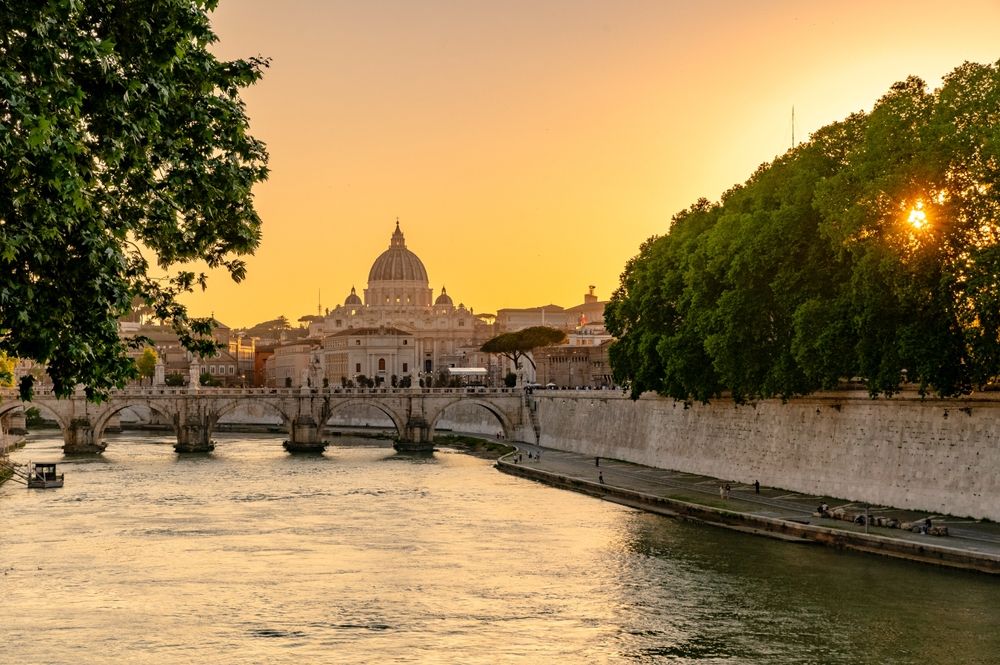
Impossible to talk about free activities in Rome without mentioning the majestic St. Peter's Basilica. This architectural marvel, located in the heart of the Vatican, offers free access to all visitors who wish to admire its sumptuous interior. Designed by the greatest Renaissance artists, including Michelangelo and Bramante, the basilica houses priceless treasures like Michelangelo's Pietà and Bernini's baldachin. The dimensions of the building are impressive: 186 meters long and 46 meters high under the dome. Plan appropriate attire for the visit and expect to go through security checks, but the wonder is well worth it.
2. The Trevi Fountain, baroque jewel
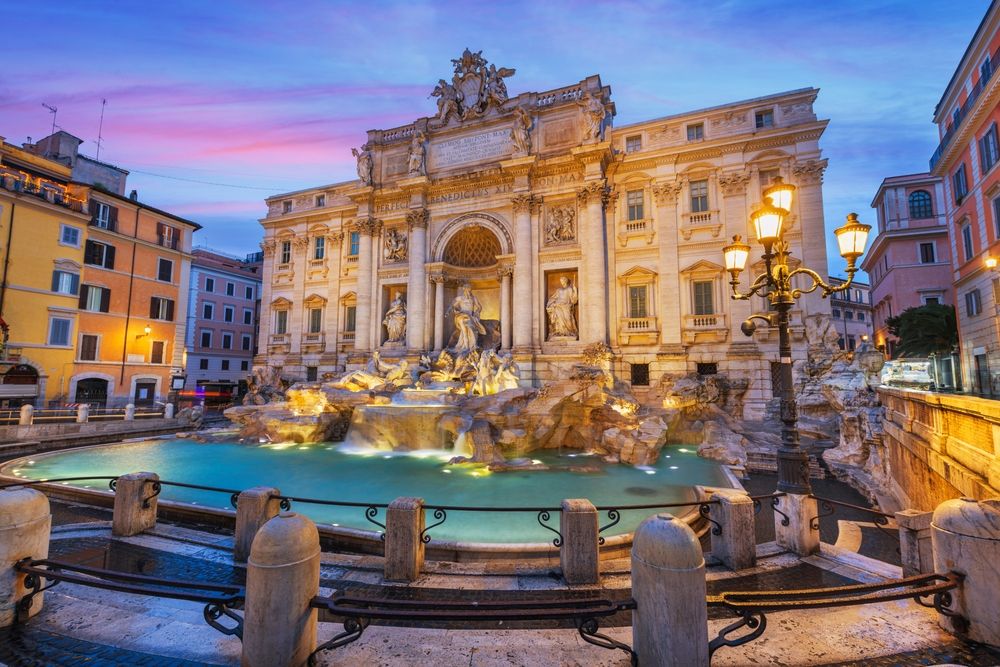
Romantic symbol of Rome, the Trevi Fountain constitutes one of the most popular free visits in the Italian capital. This 18th-century baroque work, 26 meters high and 49 meters wide, features Neptune (called "Ocean") surrounded by sea horses and tritons. Tradition has it that you throw a coin with your right hand over your left shoulder while turning your back to the fountain to ensure your return to Rome. More than 3,000 euros are collected daily and donated to charitable works. To avoid the crowds, visit early in the morning or late at night, when the night lighting further enhances this masterpiece.
3. The Pantheon, preserved ancient temple
True architectural prowess of Roman Antiquity, the Pantheon remains one of the best-preserved monuments in Rome and one of its most fascinating free visits. Built under Emperor Hadrian in the 2nd century, this temple dedicated to all gods impresses with its perfect dome of 43.3 meters in diameter, pierced at its center by a 9-meter oculus. This opening constitutes the only source of natural light and creates magical shadow play inside. The Pantheon today houses the tombs of Raphael and the kings of Italy. With free entry, take advantage to admire the perfect proportions of this architectural masterpiece that has inspired numerous buildings around the world.
4. Piazza Navona and its baroque fountains
Built on the former Stadium of Domitian, the Piazza Navona represents one of the most beautiful baroque squares in the world and a must-see stop among the free activities in Rome. This oval square of 240 meters long hosts three remarkable fountains: Bernini's Fountain of the Four Rivers in the center, representing the Nile, Ganges, Danube and Rio de la Plata, Neptune's fountain to the north and the Moro fountain to the south. The Church of Sant'Agnese in Agone, a work by Borromini, completes this sumptuous setting. The square constantly comes alive with street artists, portrait painters and musicians, creating a unique atmosphere where art, history and Roman daily life blend together.
5. The exterior of the Colosseum, symbol of Rome
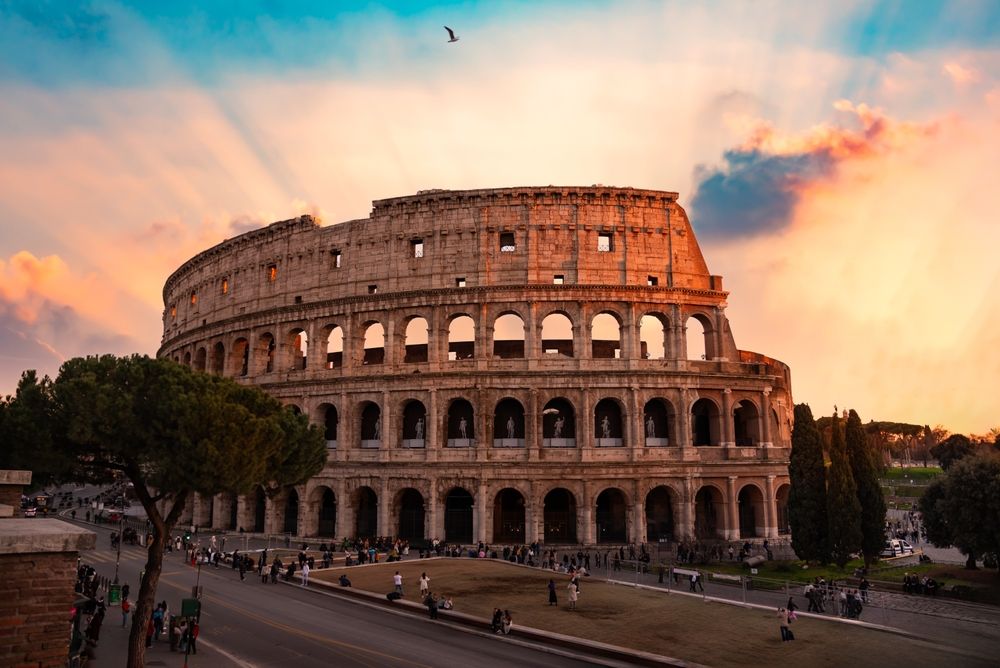
Although access to the interior of the Colosseum is paid, admiring the exterior of this legendary amphitheater already constitutes an unforgettable and free experience. This edifice of 48 meters high and 188 meters long, built between 70 and 80 AD, could accommodate up to 50,000 spectators who came to watch gladiator fights and spectacles. Its four floors of superimposed arcades perfectly illustrate classical Roman architecture with its Doric, Ionic and Corinthian orders. The complete tour of the amphitheater allows you to appreciate its different facades and understand the ingenuity of its construction. Don't miss the nearby Arch of Constantine, erected in 315 to celebrate the emperor's victory over Maxentius.
6. Capitoline Square and its museums
Designed by Michelangelo, the Capitoline Square sits atop the smallest of Rome's seven hills and offers one of the most beautiful free panoramic views of the Roman Forum. This harmonious square, bordered by three Renaissance palaces, hosts at its center the equestrian statue of Marcus Aurelius (a copy, the original being preserved in the Capitoline Museums). The monumental staircase of the Cordonata, imagined by Michelangelo, leads to this symbolic square of Roman political power since Antiquity. Even though access to the Capitoline Museums is paid, strolling around the square and admiring the architecture of its facades remains entirely free. The panorama of the ancient ruins of the Forum from the rear terrace constitutes a grandiose spectacle not to be missed.
7. Villa Borghese Park
True green lung of Rome, Villa Borghese Park extends over 80 hectares and constitutes one of the most relaxing free activities in the capital. Landscaped in the 17th century by the Borghese family, this English-style landscaped park offers numerous attractions: shaded alleys bordered by umbrella pines, artificial lake with boat rental, themed gardens, and especially the Pincio terrace which reveals one of the most beautiful views of Rome. The park also houses several monuments and temples, like the Temple of Aesculapius on its islet in the middle of the lake. Families, joggers, cyclists and strollers mingle in this green oasis where it's good to escape urban hustle and bustle. With free access to the park 24/7, you can enjoy it at any time, especially at sunset from the Pincio terrace.
8. The Trastevere district
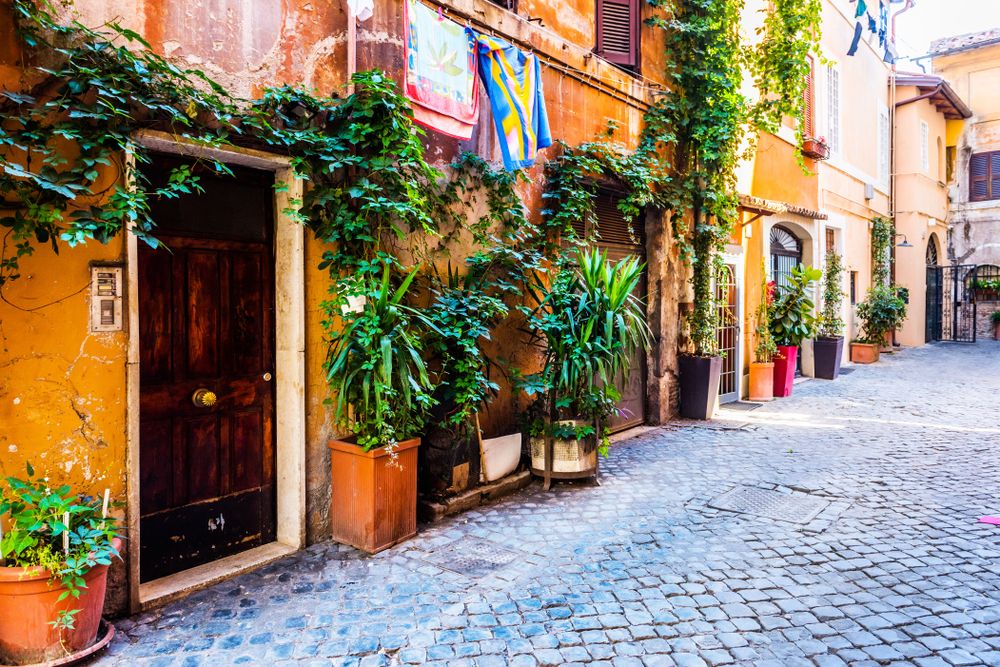
Crossing the Tiber to explore the bohemian Trastevere district represents one of the most authentic free activities in Rome. This picturesque neighborhood, whose name literally means "beyond the Tiber," charms with its cobblestone streets, colorful ivy-covered facades and lively little squares. The Santa Maria in Trastevere Basilica, one of Rome's oldest Christian churches, deserves a visit for its magnificent medieval mosaics. The district particularly comes alive in the evening when trattoria terraces fill up and street musicians take over the squares. Strolling through Trastevere means discovering popular and convivial Rome, far from traditional tourist circuits, while enjoying the unique atmosphere of this district that has remained authentic.
9. The Spanish Steps
Built in the 18th century to connect Piazza di Spagna to the Church of Trinità dei Monti, the famous Spanish Steps constitute one of Rome's most popular free gathering places. These 135 travertine steps, financed by France, offer a magnificent example of baroque architecture. At the foot of the steps, the Barcaccia Fountain, work of Pietro Bernini (father of the famous Gian Lorenzo), represents a half-submerged boat in memory of a Tiber flood. The surrounding area, with its luxury shops on Via del Condotti, aristocratic palaces and historic cafés, is perfect for strolling. From the top of the steps, the perspective over the square and Rome's rooftops is worth the climb alone.
10. Campo de' Fiori and its market
The only square in Rome without a church, Campo de' Fiori (literally "field of flowers") has hosted one of the capital's most authentic and colorful markets since 1869. This free activity allows you to immerse yourself in Roman daily life by wandering among stalls of fruits, vegetables, spices and fresh flowers. In the center of the square stands the statue of Giordano Bruno, philosopher burned here in 1600 for heresy, recalling the tumultuous history of this place. The market is held every morning except Sunday, transforming the square into a kaleidoscope of colors and flavors. The Renaissance architecture of the surrounding palaces, notably the Palazzo Pio Righetti, completes this typically Roman tableau where tradition and modernity coexist harmoniously.
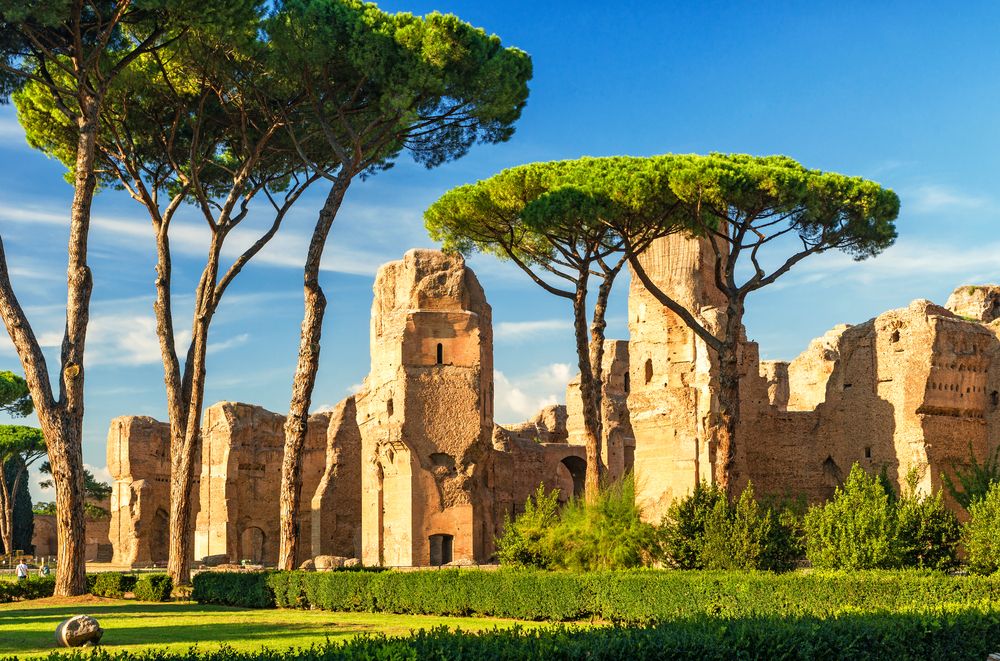
11. The Baths of Caracalla (exterior)
Although the interior visit is paid, admiring the exterior of the Baths of Caracalla allows you to freely appreciate the scale of this ancient thermal complex, one of the best preserved in the Roman Empire. Built between 212 and 216 AD under Emperor Caracalla, these baths could simultaneously accommodate 1,600 bathers in their different pools (caldarium, tepidarium, frigidarium). The imposing red brick ruins, 38 meters high, testify to the grandeur of these installations which also included libraries, gymnasiums, gardens and shops. The site, inscribed on UNESCO's World Heritage list, impresses with its dimensions: 337 meters long by 328 meters wide. A walk around the perimeter allows you to imagine the past splendor of this place dedicated to Roman well-being and sociability.
12. The Via Appia Antica
Nicknamed "the queen of roads" by the Romans, the Via Appia Antica offers an exceptional free escape into the Roman countryside, just a few kilometers from the city center. This ancient road, built in 312 BC to connect Rome to Brindisi, preserves its original volcanic stone paving for several kilometers. The route, ideal on foot or by bicycle, reveals numerous remains: ancient tombs, catacombs, aqueducts and villas. The century-old umbrella pines that line the road create beneficial shade and a unique romantic atmosphere. This walk through history allows you to understand Roman ingenuity in road construction while enjoying a preserved natural setting. On Sundays, part of the road is closed to automobile traffic, transforming it into a paradise for cyclists, joggers and walkers seeking authenticity.
In conclusion, Rome demonstrates that it is perfectly possible to discover an exceptional city without breaking the bank. These 12 free activities and visits in Rome reveal the extraordinary heritage richness of the Eternal City, from ancient remains to baroque masterpieces, including authentic neighborhoods and soothing green spaces. To optimize your discoveries and enrich your experience with fascinating historical anecdotes, don't hesitate to download our audio-guided circuit of Rome which will accompany you in this memorable exploration of the Italian capital.
FAQ – Free Activities in Rome
When to visit Rome for free?
On the first Sunday of each month, many Roman public museums open their doors for free. This is also the case for the Vatican Museums on the last Sunday of the month. However, expect significant crowds on these days.
How to avoid crowds during free visits?
Favor visits early in the morning (before 9am) or late afternoon (after 5pm). The months from November to March, outside school holidays, also offer less tourist crowds.
Do you need to book for free activities in Rome?
Most free activities don't require booking. Only exception: St. Peter's Basilica may sometimes require free online booking during large crowds or special events.
How much time to plan for these free visits?
Plan a full day to discover the essentials of these 12 free activities. With the Ryo itinerary, you can optimize your route over 2h40 of actual walking, to adapt according to your desires and pace.