
Créé par Romane, le 7 mai 2026
Votre guide Ryo
© Shutterstock
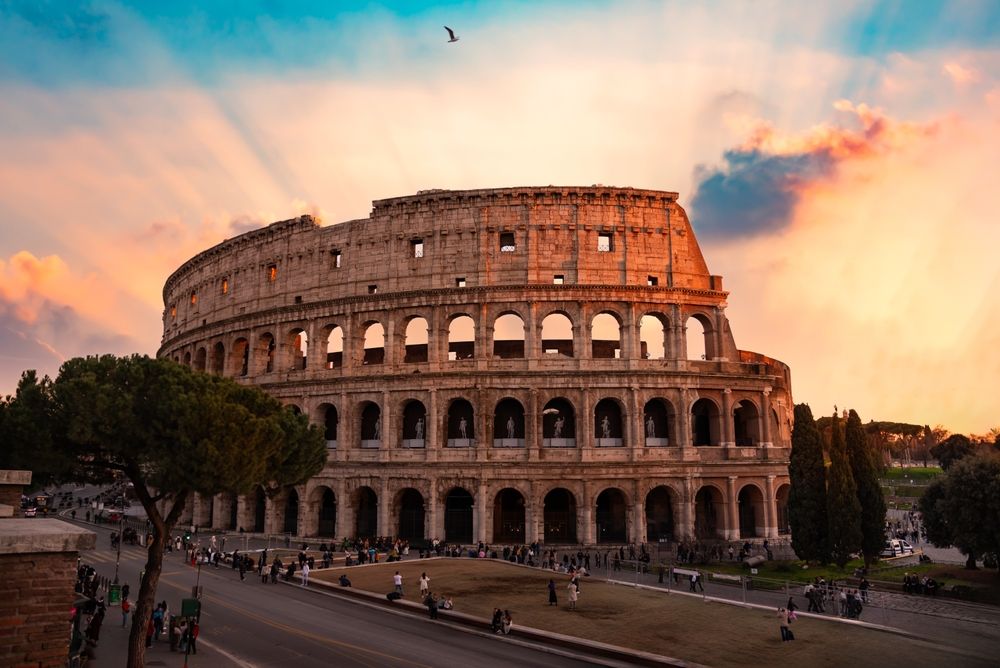
Rome, the eternal city and open-air museum, houses some of the world's most prestigious museums. Between ancient remains, masterpieces and exceptional collections, the Italian capital offers cultural heritage of extraordinary richness. Discover the 14 must-see museums that will make your Roman stay an unforgettable experience, from the famous Vatican Museums to hidden treasures like the Centrale Montemartini.
1. The Vatican Museums – The Pontifical Treasure
The Vatican Museums (Viale Vaticano, 00165 Rome, rated 4.4/5 on Google for 155,000 reviews) constitute one of the most extraordinary museum complexes in the world. These 12 museums gather collections accumulated by popes since the Renaissance, extending over nearly 7 kilometers of galleries. The highlight of the visit remains undeniably the Sistine Chapel with Michelangelo's frescoes, but don't miss the Raphael Rooms, the Gallery of Maps and the Pinacoteca. To visit Rome optimally, these museums deserve at least a full half-day.
2. The Capitoline Museums – The World's Oldest Public Museums
Founded in 1471, the Capitoline Museums hold the title of the world's oldest public museums. Distributed between the Palazzo dei Conservatori and the Palazzo Nuovo, they house an exceptional collection of ancient art and Roman sculptures. You'll discover the famous equestrian statue of Marcus Aurelius, the Capitoline Wolf (symbol of Rome) and the stunning collection of Roman emperor busts. The terrace also offers a breathtaking view of the Roman Forum. These museums constitute an essential stop to understand the history of ancient Rome while following the Ryo visiting itinerary.
3. Borghese Gallery – Rome's Artistic Jewel
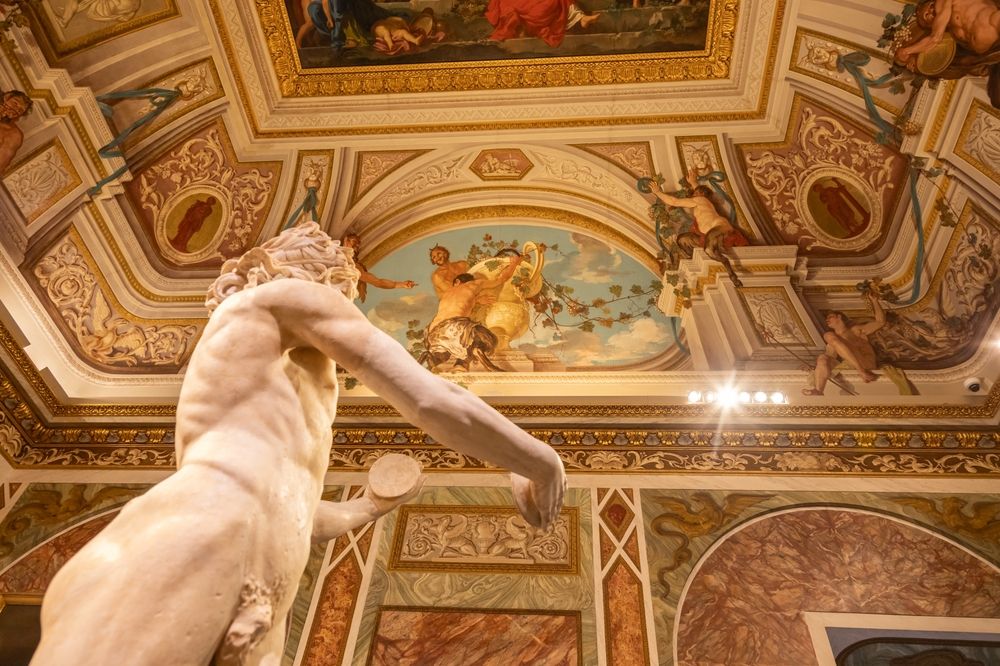
Located in the sublime Villa Borghese at the heart of the eponymous park, Borghese Gallery (Piazzale Scipione Borghese, 5, 00197 Rome, rated 4.6/5 on Google for 18,000 reviews) ranks among Rome's most beautiful museums. This private collection gathered by Cardinal Scipione Borghese in the 17th century presents masterpieces by Bernini, Caravaggio, Titian and other Renaissance and Baroque masters. The sculptures of Apollo and Daphne or Pauline Borghese are among the most admired. The mandatory reservation and maximum two-hour visit slots make this experience even more precious.
Download the audio-guided circuit to discover Rome on foot and independently
Explore Rome like never before with our audio-guided visiting itinerary. This intelligent route takes you through 23 major points of interest in the Italian capital, from the Colosseum to the Vatican, passing through the hidden treasures of Trastevere. Let yourself be guided by our historical explanations, captivating anecdotes and practical advice for an autonomous and enriching discovery of the eternal city.
4. Castel Sant'Angelo – Fortress Turned Museum
Initially built as Emperor Hadrian's mausoleum in the 2nd century, Castel Sant'Angelo (Lungotevere Castello, 50, 00193 Rome, rated 4.3/5 on Google for 14,500 reviews) has crossed the centuries changing functions: mausoleum, pontifical fortress, prison, and today museum. Its strategic position on the Tiber banks and its connection with the Vatican via the covered passage make it a privileged witness to Roman history. The richly decorated papal apartments, the collection of ancient weapons and the panoramic terrace with views of St. Peter's are well worth the visit. An audio guide allows you to fully appreciate the 2000 years of history of this exceptional building.
5. National Roman Museum – Palazzo Massimo
Palazzo Massimo (Largo di Villa Peretti, 2, 00185 Rome, rated 4.4/5 on Google for 3,200 reviews) constitutes the main seat of the National Roman Museum and houses one of the world's finest collections of ancient art. Spread over four floors, it presents sculptures, frescoes, mosaics and art objects dating from the Republican to the late Imperial period. The frescoes from Livia's villa and the polychrome mosaics are among the most remarkable pieces. This museum offers a complete vision of Roman decorative art and constitutes an ideal complement to the city's archaeological sites for anyone wishing to visit Rome in depth.
6. MAXXI – National Museum of 21st Century Arts
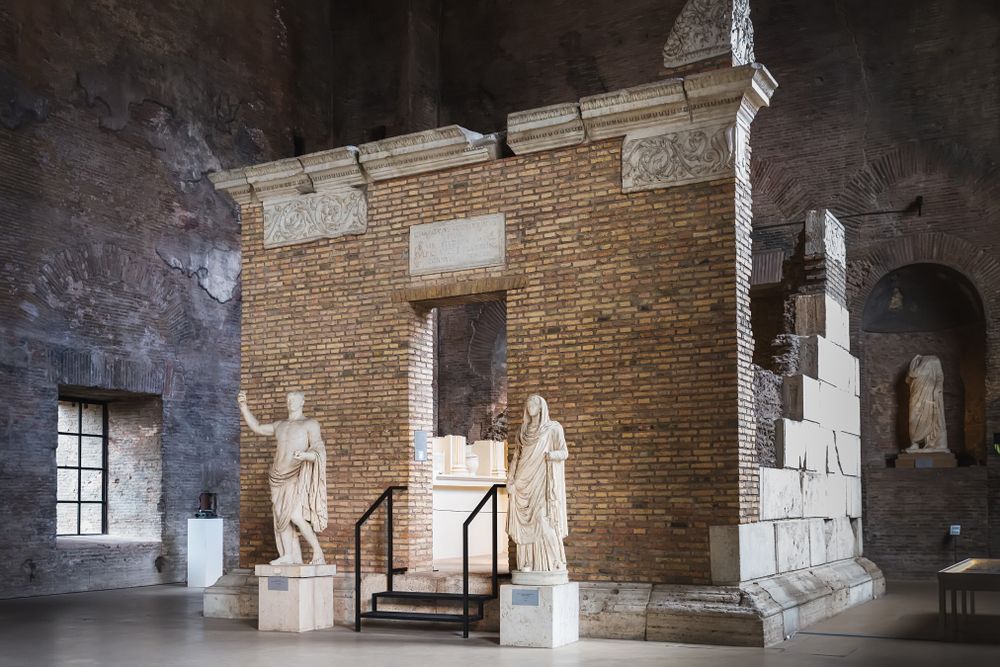
Designed by architect Zaha Hadid and inaugurated in 2010, MAXXI (Via Guido Reni, 4a, 00196 Rome, rated 4.1/5 on Google for 5,800 reviews) represents architectural modernity in the heart of Rome. This revolutionary museum, dedicated to contemporary art and architecture, offers international temporary exhibitions as well as a permanent collection of contemporary works. The fluid and innovative architecture of the building constitutes a work of art in itself. MAXXI offers a striking contrast with traditional Roman museums and testifies to the contemporary artistic vitality of the Italian capital.
7. National Gallery of Modern Art (GNAM)
Located in Villa Borghese, the National Gallery of Modern Art (Viale delle Belle Arti, 131, 00197 Rome, rated 4.2/5 on Google for 1,800 reviews) presents the most important Italian collection of modern and contemporary art. Founded in 1883, it traces artistic evolution from the 19th to the 21st century through paintings, sculptures and installations. You'll discover works by Cézanne, Monet, Van Gogh, but also major Italian artists like De Chirico, Balla or Fontana. This collection allows understanding the evolution of modern Italian art and its links with European movements, offering a unique perspective on contemporary Italian creativity.
8. Villa Giulia – National Etruscan Museum
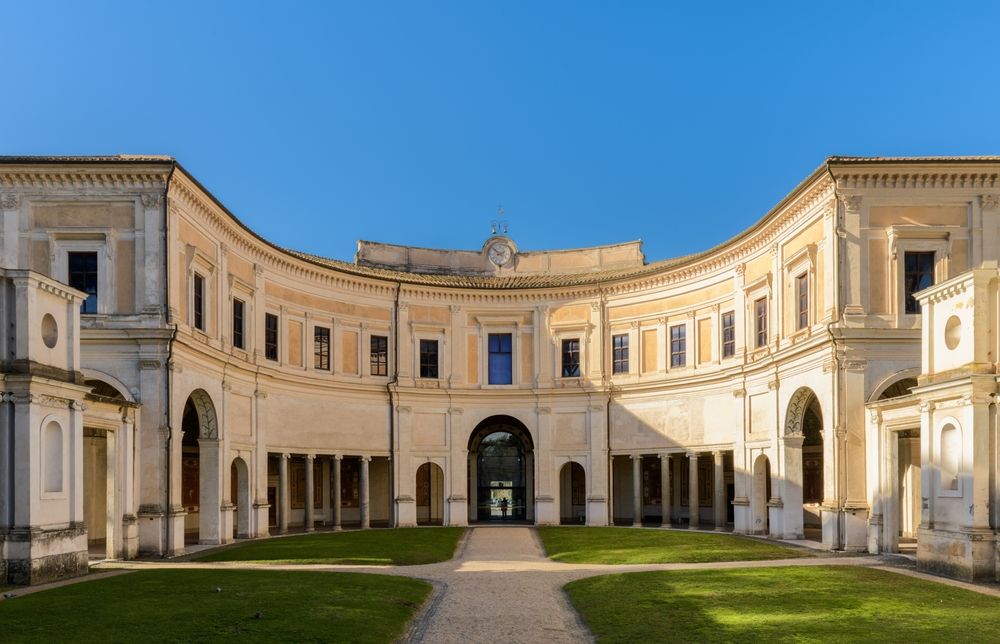
Villa Giulia (Piazzale di Villa Giulia, 9, 00196 Rome, rated 4.3/5 on Google for 2,400 reviews) houses the world's most important Etruscan museum. This elegant Renaissance villa built for Pope Julius III presents an exceptional collection of Etruscan and Faliscan art. The famous Sarcophagus of the Spouses from Cerveteri, refined gold jewelry and frescoes from the painted tombs of Tarquinia constitute the masterpieces of this museum. This visit allows discovering the civilization that preceded Rome and appreciating the artistic richness of pre-Roman Italy, perfectly complementing the discovery of traditional Roman museums.
9. Palazzo Altemps – Ancient Sculptures
Second seat of the National Roman Museum, Palazzo Altemps (Piazza di Sant'Apollinare, 46, 00186 Rome, rated 4.3/5 on Google for 1,900 reviews) specializes in ancient sculptures and historical private collections. This Renaissance palace near the Pantheon presents sculptural masterpieces like the Ludovisi Throne, the Altemps Hermes and magnificent sculpted sarcophagi. The Renaissance frescoes of the palace create a sumptuous setting for these antiquities. The interior courtyard with its decorated loggias offers an exceptional architectural setting that enhances the exhibited works. This lesser-known museum deserves a visit for its quality collection and refined atmosphere.
10. Baths of Diocletian
Third site of the National Roman Museum, the Baths of Diocletian (Viale Enrico de Nicola, 79, 00185 Rome, rated 4.2/5 on Google for 2,100 reviews) testify to the grandeur of Roman public baths. These baths, the largest in ancient Rome, accommodated up to 3,000 people simultaneously. Today transformed into a museum, they present a remarkable collection of epigraphy, sculptures and objects from Roman daily life. The Basilica of Santa Maria degli Angeli, designed by Michelangelo in the former cold room, testifies to the creative reuse of ancient monuments. This visit allows understanding the importance of baths in Roman society while admiring monumental ancient architecture.
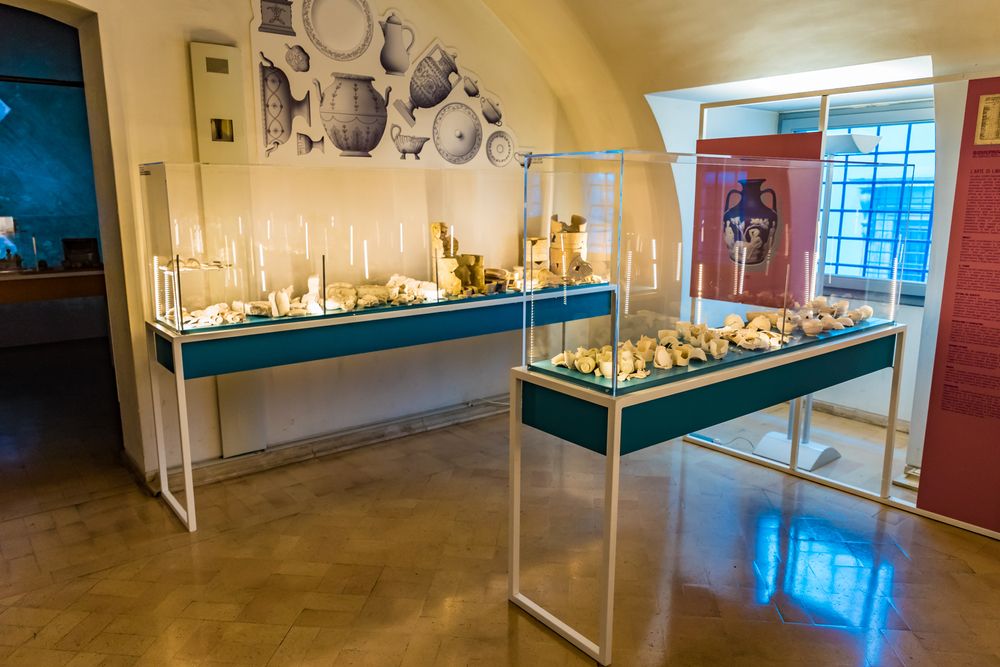
11. Crypta Balbi – Urban Archaeology
Fourth site of the National Roman Museum, Crypta Balbi (Via delle Botteghe Oscure, 31, 00186 Rome, rated 4.1/5 on Google for 850 reviews) constitutes a unique example of an urban archaeology museum. Built on the remains of the Theater of Balbus (13 BC), this site traces 2,000 years of Roman history through different archaeological layers. The museum presents the neighborhood's evolution from Antiquity to the Middle Ages, illustrating Rome's urban transformations. Objects from daily life, medieval ceramics and testimonies of local craftsmanship offer a unique perspective on the social history of the eternal city.
12. Villa Farnesina – Renaissance Frescoes
Located in the Trastevere district, Villa Farnesina (Via della Lungara, 230, 00165 Rome, rated 4.4/5 on Google for 1,200 reviews) represents one of the finest examples of Renaissance villa in Rome. Built in the early 16th century for banker Agostino Chigi, it houses exceptional frescoes by Raphael, Sebastiano del Piombo and Baldassarre Peruzzi. The Loggia of Psyche with Raphael's frescoes and the Galatea Room constitute the visit's highlights. This villa testifies to the artistic refinement of the Roman Renaissance and the wealth of the period's patrons. Its visit pairs perfectly with discovering the charming Trastevere neighborhood.
13. Villa Medici – French Academy
Perched on the Pincio hill, Villa Medici (Viale della Trinità dei Monti, 1, 00187 Rome, rated 4.3/5 on Google for 2,800 reviews) has housed the French Academy in Rome since 1803. This prestigious institution, created by Louis XIV, allows young French artists to perfect their training in the eternal city. The gardens offer an exceptional panoramic view of Rome, while the historic apartments and studios testify to the French artistic tradition in Rome. Special visits allow discovering the collections, gardens and history of this bicentennial institution. The villa regularly offers temporary exhibitions showcasing the work of current residents.
14. Centrale Montemartini – Ancient and Industrial Art
Unique in its kind, Centrale Montemartini (Via Ostiense, 106, 00154 Rome, rated 4.4/5 on Google for 3,500 reviews) presents revolutionary scenography by exhibiting ancient sculptures in a former early 20th-century power plant. This annex of the Capitoline Museums creates a striking contrast between millennial marbles and industrial machines. Roman statues, usually presented in classical settings, acquire a new dimension in contact with this industrial environment. This original staging, initially temporary, has won over the public and now constitutes a permanent museum essential for anyone seeking an innovative approach to ancient art.
In conclusion, Rome offers exceptional museographic diversity that satisfies all tastes and curiosities. From the must-see Vatican Museums to more confidential discoveries like Crypta Balbi, each institution tells a facet of the eternal city's millennial history. To optimize your discovery of these cultural treasures, don't hesitate to follow the Ryo visiting itinerary which will intelligently guide you through Rome's wonders, allowing you to alternate museum visits with discovering the Italian capital's emblematic monuments.
Frequently Asked Questions
Which museums are free in Rome?
Several Roman museums offer free admission on the first Sunday of each month, notably the Capitoline Museums, Castel Sant'Angelo and National Roman Museum sites. St. Peter's Basilica remains accessible free every day.
Should I book tickets in advance for Rome's museums?
Booking is strongly recommended, particularly for the Vatican Museums, Borghese Gallery (mandatory) and Castel Sant'Angelo. This allows avoiding long queues and guaranteeing access on your desired dates.
How much time should I allow for visiting Rome's main museums?
Allow 3-4 hours for the Vatican Museums, 2 hours for Borghese Gallery, 2-3 hours for the Capitoline Museums, and 1.5 to 2 hours for other museums. Planning over several days allows fully enjoying each visit without exhaustion.
Are there passes to visit multiple museums in Rome?
The Roma Pass offers free access to the first two chosen sites and discounts on following ones, plus free public transport. The National Roman Museum combined ticket gives access to all four sites (Palazzo Massimo, Palazzo Altemps, Baths of Diocletian, Crypta Balbi) for 48 hours.