
Créé par Romane, le 7 mai 2026
Votre guide Ryo
© Shutterstock
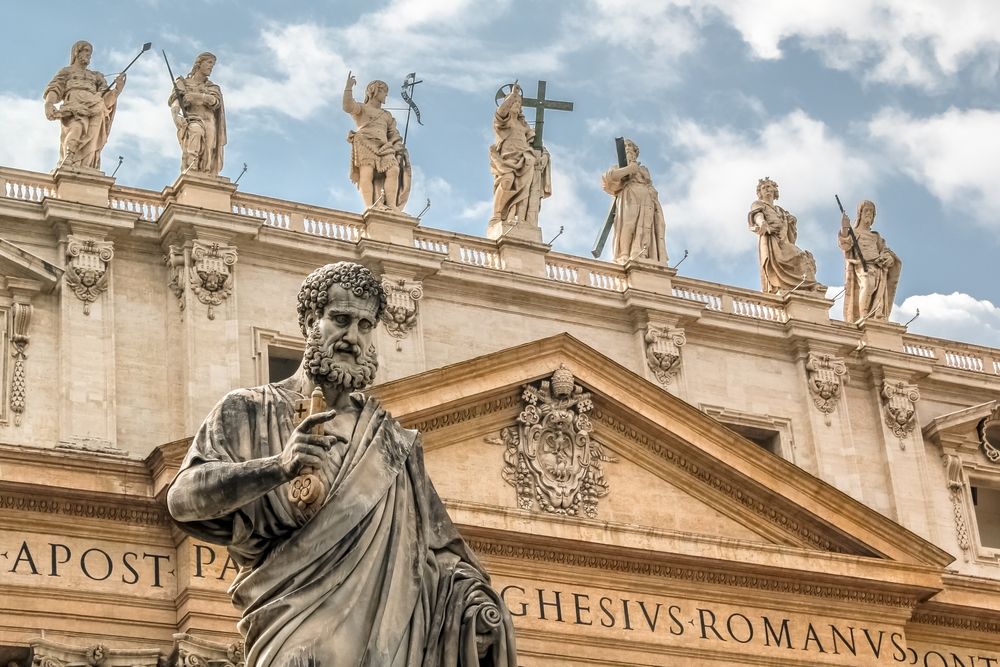
The Vatican, the world's smallest state nestled in the heart of Visit Rome, is one of the most visited tourist sites on the planet. Between prestigious museums, the Sistine Chapel and St. Peter's Basilica, this holy place of Christianity attracts millions of visitors each year, amazed by its artistic and architectural treasures. Whether you're an art lover, history enthusiast or simply curious, a visit to the Vatican is essential during your stay in the Eternal City. Here's all the practical information to best organize your discovery of Vatican City.
How to get to the Vatican?
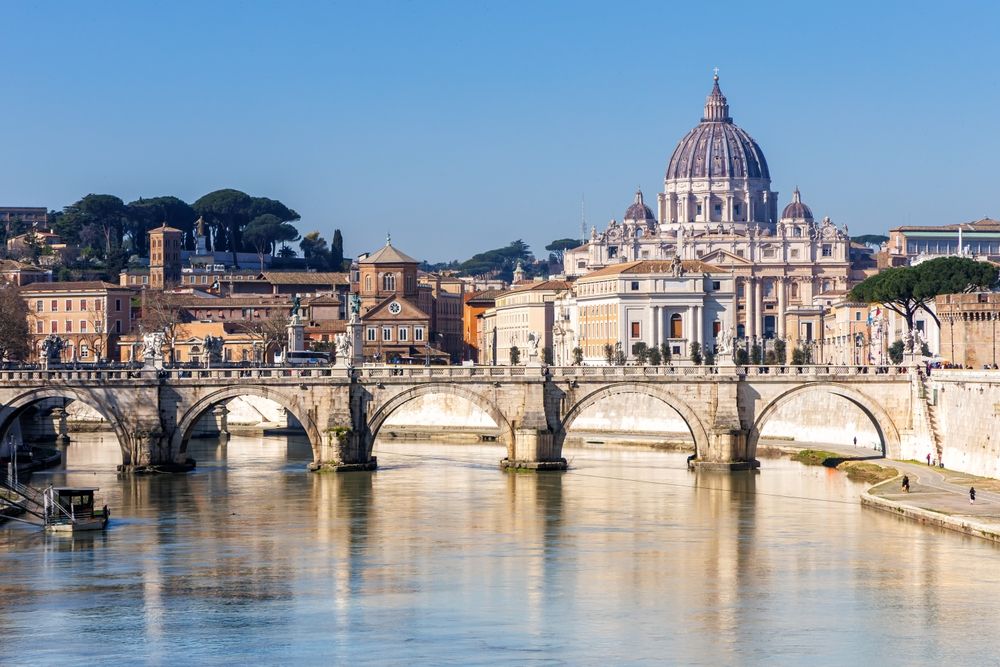
The Vatican is located in the western district of Rome, near the Tiber. Several means of transport make it easy to reach this emblematic site from any point in the Italian capital.
By metro
Line A of the Roman metro is the fastest way to access the Vatican. Two stations will drop you off in the immediate vicinity: Ottaviano-San Pietro and Cipro. The first option remains the most practical, as it leaves you just 5 minutes' walk from St. Peter's Square. From Termini station, count about 15 minutes of journey time. The metro ticket costs €1.50 and remains valid for 100 minutes on the entire public transport network.
By bus
Several bus lines serve the Vatican and its surroundings. Lines 64, 40, 62 and 81 notably depart from Termini and stop near Via della Conciliazione or Piazza Risorgimento. Bus 64, nicknamed the "pickpocket bus" due to its heavy tourist traffic, directly connects Termini to the Vatican in about thirty minutes. Stay vigilant with your personal belongings during the journey.
On foot
If you're staying in the historic center of Rome, reaching the Vatican on foot is an excellent option to discover the city. From the Pantheon or Piazza Navona, count about 20 to 30 minutes of pleasant walking along Roman streets. The Ryo audio guide itinerary actually accompanies you from the historic center to the Vatican, making you discover Rome's most beautiful monuments along your way.
By taxi or ride-sharing
Official white taxis and ride-sharing services like Uber work perfectly in Rome. A ride from Termini to the Vatican costs about €15 to 20. This solution proves practical if you're traveling in a group or with children, but traffic jams can considerably lengthen the journey time during rush hours.
Vatican opening hours
The hours vary according to the different sites you wish to visit at the Vatican. It's worth planning your day well to optimize your time on site.
Vatican Museums and Sistine Chapel
The Vatican Museums, which include the visit to the Sistine Chapel, open their doors Monday to Saturday from 8 AM to 8 PM (last entry at 6 PM). On the last Sunday of each month, an exceptional opening from 9 AM to 2 PM (last entry at 12:30 PM) allows free visits to the museums. However, be careful: this free admission attracts enormous crowds and waiting lines can reach several hours. The museums remain closed on Sundays (except the last of the month), as well as during certain important religious holidays like Easter, June 29 (Saints Peter and Paul), December 25 and 26.
St. Peter's Basilica
The St. Peter's Basilica welcomes visitors every day from April to September from 7 AM to 7 PM, and from October to March from 7 AM to 6:30 PM. Entry to the basilica remains free, but expect to queue, particularly during high tourist season. On Wednesday mornings, access may be disrupted due to the papal audience held on St. Peter's Square. The dome of the basilica can be visited from 8 AM to 6 PM in summer and until 5 PM in winter, with last access one hour before closing.
Vatican Gardens
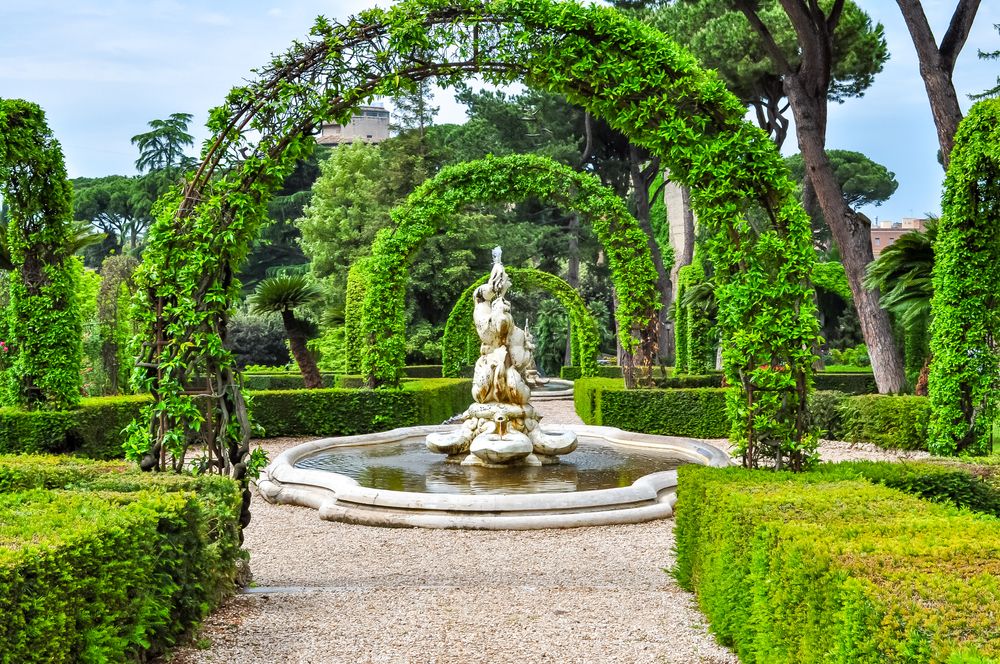
The magnificent Vatican Gardens can only be visited by prior reservation, as part of organized guided tours. These visits generally take place in the morning and last about two hours. As the number of places is very limited, book several weeks in advance if you wish to discover these green spaces unknown to the general public.
Prices and tickets for the Vatican
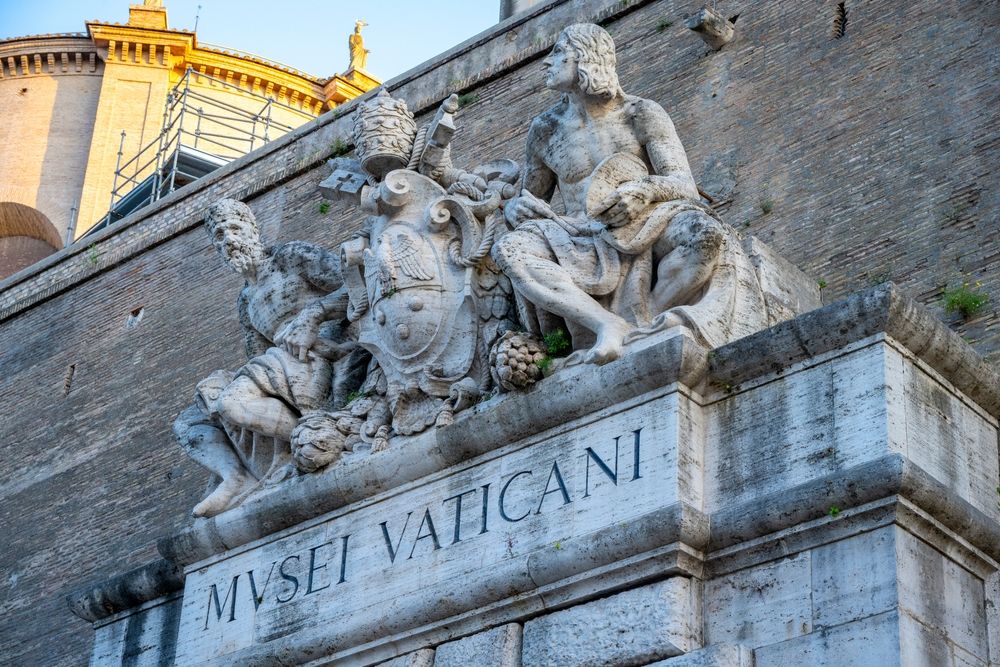
Understanding the Vatican's pricing structure will help you better prepare your budget and choose the formula suited to your desires.
Vatican Museums and Sistine Chapel
The official entry price to the Vatican Museums amounts to €20 full price (purchase on site without reservation). Young people from 6 to 18 years old and students up to 25 years old benefit from a reduced rate of €8. Entry remains free for children under 6 years old. If you book online on the official website, you will need to add €5 reservation fee, but this modest surcharge guarantees you a time slot and saves you hours of endless waiting. Third-party booking sites generally offer skip-the-line tickets between €30 and 45, sometimes including an audio guide or guided tour.
St. Peter's Basilica
Entry to St. Peter's Basilica remains completely free. However, if you wish to climb to the top of the dome to enjoy an exceptional panoramic view of Rome, budget €10 if you take the elevator to the terrace (there are still 320 steps to climb), or €8 if you climb the 551 steps on foot from ground level. This sporty ascent amply rewards the efforts made with a unique perspective on the Eternal City.
Combined passes and packages
Several tourist passes include access to the Vatican in their offer. The Roma Pass, although advantageous for many Roman sites, unfortunately doesn't include the Vatican Museums which constitute an independent state. Some tour operators offer packages combining Vatican, Colosseum and other Roman monuments, with transport and guide included. Compare these offers carefully as they are not always more economical than a direct reservation.
Download the audio-guided circuit to discover Rome on foot and independently
To fully enjoy your Roman stay, download the Ryo audio guide itinerary on Rome. This intelligent route guides you through the streets of the Italian capital, from the Colosseum to the Vatican, passing through all the unmissable monuments. Thanks to audio commentary available in French, you'll discover the fascinating history of each place at your own pace, without depending on the imposed schedules of classic guided tours.
What to see and do at the Vatican?
The Vatican is full of artistic and architectural treasures that well deserve dedicating an entire day. Here are the absolutely unmissable sites during your visit.
1. The Vatican Museums
The Vatican Museums constitute one of the world's largest museum complexes, housing a collection of art and historical objects accumulated by the popes since the 16th century. The visit route extends for nearly 7 kilometers and presents works ranging from Antiquity to contemporary art. Among the most remarkable sections, don't miss the Pio-Clementino museum with its ancient sculptures, the tapestry gallery with its monumental Flemish hangings, and the geographic maps gallery 120 meters long.
2. The Sistine Chapel
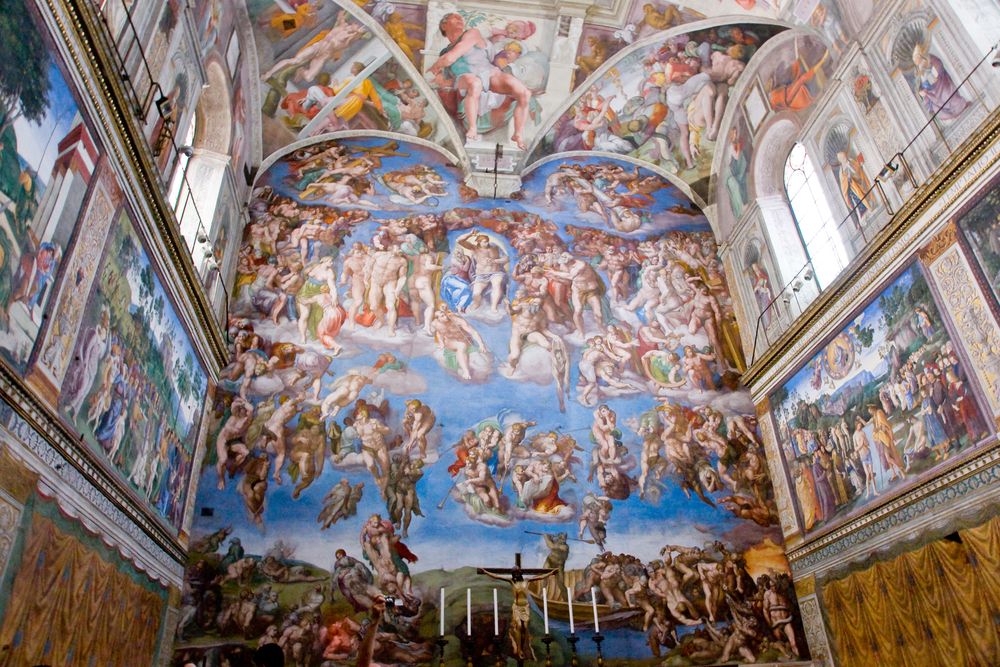
The climax of the museum visit, the Sistine Chapel captivates with the magnificence of its frescoes. The ceiling painted by Michelangelo between 1508 and 1512 represents scenes from Genesis, including the famous Creation of Adam. The altar wall houses the Last Judgment, also made by Michelangelo several decades later. This chapel still serves today as the setting for conclaves for the election of popes. Note that photographs and videos are strictly forbidden in the Sistine Chapel, and absolute silence must be respected.
3. Raphael's Rooms
These four rooms, decorated by Raphael and his pupils between 1508 and 1524, constitute another jewel of the Vatican Museums. The Room of the Signature notably houses "The School of Athens", an absolute masterpiece of the Renaissance representing the greatest philosophers of Antiquity. The frescoes illustrate philosophy, theology, poetry and justice, themes dear to the papacy of the time.
4. St. Peter's Basilica
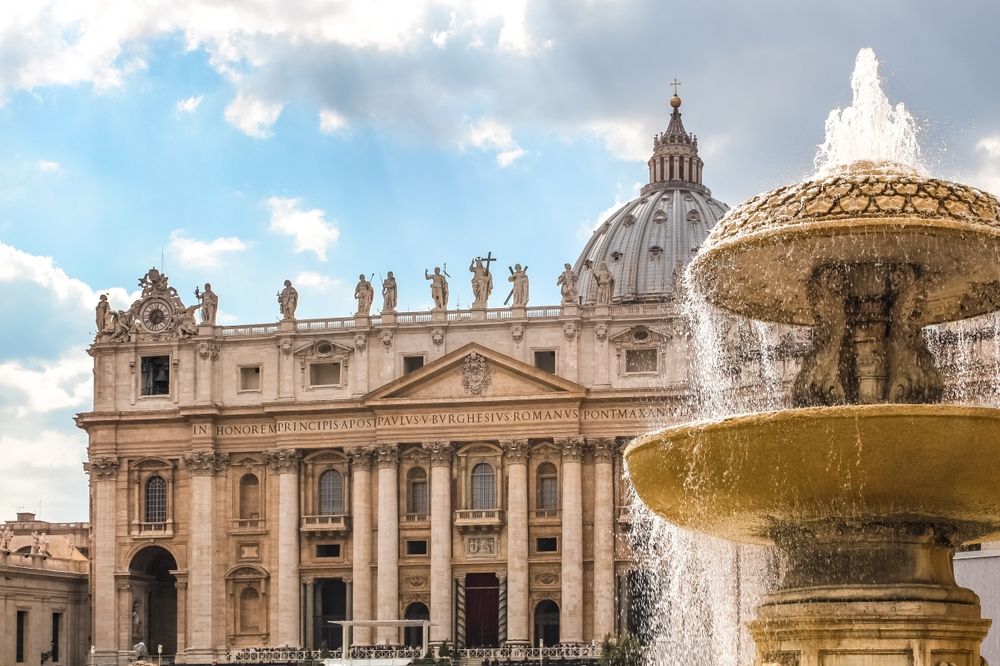
Built on the presumed tomb of the apostle Peter, St. Peter's Basilica impresses with its colossal dimensions and ornamental richness. The central nave, 211 meters long, makes it one of the largest Christian churches in the world. Inside, admire Michelangelo's Pietà, a marble sculpture of exceptional finesse made when the artist was only 24 years old, as well as Bernini's baroque bronze canopy that surmounts the high altar. The dome designed by Michelangelo culminates at 136 meters high and offers a spectacular view of Rome and the Vatican gardens.
5. St. Peter's Square
This monumental square, designed by Bernini in the 17th century, regularly hosts papal ceremonies and can contain up to 300,000 people. Its elliptical colonnade composed of 284 Doric columns symbolizes the arms of the Church welcoming the faithful. In the center stands an Egyptian obelisk brought to Rome by Emperor Caligula. On Wednesday mornings, when the pope holds audience, the special atmosphere of the square is worth the detour, even if access to the museums may be disrupted. The Ryo itinerary allows you to discover St. Peter's Square in context, after having crossed Rome's most beautiful neighborhoods.
6. The Vatican Gardens
Extending over 23 hectares, or more than half of the Vatican's total surface area, the gardens constitute a haven of peace unknown to visitors. Developed since the 13th century, they blend Italian, English and French styles, adorned with fountains, sculptures and small sanctuaries. The mandatory guided tour makes you discover this secret side of the Vatican, far from the tourist excitement of the museums.
Booking your Vatican tickets
Prior reservation of your tickets is the key to a successful Vatican visit. Without reservation, you risk waiting several hours under the Roman sun, particularly in high season.
Vatican official website
The official Vatican Museums website (museivaticani.va) offers a reliable and secure online reservation system. You will need to select a precise date and time slot for your visit. This reservation guarantees you entry to the museums and the Sistine Chapel without prolonged waiting. The ticketing system generally opens reservations about two months in advance. During periods of high attendance (Easter, summer, Christmas), the most popular slots fill up quickly.
Other booking platforms
Many tourist sites offer skip-the-line tickets for the Vatican, often at higher rates than the official site. However, these platforms sometimes offer interesting additional services: audio guides in French, guided tours in small groups, even faster priority access, or combined packages with other Roman sites. Read the conditions carefully and compare offers before booking.
Guided tours
Guided tours represent an excellent option to truly understand the works exhibited at the Vatican. An experienced guide will take you directly to the masterpieces while avoiding the less interesting sections, while providing valuable historical and artistic insight. Tours in French exist but are less frequent than those in English or Italian. For a more intimate and flexible discovery, opt for the Ryo audio guide which will allow you to explore Rome and the Vatican at your own pace.
Dress code and rules to respect
The Vatican applies a strict dress code that all visitors must respect or risk being denied entry. These rules apply to both the museums and St. Peter's Basilica.
Mandatory dress code
Shoulders and knees must be covered to access Vatican sites. Therefore forbidden are: tank tops, thin-strap tops, short shorts, miniskirts, low-cut dresses and transparent clothing. This rule applies to all visitors, men and women, regardless of season. Even in the middle of summer, under scorching heat, you must wear appropriate clothing. Bring a light scarf or shawl to cover your shoulders if needed, and prefer light pants or a long skirt to shorts.
Prohibited accessories
Hats and caps must be removed inside religious buildings. Large backpacks are not allowed and must be left at the free cloakroom located at the museum entrance. If you're carrying a photo tripod, large umbrellas or walking sticks (except those necessary for walking), you must also leave them at the cloakroom.
Rules of conduct
Silence and respect are required in all Vatican spaces. In the Sistine Chapel, guards regularly call to order visitors who are too noisy. Photos are allowed in most museums (without flash), but strictly forbidden in the Sistine Chapel. Eating, drinking and smoking are prohibited throughout the museums. Drinking water fountains are available in the gardens and on certain squares to quench your thirst.
Practical tips for visiting the Vatican
A few tips will allow you to optimize your visit and avoid the most common inconveniences encountered by tourists at the Vatican.
Best time to visit
The Vatican sees record attendance all year round, but certain periods prove less busy than others. The months from November to February generally offer a more pleasant experience with fewer visitors. Absolutely avoid the months of July-August when crowds and heat make the visit exhausting. During the week, favor Tuesdays and Thursdays which attract less crowd than Mondays (many Roman museums closed on this day) and Fridays (proximity to the weekend). On Wednesday, the papal audience disrupts access and generates large crowds. In terms of schedule, arrive as early as opening at 8 AM to enjoy relative tranquility in the first rooms, or opt for late afternoon after 4 PM when tourist groups start to leave.
Recommended visit duration
Count a minimum of 3 hours for a visit to the Vatican Museums and the Sistine Chapel in accelerated mode. For a more complete and serene discovery, plan rather 4 to 5 hours. If you add the visit to St. Peter's Basilica and the dome ascent, a full day becomes necessary. The basilica alone deserves 1.5 to 2 hours of visit. Don't underestimate physical fatigue: the museum route requires walking several kilometers and the dome climb proves particularly sporty.
On-site services
The Vatican Museums have several cafeterias and food points, but prices are quite high. If your budget is tight, go out to eat in the surrounding neighborhood where you'll find many restaurants at more reasonable rates. Toilets are available at different points along the museum route. A free cloakroom allows you to leave your bulky belongings. A well-stocked bookstore offers books on Vatican art and history, as well as reproductions of works.
Accessibility
The Vatican Museums are generally accessible to people with reduced mobility thanks to elevators and ramps installed in most sections. An adapted route allows seeing the main works without taking stairs. For St. Peter's Basilica, access remains easy at ground level, but the dome ascent remains impossible for people in wheelchairs or having difficulty moving. Find out beforehand on the official website to organize your visit in the best conditions.
Visiting with children
The Vatican can be visited very well as a family, but the length of the route can tire the youngest. Favor a targeted visit to the most spectacular works rather than an exhaustive discovery. The Sistine Chapel generally fascinates children with its dimensions and bright colors. To make the visit more fun, download game booklets or mobile apps specially designed for young audiences beforehand. On St. Peter's Square, children will enjoy looking for the exact point where the colonnade columns align perfectly.
How much time to plan for visiting the Vatican?
The question of time needed to visit the Vatican comes up frequently. The answer largely depends on your level of interest in art and history, as well as your personal visit pace.
For an express visit focused only on the must-sees (map gallery, Raphael's rooms, Sistine Chapel), count about 2.5 to 3 hours. This formula suits visitors in a hurry or having moderate interest in the collections.
For a complete visit of the museums and Sistine Chapel, plan 4 to 5 hours. This timing allows exploring the different sections more peacefully, taking some breaks, and truly appreciating the works without running.
If you wish to add the visit to St. Peter's Basilica without climbing the dome, add 1.5 to 2 hours. The basilica deserves taking time to tour it completely to admire all its chapels and artworks.
Finally, for a complete Vatican day including museums, Sistine Chapel, St. Peter's Basilica and dome ascent, count 6 to 7 hours on site. This exhaustive formula is for art and architecture enthusiasts who want to see everything in detail. Don't forget to integrate into your planning the possible waiting time at the entrance (even with reservation, a small waiting time remains for security checks) and a lunch break to regain strength.
Where to eat near the Vatican?
The Vatican neighborhood is full of restaurants, pizzerias and trattorias for all budgets. However, beware of tourist traps located immediately around St. Peter's Square which often charge excessive prices for mediocre quality.
To find good authentic addresses, move a few streets away from the ultra-tourist areas. The Prati district, located right next to the Vatican, offers excellent options frequented by Romans themselves. Via Cola di Rienzo and its surroundings concentrate many restaurants serving traditional cuisine at reasonable prices. For a quick and economical break, opt for a slice of pizza al taglio (pizza sold by weight) in one of the neighborhood's many takeaway pizzerias. You can then picnic on the banks of the Tiber nearby. If you prefer a real seated meal, book a table in a neighborhood trattoria where you'll taste delicious Roman pasta like cacio e pepe or carbonara in their authentic version. By following the Ryo itinerary, you'll also discover excellent restaurant addresses located on your route through Rome.
Is it possible to visit the Vatican for free?
If your travel budget is tight, know that there are some opportunities to visit certain Vatican sites for free or at lower cost.
The St. Peter's Basilica can be visited for free every day. You will simply have to wait in line to pass security checks. This basilica alone justifies the trip to the Vatican with its impressive dimensions and artistic treasures like Michelangelo's Pietà.
The Vatican Museums and Sistine Chapel open their doors for free on the last Sunday of each month, from 9 AM to 12:30 PM (last entry). This free admission logically attracts considerable crowds and waiting lines can reach 3 to 4 hours. If you opt for this economical solution, arrive as early as 7:30 AM to have a chance of entering within a reasonable time. Also note that this free admission doesn't apply if the last Sunday coincides with certain religious holidays (Easter, June 29, December 25 or 26).
The St. Peter's Square remains accessible free at all hours. You can stroll there freely, admire Bernini's colonnade and the Egyptian obelisk, and attend Wednesday morning papal audiences (with prior free registration). The unique atmosphere of this monumental square is really worth the detour, even if you don't visit the museums.
For holders of tour guide cards or art history student cards, substantial reductions or free admission may apply. Find out beforehand about eligibility conditions.
In conclusion, a visit to the Vatican represents a must during your Roman stay. Between Renaissance masterpieces, grandiose architecture and millennial history, this small state concentrates an exceptional density of cultural treasures. With good preparation, advance booking of your tickets and respect for dress rules, you'll fully enjoy this unique experience. Don't forget to complete your Vatican discovery with a thorough exploration of Rome by downloading the Ryo app which will guide you through the most beautiful monuments of the Eternal City, from the Colosseum to St. Peter's Square. Let yourself be carried by the French audio guides that bring to life the fascinating history of the Italian capital and transform your stroll into a true cultural immersion.
Frequently asked questions about visiting the Vatican
Do you need to book in advance to visit the Vatican?
Yes, booking proves highly recommended, even essential in high season. Without a reserved ticket, you risk waiting 2 to 3 hours at the museum entrance. The official website allows booking up to two months in advance. For St. Peter's Basilica, no booking is possible, but waiting generally remains shorter (30 minutes to 1 hour depending on attendance).
Can you visit the Vatican on Sunday?
The Vatican Museums remain closed every Sunday, except the last Sunday of the month when entry is free from 9 AM to 12:30 PM. However, St. Peter's Basilica opens normally on Sunday with its usual hours. If you can only visit Rome on a weekend, favor Saturday for the museums.
How much does Vatican entry cost?
Entry to the Vatican Museums costs €20 full price (plus €5 booking fee online on the official site). The reduced rate amounts to €8 for young people and students. St. Peter's Basilica is free, only the dome ascent is paid (€8 to 10 depending on whether you climb entirely on foot or take the elevator to the terrace).
What outfit to wear to visit the Vatican?
An outfit covering shoulders and knees is required for all Vatican sites. Forbidden are: tank tops, short shorts, miniskirts, low-cut dresses. Even in hot weather, you must respect this dress code or risk being denied entry. Bring light pants or a long skirt, as well as a scarf to cover your shoulders if necessary.
Can you take photos at the Vatican?
Photographs (without flash) are allowed in most sections of the Vatican Museums and in St. Peter's Basilica. However, photos and videos are strictly forbidden in the Sistine Chapel. Guards ensure this rule is respected and don't hesitate to call offenders to order.
How long does it take to visit the Vatican?
Count 3 hours minimum for a quick visit of the museums and Sistine Chapel, 4 to 5 hours for a more complete discovery. Add 1.5 hours for St. Peter's Basilica and 1 additional hour if you climb the dome. A full day allows seeing everything comfortably without rushing.
Is the Vatican accessible to disabled people?
Yes, the Vatican Museums and St. Peter's Basilica are generally accessible to people with reduced mobility thanks to available elevators and ramps. An adapted route allows seeing the main works. However, the dome ascent remains impossible for wheelchair visitors. Contact the Vatican visitor service beforehand to organize your visit in the best conditions.