
Créé par Romane, le 20 juin 2026
Votre guide Ryo
Discover the ancient martial art of Sumo in Japan: history, tournaments and training
© Shutterstock
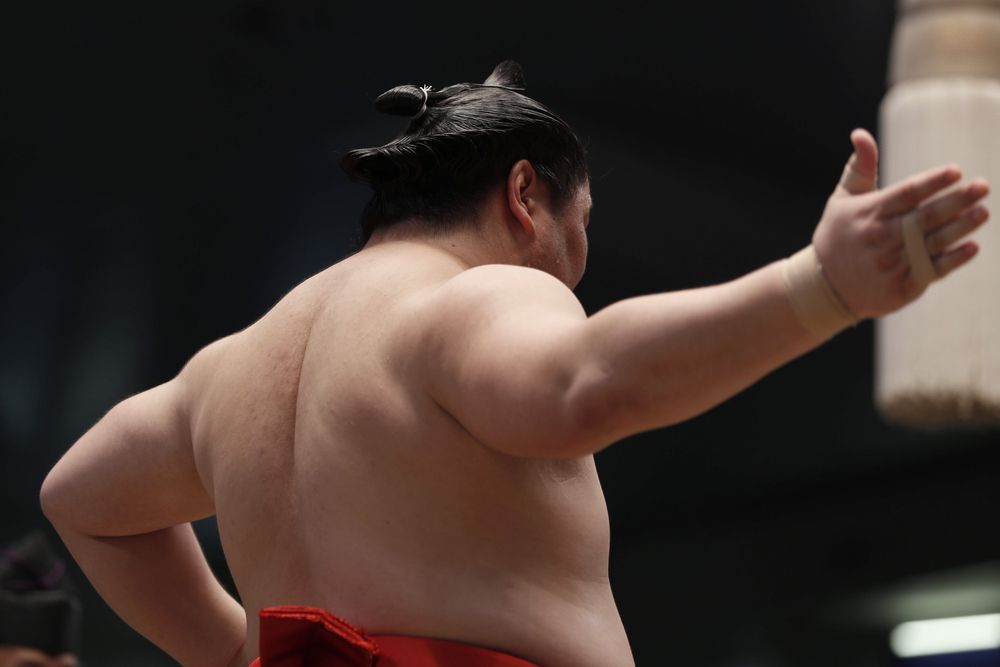
Sumo embodies the soul of Japan for over 1500 years. Much more than a simple wrestling sport, this ancient martial art is deeply rooted in Shinto traditions and Japanese culture. Between sacred rituals and demonstrations of brute force, sumo fascinates with its complexity and authenticity. Whether you are passionate about martial arts, a lover of Japanese culture or simply curious, discovering the world of sumo during a trip to the Land of the Rising Sun constitutes an unforgettable and deeply enriching experience.
The Shinto origins and millennial history of sumo
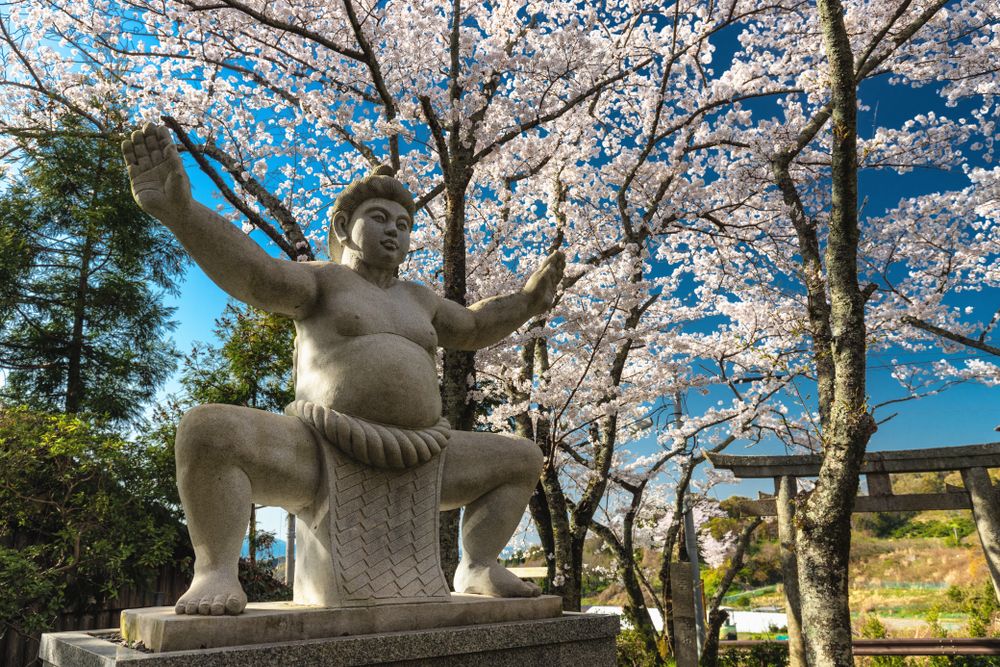
Sumo finds its roots in the most ancient Shinto rituals of Japan. From the Kofun period (3rd-7th century), wrestler figurines attest to the existence of this practice. According to the legend reported in the Kojiki, the oldest Japanese text dating from 712, sumo was born from a mythological combat between the gods Takemikazuchi and Takeminakata, whose outcome determined the possession of the Japanese islands. This religious dimension has never left sumo, which was initially practiced during shrine festivals to entertain the deities and guarantee good harvests.
Over the centuries, sumo evolved from a simple ritual dance into a true codified combat sport. During the Nara period (710-794), the first official tournaments were organized at the imperial court, marking the transformation of sumo into a spectacle. During the Edo period (1603-1868), sumo took its modern form with the establishment of the first hierarchical ranks and the appearance of professional stables called "heya". Today, sumo remains Japan's national sport, venerated as a living cultural treasure that perpetuates centuries-old traditions in contemporary Japan.
The fundamental rules and techniques of sumo combat
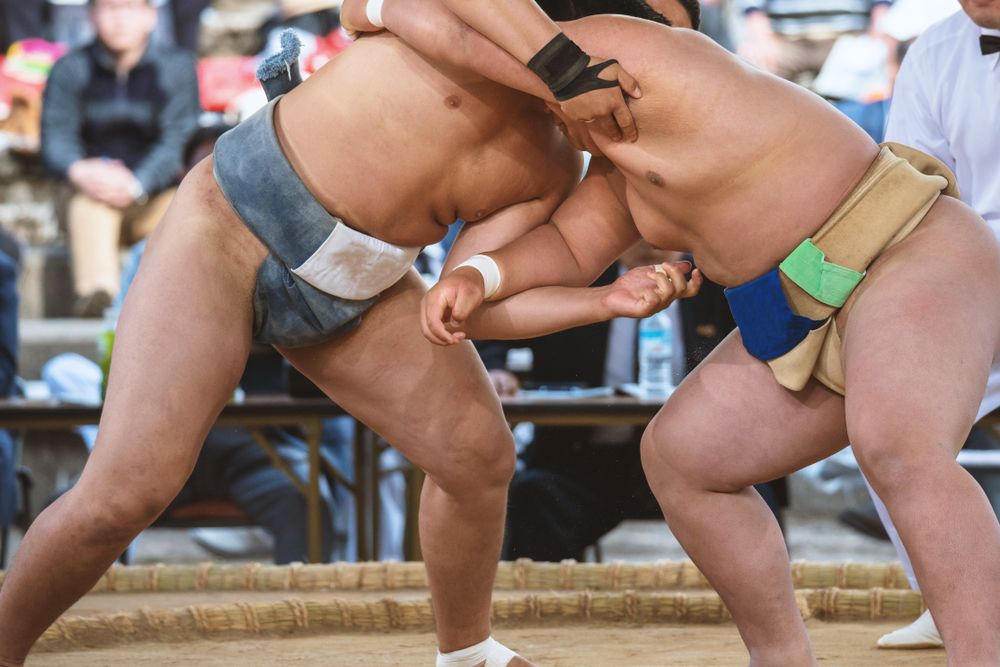
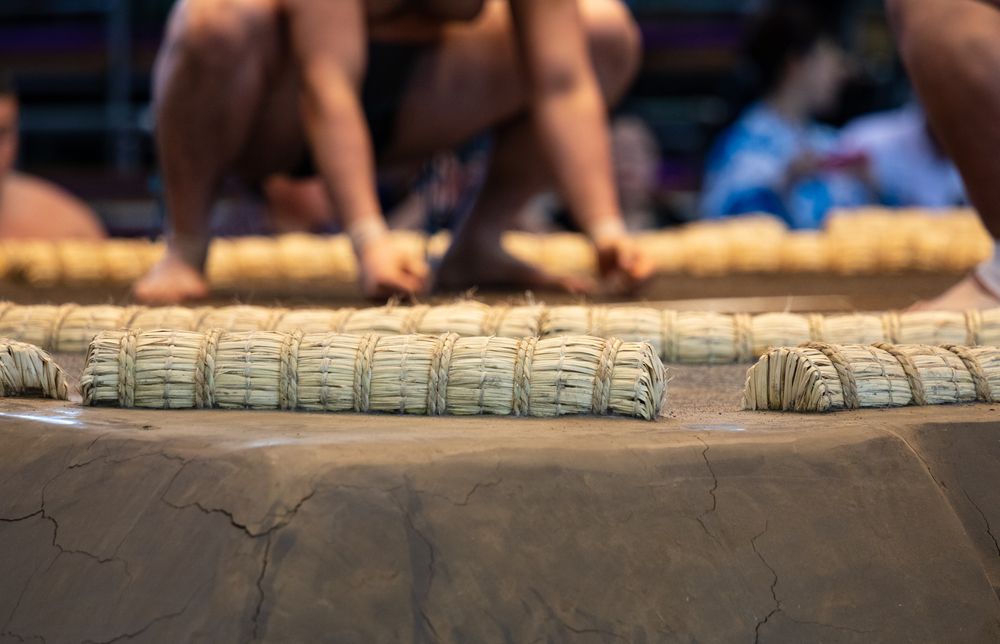
Sumo combat is distinguished by the apparent simplicity of its rules. Two wrestlers face each other in a sacred circle called "dohyō", with a diameter of 4.55 meters. The objective is clear: force your opponent out of the circle or make them touch the ground with any part of their body other than the soles of their feet. Despite this simplicity, sumo lists more than 82 official techniques, from belt grips to spectacular throws, including dodges and powerful pushes. Each rikishi only wears a "mawashi", this thick silk belt which constitutes the only authorized garment and whose strategic grip can determine the outcome of the fight.
The rules prohibit closed fist punches, kicks, strangulation and any grip on the hair. However, open slaps, throws and belt grips are perfectly authorized. Before each confrontation, the wrestlers perform the "shikiri", a preparation ritual that can last up to four minutes for the upper divisions. During this time, the combatants face each other, alternately lift their legs to chase away evil spirits in a movement called "shiko", throw salt to purify the ring and stare at each other intensely. This fascinating choreography is an integral part of the spectacle and testifies to the deep spiritual dimension of sumo.
The sacred rituals surrounding each combat
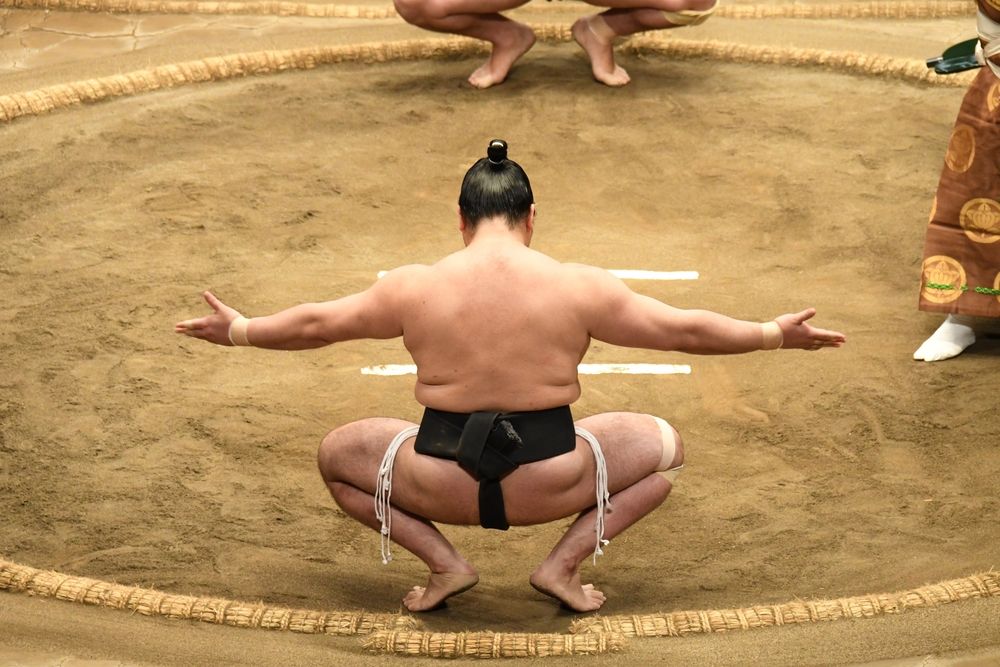
Sumo is inseparable from its millennial Shinto rituals. Even before the start of the fights, the dohyō is the subject of a consecration ceremony conducted by a Shinto priest. Salt is spread abundantly on the ring to purify it, a gesture that wrestlers repeat before each confrontation. This practice has its origin in the belief that salt keeps away evil spirits and protects fighters from injuries. During a tournament, it is thus several dozen kilos of salt that are used daily, transforming the ring into a sacred space.
The most spectacular ritual remains the "dohyō-iri", the ceremonial entrance of the champions of the supreme division. Dressed in richly embroidered aprons called "kesho-mawashi", the yokozuna and high-ranking wrestlers enter the arena according to a precise choreography, accompanied by their assistants. The yokozuna, supreme rank of sumo, performs a solemn ritual dance where he strikes the ground with his feet to chase away demons, extends his arms to show that he carries no weapons and performs symbolic movements charged with religious meanings. These ceremonies transform each tournament day into a true cultural spectacle where sport and spirituality blend harmoniously.
Attending a grand sumo tournament in Japan
Six grand official tournaments, called "honbasho", punctuate the year of professional sumo. Each lasts fifteen consecutive days and brings together all wrestlers from professional divisions. Visiting Tokyo offers three opportunities to attend these events: the Hatsu Basho in January (New Year's tournament), the Natsu Basho in May (spring tournament) and the Aki Basho in September (autumn tournament). The three other tournaments take place in Osaka in March, in Nagoya in July and in Fukuoka in November, allowing enthusiasts to discover sumo throughout the archipelago.
Download the audio-guided circuit to discover Tokyo on foot and independently
To fully enjoy your stay in the Japanese capital, the Ryo audio-guided itinerary allows you to discover Tokyo's must-sees with complete independence. This carefully crafted route guides you through the city's emblematic districts, from Asakusa's Senso-ji temple to the imperial gardens, passing through Shinjuku's skyscrapers. You can thus organize your visit to the Ryogoku district, birthplace of sumo, with complete serenity.
The tournaments take place at the Ryogoku Kokugikan (1-3-28 Yokoami, Sumida, Tokyo 130-0015, rated 4.5/5 on Google for over 14,000 reviews), the national sumo arena that can accommodate up to 11,000 spectators. The doors open from 8:45 AM, allowing early risers to attend the fights of lower divisions. The atmosphere gradually builds in intensity until the confrontations of champions from the Makuuchi division, which begin around 3:30 PM. Ticket prices vary considerably depending on placement, ranging from 3,500 yen (about 23 euros) for the farthest seats to over 40,000 yen (about 260 euros) for the "tamari" seats, these cushions at ring level where you can almost touch the wrestlers.
Visiting a sumo stable and observing morning training
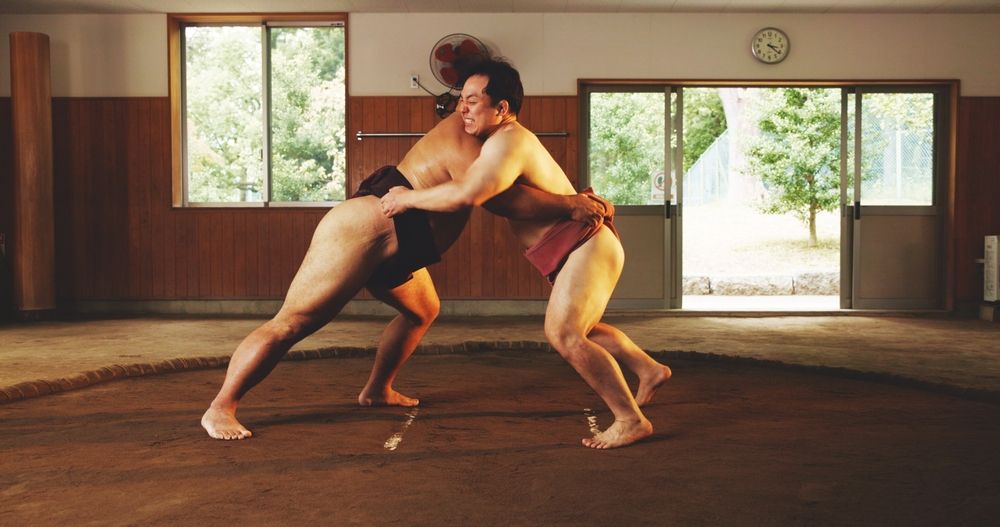
To experience an authentic sumo world experience, nothing beats visiting a "heya", these stables where wrestlers live and train. In Tokyo, the Ryogoku district concentrates about fifteen of these establishments. Morning training, called "asa-geiko", begins very early, generally between 6 AM and 8 AM. In an intense and concentrated atmosphere, the rikishi chain together strengthening exercises, technical repetitions and training fights under the watchful eye of their seniors and their master, the oyakata.
Some stables accept visitors, but according to strict rules that must be scrupulously respected. It is generally necessary to book in advance, often through specialized agencies or your hotel. Absolute silence is required during training, photographs are often prohibited or limited, and visitors must arrive before the start of the session. Establishments like Arashio Stable or Takasago Stable offer guided tours in English that allow better understanding of the rigorous daily life of these exceptional athletes. During your exploration of Tokyo with the Ryo audioguide, don't hesitate to include the Ryogoku district in your itinerary to discover this temple of sumo.
The Sumo Museum and emblematic places of Ryogoku
The Sumo Museum (1-3-28 Yokoami, Sumida, Tokyo 130-0015, rated 4.3/5 on Google for over 1,500 reviews), located within the Ryogoku Kokugikan itself, constitutes an essential stop for enthusiasts. Entry is free outside tournament periods, but during competitions, only spectators with a ticket can access it. The museum presents rotating exhibitions highlighting ancient prints, portraits of legendary champions, historical mawashi and sumptuous kesho-mawashi. The collections trace the evolution of sumo through the centuries and pay tribute to the greatest figures of this martial art. Opening hours are from 10 AM to 4:30 PM during normal periods, and from 12:30 PM to 4 PM on tournament days.
The Ryogoku district itself breathes sumo on every street corner. Wandering through its alleys, you might encounter rikishi in yukata heading to public baths or doing their shopping. The numerous "chanko-nabe" restaurants, the nutritious hot pot that forms the basis of wrestlers' diet, allow you to taste this hearty and flavorful specialty. Eko-in temple, one of the first places to host outdoor sumo fights, also deserves a visit for its historical importance. Continuing your discovery of Tokyo guided by Ryo, you can easily connect this traditional district to other emblematic sites of the capital.
Daily life and strict hierarchy of rikishi
The life of a sumo wrestler is governed by iron discipline and inflexible hierarchy. From their entry into a heya, generally in adolescence, young recruits discover a world where seniority and rank determine every aspect of existence. Novices must get up before dawn to prepare the dojo, assist their elders, cook, clean and perform all domestic tasks. They can only train after higher-ranked wrestlers and are the last to eat. This pyramidal structure forges character and teaches values of humility, perseverance and respect that constitute the pillars of sumo.
The professional sumo ranking system has six main divisions, from Jonokuchi (the lowest) to Makuuchi (the supreme division). Within the latter, five honorary titles reward the best: komusubi, sekiwake, ozeki and the two yokozuna, grand champions who embody the highest moral and technical values of sumo. Becoming yokozuna represents the culmination of a life of sacrifices, as this title is not only sporting but also moral. A yokozuna must demonstrate exemplary conduct and irreproachable dignity, both in the ring and outside. Unlike other ranks, a yokozuna can never be demoted: he must retire if he is no longer capable of maintaining the required level of excellence.
Diet and training of sumo wrestlers
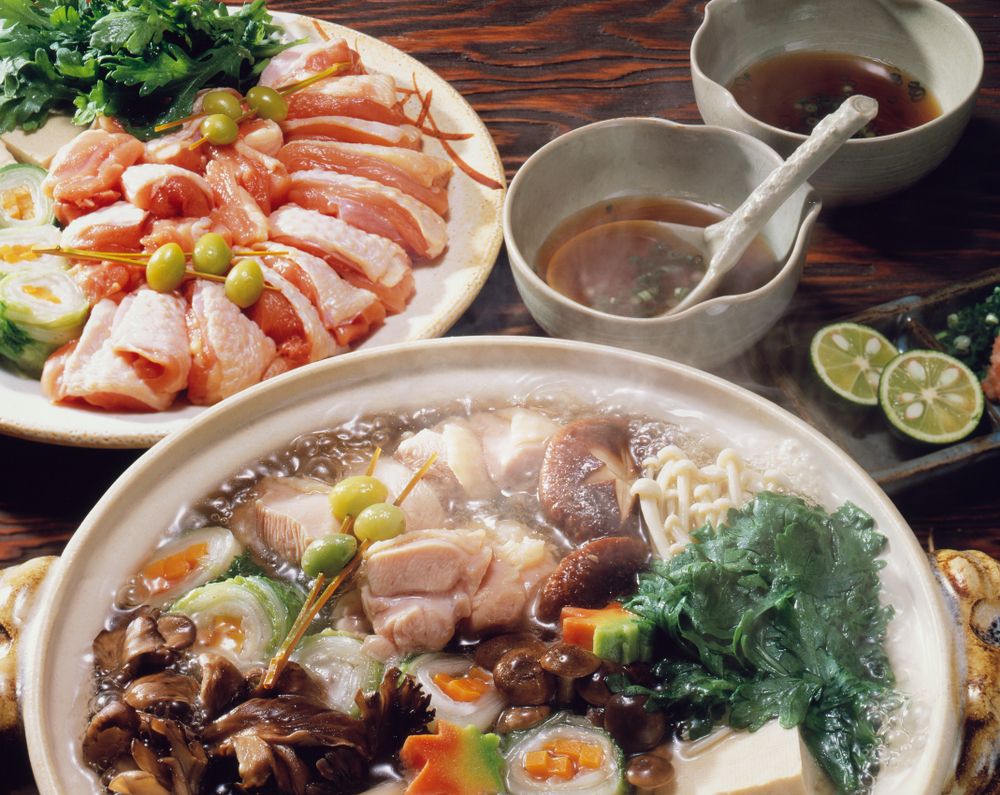
The imposing build of rikishi results from a specific diet and intensive training. Chanko-nabe, this hearty stew made with broth, vegetables, tofu and various meats or fish, constitutes the pillar of their diet. Contrary to popular belief, this dish is relatively balanced and nutritious. It is the quantity ingested and the rhythm of meals that favor weight gain: wrestlers only take one or two meals per day, after training, and systematically nap after eating, which favors calorie storage. A professional rikishi can consume between 7,000 and 10,000 calories daily, four to five times more than an average adult.
Daily training combines traditional exercises and modern physical preparation. Sessions begin with shiko, these characteristic leg lifts that develop flexibility, balance and thigh strength. This is followed by matawari, extreme stretching exercises where the wrestler spreads his legs to the maximum, and teppo, these repeated strikes against a wooden post to strengthen arms and upper body. Butsukari-geiko, exercises where one wrestler pushes his partner across the dojo, develop explosive power. Finally, training fights allow refining techniques and strategy. This daily rigor, maintained throughout the career, forges athletes of remarkable power and agility despite their imposing corpulence.
The legendary great champions of sumo
Sumo history has been marked by exceptional champions whose exploits continue to inspire current generations. Futabayama Sadaji, yokozuna of the 1930s, still holds the absolute record of 69 consecutive victories, a feat that has remained unequaled since 1939. Taiho Koki, yokozuna in the 1960s, won 32 tournaments and is considered by many as the greatest wrestler of all time. More recently, Hakuho Sho, Mongolian yokozuna who retired in 2021, pulverized all records with 45 tournament victories and more than 1,000 fights won in Makuuchi division, inscribing his name in sumo legend.
The opening of sumo to foreign wrestlers from the 1990s profoundly modified the landscape of this traditionally Japanese sport. Yokozuna from Mongolia, Hawaii or Bulgaria have shone at the highest level, causing debates within Japanese society about the cultural identity of sumo. Despite controversies, these international champions have brought new dynamism to the discipline and have contributed to its popularization worldwide. Their extraordinary journeys testify to the universal character of determination and sporting excellence, values at the heart of sumo since its origins.
Practical advice for attending a sumo match
To attend a grand tournament, ticket reservations must be made several weeks in advance, as the best seats are quickly snapped up. The official website of the Japan Sumo Federation offers a ticketing service in English, Ticket Oosumo, which greatly facilitates reservations for foreign visitors. Specialized travel agencies and certain hotels can also handle the procedures. For the undecided or last-minute visitors, some tickets are generally available for same-day purchase at the Kokugikan box office, but you must then queue from the opening of the doors.
There is no strict dress code for attending fights, and you can dress casually. However, for "tamari" seats closest to the ring, the rules are stricter: certain sharp objects or bulky accessories are prohibited for safety reasons, as wrestlers are sometimes thrown out of the circle violently. Plan to arrive early to enjoy the building atmosphere and fights from lower divisions, often spectacular. The Kokugikan has restaurants and stands offering bento and local specialties. Don't forget to keep time after tournaments to explore the Ryogoku district and perhaps taste an authentic chanko-nabe. Thanks to the Ryo itinerary to visit Tokyo, you can easily integrate this unique experience into your discovery of the Japanese capital.
In conclusion, discovering the ancient martial art of sumo in Japan represents much more than a simple sporting experience. It is a deep immersion into the traditions, rituals and values that have shaped Japanese culture through the centuries. Whether you attend a grand tournament in the electric atmosphere of Ryogoku Kokugikan, observe the rigorous morning training in a heya or explore the sumo museum, each moment brings you closer to this fascinating universe where Shinto spirituality, athletic prowess and strict codes of honor blend. Sumo embodies the very essence of traditional Japan while continuing to evolve and captivate crowds in the modern world. During your next trip to the Land of the Rising Sun, let Ryo guide you to discover Tokyo and don't miss the unique opportunity to witness this millennial spectacle that will mark you forever.
FAQ
1. Can you attend a sumo training session for free in Tokyo?
Some sumo stables accept visitors to observe morning training for free, but it is imperative to book in advance and respect strict rules (silence, arrival before the start of the session, prohibition on photographing). Guided tours organized by specialized agencies, although paid (around 80-120 euros), offer a more comfortable experience with explanations in English.
2. What is the best time to see sumo in Japan?
The six grand tournaments take place in January, March, May, July, September and November. In Tokyo, you can attend tournaments in January, May and September. It is recommended to book your tickets two to three months in advance to get good seats, particularly for the last days of the tournament when the sporting stakes reach their peak.
3. How long does a sumo fight last?
Paradoxically, while preparatory rituals can last up to four minutes, the fight itself generally lasts only a few seconds, rarely more than a minute. It is this explosive brevity after long tension that makes all the charm and intensity of sumo. A complete tournament day lasts about six hours, from 8:45 AM to 6 PM, with several dozen successive fights.
4. Can women practice professional sumo?
No, Japanese professional sumo remains exclusively male due to Shinto traditions considering women as impure during certain periods. Women cannot even step onto the dohyō, including for official ceremonies. However, women's amateur sumo exists and is developing, with international competitions, but it does not benefit from the same recognition nor the same professional structure as men's sumo.
5. How much does a professional sumo wrestler earn?
Income varies considerably according to rank. Wrestlers from lower divisions only receive a modest monthly allowance (around 1,000 euros), while a yokozuna can earn more than 250,000 euros per year in basic salary, not counting tournament victory bonuses, advertising income and media appearances that can multiply these sums by two or three. Most rikishi however live in their stable and benefit from free housing and food.