
Créé par Emilie, le 7 mai 2026
Votre guide Ryo
© Shutterstock
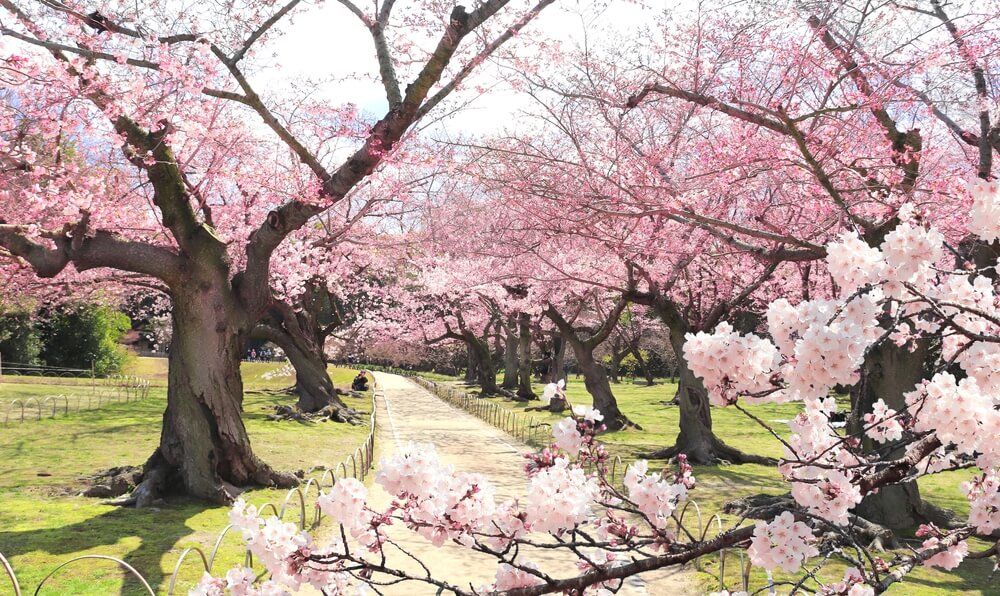
We know Japan for its manga, cuisine, and famous sumos, but it's also these cherry blossoms that attract visitors by the thousands each year. Celebrated throughout Japan and particularly in Tokyo, the blooming of Japanese cherry trees is a true social ritual here. Not only does it attract visitors who come to admire these magnificent trees taking on their beautiful spring colors, but it's also an opportunity for Japanese people to gather together to celebrate this.
What is Hanami?
Hanami is the name of the festival that celebrates the blooming of Japan's cherry trees. There are over 600 different varieties, spread throughout the country and across the city of Tokyo. Numerous events are organized for the occasion throughout the streets.
Hanami originated during the 9th century, when Japan's cherry trees became the symbol of the country. They were cultivated more and more, and their magnificent blooming each spring began to inspire admiration from inhabitants, who saw in these majestic trees a symbol of fragility, since it is ephemeral, but also of beauty and renewal. It also announces the end of winter and the beginning of spring.
Hanami literally means "observing flowers" in Japanese, today associated with cherry blossoms, called "sakuras" in Japan. These have a very rapid blooming - which occurs between late March and early April - but truly magnificent: they fill with flowers of a superb pink, very characteristic of the country. You see them everywhere in Tokyo and it's truly a unique moment.
What do the festivities consist of?
This celebration is very ancient, dating from the Heian period, from the 9th century exactly. Already at that time, people marveled at the emergence of all these flowers that would stay only a few days and would return the following year, and the year after that again. It was then decided to celebrate this phenomenon each year by settling under the branches of cherry blossoms and sharing with friends or family a magical moment, which often includes a meal and/or a good glass of Sake. An opportunity for Japanese people to gather and celebrate one of the biggest symbols of their country.
During this very special period in Japan, thousands of visitors join the inhabitants to discover these wonderful trees. Each year, forecasts are made to know the date of peak blooming and thus allow visitors to organize to be there on that day. Stands are set up throughout the city and sell drinks and food.
Note that the dates are never the same from one year to another since they depend on the cherry blossom blooming.
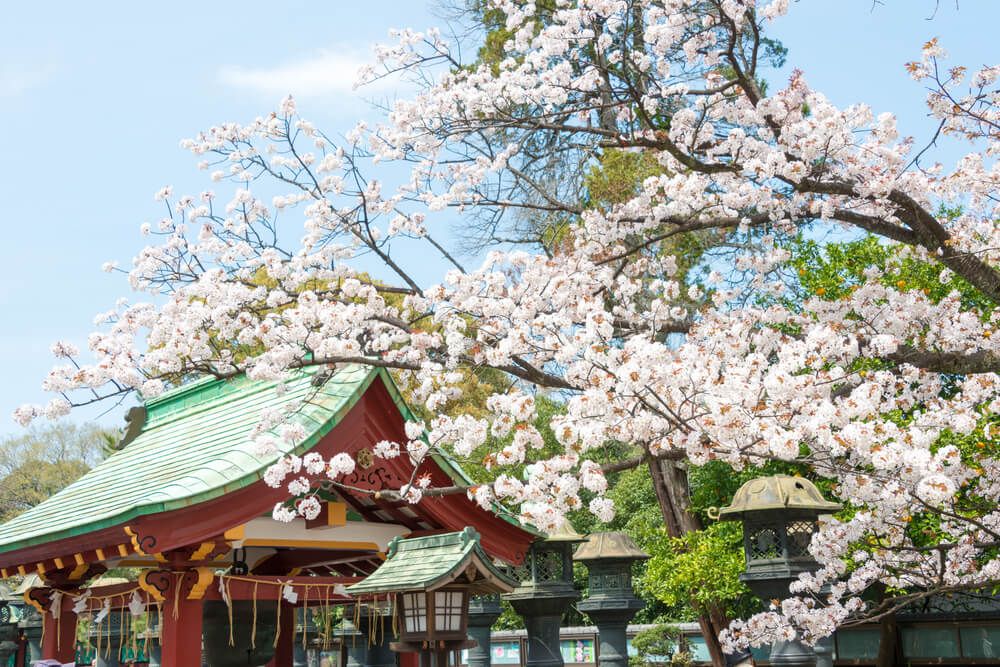
The 10 Best Spots to Admire Cherry Blossoms in Tokyo
1- Ueno Park
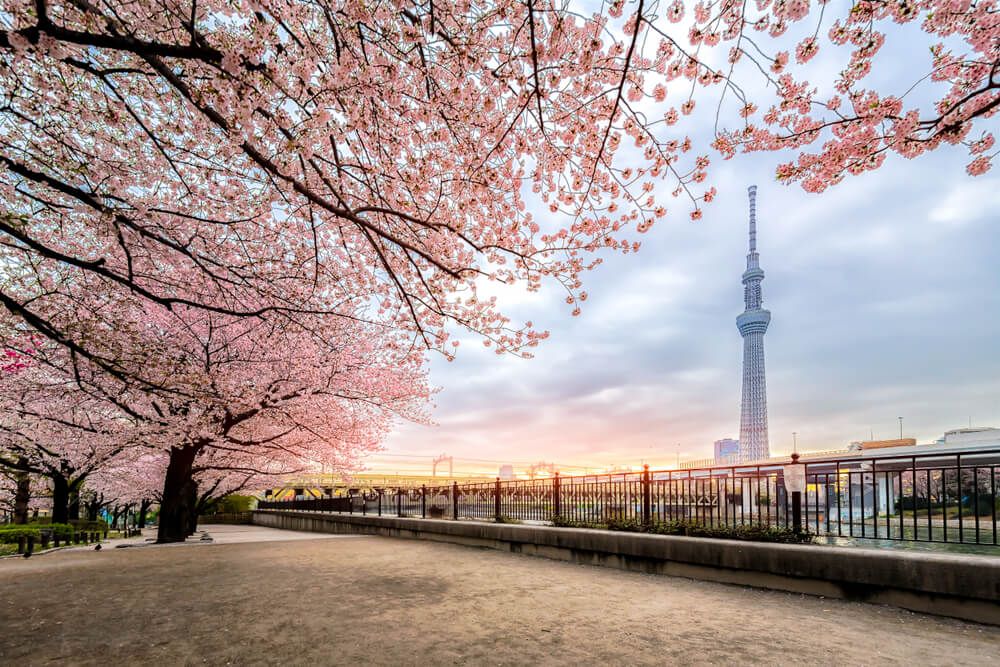
2- Sumida Park
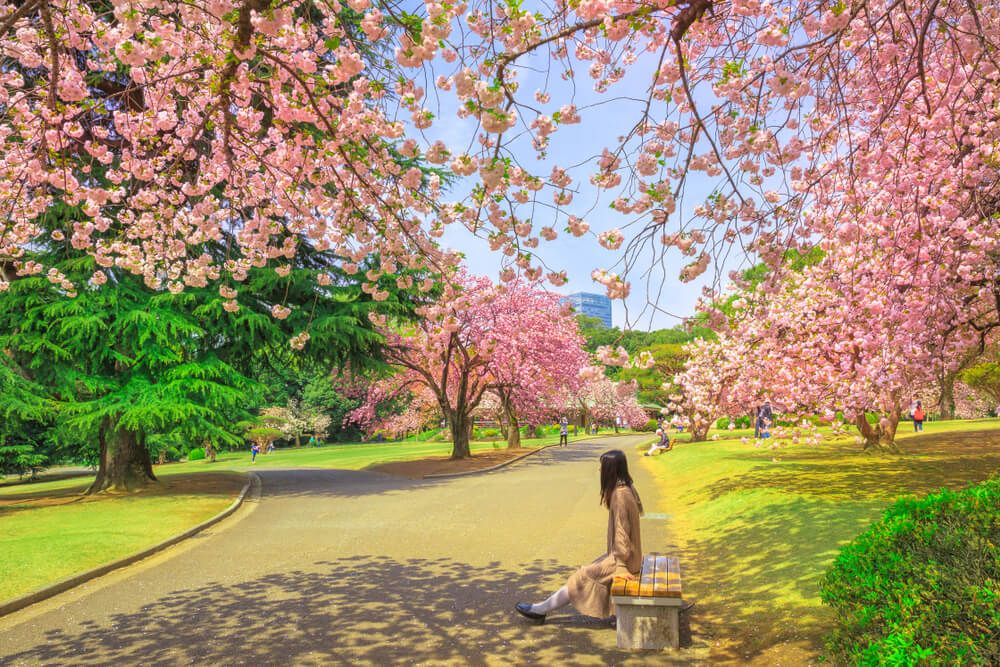
3- Shinjuku Gyoen Park
4- The Meguro-Gawa Riverbanks
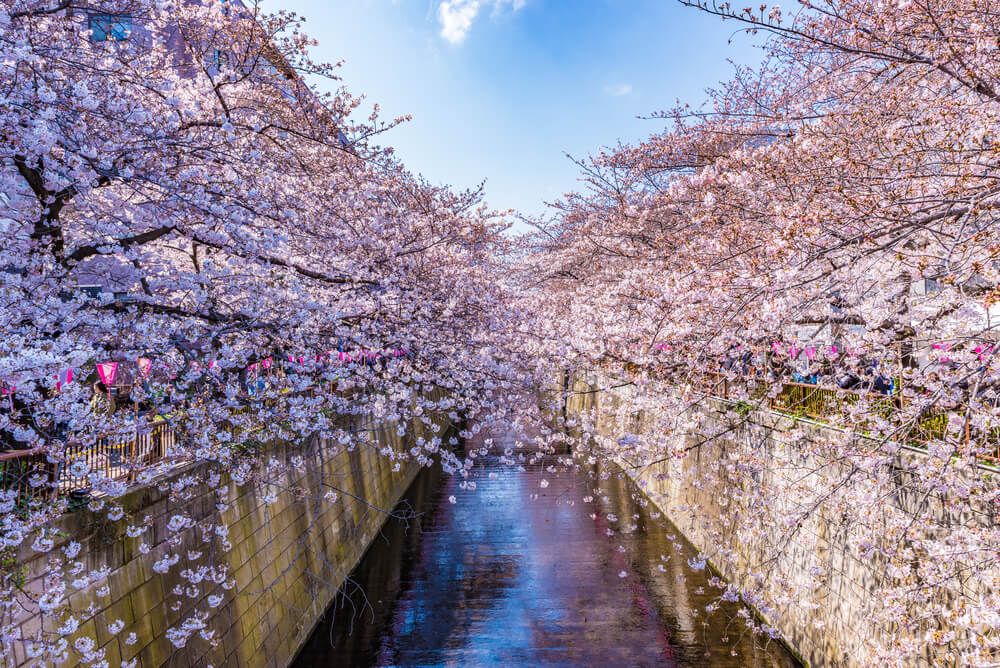
5- The Chidori-gafuchi Path
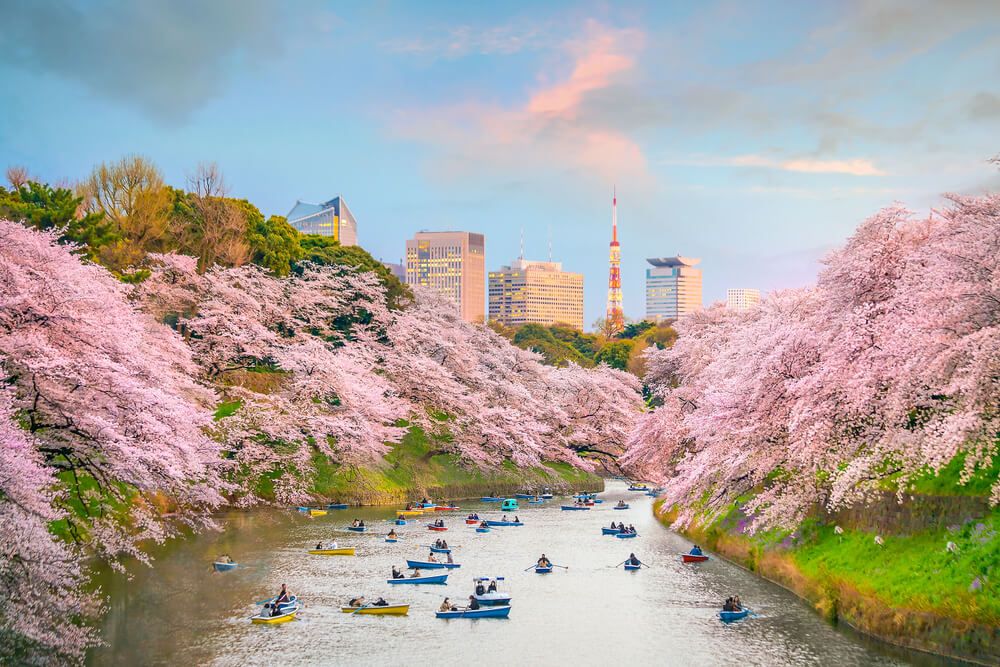
6- Edogawa Park
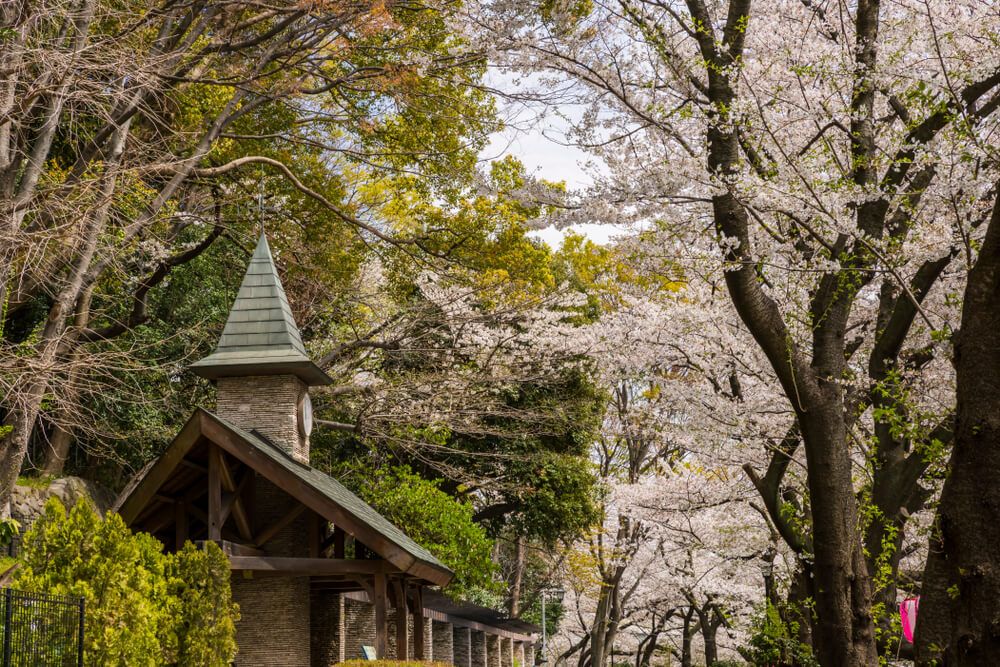
7- The Nakameguro District
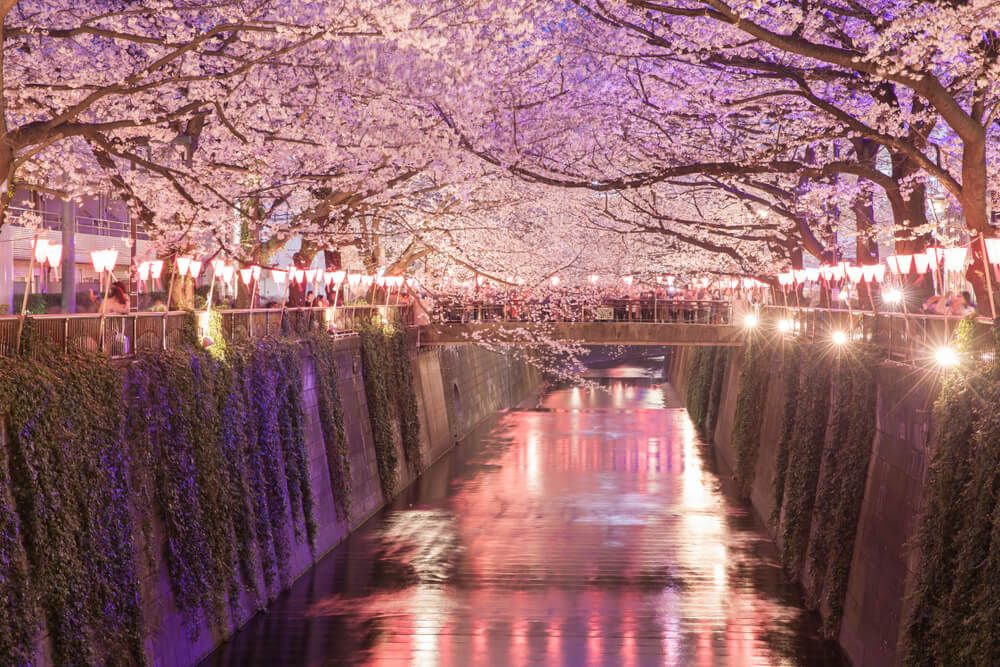
8- Rikugien Garden
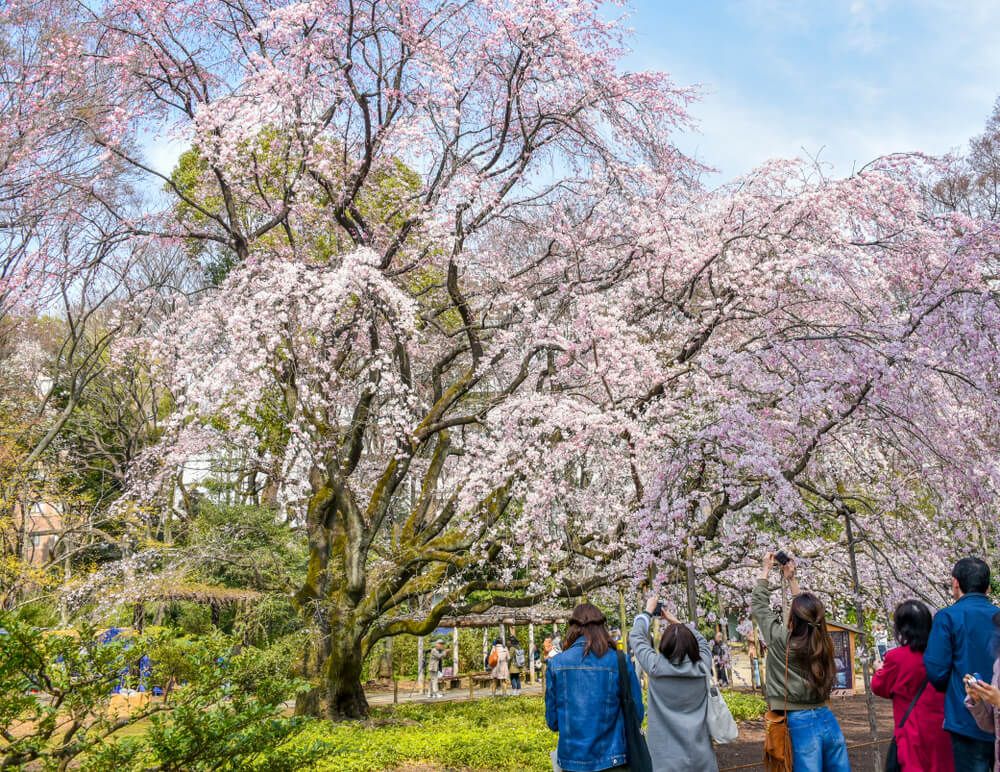
9- Koganei
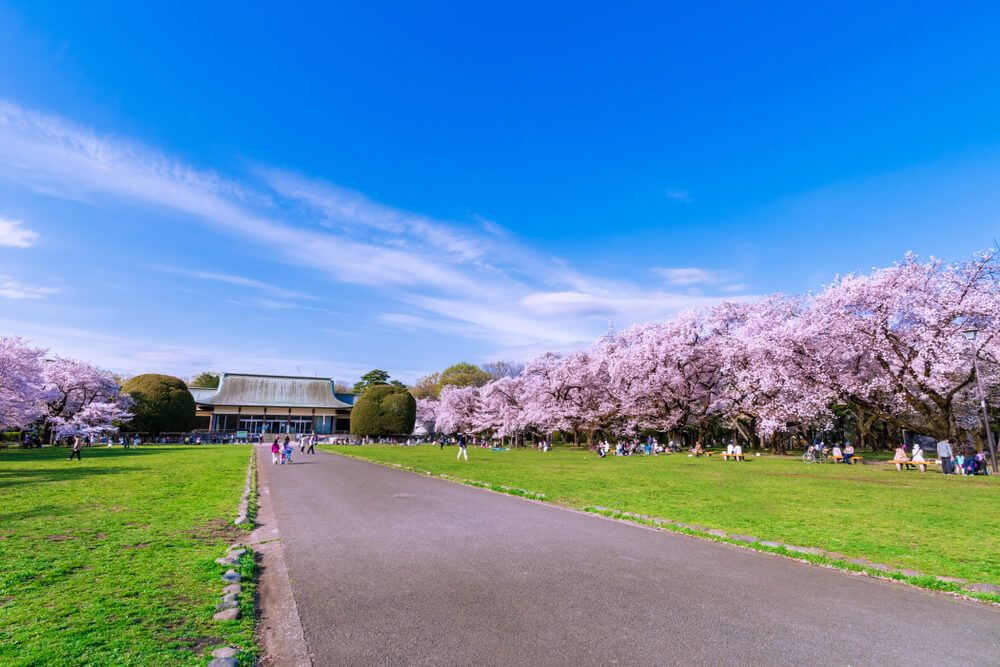
10- Inokashira Park
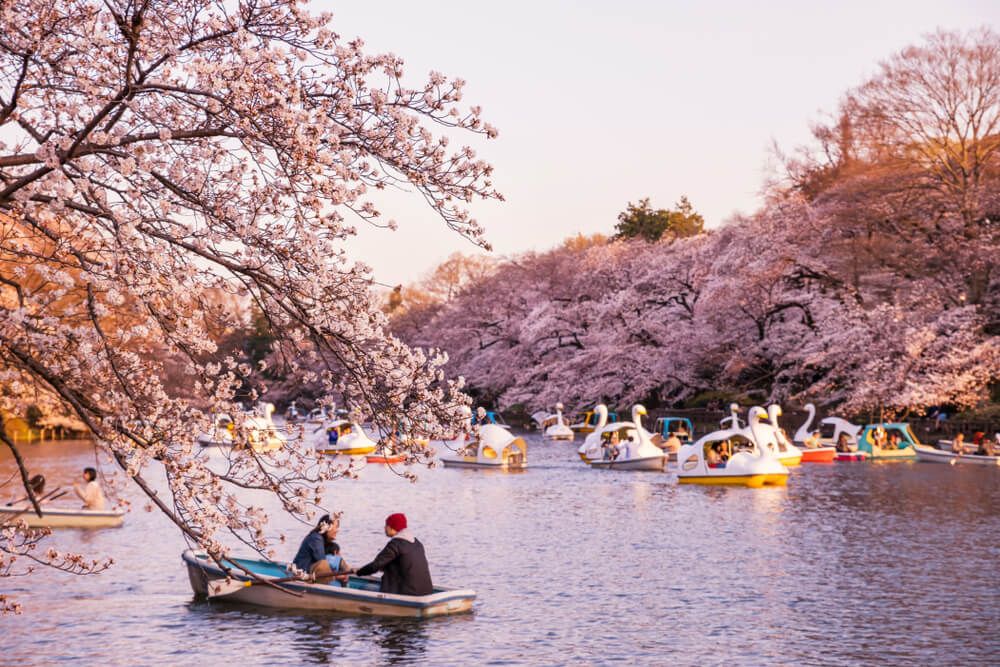
If you're not available during the day to enjoy the cherry blossoms, don't worry, there are also many places where the trees are illuminated, creating an atmosphere that is equally - if not even more - beautiful!
In Conclusion
Hanami is one of Japan's most important festivals. A true symbol for the Japanese, cherry blossoms are historic here and, it must be admitted, truly magnificent. Nothing is more pleasant than strolling under the pink trees along the river or picnicking in parks to celebrate this festival full of poetry and romanticism. It is so special that other countries have also begun to celebrate it, notably other Asian countries that have these cherry trees, like China and South Korea, but also other places that have planted them as a sign of friendship with Japan, such as in Washington D.C. in the United States, for example.