
Créé par Emilie, le 16 mai 2026
Votre guide Ryo
© Shutterstock
Mexico City doesn't ease you in gently. The moment you land at Benito Juárez, the altitude catches your breath, at 2,240 metres above sea level, the capital sits higher than most European mountain resorts, and the scale of what awaits starts to register: a metropolitan area of 22 million people, 180 museums (more than almost any city on the planet), pre-Columbian ruins buried under colonial cathedrals, and a food scene that earned the city its first Michelin Guide edition in 2024. If you're looking for the best things to do in Mexico City, the challenge is never finding enough to do, it's choosing what to leave out. You can follow the Ryocity audiowalk through Mexico City to get your bearings before diving into the neighbourhoods, or simply start where the city started: the Zócalo.
Few capitals reward curiosity the way CDMX does. The Pyramids of Teotihuacan, built by a civilisation whose name we still don't know, sit just 48 kilometres from the city centre. In Coyoacán, you can stand in the kitchen where Frida Kahlo cooked mole negro and look out at the garden where León Trotsky was first given asylum. At Xochimilco, entire floating islands called chinampas have been growing food continuously for 700 years. And in Roma Norte, a 1985 earthquake-damaged neighbourhood rebuilt itself into one of Latin America's most creative districts. These are not peripheral excursions, they are the city itself, expressed in 25 different ways.
1. Stand in the Middle of the Zócalo
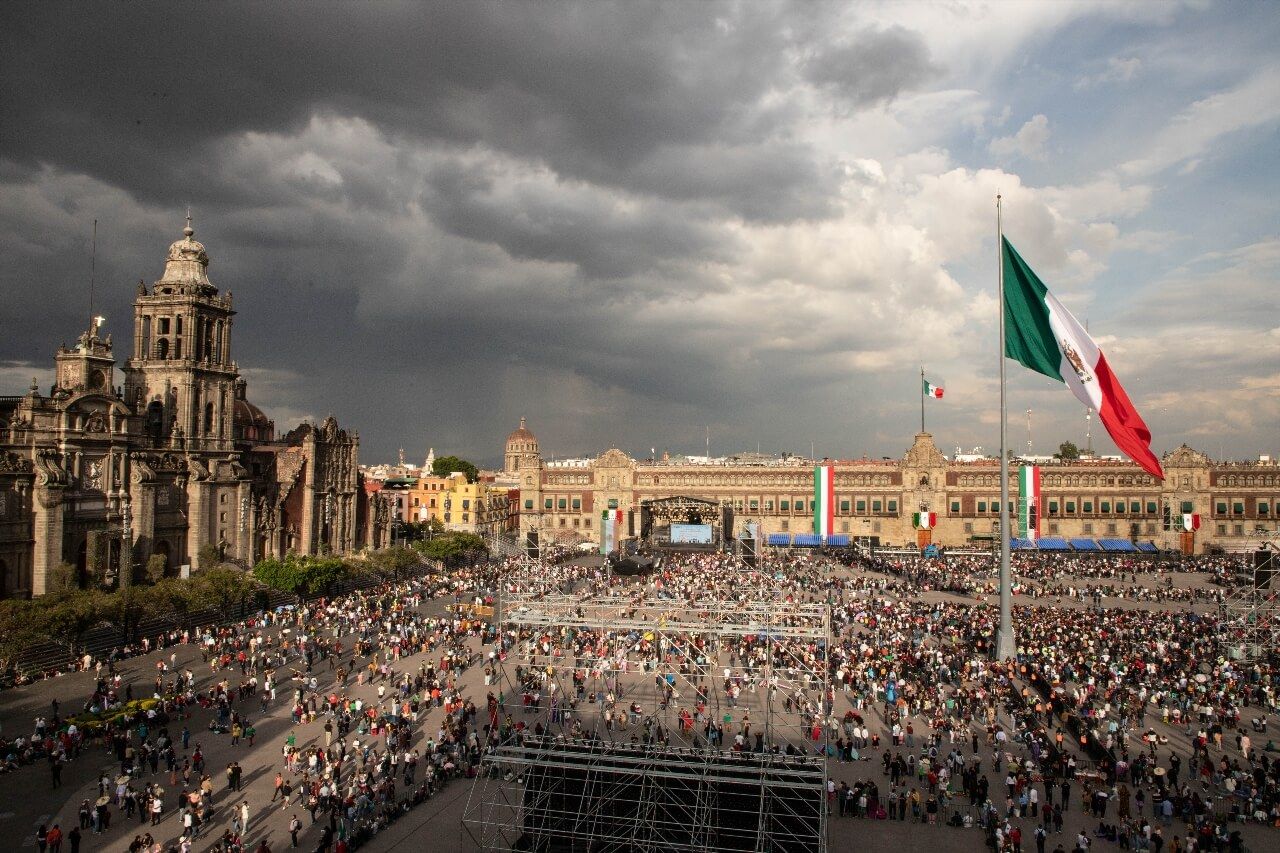
The Plaza de la Constitución, universally known as the Zócalo, is the second-largest public square in the world, covering roughly 57,600 square metres of volcanic stone. It was the ceremonial heart of Tenochtitlan before the Spanish arrived in 1519, and it remained the nerve centre of power throughout the colonial period. Today, the same plaza hosts massive political rallies, free open-air concerts, an ice rink in December, and the occasional protest that fills it edge to edge with hundreds of thousands of people. The Ryocity audiowalk through Mexico City begins at this exact spot, which is no accident: every story the city tells about itself loops back to the Zócalo eventually.
The square itself is free and open at all hours. Stand at its centre and rotate slowly: to the north, the Metropolitan Cathedral; to the east, the National Palace; to the south, the old city hall; and beneath your feet, the ruins of Tenochtitlan detected by archaeologists and visible through metal grates in the pavement. The Mexican flag at the centre, changed daily by the military in a formal ceremony at 6:00 am, is so large that it takes eight soldiers to fold it properly. Arrive on a weekday morning to see the ceremony without crowds.
2. Walk Through the National Palace and Diego Rivera's Murals
Palacio Nacional (Plaza de la Constitución S/N, 06068 Mexico City, rated 4.5/5 on Google (2 006 avis)) stretches the entire eastern flank of the Zócalo, nearly 200 metres of red volcanic stone façade, and it has functioned as the seat of Mexican government since 1562. The building is genuinely enormous: it contains the offices of the President of the Republic, the Federal Treasury, and enough government ministries to keep an army of bureaucrats busy. Entry is free with a valid ID, and the security queue moves quickly during weekday mornings.
The reason most visitors come, though, is Diego Rivera's mural cycle on the main staircase. Painted between 1929 and 1951, the three walls of the stairwell depict the entire sweep of Mexican history, from the pre-Columbian civilisations through the Conquest, the colonial era, Independence, Reform, Revolution, and into Rivera's vision of a socialist future. The detail is staggering: more than 400 individual human figures have been identified, including portraits of Hernán Cortés (shown with a syphilitic face), Emiliano Zapata, Karl Marx, and Frida Kahlo herself holding a red star and a book. The imagery rewards slow looking, plan at least 45 minutes on the staircase alone before moving to the upper galleries, where Rivera painted an additional cycle depicting the markets of Tlatelolco.
The building also gives access to the courtyard gardens, one of the quieter spaces in the historic centre. On the ground floor, temporary exhibitions frequently showcase pre-Columbian artefacts from the national archaeological collections that never make it into the Anthropology Museum.
3. Climb the Pyramids of Teotihuacan
At roughly 2,000 years old, Teotihuacan pre-dates the Aztec civilisation by more than a millennium. The people who built it, whose identity remains one of archaeology's open questions, laid out a city of roughly 125,000 inhabitants that was, at its peak around 450 CE, the sixth-largest urban settlement on earth. The Avenue of the Dead stretches 4 kilometres from north to south, aligned almost perfectly with the cardinal points, flanked by apartment compounds, palaces, and more than a hundred smaller temples.
The two great pyramids anchor the site. The Pyramid of the Sun ranks among the largest pyramids in the world by volume: 63 metres tall and 220 metres wide at the base. Climbing it requires stamina, the steps are steep and uneven, and the altitude (the site sits at 2,300 metres) will slow your pace, but the view from the summit, looking down the Avenue of the Dead toward the smaller Pyramid of the Moon, is one of those views that genuinely justifies the effort. Allow a full day; the site covers 83 square kilometres of protected archaeological zone and most visitors see only a fraction of it.
Practical details: the site is open daily from 9:00 am to 5:00 pm, with last entry at 4:30 pm. Tickets cost around 95 MXN (under €5 / $5). From Mexico City, take the bus from the Terminal Central del Norte, the journey takes about an hour and costs less than 50 MXN. Avoid weekends in April and May when Mexican families descend in large numbers for school trips and the site becomes difficult to navigate. Bring water: vendors inside the site charge a premium and the climb is dehydrating. Note that since 2021, climbing the upper stages of the Pyramid of the Sun has periodically been restricted by INAH to protect the structure, check current access rules before booking your day.
4. Lose an Afternoon in Coyoacán
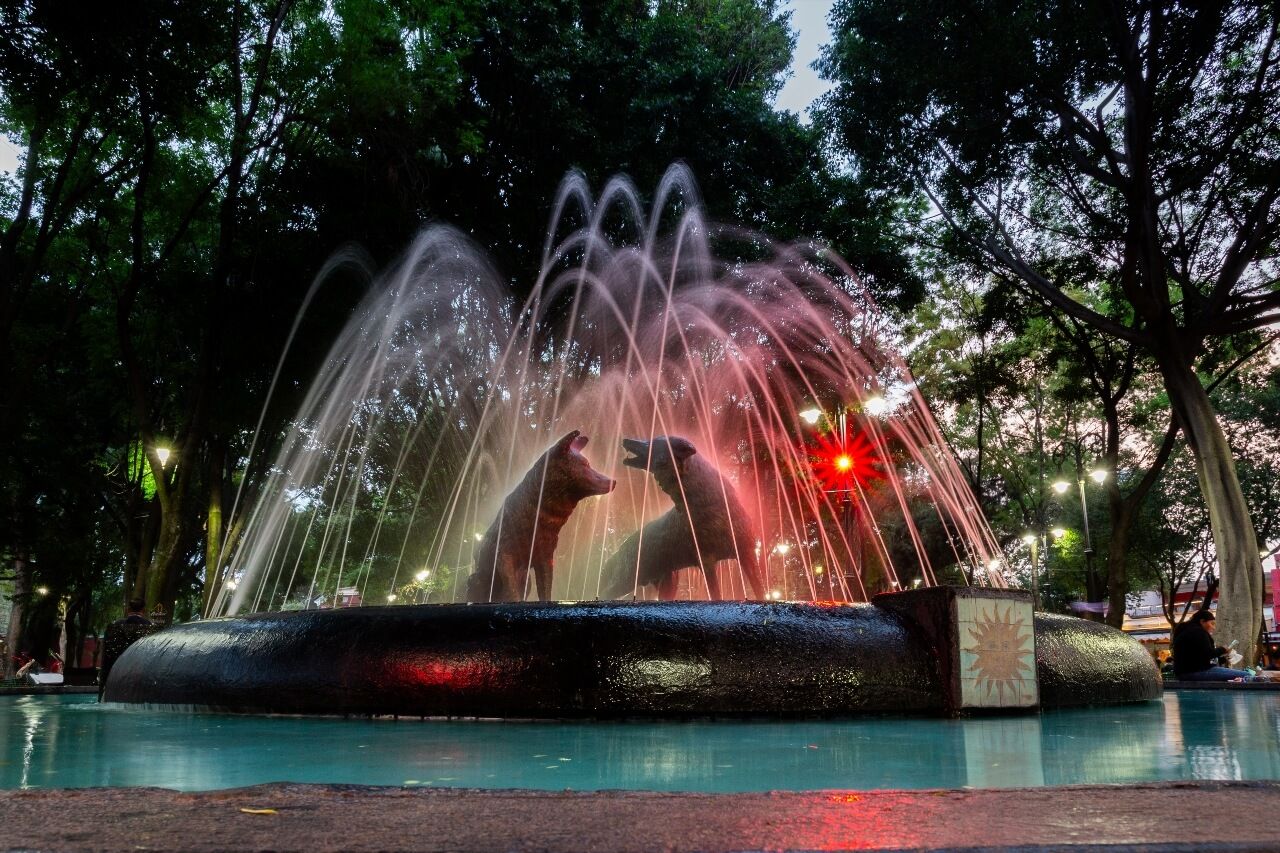
Coyoacán is the neighbourhood that Mexico City residents escape to when they want to remember what the city felt like before it grew into a megalopolis. Technically a borough within the Federal District, it preserves the character of the independent village it was before the city swallowed it, cobblestone streets, painted colonial houses, a central plaza ringed by jacaranda trees that bloom violent purple every February.
The Jardín Centenario (Jardín Centenario S/N, 04000 Coyoacán, Mexico City, rated 4.6/5 on Google (16 841 avis)) and its adjacent Plaza Hidalgo form the social core of the neighbourhood. On weekends the square fills with craft vendors, street performers, and families eating tostadas de tinga from the legendary stalls that have operated here for decades. A ten-minute walk north takes you to the Frida Kahlo Museum; a short stroll south leads to the Mercado de Coyoacán, a covered market where the tostada stalls are the real draw, arrive hungry. The neighbourhood also contains the house where León Trotsky lived after his exile from the Soviet Union and where he survived a first assassination attempt (ice axes through the bedroom wall) before being killed in the garden in 1940.
5. Visit the Frida Kahlo Museum (Casa Azul)
The Casa Azul, the Blue House, is exactly what its name promises: a cobalt-and-terracotta colonial house on a quiet street in Coyoacán, painted the colour that Frida Kahlo and Diego Rivera chose together in the 1930s. Kahlo was born here in 1907, spent most of her life here, and died here in 1954. The house became a museum in 1958, four years after her death, at the initiative of Rivera himself.
The collection is dense with personal objects: Kahlo's orthopedic corsets, hand-painted in the same vivid palette as her canvases; her collection of pre-Columbian figurines arranged on the kitchen shelves; the mirror mounted above her four-poster bed where she painted herself during the months of convalescence after the 1925 bus accident that shattered her spine and pelvis. Her studio on the upper floor retains the smell of oil paint and the atmosphere of interrupted work, her palette, brushes, and wheelchair arranged as she left them. Only a handful of original paintings hang here (most are in international collections or at the Museo Dolores Olmedo), but the physical experience of the house carries more weight than any individual canvas.
Book tickets online well in advance, 2 : 3 weeks minimum during peak season. The timed entry system limits crowds, but queues for walk-in tickets on weekends can exceed two hours. The museum is closed on Mondays.
6. Ride the Trajineras of Xochimilco
Xochimilco sits in the southern borough of the city, about 28 kilometres from the historic centre, and it preserves the last functioning fragment of the lake-based civilisation that the Aztecs built over. The chinampas, rectangular agricultural islands created by weaving aquatic plants into floating platforms and anchoring them with willow roots, have been productive farmland since at least 1200 CE. The canals between them carry trajineras: flat-bottomed boats painted in bright colours, each named and decorated, poled slowly through the waterways by an oarsman while passengers eat, drink, and, occasionally, argue.
The experience ranges from genuinely peaceful (midweek morning, no music, just the sound of water and birds in the reed beds) to carnivalesque (Saturday afternoon, multiple marimba boats circling, floating taco vendors pulling alongside every five minutes, groups drinking pulque from plastic cups). Both versions are worth experiencing for different reasons. The quieter version reveals the actual landscape: the extraordinary flatness of the water, the chinampas stacked with quelites and dark loam soil, herons standing in the shallow channels.
Boats depart from several embarcaderos, Embarcadero Fernando Celada (Av. Guadalupe I. Ramírez, 16090 Xochimilco, Mexico City, rated 4.1/5 on Google (12 638 avis)) is less touristic than the main Embarcadero Nuevo Nativitas. Prices run around 250 : 400 MXN per hour for the boat (not per person), with negotiation expected. The UNESCO designation of Xochimilco as a World Heritage Site dates to 1987.
7. Spend a Morning in Chapultepec Park
Bosque de Chapultepec (Sección 1, Paseo de la Reforma, 11580 Mexico City, rated 4.7/5 on Google (64K avis)) is the largest urban park in Latin America, 686 hectares divided into three sections, with the first section containing most of the major attractions. In practical terms, it is where Mexico City breathes. On Sunday mornings, the main paths fill with joggers, cyclists, rollerbladers, families on rented pedal boats, and elderly couples walking dogs. The trees are old: many of the ahuehuete cypresses in the first section are hundreds of years old, planted by the Aztecs who considered Chapultepec (« Hill of the Grasshoppers » in Nahuatl) a sacred site.
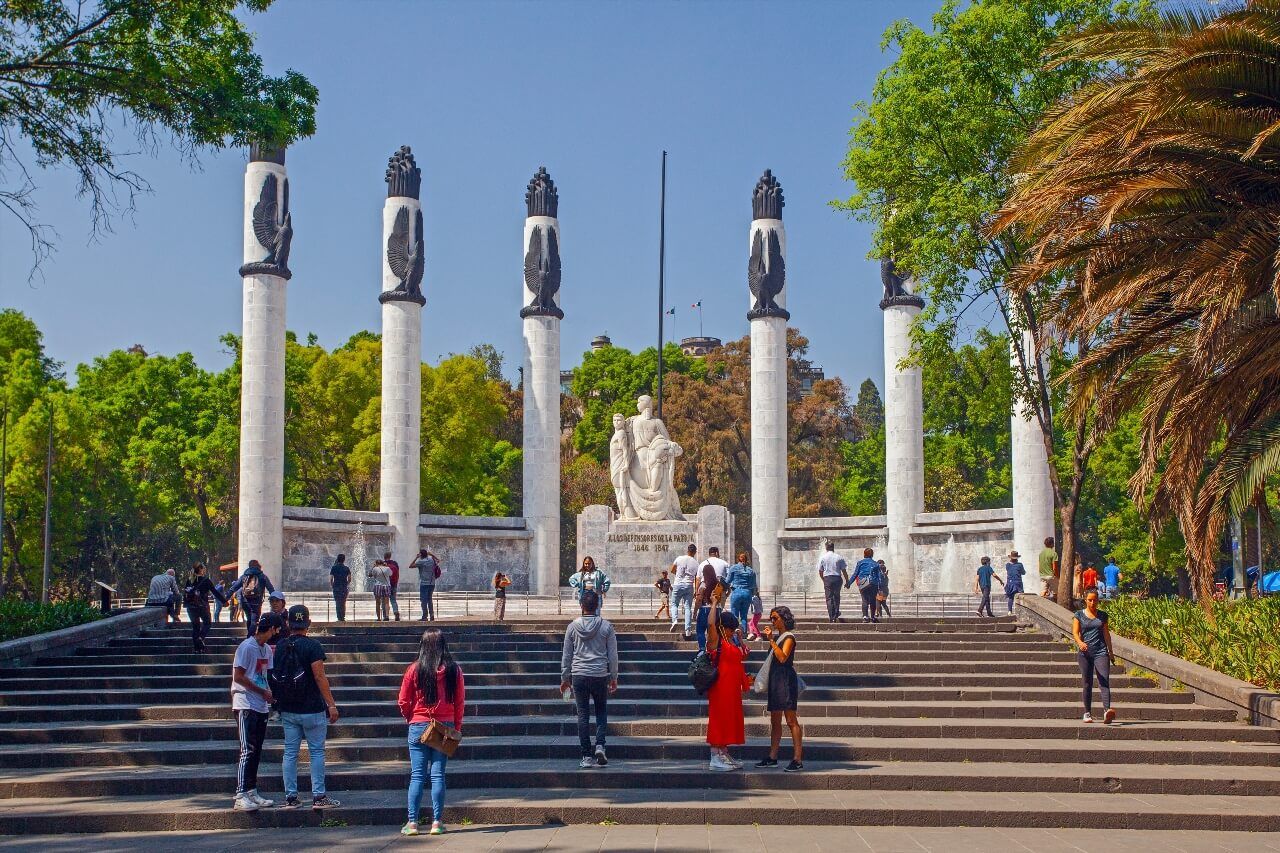
The park contains, within its boundaries, the National Anthropology Museum, the Modern Art Museum, the Tamayo Museum, the Zoo (free entry, open daily except Mondays), the Chapultepec Castle, and the Niños Héroes monument, a column honouring the military cadets who died defending the castle against the US invasion in 1847. You could spend an entire day in the park without visiting a single building and still return tired. The lake in the first section rents rowing boats; the second section is wilder and less visited. Go on a weekday for a more meditative experience. If you want a structured route between the major monuments, the Ryo audio guide threads the park's western corridor into a 90-minute loop that lets you walk and listen rather than juggle a guidebook.
8. Tour Chapultepec Castle
Castillo de Chapultepec (Bosque de Chapultepec S/N, 11580 Mexico City, rated 4.8/5 on Google (87 512 avis)) is the only royal castle in the Americas to have actually housed monarchs, Maximilian I of Mexico and his wife Carlota lived here between 1864 and 1867, when France imposed a Habsburg emperor on Mexico under Napoleon III's protectorate. The building itself predates them: it was originally an artillery school, built atop the rocky hill that the Aztecs used as a retreat for their rulers.
The castle museum is one of the best history museums in the country, telling Mexico's story through furniture, documents, portraits, and objects with unusual clarity. The Hall of History on the ground floor uses murals by Juan O'Gorman and others to trace the arc from Conquest to Revolution. The imperial apartments on the upper floor retain Maximilian's furniture, Carlota's jewellery, the original Belgian glassware they brought from Europe, and the terrace from which they could watch sunsets over the Valley of Mexico while the republican forces of Benito Juárez were, slowly, closing in.
The view from the terrace today extends across the entire western city, from the towers of Santa Fe in the distance to Paseo de la Reforma stretching toward the historic centre. On clear days, rare but not impossible, especially in winter after rainfall, you can see Popocatépetl and Iztaccíhuatl, the two volcanoes southeast of the city. Admission is around 95 MXN, and the castle is closed on Mondays.
9. See the Palace of Fine Arts
The Palacio de Bellas Artes (Av. Juárez S/N, 06050 Centro Histórico, Mexico City, rated 4.8/5 on Google (192 159 avis)) is the building that Mexico City shows visitors when it wants to explain itself in architectural terms. Construction began in 1904 under Porfirio Díaz and wasn't completed until 1934, the long interruption caused by the Mexican Revolution transformed the original Beaux-Arts exterior (Carrara marble, Art Nouveau detailing) into an Art Deco interior of extraordinary richness. The combination shouldn't work. It works.
On the ground floor, the marble lobby leads to the ticket hall, where you can buy access to the upper galleries housing major murals by Rivera, Orozco, Siqueiros, and Tamayo. The Rivera mural on the third floor is the version he painted after Nelson Rockefeller destroyed the original at Rockefeller Center in New York, Rivera had included a portrait of Lenin, Rockefeller objected, and the mural was demolished in 1934. Rivera recreated it here, Lenin included, larger and more defiant. The concert hall on the ground floor uses a Tiffany stained-glass curtain depicting the Valley of Mexico's two volcanoes, visible only during performances, but worth attending a ballet or opera evening for that reason alone. The building sinks into the soft subsoil of the city at a rate of several centimetres per decade; it now stands 4 metres lower than the surrounding street level.
10. Walk Through Alameda Central
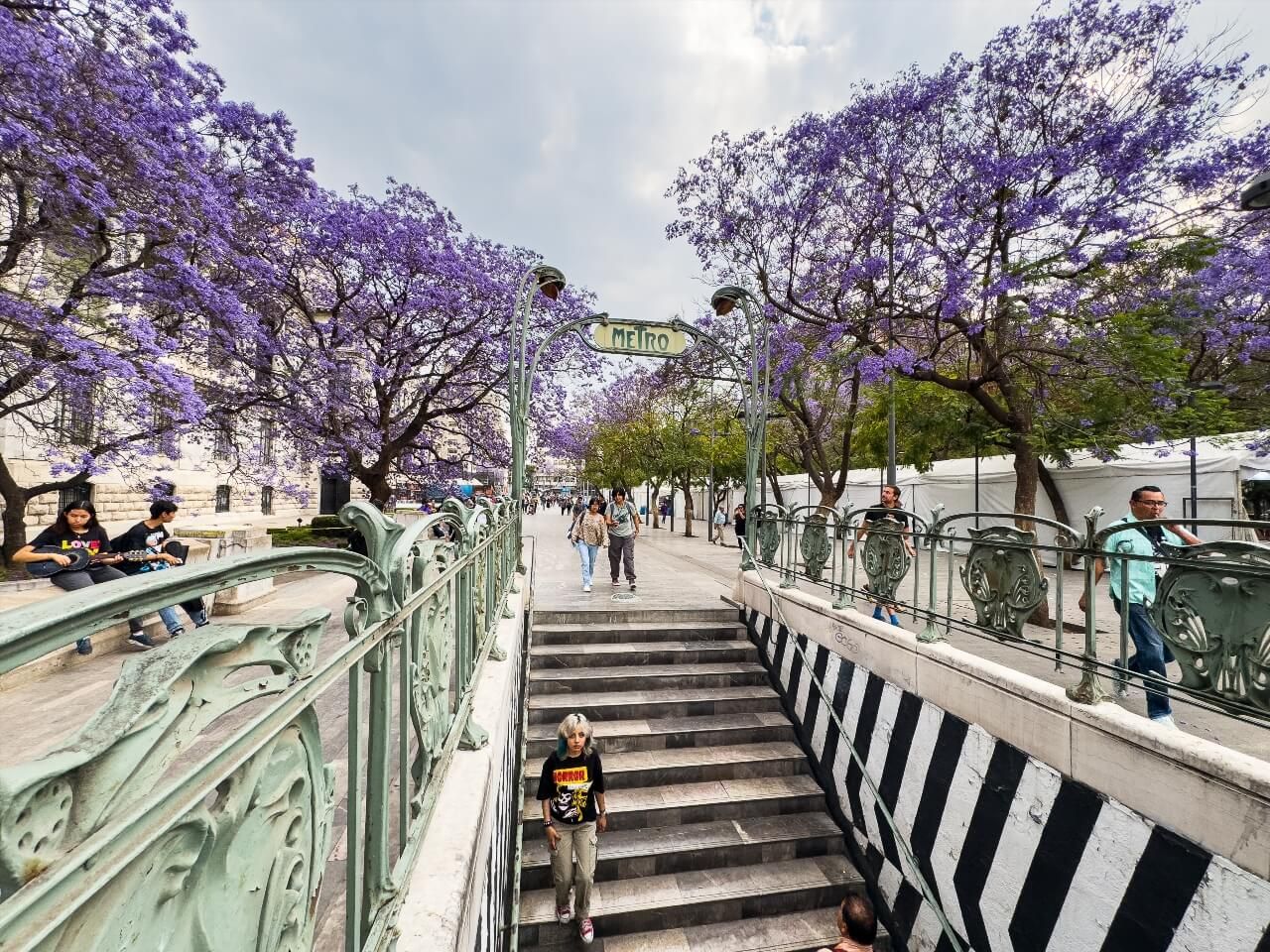
Directly west of the Palace of Fine Arts, Alameda Central is Mexico City's oldest public park, laid out in 1592 on the orders of Viceroy Luis de Velasco. It was originally a market, then an execution ground for the Inquisition, then, from the late 17th century onward, a formal garden with fountains and tree-lined promenades. The jacaranda trees planted in the 1930s now form the characteristic purple canopy that visitors photograph in spring. Free, open from early morning, and genuinely pleasant on weekday mornings when office workers eat breakfast on the benches.
11. Explore the Templo Mayor Ruins
The Templo Mayor was the ceremonial centrepiece of Tenochtitlan, the great temple at the heart of the Aztec capital, dedicated simultaneously to Huitzilopochtli (god of war and the sun) and Tlaloc (god of rain and agriculture). When the Spanish demolished the temple in the 1520s and built the Metropolitan Cathedral on top of its foundations, they buried the ruins under six centuries of colonial construction. The ruins were rediscovered accidentally in February 1978 when electrical workers digging a cable trench struck a carved stone disc depicting the dismembered goddess Coyolxauhqui, a disc 3.25 metres in diameter and weighing 8 tonnes.
The excavation that followed uncovered more than 7,000 objects in 140 offering caches: jade figurines, obsidian knives, coral, crocodile skulls, and human remains. The Templo Mayor Museum adjacent to the ruins houses the most important finds, including the Coyolxauhqui disc itself. Walking the ruins, you see multiple superimposed construction phases, the Aztecs rebuilt the temple at least seven times, each time larger than before, encasing the previous structure. Guided tours in English are available on weekends; the combined ruins-and-museum ticket runs around 90 MXN.
12. Watch Lucha Libre at Arena México
Lucha libre is not a sport you attend for the wrestling. You attend for the atmosphere, the costumes, the theatrics of good versus evil played out under brutal fluorescent light, and for the crowd, which treats the whole enterprise with a mixture of genuine passion and knowing irony that is distinctly Mexican. Arena México (Dr. Lavista 197, 06720 Doctores, Mexico City, rated 4.7/5 on Google (27 818 avis)), opened in 1956 and seating 16,500 spectators, is the largest lucha libre arena in the world and the home of the CMLL, the world's oldest professional wrestling promotion, founded in 1933.
Fights are held on Tuesdays, Fridays, and Sundays. The Friday night card is the flagship event, running from roughly 8:30 pm to midnight with eight or nine bouts. Arrive early to watch the warm-up matches featuring younger wrestlers, which are often technically sharper if less theatrically refined than the main events. Tickets range from around 120 MXN (standing ring-side, genuinely dangerous proximity) to 400 MXN for reserved upper seating with a clear sight line. The upper sections come with the additional pleasure of watching the vendors weave through rows with trays of churros, beer, and esquites at moments of peak dramatic tension.
The great masks are the visual language of the sport: El Santo, who never removed his silver mask in public during his entire career, was buried wearing it in 1984. Blue Demon, Mil Máscaras, and their descendants carry a mythology as dense as any comic book universe. Attending a night at Arena México connects you to a tradition that has run continuously for nearly a century.
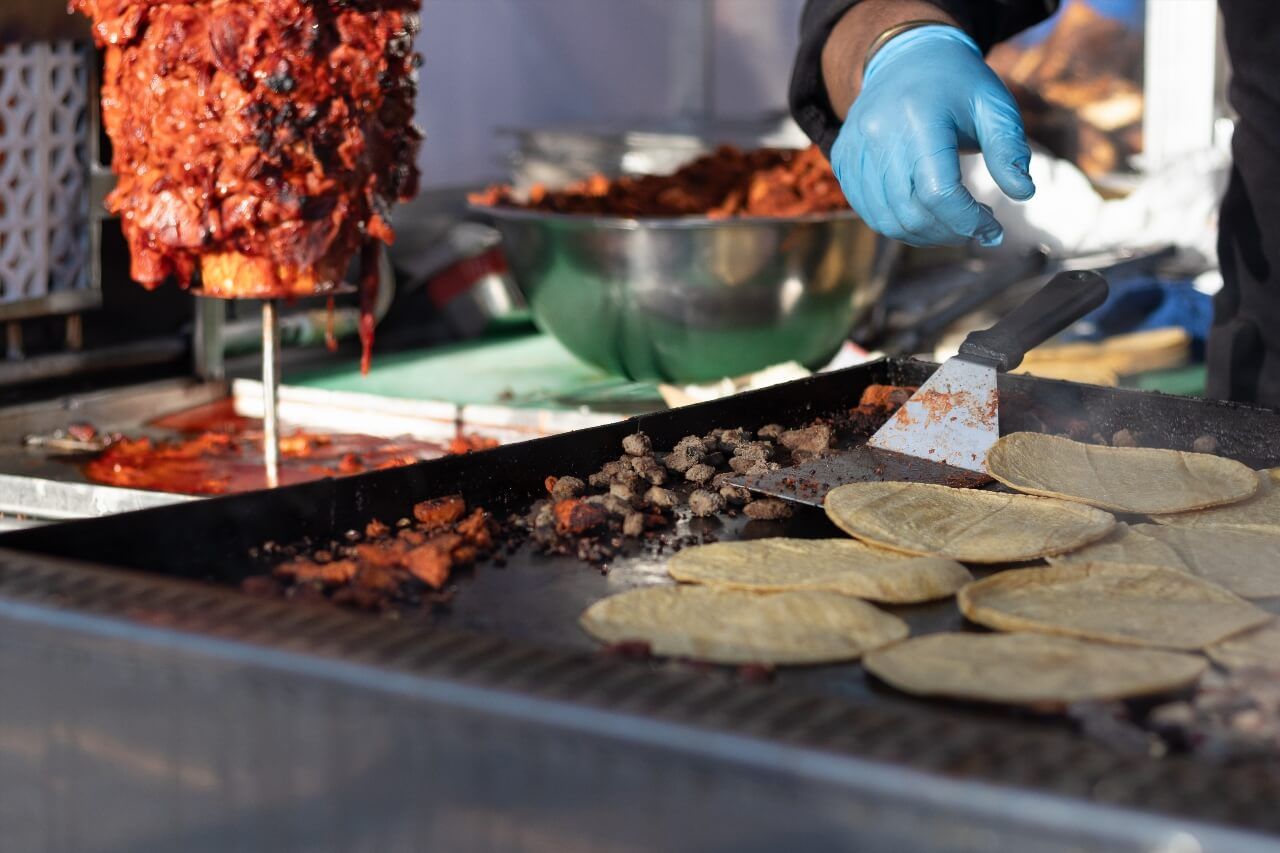
13. Eat Your Way Through a Street Food Tour
Mexico City's street food system is not informal, it is a parallel food economy that feeds millions of people daily through a network of taquerías, fondas, tlayuda stands, torterías, juice bars, and roving vendors that operates on its own rhythms and geography. The city's street food was recognised as part of Mexico's UNESCO Intangible Cultural Heritage designation in 2010, and it underpins a dining culture that extends from the cheapest taco de canasta to the tasting menus at Pujol.
The essentials: tacos al pastor are assembled on a vertical spit of marinated pork (adobada) that rotates before a gas flame, the technique was adapted from Lebanese shawarma by Lebanese immigrants in the mid-20th century, and the Pueblo Nuevo district around Condesa still has the highest concentration of the original Lebanese-owned taquerías. The correct protocol is to eat standing at the counter, three or four tacos at a time, with salsa verde and raw onion. Avoid restaurants that have pictures of their tacos on laminated menus, the real operations know their regulars.
Tamales from street vendors outside Metro stations are a breakfast food, wrapped in corn husk or banana leaf, eaten fast before work. Tlayudas in the Mercado Jamaica area are the Oaxacan import that has permanently colonised the city's late-night eating. Esquites, corn kernels in a cup with lime, chili, and mayonnaise, are the afternoon snack. And elotes (whole corn on a stick, coated in the same mixture) are sold on every major street corner from midday to about 9 pm.
For a structured introduction, guided street food tours run from Mercado de San Juan (Ernesto Pugibet 21, 06040 Centro Histórico, Mexico City, rated 4.5/5 on Google (23 519 avis)) (the covered market where the city's chefs shop for imported ingredients and unusual cuts of meat) out through the surrounding streets. Most tours cost 450 : 800 MXN per person and last about three hours.
14. Walk Roma Norte and La Condesa
Roma Norte and La Condesa are adjacent neighbourhoods that together form the creative and gastronomic engine of contemporary Mexico City. Both were heavily damaged by the 1985 earthquake, Roma Norte in particular lost several blocks to building collapse, and the rebuilding process attracted artists, architects, and restaurants willing to work in damaged buildings at low rents. Forty years later, the neighbourhood has become one of Latin America's densest concentrations of independent restaurants, galleries, vintage shops, and specialty coffee bars.
The street grid is unusual: both neighbourhoods were laid out in the 1910s and 1920s on what was then the shore of the drained Lake Texcoco, which means the streets curve in organic arcs rather than a strict grid. Parque México (Av. México S/N, 06100 La Condesa, Mexico City, rated 4.7/5 on Google (22 992 avis)) in Condesa, a long oval park with Art Deco lamp posts, mature trees, and off-leash dogs on Sunday mornings, is the neighbourhood's living room. Avenida Ámsterdam, which runs as an ellipse around the park, is one of the few streets in the city where walking feels genuinely pleasant rather than merely functional. Roma Norte's anchor is Parque Luis Cabrera and the surrounding blocks on Calle Orizaba, where the density of restaurant terraces makes a weekday lunch feel like a minor festival.
The neighbourhoods function best at walking pace. No single attraction justifies the visit, the cumulative effect of the architecture, the street-level activity, and the quality of the food on every second corner is the point.
15. Spend a Day at the National Museum of Anthropology
The Museo Nacional de Antropología (Av. Paseo de la Reforma S/N, 11560 Chapultepec, Mexico City, rated 4.8/5 on Google (89 856 avis)) is the most visited museum in Mexico and one of the great history museums in the world. Opened in 1964 in Chapultepec Park, the building was designed by architect Pedro Ramírez Vázquez as a statement of national identity: a central courtyard covered by a single umbrella canopy of concrete and bronze supported on one pillar, from which a waterfall descends continuously. The symbolism is deliberate, one pillar holding up the sky, and the engineering remains impressive six decades later.
The collection spans three floors and 23 permanent exhibition halls, covering every major pre-Columbian civilisation of Mesoamerica: Teotihuacan, Maya, Zapotec, Mixtec, Toltec, and the Aztec. The Aztec Hall on the ground floor is the one that draws the longest queues, and for good reason. The Sun Stone, misnamed the Aztec Calendar Stone since the 19th century, is 3.6 metres in diameter and weighs 24 tonnes. It is not a calendar; it is a statement of cosmological belief, depicting the five suns (or world ages) of Aztec mythology, with the current sun at the centre surrounded by the 20 days of the Aztec ritual calendar. It was buried face-down in the Zócalo in 1521 during the Conquest and not rediscovered until 1790.
The Maya Hall, at the far end of the ground floor, contains the reconstructed tomb of Pakal the Great, the 7th-century ruler of Palenque whose jade funeral mask became the defining image of Maya civilisation. The tomb lid, with Pakal depicted descending into the underworld as a corn god, sparked decades of fringe archaeology claiming it depicted an astronaut in a rocket (it does not; it depicts a man falling backwards into a giant corn cob). Plan a minimum of 3 hours for a serious visit; the upper floor ethnographic collection, showing the living cultures descended from these civilisations, is often overlooked and is genuinely worth an additional hour.
Entry costs around 90 MXN. The museum is closed on Mondays. The Ryocity audiowalk through Mexico City's historic district covers several of the pre-Columbian sites referenced in the museum's collection, useful for contextualising what you see on the walls.
16. Browse the Saturday Bazaar in San Ángel
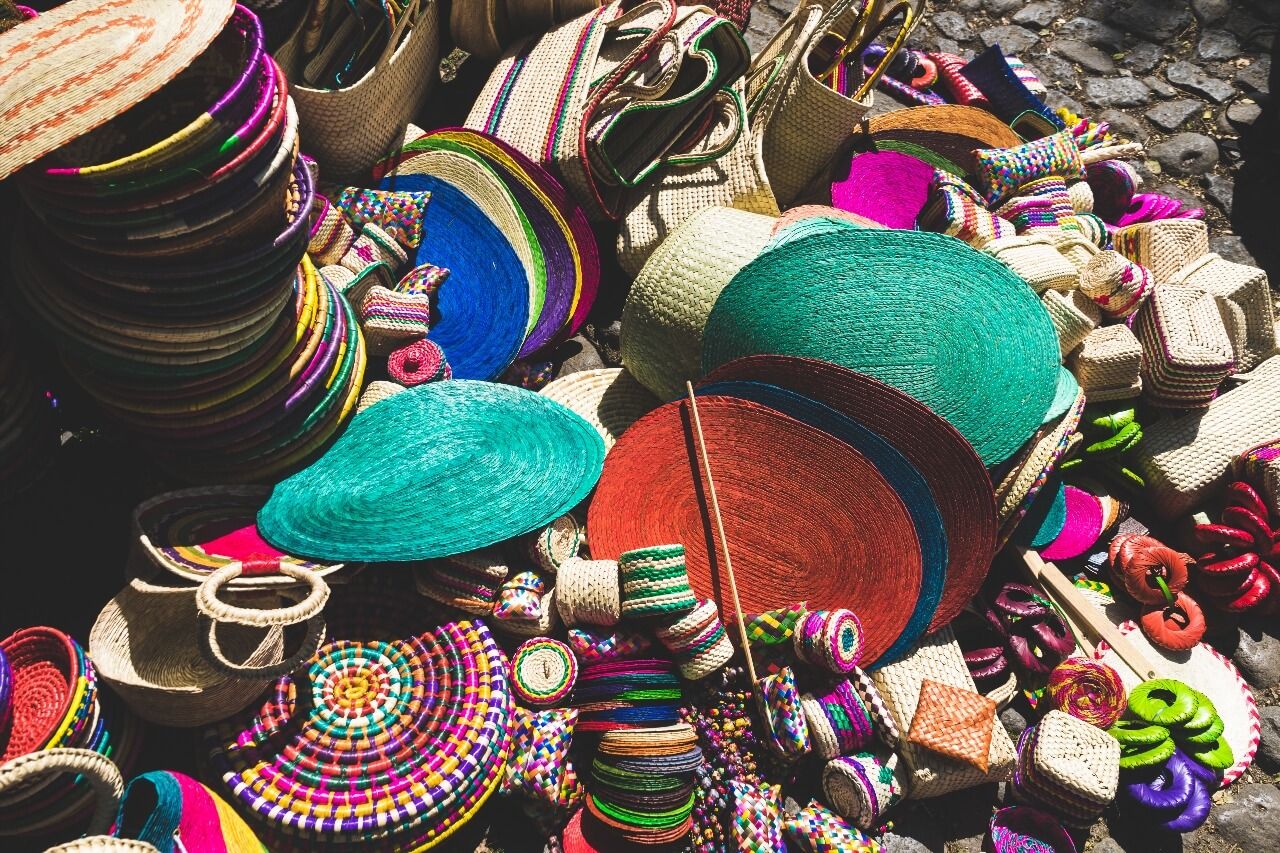
San Ángel is a colonial village, now a borough of Mexico City, that has maintained its cobblestone streets and 17th-century convent architecture despite being thoroughly surrounded by the 20th-century city. The Bazar del Sábado (Plaza San Jacinto 11, 01000 San Ángel, Mexico City, rated 4.5/5 on Google (5 437 avis)) has operated every Saturday in Plaza San Jacinto since 1960 and draws roughly 180 artists and artisans each week selling ceramics, silver jewellery, textiles, paintings, and sculpture. Around the plaza, the old convent buildings have been converted into a permanent arts centre. The food courtyard inside Casa del Risco serves lunch from around noon; arrive by 11 am to find a table.
17. Have Dinner at Pujol or Quintonil
Mexico City has held a place in the world's top restaurant lists for more than a decade, and two restaurants define its culinary ambition more than any others. Pujol (Tennyson 133, 11560 Polanco, Mexico City, rated 4.4/5 on Google (5 854 avis)), opened by Enrique Olvera in 2000, ranks consistently among the world's 50 best restaurants. Its tasting menu centres on Mexican ingredients elevated through technique: the signature dish is mole madre, a mother mole sauce that has been fermenting and building in the kitchen continuously for more than 2,500 days. The concentric circle of old and new mole on the plate is photographed more often than most artworks in the city's museums.
Quintonil, opened by Jorge Vallejo in 2012 in Polanco, takes a different approach: vegetables and wild ingredients sourced from Mexican markets and indigenous agricultural traditions, treated with French technique and genuine restraint. Both restaurants operate tasting menu formats in the 1,800 : 3,500 MXN per person range (excluding wine), and both require reservations made 4 : 6 weeks in advance for prime dinner slots.
If the budget doesn't extend to either, the quality of mid-range dining in Roma Norte and Condesa is high enough that any street of independent restaurants will produce a satisfying meal. The point is not to spend money at Pujol, it is to understand that the same ingredients available from a mercado stall for 30 MXN can, in the hands of Mexico City's best chefs, be the most sophisticated food you eat this year.
18. Climb the Latin American Tower
The Torre Latinoamericana (Eje Central Lázaro Cárdenas 2, 06010 Centro Histórico, Mexico City, rated 4.5/5 on Google (19K avis)) was the tallest building in Latin America when it opened in 1956, reaching 182 metres and 44 floors. Built on the compressible subsoil of the former lake bed, the tower's deep-pile foundation allowed it to survive the 1957 earthquake (magnitude 7.7) with minimal damage. The observation deck on the 44th floor costs around 150 MXN and offers a panoramic view of the historic centre. On clear days, best after winter rain, the two volcanoes are visible to the southeast.
19. Explore the Mercado de Jamaica
The Mercado de Jamaica (Congreso de la Unión 211, 15810 Venustiano Carranza, Mexico City, rated 4.5/5 on Google (58 521 avis)) is Mexico City's main wholesale flower market, operating largely around the clock, and it is one of those places that cities build their character on without anyone listing it in a travel guide. Arrive between midnight and 4 am for the wholesale auction, when the entire market floor fills with buyers choosing from hundreds of thousands of cut flowers delivered from the growing regions of Morelos, Puebla, and beyond. The scale is staggering: on the days before Día de Muertos in late October and early November, the market processes millions of cempasúchil (marigold) flowers, the stems destined for the ofrenda altars of every household in the city.
By day, the market sells retail alongside wholesale, you can buy a massive arrangement of seasonal flowers for 50 : 80 MXN that would cost ten times as much in any European florist. The surrounding streets have evolved a secondary market of plant vendors, ceramics sellers, and atole stalls serving the night-shift workers. Located about 3 kilometres from the Zócalo in the Venustiano Carranza district, it's best reached by taxi at night.
20. Take a Cooking Class
Taking a Mexican cooking class in Mexico City is a different experience from taking one at home. The ingredients are different, not the supermarket-imported version but the actual product: fresh tomatillos, a dozen varieties of dried chile (each with a distinct profile and application), epazote picked that morning, piloncillo in rough cones, hoja santa which smells like anise crossed with mint. Most serious classes begin with a market visit, usually to Mercado de San Juan or Mercado de Medellín (Coahuila 186, 06700 Roma Norte, Mexico City, rated 4.4/5 on Google (16 759 avis)), before moving to a kitchen.
The full-day format (around 1,200 : 1,800 MXN per person) typically covers three or four dishes: a mole (red, green, or the complex negro), a sopa seca (dry soup, which is actually pasta or rice cooked in a reduced sauce), a tamale, and a dessert. The lesson in technique is genuine, understanding why a mole negro requires charring the chiles until black, and why the same technique applied to European cooking would be considered a catastrophic mistake, reorients your thinking about how flavour is built. Operators like Mi Cocina and Eat Mexico run half-day and full-day formats in Roma, Coyoacán, and the historic centre.
21. Visit Museo Dolores Olmedo
Museo Dolores Olmedo (Av. México 5843, 16030 La Noria, Xochimilco, Mexico City, rated 4.7/5 on Google (8 443 avis)) sits in Xochimilco's La Noria neighbourhood. Dolores Olmedo was Diego Rivera's closest patron and friend; she owned the largest private collection of Rivera's work in the world, along with 25 original Frida Kahlo paintings, and bequeathed the entire collection to the Mexican state. The museum occupies an 18th-century hacienda with formal gardens where peacocks and xoloitzcuintli, the ancient hairless dogs of Mesoamerica, roam freely. Note: the museum closed its original Xochimilco site in 2020 and parts of the collection have been touring; check current location before planning a visit.
22. Stand Inside the Metropolitan Cathedral
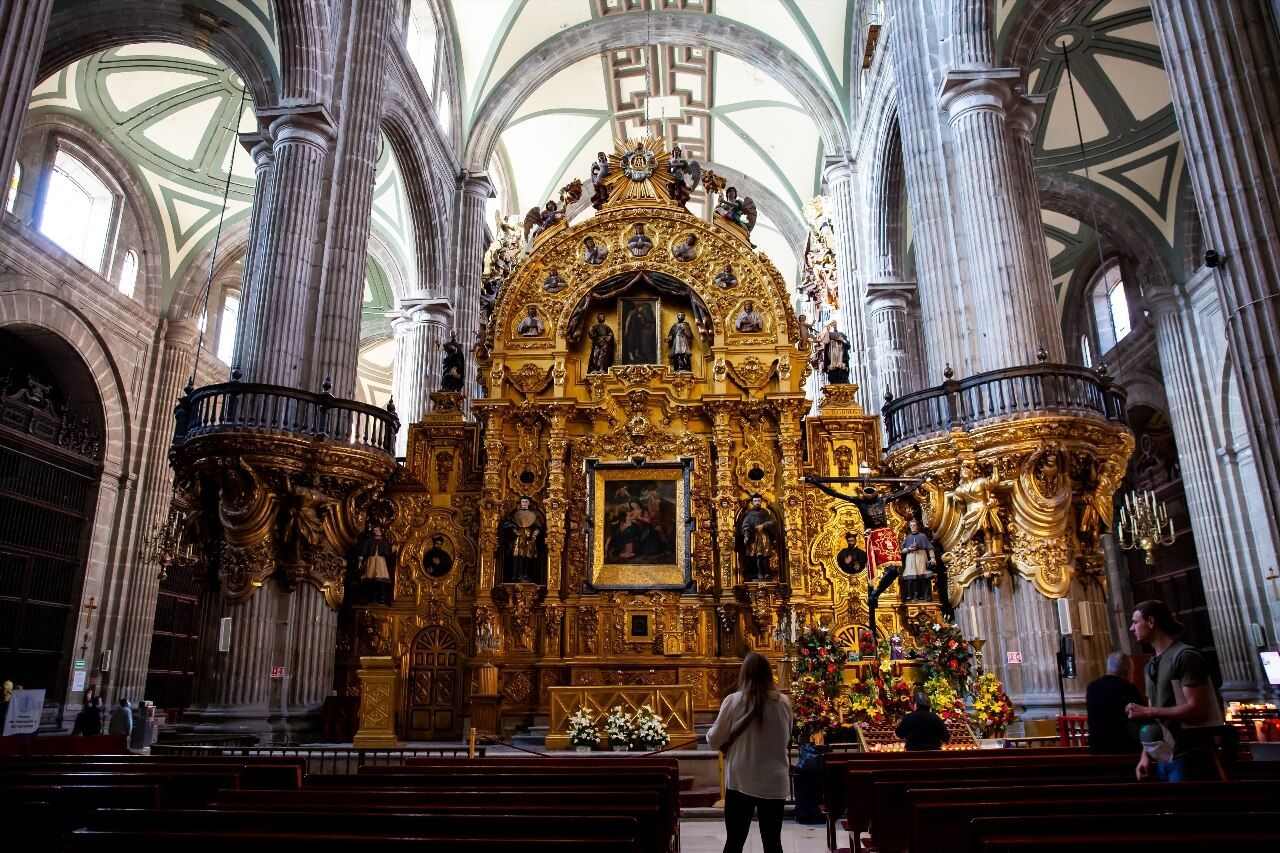
The Catedral Metropolitana (Plaza de la Constitución S/N, 06060 Centro Histórico, Mexico City, rated 4.7/5 on Google (23 724 avis)) on the north side of the Zócalo is the largest and oldest cathedral in the Americas, construction began in 1573, on the rubble of the demolished Templo Mayor, and wasn't completed until 1813: a building project spanning 240 years and multiple architectural styles from Renaissance to Baroque to Neo-Classical. The result is a façade that tells the entire history of Mexican ecclesiastical architecture simply by looking at its layers.
Inside, the cathedral contains 16 chapels, each commissioned by a different religious order or wealthy patron, with their own altarpieces, artworks, and spatial character. The Altar de Perdón (Altar of Forgiveness) was the first thing travellers saw on entering the city from the north, it dates from the 17th century and survived a major fire in 1967 that damaged much of the interior. The building visibly tilts to one side, a result of the differential settling of the volcanic subsoil; sensors monitor the movement continuously, and stabilisation works in the 1990s arrested the worst of the sinking. Entry is free; respectful dress is expected.
23. Ride the Chapultepec Cable Car
Installed in 2021, the Teleférico de Chapultepec (Av. Constituyentes 1000, 11850 Chapultepec, Mexico City, rated 4.7/5 on Google (96 avis)) connects the Constituyentes Metro station to the second section of the park, passing over the treetops. The ride takes about 8 minutes each way and costs 75 MXN. The view from the cabins is genuinely good, especially on clear mornings when you can see across to the volcanoes.
24. Browse the Mercado de la Ciudadela
For craft shopping that goes beyond the standard tourist market, the Mercado de Artesanías de la Ciudadela (Plaza de la Ciudadela 18, 06070 Centro Histórico, Mexico City, rated 4.5/5 on Google (33 721 avis)) in the Centro Histórico near the Ciudadela metro station is the best fixed-location option in the city. Around 200 stalls sell artisanal goods from all 32 Mexican states: talavera pottery from Puebla, alebrijes (the painted wooden fantastical animals) from Oaxaca, huichol beadwork from Jalisco and Nayarit, embroidered huipiles from Chiapas, lacquerware from Michoacán, and obsidian carvings from Hidalgo. Negotiation is expected. The market is open daily from 10 am to 7 pm and is easily combined with a visit to Alameda Central, two blocks north.
25. Watch the Sunset from Cerro de la Estrella
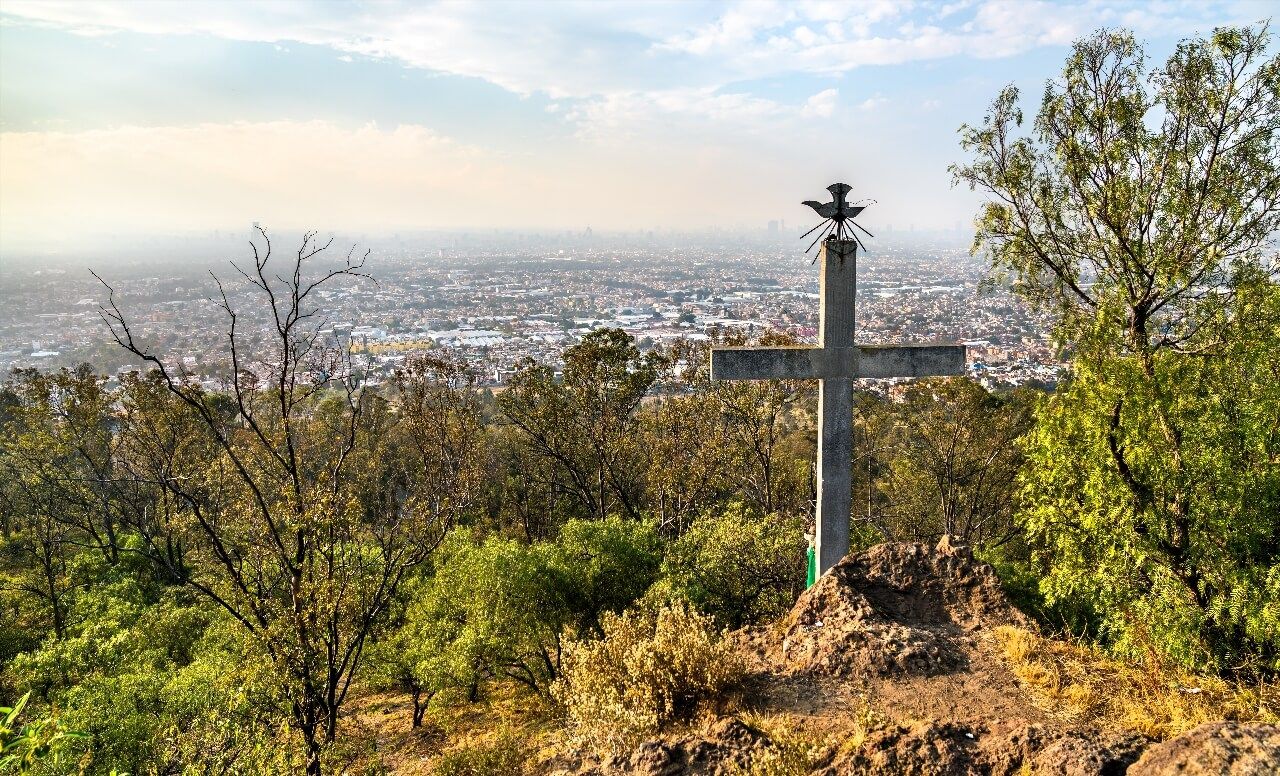
Cerro de la Estrella (Hill of the Star) in the Iztapalapa borough is where, every 52 years, the Aztecs performed the New Fire ceremony, extinguishing every flame in the empire and waiting on the hilltop to see whether the stars would continue moving, confirming the world had not ended and allowing them to relight the sacred flame. The last pre-Columbian ceremony took place in 1507. The hill rises 2,460 metres above sea level, about 110 metres above the surrounding urban floor, and commands a panoramic view over the eastern city that most visitors never see.
The archaeological zone at the summit contains the ruins of the circular temple where the ceremony was performed, alongside a series of carved reliefs depicting Aztec deities. The views at sunset, when the air quality in the eastern city is at its clearest, the light turns the volcanic rock gold, and the twin volcanoes appear enormous on the horizon, are among the most atmospheric in the metropolitan area. Entry is free. The park surrounding the hill has a community of white-tailed deer and a cactus garden. Take a taxi or Uber from Iztapalapa Metro station (about 15 minutes).
FAQ
How many days do you need in Mexico City?
Five days is the minimum to cover the major sites without feeling rushed. Three days allows you to hit the historic centre, Chapultepec, and one outer neighbourhood like Coyoacán or Xochimilco. A full week gives you room to slow down, explore the market system properly, and make day trips to Teotihuacan and perhaps Cholula or Puebla. The city rewards longer stays disproportionately, the second week is better than the first because you begin to understand the neighbourhood logic.
Is Mexico City safe for tourists?
The areas covered in this guide, Centro Histórico, Coyoacán, Roma Norte, Condesa, Polanco, Chapultepec, San Ángel, and Xochimilco, are all actively policed tourist zones with generally low rates of violent crime against visitors. Standard urban precautions apply: don't flash expensive equipment, use Uber or established taxi apps rather than hailing cabs on the street, and check current advisories for specific boroughs before visiting outer areas like Iztapalapa or Tepito. Petty theft exists as in any major city. The US State Department advisory classifies Mexico City at Level 2 (Exercise Increased Caution), the same rating as many European capitals.
What is the best time of year to visit Mexico City?
November through February is the dry season and the clearest period for visibility, including views of the volcanoes. March and April are warm and increasingly hazy from agricultural burning in the surrounding states. May brings the first rains, which clear the air dramatically. June through September is rainy season, afternoon thunderstorms are frequent but usually brief, and mornings are often clear. The Día de Muertos celebrations at the end of October and beginning of November are spectacular and worth building a trip around.
How do you get around Mexico City?
The Metro is the fastest and cheapest option for most cross-city journeys: 5 MXN per trip regardless of distance. It covers most major attractions in the historic centre and Chapultepec, though not Coyoacán or Xochimilco directly. Uber is reliable, generally safe, and cheap by international standards, a 30-minute journey costs roughly 80 : 150 MXN. The Metrobús (articulated rapid bus) covers Insurgentes, Paseo de la Reforma, and several other high-traffic corridors. Walking is viable within individual neighbourhoods but not between them, the distances are larger than they appear on maps.
What is Mexico City's altitude and does it affect visitors?
Mexico City sits at approximately 2,240 metres (7,350 feet) above sea level, higher than most of the Rocky Mountain ski resorts. About 20 : 25% of visitors experience mild altitude sickness symptoms: headache, fatigue, slight breathlessness, and disrupted sleep on the first night or two. The standard advice is to avoid alcohol and heavy exertion for the first 24 hours, drink more water than usual, and avoid ibuprofen (which can worsen altitude headache). Most people acclimatise within 48 hours. Teotihuacan sits even higher at approximately 2,300 metres, plan that excursion for day two or three, not day one.
Is the tap water safe to drink in Mexico City?
No. Tap water in Mexico City is not considered safe for visitors to drink, even though the municipal system is treated. The issue is old infrastructure, the distribution pipes in many areas of the city leach contaminants, and the gut flora adjustment required by visitors from other countries. Buy bottled or filtered water, use it for brushing teeth, and be cautious with ice at non-tourist-oriented establishments (the ice at established restaurants is almost always made from purified water).
Mexico City is the kind of place that restructures your sense of scale, of history, of urban life, of what a food culture can be when it operates at the level of an entire civilisation rather than a regional cuisine. The 25 experiences in this guide don't scratch the surface, but they give you the architecture of an understanding. Start with the Ryo audiowalk through Mexico City to get oriented in the historic centre, then let the neighbourhoods and markets pull you in their own direction. CDMX rewards people who slow down.