
Créé par Emilie, le 4 juin 2026
Votre guide Ryo
The 17 Most Beautiful Places to Visit in Mexico
© Shutterstock
Mexico, a country with a thousand faces, fascinates with its exceptional cultural richness and the diversity of its landscapes. From ancient Mayan pyramids to white sand beaches, from colorful colonial cities to mysterious cenotes, every corner of Mexican territory offers unforgettable discoveries. Whether you're passionate about history, love relaxation, or are an adventurous soul, visiting Mexico promises a unique experience. Between the Pacific Ocean to the west and the Caribbean Sea to the east, this Latin American country offers an infinite palette of emotions. Here is our selection of the 17 most beautiful places to visit in Mexico to help you prepare your next trip.
1. Chichen Itza, the Mayan Wonder of the World
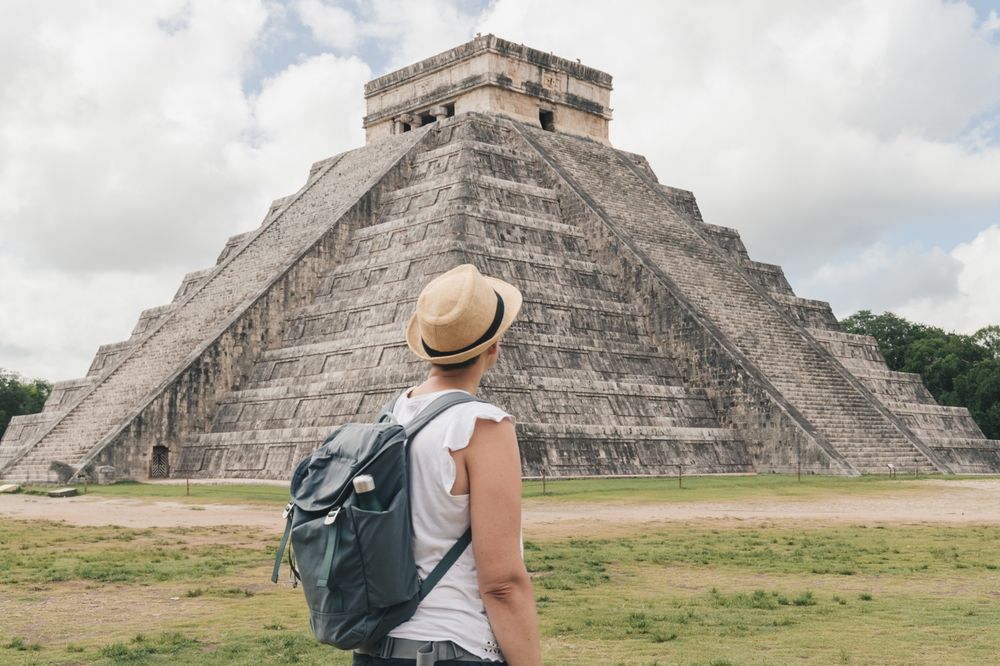
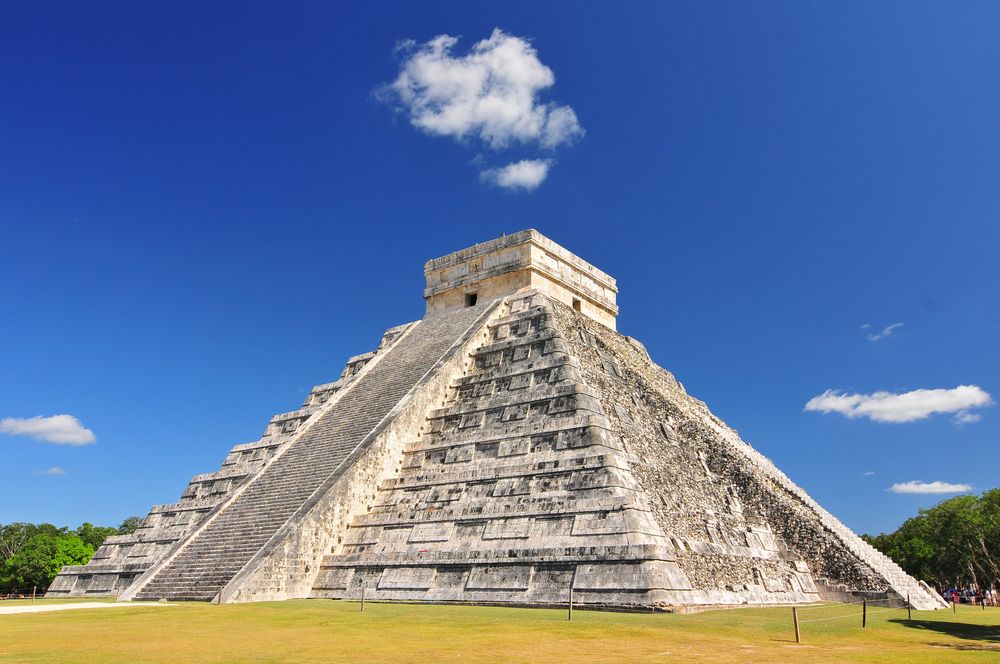
It's impossible to visit Mexico without discovering Chichen Itza, one of the country's most impressive archaeological sites and one of the New Seven Wonders of the World. Located in the Yucatan Peninsula, this ancient Mayan city fascinates with its iconic pyramid El Castillo (Temple of Kukulcán). This architectural monument, rising nearly 30 meters high, testifies to the advanced astronomical knowledge of the Maya. At each equinox, a play of shadows and lights creates the illusion of a serpent descending the pyramid's stairs.
The site also houses the great ball court, the largest in Mesoamerica, as well as the Sacred Cenote where the Maya practiced rituals. Classified as a UNESCO World Heritage site, Chichen Itza attracts nearly 2 million visitors each year. To fully enjoy your visit and avoid crowds, plan to arrive when the site opens. The Mayan ruins of Chichen Itza are an absolute must-see for any trip to Mexico.
2. Mexico City, the Vibrant Capital with a Thousand Facets
The Mexican capital, often called CDMX, well deserves a place on this list of the most beautiful places to visit in Mexico. This sprawling metropolis of over 20 million inhabitants reveals exceptional historical heritage. At the heart of the historic center, the Zócalo, one of the world's largest squares, is bordered by the majestic Metropolitan Cathedral and the National Palace adorned with Diego Rivera's famous frescoes.
Don't miss the National Museum of Anthropology, considered one of the world's most important museums, housing an impressive collection of pre-Columbian objects including the famous Aztec Stone of the Sun. The bohemian neighborhood of Coyoacán, with Frida Kahlo's famous Blue House, and the floating gardens of Xochimilco add to the charm of this cultural capital. Mexico City also surprises with its world-renowned gastronomic scene and contemporary neighborhoods like Polanco or Roma.
Download the audio-guided tour to discover Mexico City on foot and independently
To explore Mexico City with complete freedom and dive into the heart of one of the world's largest metropolises, download the Ryo audio-guided tour dedicated to Mexico City. With 24 commented points of interest, explore the city on foot and independently, from the Zócalo and Metropolitan Cathedral to the Aztec remains of Templo Mayor, passing through the vibrant neighborhoods of Coyoacán and Roma. The app guides you simply while offering rich audio content to understand the millennia-old history, architecture, and Mexican culture. Perfect for visiting at your own pace, between cultural discoveries, local traditions, and urban excitement.
3. The Yucatan Cenotes, Sacred Natural Pools
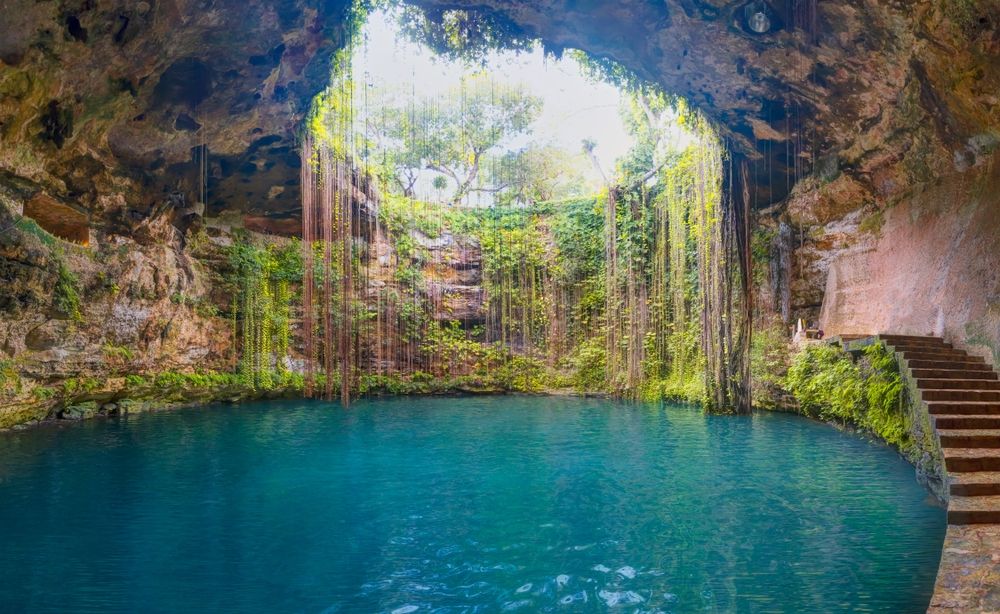
The cenotes are among the most spectacular natural treasures to discover in Mexico. These natural freshwater sinkholes, formed by the collapse of limestone bedrock, were considered gateways to the underworld by the Mayan civilization. The Yucatan Peninsula has nearly 10,000 of them, offering fairytale landscapes with crystalline waters of enchanting turquoise blue.
Among the must-see cenotes, Gran Cenote near Tulum allows swimming and snorkeling among stalactites. Cenote Ik Kil, close to Chichen Itza, impresses with its dimensions and vines descending to the water. Cenote Dos Ojos delights divers with its spectacular underwater cave system. Cenote Suytun offers a magical spectacle when a ray of light illuminates its waters. These magical places constitute a unique experience when traveling in Mexico, between refreshing swimming and diving into Mayan spirituality.
4. Tulum, Paradise Between Ruins and Beaches
Tulum embodies the quintessence of dream Mexico: majestic Mayan ruins overlooking white sand beaches bathed by turquoise sea. This ancient Mayan city, the only archaeological site built by the sea, offers breathtaking panoramic views. The main temple, perched on a 12-meter cliff, stands out against the intense blue of the Caribbean Sea.
Beyond the ruins, Tulum seduces with its paradise beaches stretching for kilometers. The town is also renowned for its numerous surrounding cenotes and its relaxed atmosphere. Tulum has become a favorite destination for travelers seeking authenticity and nature, with its eco-responsible accommodations and gastronomic scene focused on local products. To visit Mexico at its best, Tulum perfectly combines culture, history, and relaxation.
5. Guanajuato, Colonial Jewel Perched in the Mountains
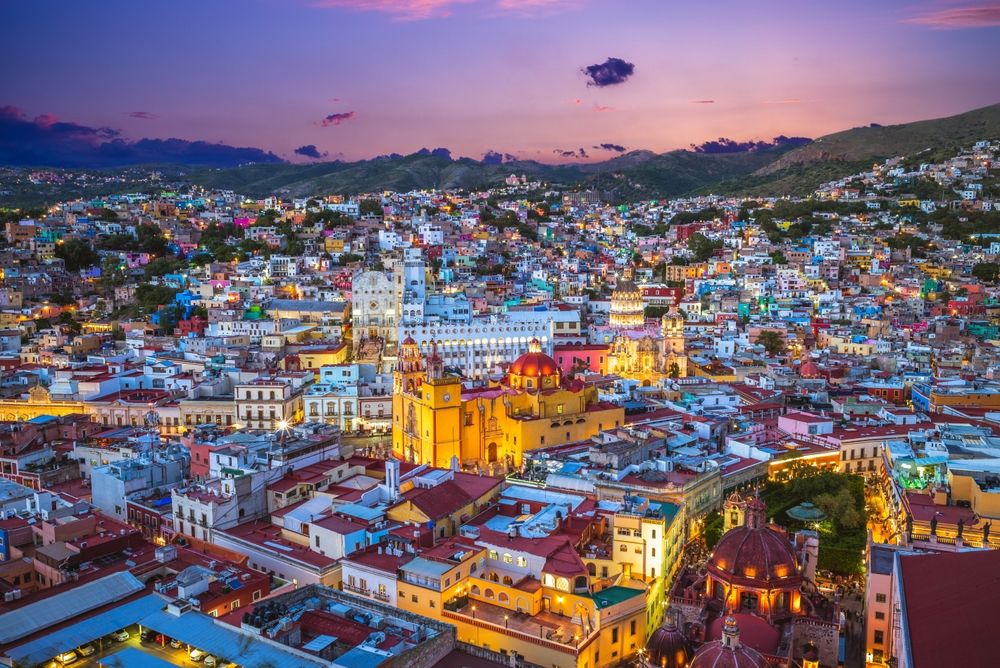
Nestled in the heart of the mountains of central Mexico, Guanajuato is one of the country's most beautiful colonial cities. Its historic center, classified as a UNESCO World Heritage site, reveals a maze of cobbled streets, flower-filled squares, and colorful houses staggered on hillsides. This former mining town, once one of the richest in New Spain thanks to its silver mines, played a major role in Mexican independence.
Don't miss the climb to the Pípila monument to admire an exceptional panoramic view of the entire city. The Callejón del Beso (the alley of the kiss), so narrow that the balconies almost touch, tells a local romantic legend. The Teatro Juárez, a sumptuous neoclassical theater, and the university with its monumental stairs add to the charm of this lively university town. Guanajuato vibrates to the rhythm of mariachi groups and the famous Cervantino Festival, one of the most important cultural festivals in Latin America.
6. Bacalar Lagoon, the Seven-Color Lagoon
Nicknamed the "lagoon of seven shades of blue," Bacalar is one of Quintana Roo's best-kept secrets. This immense freshwater expanse of nearly 50 kilometers long reveals a palette of blues ranging from brilliant turquoise to deep blue, depending on depth and light. Far from the tourist hustle of Cancun or Playa del Carmen, Bacalar offers an ideal haven of peace for recharging.
Activities abound: kayaking on calm waters, paddleboarding, swimming in nearby cenotes like Cenote Azul or la Bruja, or visiting Fort San Felipe which tells the history of pirates in the region. The lagoon also houses stromatolites, rock formations created by microorganisms thousands of years old. To visit Mexico off the beaten path, Bacalar is an essential stop where nature reigns supreme.
7. Teotihuacan, the City of the Gods
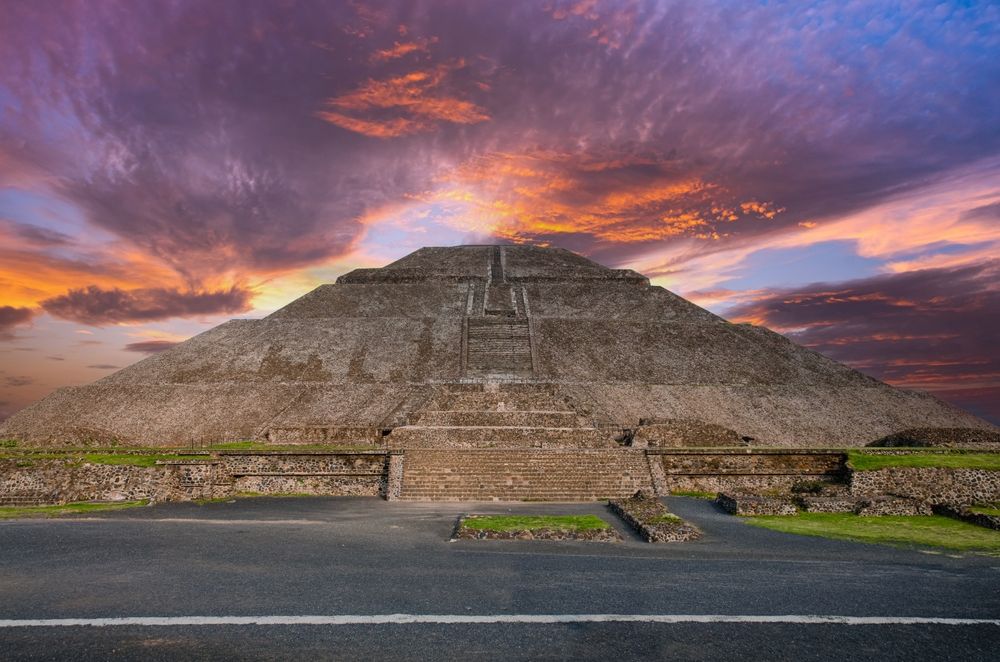
Just 50 kilometers from Mexico City, Teotihuacan is one of Mexico's most impressive archaeological sites. This ancient pre-Columbian metropolis, which reached its peak between the 1st and 7th centuries, was then one of the world's largest cities with nearly 200,000 inhabitants. Its Nahuatl name means "the place where gods were born," testifying to its importance in Mesoamerican cosmology.
The Pyramid of the Sun, the world's third largest pyramid at 65 meters high, dominates the site. The climb to its summit offers spectacular views of the entire complex. The Pyramid of the Moon, smaller but equally majestic, closes the Avenue of the Dead, the main avenue over 2 kilometers long. The remarkably preserved frescoes of the Palace of Quetzalpapalotl and the pyramids of the Feathered Serpent complete this exceptional visit. Inscribed as a UNESCO World Heritage site, Teotihuacan is essential for understanding Mexico's pre-Hispanic history.
8. Oaxaca, Cultural and Gastronomic Capital
Oaxaca, located in southern Mexico, embodies the country's deep soul. This colonial city of undeniable charm, classified as a UNESCO World Heritage site, is renowned for its cultural richness, living indigenous traditions, and exceptional gastronomy. The historic center reveals superb baroque buildings like the church of Santo Domingo de Guzmán, a true architectural masterpiece with its interior covered in gold leaf.
Oaxaca is the birthplace of mezcal, this traditional agave-based alcohol, and famous Mexican chocolate. The seven moles, complex sauces prepared with sometimes more than 30 ingredients, make the region's gastronomic reputation. Don't miss the Benito Juárez market to discover local products and Oaxacan crafts, notably the famous alebrijes, fantastic painted wood sculptures. Nearby, the Zapotec archaeological site of Monte Albán, perched on a hill, offers panoramic views of the entire valley.
9. Palenque, the Mayan City Swallowed by the Jungle
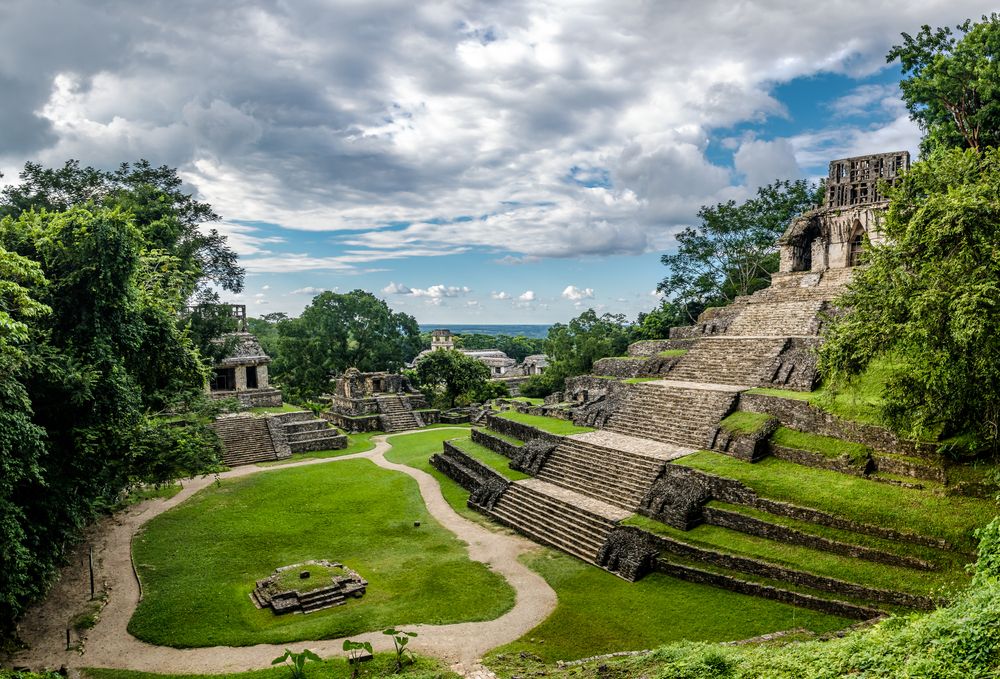
In the heart of the lush jungle of Chiapas, Palenque is one of Mexico's most fascinating Mayan sites. This ancient city, which reached its peak between the 6th and 8th centuries, is distinguished by the elegance of its architecture and the fineness of its bas-reliefs. The Temple of the Inscriptions, pyramid housing the tomb of King Pakal, is one of the rare Mayan funerary temples discovered with its occupant still in place.
The Palace, with its observation tower unique in Mayan architecture, the Temple of the Sun, and the Temple of the Cross constitute the other jewels of this UNESCO World Heritage site. The mystical atmosphere of Palenque, with its ruins emerging from tropical vegetation and the sound of howler monkeys in the background, transports visitors to another era. To visit authentic Mayan Mexico, far from tourist beaches, Palenque offers an unforgettable experience in the heart of nature.
10. San Miguel de Allende, Artistic Colonial Pearl
San Miguel de Allende, jewel of Guanajuato State, regularly features among the world's most beautiful cities. This impeccably preserved colonial city seduces with its cobbled streets, colorful facades, and baroque architecture. The Parroquia de San Miguel Arcángel, a pink neo-Gothic church, dominates the Jardin Principal and has become the city's emblem.
San Miguel de Allende played a crucial role in Mexico's independence and today houses an important community of artists and expatriates who have contributed to its cultural dynamism. The city has numerous art galleries, artisan workshops, and gourmet restaurants. Traditional markets like the Mercado de Artesanías allow discovery of local crafts. Classified as a UNESCO World Heritage site, San Miguel de Allende offers a refined cultural experience in an enchanting colonial setting.
11. The Islands of Quintana Roo: Holbox, Cozumel and Isla Mujeres
Mexico's Caribbean coast is home to several paradise islands worth visiting. Holbox, a small 56 km² island in the Gulf of Mexico, is a haven of peace where cars are forbidden. Its white sand beaches, turquoise waters, and the possibility of swimming with whale sharks between June and September make it a unique destination. The pink flamingos that populate the lagoons add a touch of color to this postcard landscape.
Cozumel, Mexico's largest island, is world-renowned for its exceptional diving sites. The Palancar reef and Cozumel National Marine Park house extraordinary marine biodiversity. Isla Mujeres, off Cancun, seduces with its relaxed atmosphere and underwater museum (MUSA) where more than 500 submerged sculptures create a fascinating artificial reef. These three islands offer different facets of Mexican Caribbean paradise.
12. Agua Azul Waterfalls, Natural Wonder of Chiapas
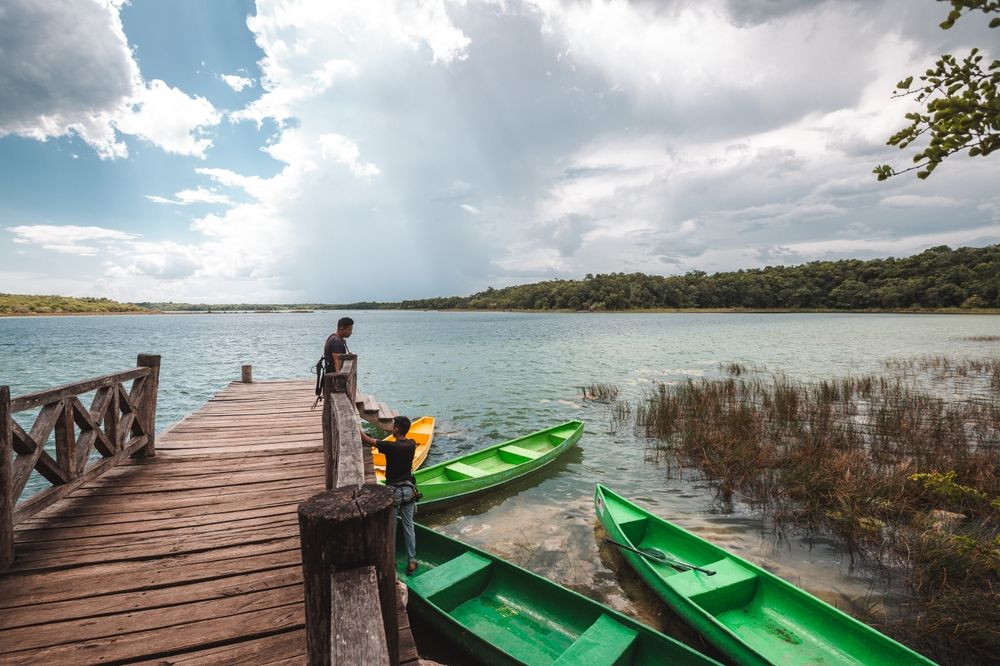
In Chiapas State, the Agua Azul waterfalls form a breathtaking natural spectacle. This succession of waterfalls and natural pools staggered over nearly 7 kilometers reveals waters of unreal turquoise blue, due to high mineral content. The Agua Azul special biosphere reserve offers a paradisiacal setting where it's possible to swim in certain natural basins.
Important note: since the September 2017 earthquake, the waterfalls' flow has been considerably reduced. It's recommended to inquire about the site's current state before planning your visit. Not far away, the Misol-Ha waterfalls, an impressive 35-meter waterfall, and the Sumidero canyon, where the Grijalva river winds between vertiginous cliffs reaching 1000 meters, complete the discovery of Chiapas natural wonders.
13. Playa del Carmen and the Riviera Maya
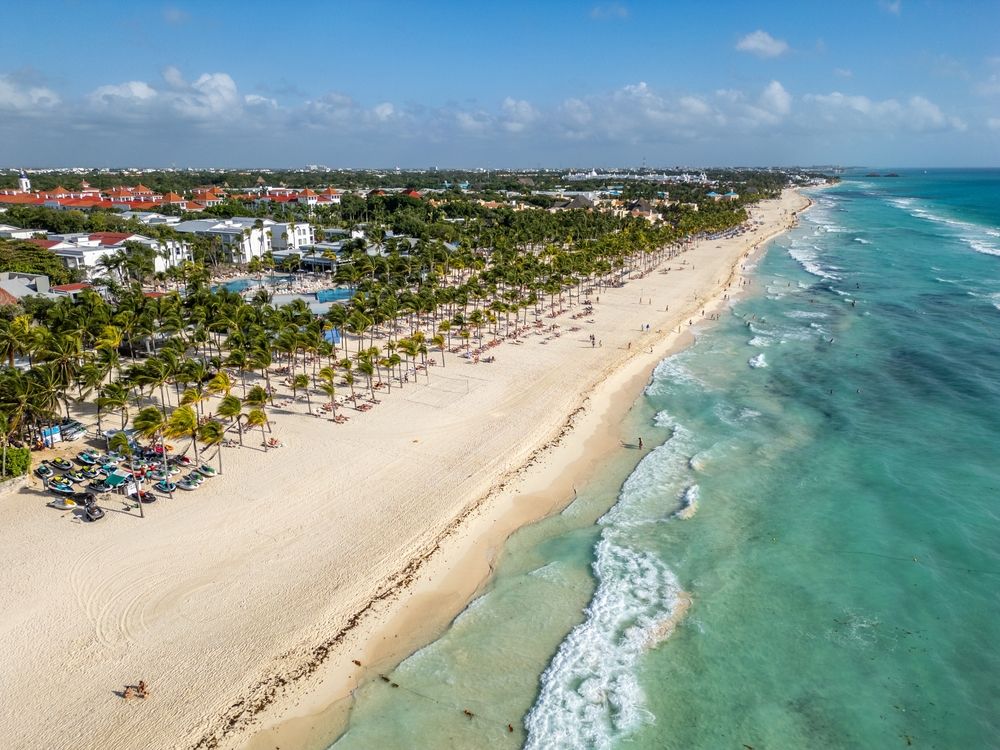
Playa del Carmen and the Riviera Maya embody Mexico's seaside face, between dream beaches and water activities. Once a peaceful fishing village, Playa del Carmen has transformed into a dynamic seaside resort while maintaining a relaxed atmosphere. Quinta Avenida, a pedestrian avenue lined with shops, restaurants, and bars, constitutes the city's beating heart.
The Riviera Maya extends over 120 kilometers along the Caribbean coast, from Puerto Morelos to Tulum. This coastal strip combines paradise beaches, coral reefs suitable for diving, mysterious cenotes, and Mayan archaeological sites. The crystalline waters of the Caribbean Sea allow observation of rich marine fauna: sea turtles, rays, colorful tropical fish. For those who wish to visit Mexico from a seaside angle, the Riviera Maya offers the perfect balance between relaxation and cultural discoveries.
14. Nevado de Toluca Volcano
The Nevado de Toluca, also called Xinantécatl (naked man in Nahuatl), is Mexico's fourth highest peak at 4,680 meters altitude. This extinct volcano, located in the State of Mexico, houses two magnificent lagoons in its crater: the Lake of the Sun and the Lake of the Moon. Until 2016, it was possible to drive to the crater, making this site one of the most accessible for observing crater lakes.
Today, vehicle access stops before the summit, but the hike to the crater remains accessible to walkers in good physical condition. The view from the summit embraces the entire Toluca valley and, on clear days, you can see the Popocatépetl and Iztaccíhuatl volcanoes. Nevado de Toluca National Park also offers pine and fir forests, alpine meadows, and fauna including white-tailed deer and gray foxes. For nature and high mountain lovers, it's an exceptional site to visit in Mexico.
15. San Cristóbal de las Casas, Cultural Capital of Chiapas
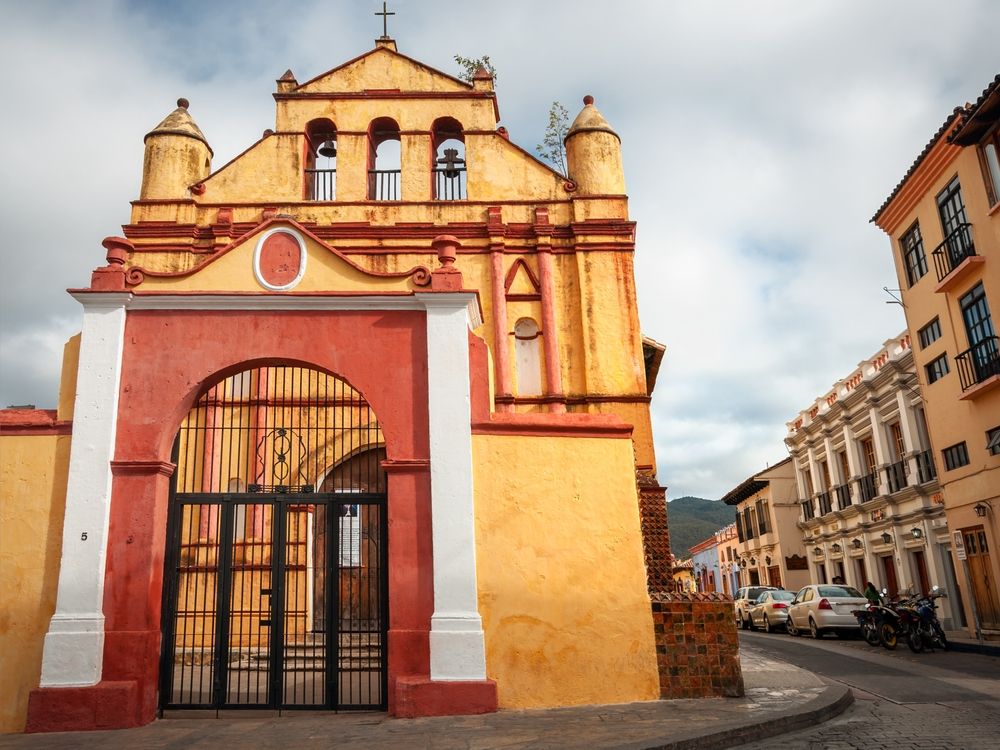
Perched at 2,200 meters altitude in the Chiapas mountains, San Cristóbal de las Casas is a colonial town with authentic charm. Its cobbled streets bordered by colorful single-story houses, red tile roofs, and numerous churches create a unique atmosphere. The city is the cultural heart of the Tzotzil and Tzeltal indigenous peoples who have preserved their ancestral traditions.
The Santo Domingo market allows discovery of local crafts, notably textiles with traditional patterns woven by indigenous women. Don't miss the church of San Juan Chamula, a few kilometers from the city, where fascinating religious syncretism mixing Catholicism and ancestral Mayan beliefs is still practiced. San Cristóbal de las Casas also seduces with its cosmopolitan atmosphere and dynamic cultural scene, with numerous cafés, bookstores, and cultural centers. The city is an excellent base for exploring Chiapas natural wonders.
16. Hierve el Agua, the Petrified Waterfalls
Hierve el Agua, located about 70 kilometers from Oaxaca, is one of Mexico's most surprising natural sites. These aren't real waterfalls, but rock formations created by calcium carbonate deposits that give the illusion of petrified waterfalls. These natural concretions, formed over thousands of years, cascade down cliffs for nearly 50 meters.
At the summit, natural pools fed by mineral-rich springs allow swimming while admiring spectacular panoramic views of the Oaxaca valley. The water, which emerges at constant temperature, creates these infinity pools overlooking the void. The site includes two main formations: the petrified waterfall and the amphitheater. To visit Mexico and discover unique geological phenomena, Hierve el Agua offers a fascinating natural spectacle, especially at sunset when the rock formations take on golden hues.
17. Lagunas de Montebello National Park
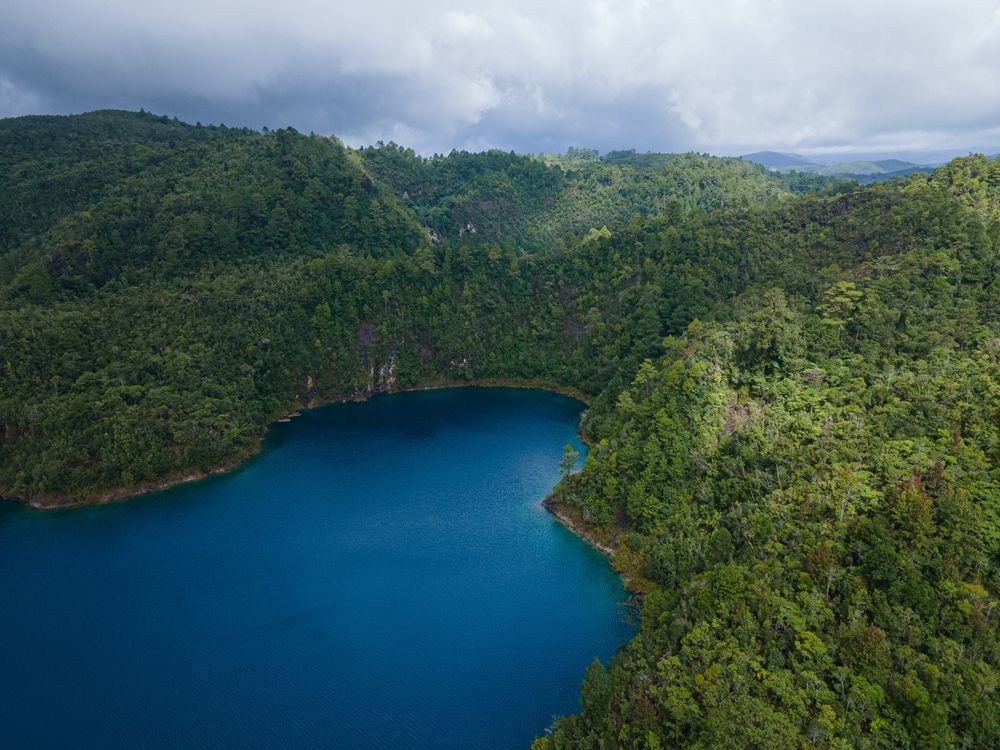
To conclude this list of the most beautiful places to visit in Mexico, let's head to Lagunas de Montebello National Park, in Chiapas State, near the Guatemalan border. This UNESCO biosphere reserve houses about fifty lakes and lagoons with extraordinary colors, ranging from turquoise to emerald green, from azure blue to deep violet, depending on the water's mineral composition, submerged vegetation, and depth.
Surrounded by pine and oak forests, these lagoons create a fairytale and peaceful landscape. The most accessible are the Lagunas de Colores, a group of seven easily visitable lakes. Some lagoons allow kayaking or swimming. The park also houses caves, little-explored archaeological zones, and rich biodiversity. Hiking trails wind through the forest, offering spectacular viewpoints of these multicolored water expanses. Lagunas de Montebello represents a unique ecosystem in Mexico, away from classic tourist circuits, perfect for lovers of preserved nature.
In conclusion, visiting Mexico reveals a country of incredible richness where each region unveils unique treasures. From Mayan archaeological sites testifying to a millennial civilization to the paradise beaches of the Riviera Maya, from colorful colonial cities to natural wonders like cenotes and petrified waterfalls, Mexico offers an infinite palette of experiences. Whether you're passionate about pre-Hispanic history, love relaxing on dream beaches, exploring colonial cities, or are an adventurer seeking wild nature, the 17 most beautiful places presented in this article constitute essential stops for discovering the deep soul of this fascinating country. Mexico awaits you with its living traditions, flavorful gastronomy, and the warmth of its people for a memorable journey.
Frequently Asked Questions
What is the best time to visit Mexico?
The best time to visit Mexico generally extends from November to April, during the dry season. Temperatures are pleasant and precipitation limited. Avoid the rainy season (June to October) and hurricane season (August to October) on the coasts. For archaeological sites, favor November to March months to avoid intense heat.
How many days should you plan to visit Mexico?
A minimum of 10 to 15 days is recommended to discover Mexico's main sites. Ideally, plan 3 weeks to combine archaeological sites, colonial cities, and beaches. Two weeks allow comfortable discovery of a specific region like the Yucatan Peninsula or central Mexico with Mexico City, Guanajuato, and Oaxaca.
What are the must-see archaeological sites in Mexico?
Must-see archaeological sites include Chichen Itza (New Wonder of the World), Teotihuacan (near Mexico City), Palenque (in the Chiapas jungle), Tulum (by the sea), Monte Albán (near Oaxaca), Uxmal (Yucatan), and Calakmul (isolated in the forest). Each offers a unique perspective on Mexico's pre-Hispanic civilizations.
Is Mexico a safe destination for travelers?
Mexico's main tourist areas (Yucatan, Riviera Maya, colonial cities, Mexico City) are generally safe for visitors. As in any destination, basic precautions should be taken: avoid isolated areas at night, don't display valuables, use official taxis. Consult Foreign Affairs recommendations before departure and inquire about areas to avoid.
Can you swim in all cenotes in Mexico?
No, not all cenotes are open for swimming. Some are reserved for observation or certified diving. Cenotes accessible for swimming have equipment and safety measures. It's important to respect rules: no chemical sunscreen (favor biodegradable creams), shower before swimming, and respect local guidelines to preserve these fragile and sacred ecosystems.