
Créé par Romane, le 7 mai 2026
Votre guide Ryo
© Shutterstock
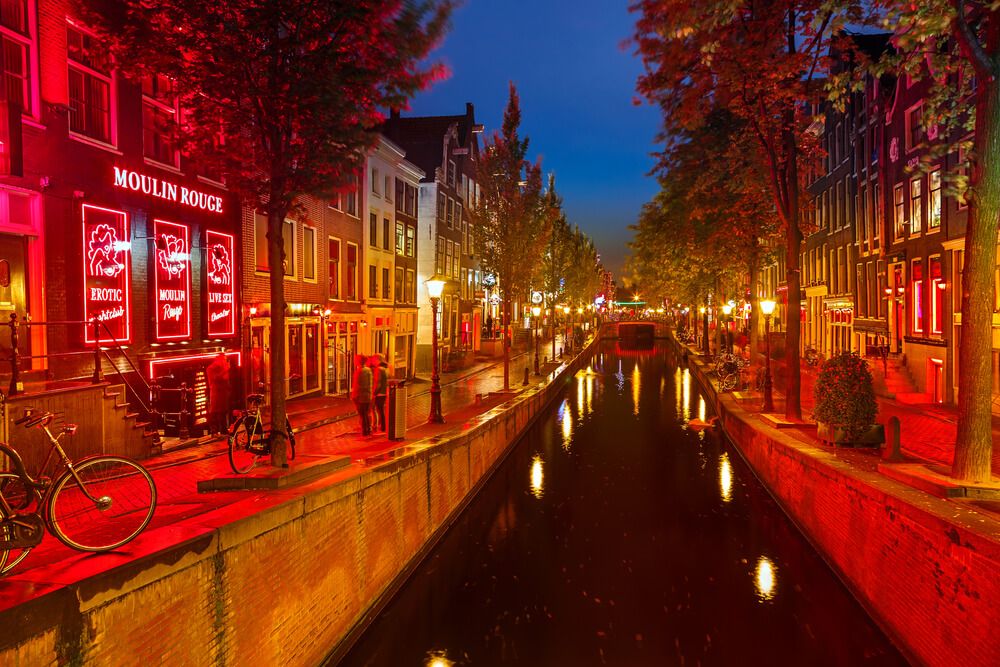
This district in Amsterdam's old town is also known as the Red Light District or Wallen district. Particularly lively and touristy, the alleys house a large number of bars, nightclubs, coffee shops, specialized shops in sex shops, strip tease, magnificent medieval architectural monuments, but also, places related to prostitution which is legal in the Netherlands in its famous red windows.
Very particular, this district with its erotic shows, its sex workers and its coffee shops where cannabis consumption is tolerated, is a place for adults, which can attract or repulse when visiting the red light district. It is possible to book a guided tour of the district, you will find the necessary information at the tourist office.
The essential thing is to know precisely what you find there in order to avoid surprises, especially if you are with family! Amsterdam's red light district is not suitable for all ages and everyone, this is what you need to know when visiting the Dutch capital.
History and evolution of the Wallen district
Origins of Amsterdam's Red Light District
Among Amsterdam's oldest districts, the red light district located in the medieval city center has always been a place of prostitution due to its transformation into a port in the Middle Ages. Many sailors seeking the world's oldest profession roamed this historic center district before returning to sea. This era shaped the particular atmosphere of Oudezijds Voorburgwal and Oudezijds Achterburgwal alleys, where taverns already neighbored brothels.
Red lights appeared in the 60s when soliciting had become prohibited, these lights indicated the presence of prostitutes in the red light district building. There is also a museum of prostitution, located in a former brothel in Amsterdam's red light district.
Transformation and legislation
Amsterdam's red light district has become safer in the last 20 years with police presence and surveillance cameras, but it still remains a hot district of the city. The municipality and government work together to regulate the sex industry while respecting workers' rights. This law now frames working conditions and ensures the safety of both clients and professionals.
Walking along the canals is a pleasant stroll, there are many monuments of interest and other tourist attractions besides tourism related to sex and cannabis that you can also explore with a local guide.
Practical tips for visiting Amsterdam red light district
Respect and safety rules
Before discovering this emblematic district, it is essential to know the fundamental rules. The tolerance that reigns in Amsterdam comes with strict rules that visitors and tourists must respect. It is strictly forbidden to photograph the windows or the workers, under penalty of hostile reaction from security services. This prohibition aims to protect the dignity and privacy of people who practice this profession.
Pickpockets are particularly active in this tourist sector. It is advisable to remain vigilant, especially in the evening when the atmosphere becomes more lively. Police patrol regularly, but it is recommended that travelers keep their personal belongings safe and avoid displaying valuable objects.
Hours and prices
Contrary to popular belief, there are no fixed hours for visiting the district. Access to the streets is free at all times. However, activity is more intense in the evening and at night. Service prices vary according to establishments and services, with prices generally displayed at the entrance of commercial venues. For coffee shops, expect between 10 and 15 euros depending on product quality.
Accommodation near the red light district
Several accommodation options allow you to stay in the immediate vicinity. From boutique hotels to youth hostels, the choice is wide for all budgets. Lovers of authentic experiences can opt for a hotel boat moored on the canals, offering total immersion in Amsterdam's unique atmosphere. It is advisable to book in advance, especially during periods of high attendance.
Remarkable religious buildings of Amsterdam red light district
The Oude Kerk
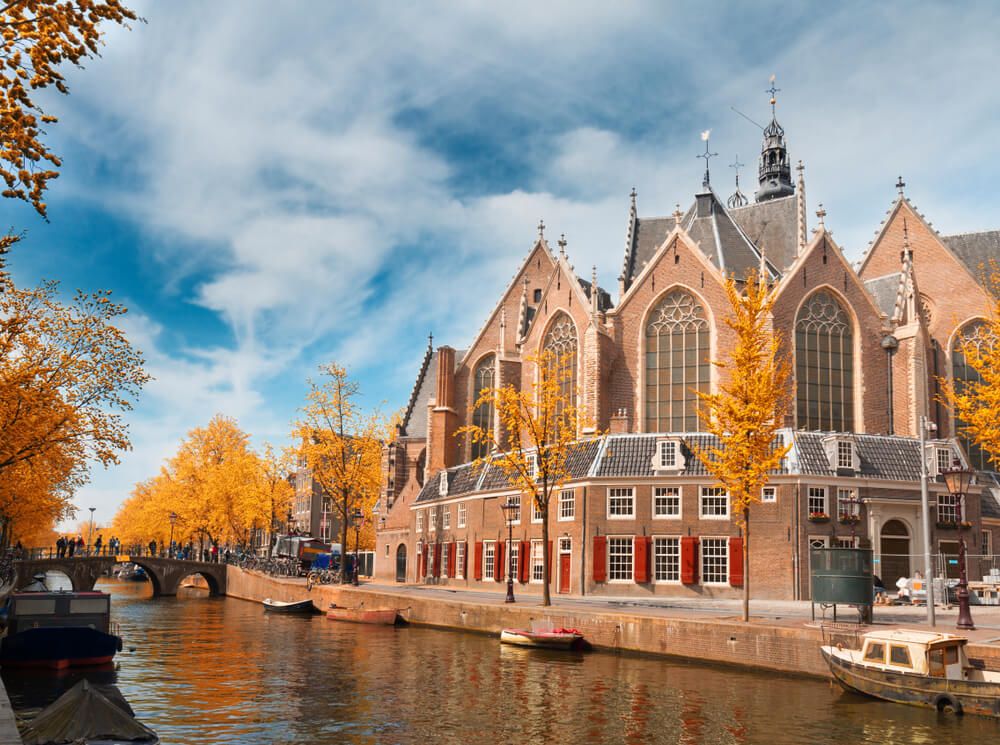
This is Amsterdam's oldest church, Oude Kerk was built in the 14th century on the ruins of a wooden chapel that fishermen had erected. It was from the 16th century that different styles were added, essentially Gothic and Renaissance. Then, from the 16th century, Catholic worship being forbidden in the country, Oude Kerk was transformed into a Reformed church.
This temple at the heart of the red light district offers a striking contrast with the surrounding activity. To see during your visit: statues of historical figures, a large baroque organ, and the church tower which offers a viewpoint over the entire red light district (Saturdays and Sundays). The entrance to this church allows you to admire the artwork and remarkable architecture of this historic building.
The Amstelkring
This other church in Amsterdam's red light district, which is now a museum, highlights the transformation of Catholic churches into Protestant churches and the history of the religious war that had seized the country. This old clandestine church is one of the most emblematic and beautiful in Amsterdam.
The Amstelkring museum reveals the secrets of the hidden spirituality of the era. Visitors can discover how Catholic faithful practiced their worship in secret, sometimes in precarious conditions but with unshakeable faith. This page of history perfectly illustrates the religious evolution of the Netherlands.
Bar and CoffeeShop of the Red Light District
There are many cannabis bars in this district (coffee shops), Baba and Greenhouse are among the best known. In this same district, you will find the hash, cannabis and hemp museums, 2 museums side by side, which present the history, culture through the ages, various uses...
These plants are transformed in different ways, even today, in order to find, for example, an alternative to cotton which consumes enormous amounts of water. Enthusiasts can discover the variety of available products and understand local consumption traditions.
Attention: in the Netherlands, you must not be in possession of more than 5g of "soft drugs", otherwise, you could encounter some problems with the authorities. Furthermore, since 2023, it is forbidden to smoke cannabis in public spaces of Dam Square, the red light district, Damrak and Nieuwmarkt. Smokers must respect this regulation to avoid a fine.
Places dedicated to sex and prostitution
This is part of the red light district, it is even the soul of the district and what has forged it over time, given its name, so it is impossible not to talk about it. This industry is an integral part of local history and economy, creating a unique atmosphere that attracts millions of visitors each year.
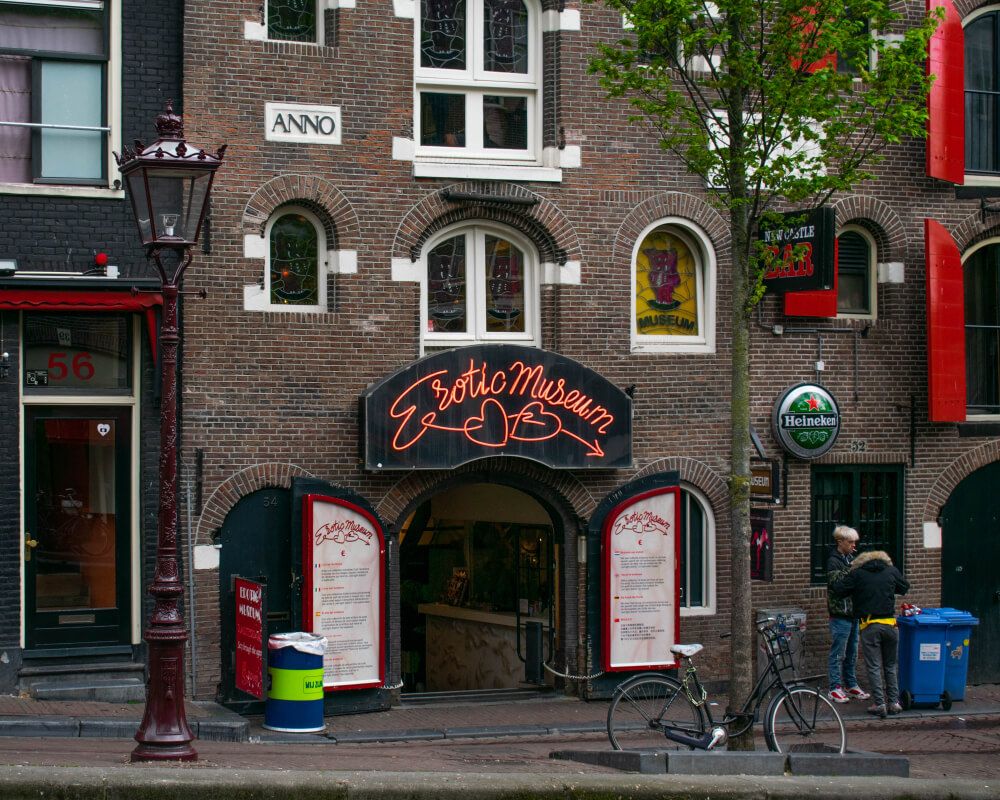
The erotic museum
You will find art objects, posters, images, statues, a sadomasochism room and erotic sketches by John Lennon. This museum presents a cultural and artistic approach to sexuality through the ages. The exhibitions trace the evolution of customs and offer a glimpse of the different ways eroticism has been expressed in art and society.
The Condomerie
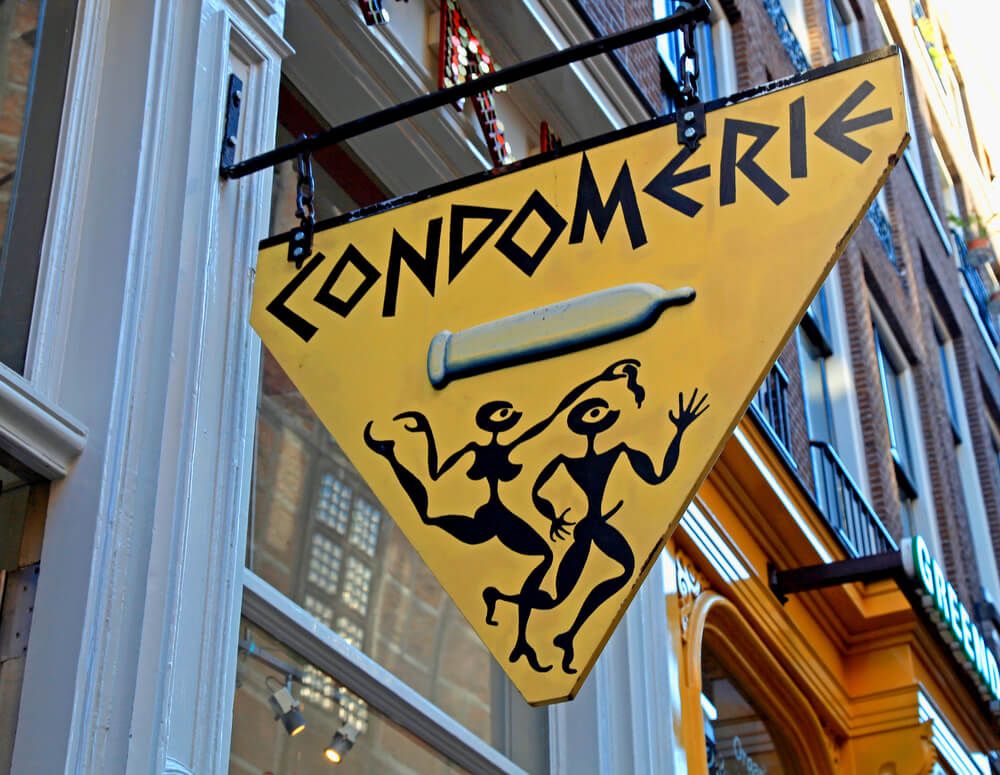
More than 300 models of condoms are presented in this red light district shop, for women and men, of all shapes, even the most extraordinary, all sizes, flavors, organic condoms and vegan articles! Articles and curiosities for everyone, an extraordinary discovery. This original store raises awareness about prevention while offering unusual products that amuse visitors.
The Red Light Secrets Museum
Discover the behind-the-scenes of one of the most famous districts in Europe and the world, a prostitute's room behind the window, anecdotes about Amsterdam's red light district and its history revealed by sex workers, films relating their lives.
This museum offers authentic testimony about working conditions, daily challenges and the reality of this profession. It allows visitors to better understand this often misunderstood aspect of Amsterdam society, far from clichés and prejudices.
Amsterdam red light district windows
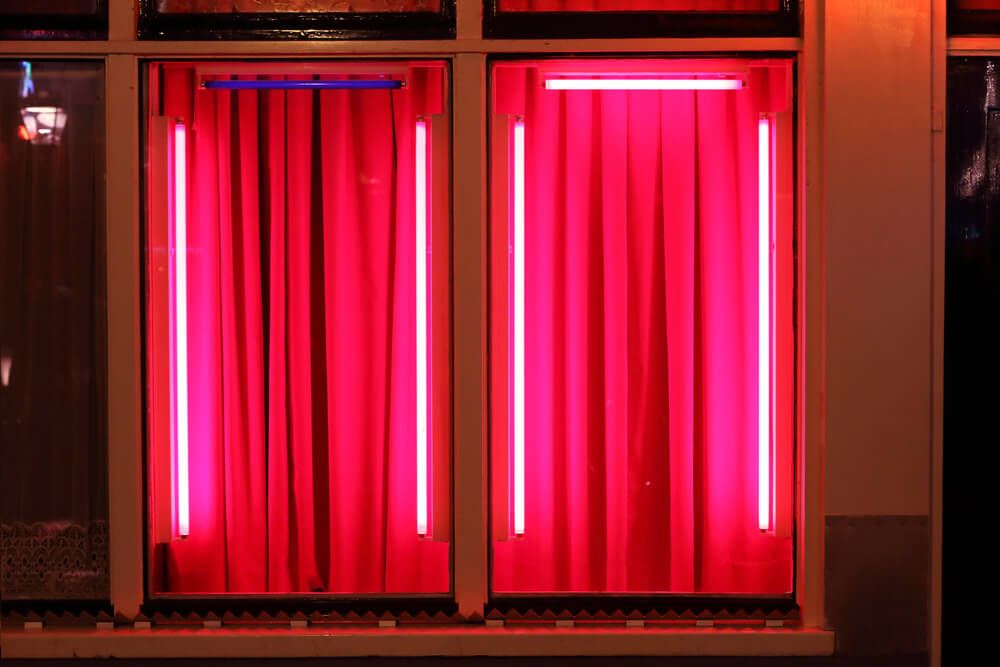
It is forbidden to take photos in this area of Amsterdam red light district, ignoring this recommendation could cost you, security services do not appreciate this kind of behavior, or knocking on the window. A lowered curtain obviously means that the person is not available, so there is no point in insisting.
Red lights are for women, blue lights for transsexuals or ladyboys. Depending on the streets, there are also: women of color, women with more rounded bodies. This diversity reflects the tolerance and open-mindedness that characterize Amsterdam. The doors of these establishments open onto a regulated world where mutual respect between clients and workers is paramount.
Casa Rosso and Moulin Rouge
Live sex shows are offered there. More information on their website. These theaters offer performances intended for an adult audience, in a professional and secure setting. Access is strictly reserved for adults.
The Peep-shows
Seated in a video booth, it is possible to see a woman undressing through the window. These establishments are part of the district's entertainment offer, providing individual experiences in compliance with local legislation.
A little advice: beware of people under the influence of alcohol, or others, in the evening and at night, it is better not to walk alone in this district at night, nightlife can be quite hectic in Amsterdam red light district.
Where to eat in Amsterdam red light district?
If you want to taste typical dishes in places just as typical of the Wallen district, here are some addresses that are worth the detour. Local gastronomy mixes with international flavors, creating a rich and varied culinary offer.
L'Amsterdamsche Vischhandel, Zeedijk 129
Next to Nieuwmarkt, this restaurant has been serving Dutch specialties such as herring and crispy fried kibbeling made from fried fish since 1938. This former red light district fishmonger offers you an authentic decor and atmosphere.
The establishment perpetuates Dutch culinary traditions with quality products. Fish lovers find their happiness there, in a setting that recalls Amsterdam's maritime history. Gustatory pleasures are combined here with the authenticity of know-how transmitted from generation to generation.
Café-restaurant van Kerkwijk
If you are looking for a place where emblematic food is served in the heart of Amsterdam and you are sensitive to the freshness of products while enjoying a relaxed and friendly atmosphere, this is the place to go.
This restaurant favors short circuits and seasonal products. The menu changes regularly according to arrivals, guaranteeing always fresh and creative cuisine. Regulars appreciate this approach that makes each visit a new culinary discovery.
Other gastronomic options
The district also has several traditional taverns where you can taste local beers accompanied by regional specialties. The terraces offer a privileged view of the street activity, allowing you to observe the mixture of cultures that characterizes this sector of Amsterdam.
Lovers of international cuisine will find restaurants offering Asian, Mediterranean and South American specialties. This culinary diversity reflects the cosmopolitan character of the district and the international community that frequents it.
How to get to the Red Light District?
This northern city and its multiple attractions is easily accessible by bike during the day, but you can also reach the Wallen district thanks to this practical information. Amsterdam's public transport plan efficiently serves this central sector.
By metro to Amsterdam red light district
Lines 51, 53 and 54 lead to Nieuwmarkt to visit the red light district.
Line 52 with a stop at Rokin takes you to the south of the Red Light District.
By tram to Amsterdam red light district
Take lines 4 and 14, with a stop at Rokin to visit the red light district. Lines 2, 12, 13, 17, 26 to Centraal Station stop.
Other means of transport
The red light district is located a few minutes walk from Amsterdam central station. This proximity makes it an ideal starting point for exploring the rest of the city. Walking enthusiasts will appreciate the stroll from the station, which allows you to gradually discover the particular atmosphere of the sector.
For those who prefer cars, several underground parking lots are available in the surroundings, although parking is expensive and spaces limited. It is recommended to use public transport or bicycles, which are more practical and environmentally friendly.
Visitors coming from Paris or other European cities can easily access the district thanks to Amsterdam's good rail and air connections. Once there, the district can be easily visited on foot, its relatively small size allowing you to tour it in a few hours.