

Créé par Emilie, le 20 juin 2026
Votre guide Ryo
Visit Keukenhof in Amsterdam: practical info and tips
© Shutterstock
Located about thirty kilometers from Amsterdam, Keukenhof Park is an unmissable destination for all flower lovers and those seeking breathtaking landscapes. Nicknamed the "Garden of Europe," this spectacular floral park attracts over one and a half million visitors from around the world each spring to admire its millions of tulips in bloom. Whether you're passionate about botany, a photography enthusiast, or simply seeking a colorful getaway near the Dutch capital, Keukenhof promises an unforgettable experience at the heart of the Netherlands' bulb flower region.
What is Keukenhof?
Keukenhof is much more than a simple garden: it's the world's largest spring flower park. Spanning 32 hectares in the municipality of Lisse, between Amsterdam and The Hague, this exceptional site features over 7 million bulb flowers planted by hand each year. Tulips, hyacinths, daffodils and other spring flowers create a living tableau of bright colors that evolves throughout the weeks.
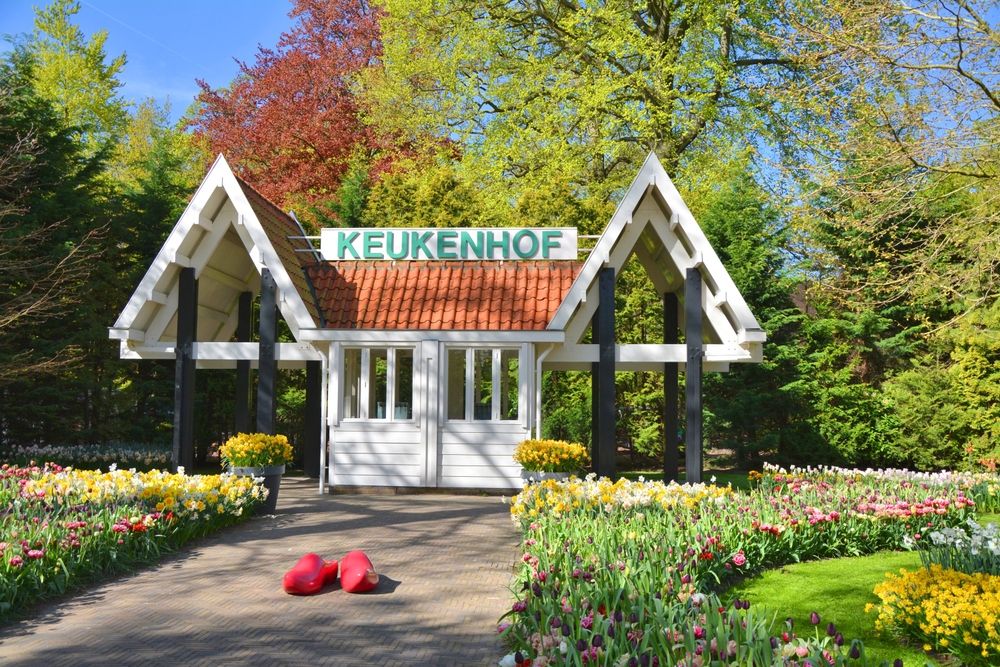
The name "Keukenhof" literally means "kitchen garden" in Dutch, a nod to its medieval history. What makes this park truly unique is its design that is completely renewed every autumn: horticulturists and landscape designers create new themed flower beds, thus guaranteeing a fresh experience each season. With its exhibition pavilions, historic windmill and themed gardens, Keukenhof offers total immersion in the Dutch floral universe.
History and origin of Keukenhof
Keukenhof's history has its roots in the 15th century, when the estate belonged to Countess Jacqueline of Bavaria (Jacoba van Beieren), who ruled Holland from 1401 to 1436. At that time, the sandy lands, called "Keukenduyn" (kitchen dunes), served as a vegetable garden for Teylingen Castle. The countess had aromatic herbs, fruits and vegetables grown there for the castle kitchens, hence the origin of the current name.
For several centuries, the estate remained private property that went through different eras without any particular floral vocation. It wasn't until 1949 that Keukenhof underwent its true transformation. A visionary group of Dutch bulb producers and exporters, supported by the mayor of Lisse, decided to transform the estate into a permanent floral exhibition. Their objective was twofold: to promote the Dutch bulb flower industry in the international market and create a spectacular showcase of Dutch horticultural expertise.
On April 15, 1950, Keukenhof opened its doors to the public for the first time. The success was immediate and exceeded all expectations: 236,000 visitors flocked in the very first season to admire the tulip beds. Since then, the park has continued to grow in reputation and beauty, gradually becoming one of the Netherlands' most popular tourist attractions. Today, with over 50 million visitors welcomed since its opening, Keukenhof embodies the Dutch passion for flowers and perpetuates a historical heritage dating back several centuries.
Opening hours and dates for 2026
Unlike most parks that open year-round, Keukenhof only welcomes visitors during a short spring period, which reinforces its exceptional character. In 2026, the park will be open from March 19 to May 10, about eight weeks only. This period corresponds to when the bulb flowers planted the previous autumn bloom in all their splendor.
The park is accessible every day, including Sundays and public holidays, from 8:00 AM to 7:00 PM. Last admission is at 6:00 PM, one hour before closing, to allow visitors to fully enjoy their discovery without being rushed by closing time. According to regular visitors' experience, a complete visit to Keukenhof takes an average of 3 hours, but the most passionate easily spend a full half-day there.
It's important to note that tickets work with a time slot system since a few years. When booking online, you'll need to select an arrival time slot, but once inside the park, you can stay until closing time. This organization helps regulate visitor flow and improve everyone's experience. For an optimal visit, prioritize weekday mornings which are generally less crowded than afternoons and weekends.
When to visit Keukenhof: what's the best period?
The question of the best period to visit Keukenhof systematically comes up in travel preparations. Although the park is magnificent from the beginning to the end of its opening season, the flowering evolves considerably over the weeks, and each period offers a different spectacle.
Mid-March to early April corresponds to the park's opening. During this period, it's mainly crocuses, daffodils and the first early tulip varieties that bloom. Tourist crowds are still moderate, allowing you to enjoy the park in a more serene atmosphere. It's also when gardeners finalize the last arrangements and the park gradually reveals its colors.
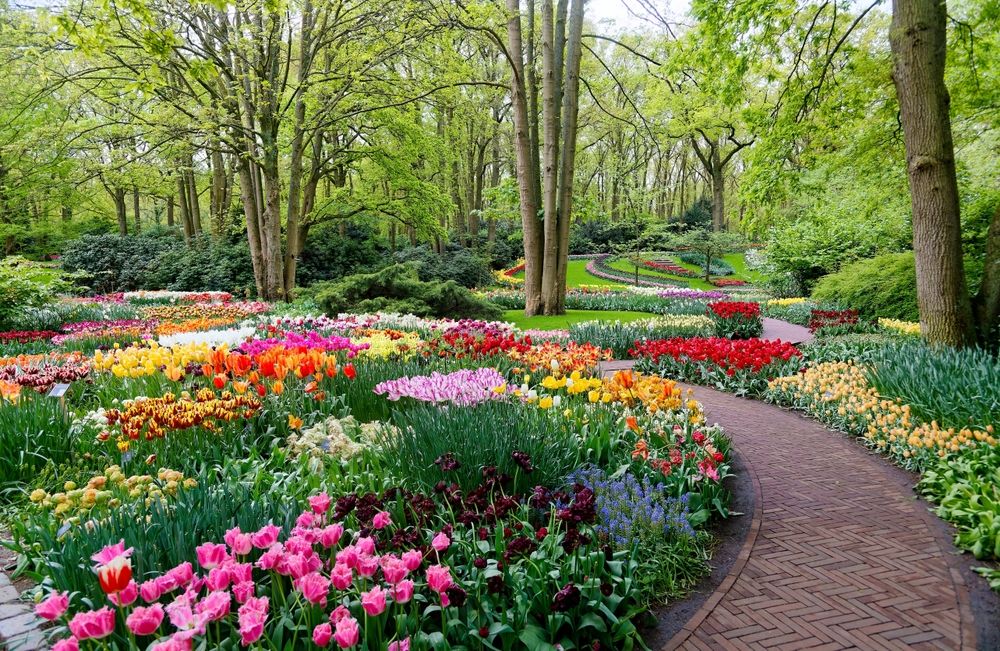
Mid-April to early May undoubtedly constitutes the peak bloom and most spectacular period. During these two to three weeks, almost all 7 million bulbs are flowering simultaneously, creating an absolutely breathtaking festival of colors. Tulips reach their peak, hyacinths perfume the air with their enchanting fragrances, and themed gardens are in their finest state. It's also during this period that special events often take place, like the famous flower parade (Bloemencorso). The main drawback remains the very high crowds, with potential queues and a more animated atmosphere.
Early May until closing marks the end of season. Early and mid-season tulips have faded, but late varieties, irises and alliums take over to maintain the floral spectacle. Even if the park is no longer at maximum splendor, it remains magnificent and crowds decrease considerably, offering a more peaceful visit. Professional photographers particularly appreciate this period for the quality of light and the possibility of taking shots without crowds.
Our recommendation: For those who want to see Keukenhof in all its glory, aim for the period from April 14 to 28, 2026. You'll then have the best chances of witnessing peak bloom. To avoid crowds while enjoying a beautiful spectacle, prioritize the first two weeks of April or book your visit on weekdays early in the morning.
Keukenhof ticket prices
Keukenhof entrance fees vary depending on whether you buy your tickets online in advance or directly on-site. It's strongly advised to book online, not only to benefit from a reduced rate, but also to guarantee your access during busy periods when on-site tickets may be sold out.
Individual entrance tickets:
- Adults (18 years and over): €21.00 online / €25.00 on-site
- Children 4 to 17 years: €10.00 online / €14.00 on-site
- Children 0 to 3 years: Free
- Groups (20 to 80 people): €19.50 per person
Parking:
- Car parking: €9.00 online / €14.00 on-site (valid all day, monitored)
Optional activities in the park:
- Boat trip (along the tulip fields): €10.00 adult / €5.00 child (4-11 years)
- Bike rental (3 hours outside the park): €11.00
Combination packages:
Several packages include transport from Amsterdam and park entry. The Keukenhof Express (bus 852 from Amsterdam RAI or bus 858 from Schiphol airport) with entrance ticket costs around €35.00 for an adult. These packages represent a practical and economical solution for visitors without a car.
Note that tickets purchased online are linked to a specific date and time slot. They are neither refundable nor exchangeable, so make sure to choose your date carefully before finalizing your reservation. Tickets can be purchased on Keukenhof's official website several weeks in advance, and it's recommended to do so as soon as dates are available, particularly if you plan to visit during the mid-April period.
How to get to Keukenhof from Amsterdam?
Keukenhof is located about 35 kilometers southwest of Amsterdam, in the town of Lisse. Several options are available to reach this emblematic floral park, each presenting its advantages depending on your situation and preferences.
1. By direct bus (Keukenhof Express)
This is the simplest and most economical way to get to Keukenhof from Amsterdam. Bus 852 (Keukenhof Express) departs from Amsterdam RAI station (easily accessible by metro from the city center) and drops you directly at the park entrance in about 35 minutes. This bus runs frequently (about 8 times per hour) throughout Keukenhof's opening period.
Round-trip fare: about €18.20 for an adult and €8.80 for a child (4-17 years), excluding park entrance ticket. Combined bus + entrance packages are available from €35.00.
2. From Schiphol Airport
If you're arriving directly from Amsterdam-Schiphol airport, it's even more convenient: bus 858 (Keukenhof Express) departs from Schiphol Plaza and reaches Keukenhof in about 30 minutes. This is ideal if you want to visit the park on your arrival or departure day.
3. Via Leiden
An alternative is to take the train from Amsterdam to Leiden Centraal station (about 30 minutes), then bus 854 which takes you to Keukenhof in a few additional minutes. This option allows you to combine the park visit with discovering the charming university city of Leiden.
4. By car
If you have a rental car, Keukenhof is accessible via the A4 or A44 highway. The journey from Amsterdam takes about 40 minutes depending on traffic. The exact address is: Stationsweg 166A, 2161 AM Lisse, Netherlands. A paid monitored parking lot is available on-site (online reservation recommended to save 5 euros).
5. By bicycle
For the more athletic and cycle tourism enthusiasts, reaching Keukenhof by bike from Amsterdam is a magnificent adventure through the Dutch countryside. Count about 2h30 travel time via the well-maintained cycle paths. It's also an opportunity to admire the tulip fields in nature before arriving at the park. "Bike tour + Keukenhof entrance" packages are offered by some tour operators from €70.00.
6. With an organized excursion
Many agencies offer all-inclusive excursions departing from Amsterdam, including air-conditioned bus transport, park entrance, and sometimes a guided tour or discovery of other sites like the windmills of Zaanse Schans. These packages are convenient but generally more expensive (from €50-60).
Download the audio-guided tour to discover Amsterdam on foot and independently
Before or after your visit to Keukenhof, let yourself be guided in your discovery of Amsterdam thanks to the Ryo audio-guided itinerary. With 21 commented points of interest, this audio guide to visit Amsterdam allows you to explore the Dutch capital at your own pace, in complete autonomy. From emblematic canals to historic neighborhoods, discover all the city's secrets by listening to fascinating stories directly on your smartphone. An immersive and enriching way to complete your stay in the Netherlands.
What to see and do at Keukenhof?
Keukenhof is not just a simple walk among tulips. The park offers a complete experience that will delight all types of visitors, from families to professional photographers, including gardening enthusiasts.
1. Spectacular tulip beds
This is obviously the main attraction: the vast tulip beds that stretch as far as the eye can see. With over 7 million bulbs planted each year, including over 800 different tulip varieties, the spectacle is simply breathtaking. From classic tulips to rare botanical varieties, from single colors to bicolors, from simple to double, the diversity is impressive. Each flower bed is designed as a living work of art, with skillfully studied color and shape associations.
2. Themed gardens
Beyond traditional flower beds, Keukenhof houses several thematic gardens that offer different atmospheres. The romantic garden invites lovers to stroll among climbing roses and flowering pergolas. The historic garden recreates the atmosphere of a 17th-century garden. The natural garden favors associations of wildflowers. Each zone tells a particular botanical story and demonstrates the richness of Dutch horticultural heritage.
3. The historic windmill
Emblem of the park, the Keukenhof windmill is an authentic Dutch windmill dating from the 19th century, moved to the park in 1957. With its majestic blades outlined against the sky, it perfectly embodies the postcard image of Holland. Visitors can climb onto the platform to enjoy an exceptional panorama over the entire gardens and surrounding tulip fields. It's one of the park's most popular photo spots, so prepare your camera!
4. Floral exhibition pavilions
Several pavilions and greenhouses house thematic floral exhibitions that change each year. You'll discover sophisticated compositions showcasing different species: exotic orchids, majestic lilies, spectacular amaryllis... These indoor spaces also allow you to enjoy floral beauty even in case of capricious weather. The creations are the work of renowned florists and floral designers who push the boundaries of floral art.
5. Sculptures and artistic installations
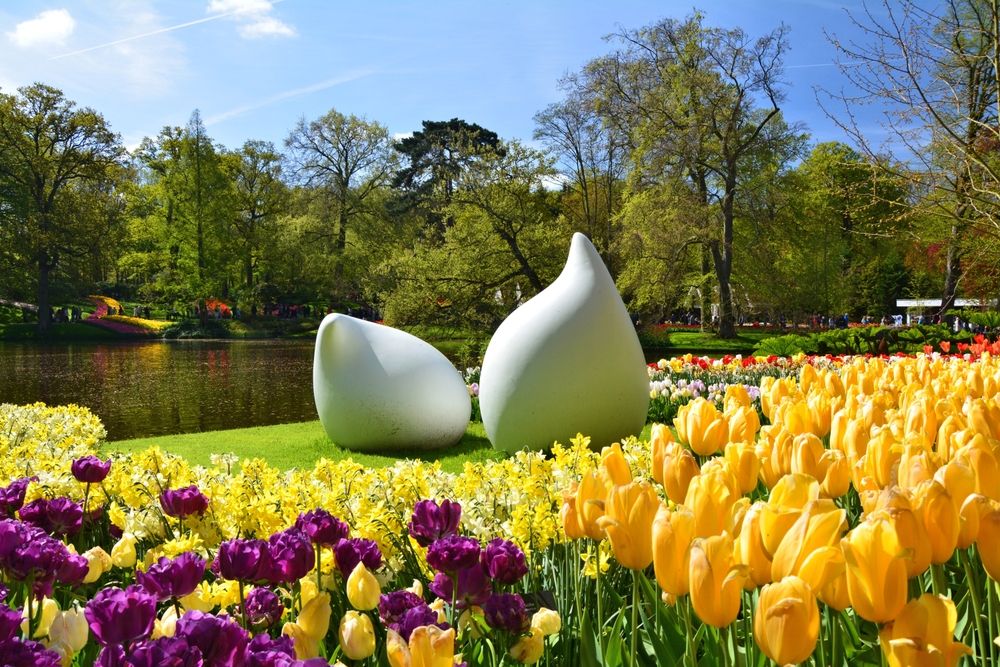
The park enriches its floral offering with the presence of contemporary art sculptures scattered throughout the paths and lawns. Created by Dutch and international artists, these works create a fascinating dialogue between art and nature. From surrealism to minimalism, styles are varied and bring an additional cultural dimension to the visit.
6. The plant maze
Particularly appreciated by families, the trimmed hedge maze offers a fun challenge amid the greenery. Finding the exit requires observation and sense of direction, and the reward is an elevated view over the surrounding gardens. Children love this interactive activity that allows them to exercise while having fun.
7. Children's playground
Keukenhof thinks of the youngest with a well-equipped playground and a mini-farm where children can approach domestic animals. This recreational break allows parents to take a breather while letting children burn off energy in a safe and pleasant environment.
8. Canal boat ride
An optional but highly recommended activity: a 45-minute boat excursion on the canals that border the tulip fields. This peaceful ride offers a unique perspective on the colorful expanses surrounding the park. It's particularly magical during peak bloom when the fields resemble immense multicolored carpets. The price is €10 for adults and €5 for children.
During your visit, don't forget to regularly check the Amsterdam visit itinerary to prepare the rest of your stay in the Dutch capital. The Ryo app allows you to discover all the city's must-sees independently and enrichingly.
Practical tips for visiting Keukenhof
To fully enjoy your visit to Keukenhof and avoid inconveniences, here are some practical tips based on the experience of thousands of visitors.
1. Book your tickets online in advance
This recommendation is crucial. Not only will you save 4 euros per adult ticket, but you'll also ensure access to the park, particularly during busy periods when on-site tickets may be sold out. Booking is easily done on Keukenhof's official website.
2. Favor an early morning arrival
The park opens at 8:00 AM and the first hours of the morning are the most pleasant: fewer people, soft light ideal for photography, and freshness of flowers still covered with dew. If you book the 8:00-9:00 AM time slot, you'll have the park practically to yourself until 10:00-11:00 AM.
3. Prefer weekdays
Weekends and public holidays naturally attract more visitors. If your schedule allows, visit Keukenhof on a Tuesday, Wednesday or Thursday for a more tranquil experience.
4. Dress appropriately
Weather in the Netherlands in spring can be changeable. Plan layered clothing, a waterproof windbreaker and comfortable walking shoes (you'll cover several kilometers). A hat or cap is recommended in case of sun, as the park offers little shade.
5. Bring your own snacks
Although Keukenhof has several dining options (cafés, restaurants, snacks), prices are quite high as in all tourist attractions. You're allowed to bring your own picnic, and several areas are set up for comfortable dining.
6. Download the park map
The park is vast (32 hectares) and it's easy to miss certain areas. Download the official map to your smartphone before your visit or pick up a paper copy at the entrance. Some visitors also use Keukenhof's mobile app which offers themed itineraries.
7. Allow enough time
A complete visit to Keukenhof requires at least 2h30 to 3 hours, but enthusiasts can easily spend 4 to 5 hours there. Don't plan too tight a schedule to fully enjoy without stress.
8. Wheelchair accessibility
The park is accessible to people with reduced mobility. Main paths are suitable for wheelchairs and strollers. Wheelchairs and electric scooters are available for rental (reservation recommended).
9. Photographers: think about your batteries
Keukenhof is a paradise for photographers. You'll probably take hundreds of photos, so make sure you have enough batteries and memory. The best light for photography is early morning and late afternoon.
10. Respect the flowers
It goes without saying, but it's strictly forbidden to pick flowers, walk in the flower beds or touch plants. These rules ensure that all visitors can enjoy the spectacle in the best conditions.
To optimize your stay in the region, regularly consult the Amsterdam visit circuit which will allow you to discover the Dutch capital in the best conditions thanks to Ryo audio guides.
Where to eat at Keukenhof?
Keukenhof has several dining options scattered throughout the park to allow you to take a gourmet break during your visit. You'll find four main restaurants offering varied menus: hot dishes, salads, sandwiches, pastries and drinks. The establishments serve simple but quality cuisine, often with Dutch specialties like croquettes, bitterballen or freshly prepared stroopwafels.
The main restaurant "Juliana" offers hot dishes and table service, while other smaller dining points offer quick snacking options. Count between 8 and 15 euros for a main dish. Several drink and ice cream kiosks are also strategically placed throughout the park.
As mentioned earlier, you have the possibility to bring your own picnic. Picnic areas with tables and benches are available, and many grassy spaces invite you to settle in for a countryside lunch among the flowers. This is an option particularly appreciated by families and budget-conscious visitors.
Combining Keukenhof with other visits
A full day in the Keukenhof region can easily integrate other discoveries to enrich your Netherlands experience.
Outdoor tulip fields
Around Keukenhof extends the Bollenstreek region (literally "bulb region"), famous for its immense tulip fields that transform the landscape into a multicolored patchwork. Many marked cycling routes allow you to weave through this extraordinary countryside. It's free and just as spectacular as the park itself, with the advantage of rural authenticity.
The city of Leiden
Only 20 minutes from Keukenhof, Leiden is a charming university city crossed by canals, with remarkable historic architecture and excellent museums. It's notably Rembrandt's birthplace. Take advantage of your time in the region to stroll through its medieval center.
Haarlem
This elegant city located between Keukenhof and Amsterdam also deserves a detour for its historic center, its large square (Grote Markt), its imposing Saint Bavo Church and its art museums.
The coast and beaches
The North Sea is less than 30 minutes from Keukenhof. The seaside resorts of Noordwijk and Katwijk offer beautiful sandy beaches where you can relax after the floral visit.
After your Keukenhof getaway, continue your Netherlands discovery by exploring Amsterdam thanks to the Ryo audio-guided itinerary. A practical and enriching way to complete your Dutch stay in complete autonomy.
In conclusion, visiting Keukenhof represents much more than a simple walk in a garden: it's a total immersion in the Dutch floral universe, a sensory journey between bright colors and intoxicating fragrances. Whether you're passionate about botany, a photography enthusiast or simply seeking beauty, this exceptional park will amaze you. By carefully planning your visit according to our recommendations – favoring mid-April for full bloom, booking your tickets online, arriving early in the morning – you ensure an unforgettable experience at the heart of this unique spring celebration in the world. And don't forget to extend your stay by discovering Amsterdam with Ryo audio guides for a complete and enriching visit to the Dutch capital.
Frequently asked questions
How much time should you plan to visit Keukenhof?
A complete visit to Keukenhof requires an average of 3 hours. Visitors in a hurry can manage with 2 hours to see the essentials, while enthusiasts and photographers easily spend 4 to 5 hours there. Once inside, you can stay until closing time at 7:00 PM, regardless of your booking time slot.
Can you buy tulips at Keukenhof?
Yes, several shops in the park sell tulip bulbs and other flowers to take home. You'll also find souvenirs, gardening books and derivative products. Bulbs are packaged for transport and come with planting advice. It's the perfect opportunity to bring a bit of Keukenhof's magic to your own garden.
Are pets allowed?
No, pets are not allowed at Keukenhof, except for service dogs for disabled people. This rule aims to preserve the park's tranquility and protect the plantings.
What to do in bad weather?
Even in the rain, Keukenhof remains magnificent! Flowers are often even more vibrant after a shower. The park has several covered pavilions and greenhouses where you can take shelter. Just bring a raincoat or umbrella. Note that tickets are neither refundable nor exchangeable in case of unfavorable weather.
Are there lockers or baggage storage?
Yes, paid lockers are available at the park entrance to safely store your belongings during your visit. This is particularly practical if you're coming directly from your hotel or airport with luggage.
Can you enter and exit multiple times during the day?
No, tickets are valid for single entry. Once you leave the park, you cannot return with the same ticket. Make sure you've seen everything before leaving the premises.
Does Keukenhof organize special events?
Yes, several events punctuate the season. The most famous is the flower parade (Bloemencorso) which usually takes place around April 18-20 and crosses the region with floats decorated with thousands of flowers. Thematic exhibitions, concerts and floral art demonstrations are also regularly organized. Check the official website for the detailed program of the current year.