© Shutterstock
 Votre guide Ryo
Visit Poland: 10 Must-See Places to Discover
Between preserved medieval heritage, wild nature and cities with fascinating pasts, Poland stands out as an unmissable destination in Central Europe. This country is full of unsuspected treasures, from the cobbled streets of Cracow to the snowy peaks of the Tatras, passing through underground salt mines and Gothic fortresses. Visiting Poland means offering yourself an authentic journey where each city tells a unique story and where nature expresses itself in all its splendor. Get ready to discover 10 absolutely unmissable places that will make your stay a memorable experience.
1. Cracow, the former royal capital
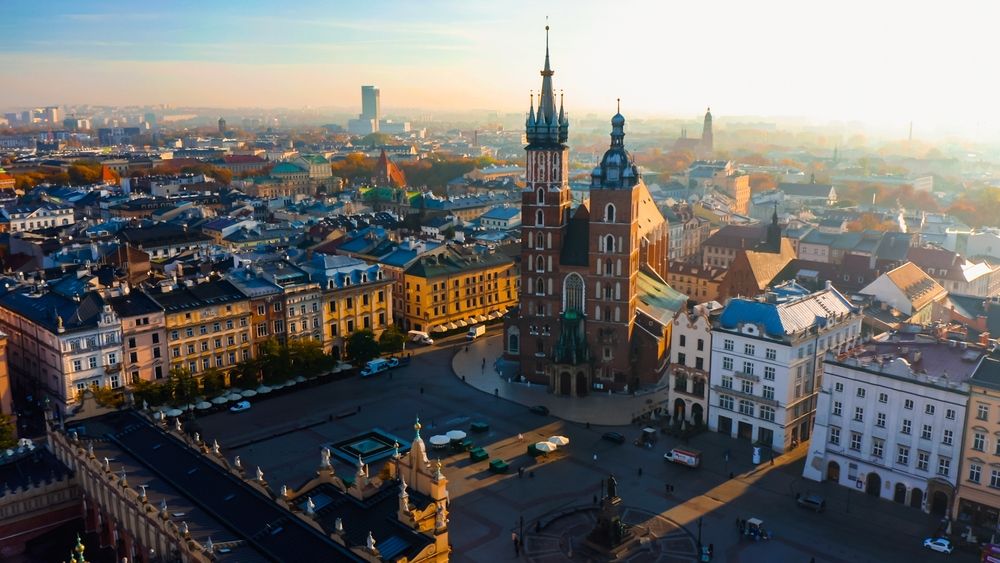
Former capital of Poland until 1596, Cracow stands out as the historical and cultural heart of the country. Its historic center, inscribed on UNESCO's World Heritage List since 1978, houses one of the largest medieval squares in Europe: the famous Market Square (Rynek Główny). At the center stands the Cloth Hall (Sukiennice), a Renaissance building where merchants once sold their fabrics. St. Mary's Basilica, with its two asymmetrical towers, dominates the square and offers a unique spectacle every hour with the hejnał, this melody played by a trumpeter from the top of the tower.
Wawel Castle, perched on a hill overlooking the Vistula, constitutes another unmissable jewel. This royal residence testifies to Poland's past grandeur with its inner courtyards, its Gothic cathedral where kings were crowned, and its remarkable art collections. Don't miss visiting the Jewish quarter of Kazimierz, once the center of Cracow's Jewish community. Today, this bohemian district captivates with its historic synagogues, alternative cafes and art galleries. To make the most of your visit and not miss any of the city's hidden treasures, let yourself be guided by the Ryo itinerary to visit Cracow.
Download the audio-guided circuit to discover Cracow on foot and independently
To explore Cracow in complete freedom while benefiting from complete explanations on each monument, opt for the Ryo audio-guided itinerary. This itinerary takes you through the cobbled streets of the historic center, from Wawel Castle to the Market Square, passing through the Kazimierz quarter. Each point of interest is accompanied by a fun audioguide that enriches your experience and immerses you in the fascinating history of this thousand-year-old city.
2. Warsaw, the capital that rises from its ashes
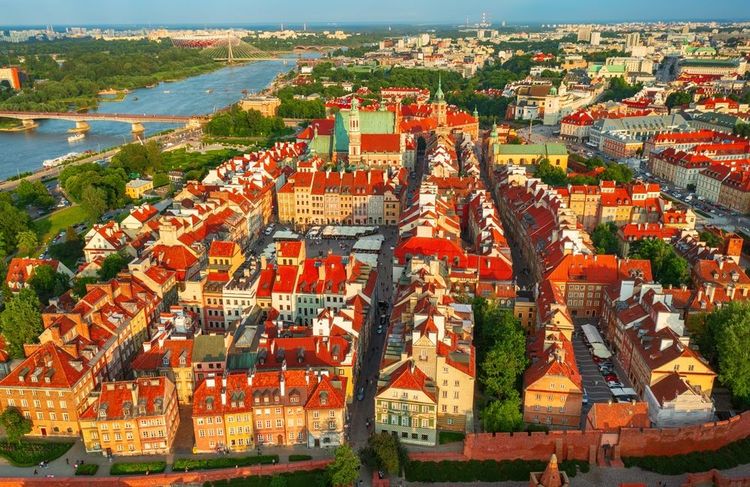
Capital of Poland since the end of the 16th century, Warsaw today has nearly 1.8 million inhabitants and embodies the country's modern dynamism. Destroyed by more than 80% during World War II, the city was meticulously rebuilt, notably its old town (Stare Miasto) which is now a UNESCO World Heritage site. This reconstruction constitutes a unique symbol of resilience in the world: the Varsovians used ancient paintings by Canaletto to bring back to life the colored facades of the Market Square.
The Royal Route leads you from the Royal Castle to Wilanów Palace, crossing the most beautiful districts of the capital. The Warsaw Uprising Museum deserves an in-depth visit to understand the courage of the Polish people during the occupation. Don't miss the Palace of Culture and Science, this Stalinist skyscraper offering a panoramic view over the entire city from its 30th floor. To visit Warsaw optimally, follow the Ryo itinerary that guides you through the emblematic districts and historically significant places.
3. Tatra National Park, the majestic mountains
Located on the border between Poland and Slovakia, Tatra National Park (Tatrzański Park Narodowy) houses the country's highest peaks. Rysy peaks at 2,499 meters and offers courageous hikers breathtaking panoramas on both sides of the range. Classified as a Biosphere Reserve by UNESCO, this park protects exceptional fauna and flora, notably including chamois, marmots and golden eagles.
The hiking trails are remarkably well marked and provide access to mythical places like Morskie Oko lake (the Sea Eye), set in a glacial cirque at 1,395 meters altitude. The mountain resort of Zakopane constitutes the ideal starting point for exploring the park. This "winter capital of Poland" offers a wide choice of accommodations, restaurants serving mountain specialties like oscypek (smoked sheep cheese), and equipment for winter sports. In summer, favor an early morning arrival to avoid crowds and enjoy the best weather conditions at altitude. Park entrance costs 5 zł (about €1.10) and provides access to all marked trails.
4. Wieliczka Salt Mine, an underground wonder
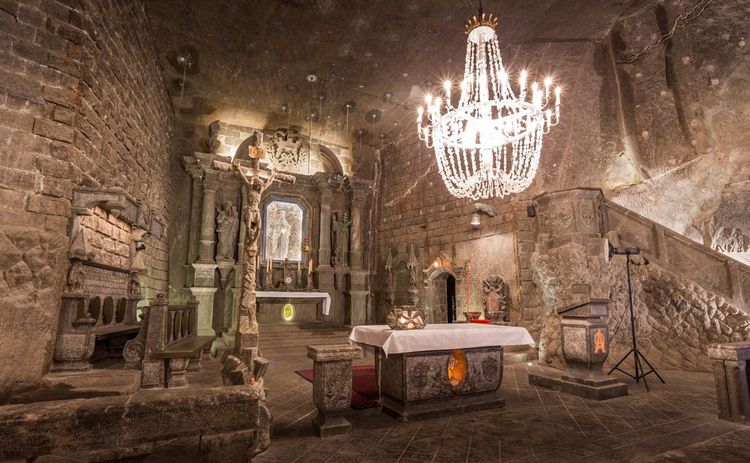
Located about ten kilometers southeast of Cracow, the Wieliczka Salt Mine constitutes one of the oldest salt mines still active in the world. Operated from the 13th century until 1996, they extend over more than 300 kilometers of galleries spread across nine levels, reaching a depth of 327 meters. Inscribed on UNESCO's World Heritage List, these mines fascinate with their sculptures, chapels and chambers entirely carved in rock salt.
The highlight of the visit remains St. Kinga's Chapel, located 101 meters deep. This underground cathedral of 54 meters in length impresses with its dimensions and details: chandeliers made of salt crystals, bas-reliefs representing biblical scenes, and even a reproduction of Leonardo da Vinci's Last Supper, all sculpted by miners over the centuries. The guided tour lasts about 2h30 and requires descending 380 steps (the ascent is by elevator). It is highly recommended to book your tickets online on the official site to avoid a long wait. Count about 122 PLN (€28) for an adult and 108 PLN (€25) with reduced rate. Wear good shoes and bring warm clothing, as the underground temperature is around 15°C year-round.
5. Gdansk, the pearl of the Baltic Sea
Located on the shores of the Baltic Sea, Gdansk (formerly Danzig) stands out for its rich Hanseatic past and unique architecture mixing Gothic, Renaissance and Flemish influences. The city played a major role in European history, notably as the birthplace of the Solidarność movement in the 1980s, which contributed to the fall of communism in Eastern Europe. The old town, magnificently restored after the destructions of World War II, enchants with its colorful Flemish-style facades that line Long Street (Ulica Długa) and Neptune's fountain.
St. Mary's Basilica, considered the largest brick church in the world, can accommodate up to 25,000 faithful. Climb its 409 steps to enjoy a panoramic view over the city and port. The World War II Museum offers an in-depth perspective on the conflict that began precisely in Gdansk with the attack on Westerplatte on September 1, 1939. Don't hesitate to stroll along the Motława river to admire the old medieval port crane, symbol of the city, and the traditional fishing boats. Gdansk is also renowned for its amber, this fossilized resin nicknamed "Baltic gold," which you'll find in numerous artisan shops.
6. Wrocław, the city of a thousand bridges
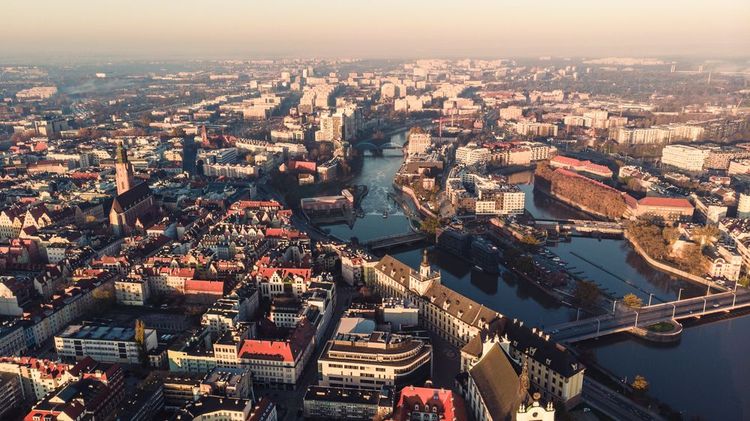
Capital of Lower Silesia in southwestern Poland, Wrocław (formerly Breslau) captivates with its unique charm and cosmopolitan atmosphere. The city bears traces of its German, Austrian and Polish past, creating a fascinating architectural mix. The Market Square (Rynek), one of the largest in Europe, dazzles with its colorful Gothic and Baroque style houses, and its magnificent 14th-century Gothic town hall.
Ostrów Tumski island, Wrocław's oldest district, houses St. John the Baptist Cathedral whose twin spires dominate the urban landscape. In the evening, a gas lamplighter perpetuates the tradition of illuminating lamps by hand, creating a unique romantic atmosphere. Wrocław is also famous for its krasnale (dwarfs), more than 300 small bronze sculptures scattered throughout the city. This dwarf hunt constitutes a fun activity much appreciated by families and refers to the Orange Alternative peaceful resistance movement of the 1980s. For an in-depth cultural experience, visit the Racławice Panorama, a monumental circular painting 114 meters long representing a historic battle of 1794.
7. Malbork Castle, impregnable Gothic fortress
Erected in the 13th century by the Teutonic Order on the banks of the Nogat river, Malbork Castle represents the largest Gothic brick fortress in the world. Covering an area of 21 hectares, this impressive architectural complex served as residence for the Grand Masters of the Teutonic Order from 1309 to 1457. Inscribed on UNESCO's World Heritage List since 1997, the castle testifies to the military and religious power of the Teutonic knights who dominated the region for nearly three centuries.
The complete visit can easily occupy half a day. The castle is divided into three sections: the high castle (residence of monk-soldiers), the middle castle (administrative and defensive quarters) and the low castle (warehouses and workshops). The castle museum exhibits an exceptional collection of medieval weapons, armor, sculpted amber and religious artifacts. A French audioguide is available and highly recommended to understand the fascinating history of this place. Opening hours vary according to season: from 9am to 8pm in spring and summer, and from 9am to 3pm in winter. Admission fee amounts to about 100 PLN (€23) for adults. Book your tickets online on the official site to avoid queues, especially in high season.
8. Białowieża National Park, Europe's last primary forest
Located on the border between Poland and Belarus, Białowieża National Park protects the last remnants of the immense primary forest that once covered all of Europe. Created in 1932, it is Poland's oldest national park and one of the rare places in the world where the forest has never been exploited by humans for millennia. Inscribed on UNESCO's World Heritage List, this ecological sanctuary extends over more than 100 km² and preserves a forest ecosystem of exceptional richness.
The park is especially famous for its population of European bison (żubr), the continent's largest terrestrial mammals. These majestic animals, which nearly disappeared at the beginning of the 20th century, were successfully reintroduced to the forest and today number more than 800 individuals. The forest also houses wolves, lynx, elk and more than 250 bird species. To observe the bison and discover the park's biodiversity, it is mandatory to participate in a guided tour with an approved guide. These excursions generally last 3 to 4 hours and cost about 150 PLN (€35) per person. The village of Białowieża constitutes the ideal starting point, with several accommodation options and a national park museum that deserves a visit to understand the importance of this unique ecosystem.
9. Auschwitz-Birkenau, a duty of remembrance
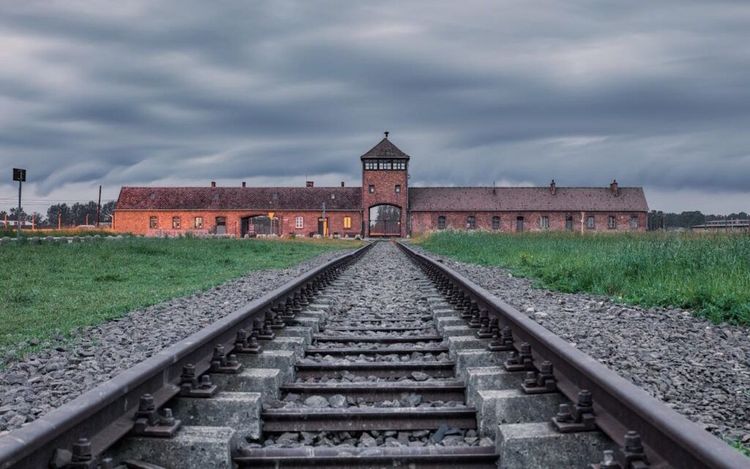
Located in Oświęcim, about 70 kilometers west of Cracow, the Auschwitz-Birkenau camp represents the largest Nazi extermination center of World War II. Between 1940 and 1945, more than one million people, mostly Jews, were murdered there. Today transformed into a museum and memorial, the site has been inscribed on UNESCO's World Heritage List since 1979 as a "symbol of humanity's cruelty towards humanity in the 20th century."
The visit, though trying, constitutes an essential passage for anyone wishing to understand the horror of the Holocaust. The tour generally begins at Auschwitz I, the main camp, where you'll discover the prison blocks, national exhibitions and the tragically famous entrance with the cynical inscription "Arbeit macht frei" (Work makes you free). Auschwitz II-Birkenau, the extermination camp, is located 3 km away. The immensity of the site, the ruins of gas chambers and crematoria, as well as the selection ramp where deportees were sorted upon arrival, testify to the industrial scale of the genocide. A guided tour with an official guide is highly recommended to fully grasp the historical significance of the place. Entry is free but the guided tour costs about 70 PLN (€16). Hours vary according to season (from 7:30am to 2pm in winter to 7:30am to 7pm in summer). Book your time slot on the official site several weeks in advance.
10. Ojców National Park, an unknown natural gem
Located only 25 kilometers north of Cracow, Ojców National Park is Poland's smallest national park at 21 km², but it concentrates an exceptional density of natural and historical wonders. Created in 1956, this park protects a spectacular karst valley carved by the Prądnik river, with unique limestone rock formations, mysterious caves and lush vegetation.
The park houses more than 400 caves, including King Łokietek's cave where, according to legend, Polish king Ladislaus I hid in the 14th century. Rock formations with evocative names like "Hercules' Club" (Maczuga Herkulesa), a 25-meter-high limestone pillar, punctuate the hiking trails. The romantic ruins of medieval Ojców castle and the magnificently restored Renaissance castle of Pieskowa Skała offer sublime panoramas over the valley. Don't miss the Chapel on the Water (Kaplica na Wodzie), an unusual neo-Gothic monument built in the early 20th century. The park is accessible year-round 24/7, and entry is free. Count half a day to explore the main trails and historical sites. In spring, the valley adorns itself with carpets of wildflowers, while in autumn, the flaming colors of foliage create a fairy-tale setting.
In conclusion, visiting Poland offers an incomparable travel experience where fascinating history, exceptional heritage and preserved nature blend together. From the medieval streets of Cracow to the majestic peaks of the Tatras, passing through the underground cathedrals of Wieliczka mines and imposing Gothic fortresses, each destination reveals a unique facet of this endearing country. Whether you're passionate about history, a hiking enthusiast or simply curious to discover a rich and authentic culture, Poland will captivate you. Don't hesitate to use the Ryo audio-guided itineraries to enrich your visit and fully enjoy each stage of your journey. Poland awaits you with its treasures to discover and its stories to tell.
FAQ: everything you need to know to visit Poland
What is the best time to visit Poland?
The months of May, June and September constitute the ideal period to visit Poland. Temperatures are pleasant (15-25°C), tourist attendance remains moderate and you'll fully enjoy cities and nature without suffering summer heat or winter cold. Autumn also offers magnificent landscapes with the flaming colors of forests.
How to get around in Poland?
The Polish railway network (PKP) is well developed and allows easy connections between major cities. Express trains like the Pendolino are fast and comfortable. For shorter trips, FlixBus or Polski Bus offer very competitive rates. Car rental remains an excellent option for exploring national parks and rural regions in complete freedom.
Do you need a visa to visit Poland?
Citizens of the European Union, Switzerland and several other countries do not need a visa to stay in Poland for up to 90 days. A valid identity card or passport is sufficient. Poland is part of the Schengen area, which facilitates travel within Europe.
What currency is used in Poland?
The official currency is the Polish złoty (PLN). Although a member of the European Union, Poland has not adopted the euro. The exchange rate is generally around €1 = 4.30 PLN. Bank cards are widely accepted in major cities, but bring cash for small businesses and rural areas.
How many days should you plan to visit Poland?
To discover the main must-see sites (Cracow, Warsaw, Gdansk, Auschwitz, Wieliczka mines), count at minimum 7 to 10 days. If you also wish to explore national parks like the Tatras or Białowieża, plan rather 12 to 15 days for a complete and stress-free trip.
Is Poland a safe destination?
Yes, Poland is considered a very safe destination for tourists. The crime rate is low, and Poles are generally welcoming towards visitors. As everywhere, stay vigilant in crowded tourist areas to avoid pickpockets, especially in public transportation in major cities.