

Créé par Romane, le 7 mai 2026
Votre guide Ryo
© Shutterstock
Lisbon, the Portuguese capital of seven hills, is brimming with cultural treasures that bear witness to its rich history and contemporary artistic dynamism. Whether you're passionate about art, history or simply curious to discover Lisbon's soul, the museums of Lisbon offer a fascinating journey through the centuries. From the art of azulejos to modern art collections, through testimonies from the Age of Great Discoveries, here is our selection of the 12 must-visit museums in Lisbon.
1. The Calouste Gulbenkian Museum
Considered one of Europe's most beautiful museums, the Calouste Gulbenkian Museum houses the fabulous private collection of this Armenian businessman. This exceptional collection traces 4000 years of art history, from ancient Egyptian art to the creations of René Lalique. You'll discover masterpieces by Manet, Renoir, Degas and Monet, as well as unique pieces of Islamic art and goldsmithing. The richness and diversity of this collection make it a must-see for any art lover visiting Lisbon. The modern architecture of the building, surrounded by peaceful gardens, provides an ideal setting for this three-hour cultural immersion.
2. The National Museum of Azulejo
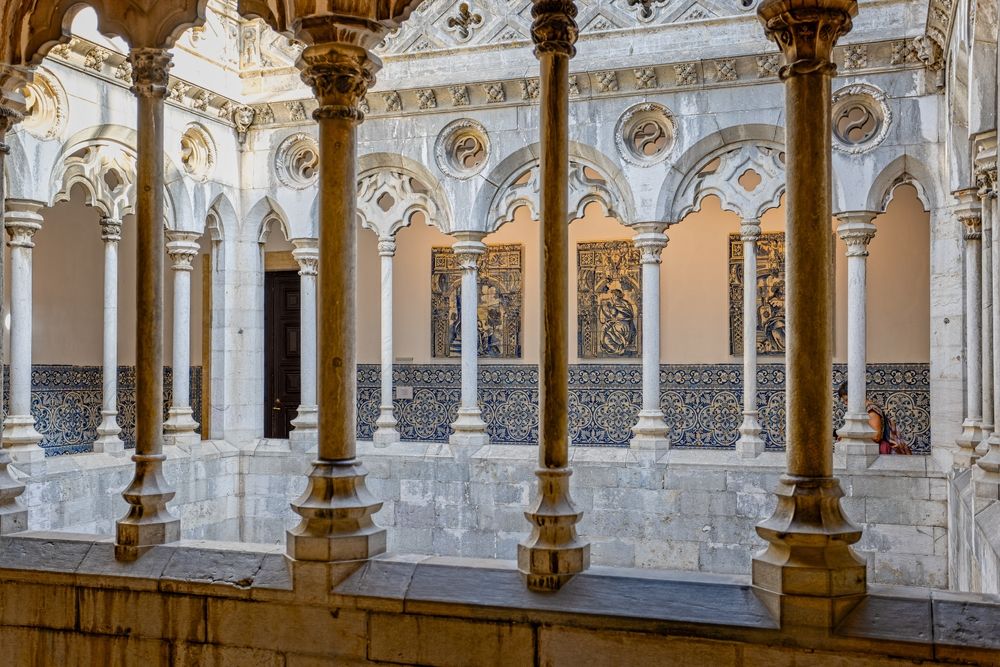
It's impossible to visit Lisbon without discovering the emblematic art of azulejos! Housed in the magnificent 16th-century convent of Madre de Deus, this museum traces the evolution of these painted earthenware tiles since the 15th century. The highlight of the visit is the impressive panorama of Lisbon before the 1755 earthquake, a 23-meter-long work that transports you through time. The collections present the evolution of techniques and styles, from Mudéjar azulejos to contemporary creations. The architectural setting of the convent, with its golden azulejos and baroque chapel, itself constitutes an exceptional showcase for this unique collection in the world.
3. The National Museum of Ancient Art
A true cultural jewel of Lisbon, the Museu Nacional de Arte Antiga preserves the most important collection of Portuguese art and one of the richest European collections. Located in the former palace of the Counts of Alvor, this museum houses priceless national treasures such as the Panels of Saint Vincent by Nuno Gonçalves, considered the masterpiece of 15th-century Portuguese painting. The collections range from Flemish painting to decorative arts, including religious art and objects brought back from former colonies. The section dedicated to Oriental art, with its Japanese Namban screens, testifies to the cultural exchanges of the Age of Great Discoveries. This three-hour visit will immerse you in the artistic soul of Portugal.
4. MAAT – Museum of Art, Architecture and Technology
Symbol of Lisbon's modernity, MAAT (Av. Brasília, Belém, 1300-598 Lisboa, rated 4.0/5 on Google for 3500 reviews) first impresses with its futuristic architecture designed by Amanda Levete. This museum, inaugurated in 2016, offers an innovative approach mixing contemporary art, architecture and new technologies. The former Belém power plant, magnificently rehabilitated, dialogues with the contemporary extension with undulating curves covered in ceramic tiles. Temporary contemporary art exhibitions sit alongside interactive installations on energy and the site's industrial history. The museum's accessible terrace offers a spectacular view of the Tagus and constitutes a privileged viewpoint for admiring the Alfama district.
5. The Berardo Museum
Located in the Belém district, the Berardo Museum (Praça do Império, 1449-003 Lisboa, rated 4.2/5 on Google for 2800 reviews) presents one of Europe's most important collections of modern and contemporary art. This private collection by José Berardo covers the main artistic movements from the 20th century to today. You'll encounter Picasso, Dalí, Warhol, Pollock and many other masters in a fascinating chronological journey. Pop art, surrealism, conceptual art and contemporary installations dialogue in the bright rooms of this cultural center. Free admission makes this museum particularly accessible, and its proximity to other emblematic Belém sites makes it an essential stop in your cultural discovery of Lisbon.
6. The Fado Museum
In the heart of the historic Alfama district, the Museu do Fado (Largo do Chafariz de Dentro, N.º 1, 1100-139 Lisboa, rated 4.1/5 on Google for 1900 reviews) pays tribute to this emblematic song of the Portuguese soul, classified as intangible cultural heritage of humanity by UNESCO. This unique museum traces the history of fado from its popular origins in the 19th century to contemporary performers. The collections present instruments, costumes, recordings and testimonies from great figures like Amália Rodrigues. The interactive exhibition allows you to listen to different fado styles and understand the evolution of this musical art intimately linked to Portuguese saudade. Let Ryo guide you to discover this temple of Lisbon music in its authentic environment.

7. The Lisboa Story Centre
Ideally located on Commerce Square, the Lisboa Story Centre (Terreiro do Paço, 78-81, 1100-148 Lisboa, rated 4.0/5 on Google for 4200 reviews) offers a perfect introduction to Lisbon's history. This immersive and interactive experience traces 2000 years of the city's history, from Roman settlement to contemporary times. Thanks to audiovisual reconstructions, animated models and special effects, you'll relive the great moments of Lisbon's history: the golden age of Discoveries, the 1755 earthquake, reconstruction by the Marquis of Pombal. This one-hour visit, available in French, constitutes an excellent context-setting before exploring the streets of the Portuguese capital with the Ryo itinerary.
Download the audio-guided circuit to discover Lisbon on foot and independently
Discover Lisbon like never before thanks to our audio-guided itinerary to visit Lisbon. This carefully designed route takes you through the 25 must-see places of interest in the city of seven hills, from the picturesque alleys of Alfama to the grand avenues of Baixa. Accompanied by captivating audio commentary and practical tips, this 7-kilometer itinerary will allow you to discover Lisbon's authentic soul in 2h50 of walking, at your own pace and in complete independence.
8. The National Coach Museum
Unique of its kind, the Museu Nacional dos Coches presents the world's most important collection of ceremonial horse-drawn vehicles. Housed in a modern building inaugurated in 2015 in the Belém district, this museum exhibits royal and noble coaches from the 16th-19th centuries of breathtaking decorative richness. The collections come from the Portuguese court and include exceptional pieces such as the coach of Pope Clement XI's embassy or that of the Marquis of Fontes. The art of coach-building reaches heights here with its gilding, sculptures and detailed paintings. This collection testifies to the splendor of the Portuguese court and European decorative art at its peak.
9. The National Museum of Chiado
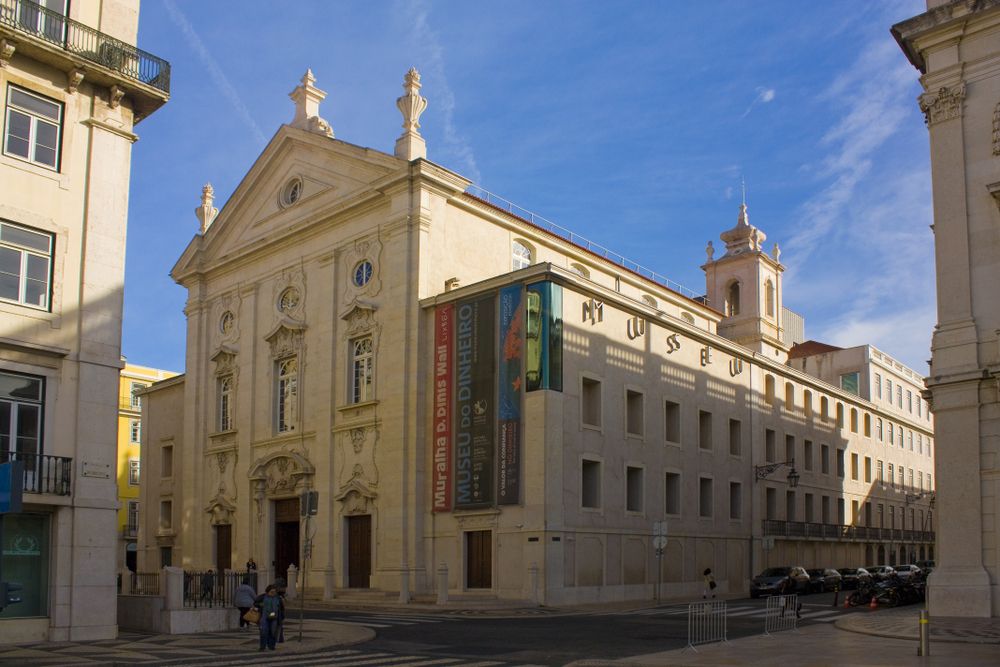
Housed in the former convent of São Francisco da Cidade, the Museu Nacional de Arte Contemporânea do Chiado occupies a special place in Lisbon's cultural landscape. This museum, renovated by French architect Jean-Michel Wilmotte, is devoted to Portuguese art from 1850 to the present. The collections highlight the evolution of modern Portuguese art, from 19th-century naturalism to contemporary avant-gardes. You'll discover works by Silva Porto, Columbano Bordalo Pinheiro, Amadeo de Souza-Cardoso and many other artists who shaped Portuguese artistic identity. The Chiado district, with its historic cafés and elegant shops, constitutes the perfect setting for this temple of contemporary Portuguese art.
10. The Knowledge Pavilion
Perfect for a family visit, the Pavilhão do Conhecimento – Ciência Viva is Portugal's largest interactive science center. Located on the Expo 98 site, this science museum offers fun and educational exhibitions on various themes: oceanography, genetics, physics, mathematics. Children and adults alike can experiment, manipulate and understand scientific phenomena thanks to innovative interactive installations. The planetarium and temporary exhibitions complete this quality educational offer. This 2 to 4-hour visit offers a fun and enriching break in your cultural discovery of Lisbon.
11. The Carmo Archaeological Museum
In a unique setting in the world, the Museu Arqueológico do Carmo occupies the Gothic ruins of the Carmo church, destroyed during the 1755 earthquake. This open-air nave, with its soaring flying buttresses, creates a mystical atmosphere for discovering the archaeological collections. The museum presents prehistoric, Roman, Visigothic and medieval remains found in Portugal. Among the most remarkable pieces, don't miss the Roman sarcophagi, Visigothic capitals and the collection of prehistoric ceramics. This 1h30 visit immerses you in Portugal's ancient history in an exceptional romantic setting, in the heart of the lively Chiado district.
12. The Maritime Museum
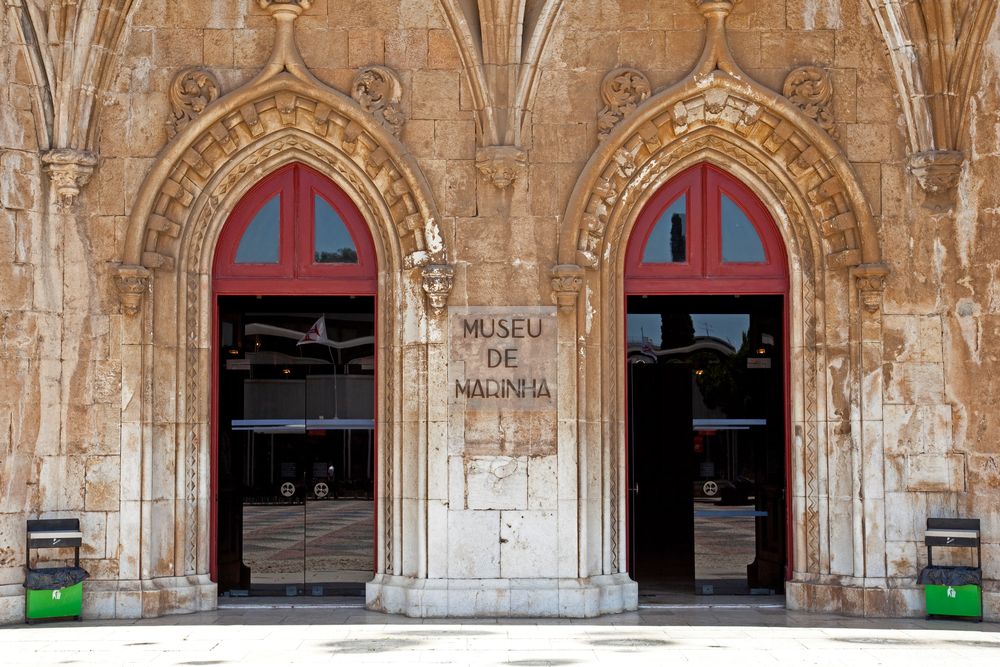
Guardian of Portuguese maritime memory, the Museu de Marinha occupies a wing of the Jerónimos Monastery in Belém. This museum traces the epic of the Great Discoveries that made Portugal a world maritime power in the 15th and 16th centuries. The exceptional collections include models of caravels and galleons, navigation instruments, ancient maps and reconstructions of ship cabins. The section devoted to Vasco da Gama and Portuguese discoveries forms the heart of the museum. Maritime history enthusiasts will also discover the evolution of the Portuguese navy up to contemporary times. This two-hour visit will transport you to the golden age of maritime exploration, when Lisbon was the home port of navigators who opened oceanic routes.
In conclusion, Lisbon's museums offer an exceptional panorama of Portuguese art, history and culture. From the secular art of azulejos to MAAT's contemporary creations, through the treasures of the Great Discoveries, each museum tells a facet of Lisbon's identity. These 12 essential institutions will allow you to understand the soul of this European capital where tradition and modernity coexist harmoniously. Let our Lisbon visit itinerary guide you to optimize your cultural discovery and not miss any of the hidden treasures of the city of seven hills.
FAQ – Frequently Asked Questions about Lisbon Museums
What is the best museum pass to visit Lisbon?
The Lisboa Card is the most advantageous pass to visit Lisbon's museums. It includes free entry to over 25 museums and monuments, as well as public transport. Available for 24h, 48h or 72h, it saves you up to 40% on your cultural visits.
Which Lisbon museums are free?
Several museums offer free entry: the Berardo Museum (modern art), MUDE (design and fashion), and most municipal museums on the first Sunday of the month. Some national museums are also free on Sunday mornings for Portuguese residents.
How much time is needed to visit the main museums?
Allow 2 to 3 hours for major museums like Gulbenkian or the Museum of Ancient Art, 1h30 for the Azulejo Museum, and 1 hour for more specialized museums like the Fado Museum or Lisboa Story Centre. A full day allows you to comfortably visit 2 to 3 major museums.
In which district are the best museums concentrated?
The Belém district concentrates several must-see museums: MAAT, the Berardo Museum, the Coach Museum and the Maritime Museum. The historic center houses the Azulejo Museum, the Fado Museum and the Lisboa Story Centre, while the north of the city hosts the prestigious Gulbenkian Museum.