

Créé par Romane, le 20 juin 2026
Votre guide Ryo
8 natural parks to discover in the heart of Portugal
© Shutterstock
Portugal is not just about historic cities and sunny beaches. The country is also home to exceptional natural spaces, where flora and fauna flourish in breathtaking landscapes. From steep mountains to wild coastlines, passing through verdant valleys, these parks offer a total immersion into Portuguese nature. Prepare your hiking boots and set off to discover these natural gems that will delight lovers of great outdoors.
1. Peneda-Gerês National Park
As the only national park in Portugal, Peneda-Gerês stands as a must-visit for wild nature enthusiasts. Created in 1971, this territory of over 72,000 hectares extends along the border with Spain, in the former province of Minho. The landscapes are exceptionally diverse: jagged granite mountains, verdant valleys carpeted with holly and oak forests, spectacular waterfalls and alpine lakes with crystal-clear waters.
The park's biodiversity is remarkable. You can observe the Iberian wolf, the territory's emblematic species, as well as wild garranos horses, barros cattle and the famous Castro Laboreiro dogs. The flora includes endemic species like the Gerês lily. Hiking enthusiasts will be delighted by the numerous trails crossing the park, notably the ancient Roman road Geira, marked with milestones. Don't miss the Tahiti waterfalls, Caniçada lake and the Gerês thermal springs for a well-deserved relaxing break.
The park also offers a rich cultural heritage with its traditional villages, secular monasteries and medieval castles that blend harmoniously into the mountainous landscape.
2. Serra da Estrela Natural Park
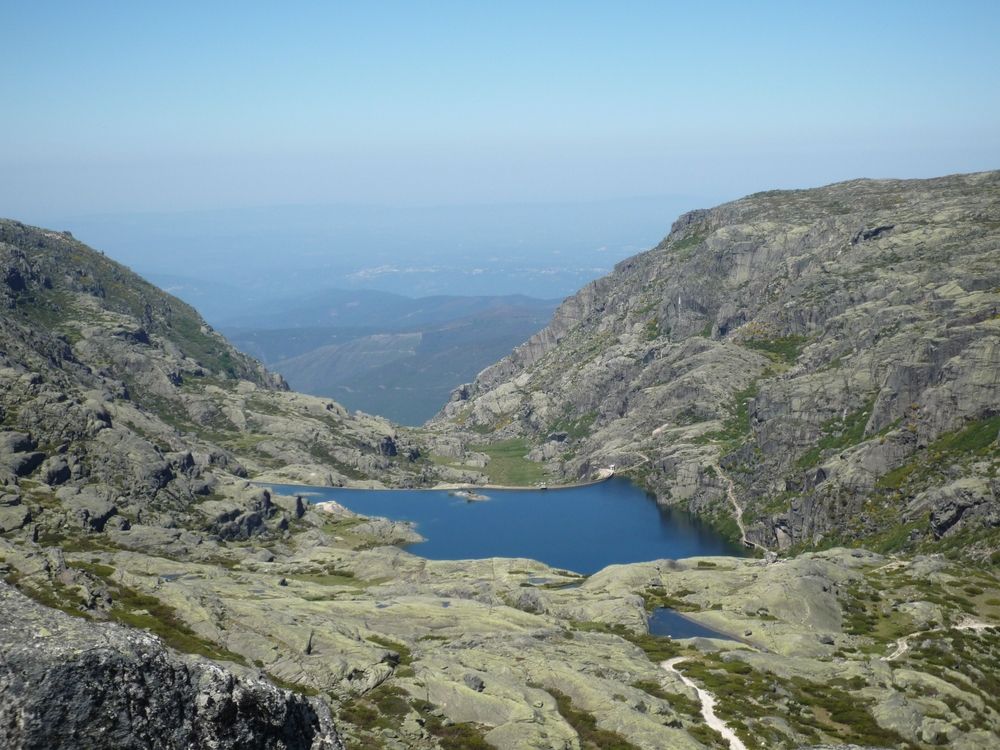
Welcome to Portugal's largest protected area! Created in 1976, Serra da Estrela Natural Park extends over nearly 89,000 hectares and houses the highest point of continental Portugal at 1,993 meters altitude. This granite massif shaped by the last glaciation 30,000 years ago offers strikingly beautiful landscapes: high plateaus, glacial lakes, deep valleys and spectacular rock formations.
Serra da Estrela is the only place in Portugal where you can see abundant snow during winter, housing the country's only ski resort. In summer, the landscapes are adorned with thousands of shades of green, offering ideal conditions for hiking. Don't miss the famous 25 lakes route, a spectacular itinerary that takes you through the most beautiful glacial lakes of the massif. Poço do Inferno, an impressive waterfall near Manteigas, and the mysterious Covão dos Conchos lake with its strange circular hole are among the must-see sites.
The park also houses notable cultural richness, with traditional stone villages where the famous Serra da Estrela cheese is produced, one of Portugal's finest cheeses.
3. Douro International Natural Park
Created in 1998, Douro International Natural Park stretches for nearly 120 kilometers along the Douro river that marks the border between Portugal and Spain. This wild and preserved territory offers spectacular landscapes of deep canyons carved by the river into the granite plateau, creating vertiginous cliffs that rise up to 200 meters high.
The park is a true paradise for ornithologists. It houses one of Europe's most important raptor populations, including golden eagles, griffon vultures, peregrine falcons and the rare Egyptian vulture, the park's emblem. Hiking enthusiasts will appreciate the numerous trails winding through the steep landscapes, offering breathtaking panoramas over the Douro's meanders.
A Douro river cruise is an excellent way to discover the park from another angle, admiring the imposing cliffs from the river. Don't forget to stop at the strategically placed viewpoints in the park to fully enjoy the spectacular views. If you wish to explore the region further, consider visiting Porto and its famous wine valley.
4. Sintra-Cascais Natural Park
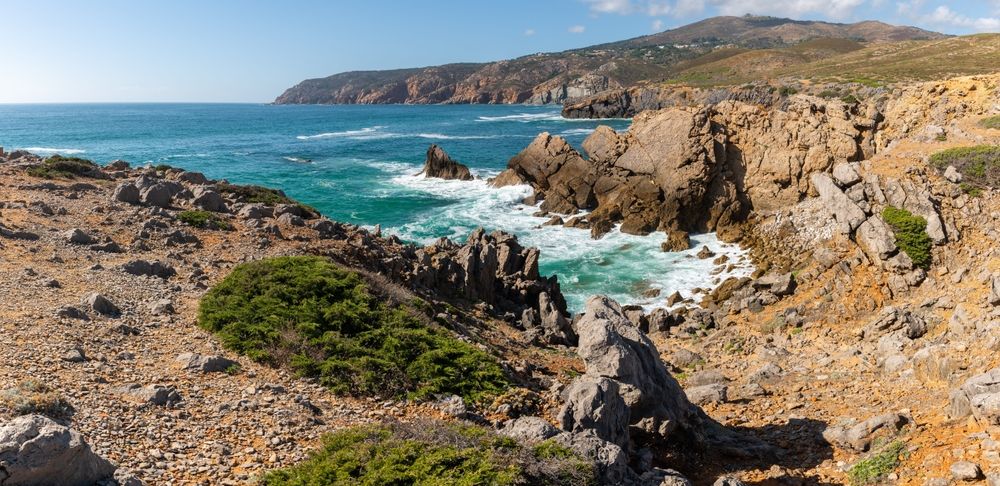
Just a few kilometers from Lisbon, Sintra-Cascais Natural Park has protected since 1994 an exceptional coastline that extends over 145 square kilometers between the municipalities of Sintra and Cascais. This unique territory harmoniously combines mountains covered with lush vegetation, steep cliffs plunging into the Atlantic Ocean and secret beaches bordered by wild dunes.
Download the audio-guided tour to discover Lisbon on foot and independently
Discover the Portuguese capital with our Lisbon audio-guided tour. In 3 hours of walking, explore the emblematic neighborhoods, historic monuments and spectacular viewpoints of this fascinating city, before venturing towards the region's natural wonders.
The park's highlight remains undoubtedly Cabo da Roca, the westernmost point of the European continent, where vertiginous 140-meter-high cliffs offer a grandiose spectacle facing the ocean's immensity. The picturesque village of Azenhas do Mar, with its white houses perched atop a cliff, seems to defy the laws of gravity. The park's beaches, like Praia Grande popular with surfers or the secret Praia da Ursa accessible only on foot, promise unforgettable moments.
A 10-kilometer cycling path runs along the coast between Guincho and Cascais, offering exceptional panoramas. The park also houses remarkable birdlife, notably on the Cabo Raso rocks, as well as several historic lighthouses testifying to the region's maritime past. Don't hesitate to combine your visit with discovering Sintra, classified as a UNESCO World Heritage site.
5. Arrábida Natural Park
Just 40 kilometers south of Lisbon, Arrábida Natural Park deploys its 10,800 hectares between Setúbal and the fishing village of Sesimbra. This exceptional territory is characterized by a limestone hill chain covered with lush Mediterranean vegetation that plunges directly into the turquoise waters of the Atlantic Ocean, creating a striking contrast.
The park is distinguished by its particularly mild climate and unique vegetation in Portugal, with rare Mediterranean scrubland housing endemic species. The park's beaches are among the country's most beautiful: Portinho da Arrábida, Figueirinha and Galapos offer crystal-clear waters in a preserved setting. From the top of Serra do Risco, continental Europe's highest marine cliff at 380 meters, the panorama over the ocean is simply vertiginous.
Thrill-seekers can enjoy speleology, scuba diving in the translucent waters or rock climbing on the limestone cliffs. The oceanographic museum near Portinho also deserves a visit to better understand the region's marine ecosystem. Let yourself be guided through Portugal's natural wonders and also explore the cultural riches of Lisbon during your stay.
6. Southwest Alentejano and Costa Vicentina Natural Park
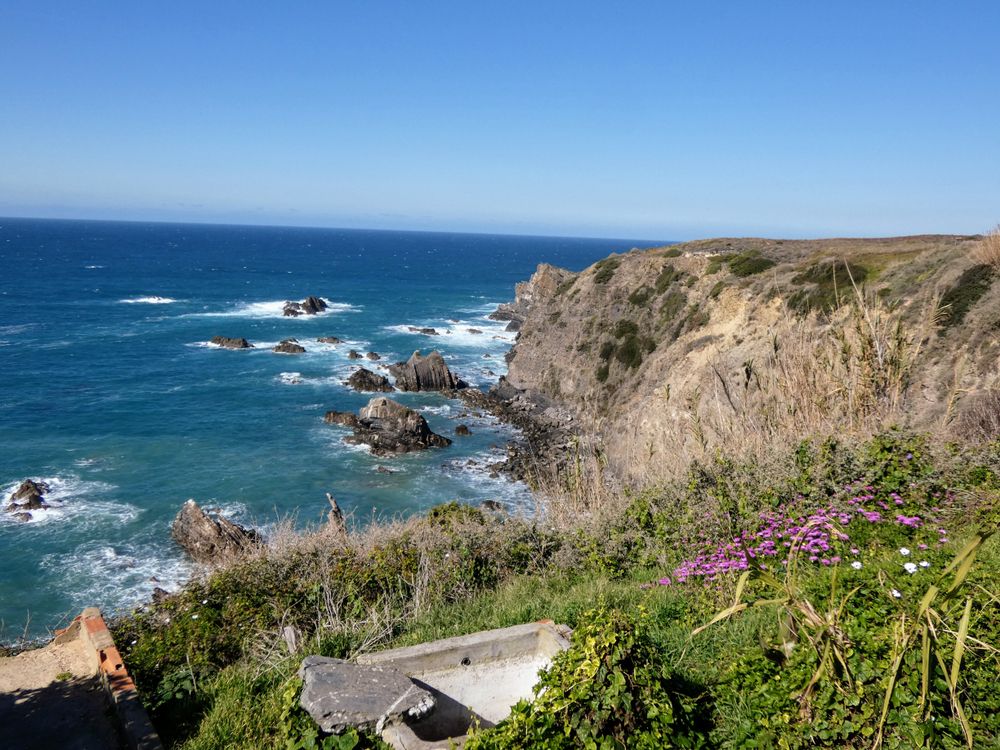
Stretching over 75,000 hectares along Portugal's southwest coast, this park created in 1988 protects one of Europe's best-preserved coastal stretches. From Porto Covo in the north to Cape Saint-Vincent in the south, nearly 100 kilometers of wild and spectacular coastline unfold, alternating steep cliffs, secret coves and pristine beaches beaten by Atlantic waves.
The park's exceptional biodiversity attracts botanists and zoologists from around the world. Over 750 plant species are recorded, including twenty endemics like Biscutella vicentina and Plantago almogravensis. The fauna is equally impressive: marine otters, white storks and the rare osprey coexist with a multitude of migratory birds that stopover on these coasts.
The park's beaches have become world-renowned surf spots. Porto Covo, Arrifana, Amado and Monte Clérigo attract surfers seeking powerful waves in a preserved natural setting. Access to some beaches can be difficult, but this relative inaccessibility guarantees their wild and authentic character. Don't miss visiting Cape Saint-Vincent and Sagres point, steeped in history and offering unforgettable sunsets.
7. Montesinho Natural Park
In the northeastern confines of Portugal, at the border with Spain, Montesinho Natural Park deploys its 75,000 hectares of wild and preserved nature. Recognized as a natural park in 1979, this mountainous territory remains one of Europe's most remote and authentic spaces, where time seems to have stopped.
The mountain chains of Coroa (1,273 meters) and Montesinho (1,486 meters) structure a landscape of raw beauty, alternating high plateaus, verdant valleys and dense forests of century-old oaks and chestnuts. The fauna is particularly rich: deer, wild boar, Iberian wolves and numerous raptor species find refuge in these preserved lands.
The park is also distinguished by its traditional schist villages where inhabitants perpetuate an ancestral way of life. Rural architecture, communal bread ovens and secular customs offer a fascinating journey through time. Hiking trails allow discovering this little-known region, between grandiose landscapes and authentic encounters. The proximity of Bragança, a fortified historic city, adds cultural interest to the park visit.
8. Ria Formosa Natural Park
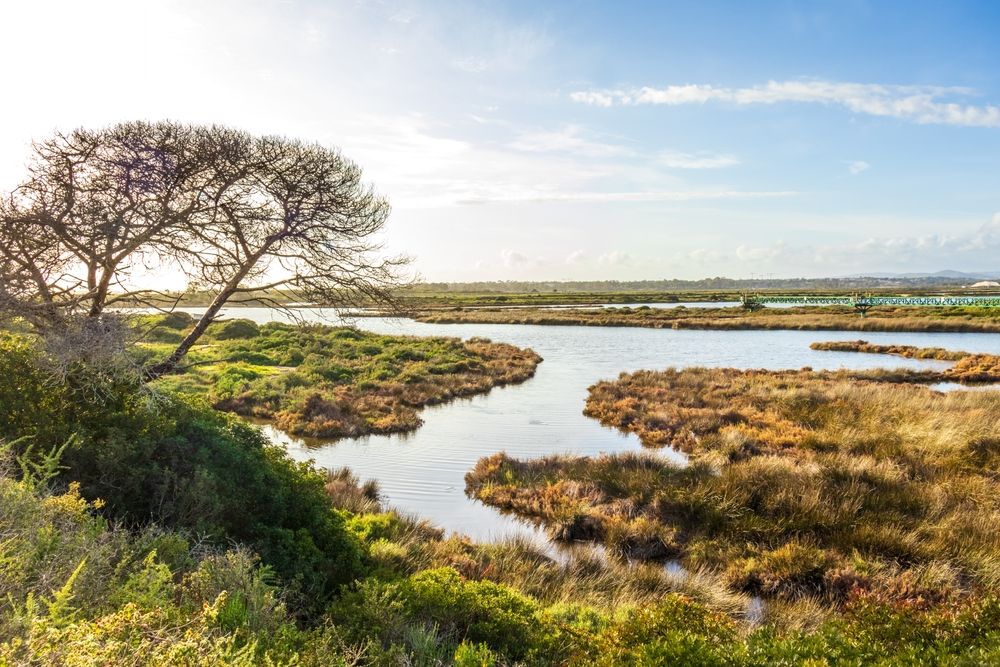
On the Algarve's eastern coast, Ria Formosa Natural Park has protected since 1987 an exceptional lagoon system that extends over 60 kilometers and covers 18,000 hectares. This unique aquatic labyrinth in Europe constitutes a fascinating transition zone between land and sea, composed of barrier islands, channels, salt marshes and mudflats that evolve with the tides.
Ria Formosa's biological richness is stunning. This internationally important bird site welcomes over 200 migratory bird species, including flamingos, spoonbills and black-winged stilts. The shallow waters also house seahorses, chameleons and a great variety of fish and crustaceans.
The Marim Environmental Education Center is the ideal starting point to discover the park through its walking paths and observatories. The Ria Formosa islands – Faro island, Barreta island (also called Deserta island), Culatra island, Armona island and Tavira island – are accessible by boat and offer magnificent beaches away from tourist hustle. A traditional boat ride allows observing the ancestral fishing, salt extraction and mollusk collecting activities that have endured for centuries. The charming village of Cacela Velha, with its fortress and white houses, also deserves a visit for its preserved authenticity.
In conclusion, Portugal's natural parks constitute essential destinations for all nature and open space lovers. From the majestic mountains of Serra da Estrela to the paradisiacal lagoons of Ria Formosa, passing through the wild coasts of Alentejo, these protected territories reveal the exceptional diversity of Portuguese landscapes. Whether you're a passionate hiker, amateur ornithologist or simply seeking authenticity and escape, these eight parks promise unforgettable experiences in the heart of preserved nature. Don't hesitate to combine your discovery of these natural spaces with visiting emblematic Portuguese cities like Porto, Coimbra or Lisbon, easily accessible thanks to Ryo audio-guided tours that allow you to explore these urban gems on foot and in complete independence.
FAQ: Portugal's Natural Parks
What is the best time to visit Portugal's natural parks?
Spring (April to June) and autumn (September to October) are ideal periods to discover Portuguese natural parks. Temperatures are pleasant, nature is lush in spring and autumn colors are magnificent. Summer can be very hot in some parks, especially in the south. Winter is perfect for Serra da Estrela if you wish to see snow.
Do you need to pay to access Portugal's natural parks?
Access to Portuguese natural parks is generally free. However, certain specific activities like guided tours, access to some interpretation centers or developed sites may be charged. Parking may also be subject to fees in some highly frequented areas.
Can you observe wild animals in Portuguese natural parks?
Yes, Portuguese natural parks house rich and varied fauna. The Iberian wolf can be observed in Peneda-Gerês and Montesinho (though rare), numerous raptors including golden eagles in Douro International, wild garranos horses, cervids, and a multitude of migratory birds notably in Ria Formosa. Observations are more frequent early in the morning or late in the day.
Are Portugal's natural parks suitable for families with children?
Absolutely! Most parks offer trails of different difficulty levels, some perfectly adapted to families. Short and easy circuits allow children to discover nature safely. Ria Formosa park with its beaches and boat rides, or Serra da Estrela with its lakes and spectacular landscapes are particularly appreciated by families.
Can you camp in Portugal's natural parks?
Wild camping is generally prohibited in Portuguese natural parks for environmental protection reasons. However, official campgrounds and developed bivouac areas are available near or inside certain parks. It's recommended to inquire at park information centers about authorized accommodation options.