
Créé par Romane, le 7 mai 2026
Votre guide Ryo
© Shutterstock
Just 30 kilometers northwest of Lisbon, Sintra reveals itself as a true jewel of Portuguese heritage. Listed as a UNESCO World Heritage site since 1995, this town enchants with its colorful palaces, lush gardens and unique romantic atmosphere. Nestled in the Serra de Sintra, it offers an exceptional natural setting where history meets magic. Whether you're an architecture enthusiast, history buff or simply a lover of grand landscapes, Visiting Lisbon would not be complete without a trip to Sintra.
How to get to Sintra from Lisbon
Getting to Sintra from the Portuguese capital is a piece of cake. The most practical and economical way is by train, which departs from Rossio station, located in the heart of Lisbon. You can also board from Oriente or Entrecampos stations. The journey takes about 40 minutes and trains run every 20 to 30 minutes. Expect to pay around €2.40 for a single ticket. Once you arrive at Sintra station, you'll be just a few minutes' walk from the historic center. To explore the different palaces perched on the hills, tourist bus 434 is very useful, although it can be crowded during high season. The more athletic can also walk, but beware of steep slopes! If you prefer driving, be aware that parking can be tricky, especially in summer.
1. The Pena National Palace
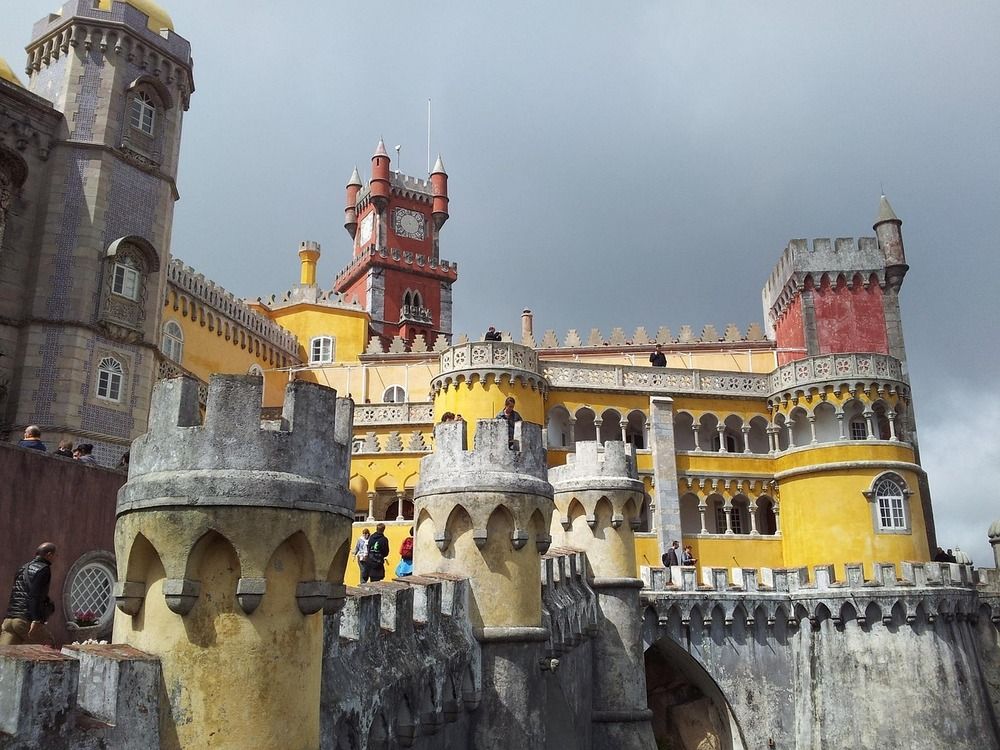
It's impossible to visit Sintra without admiring the Pena National Palace, a true icon of Portuguese romanticism. Perched atop the Serra de Sintra, this brightly colored palace seems straight out of a fairy tale. Built in the 19th century on the ruins of an ancient monastery by Prince Ferdinand of Saxe-Coburg-Gotha, this building boldly mixes Gothic, Manueline, Moorish and Renaissance architectural styles. Its yellow and red facades contrast magnificently with the intense green of the surrounding vegetation. Inside, the richly decorated rooms testify to the splendor of the Portuguese royal family. Don't forget to explore the Pena Park surrounding the palace, a true botanical garden where rare species and spectacular viewpoints coexist.
Practical info: Opening hours 9:30 AM to 6:30 PM (last entry at 6 PM). Price: around €14 for adults. Accessible by bus 434 from Sintra station. Crowds are heavy, consider booking your tickets online to avoid waiting (Estrada da Pena, 2710-609 Sintra).
2. Quinta da Regaleira
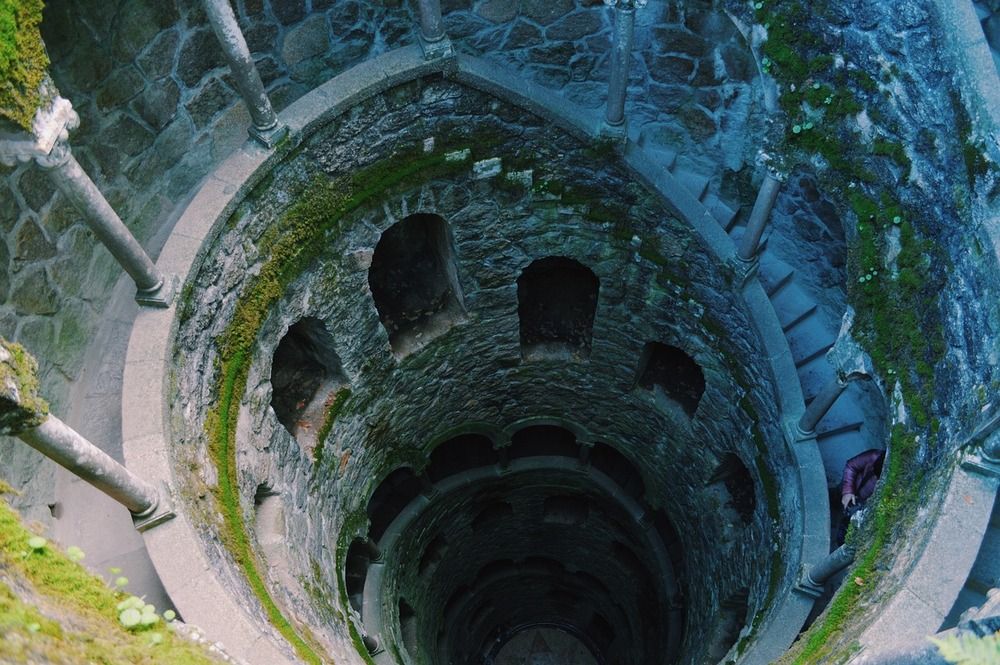
Discover one of Sintra's most mysterious and fascinating sites with Quinta da Regaleira. This estate built in the early 20th century for millionaire António Augusto Carvalho Monteiro reveals extravagant neo-Gothic architecture mixed with esoteric symbols. The palace itself is impressive, but it's especially the grounds that captivate visitors. Stroll through the themed gardens, explore the mysterious caves and descend into the famous initiation well. This 27-meter-deep inverted tower, with its spiral staircase, was used for initiation rituals linked to freemasonry and the Templars. Alchemical and mystical references are scattered throughout the estate, creating a unique and spellbinding atmosphere. Let yourself be guided in your visit to Sintra thanks to the Ryo itinerary, which will reveal all the secrets of this exceptional region.
Practical info: Open from 9:30 AM to 7 PM (hours vary by season). Entry fee: €15 for adults, €10 for youth and seniors. Plan at least 2 to 3 hours for a complete visit (Quinta da Regaleira, 9, 2710-567 Sintra).
3. The Castle of the Moors
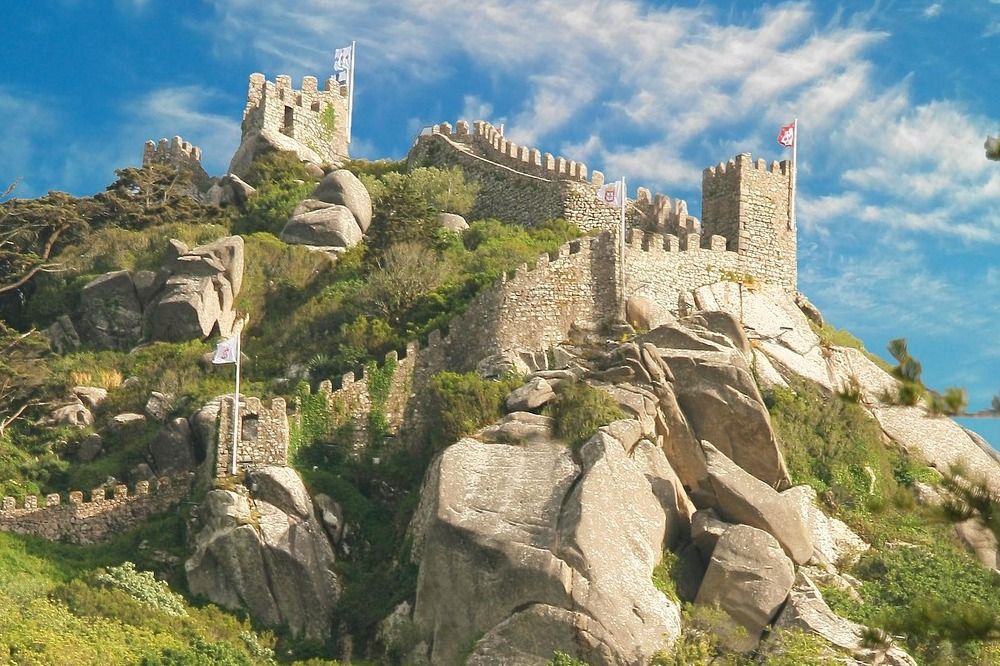
Proudly dominating the region since the 8th century, the Castle of the Moors (Castelo dos Mouros) testifies to the Muslim occupation of the Iberian Peninsula. This military fortress with imposing stone walls winds along the rocky ridges, offering absolutely spectacular panoramas over Sintra, the Atlantic Ocean and the surroundings. The climb to the ramparts requires some effort, but the reward is well worth it. Walking along the preserved walkway, you'll follow in the footsteps of the Moorish soldiers who once guarded this strategic position. The remains of towers, cisterns and the mosque tell the fascinating story of this place steeped in memory. On clear days, the view extends all the way to Lisbon.
Practical info: Open daily from 9:30 AM to 6:30 PM. Price: around €10 for adults. Accessible by bus 434 (same stop as Pena Palace). Good shoes recommended for walking on the ramparts (2710-405 Sintra).
4. The Sintra National Palace
In the heart of Sintra's historic center, the National Palace stands out with its two imposing white conical chimneys, true symbols of the town. Also called Palácio da Vila, this palace was the summer residence of the Portuguese royal family for several centuries, from the 14th to the 19th century. Inside, you'll discover a succession of magnificently decorated rooms with typical azulejos, those Portuguese faience tiles with delicate patterns. The Swan Room, adorned with 27 painted swans on the ceiling, and the Magpie Room, with its 136 magpies holding parchments in their beaks, are among the most remarkable. Each room tells a story, reflecting the evolution of tastes and styles through the ages.
Practical info: Opening hours from 9:30 AM to 6:30 PM (last entry at 6 PM). Price: around €13 for adults. Located in the town center, easily accessible on foot from the station (Largo Rainha Dona Amélia, 2710-616 Sintra, rated 4.5/5 on Google for 8,500 reviews).
Download the audio-guided circuit to discover Lisbon on foot and independently
To complete your discovery of the Lisbon region, don't miss the Ryo visit itinerary that allows you to explore the Portuguese capital in complete freedom. Thanks to this audio-guided circuit, explore Lisbon's most beautiful neighborhoods with 24 enriching commentaries that tell the history, anecdotes and secrets of the city. Interactive navigation, fun content and total independence: visit at your own pace while enjoying fascinating explanations. The Ryo app transforms your smartphone into a personal guide for an immersive and authentic experience.
5. The Monserrate Palace
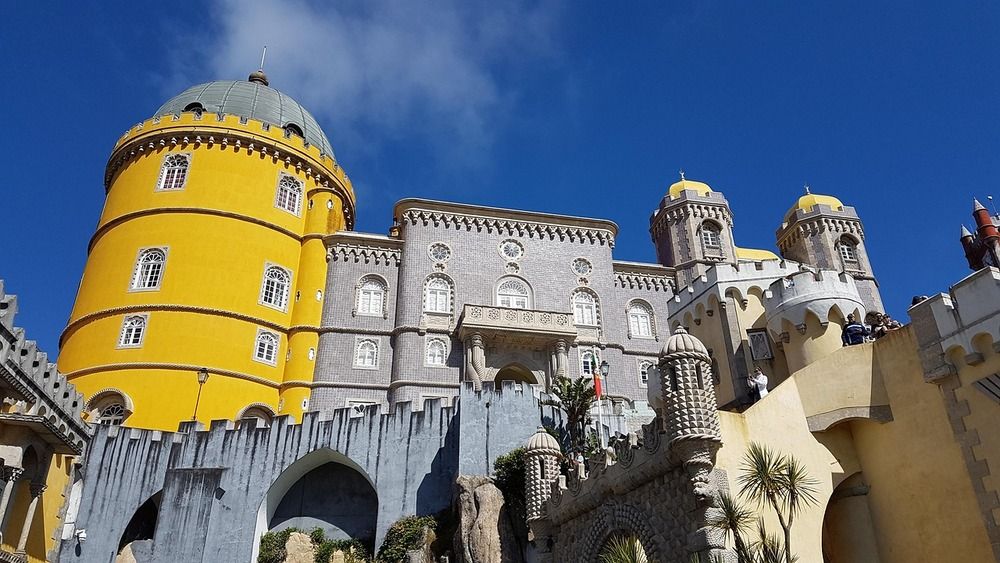
Located slightly away from Sintra center, the Monserrate Palace is well worth the detour. This exotic and romantic 19th-century building presents a fascinating mix of Gothic, Indian and Moorish architectural influences. Commissioned by Sir Francis Cook, a wealthy English industrialist, the palace captivates with its delicate carved motifs and refined interior decorations. But it's especially its botanical park that makes the place famous. Spanning several hectares, these gardens house more than 3,000 plant species from around the world, organized by geographical zones. You'll find a Mexican garden, giant ferns, romantic artificial ruins and magnificent fountains. An oasis of greenery and tranquility that will delight nature and botany lovers.
Practical info: Open from 9:30 AM to 6:30 PM. Price: around €10 for adults. Less crowded than other palaces, ideal for a peaceful visit. Allow 2 to 3 hours on site (R. Barbosa du Bocage, 2710-405 Sintra).
6. Convento dos Capuchos
For a totally different experience, head to Convento dos Capuchos, a 16th-century Franciscan hermitage nestled in the heart of the forest. This austere and simple place contrasts radically with the richness of Sintra's palaces. Founded in 1560, this convent housed Franciscan monks who lived in extreme simplicity. The tiny cells, carved into the rock and covered with cork for insulation, testify to their spartan living conditions. Walking through the narrow corridors and small chapels, you'll feel the atmosphere of contemplation and devotion that reigned in these places. The surrounding forest setting adds to the site's serenity, offering a true haven of calm.
Practical info: Open from 9:30 AM to 6 PM. Price: around €7. Located about 8 km from Sintra center, accessible by car or taxi (2710-405 Sintra).
Organizing your visit to Sintra
How much time to plan for visiting Sintra
Ideally, plan a full day to discover Sintra's main sites. As the palaces are scattered across the hills, getting around takes time. If you want to visit several monuments in depth and soak up the atmosphere of the places, two days won't be too much. One day can be enough to see the essentials: Pena Palace, Quinta da Regaleira and the historic center. But to include the Castle of the Moors, Monserrate Palace and Convento dos Capuchos, a two-day stay is necessary. Don't forget that tourist crowds can significantly extend your waiting times, especially during high season.
Best time to visit Sintra
The best time to visit Sintra is in spring (April-May) and autumn (September-October). During these months, temperatures are pleasant, gardens are in bloom and tourist crowds remain reasonable. Summer, from June to August, attracts crowds and temperatures can climb, making visits less comfortable. Winter, from November to February, offers the advantage of less crowded sites, but weather can be rainy and cool. Mist sometimes covers the hills, creating a mysterious atmosphere that may appeal to romantics, but spoiling the panoramas. Whatever season you choose, consider arriving early in the morning to avoid tourist groups and fully enjoy the places.
Getting around Sintra
Once there, several options are available for getting around. Tourist bus 434 serves the main sites (Pena Palace, Castle of the Moors) from the station and town center. A day pass costs around €6.90 and allows unlimited boarding and alighting. Be careful though, these buses can be very crowded during high season. Tuk-tuks are a nice but more expensive alternative. Walking remains possible for the more athletic: allow about 45 minutes uphill from the center to reach Pena Palace, with sometimes steep slopes. Taxis and ride-sharing services are also available. If you rent a car, know that parking is limited and paid near monuments. For a complete experience of the region, let yourself be guided by the Ryo audio-guided itinerary during your stay in Lisbon.
Where to eat in Sintra
After a morning exploring Sintra's palaces and gardens, a gourmet break is in order. The historic center is full of charming restaurants and cafés. To taste traditional Portuguese cuisine, head to Tascantiga (R. Dr. Alfredo Costa, 4, 2710-524 Sintra, rated 4.4/5 on Google for 1,359 reviews), a popular address with locals offering excellent tapas and typical dishes in a friendly atmosphere. Nau Palatina (Calçada de São Pedro, 18, 2710-553 Sintra, rated 4.8/5 on Google for 792 reviews) captivates with its elegant setting and refined cuisine. For a quick but delicious lunch, Bacalhau na Vila (R. Consig. Pedroso, 2, 2710-550 Sintra, rated 4.7/5 on Google for 1,579 reviews) delights with its cod specialties. Don't leave Sintra without tasting the famous queijadas de Sintra, small tarts with fresh cheese, and travesseiros, puff pastries filled with almond and egg cream, available at the famous Casa Piriquita since 1862.
Where to stay in Sintra
If you decide to spend a night or two in Sintra to fully enjoy the magical atmosphere of the place, several accommodation options are available. For a charming stay, opt for one of the charming quintas (country houses) transformed into boutique hotels, which will immerse you in Sintra's romantic atmosphere. The historic center also offers family guesthouses and authentic bed and breakfasts. Comfort lovers will appreciate the more modern hotels located on the outskirts. Booking in advance is strongly advised, especially during summer months and weekends. Staying overnight has the advantage of discovering Sintra early in the morning or evening, when day tourists have left, revealing the town's true peaceful character.
Sintra's surroundings to discover
1. Cabo da Roca
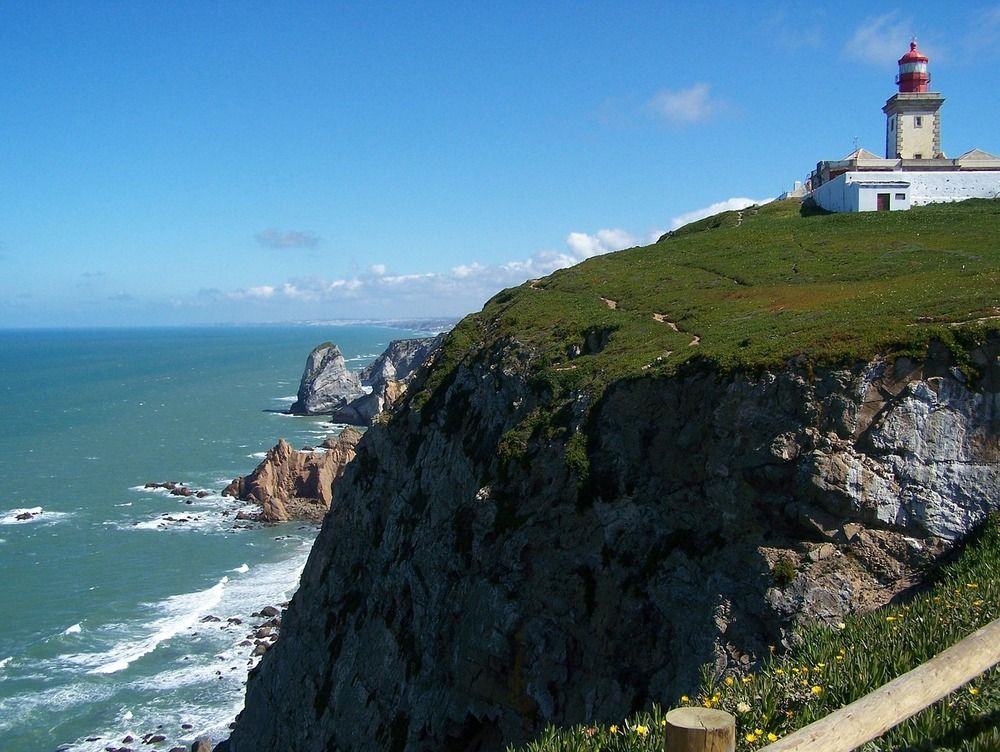
About 18 kilometers west of Sintra lies Cabo da Roca, the westernmost point of continental Europe. This spectacular cape offers vertiginous cliffs that plunge into the Atlantic Ocean, creating landscapes of wild and dramatic beauty. On clear days, the view embraces the ocean's immensity as far as the eye can see. An emblematic lighthouse marks this symbolic place where, as Portuguese poet Luís de Camões wrote, "land ends and the sea begins." The place can be windy, remember to bring a jacket. Accessible by car or bus from Sintra, it's an unmissable excursion for lovers of nature and wide open spaces.
2. Azenhas do Mar
This picturesque fishing village, clinging to the cliff side, seems to defy the laws of gravity. The white houses of Azenhas do Mar nestle against each other, creating an absolutely irresistible postcard landscape. Below, a small beach nestled between rocks and a natural seawater pool attract swimmers during summer. Several restaurants and terrace cafés offer a stunning view of the ocean. The place is particularly photogenic at sunset, when the last rays illuminate the white facades. Located about 15 kilometers from Sintra, this village absolutely deserves a visit for its authentic charm.
3. Cascais and Estoril
On the way back to Lisbon, take the opportunity to stop at Cascais and Estoril, two elegant seaside resorts bordering the Atlantic Ocean. Cascais, a former fishing town that became a popular destination for European aristocracy, retains undeniable charm with its cobbled historic center, lively marina and beautiful beaches. The seafront promenade connects Cascais to Estoril, known for its famous casino, the largest in Europe, and its well-maintained gardens. These towns offer a more relaxed atmosphere than Sintra, perfect for a relaxing end of day with a seaside walk or a dinner of fresh fish and seafood at one of the many restaurants.
Practical tips for visiting Sintra
Some recommendations to optimize your visit: wear comfortable shoes, as you'll walk a lot, often on cobblestones and sloping paths. Bring water and snacks, especially if visiting in summer. Lines at monuments can be long: buy your tickets online in advance to save time. Start your day early, ideally arriving on the first train from Lisbon, to enjoy the sites before the tourist influx. If you're visiting several monuments, inquire about combination passes that can save you money. Don't forget a jacket or sweater, even in summer, as the climate in Sintra can be cooler and more humid than in Lisbon due to altitude and dense vegetation. Finally, take time to stroll through the historic center, get lost in the alleys and savor the unique atmosphere of this timeless town.
In conclusion, visiting Sintra represents an unmissable escape during a stay in Lisbon. This fairytale town, with its romantic palaces, lush gardens and exceptional heritage, offers total change of scenery just a few kilometers from the Portuguese capital. Whether you devote a day or a complete weekend to discovering it, Sintra will leave you with unforgettable memories. To complete your exploration of the region, don't hesitate to follow the Ryo audio-guided visit itinerary that will accompany you in discovering Lisbon and its hidden treasures. Prepare to be amazed by this magical destination where history, art and nature harmonize perfectly.
FAQ
Can you visit Sintra in one day from Lisbon?
Yes, it's quite possible to visit Sintra in one day from Lisbon. The train journey takes about 40 minutes. For an optimal visit, leave early in the morning and focus on 2 or 3 major sites like Pena Palace, Quinta da Regaleira and the historic center. However, if you want to explore more of the surroundings and fully enjoy the atmosphere of the places, two days are recommended.
How much does entrance to Sintra's main monuments cost?
Prices vary by monument: around €14 for Pena Palace, €15 for Quinta da Regaleira, €10 for the Castle of the Moors, €13 for Sintra National Palace and €10 for Monserrate Palace. Combination tickets are available on the official Parques de Sintra website, allowing savings if you visit several sites. Online reservations are strongly advised to avoid queues.
What's the best means of transport to get around Sintra?
Tourist bus 434 is the most practical option for reaching the main sites from the station or town center. A day pass costs around €6.90. However, beware of queues during high season. Tuk-tuks offer a more flexible but more expensive alternative. Walking is possible but demanding due to slopes. Avoid cars if possible, as parking is limited and paid near monuments.
What is Sintra's culinary specialty?
Sintra is famous for its traditional sweets, notably queijadas de Sintra, small tarts with fresh cheese and cinnamon, and travesseiros, puff pastries filled with almond and egg cream. These specialties are available in the historic center's pastry shops, the most emblematic being Casa Piriquita, founded in 1862. Don't leave without trying them!
Should you book entrance tickets in advance?
Yes, it's highly recommended to book your tickets online in advance, especially for Pena Palace and Quinta da Regaleira which are the most visited sites. This will allow you to avoid long queues, particularly during high season (June to September) and weekends. Time slots are sometimes limited, advance booking guarantees access at your desired time.