
Créé par Emilie, le 7 mai 2026
Votre guide Ryo
© Shutterstock
A fascinating megalopolis where tradition and modernity coexist harmoniously, Seoul is ideally discovered district by district. The South Korean capital, home to more than 10 million inhabitants, offers a mosaic of distinct faces: from the cobblestone alleys of Bukchon hanok village to the futuristic skyscrapers of Gangnam, through the commercial effervescence of Myeongdong and the bohemian atmosphere of Hongdae. To visit Seoul efficiently and grasp all the richness of this sprawling city, exploration by geographical zones is essential. This detailed guide takes you to discover the emblematic districts of the Korean metropolis, each revealing a unique facet of Seoul's soul.
1. Bukchon Hanok Village, the traditional village
Nestled between Gyeongbokgung and Changdeokgung palaces, Bukchon Hanok Village preserves more than 900 traditional Korean houses (hanok) dating back 600 years. This authentic residential district offers a journey through time via its sloping cobblestone alleys, stone walls and curved tile roofs characteristic of Joseon architecture.
Unlike villages reconstructed for tourism purposes, Bukchon remains an inhabited district where several hundred families still reside. This authenticity gives the place a particular charm, but also requires respect for certain rules: silence in the alleys, prohibition of smoking and eating while walking. Many hanok have been transformed into guesthouses, cultural centers, museums, restaurants or tea houses, allowing visitors to experience traditional Korean lifestyle.
The village offers eight marked walking itineraries, including the famous viewpoint n°2 which offers a postcard panorama of the tile roofs with Seoul's modern skyline in the background. This striking juxtaposition between tradition and modernity perfectly symbolizes the duality of the South Korean capital. Wandering through Bukchon, you will also encounter several workshops where you can observe craftsmen and artists perpetuating ancestral know-how: making traditional hanji paper, embroidery, painting, calligraphy.
Download the audio-guided circuit to discover Seoul on foot and independently
To not miss any treasures of Bukchon and other historic districts, the Ryo itinerary to visit Seoul guides you step by step through 19 major points of interest with enriching audio commentary. This intuitive application allows you to explore the Korean capital in complete autonomy, at your own pace, without time constraints or tourist groups.
2. Insadong, the artists and antique dealers district
Perpendicular to the main artery of Jongno, Insadong district represents the artistic and cultural soul of Seoul. This lively pedestrian zone concentrates traditional art galleries, antique shops, authentic tea houses and artisan workshops. It's the ideal place to immerse yourself in ancestral Korean culture while finding quality handcrafted souvenirs.
The main street of Insadong-gil, closed to traffic on weekends, is teeming with small shops offering calligraphy, ceramics, painted fans and lacquered objects. The adjacent alleys reveal charming inner courtyards housing traditional tea houses where you can taste Korean tea accompanied by local pastries in a zen atmosphere.
The Ssamziegil shopping center constitutes the district's flagship attraction. This four-story spiral complex offers a careful selection of contemporary Korean handcrafted creations: jewelry, clothing, accessories, decorative objects. Its original continuous ramp architecture allows you to gradually ascend to the panoramic terrace offering a beautiful view of the district's rooftops.
A few steps from Insadong is Jogyesa Temple, the spiritual center of Korean Zen Buddhism. This urban temple, with its colorful architecture and thousands of lanterns, offers a peaceful respite in the heart of urban hustle and bustle. During Buddha's birthday celebration in May, the temple and surrounding streets are adorned with thousands of multicolored lanterns, creating a magical spectacle.
3. Jongno, Seoul's historic heart
Jongno represents Seoul's historic epicenter for over 600 years. This district, which served as the political and cultural center under the Joseon dynasty, today houses the capital's most precious heritage treasures. It's here that the traditional heart of the Korean metropolis beats.
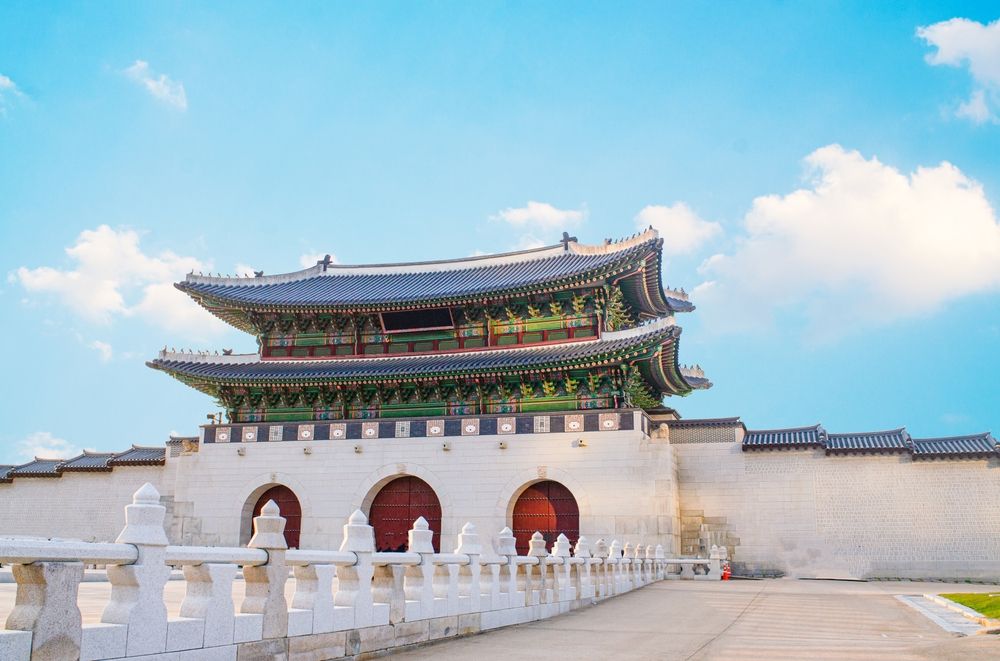
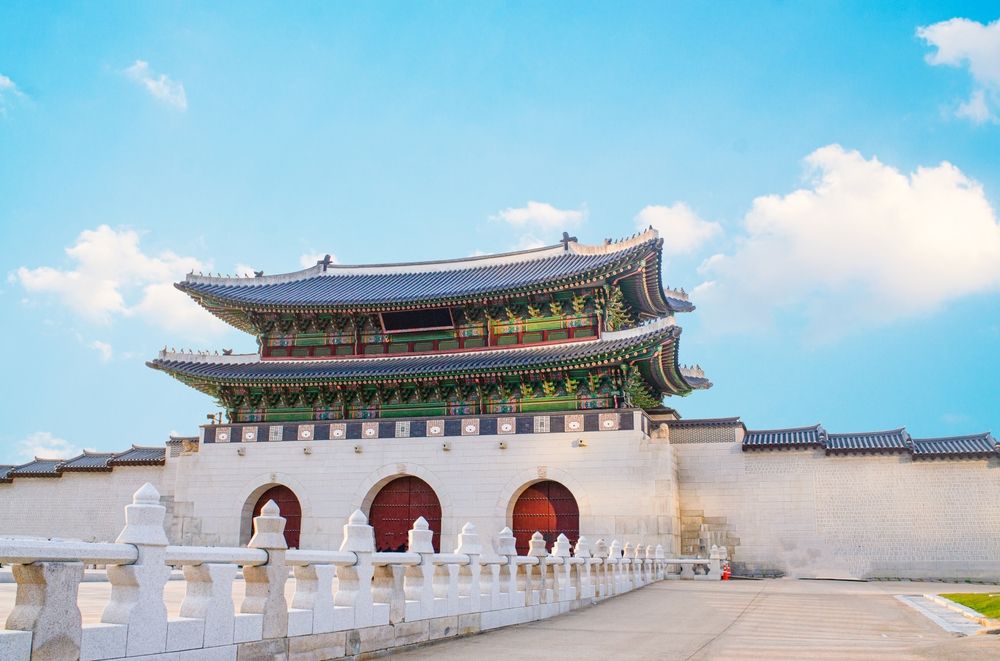
Within Jongno stands the majestic Gyeongbokgung Palace, the largest and most emblematic of Seoul's five royal palaces. Built in 1395, this impressive palace complex extends over 410,000 m² and counts nearly 7,700 rooms. The changing of the guard, which takes place three times daily in front of Gwanghwamun Gate, constitutes a colorful spectacle that plunges visitors into the atmosphere of the Joseon royal court.
Not far from the palace, Jongmyo Shrine, inscribed on UNESCO's World Heritage list, is absolutely worth the detour. This Confucian shrine, Asia's longest wooden building, served to honor the ancestral tablets of Joseon dynasty kings and queens. Every first Sunday in May, a spectacular ritual ceremony, the Jongmyo Daeje, is organized there with traditional dances, music and period costumes.
The district is also distinguished by Gwanghwamun Square, Seoul's true lung where stand the statues of King Sejong the Great and Admiral Yi Sun-sin, two major figures in Korean history. This monumental esplanade offers an impressive perspective on the surrounding mountains and constitutes the ideal starting point for exploring the historic center. To deepen your discovery of Seoul's heritage, the Ryo audio-guided itinerary accompanies you through all these emblematic sites.
4. Samcheong-dong, the bohemian and creative district
Naturally extending Bukchon northward, Samcheong-dong distinguishes itself with its artistic and relaxed atmosphere. This hilly district seduces with its harmonious blend of renovated hanok housing contemporary art galleries, designer cafes, creator boutiques and trendy restaurants. Samcheong-dong-gil, the main artery, exudes a European ambiance with its century-old trees, cafe terraces and peaceful rhythm.
Art lovers will particularly appreciate the National Museum of Modern and Contemporary Art Seoul (MMCA), housed in a building with remarkable architecture blending traditional and contemporary influences. Its permanent collections and temporary exhibitions present the best of Korean and international artistic creation. The entrance, generally free, makes it an accessible cultural stop for everyone.
The district also has numerous small independent galleries nestled in perpendicular alleys, regularly revealing young Korean talents. This creative effervescence attracts a young and trendy clientele, giving Samcheong-dong a resolutely contemporary energy while preserving its historic charm. On weekends, the main street transforms into a preferred promenade spot for Seoulites seeking tranquility and gastronomic discoveries.
5. Myeongdong, the shopping temple
Seoul's shopping epicenter, Myeongdong concentrates an extraordinary density of shops, shopping centers, Korean cosmetics brands and restaurants on just a few pedestrian streets. This ultra-touristy district buzzes with activity from morning to evening, attracting foreign visitors as well as Koreans from across the country who come shopping.
K-beauty cosmetics brands reign supreme with their flashy storefronts and dynamic salespeople generously distributing samples and face masks. Innisfree, Etude House, Tony Moly, The Face Shop outlets follow one another over several floors, offering a dizzying range of beauty products at attractive prices. This unique concentration makes Myeongdong the Mecca for beauty addicts worldwide.
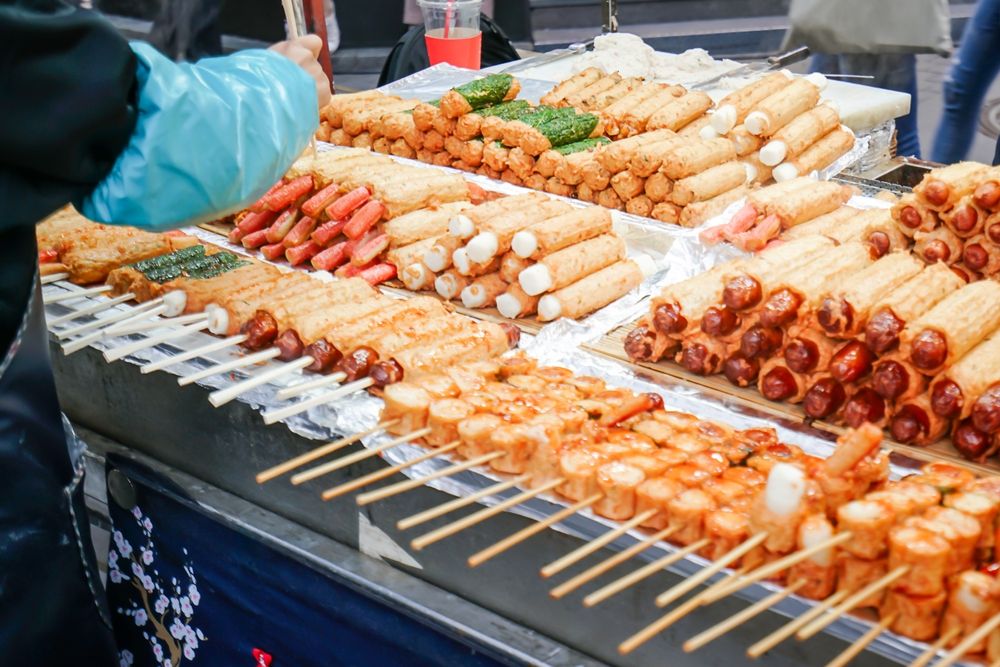
Beyond shopping, the district also offers a rich culinary scene with its numerous street food stalls offering Korean specialties and international snacks. Tteokbokki (spicy rice cakes), hotteok (sweet pancakes), fried cheese skewers, Korean fried chicken: the street food offer satisfies all cravings at any hour. In the evening, Myeongdong reveals another facet with its luminous signs and festive atmosphere reminiscent of Tokyo or Hong Kong.
Myeongdong Cathedral, the first Gothic-style Catholic church in Korea built in 1898, majestically dominates the district. This imposing red brick structure offers a striking contrast with the surrounding commercial tumult and deserves a visit for its remarkable architecture and historic role in the country's democratization.
6. Dongdaemun, the fashion district
Located east of the historic center, Dongdaemun establishes itself as the heart of the Korean textile and fashion industry. This sprawling commercial district gathers more than 30 shopping centers and markets operating 24/7, supplying both individuals and fashion professionals worldwide. The intense activity that unfolds there day and night gives Dongdaemun a unique energy.
The immense Doota, Migliore, Hello apM and Nuzzon Mall complexes offer thousands of shops spread over several floors, selling clothing, shoes, accessories at wholesale or semi-wholesale prices. Activity reaches its peak at night, from 10 PM to 5 AM, when wholesalers come to stock up on new merchandise. This particularity makes Dongdaemun a truly unique shopping destination worldwide.
The Dongdaemun Design Plaza (DDP), designed by architect Zaha Hadid, brings a futuristic modern touch to the district. This immense cultural complex with silver organic forms houses exhibition halls, design boutiques, cafes and event spaces. At night, the illuminated building offers a striking architectural spectacle. The nocturnal Design Market, regularly held there, allows you to discover creations by young independent Korean designers.
Nearby also remain traditional markets like Gwangjang Market, one of Seoul's oldest (1905), renowned for its section dedicated to authentic Korean street food. It's the ideal place to taste bibimbap, bindaetteok (mung bean pancakes) and other local specialties in a popular and friendly atmosphere. Let yourself be guided by your Ryo audio-guided circuit to discover these must-see places without missing any.
7. Itaewon, the international district
Renowned as Seoul's most cosmopolitan district, Itaewon has welcomed a large expatriate community for decades and displays a unique cultural diversity in the capital. Formerly an American military zone, the area has retained a marked international atmosphere, visible in its eclectic gastronomic offer and English signage.
Itaewon's main street concentrates restaurants from around the world: Indian, Mexican, Turkish, Thai, Italian, French cuisines neighbor traditional Korean establishments. This unequalled gastronomic diversity in the capital makes Itaewon the preferred destination for Seoulites seeking exotic flavors. Prices, generally higher than elsewhere in the city, reflect the upscale positioning of numerous establishments.
The district also reveals itself as a hotspot of Seoul nightlife, with its countless bars, clubs and lounges frequented by both the expatriate community and Koreans. Homo Hill, a gay-friendly district within Itaewon, concentrates bars, clubs and restaurants with an inclusive and open atmosphere. This relative tolerance makes it a space of freedom appreciated in a Korean society that is still sometimes conservative.
In recent years, the Itaewon area has extended towards Hannam-dong, which has become Seoul's new trendy district. Hannam-dong attracts a young and affluent clientele thanks to its concept stores, designer cafes and innovative fusion restaurants. The Hannam The Hill complex, with its luxury boutiques and contemporary art galleries, symbolizes this progressive upscaling of the sector.
8. Hongdae, the student and festive district
Gravitating around Hongik University specialized in arts, the Hongdae district embodies Seoul's creative and alternative youth. This zone bubbling with energy attracts students, artists and underground culture enthusiasts thanks to its relaxed atmosphere, live concerts, clubs, vintage shops and omnipresent street art.
Hongdae's pedestrian streets daily welcome street artists, amateur K-pop dancers and independent musicians who transform the district into a permanent open stage. On weekends, the Free Market allows young creators to exhibit their works: jewelry, illustrations, customized clothing, decorative objects. This creative effervescence gives Hongdae a unique bohemian identity in Seoul.
Hongdae nightlife rivals that of Itaewon, but in a younger and more relaxed register. Indie clubs, quirky themed bars (video games, manhwa, cats), multicolored karaoke and clubs playing K-pop and electro are concentrated within a restricted perimeter, facilitating bar crawls. Friday and Saturday evenings, Hongdae transforms into a gigantic open-air party where Seoul youth comes to have fun until dawn.
The district also offers a bustling culinary scene marked by innovation and fusion. Revisited Korean restaurants, Asia-Western fusion establishments, eccentric themed cafes: Hongdae cultivates originality in its gastronomic offer. Chicken & beer (Korean fried chicken accompanied by beer), a local specialty, can be tasted here in countless establishments open late at night.
9. Gangnam, the business district
Made world famous by Psy's eponymous song, Gangnam represents Seoul's modern, luxurious and dynamic face. Located south of the Han River, this business district concentrates headquarters of chaebols (Korean conglomerates), luxury boutiques, gastronomic restaurants and select clubs frequented by Seoul's elite.
Gangnam-daero avenue, the district's main artery, impresses with its futuristic buildings housing offices, shopping centers and five-star hotels. COEX, the world's largest underground shopping center with its 260,000 m², constitutes the sector's flagship attraction. This gigantic complex groups stores, cinemas, aquarium, design library (Starfield Library) and convention center. Starfield Library, with its monumental shelves rising over three floors, has become an unmissable Instagram spot.
Garosu-gil street, nicknamed the Korean Champs-Élysées, aligns designer boutiques, international brand flagship stores, trendy cafes and contemporary art galleries. Its century-old trees lining the sidewalks bring a welcome touch of greenery to this ultra-urban environment. On weekends, Garosu-gil transforms into a popular promenade spot where showing off in the latest outfit remains a national sport.
Despite its image as a flashy and superficial district, Gangnam conceals some cultural surprises like Bongeunsa Temple, a Buddhist haven of peace nestled at the foot of skyscrapers. This striking juxtaposition between millennial spirituality and frenzied modernity symbolizes the complexity of contemporary Seoul identity. To explore all these districts without getting lost, discover the Ryo itinerary that accompanies you in your Seoul visit.
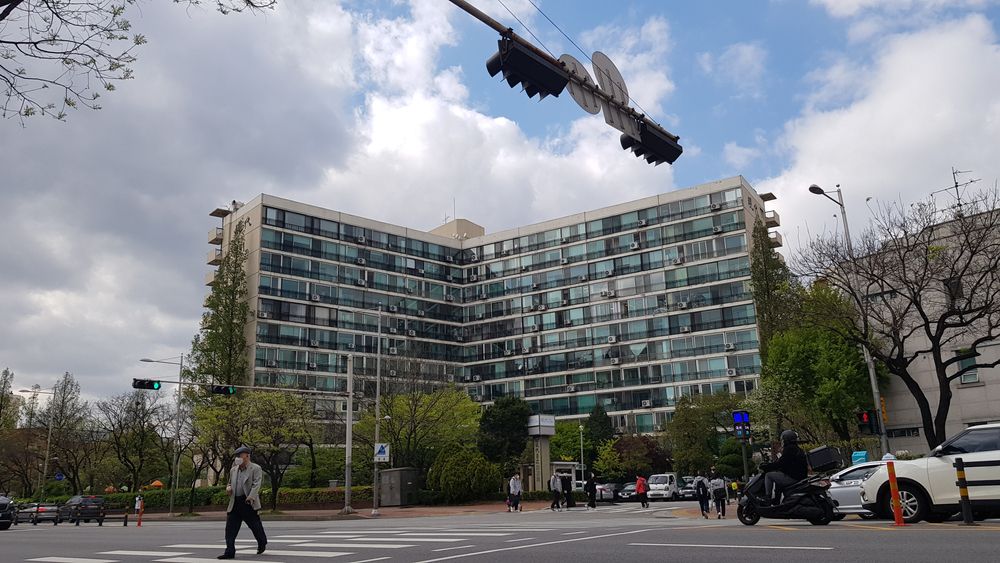
10. Apgujeong, the luxury and K-beauty district
Chic extension of Gangnam, Apgujeong-dong embodies the summit of Korean-style luxury. This upscale residential district houses the country's most renowned plastic surgery clinics, fueling medical tourism that attracts thousands of foreign patients each year. Apgujeong streets testify to the Korean obsession with appearance with their exceptional concentration of beauty institutes, high-end hair salons and premium cosmetics boutiques.
Apgujeong's Rodeo Street rivals Garosu-gil in luxury shopping, offering a mix of prestigious international brands (Chanel, Hermès, Louis Vuitton) and emerging Korean designers. The modern and bold architecture of the boutiques contributes to the sector's exclusive atmosphere. The prices charged clearly reflect the district's upscale positioning.
Apgujeong also attracts K-pop fans thanks to the proximity of major boyband and girlband agencies: SM Entertainment, JYP Entertainment. With some luck, you can spot Korean idols in the district's cafes and restaurants. Some establishments even proudly display photos of the celebrities who frequent them, transforming the simple act of having coffee into a starwatching experience.
11. Namsan and surroundings, Seoul's green lung
Mount Namsan, culminating at 262 meters in the heart of Seoul, offers a welcome natural breathing space in this dense megalopolis. Namsan Park surrounding it offers several hiking trails allowing you to escape urban agitation while remaining in the city center. This unique proximity between nature and urbanity characterizes Seoul's approach to territorial planning.
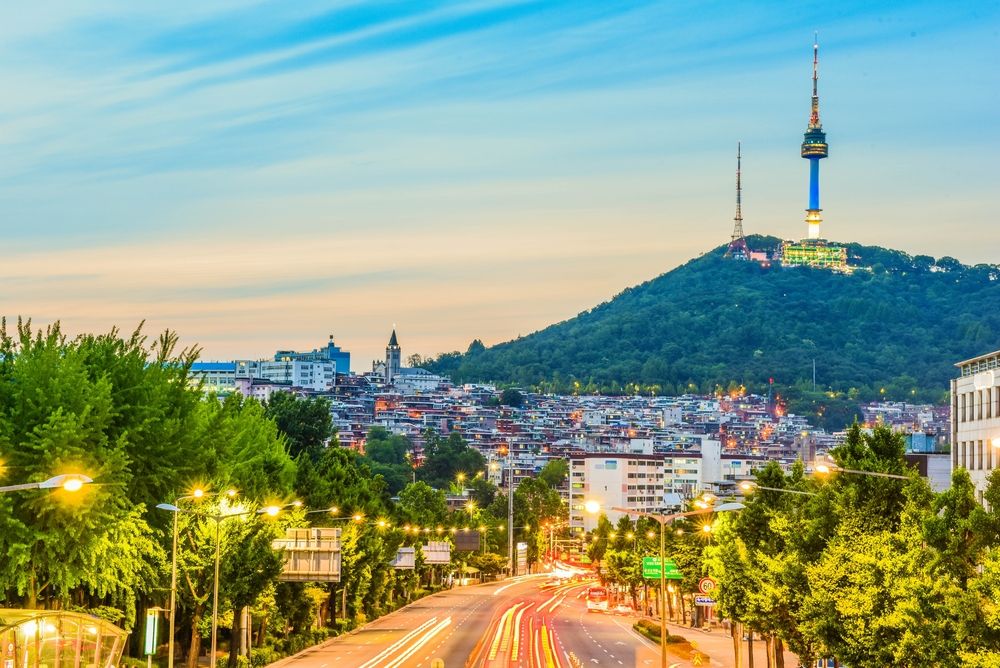
At the summit stands the famous N Seoul Tower, a telecommunications tower that has become an iconic symbol of the capital. From its 236 meters high (480 above sea level), the observatory offers a breathtaking 360° panorama of Seoul's immensity and its surrounding mountains. At night, the tower illuminated with changing colors becomes visible from almost everywhere in the city. The love locks attached by thousands to the terrace railings testify to the site's popularity among Korean couples.
The Namsangol district, at the foot of the mountain, reconstructs a traditional Korean village with five authentic hanok moved from different regions of the country. This open-air museum allows you to discover the yangban (aristocrat) lifestyle of the Joseon dynasty. Traditional craft demonstrations and folk dance performances are regularly organized there, offering a cultural immersion accessible for free.
12. Practical tips for visiting Seoul by district
To optimize your Seoul discovery, favor a thematic approach by dedicating a day (or half-day) to each district. This organization allows you to fully appreciate each zone's distinct identity without wasting time in constant movements. Seoul's subway system, remarkably efficient with its 23 lines and English announcements, greatly facilitates transitions between districts.
Get a T-money card upon arrival: this rechargeable card allows you to use all public transport (subway, bus) and even pay in some shops. It also offers a small discount on journeys and avoids the tedious purchase of individual tickets. Subway stations have practical luggage lockers to store your purchases between visits.
The language barrier can intimidate, but many Seoulites, especially young people, speak sufficient English to help you. In tourist areas (Myeongdong, Itaewon, Hongdae), bilingual menus and signs greatly facilitate the experience. The Papago app (Naver translator) proves extremely useful for instantly translating texts and conversations thanks to its photo and voice functions.
Budget-wise, plan about 50,000 to 70,000 won per day per person (40-55€) to cover transport, meals and tourist site entrances. This budget allows you to eat properly in local restaurants, use public transport without restriction and visit main paid attractions. Royal palaces, temples and some museums offer free or very modest entrance fees.
Spring (April-May) and autumn (September-October) constitute the ideal periods to visit Seoul. Pleasant mild temperatures allow comfortable wandering through districts. Cherry blossom blooming in April transforms the city into an impressionist painting, while autumn foliage adorns parks and mountains with flamboyant colors. Avoid July-August, very hot and humid, as well as January-February, freezing with frequent negative temperatures.
In conclusion, visiting Seoul district by district allows you to apprehend all the richness and diversity of this fascinating capital where millennial tradition and hyper-modernity coexist harmoniously. From the calm of Bukchon alleys to Hongdae's nocturnal effervescence, from Jogyesa Temple's spirituality to Myeongdong's consumerist splendor, each zone reveals a unique facet of Seoul identity. To fully enjoy your stay without missing any must-sees, the Ryo application accompanies you step by step with its enriching audio guides and intuitive navigation, transforming your exploration into an unforgettable experience.
FAQ – Frequently asked questions about visiting Seoul
How many days are needed to visit Seoul?
Count at minimum 4 to 5 days to discover Seoul's main districts and its must-see sites. One week allows you to explore the city more leisurely and include excursions to surrounding areas like the DMZ or Suwon Fortress.
What is the best district to stay in Seoul?
For a first visit, Myeongdong offers a central location with excellent transport access. Hongdae suits travelers seeking a young and festive atmosphere, while Itaewon will please visitors appreciating an international environment. Gangnam offers upscale accommodation in a modern district.
Can you visit Seoul without speaking Korean?
Yes, absolutely. The subway, tourist signs and numerous restaurants offer indications in English. In tourist areas, many merchants speak English. The Papago app greatly facilitates communication and menu translation.
What districts should you avoid in Seoul?
Seoul is a globally very safe city. There are no really dangerous districts to avoid. Some peripheral residential areas simply offer little tourist interest. Security remains excellent everywhere, including at night.
What is the difference between Gangnam and Hongdae?
Gangnam is the chic and luxurious business district south of the Han River, frequented by an affluent clientele. Hongdae, a student and artistic district near Hongik University, displays a relaxed, creative and festive atmosphere with more accessible prices.
When to see cherry blossoms in Seoul?
Cherry blossom blooming generally occurs in early April in Seoul, with a peak around April 7-15 depending on the year. Yeouido Park and Seokchon River banks offer the most beautiful floral spectacles. This very popular period corresponds to high tourist season.