
Créé par Emilie, le 7 mai 2026
Votre guide Ryo
© Shutterstock
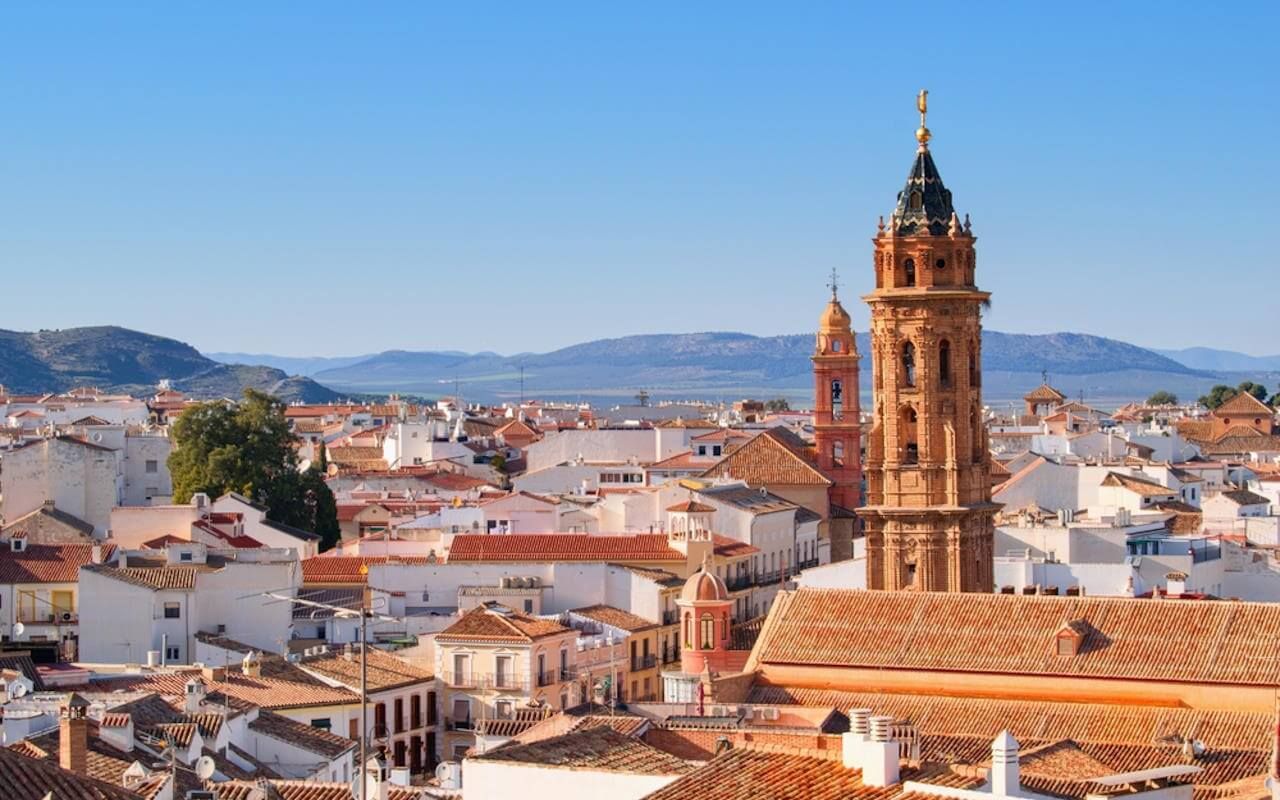
Located in the heart of Malaga, lies a city called Antequera. A Mediterranean Southern city, if you ask a tourist who has already been there how to describe this region close to the cities of Granada and Sevilla, they will most certainly answer "City of masons"! And yes, Antequera is known for housing numerous buildings and structures built in different eras. It's a bit like walking in the middle of an open-air museum, we all learn a lot of things there. The city's history has experienced many twists and turns and seems to begin (according to expert excavations) in the Neolithic around 5500 BCE. Subsequently, the city was highly coveted especially for its fertile lands, but it would be the Romans who would first settle there from the 1st century BCE. If you're planning a stay in this historic city, here are the six key activities to prioritize.
What to do in Antequera?
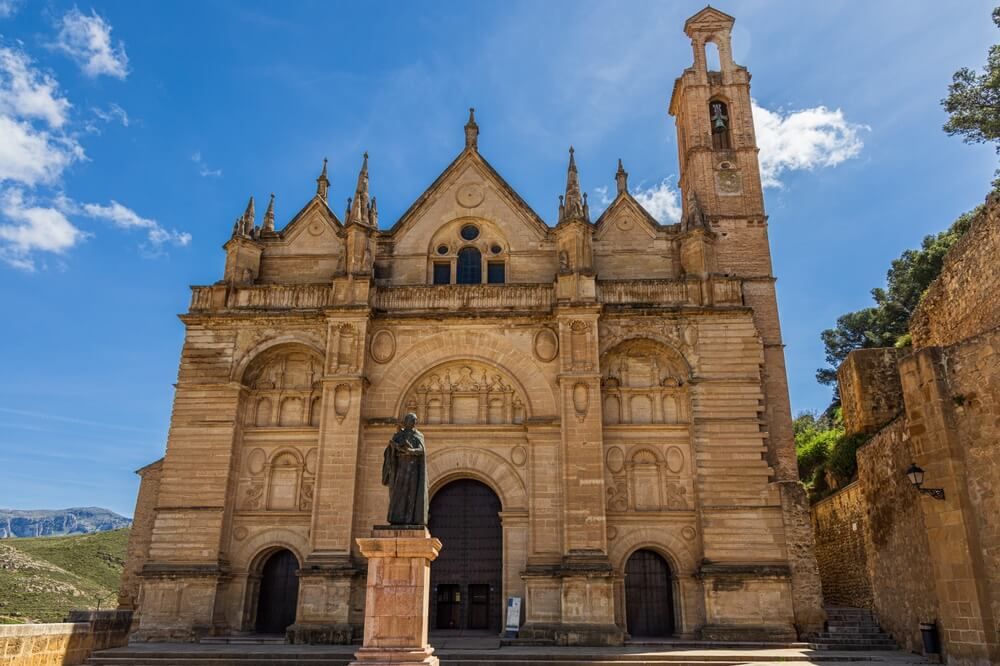
1. Real Colegiata de Santa Maria La Mayor
Category: €/Culture
Description: The first thing to keep in mind when you visit the Real Colegiata de Santa Maria La Mayor is that it is one of the first buildings symbolizing the Renaissance throughout Andalusia. Therefore, it is a unique and precious place, which is the pride of the inhabitants and attracts a large number of visitors each year. The Royal Collegiate of Santa Maria del Fore is easily recognizable thanks to its facade built using cut stones from the Roman city of Singilia. Its construction began in 1514 and was completed in 1550, and it was the Bishop of Málaga himself who took the initiative to build this immense edifice. For connoisseurs, it will be easy for you to detect the various Gothic style elements that have been added over time, and which blend perfectly with the Renaissance style of the temple: however, there are almost no ornaments or altarpieces left, it is now a venue for theater concerts and various exhibitions.
2. The Dolmens of Antequera
Category: €€/Cultural
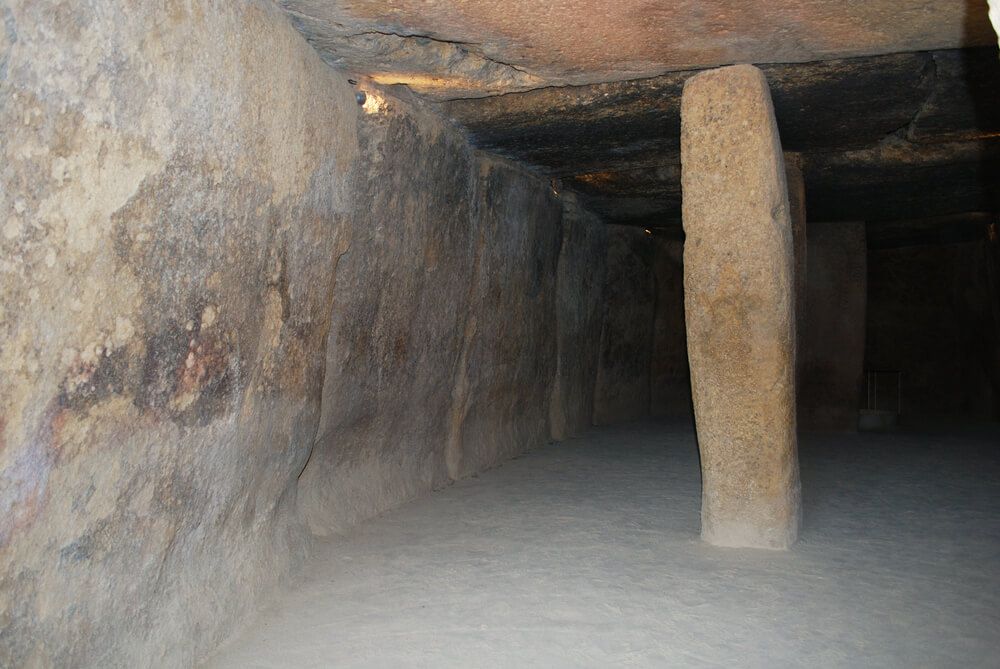
Description: The city of Antequera is famous for a very particular reason: It is one of the only cities in the world to preserve ancient dolmens still in very good condition. Impossible for you to miss them, these stand at the gates of the city, and would have been built, according to estimates, 4000 to 5500 years ago. The 3 dolmens you will have the opportunity to visit are made from megalithic structures that resemble a natural landscape, covered with earth. This easily leads to confusion. The oldest of the dolmens which is also the most visited is that of Menga: whose earth covering it forms a thickness of 50 meters. The Menga forms a funeral chamber preceded by a corridor that was aligned with what is called "the lovers' rock". Its height is a little over 3 meters, so unless you measure 4 meters (which would be surprising ^^) you will have no difficulty being able to enter it.
3. Visit the historic center and go to the Iglesia Parroquia San Sebastian
Category: €€/Cultural/Gastronomic
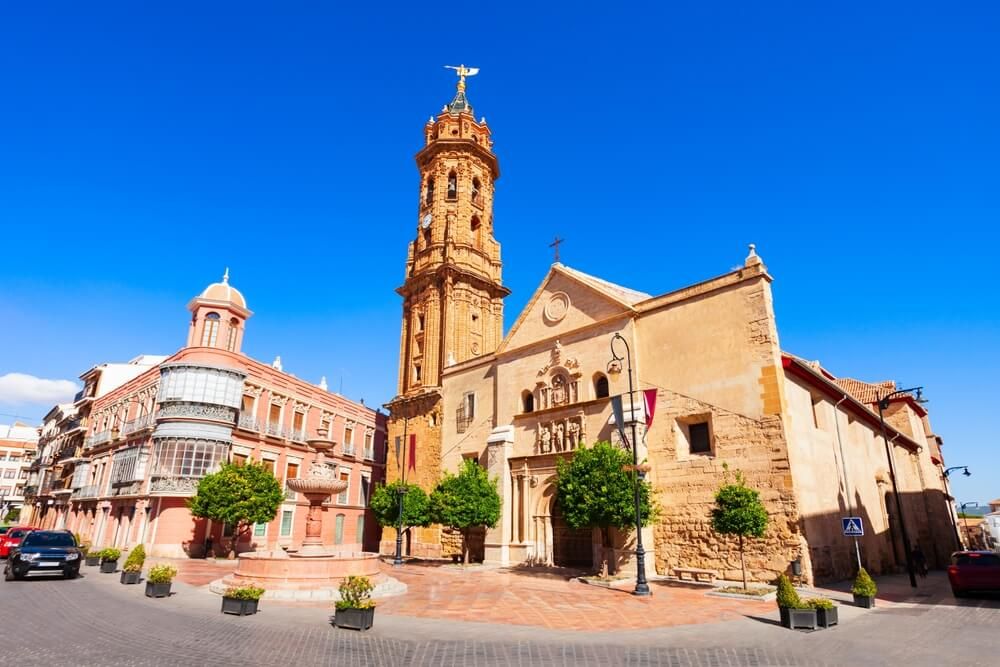
Description: A visit to Antequera would be nothing without going to its historic center, to get lost and wander in the small paved streets. Here is a "soft" activity that will allow you to better discover the city, from top to bottom. And then, don't they say that "walking makes you hungry"? You can stop on the terrace of a restaurant with a warm setting to taste a local specialty that Antequera has the secret to. Enjoy! Then, why not end the day with a visit to the famous Iglesia Parroquia San Sebastian located right in the middle of the historic center? This parish church built in the 16th century attracts many visitors especially because of its architecture: the 3 naves that compose it are separated by Ionic columns as well as cruciform pillars. You can also see inside two splendid baroque style organs, wooden seats and some works of art.
4. Iglesia Nuestra Señora de los Remidos
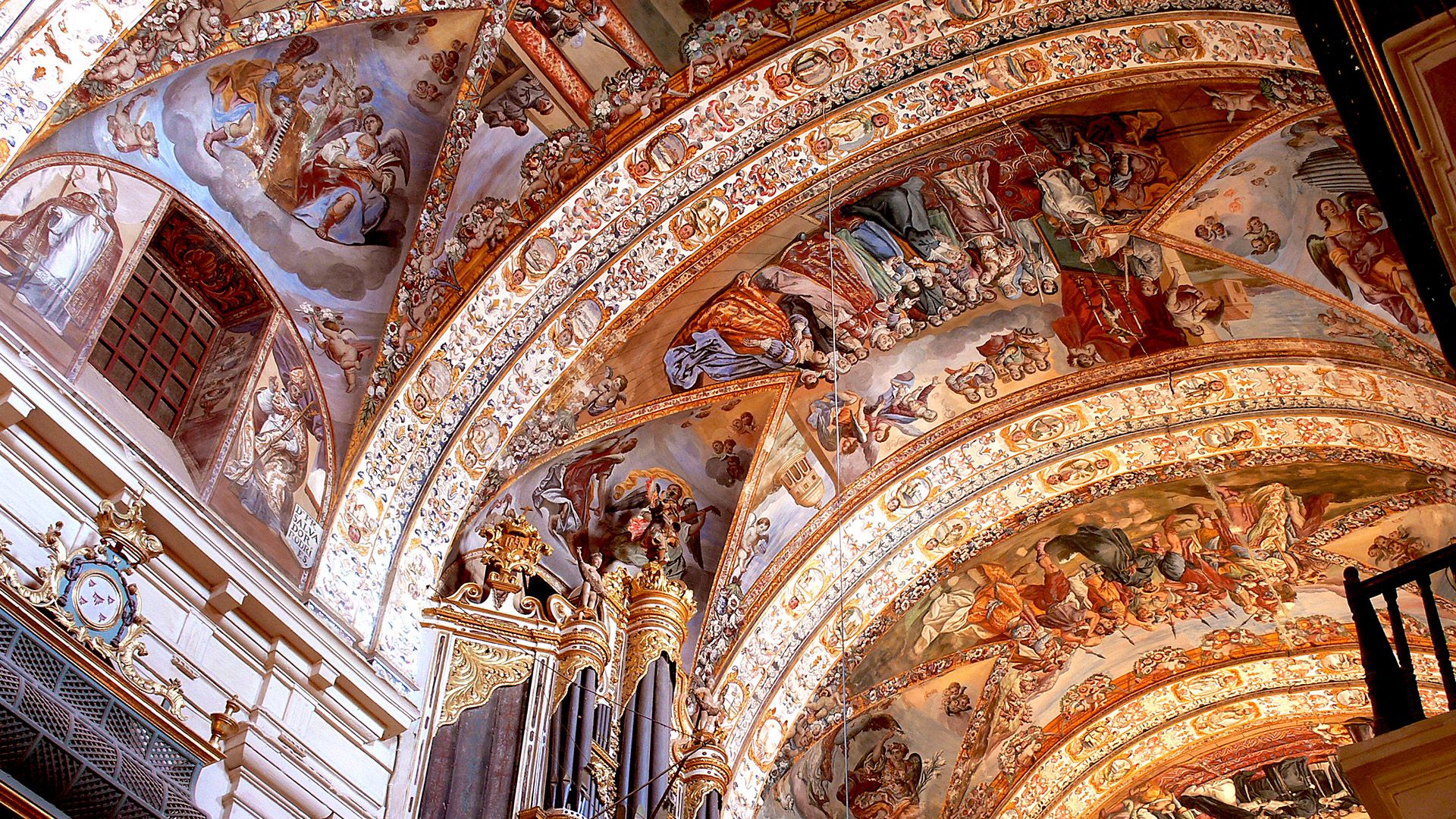
Image-Creative Commons
Category: Free-/Cultural
Description: We continue our journey with another ancient and historic monument of the city of Antequera. The famous Iglesia Nuestra Señora de los Remidos is impossible to miss. It must also be said that it is declared a national historic and artistic monument. It is located right in the city center and means in English "Our Lady of Remedies Church". Built during the 17th century, it's amazing how well preserved the temple is: the art pieces lie like diamonds and the barrel vault is absolutely remarkable. But one of the major pieces that amaze visitors every time is undoubtedly the sculpture of the Virgin of Remedies. This one sits in the temple, a bit like the mistress of these places. The Iglesia Nuestra Señora de los Remidos also hides a splendid dome and an extraordinary high altar. Everything is so well preserved that it's hard to believe that this monument was built centuries ago.
5. El Torcal de Antequera
Category: €€/Cultural/Unusual
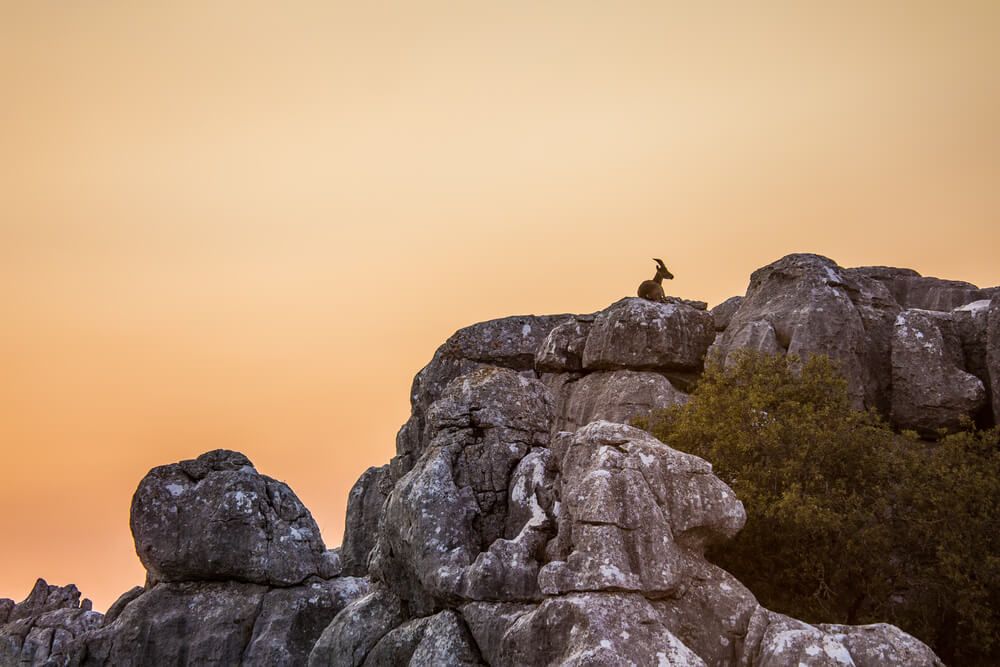
Description: The Antequera park is one of the city's most recent innovations. Its construction dates from 1989, and was designed to better protect the beautiful natural reserve of Torcal. You wonder why this space is so precious? It has an extraordinary geomorphology (a scientific field where we are particularly interested in the history, birth, and nature of the Earth's surface) in addition to the diversity of its fauna and flora. It is therefore without great surprise that the site is declared a UNESCO World Heritage site. The best we can advise you to get there is to opt for the 4.5-kilometer hike that allows access to it. It is a simple walk, within everyone's reach, and which also allows you to take a good breath of fresh air while enjoying the landscape. Athletes and adventurers will be in heaven!
6. Convento de Belen
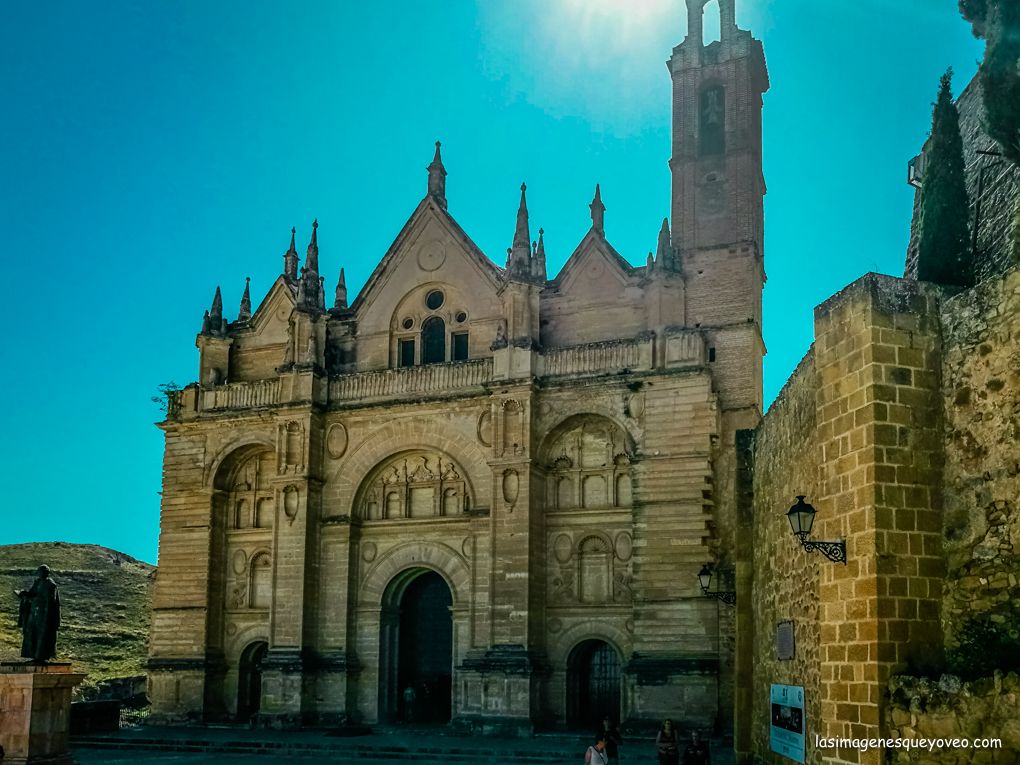
Image-Creative-Commons
Category: €/Cultural
Description: We end this little detour around the city of Antequera with a visit to the Convento de Belen, "Convent of Bethlehem". Still very active in the city, it welcomes the Poor Clare sisters who work in various craft works. It is also said by many visitors that their recipe for the small shortbread cookie called "mantecados" is one of their most beautiful discoveries in Antequera. Yum-yum. However, to return to the convent of Belen, it has superb decorations made from baroque style plaster, which gives it a refinement quite out of the ordinary. The choir attracts attention for its large and imposing 17th-century canvas: "The Adoration of the Shepherds". It is a unique place, which from our entrance arouses curiosity and admiration in us, so magnetic and attractive is the aura there.