

Créé par Emilie, le 4 juin 2026
Votre guide Ryo
The 8 unusual flavors of Spanish gastronomy
© Shutterstock
Spain is world-renowned for its gastronomic richness: Valencian paella, Iberian ham, tortilla de patatas... But beyond these classics, Spanish cuisine holds culinary treasures that will surprise even the greatest gastronomy enthusiasts. From breadcrumbs transformed into a feast to the rarest crustaceans from Galicia, through an ancestral sweet drink from Valencia, unusual Spanish gastronomy has many surprises in store for you. Embark on a bold culinary journey through the most surprising flavors of the Iberian Peninsula, and let yourself be tempted by these specialties that tell the history and traditions of a country passionate about good food.
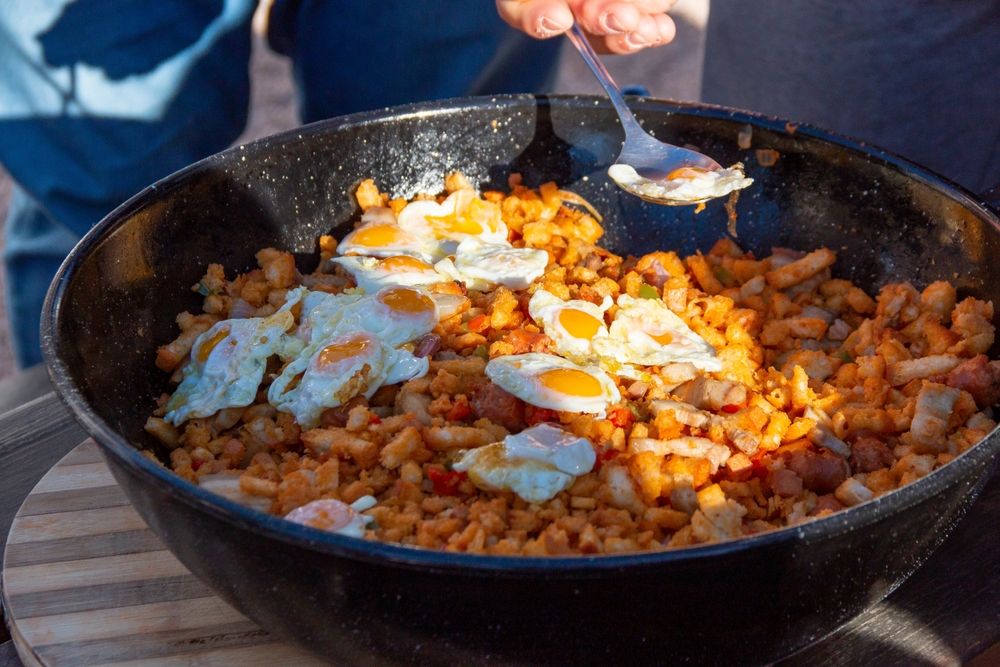
1. Migas: the ultimate anti-waste dish
Let's begin our exploration of unusual Spanish gastronomy with migas, whose name literally means "crumbs". This traditional dish originates from peasant cuisine, where absolutely nothing was thrown away. The concept is simple but ingenious: transforming stale bread into a tasty and comforting dish.
The preparation of migas consists of crumbling dry bread that is sautéed in a generous amount of olive oil, with garlic to enhance the flavors. Once the bread is well golden and crispy, chorizo, bacon, peppers, onions or even raisins are added depending on the region. Each Spanish province has its own version of this emblematic dish, making migas a true culinary mosaic reflecting the country's gastronomic diversity.
Migas are particularly enjoyed in winter, accompanied by fried eggs or fresh grapes for a surprising sweet-salty touch. This dish, once reserved for shepherds and peasants who took their hard bread to the fields, is now celebrated in numerous restaurants throughout Spain. Whether you visit Madrid, Seville or Barcelona, you will find different interpretations of this rustic classic that perfectly embodies the spirit of recovery and Spanish culinary creativity.
2. Calçots: the Catalan tradition of calçotada
Let's head to Catalonia to discover calçots, these tender onions with a sweet taste that are much more than a simple vegetable: they represent a true Catalan cultural institution. Calçots resemble elongated spring onions or large leeks, and their consumption is associated with a convivial popular festival called calçotada.
The traditional preparation of calçots is spectacular: they are grilled directly over open flames until their outer layer is completely blackened. Once cooked, this first charred skin is removed to reveal the tender and sweet flesh inside. Calçots are eaten dipped in romesco sauce, a typically Catalan preparation made from grilled tomatoes, almonds, garlic, olive oil and red peppers.
Download the audio-guided tour to discover Barcelona on foot and independently
To fully experience the Catalan experience, don't miss discovering Barcelona, the cradle of calçot culture. Thanks to the Ryo itinerary to visit Barcelona, explore the city at your own pace and immerse yourself in the unique atmosphere of the Catalan capital. From the Santa Maria del Mar basilica to the Gothic quarter, passing through the Boqueria market where you can discover local products, let yourself be guided through 26 places of interest with fun audio guides.
The calçot season runs from January to April, a period during which Catalans organize calçotadas, true festivities where people gather with family or friends to taste these delicious vegetables. The art of eating calçots is equally particular: you hold them by the green stem, dip them in the sauce and eat them while lifting your head to the sky so as not to stain yourself! Don't hesitate to wear a bib, as the romesco sauce tends to overflow. This convivial tradition often continues with grilled meat and bread rubbed with tomato, all washed down with Catalan wine.
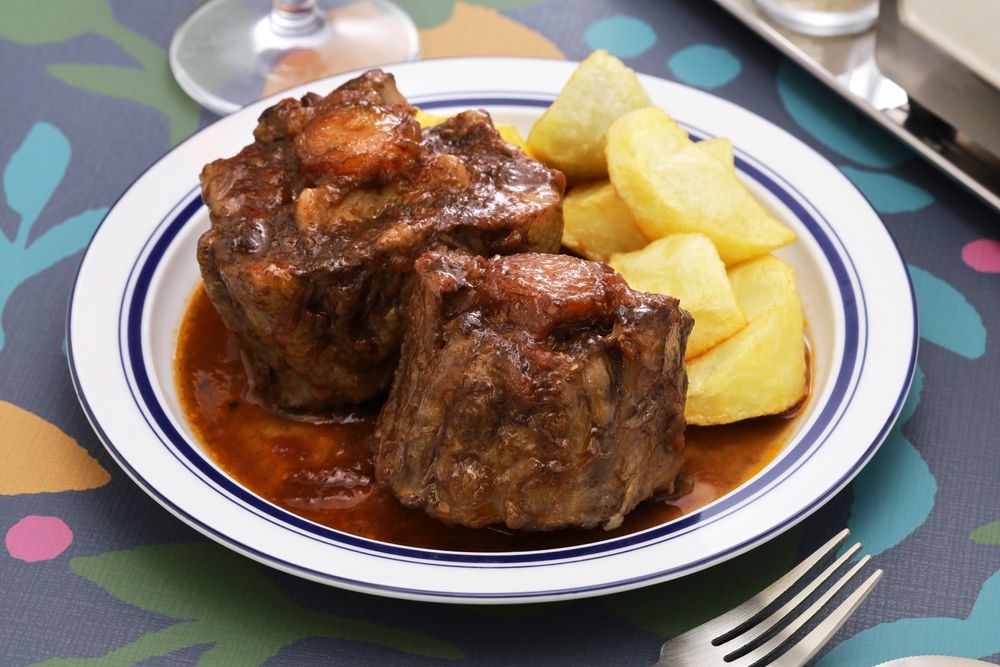
3. Rabo de toro: Andalusian oxtail
Rabo de toro, literally "bull's tail", is an emblematic dish from Andalusia that has its roots in the Spanish bullfighting tradition. Once prepared exclusively after bullfights with meat from fighting bulls, this braised stew is now cooked with oxtail, which is easier to find.
The preparation of rabo de toro requires patience and know-how. The tail pieces are first seared then braised for several hours in a smooth sauce made with red wine, vegetables (onions, carrots, tomatoes), and Mediterranean aromatic herbs like thyme, rosemary and bay leaves. This slow cooking allows the meat to become extremely tender and gelatinous, easily falling off the bone.
This typical dish of unusual Spanish gastronomy is particularly savored in Seville and Cordova, two cities deeply linked to the bullfighting world. If you decide to visit Seville, don't miss ordering rabo de toro in one of the many traditional restaurants in the historic center. The city is full of tapas bars and authentic bodegas where this dish is prepared according to ancestral recipes. Rabo de toro is usually served accompanied by potatoes or rice, which deliciously absorb the rich and fragrant sauce.
4. Paparajotes: the Murcian dessert with lemon tree leaves
Let's leave savory dishes to discover a dessert as original as it is amazing: paparajotes. This sweet specialty from the Murcia region is a fritter unlike any other, since it is prepared with... lemon tree leaves!
The paparajotes recipe consists of preparing a frying batter composed of flour, eggs, milk and sugar. Fresh lemon tree leaves are then coated in this batter before being plunged into boiling oil. Once golden and crispy, the fritters are sprinkled with sugar and cinnamon. Be careful though: the lemon tree leaf is not eaten! It only serves to perfume the fritter with a delicate and refreshing lemon aroma.
Paparajotes are particularly popular during Semana Santa (Holy Week), Spain's most important religious festival. During this period, mobile stalls called "barracas" set up in the streets and distribute these delicious fritters to passersby. It's a unique opportunity to taste this specialty in a festive and authentic atmosphere. If you pass through the Murcia region in spring, don't miss this original gustatory experience that is an integral part of the local gastronomic heritage.
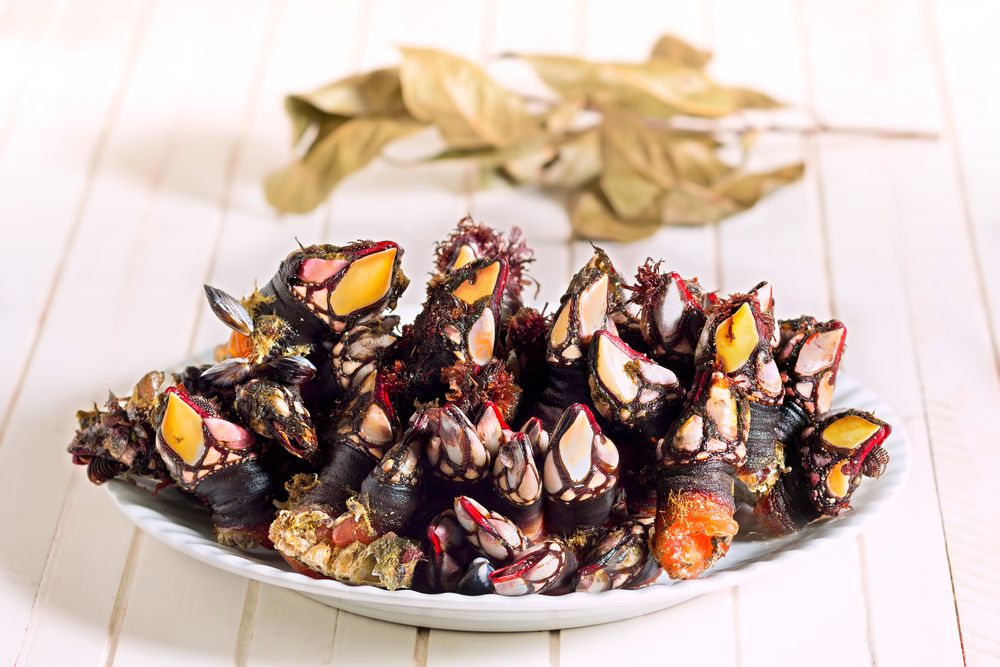
5. Percebes: Spain's most expensive crustaceans
Percebes, called gooseneck barnacles in English, are undoubtedly one of the most unusual and expensive seafood in Spanish gastronomy. These crustaceans with an unflattering appearance - they look like small prehistoric claws - are considered a luxury delicacy, particularly prized in Galicia where they are harvested.
Harvesting percebes is an extremely dangerous profession. The percebeiros, these brave fishermen, must rappel down cliffs battered by waves to tear these crustaceans attached to the rocks. This difficulty of access and the risks involved explain their high price, which can reach more than 100 euros per kilo for the finest specimens.
Despite their unappetizing appearance, percebes have an intense and delicate iodized flavor that instantly evokes the Atlantic Ocean. Their preparation is minimalist: they are simply cooked for a few minutes in boiling salted seawater. To taste them, you must separate the fleshy part from the peduncle by pulling gently, then bring the piece to your mouth to extract the tender and tasty flesh. If you visit Valencia, you can also find percebes in the best seafood restaurants, even though Galicia remains the region par excellence to discover this specialty. Gastronomes worldwide consider percebes as one of the jewels of unusual Spanish gastronomy.
6. Manitas de cerdo: crispy little paws
Manitas de cerdo, literally "little pig hands", are a traditional Spanish dish that leaves no one indifferent. These braised pig's feet are an integral part of popular Spanish cuisine and perfectly illustrate the complete use of the animal, a culinary philosophy deeply rooted in Iberian culture.
There are several ways to prepare manitas de cerdo. The most common version consists of braising them slowly in an aromatic broth with vegetables, garlic and spices, until the meat becomes extremely tender and gelatinous. Other recipes suggest breading and frying them to obtain a crispy texture on the outside while maintaining tenderness inside. They are usually served topped with a savory sauce, often tomato-based with garlic and paprika.
Regional variations are numerous: some accompany them with potatoes, others with rice or chickpeas. In Madrid, Barcelona or Seville, you will find manitas de cerdo in traditional tapas bars and authentic Spanish cuisine restaurants. It's a comforting dish, particularly appreciated in winter, that offers a journey into deep Spain and its ancestral culinary traditions. For the most adventurous, it's an opportunity to discover a lesser-known but equally tasty facet of Spanish gastronomy.
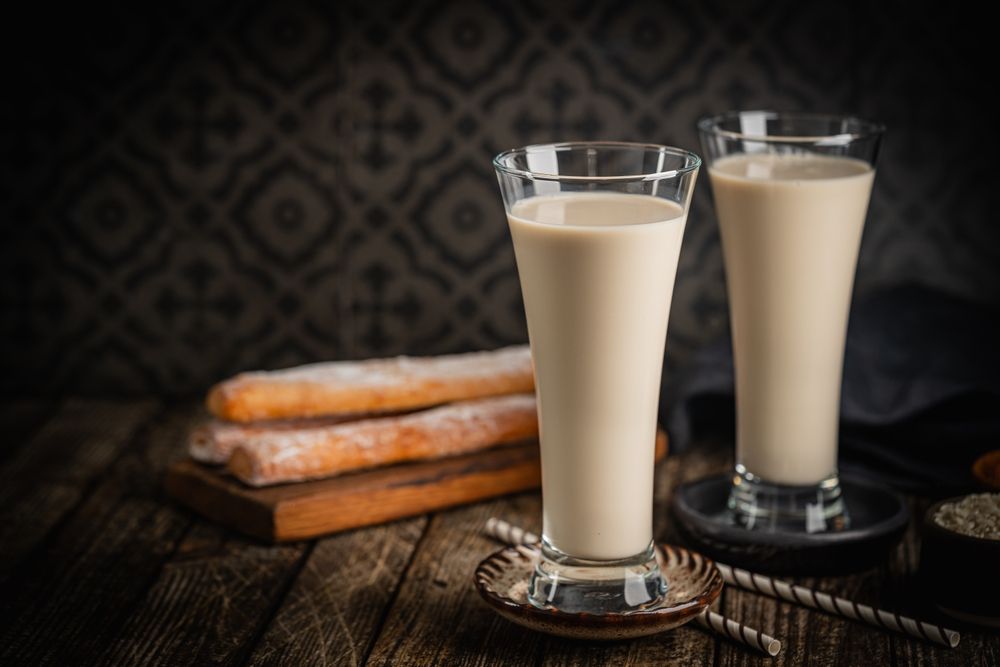
7. Horchata de chufa: Valencia's emblematic drink
Horchata is a refreshing sweet drink that holds a special place in Valencians' hearts. Contrary to what its milky texture might suggest, horchata is not a dairy drink: it is made from chufa, a small tuber also called tiger nut or yellow nutsedge.
The preparation of traditional horchata requires time and patience. The chufas are first soaked in water for several hours, then ground to release their natural oils. The mixture is then filtered and sweetened before being served very cold, even iced. The result is a creamy drink with a slightly sweet and nutty taste, extremely refreshing during hot Spanish summer days.
Valencia is the undisputed capital of horchata, and Spain is the only European country to produce chufa, making this drink truly unique. If you decide to visit Valencia, don't miss stopping at one of the city's many horchatarias to taste authentic horchata, ideally accompanied by fartons, elongated slightly sweet brioches that are dipped in the drink. It's a Valencian ritual not to be missed! The most renowned horchatarias are found in the historic quarter of the city, where this tradition has been perpetuated for generations. Horchata is consumed year-round, but it's in summer that it reveals its full refreshing potential.
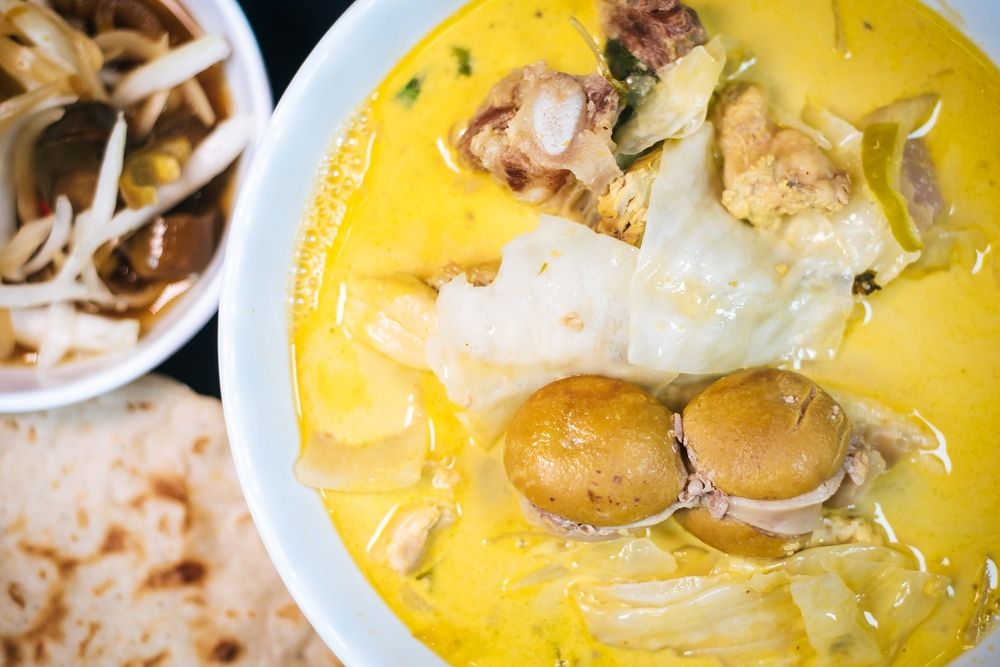
8. Criadillas: the most daring dish
Let's finish our tour of unusual Spanish gastronomy with criadillas, undoubtedly the most surprising and daring dish on this list. Criadillas are bull or sheep testicles, a culinary specialty deeply rooted in the Andalusian bullfighting tradition.
This dish can be prepared in different ways depending on regions and local traditions. Criadillas can be grilled, braised in stew, breaded and fried, or even served in soup. The texture is usually tender and creamy, with a delicate taste that vaguely recalls offal like sweetbreads or kidneys, but milder.
In Andalusia, particularly in Seville and Cordova where bullfighting culture is very present, criadillas are part of the traditional tapas that can be ordered in authentic bars and restaurants. They are often served in small portions, breaded and accompanied by a spicy sauce. They can also be found in local markets and specialized butcher shops.
For the most adventurous who want to explore all aspects of Spanish gastronomy, tasting criadillas represents a culinary challenge and immersion into a centuries-old tradition. It's a divisive dish, but one that deserves to be tried at least once to fully understand the richness and diversity of Spanish cuisine, where nothing is wasted and every part of the animal is valued and transformed into tasty dishes.
In conclusion, unusual Spanish gastronomy offers much more than one might imagine. Beyond tapas and paella, these eight surprising flavors reveal an authentic Spain, where ancestral culinary traditions are passed down from generation to generation. From anti-waste migas to precious percebes from Galicia, each dish tells a story, reflects a terroir and testifies to the ingenuity of Spanish cooks. Whether you are a lover of gastronomic discoveries or simply curious, these specialties are worth the detour on your next trip to Spain. To extend your immersion in Spanish culture, don't hesitate to discover Barcelona, Madrid or Seville thanks to Ryo itineraries that will guide you through the historic streets and gastronomic neighborhoods of these fascinating cities.
FAQ: everything you need to know about unusual Spanish gastronomy
Where can you taste these unusual specialties in Spain?
These dishes are found in different regions: migas are widespread throughout Spain, calçots are typical of Catalonia (particularly near Barcelona), rabo de toro is Andalusian (Seville, Cordova), percebes come from Galicia, horchata is Valencian, and criadillas are mainly tasted in Andalusia. Traditional restaurants, authentic tapas bars and local markets are the best places to discover them.
What is the best time to taste these specialties?
Some dishes are seasonal: calçots are tasted from January to April during calçotadas, percebes are best in spring and summer, paparajotes are traditionally consumed during Semana Santa. Horchata is drunk year-round but is particularly appreciated in summer. Other specialties like migas, rabo de toro and criadillas are available year-round.
Are these dishes suitable for particular dietary requirements?
Most of these specialties contain meat or animal products. However, migas can be prepared vegetarian by omitting chorizo and bacon, calçots with their romesco sauce suit vegetarians, and horchata is naturally vegan and gluten-free. Percebes suit seafood lovers but not vegetarians. For allergies, always check the composition with the restaurant.
Why are percebes so expensive?
The high price of percebes is explained by the difficulty and danger of their harvest. Percebeiros must rappel down cliffs battered by Atlantic waves to tear them from the rocks. This fishing is extremely risky and can only be done in favorable weather conditions. Moreover, percebes cannot be cultivated and remain a wild product, limiting their availability. Their rarity and exceptional flavor justify their luxury delicacy status.