
Créé par Romane, le 7 mai 2026
Votre guide Ryo
© Shutterstock
The city of Madrid has the advantage of having many pedestrian streets that make it easy to visit the different neighborhoods that compose it. Madrid is a city renowned for its festive atmosphere, with streets that come alive especially in the evenings after days of intense heat.
By metro, bus or on foot, there are many ways to discover all the secrets of Madrid's neighborhoods. The historic center, the Malasana neighborhood, Lavapies and many others are places that blend architecture, historic sites, shops, nightlife, museums and gardens...
Perfect to delight families or friends depending on the composition of your group.
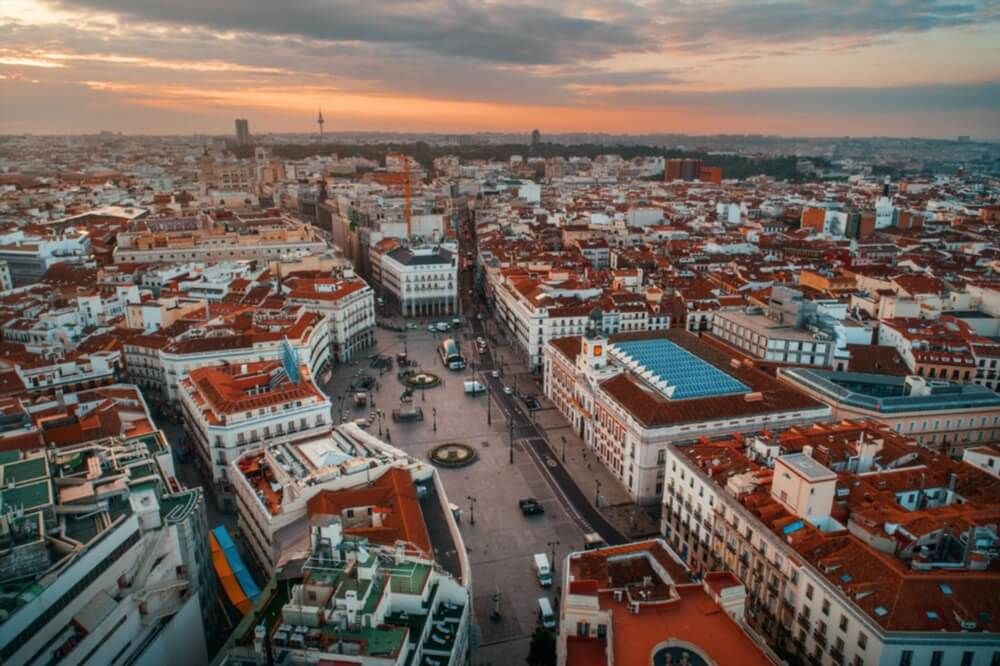
The center district (El centro) of Madrid
This is Madrid's historic center, and one of the city's best neighborhoods for strolling, dining, having aperitifs and staying. It's here that you can admire the city's main monuments. This district is teeming with activities: cultural and intellectual centers, historic buildings, architectural masterpieces...
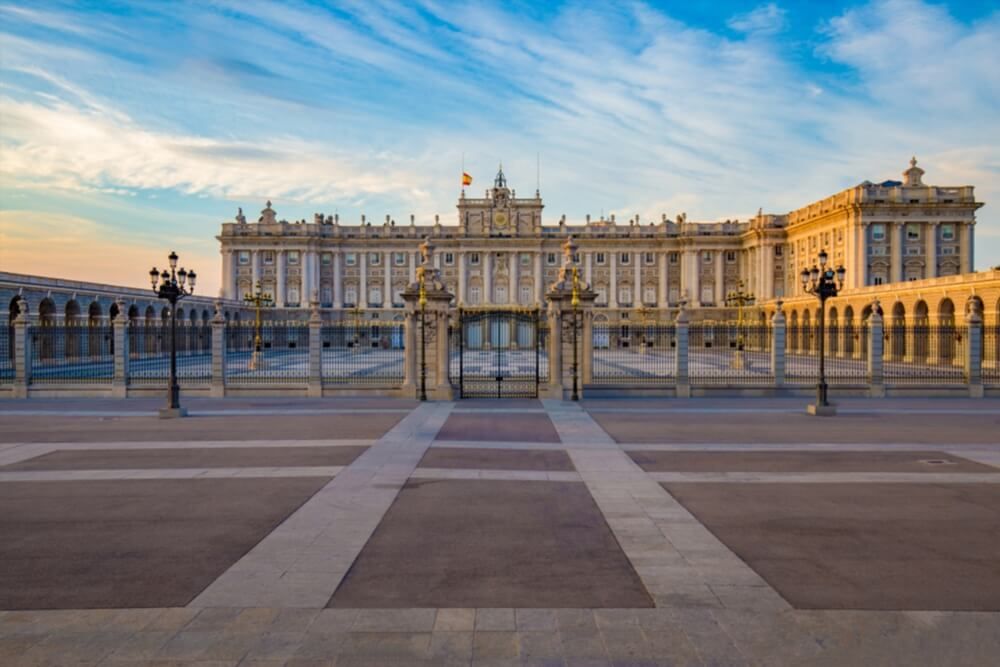
The Royal Palace
Residence of the kings of Spain since always, it was rebuilt after a fire in the 18th century inspired by the plans of the Louvre Palace in Paris. It consists of a square courtyard with a gallery and a parade ground. Inside, you'll discover 3,000 rooms including: the royal pharmacy, the royal chapel and its collection of stringed instruments by Antonio Stradivari, the Guards' hall, the royal kitchen, the royal armory, salons...
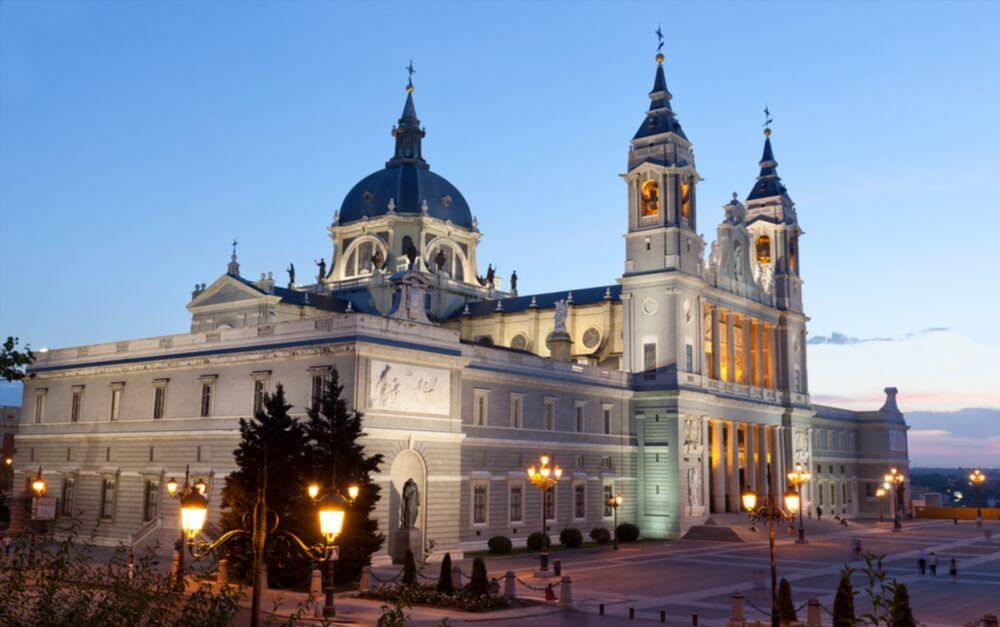
The Almudena Cathedral
Built in the 19th century, it was first inspired by 13th-century French Gothic style before being modified in 1950 to better adapt to its environment. The construction lasted 110 years. The crypt and museum are also worth seeing, as well as the paintings, stained glass windows, stations of the cross and other sculptures.
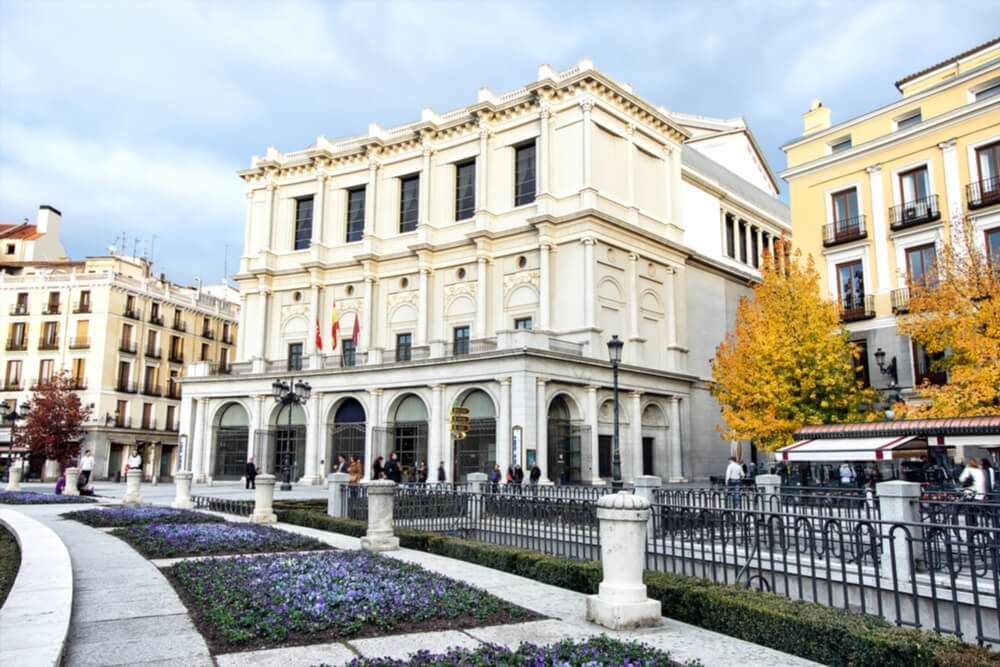
The Madrid Opera or Royal Theatre
Inaugurated in 1850 and classified as a national monument, several architectural styles blend in this building of nearly 1,500 m2. 18 articulated platforms facilitate scenery changes, almost 1,900 people can be accommodated in the auditorium.
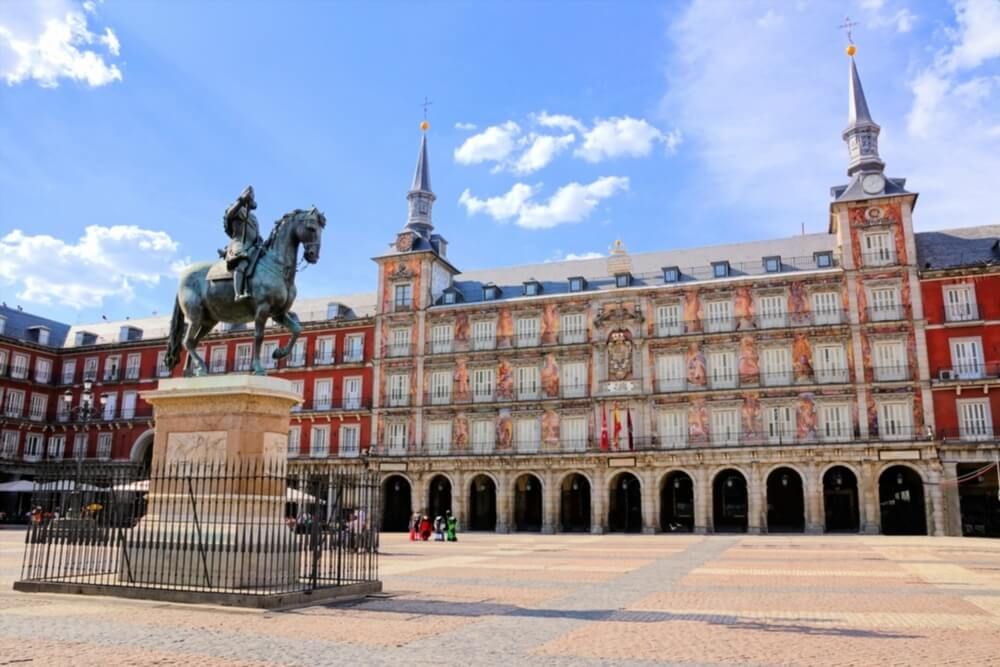
Plaza Mayor
Always very busy, this square took its final form from 1617 under the reign of Philip II, it was the place for popular festivals, bullfights, beatifications, coronations... The statue of Philip II still stands on the city's most emblematic square.
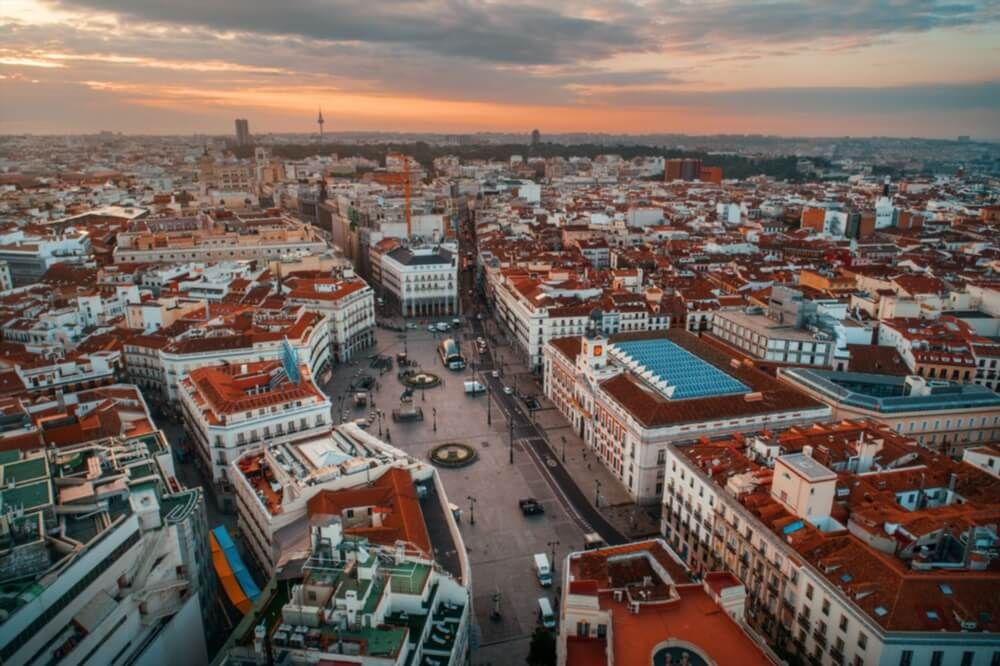
Puerta del Sol
Undoubtedly one of Madrid's most famous squares, it has many points of interest: its 19th-century buildings, its gardens, the fountain, the statue of the Bear and the Strawberry Tree which has become one of the Madrilenians' favorite meeting points, the Clock of Casa de Correos (meeting place for New Year celebrations), kilometer zero...
Plaza de España
It extends over more than 70,000 m2 largely dedicated to pedestrians and cyclists, to see: the Cervantes fountain erected in honor of the writer in 1915, the sky fountain in blue marble, and the shell fountain. Many archaeological remains have been uncovered and integrated into the square to benefit as many people as possible.
Reina Sofía Museum
Spanish modern and contemporary art is highlighted in this museum: Dalí, Miró, Juan Gris, Pablo Picasso (Guernica), no less than 2,000 works are permanently exhibited. The first 2 floors host temporary exhibitions. The building extension was carried out by French architect Jean Nouvel, it also includes a library and an auditorium.
The Malasaña neighborhood
This is the most appreciated neighborhood by young people in Madrid, shops, crafts, restaurants, underground culture, street art... The Malasana neighborhood is the ideal place in the evening to have a drink, dance, attend a concert, eat tapas... An original and festive neighborhood.
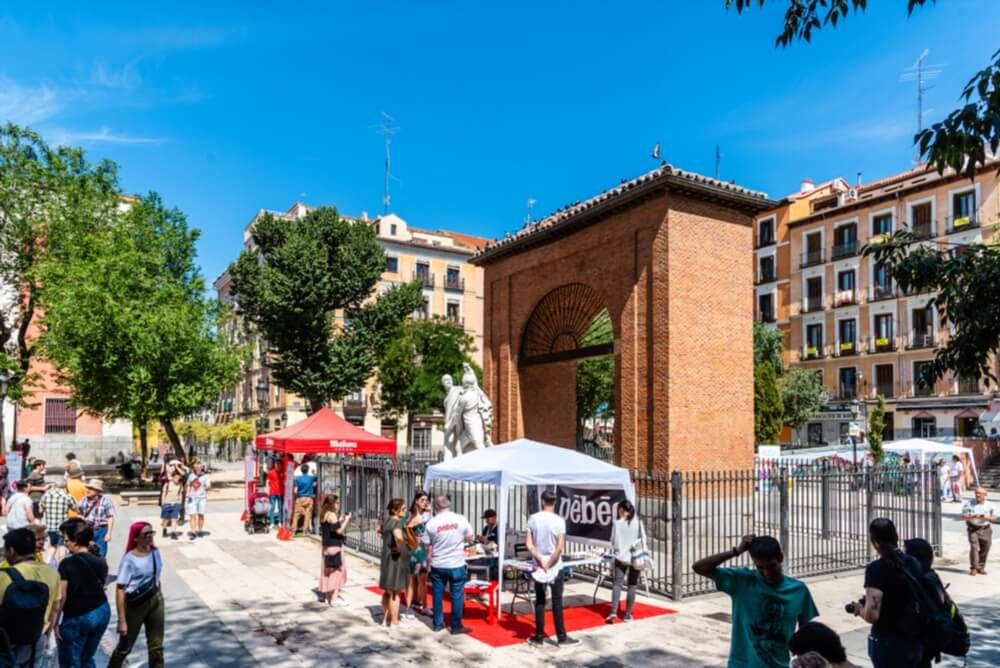
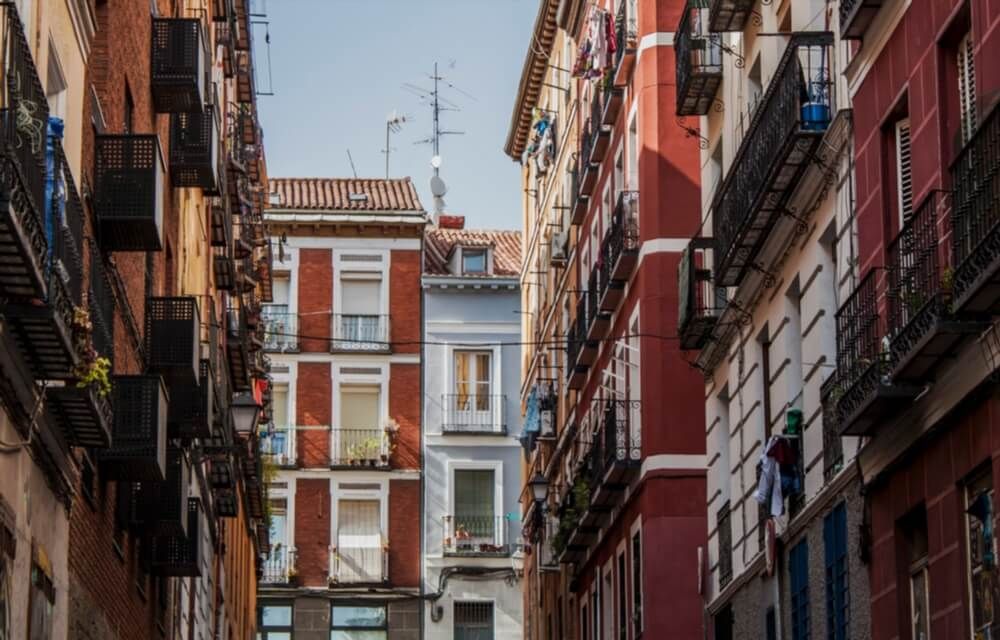
The Lavapiés neighborhood
Madrid's bohemian and multicultural neighborhood, many graffiti artists have worked on the walls of this neighborhood. La Tabacalera is a cultural center that offers many activities, restaurants from all countries offer their typical dishes, and on Sundays, you can visit the famous flea market 'el Rastro'.
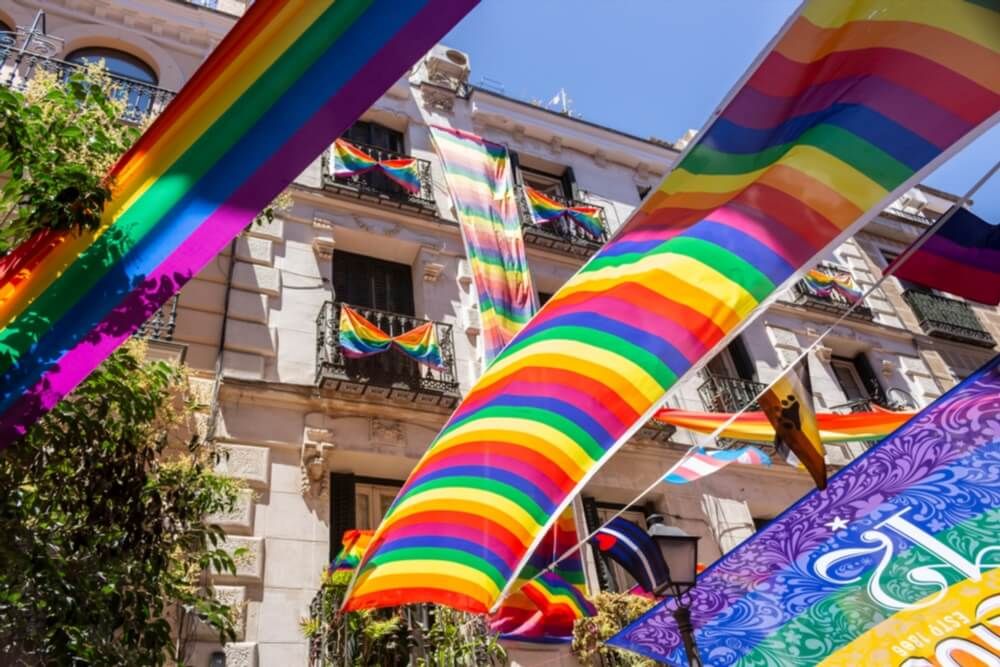
The Chueca neighborhood
Calm during the day, festive at night, tapas bars, trendy restaurants and clubs are legion in this neighborhood. It's also in this neighborhood that the LGBT community has settled.
The Retiro neighborhood
Retiro Park extends over a large part of this neighborhood, over 125 hectares populated with nearly 15,000 trees of very different species, a true green lung in the heart of downtown. You'll find notably: the Perennial Garden, the gardens of Cecilio Rodríguez (Andalusian classics), the gardens of architect Herrero Palacios, the rose garden and the French Parterre which houses Madrid's oldest tree: a 400-year-old Mexican swamp cypress, and finally, remarkable sculptures and fountains.
Cultural, recreational and sports activities for all ages are offered near the large basin: rowing boats, boat rides, canoe-kayak... The Velázquez Palace and Crystal Palace have been transformed into exhibition venues. The Puppet Theatre operates weekends only. You can visit the park on foot or by bike, rentals are offered outside. The San Isidro fireworks can be seen at Retiro Park around May 15th each year.
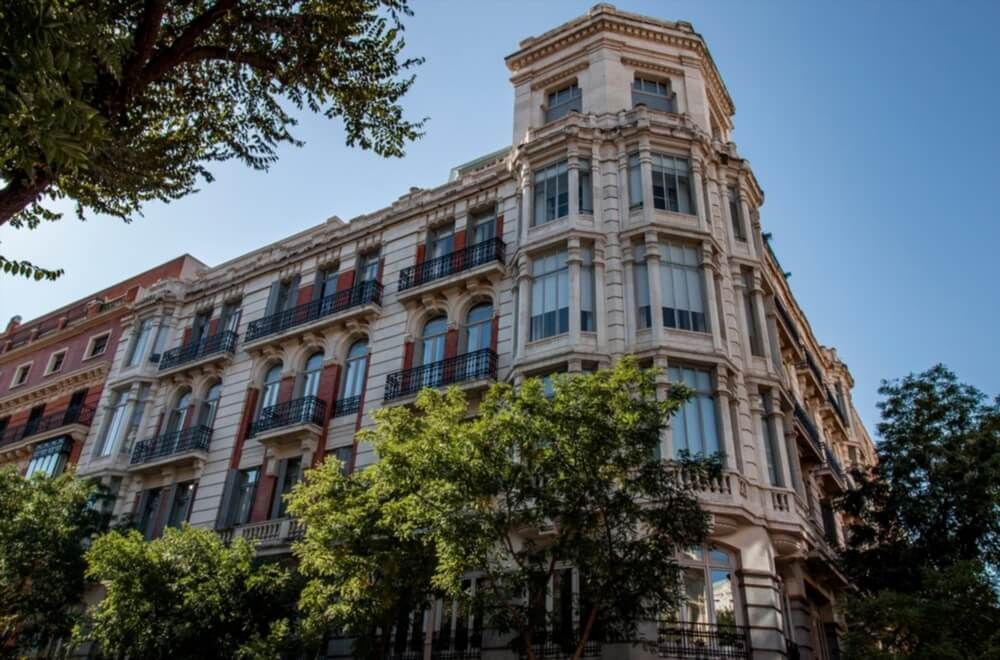
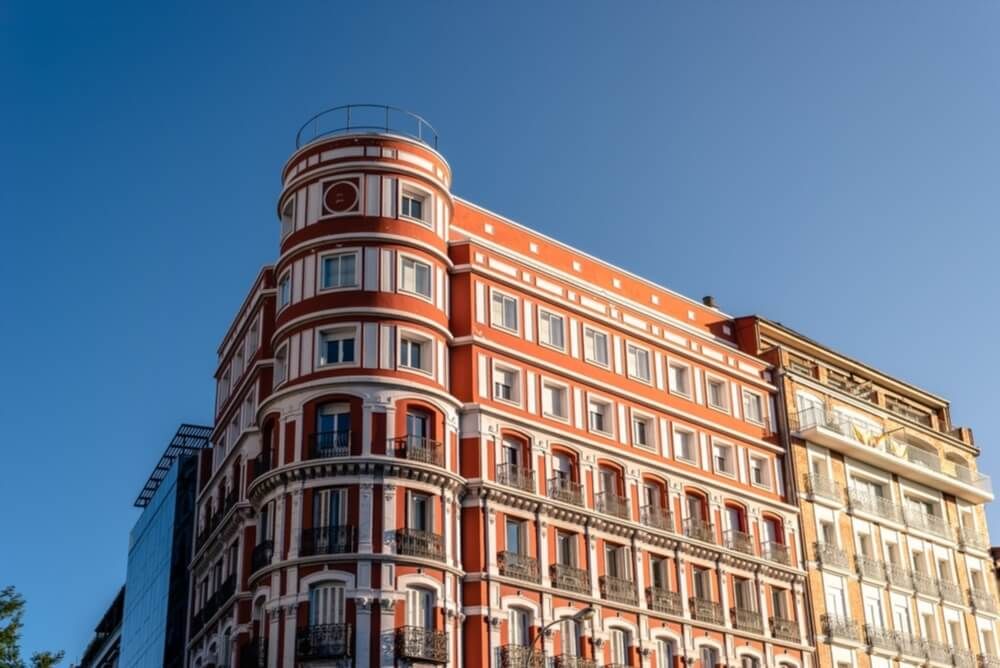
The Salamanca neighborhood
It consists of buildings whose quality architecture and beautiful facades can only be admired, a typical 19th-century neighborhood. This is Madrid's chic neighborhood. Luxury shops are very present and celebrities have resided in this neighborhood, in addition to Michelin-starred restaurants and chic evenings that make up this neighborhood's DNA.
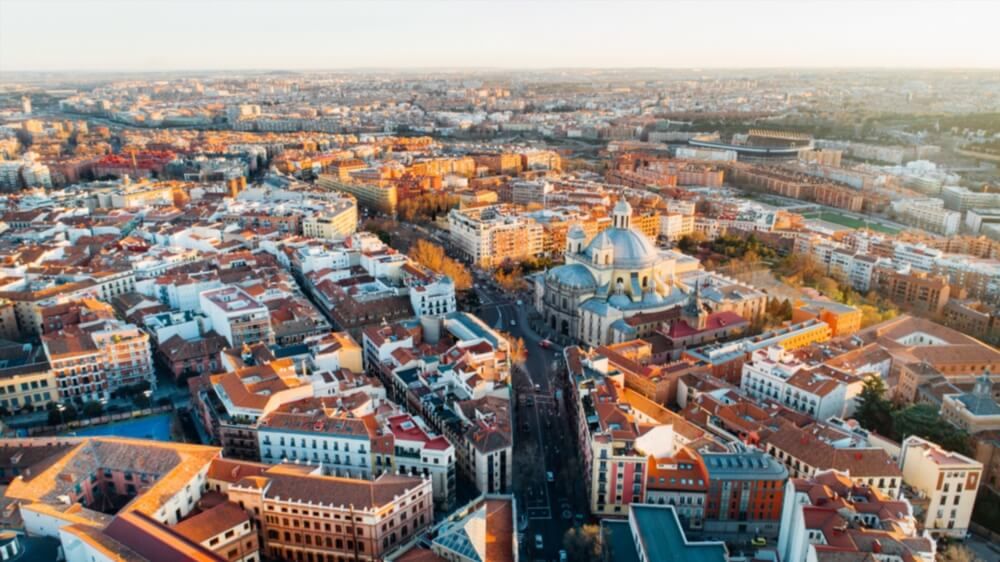
The La Latina neighborhood
A medieval neighborhood with winding and narrow streets, composed of many squares, this is Madrid's old commercial district and this is reflected in the names of its streets: barley square, straw square... Evenings are lively in the many typical taverns of the neighborhood. Also to discover:
- The remains of the old rampart that once protected the city,
- The San Francisco el Grande basilica,
- Las Vistillas park and its magnificent sunset giving a direct view of Santa Maria Real de la Almudena cathedral,
- The feast of the Virgin of La Paloma around August 15th which makes the neighborhood streets vibrate during this traditional festival. It's also an opportunity to party at the popular Verbana ball where Madrilenians dress in typical costumes for this very special celebration.